The Suzuki V-Strom 1050DE is one of the few big-bore adventure motorcycles that lets riders leave pavement confidently, yet its capability depends on electronics working exactly as engineered. Maintaining the Gravel mode traction control is not just about preserving a dashboard feature; it is about keeping the motorcycle predictable on loose surfaces, protecting driveline components, and making sure the bike responds the same way on washboard roads, hardpack, and shallow gravel climbs. On the V-Strom 1050DE, Gravel mode alters rear wheel slip targets compared with standard road settings, allowing controlled spin without fully disabling intervention. That balance is why maintenance matters.
In workshop practice, traction control maintenance means more than scanning for fault codes. It includes battery health, wheel speed sensor cleanliness, tire size consistency, chain adjustment, switchgear function, software updates, and correct fastener handling. This hub article also connects three related themes that owners regularly encounter in metric motorcycle service: the JIS standard used on many Japanese components, the maintenance implications of DCT systems discussed across the wider adventure-touring category, and the metric quirks that trip up even experienced home mechanics. Understanding those topics together prevents misdiagnosis. A rounded screw, an incorrect battery reset procedure, or a mismatched rear tire can all lead riders to blame the traction system when the root cause is basic service error.
I have seen this firsthand in mixed-surface service work. Riders often report that Gravel mode feels too intrusive, too permissive, or inconsistent after tire changes, winter storage, or accessory installation. In many cases, the electronic control unit is functioning correctly; the problem is poor baseline maintenance. A weak battery can create low-voltage irregularities at startup. Metal debris on a tone ring can distort wheel speed readings. Over-tightened bodywork fasteners can crack tabs near sensors or wiring runs. Even using the wrong screwdriver on Japanese crosshead screws can turn a routine inspection into a longer repair. If you want reliable Suzuki V-Strom 1050DE traction control performance, maintenance discipline has to extend beyond the menu setting itself.
This article serves as the sub-pillar hub for Maintenance & Technical Encyclopedia (Metric), focused specifically on maintaining Gravel mode traction control while linking the surrounding knowledge owners need. It explains how the system works, what should be inspected at each interval, where the JIS standard matters, how DCT maintenance comparisons sharpen diagnostic thinking, and which metric quirks deserve special attention. The goal is practical: help you preserve off-pavement control, avoid preventable faults, and build service habits that support every other article in this technical cluster.
How Gravel Mode Traction Control Works on the Suzuki V-Strom 1050DE
The V-Strom 1050DE uses wheel speed data, throttle position, engine speed, gear information, and inertial measurement inputs to decide when rear wheel slip exceeds the target for the selected mode. Gravel mode is calibrated to allow more slip than pavement-oriented settings because loose surfaces require some spin to maintain drive. On dirt roads, a strict road map can cut power too abruptly and upset the chassis. Gravel mode instead tolerates a degree of wheelspin so the tire can clear loose material and continue driving forward.
For the rider, that translates into a more natural feel when accelerating out of corners or climbing over marbles and packed dirt. For the technician, it means the system is sensitive to anything that distorts wheel speed relationships. Front and rear tires with unusual wear profiles, incorrect pressures, severe chain slack variation, or a contaminated wheel speed sensor can all change how the ECU interprets slip. The system may still work, but it will no longer behave as intended by Suzuki’s calibration engineers.
Because the V-Strom 1050DE integrates multiple electronic rider aids, diagnosis should start with baseline mechanical correctness. Before suspecting a failed sensor, confirm the battery holds proper resting voltage, charging output is stable, tires match recommended dimensions, and ABS tone rings are undamaged. In practice, these checks solve many rider complaints faster than replacing parts. A traction control system can only be as accurate as the signals and hardware supporting it.
Core Maintenance Checks That Preserve Gravel Mode Performance
Routine service for Gravel mode traction control should follow a structured sequence. Start with tires because they define the available grip envelope and the wheel circumference the ECU expects. Fit the correct metric sizes and maintain pressures appropriate for load and surface. A heavily squared rear tire or a front tire with irregular cupping can make intervention feel abrupt because wheel speeds fluctuate more than they should over rough terrain. Next, inspect wheel speed sensors and tone rings for mud, caked chain lubricant, bent teeth, or stone damage.
Electrical health comes next. The V-Strom’s electronics are tolerant, but not immune, to low-voltage conditions. After storage, I always test resting battery voltage, cranking drop, and charging output before chasing electronics complaints. Corrosion at battery terminals or frame grounds can create intermittent issues that mimic sensor faults. Then inspect harness routing around the fork legs, calipers, and swingarm, especially if the bike has aftermarket crash bars, auxiliary lights, or a tail tidy. Accessory installations are a common source of pinched wires and poor grounding.
Finally, verify chain condition and adjustment, throttle response, and switchgear operation. Excessive chain slack can amplify driveline lash, especially in low-traction conditions, making the bike feel snatchy when Gravel mode modulates torque. Sticky switches can prevent mode changes or confuse rider input. The following service table covers the most useful checks.
| Item | What to Check | Why It Affects Gravel Mode | Typical Interval |
|---|---|---|---|
| Tires | Correct metric size, even wear, proper pressure | Changes in rolling circumference alter slip calculations | Before every ride and after tire changes |
| Wheel speed sensors | Clean sensor face, correct gap, no damaged wiring | Contaminated or weak signals distort wheel speed data | At every wash and scheduled service |
| ABS tone rings | No bends, cracks, or packed debris | Damaged trigger pattern can cause false intervention | Every tire service and off-road inspection |
| Battery and charging | Resting voltage, cranking voltage, charging output | Low voltage can trigger startup errors or unstable electronics | Monthly and after storage |
| Chain | Slack, lubrication, tight spots, alignment | Driveline shock affects smooth torque delivery | Every 500–600 km off-road use |
| Switchgear | Mode button function, no sticking or contamination | Ensures rider can select and retain intended mode | Each service and after dusty rides |
If a fault appears, avoid clearing codes immediately. Record the conditions, selected mode, tire setup, and recent maintenance. Those details matter. In actual troubleshooting, patterns often reveal the cause: faults after pressure washing suggest connector contamination; faults after chain service suggest disturbed sensor wiring near the swingarm; faults only after long storage suggest battery weakness.
The JIS Standard: Why Japanese Fasteners Matter in Electronic Maintenance
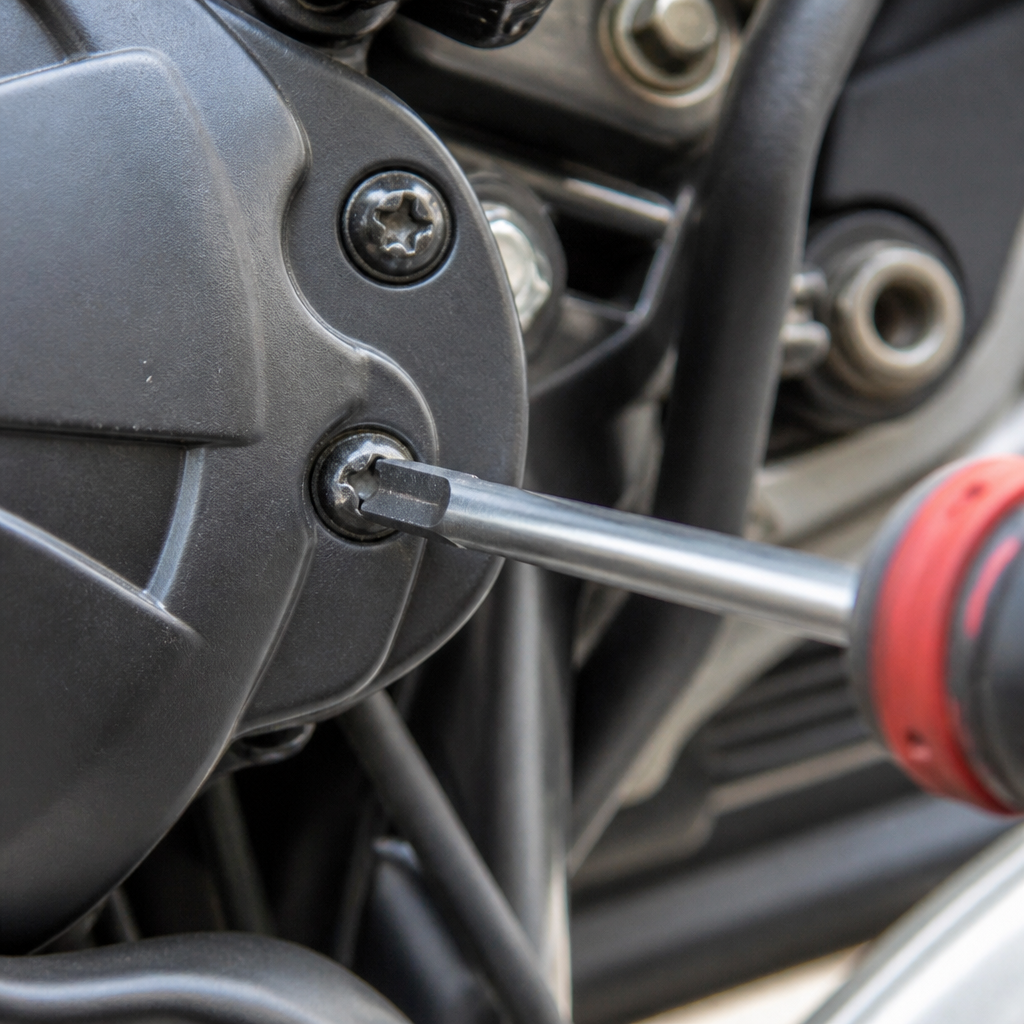
The JIS standard is central to maintaining any Japanese motorcycle properly, including the Suzuki V-Strom 1050DE. Many screws on Japanese bikes resemble Phillips heads, but they are not the same geometry. JIS crosshead fasteners are designed for different driver engagement, and using a standard Phillips screwdriver increases the chance of cam-out and head damage. This matters directly when you remove body panels, switchgear housings, battery retainers, or sensor covers while servicing traction control related components.
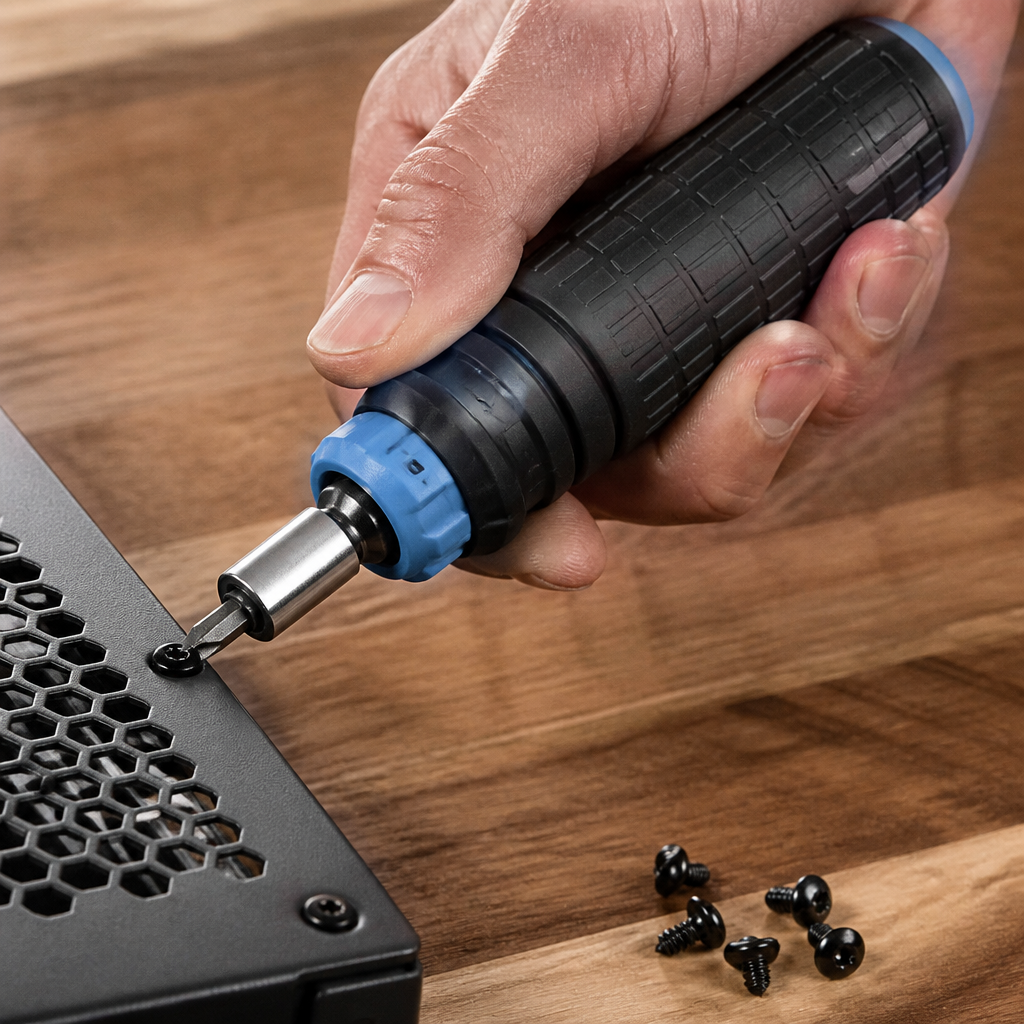
Rounded fasteners are more than an annoyance. They turn basic inspections into drilling jobs, increase the risk of broken tabs, and tempt owners to skip preventative service. I keep dedicated JIS drivers from Vessel or Hozan on the bench for this reason. They seat deeper, transfer torque better, and reduce the chance of slipping into painted plastics or adjacent wiring. If you service your own V-Strom, proper JIS tools are one of the cheapest upgrades you can make.
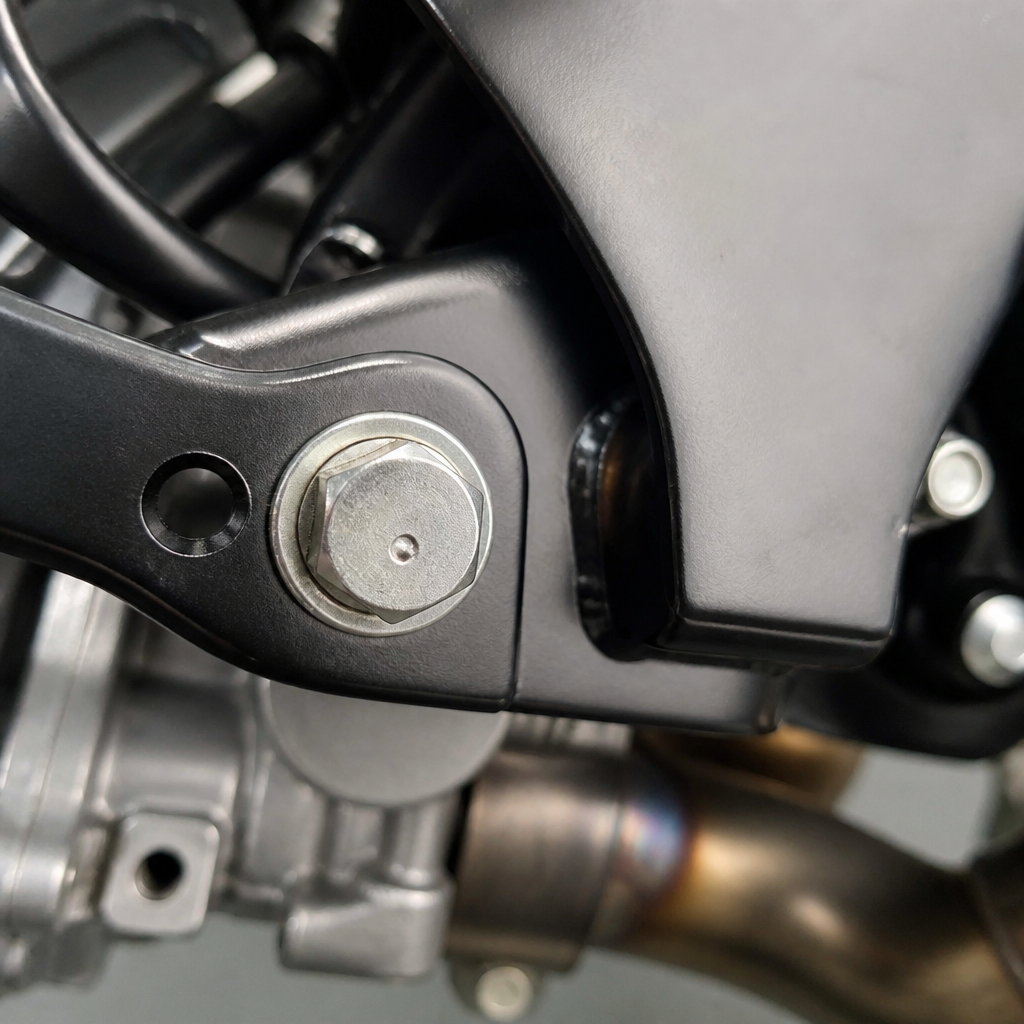
There is also a torque discipline issue. Japanese motorcycles use many small metric fasteners threading into clips, aluminum brackets, and plastic-mounted inserts. Over-tightening during reassembly can distort fairing alignment or crack a mount near an electrical harness. Under-tightening can create vibration and intermittent connector strain. Both outcomes can indirectly affect traction control reliability. Correct tool fit, careful torque application, and thread inspection are foundational habits, not cosmetic concerns.
DCT Maintenance Comparisons and What They Teach V-Strom Owners
The V-Strom 1050DE does not use a dual-clutch transmission, but DCT maintenance offers useful comparison points for understanding modern motorcycle electronics. On DCT-equipped adventure bikes, smooth operation depends on clean electrical signals, calibrated sensors, healthy battery voltage, correct fluid condition, and software logic working in harmony with mechanical components. That same systems-thinking approach applies to Suzuki traction control. Riders who understand DCT service tend to diagnose electronically managed drivetrains more intelligently because they know one symptom can have multiple inputs.
For example, DCT complaints that seem like clutch trouble are often rooted in battery condition, adaptation values, or sensor plausibility checks. The lesson for V-Strom owners is clear: do not interpret every odd intervention as a failed traction control unit. Start with fundamentals, then move to advanced diagnosis. Check tire mismatches, wheel sensor output, harness continuity, and charging stability before assuming an ECU problem. Electronic systems rarely fail in isolation compared with connectors, consumables, and installation errors.
DCT service also highlights the value of following exact procedures. Transmission learn routines, clutch adaptations, and fluid specifications all matter. On the V-Strom, the parallel principle is using the correct service manual steps for battery disconnection, sensor inspection, and fault retrieval. Improvisation causes confusion. Accurate maintenance protects reliability, and reliability is what makes rider aids useful off pavement rather than distracting.
Metric Quirks That Commonly Cause Service Errors
Metric motorcycles reward precision, and the V-Strom 1050DE is no exception. One common quirk is confusing close socket sizes and rounding fasteners, especially when corrosion or dirt hides the exact fit. Another is assuming tire measurements or torque values can be approximated. They should not be. A small deviation in chain adjuster alignment, axle torque, or sensor bracket position can produce handling or signal issues that riders then blame on electronics.
Thread pitch is another area where mistakes happen. Japanese motorcycles use specific metric pitches that should never be “made to fit” with near matches from general hardware bins. Replacing a damaged fastener with the wrong pitch can ruin aluminum threads in subframes, battery boxes, or brackets carrying traction-control-related wiring. I also see confusion over decimal torque values, especially when service data is given in newton-meters and owners mentally convert incorrectly. Use a torque wrench in the proper range rather than guessing.
Electrical connectors bring their own metric-era quirk: they are often compact, weather-sealed, and tightly packaged. Pulling on wires instead of releasing the lock tab can create intermittent faults that only appear during steering movement or suspension travel. Careful connector handling, dielectric grease where specified, and exact routing along factory clips are simple habits that prevent hours of future troubleshooting.
Best Practices After Tire Changes, Storage, and Accessory Installation
The most common times for Gravel mode complaints are right after a tire change, at the start of the riding season, and after adding accessories. After tire work, confirm the tone ring orientation, sensor clearance, axle torque, chain adjustment, and exact tire specification. Adventure riders often experiment with more aggressive rubber, but dramatic departures from stock sizing can change system behavior. Choose reputable sizes known to work on the platform and expect some feel differences when tread blocks are taller or more flexible.
After storage, prioritize battery testing and connector inspection. Rodents, condensation, and sulfated batteries create more electronic complaints than many owners realize. I recommend charging the battery with a smart maintainer, load testing it if there is any doubt, and checking charging output once the engine is running. Then operate every switch, including mode selection, before the first long ride.
Accessory installation deserves the same discipline as major service. Route harnesses away from steering stops, hot exhaust sections, and moving suspension parts. Use proper relays or fused distribution blocks for auxiliary lighting and heated gear rather than overloading factory circuits. When troubleshooting begins after a modification, always inspect the newest work first. That rule saves time in nearly every electrical diagnosis.
Conclusion
Maintaining the Suzuki V-Strom 1050DE Gravel mode traction control is really about maintaining the motorcycle as an integrated metric system. The electronics depend on correct tire dimensions, clean wheel speed signals, stable voltage, proper chain adjustment, sound wiring, and careful fastener handling. The JIS standard matters because damaged screws and careless disassembly lead directly to skipped inspections and broken mounting points. DCT maintenance comparisons matter because they teach the right diagnostic mindset: begin with fundamentals, follow exact procedures, and respect the relationship between software and hardware. Metric quirks matter because small measurement errors create large symptoms.
If you apply those principles consistently, Gravel mode will feel predictable and useful where it counts most: on loose, changing surfaces that demand controlled slip rather than blunt intervention. Treat every service as a chance to restore factory baselines, document what changed, and verify the result with a short test ride. For deeper work, continue through the rest of the Maintenance & Technical Encyclopedia (Metric) cluster and build your toolkit, procedures, and inspection habits around the standards that keep Japanese adventure motorcycles dependable.
Frequently Asked Questions
What does Gravel mode traction control do on the Suzuki V-Strom 1050DE, and why is maintaining it so important?
Gravel mode traction control on the Suzuki V-Strom 1050DE is designed to give the rear tire a controlled amount of slip on loose terrain while still stepping in before wheelspin becomes excessive. That balance is what makes the system so useful off pavement. Instead of cutting power too aggressively the moment the rear tire starts to move around, Gravel mode allows the bike to drive forward in a way that feels natural on hardpack, shallow gravel, and uneven dirt roads. It helps the motorcycle stay predictable, which is especially important on a large-displacement adventure bike where torque delivery can quickly overwhelm available traction.
Maintaining this system matters because its effectiveness depends on accurate sensor inputs, stable electrical performance, and proper wheel and tire setup. If wheel speed sensors are dirty, if tone rings are damaged, if tire sizes differ from specification, or if battery voltage is unstable, the traction control strategy may not behave as intended. That can show up as delayed intervention, unnecessary intervention, warning lights, or inconsistent performance from one ride to the next. In practical terms, that means the bike may feel less composed on washboard roads, less confident during loose climbs, or more abrupt when traction changes suddenly.
Good maintenance also protects mechanical components. When traction control is functioning correctly, it helps manage sudden driveline shock caused by uncontrolled wheelspin followed by abrupt grip recovery. That can reduce stress on the chain, sprockets, clutch, and rear tire. So while Gravel mode may look like a selectable rider aid on the dash, it is really part of a larger system that supports stability, component longevity, and rider confidence whenever the V-Strom 1050DE leaves pavement.
What maintenance checks help keep the V-Strom 1050DE’s Gravel mode traction control working properly?
The most important checks start with the wheel speed sensing system. Inspect both wheel speed sensors for dirt buildup, metallic debris, mud, or physical damage. Because adventure motorcycles are regularly exposed to gravel dust, water crossings, and road grime, it is common for contamination to collect around the sensor area. Carefully clean the sensors and the corresponding tone rings using methods recommended in the service literature, and look closely for bent, cracked, or damaged tone ring teeth. Even small issues in this area can interfere with accurate wheel speed readings, which directly affects how the traction control system makes decisions.
Tires and wheels are the next major factor. Use tire sizes and types that are appropriate for the motorcycle and maintain pressures within the intended operating range for your load and terrain. A badly worn rear tire, severely uneven tread, or significant front-to-rear mismatch can influence wheel speed interpretation and overall system feel. Check wheel condition as well. Excessive runout, damaged rims, or loose wheel-related hardware can create abnormal readings or handling behavior that riders may mistakenly blame on the electronics.
Chain condition and adjustment also matter more than many owners realize. If chain slack is far outside specification, throttle transitions can become harsher and driveline lash can increase, making traction control intervention feel less smooth. A dry, kinked, or worn chain can add inconsistency to power delivery on loose surfaces. Keep the chain cleaned, lubricated, and adjusted to specification, and inspect sprockets for hooking or uneven wear. Smooth mechanical power transfer helps the electronics do their job more effectively.
Finally, do not overlook battery and charging system health. Modern rider aids rely on stable voltage. A weak battery, charging issues, poor ground connections, or corroded connectors can trigger fault codes or cause irregular operation in electronic systems. If the bike has seen frequent off-road vibration or wet-weather use, it is wise to inspect accessible wiring connectors associated with ABS and traction control circuits for corrosion, looseness, or damage. Keeping these basic systems in good shape is the best way to preserve consistent Gravel mode performance.
How can I tell if Gravel mode traction control is not working correctly on my Suzuki V-Strom 1050DE?
One of the clearest signs is a change in behavior on terrain where you already know how the bike normally responds. If the V-Strom 1050DE suddenly feels overly intrusive in Gravel mode, cutting power too early and too often on mild loose surfaces, that may indicate inaccurate wheel speed data, incorrect tire pressures, unusual tire wear, or a sensor issue. On the other hand, if the rear tire spins much more freely than expected and the intervention seems absent or delayed, that can also point to a fault or a condition affecting system calibration and response.
You should also pay attention to the instrument cluster. Warning lights related to traction control, ABS, or general system faults should never be ignored, even if the motorcycle still appears rideable. On many motorcycles, traction control relies on the same foundational sensor network as ABS, so a problem in one area can influence another. If a warning remains active after startup and normal riding conditions are met, the system may be limiting or disabling certain electronic functions until the problem is corrected.
Less obvious signs include inconsistent behavior from ride to ride, especially when conditions are similar. If one day Gravel mode feels smooth and confidence-inspiring but the next day feels abrupt, hesitant, or erratic without any meaningful terrain difference, that is worth investigating. Check for simple causes first, such as mud packed near a sensor, tire pressures that have drifted, a recent tire change, chain neglect, or a weak battery after storage. If those basics do not resolve the issue, a proper diagnostic inspection is the smart next step.
It is also important to separate traction control concerns from suspension, tire, and rider input issues. A harsh throttle hand, worn dual-sport tires, poor body positioning, or suspension settings unsuited to gravel can all make the bike feel unsettled. But if those factors are accounted for and the system still feels wrong, trust the pattern. Electronic rider aids are meant to feel repeatable. A loss of repeatability is often the first real clue that maintenance or diagnosis is needed.
Can tire changes, wheel modifications, or off-road use affect Gravel mode traction control performance?
Yes, absolutely. Gravel mode traction control depends on accurate comparisons between front and rear wheel speed, so anything that changes the way those wheels rotate or the signals the sensors receive can affect system behavior. Tire changes are one of the most common examples. Switching to a different tire model with a noticeably different profile, tread block design, or wear pattern can alter how the bike behaves on loose surfaces. While many tire swaps are perfectly fine when they remain within appropriate specifications, dramatic deviations can influence how naturally the traction control feels when the surface gets slippery or uneven.
Wheel modifications deserve the same caution. Components such as ABS tone rings, wheel spacers, bearings, and aftermarket wheels must all be correct for the motorcycle. If any of these parts are incompatible, damaged, or improperly installed, wheel speed readings may become unreliable. Even a small alignment issue or sensor gap problem can lead to warning lights or odd intervention patterns. After any wheel service, tire installation, or brake work, it is smart to verify that nothing around the sensor and tone ring area has been bent, contaminated, or left loose.
Regular off-road use can also affect the system indirectly through wear and contamination. Gravel roads, washboard surfaces, mud, and water crossings expose the wheel sensors, wiring, and connectors to conditions that street-only motorcycles may never see. Mud can cake around sensing components, stones can strike exposed parts, and repeated vibration can loosen hardware over time. That does not mean the V-Strom 1050DE is fragile; it means adventure riding places extra importance on post-ride inspection and cleaning. The more often the bike is used in rough conditions, the more valuable those checks become.
If you plan to modify the bike for travel or heavier off-road use, the safest approach is to keep changes conservative, use quality components, and confirm compatibility with the motorcycle’s electronic systems. The goal is not just to avoid warning lights. It is to preserve the calibrated feel Suzuki intended, so Gravel mode continues to respond consistently whether you are crossing hard dirt, climbing loose fire roads, or threading through shallow gravel with luggage onboard.
What is the best long-term maintenance strategy for preserving consistent Gravel mode traction control performance?
The best strategy is to treat Gravel mode traction control as part of the motorcycle’s complete chassis and electrical ecosystem rather than as a standalone feature. That means following the factory service schedule, but also adding a few adventure-specific habits. Start with regular inspections of wheel speed sensors, tone rings, wiring, chain condition, tire wear, and tire pressure. These are the areas most likely to influence how the system performs from one ride to the next. If you routinely ride unpaved roads, inspect those items more often than a pavement-only owner would.
Build a habit of checking the bike after any event that could affect sensor accuracy or driveline smoothness. Examples include tire replacements, wheel removal, chain adjustments, minor falls, rocky trail impacts, prolonged muddy rides, or long periods of storage. After service or parts changes, take the motorcycle on a careful test ride and confirm that there are no warning lights and that the system behavior feels normal. Catching a small issue early is much easier than diagnosing an intermittent problem after a long trip is already underway.
Electrical health should be