The Kawasaki Z H2 SE demands a maintenance approach that respects both its supercharged architecture and the metric engineering culture behind it. This motorcycle is not simply a naked sportbike with extra power; it is a tightly packaged, electronically managed machine built around a 998 cc inline-four and Kawasaki’s balanced centrifugal supercharger, a system whose intake path, clamps, seals, sensors, and fasteners all need disciplined care. When owners search for Kawasaki Z H2 SE maintenance in 2026, they are usually asking three practical questions: how do I protect the supercharged intake, what metric-service standards matter most, and where do modern drivetrain concepts such as dual-clutch service fit into a broader maintenance encyclopedia. Those questions belong together because real workshop success depends on standards, procedures, and platform-specific quirks working as one system.
In my experience servicing high-output metric motorcycles, intake problems rarely begin with the compressor wheel itself. They begin with neglected airbox seals, over-oiled filters contaminating pressure and temperature sensors, mismatched JIS and Phillips drivers rounding soft crosshead screws, or well-meaning owners applying automotive habits to motorcycle packaging. On a supercharged bike, small errors multiply. A slight vacuum leak before the throttle bodies can skew fueling. A loose clamp after service can create drivability complaints under load. An incorrectly torqued sensor can crack a plastic boss. Good maintenance therefore starts with understanding terms. JIS refers to Japanese Industrial Standards fastener geometry, common on Japanese motorcycles even when many tools are labeled Phillips. DCT maintenance refers to the inspection and fluid discipline required by dual-clutch transmissions, included here because this hub covers metric technical practices beyond one model. Metric quirks are the recurring service realities of Japanese and European bikes: millimeter hardware, fine-pitch threads, aluminum cases, compact routing, and exacting torque values.
This matters in 2026 because motorcycles like the Z H2 SE sit at the intersection of mechanical performance and software-controlled precision. Emissions systems are tighter, intake acoustics are tuned, and replacement parts are costly. Preventive maintenance saves money, preserves reliability, and protects performance that owners paid for. A clean, sealed intake keeps the supercharger efficient, the engine safe under boost, and the ride consistent in traffic and at speed. At the same time, using the correct JIS tools, understanding metric fastener logic, and recognizing where procedures differ on DCT-equipped motorcycles prevents stripped hardware, fluid errors, and unnecessary downtime. This article serves as a hub: a practical guide to caring for the Z H2 SE supercharged intake while connecting that task to the larger world of JIS standard service practice, DCT maintenance principles, and the metric-specific details that separate careful technicians from careless parts changers.
Supercharged Intake Service on the Kawasaki Z H2 SE
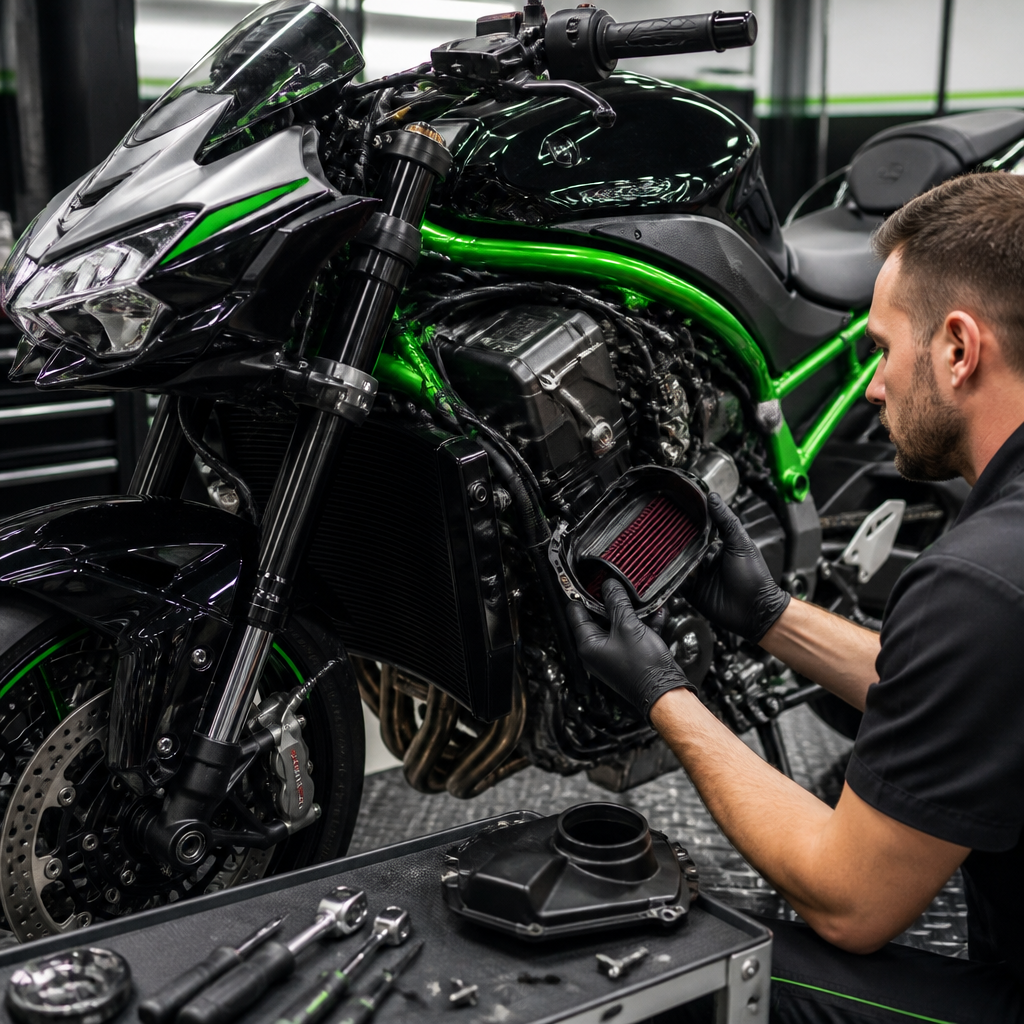
The Z H2 SE supercharged intake should be treated as a controlled air pathway, not just a filter box feeding an engine. Air enters through the intake ducting, passes the air filter, travels through the airbox and sensor environment, then into the throttle-body area before the compressor and engine management system determine fueling and boost behavior. Kawasaki designed this route for pressure stability, noise control, filtration, and throttle response. Routine care therefore focuses on cleanliness, sealing integrity, and inspection discipline. In practice, that means checking the air filter at every scheduled service interval, inspecting the airbox perimeter gasket for compression set or tears, confirming that intake snorkels and ducts are fully seated, and looking for rub marks where harnesses or hoses may chafe nearby components.
Owners often ask whether the supercharger itself needs regular internal maintenance. Under normal road use, the answer is no in the sense of disassembly or periodic rebuilds. What it does need is protection from contamination and service mistakes. Never allow loose debris into the intake tract. Never use compressed air carelessly inside the airbox with the filter removed. Never over-oil an aftermarket reusable filter unless the manufacturer explicitly supports that application and you can verify sensor compatibility. On modern Kawasaki intake systems, contamination on manifold pressure or intake air temperature sensors can produce subtle fueling issues long before a fault code appears. I have seen bikes with no major parts failure run poorly simply because a filter service left residue on sensor elements and disturbed airbox sealing.
Inspection should be methodical. Remove bodywork carefully, noting fastener lengths and shoulder designs. Before opening the airbox, clean the surrounding exterior so grit cannot fall inside. Once opened, inspect the filter media for uneven loading, moisture marks, insects, and bypass traces along sealing edges. Check clamps for witness marks showing they were previously mispositioned. Examine rubber boots for hardening, flattening, or microcracks, especially on bikes exposed to heat cycles and ozone. If the motorcycle has been modified with an exhaust, fueling module, or intake accessory, verify that no part of the modified setup interferes with the original pressure path. The Z H2 SE can tolerate only so much improvisation before drivability suffers. Precision beats guesswork every time on boosted motorcycles.
The JIS Standard and Why It Still Shapes Metric Motorcycle Maintenance
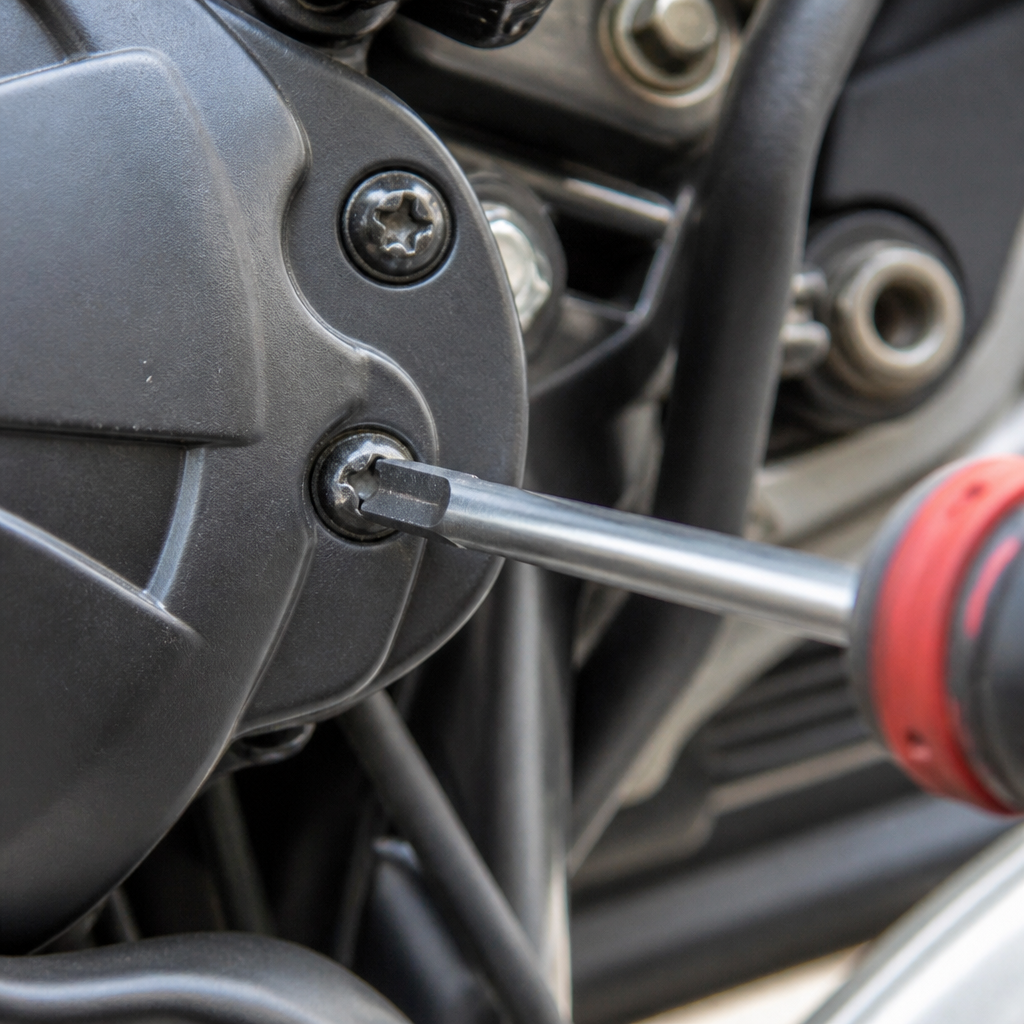
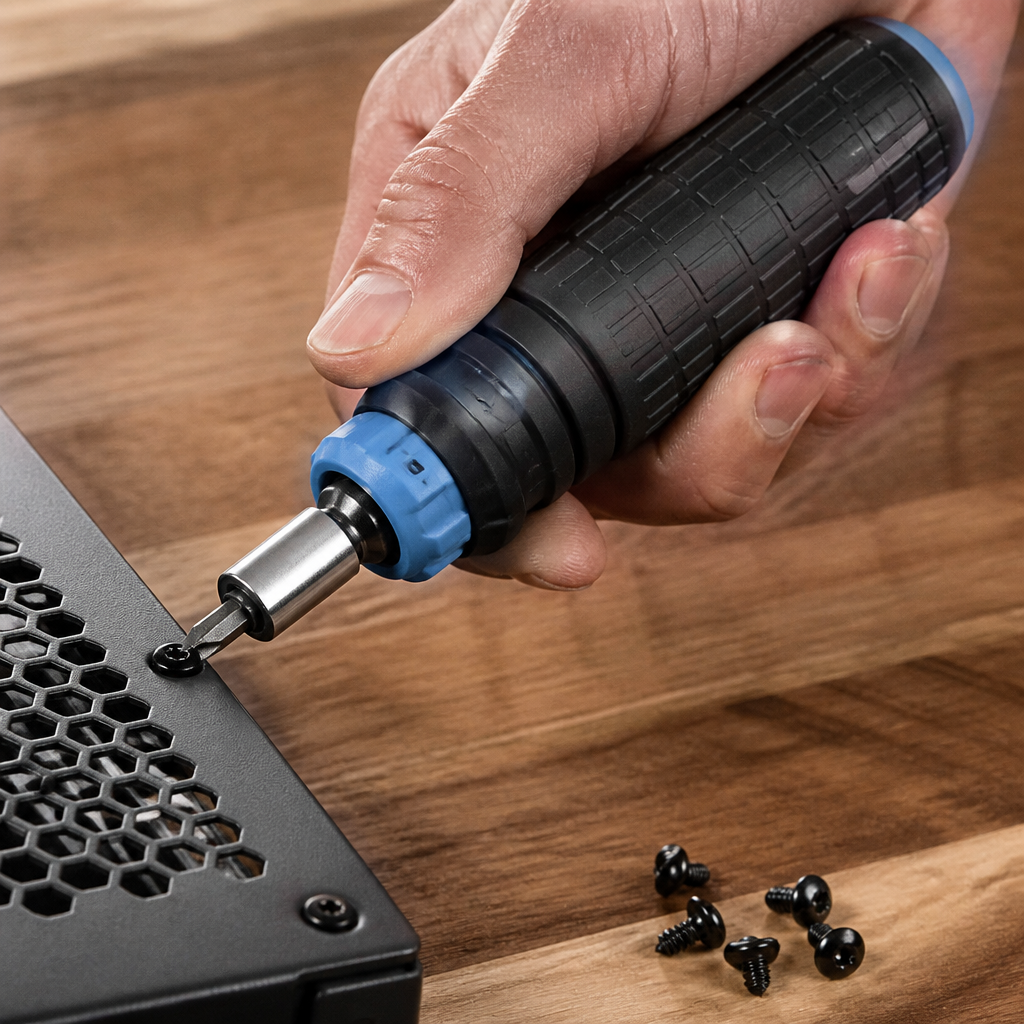
JIS matters because many Japanese motorcycles, including Kawasaki models, use crosshead screws that look like Phillips but behave differently under torque. A true JIS driver seats more positively, cams out less, and dramatically reduces the chance of damaging screw heads on switchgear, reservoir covers, clamps, and body fittings. While newer fastener designs increasingly favor hex, Torx, or flange bolts, crosshead service points remain common enough that every serious metric toolkit should include JIS drivers or bits from reputable brands such as Vessel, Hozan, or Moody. In workshop terms, this is not trivia. It is the difference between a clean brake-fluid service and a chewed-up master-cylinder cap that then requires extraction.
On the Z H2 SE, correct fastener engagement matters because access is tight and surrounding components are expensive. A stripped screw near intake hardware can turn a 30-minute inspection into a multi-hour repair. Japanese fastener logic also extends beyond screwdriver profiles. Thread pitches often differ from common automotive assumptions, aluminum threads punish over-torque, and flange bolt heads spread load in ways that make washers unnecessary in specific locations. Following the service manual torque values is essential, but so is understanding why they are low. A small bolt threading into a plastic airbox insert or cast aluminum bracket can fail long before a technician “feels” satisfied. I advise owners to use a calibrated 1/4-inch-drive torque wrench for intake and bodywork jobs rather than relying on feel.
The broader lesson is that JIS is part of a service mindset: use the exact tool, preserve the fastener, and avoid introducing damage during routine work. That mindset pays off across the entire metric encyclopedia, from carburetor bowl screws on older bikes to ABS module brackets and ride-by-wire housing screws on current machines. If a motorcycle feels unusually delicate compared with a larger automotive assembly, it usually is. Components are compact, load paths are specific, and replacement hardware is not always generic. Treat every screw as if the engineer chose it for a reason, because in most cases that is true.
DCT Maintenance in a Metric Technical Encyclopedia
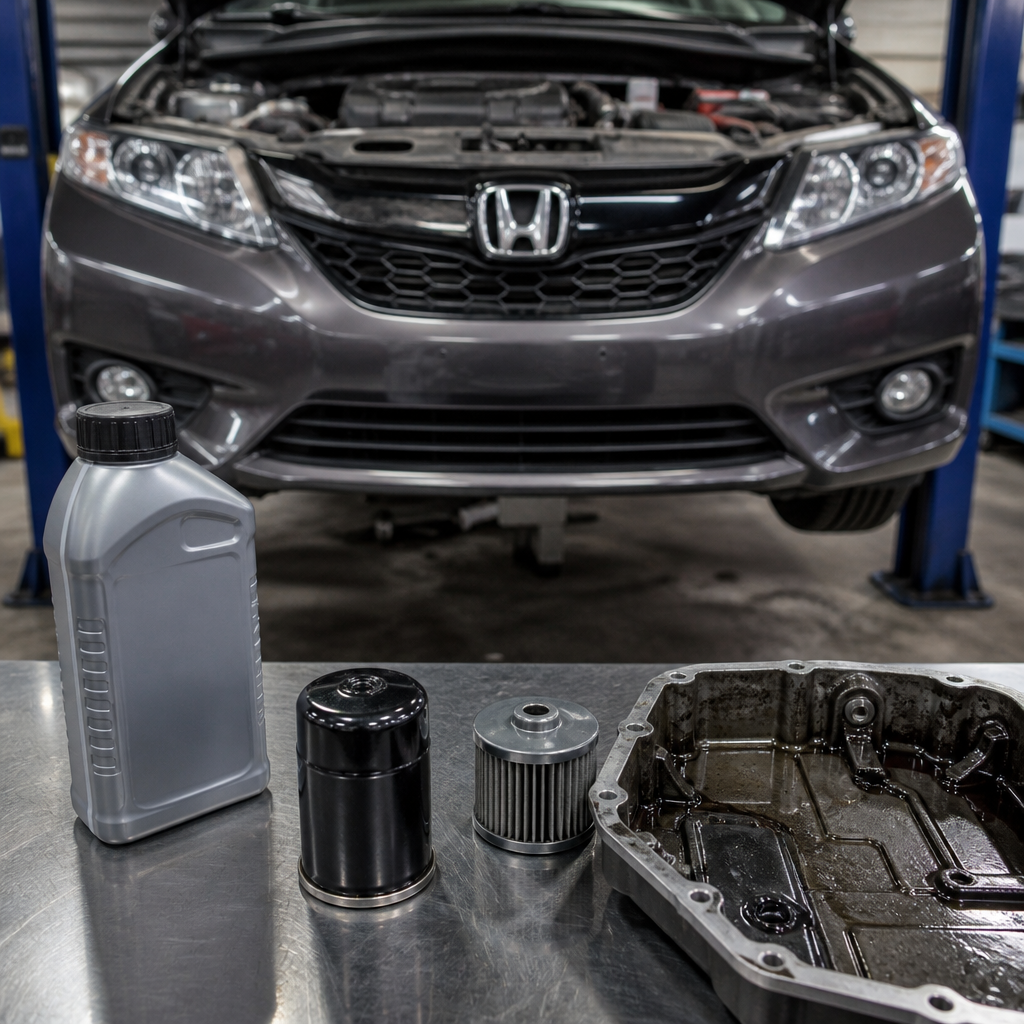
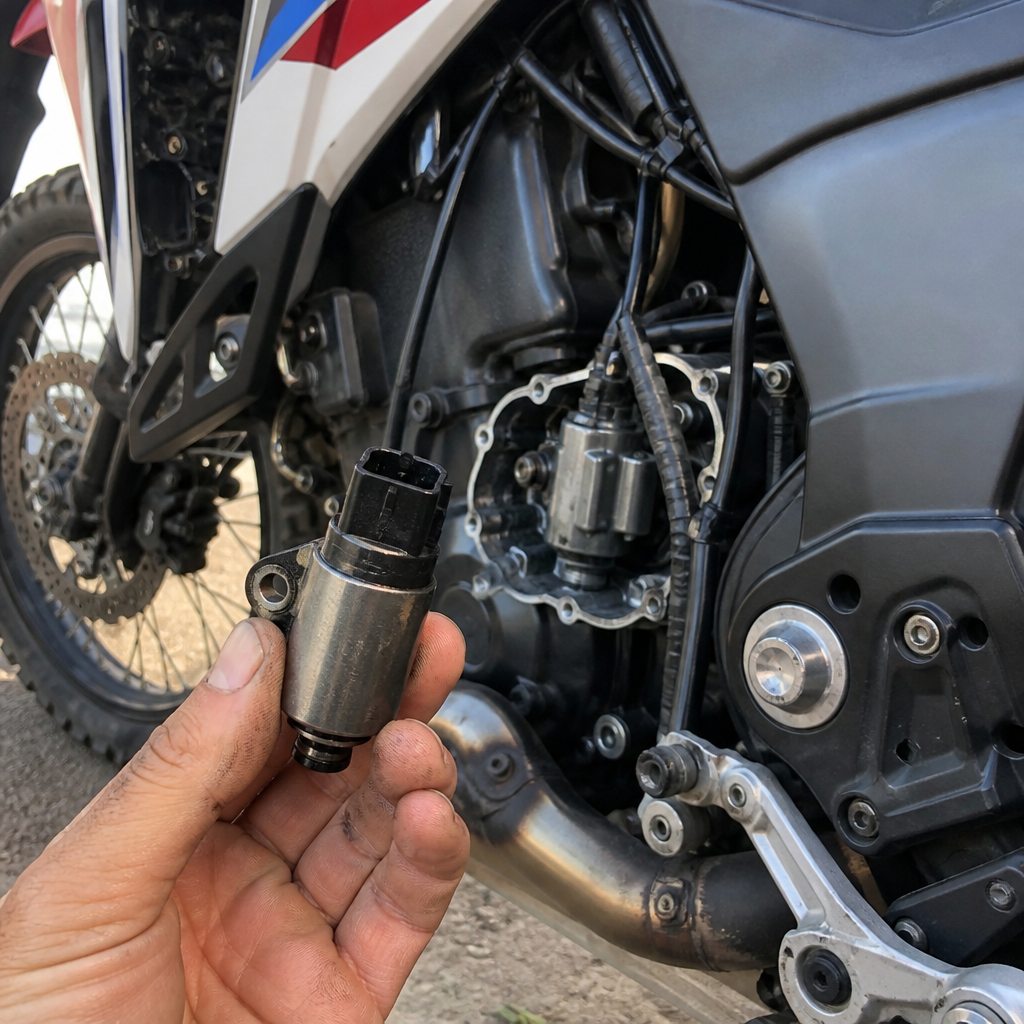
Although the Kawasaki Z H2 SE does not use a dual-clutch transmission, DCT maintenance belongs in this hub because owners and technicians increasingly cross-shop and cross-service advanced metric motorcycles from multiple Japanese brands. Dual-clutch systems, most famously associated with Honda, combine manual gearbox architecture with computer-controlled clutch actuation and shift logic. Their maintenance priorities center on fluid condition, filter service where specified, software updates, clutch adaptation behavior, and symptom recognition. In plain terms, if the fluid shears down, the hydraulic control degrades; if adaptation drifts or sensors misread, shift quality suffers. The maintenance philosophy overlaps strongly with supercharged intake care: clean fluid, correct procedure, no shortcuts.
What should a rider know at hub level? First, DCT service is not mysterious, but it is exacting. Use the manufacturer-specified oil grade and change interval. Confirm whether the platform has additional filters or screens beyond a standard engine oil filter. Pay attention to update campaigns and learn the difference between normal low-speed clutch behavior and an actual fault. Second, battery voltage matters more than many riders realize because clutch control and shift actuation rely on robust electrical performance. Third, adaptations and learning values can be affected by disconnected batteries, poor service habits, or unresolved sensor issues. That is why a technical encyclopedia should place DCT alongside JIS and intake maintenance: the modern metric motorcycle is an integrated electro-mechanical system.
| Topic | Primary Risk | Key Maintenance Action | Common Owner Mistake |
|---|---|---|---|
| Supercharged intake | Air leaks or contamination | Inspect filter, seals, sensors, and clamps | Over-oiling filters or misseating the airbox |
| JIS fasteners | Stripped screw heads | Use true JIS drivers and correct torque | Using Phillips bits and excess force |
| DCT systems | Poor shift quality or clutch control issues | Use specified fluid and follow adaptation procedures | Assuming any motorcycle oil or reset method will work |
| Metric hardware generally | Thread damage in aluminum or plastic | Verify pitch, length, and torque specification | Substituting near-match bolts from mixed bins |
Real-world examples illustrate the point. A rider may report jerky low-speed engagement on a DCT bike and blame the transmission, when the true cause is old oil and a weak battery. Another may service a Z H2 SE intake, then create a hesitation complaint by pinching an airbox seal or leaving a sensor connector partly latched. Different systems, same principle: modern metric motorcycles reward procedural accuracy. If you can document service steps, use proper tools, and verify your work before reassembly, you prevent most avoidable problems.
Metric Quirks That Influence Every Service Job
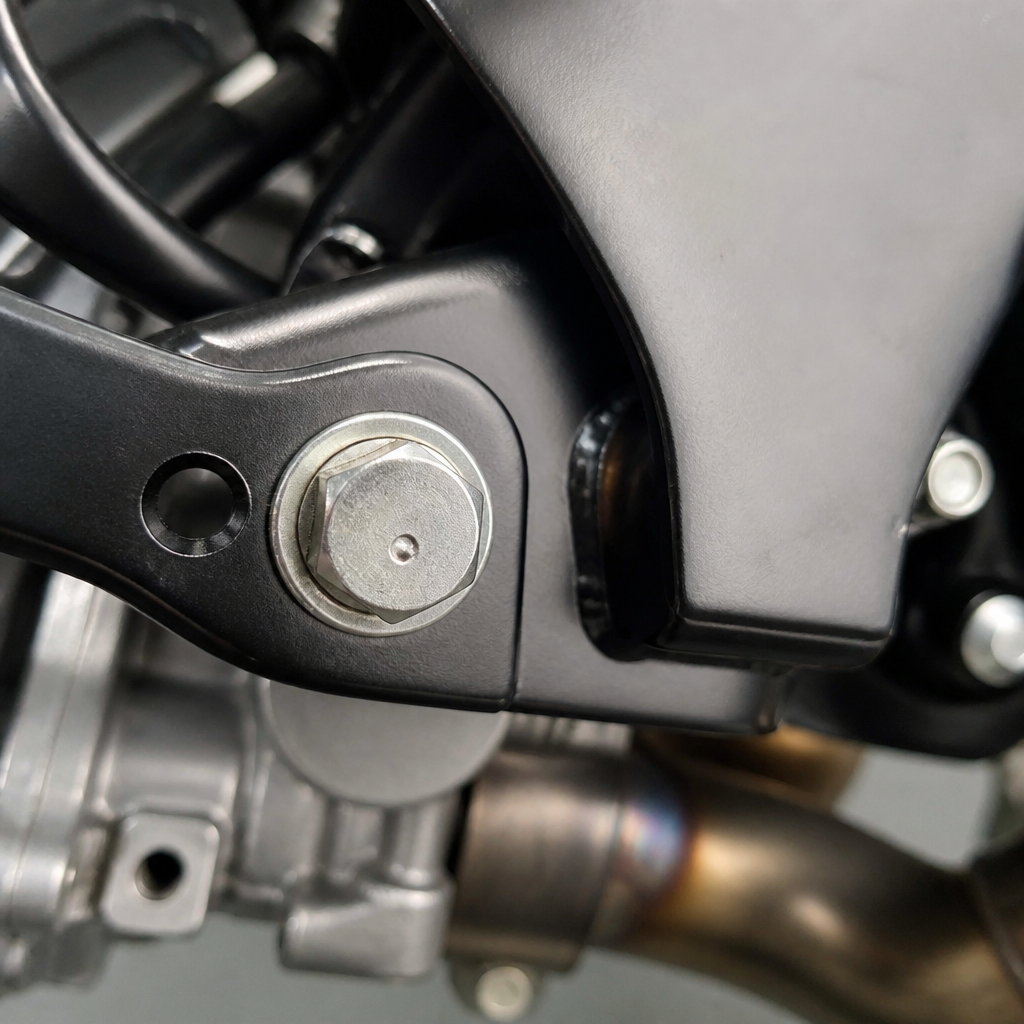
Metric quirks are not defects; they are design patterns. Japanese motorcycles commonly use 8, 10, 12, and 14 mm hex sizes, fine-thread fasteners in critical locations, and compact packaging that demands an order of operations during disassembly. Hose routing may look obvious until a tank is lowered and a vent line kinks. Plastic tabs may release cleanly only if pressure is applied in a specific direction. Connector locks may require a tiny lift before they slide free. These details matter more on the Z H2 SE because the supercharged intake shares space with bodywork, electronics, and ducting that must all return to their exact positions.
Another metric quirk is material sensitivity. Japanese bikes make extensive use of aluminum, engineered plastics, and rubber compounds selected for heat, weight, and cost targets. Solvents safe on one surface may haze another. Threadlock that belongs on a steel bracket bolt can destroy the serviceability of a small screw in plastic. Stainless replacement hardware can look attractive but sometimes changes galling behavior or head dimensions enough to create future headaches. Even simple maintenance products require judgment. Use dielectric grease sparingly on appropriate connectors, silicone-free cleaners near sensors unless confirmed safe, and only approved lubricants where rubber compatibility matters.
Documentation is the final quirk that many owners underestimate. Metric motorcycles are service-manual machines. Torque values, tightening sequences, fluid capacities, and relearn procedures are there for a reason. The fastest technicians I know are also the ones who check the manual most often, because memory is imperfect and model-year changes are real. In 2026, with multiple ECU strategies, electronic suspension interfaces, and tightly tuned intake systems, disciplined reference use is part of competent ownership, not a sign of inexperience.
Building a Practical Maintenance Routine for 2026
For the Kawasaki Z H2 SE, a practical routine starts with frequency and environment. If you ride in dusty areas, inspect the air filter more often than the baseline schedule. If you ride in heavy rain or wash the bike frequently, pay closer attention to drain paths, filter moisture, and connector condition around the intake and tank area. At each service, perform a visual intake audit: fasteners present, clamps aligned, hoses seated, wiring secure, no unusual residue. Keep a log with date, mileage, parts used, and observations. That record helps identify patterns such as premature filter loading or recurring looseness after prior work.
Your toolkit should include JIS bits, quality metric sockets, a small torque wrench, trim tools, flashlight, pick set, and the official service information. Consumables should include the correct air filter element, appropriate cleaners, and manufacturer-approved lubricants and fluids. When in doubt, return the bike to stock intake configuration before troubleshooting. Modified boosted motorcycles create overlapping variables quickly, and baseline restoration saves time. For riders managing several metric bikes, standardizing good habits across platforms pays dividends. The same care that protects the Z H2 SE intake will prevent stripped fasteners, fluid mistakes, and diagnostic confusion on DCT-equipped tourers or conventional sportbikes.
The core lesson is simple. Protect the supercharged intake by keeping air clean, seals intact, sensors uncontaminated, and fasteners properly handled. Respect JIS and metric hardware because tool fit and torque discipline directly affect service quality. Understand DCT maintenance as part of the same modern metric philosophy: precise fluids, exact procedures, and awareness of electro-mechanical interactions. If you want your Kawasaki Z H2 SE to stay sharp, reliable, and expensive in the right ways rather than the wrong ones, build your routine around those principles and review the relevant model-specific procedures before every major service.
Frequently Asked Questions
1. Why does the supercharged intake on the Kawasaki Z H2 SE need more careful maintenance than a conventional naked bike intake?
The Z H2 SE uses a balanced centrifugal supercharger integrated into a very compact intake system, so the stakes are higher than they are on a naturally aspirated motorcycle. On a conventional intake, a slightly loose clamp, a marginal seal, or a neglected hose may only create a minor running issue. On the Kawasaki Z H2 SE, those same small faults can disrupt airflow measurement, alter pressure behavior in the intake tract, and interfere with how the ECU manages fueling, throttle response, and boost-related performance. In practical terms, the machine depends on airtight connections, healthy sensors, and properly installed ducting to maintain the smooth, controlled delivery that defines the bike.
This is also a motorcycle built with tight tolerances and a strong metric engineering logic. Fasteners, clamps, boots, sensor mounts, and routing points are designed to work together precisely. That means maintenance should not be casual or improvised. Owners should pay attention to correct fitment, clamp orientation, proper torque values, hose condition, and airbox integrity rather than assuming the intake system is just a basic collection of tubes and plastic covers. If one section of the supercharged intake path is compromised, it can affect idle quality, midrange response, and top-end consistency, even before a fault code appears.
Another reason for extra care is contamination control. A supercharged engine moves a large volume of air, and anything entering the system unnecessarily—dust, debris, moisture, or oil residue in the wrong place—can create problems over time. Regular inspection of the air filter, intake boots, couplers, vacuum lines, and sensor connectors helps preserve both performance and reliability. In short, the Z H2 SE’s intake is a performance system, not just an air pathway, and it should be maintained with that mindset.
2. What parts of the Z H2 SE intake system should owners inspect most often in 2026?
The most important routine inspection points are the air filter, airbox sealing surfaces, intake boots, hose clamps, sensor connections, and any visible rubber or plastic couplers in the supercharged intake tract. The air filter is the first line of defense, so it should be checked at sensible intervals based on riding conditions, not just by mileage alone. If the bike is ridden in dusty, urban, roadside-construction, or high-pollen environments, the filter may need attention much sooner than a rider expects. A restricted filter can change how the engine breathes, while a damaged or poorly seated filter can allow unfiltered air into the system.
The airbox itself deserves close attention because proper sealing is critical. When the airbox lid, gasket area, or mounting points are not secured correctly after service, intake performance can suffer. Similarly, the intake boots and couplers between components should be checked for hardening, cracking, distortion, and oil contamination. Rubber parts that look acceptable from above may still have subtle deformation where they clamp to mating surfaces, so visual inspection should be paired with a careful hands-on check when appropriate.
Owners should also inspect all clamps and fasteners for correct tightness and positioning. Over-tightening can damage plastic housings or distort rubber boots, while under-tightening can permit leaks. Sensor connectors should be clean, fully seated, and free from corrosion or harness strain. Since the Z H2 SE relies on electronic management to coordinate airflow and fueling, a compromised sensor connection can create drivability issues that feel mechanical at first. In 2026, this matters even more because many owners expect diagnostic certainty from modern electronics, but many intake problems still begin with basic physical inspection rather than scan-tool discovery.
3. How can you tell if the Kawasaki Z H2 SE may have an intake leak, loose clamp, or sealing problem?
Intake leaks and sealing issues often show up first as subtle changes in behavior rather than dramatic failures. A rider may notice rougher idle, inconsistent throttle pickup, slight surging at steady speed, reduced smoothness in the midrange, or a feeling that the bike is not delivering power as cleanly as usual. In some cases, cold starts may become less predictable, or the engine may seem more sensitive to temperature and humidity than normal. Because this motorcycle is electronically managed, the ECU may compensate for a while, which can mask early symptoms and delay diagnosis.
Audible clues can help as well. A hiss, whistle, or unusual induction sound from an area that was recently serviced may point to a loose clamp, misaligned boot, or airbox sealing fault. If intake components were removed for routine service and then reinstalled slightly out of position, the issue may not be obvious until the bike is under load. Riders should also be alert for warning lights or stored fault codes, but it is important not to rely exclusively on the dash. Not every minor leak will immediately trigger a clear electronic warning.
A careful post-service inspection is one of the best preventive steps. After any maintenance involving tank lift, airbox access, filter service, throttle body access, or nearby electrical work, verify that all clamps are seated evenly, all hoses are routed correctly, and all connectors are locked in place. If symptoms appear, avoid repeated hard riding until the intake tract has been inspected properly. On a supercharged platform, continuing to ride with a known leak or questionable seal is not wise, because a small air-management problem can create larger performance and reliability consequences over time.
4. What is the best way to clean and service the supercharged intake area without causing damage?
The safest approach is a conservative one: clean gently, inspect methodically, and avoid introducing chemicals or debris into the intake path. Start by working with the motorcycle cool and stable, ideally in a clean workspace where dirt cannot easily fall into exposed components. When opening the airbox or accessing intake parts, take your time and track the exact position of screws, covers, clips, and seals. The goal is not just to remove parts, but to reinstall them exactly as designed. Precision matters on the Z H2 SE.
Use clean, lint-free materials and only appropriate cleaners on the exterior of intake components. Avoid spraying aggressive solvents into sensor areas, throttle body openings, rubber couplers, or any passage where residue could remain. Sensors, seals, and plastics can all be damaged by the wrong chemical choice. If dust or loose debris is present around the airbox opening or intake tract, remove it carefully before disassembly so it does not fall inward. During filter servicing or replacement, make sure the new or cleaned element seats perfectly and that no edge is folded, pinched, or lifted away from the sealing surface.
When reassembling, pay close attention to clamp alignment, hose routing, and fastener torque. This is where many avoidable issues begin. A clamp installed at the wrong angle can appear tight while sealing poorly. A harness routed under tension can later loosen a connector. A boot that is not fully seated may work loose after heat cycles and vibration. Once everything is back together, a final visual check should confirm symmetry, full seating, and clean mating surfaces. Good intake maintenance on the Z H2 SE is less about aggressive cleaning and more about careful preservation of fit, seal, and airflow integrity.
5. How often should Z H2 SE owners service the intake system, and when should they leave the job to a qualified technician?
There is no single one-size-fits-all interval that suits every rider, because intake service frequency depends heavily on environment, mileage, storage conditions, and how the motorcycle is used. As a rule, the intake system should be visually reviewed during regular maintenance and more thoroughly inspected whenever the air filter is serviced, the tank or airbox is removed, or drivability changes appear. Riders in dusty or variable climates should shorten their inspection intervals, while riders who store the bike for long periods should pay special attention to seals, moisture exposure, and rodent or debris intrusion before returning the bike to use.
Basic owner-level maintenance typically includes checking the air filter, verifying airbox sealing, inspecting visible hoses and clamps, and looking over connectors and rubber components for aging or damage. That said, the Z H2 SE is not the ideal machine for guesswork. If a rider finds a recurring leak, uncertain sensor issue, abnormal intake sound, fault code, or evidence of distorted boots or compromised couplers, it is smart to involve a technician familiar with Kawasaki’s supercharged platform. The same applies when a job requires deeper disassembly around the intake tract, throttle body area, or components tied closely to boost-related airflow management.
An experienced technician brings more than tools; they bring model-specific judgment. They know how the intake should feel when assembled correctly, how clamps should sit, how to spot small sealing issues, and how to distinguish between a sensor problem and a mechanical air leak. For a motorcycle as specialized as the Z H2 SE, that expertise protects both performance and longevity. Owners can and should stay engaged with routine inspection, but when the issue moves beyond simple access and verification, professional service is often the most efficient and safest path.