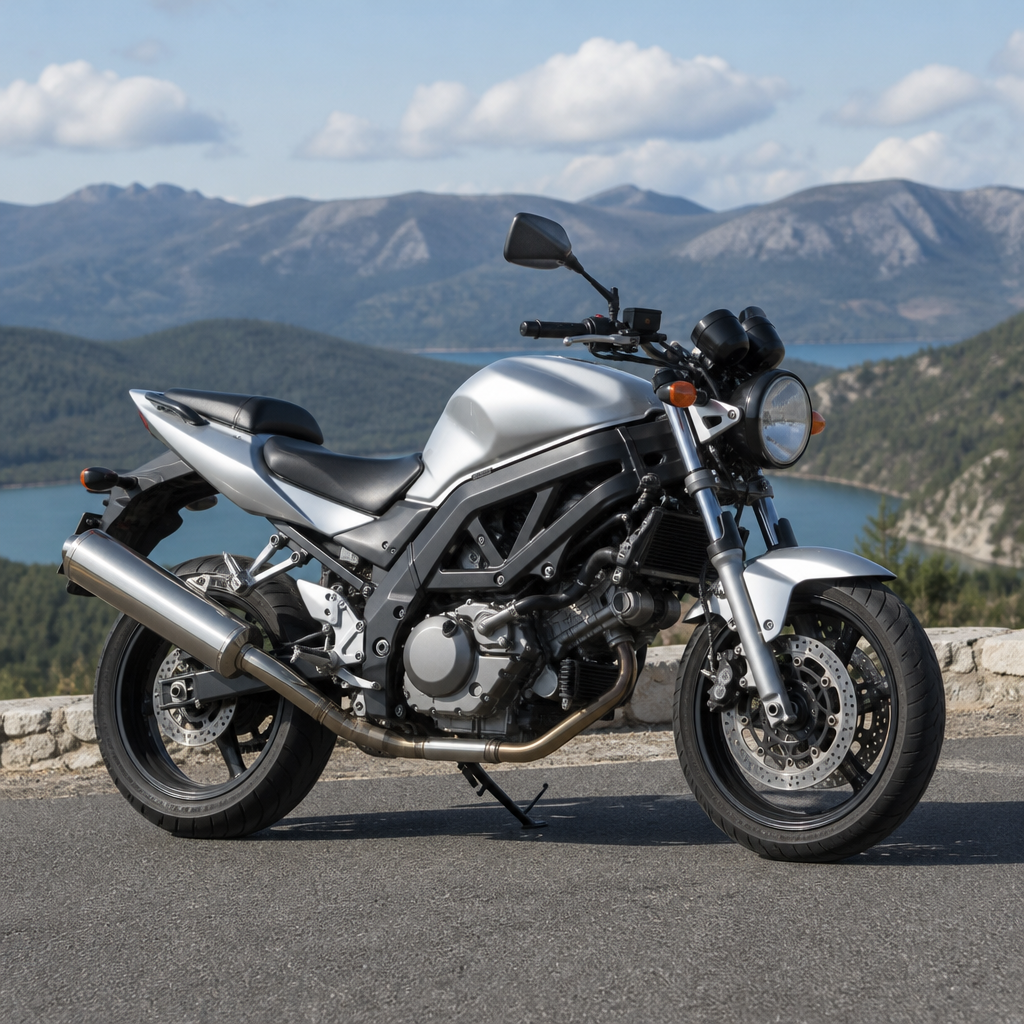
The Suzuki SV650 V-twin has earned a rare reputation in middleweight motorcycling: it can feel lively at 10,000 miles, trustworthy at 50,000, and still fundamentally healthy at 100,000 miles if it is maintained with mechanical discipline. Longevity, in this context, means more than a running engine. It means stable compression, consistent oil pressure, predictable cooling behavior, intact gaskets and seals, sound fasteners, and a chassis that does not quietly deteriorate around a durable powerplant. “Zero leaks” does not mean a spotless museum piece that never mists a fastener after a track day. It means no active oil, coolant, or fuel leakage, no recurring seepage caused by neglected sealing surfaces, and no owner normalization of drips as “just what old bikes do.” After years of working on Japanese metric motorcycles, including high-mileage SVs used for commuting, training, and lightweight touring, I can say this outcome is realistic.
This hub matters because the SV650 sits at the intersection of several issues riders often underestimate: Japanese Industrial Standards fasteners, metric service assumptions that differ from older domestic or European bikes, and transmission technologies such as dual-clutch systems that influence how riders think about maintenance even when the SV itself uses a conventional gearbox and wet clutch. Many owners search for one answer when they really need a system. Reaching 100,000 miles with zero leaks depends on correct screw engagement, proper torque on aluminum casings, fluid discipline, cooling system chemistry, gasket surface preparation, and parts selection that respects metric tolerances. It also depends on knowing what applies to the SV650 directly and what belongs to the broader metric maintenance world. This page serves as the hub for that subtopic by connecting the JIS standard, DCT maintenance principles, and the everyday metric quirks that determine whether a machine ages cleanly or becomes an endless source of stripped threads, rounded screws, and weeping seals.
Why the SV650 V-twin lasts when other bikes fade
The 645 cc 90-degree V-twin is naturally well balanced, and that balance matters for longevity. Compared with more vibration-prone parallel twins or large singles, the SV’s layout places less chronic stress on brackets, electrical connectors, mirrors, hose joints, and sealing interfaces. The engine uses liquid cooling, a DOHC valvetrain, and fuel injection on later generations, giving it strong thermal control and stable fueling. In practice, the bikes that cross 100,000 miles usually share the same traits: regular oil changes with motorcycle-specific oil of the correct viscosity, valve inspections done on schedule, coolant replaced before corrosion starts, and charging-system issues addressed before low voltage creates secondary failures.
Zero leaks usually come from prevention, not miracle sealants. On the SV650, common leak points are predictable: clutch cover gaskets disturbed during service, stator cover sealing surfaces, water pump seals, aging coolant hoses, valve cover gasket hardening, and crush washers reused too many times. Oil leaks also get misdiagnosed. Chain lube sling, front sprocket grime, and breather residue can mimic engine seepage. Before replacing parts, I clean the engine thoroughly, dust suspect areas with foot powder or use UV dye, then inspect after a short ride. That simple method prevents unnecessary gasket work and catches tiny weeps at the source rather than after the whole lower engine is coated.
The JIS standard: the hidden reason so many metric bikes get damaged
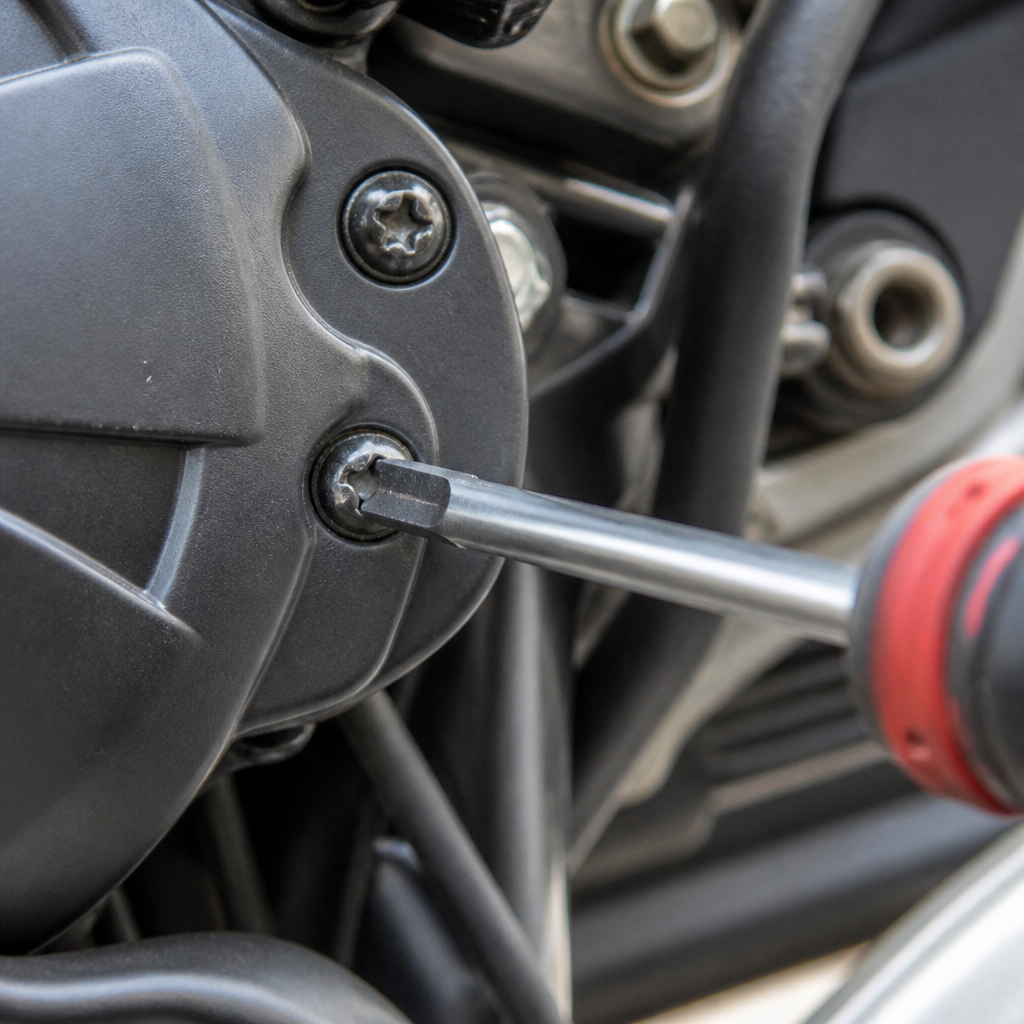
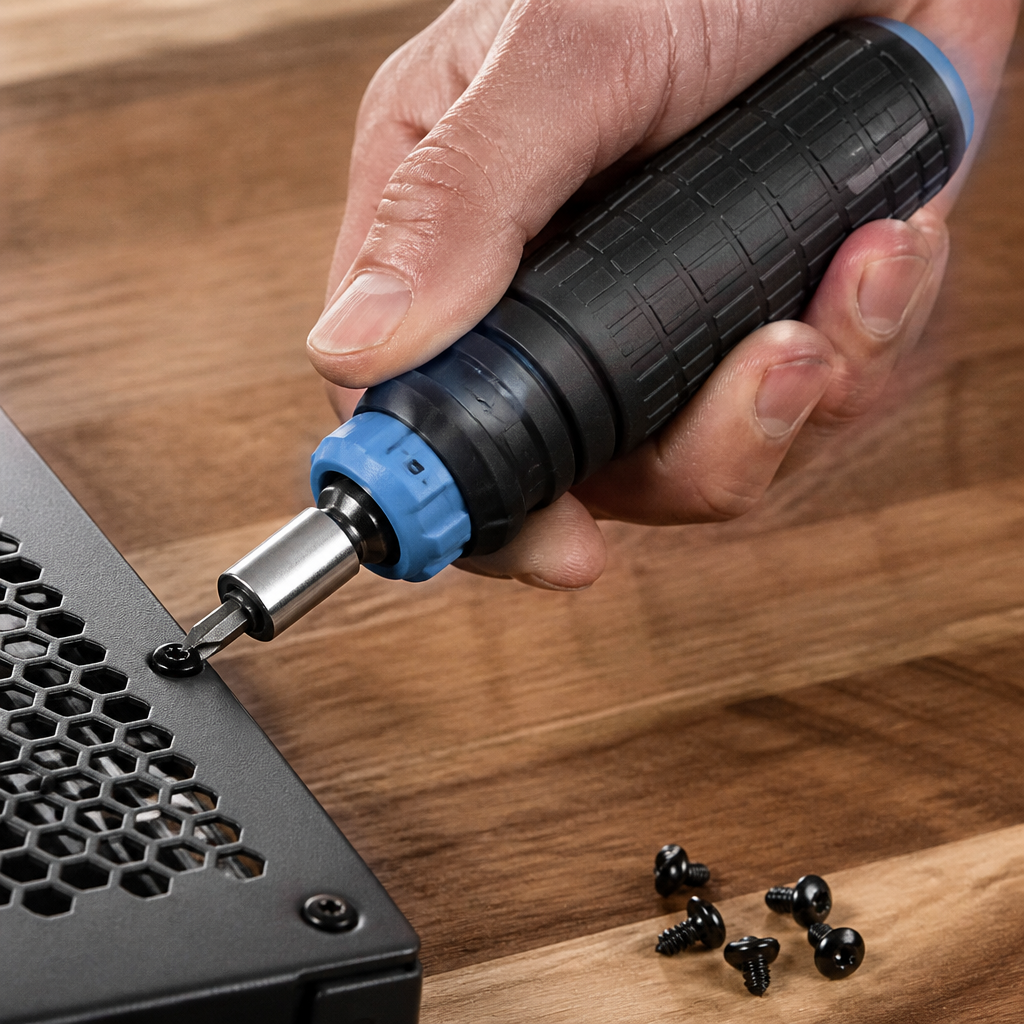
If you work on Japanese motorcycles, the JIS standard is not trivia; it is foundational. Many screws on older and modern Japanese motorcycles are not true Phillips, even when they look close. JIS cross-head screws have different flank geometry designed to reduce cam-out when the correct driver is used. A standard Phillips driver tends to ride upward under load, damaging the recess. On an SV650, this matters on hose clamps, reservoir covers, switchgear, carbureted first-generation hardware, and many ancillary fittings across the bike. Once those heads round, owners reach for locking pliers, then impact tools, then replacement hardware, and the maintenance quality of the whole machine drops fast.
Use proper JIS drivers or bits from Vessel, Hozan, or Engineer. The difference is immediate. Screws that felt seized often release cleanly with the correct bit because the tool seats deeper and applies torque to the intended surfaces. For stubborn fasteners, I combine a JIS bit with a hand impact driver and controlled heat where safe. Replacing damaged screws with quality flange bolts can make future service easier, but do not indiscriminately substitute hardware. Thread pitch, shank length, shoulder design, and corrosion resistance all matter. Metric motorcycles often use fine-pitch fasteners in aluminum castings, and mixing generic hardware-store bolts into critical areas creates inaccurate clamping and stripped threads later.
The larger lesson is that standards drive outcomes. Owners who respect JIS usually also respect torque values, thread condition, and sealing strategy. Those habits directly support leak-free longevity.
Metric quirks that determine whether an SV650 stays dry
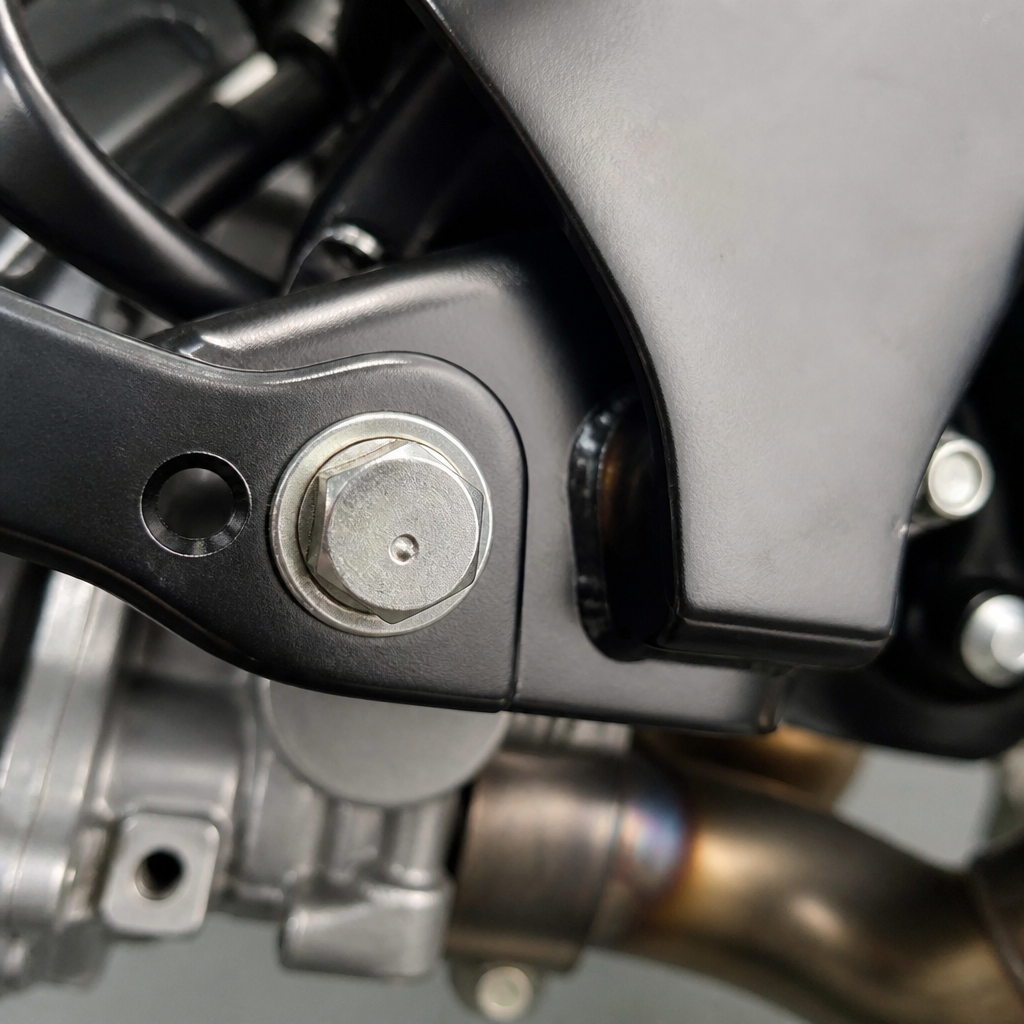
Metric motorcycles reward precision. That starts with thread pitch awareness. An M6 bolt on a Japanese bike is commonly 1.0 mm pitch, but similar-looking hardware elsewhere may differ. Forcing the wrong pitch into an aluminum case can ruin threads before the bolt is even finger tight. Torque discipline matters just as much. The SV650 has many low-torque fasteners threading into soft aluminum covers. Overtightening distorts gaskets, crushes O-rings unevenly, and can crack tabs on covers and housings. Undertightening invites seepage and vibration loosening. A quarter-inch drive torque wrench that is actually accurate in the lower range is one of the best investments an SV owner can make.
Fluid chemistry is another metric-specific trap. Japanese cooling systems generally expect silicate-free coolant safe for aluminum engines and water-pump seals. Mixing incompatible coolant types can accelerate corrosion or shorten seal life. Brake and clutch hydraulics need fresh DOT 4 from a sealed container, not mystery fluid from an old shelf bottle that has absorbed moisture. Fuel hoses, vacuum caps, and O-rings should be specified by metric inner diameter and material compatibility, not by “close enough” inch sizing. Small mismatches create the slow weeps and sweating joints that owners ignore until they become breakdowns.
Electrical quirks also affect leak prevention. A weak regulator/rectifier or poor stator output can cause hard starting and heat-related running issues that mimic carburetion or fueling faults. Repeated overheating from cooling fan failures or charging problems bakes seals and accelerates gasket aging. Mechanical longevity on the SV650 is inseparable from basic electrical health.
Service intervals that realistically get an SV650 to 100,000 miles
High-mileage success comes from repeatable routines, not dramatic overhauls. Oil and filter changes every 3,000 to 4,000 miles for hard use, or up to the manufacturer’s interval when riding conditions are mild, keep the top end clean and the clutch happy. Valve clearance inspections matter because tight valves do not merely affect starting; they raise exhaust valve temperatures and can shorten valve life. Coolant replacement every two years is conservative and effective. Brake fluid every two years, fork oil at sensible intervals, chain care every few hundred miles in bad weather, and wheel bearing checks at tire changes create the kind of cumulative reliability that owners often call “bulletproof.”
| Service area | Practical interval | Why it prevents leaks or wear |
|---|---|---|
| Engine oil and filter | 3,000 to 4,000 miles in severe use | Protects bearings, clutch, cams, and reduces sludge that hardens seals |
| Valve clearance inspection | Per factory schedule | Prevents overheated valves and preserves stable combustion |
| Coolant replacement | Every 2 years | Protects aluminum passages, water pump seals, and hoses |
| Brake and clutch fluid | Every 2 years | Limits internal corrosion in masters, calipers, and slave cylinders |
| Chain cleaning and lubrication | 300 to 600 miles, sooner in rain | Reduces sprocket wear and prevents grime buildup near output seal area |
| Fastener and hose inspection | At every oil service | Catches seepage, loose clamps, and rubbed wiring before failure |
Owners chasing 100,000 miles should keep a maintenance log with dates, mileage, valve measurements, fluid brands, and torque-sensitive work performed. Patterns appear over time. A bike that needs occasional coolant top-offs without visible drips is telling you something. A drain plug that repeatedly loosens may have damaged threads or an incorrect washer. Documentation turns vague impressions into actionable diagnosis.
DCT maintenance and what SV650 owners should learn from it
The Suzuki SV650 does not use a dual-clutch transmission, but this hub covers DCT maintenance because many metric-bike owners move between platforms, compare service expectations, and borrow good habits across brands. A dual-clutch transmission combines two clutches with electronically controlled shift actuation, typically sharing fluid-dependent hydraulic and mechanical components. The core lesson from DCT service is that modern transmissions are extremely sensitive to fluid specification, temperature control, software-calibrated behavior, and filter cleanliness. Owners who understand DCT maintenance generally become more precise about all drivetrain service, and that mindset benefits the SV650.
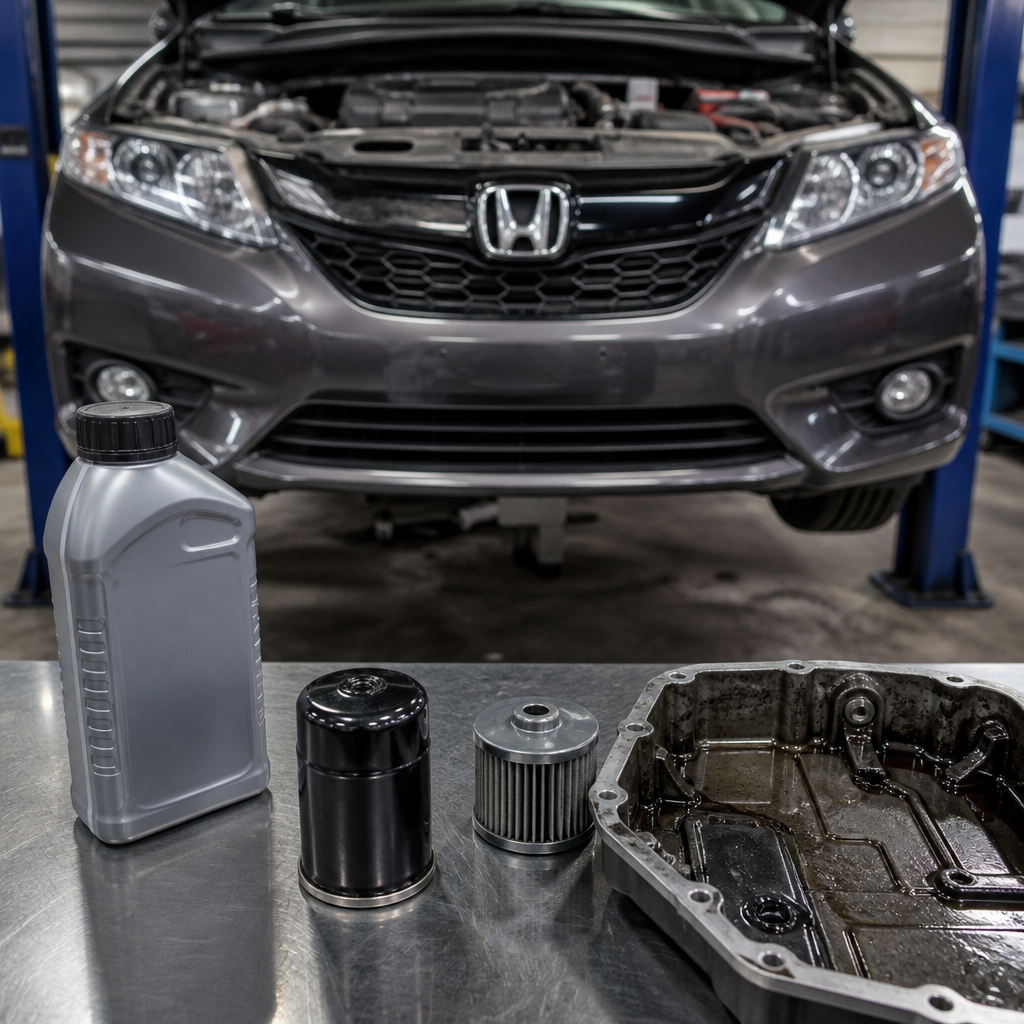
On DCT-equipped motorcycles, correct oil type is non-negotiable because clutch engagement quality, hydraulic response, and wear behavior all depend on it. Scheduled filter changes, adaptation checks, and symptom recognition matter. Jerky takeoff, delayed engagement, or harsh shifts are not quirks to ignore. They are diagnostic signals. Translate that mentality to an SV650 and the equivalent signs become clutch drag, notchy shifting, false neutrals, and contaminated oil. A rider who pays attention early can correct cable adjustment, replace worn basket components, inspect shift linkage, or switch to a proven oil before a small issue becomes a transmission teardown.
The broader point is that metric motorcycles increasingly demand systems thinking. Whether the gearbox is manual or dual-clutch, maintenance quality comes from following exact specifications, watching for subtle changes, and resisting improvised shortcuts.
Leak prevention by component: where to inspect and what to replace
Start with the simplest points. Replace crush washers on drain bolts. Use OEM or high-quality aftermarket gaskets from established suppliers such as Athena, Cometic, or genuine Suzuki where appropriate, but verify surface finish and fit before installation. Clean mating surfaces with plastic scrapers and solvent, not aggressive abrasives that gouge aluminum. Use sealant only where the service manual specifies it, usually in limited junction areas rather than across an entire gasket face. Excess sealant can squeeze inward and create oiling problems.
Inspect valve cover gaskets for hardening and grommets for compression set. Check coolant hose ends for crusting, clamps for corrosion, and the radiator cap for weakened spring tension. Watch the water pump weep hole; an occasional trace may precede seal failure, while steady moisture means service time. Around the front sprocket, remove built-up chain paste so you can distinguish countershaft seal leakage from dirty fling. On older bikes, replace vacuum caps and fuel hoses proactively. Ethanol-blended fuel hardens marginal rubber faster than many owners realize.
Finally, respect storage conditions. Bikes parked outdoors under fluctuating temperatures condensate internally and age externally. A clean, dry storage space and regular heat cycles preserve seals better than long dormant periods.
Building a long-life maintenance culture around the bike
The riders who get an SV650 to 100,000 miles without leaks usually are not lucky; they are methodical. They warm the bike fully before hard use, fix minor seepage immediately, avoid mixing unknown fluids, and use the right tools for Japanese hardware. They check charging voltage, fan operation, and hose condition before a road trip instead of after a breakdown. They understand that cleanliness is diagnostic, because a dirty engine hides the first evidence of trouble. Most importantly, they do not treat metric quirks as annoyances. They treat them as design realities.
That is why this hub brings the JIS standard, DCT maintenance principles, and metric-specific service habits into one place. Together, they explain how a durable V-twin actually reaches six figures while staying dry. The formula is straightforward: use correct JIS tools, follow metric fastener and fluid specifications exactly, apply DCT-level discipline to drivetrain maintenance, and inspect known leak points before they become failures. Do that consistently, document the work, and the SV650 can deliver the rare combination every rider wants from a long-term motorcycle: character, dependability, and an engine that leaves the garage floor clean. If your goal is 100,000 miles with zero leaks, start with your next service and do it to standard.
Frequently Asked Questions
1. Can a Suzuki SV650 really reach 100,000 miles without engine leaks?
Yes—an SV650 can absolutely reach 100,000 miles without developing chronic oil or coolant leaks, but that outcome is earned through consistent, methodical maintenance rather than luck. The 645cc V-twin is widely respected because its basic architecture is durable, understressed in normal street use, and forgiving when serviced on schedule. That said, “zero leaks” does not happen automatically just because the engine is fundamentally strong. It depends on keeping gasket surfaces clean, replacing aging seals before they harden and shrink, using correct torque values on covers and fasteners, and avoiding the all-too-common habit of overtightening bolts into aluminum cases.
On a high-mileage SV650, leak prevention is usually less about dramatic engine failures and more about controlling small age-related issues before they become messy. Valve cover gaskets, clutch cover gaskets, water pump seals, countershaft seal areas, and coolant hose connections all deserve periodic inspection. A bike that is washed occasionally, inspected closely, and repaired promptly when minor seepage first appears stands a much better chance of remaining truly dry. Riders who ignore a faint coolant crust, a slightly oily front sprocket area, or a sweating gasket often let a simple seal replacement turn into a lingering reliability problem.
Equally important, longevity means more than the engine still starting and running. A true 100,000-mile success story includes healthy compression, stable oil consumption, dependable hot idle behavior, predictable cooling performance, and a chassis that has not been neglected while the engine gets all the attention. When owners treat the SV650 as a complete mechanical system—not just a motor—it can remain impressively tight, clean, and trustworthy deep into six-digit mileage.
2. What maintenance matters most if the goal is long-term SV650 engine life?
The most important maintenance priorities are regular oil and filter changes, correct valve clearance inspections, cooling system service, air filtration, and prompt attention to small abnormalities. Oil is the lifeblood of the SV650’s longevity story. A quality motorcycle-appropriate oil changed at sensible intervals helps protect bearings, cam surfaces, transmission gears, and the clutch while also reducing sludge and varnish buildup. Owners who want six-digit life should avoid stretching intervals simply because the bike still feels fine. Clean oil is far cheaper than internal wear.
Valve inspections are another cornerstone. The SV650’s V-twin is tough, but tight valves can quietly erode compression and create hard-starting, rough running, and long-term top-end stress. Checking clearances at the proper intervals allows the engine to maintain efficient combustion and healthy valve sealing over time. The cooling system also deserves serious attention. Fresh coolant, clean radiator passages, a healthy thermostat, and a properly functioning fan all help the engine avoid heat cycling stress that can shorten seal life and accelerate gasket deterioration. Replacing aged hoses and clamps before they fail is smart preventive maintenance on an older machine.
Air filtration is often underestimated. A neglected or poorly sealed air filter can increase wear over many thousands of miles by allowing fine abrasive particles into the intake tract. Combine that with infrequent spark plug replacement, throttle body or carburetor neglect depending on generation, and ignored vacuum or breather hose issues, and the bike can slowly lose the crispness that defines a healthy SV650. Finally, perhaps the most valuable habit is paying attention. Changes in starting behavior, idle quality, temperature patterns, oil consumption, chain alignment, or vibration often provide early warning. Riders who investigate those signs early typically get dramatically more life from the machine.
3. What are the most common leak points on a high-mileage Suzuki SV650, and how can they be prevented?
On a high-mileage SV650, the most common leak-prone areas are usually not catastrophic engine case failures but ordinary wear points: valve cover gasket areas, clutch and stator cover gaskets, water pump seals, coolant hose junctions, drain bolt sealing washers, and the countershaft seal region near the front sprocket. The front sprocket area in particular can mislead owners because chain lube and road grime often accumulate there and mimic an engine oil leak. Cleaning that area thoroughly and then monitoring it after several rides is the best way to confirm whether the countershaft seal is actually leaking or if the bike is simply dirty.
Prevention starts with discipline during routine service. Every time covers come off, gasket surfaces should be cleaned carefully without gouging the aluminum. Reusing damaged gaskets, using excess sealant, or tightening bolts unevenly are common causes of repeat seepage. Torque specifications matter because the SV650’s engine cases are aluminum, and overtightening can warp covers, crush gaskets unevenly, or damage threads. For coolant-related leak prevention, replace old clamps that have lost tension, inspect hoses for swelling or hardening, and keep the cooling system properly filled and bled. A small white or green residue around fittings is often the first visible sign that intervention is needed.
Age and heat cycles are the real enemies. Even a low-drama, highly reliable engine will eventually harden rubber seals and flatten gasket material after years of use. The best owners treat seals and hoses as wear items, not lifetime parts. If a bike is already apart for valve service, clutch work, or cooling system maintenance, that is often the perfect time to renew adjacent seals proactively. This approach reduces labor duplication and helps preserve the “zero leaks” standard. In practical terms, the driest 100,000-mile SV650s are usually not untouched originals—they are well-kept machines whose vulnerable seals have been replaced at the right times, with quality parts and careful assembly.
4. Is the SV650 engine the only concern at 100,000 miles, or does the rest of the bike determine longevity too?
The rest of the bike matters just as much. One of the biggest mistakes riders make when discussing motorcycle longevity is focusing only on whether the engine still runs. A genuinely durable 100,000-mile SV650 is not just an engine with compression; it is a complete motorcycle with stable steering, a solid electrical system, dependable brakes, a healthy charging system, and a chassis that has not quietly worn out around the powerplant. Swingarm bearings, steering head bearings, wheel bearings, suspension bushings, fork seals, rear shock condition, brake caliper seals, and rubber lines all affect whether the machine still feels trustworthy and mechanically “tight.”
Fastener integrity is another often-overlooked factor. Long-term vibration, repeated maintenance, weather exposure, and occasional careless wrenching can leave a high-mileage bike with rounded hardware, compromised threads, missing clips, or loosely mounted components. That kind of neglect may not stop the engine from running, but it absolutely reduces reliability and can create recurring leaks, electrical faults, or handling inconsistencies. The charging system deserves special mention because a weak regulator/rectifier, aging stator, poor grounds, or a tired battery can create a string of misleading symptoms that owners sometimes mistake for fueling or ignition trouble.
If the goal is true long-term ownership, the best strategy is to maintain the SV650 as a whole platform. Refresh the suspension when damping fades, rebuild the brakes before performance drops sharply, inspect connectors for corrosion, protect exposed metal from rust, and replace worn rubber components before they crack or loosen. A six-digit SV650 that still feels composed and dependable is almost always one that received full-system care, not just engine oil. That broader definition of longevity is what separates a merely surviving bike from one that still feels fundamentally healthy at 100,000 miles.
5. What riding and ownership habits give an SV650 the best chance of reaching 100,000 miles in strong condition?
The best habits are warm it up sensibly, ride it regularly, avoid abuse when cold, keep it clean enough to inspect, and never postpone minor repairs. The SV650 responds well to normal, enthusiastic use, but repeated high-rpm operation before oil temperature is up, chronic short trips that never fully heat-soak the engine, or long periods of storage with stale fuel can all chip away at long-term health. You do not need to baby the bike, but mechanical sympathy matters. Letting the engine stabilize before hard acceleration, keeping the chain adjusted and lubricated correctly, and avoiding lugging the engine under heavy load all reduce unnecessary stress over time.
Ownership habits off the road are equally important. Keep records of oil changes, valve checks, coolant service, brake fluid flushes, chain and sprocket replacements, battery age, and any gasket or seal work. Good records help catch patterns, support timely preventive maintenance, and make it easier to distinguish a new issue from an old one. Cleanliness also plays a bigger role than many riders realize. A clean engine and chassis make it possible to spot fresh seepage, coolant residue, loose fasteners, cracked hoses, and wiring problems early. Dirt hides developing problems and turns easy fixes into expensive ones.
Finally, use quality parts and resist shortcuts. Cheap filters, poor-fit gaskets, generic hoses of questionable quality, and guessed torque settings can all undermine an otherwise robust motorcycle. The SV650 earns its reputation for longevity because it rewards owners who are consistent, observant, and mechanically disciplined. If you combine regular service with prompt repairs and thoughtful riding habits, there is nothing unrealistic about aiming for 100,000 miles with strong compression, stable