The Kawasaki Ninja 400 is one of the most capable lightweight sportbikes sold in the metric market, yet repeated track use exposes a weakness many owners discover the hard way: clutch slippage under heat and load. In practical terms, clutch slippage means engine speed rises without a matching increase in road speed because the friction pack cannot fully lock the crankshaft to the gearbox. On the Ninja 400, that symptom often appears after hard launches, repeated corner exits, or rushed maintenance involving the wrong screws, wrong oil, or incorrect stack height. I have worked on several track-prepped 400s and the pattern is consistent: what looks like a worn clutch is frequently a combination of design sensitivity, assembly detail, and misunderstanding of Japanese metric service standards.
This matters because the Ninja 400 is a gateway race and track-day machine. Clubs, schools, and novice racers favor it for low running costs, manageable power, and forgiving chassis behavior. A slipping clutch undermines all three benefits. Lap times suffer, starts become inconsistent, and overheated plates can contaminate the oil with friction material. Worse, riders may chase the wrong fix, replacing friction plates when the real cause is cable free play, warped steels, a notched basket, or fasteners damaged by using Phillips drivers on Japanese Industrial Standard screws. As a hub article, this guide connects the common track-day bug to the broader maintenance context many metric-bike owners miss: the JIS standard, the care demanded by dual-clutch systems on other Japanese machines, and the measurement quirks that shape reliable service across modern metric motorcycles.
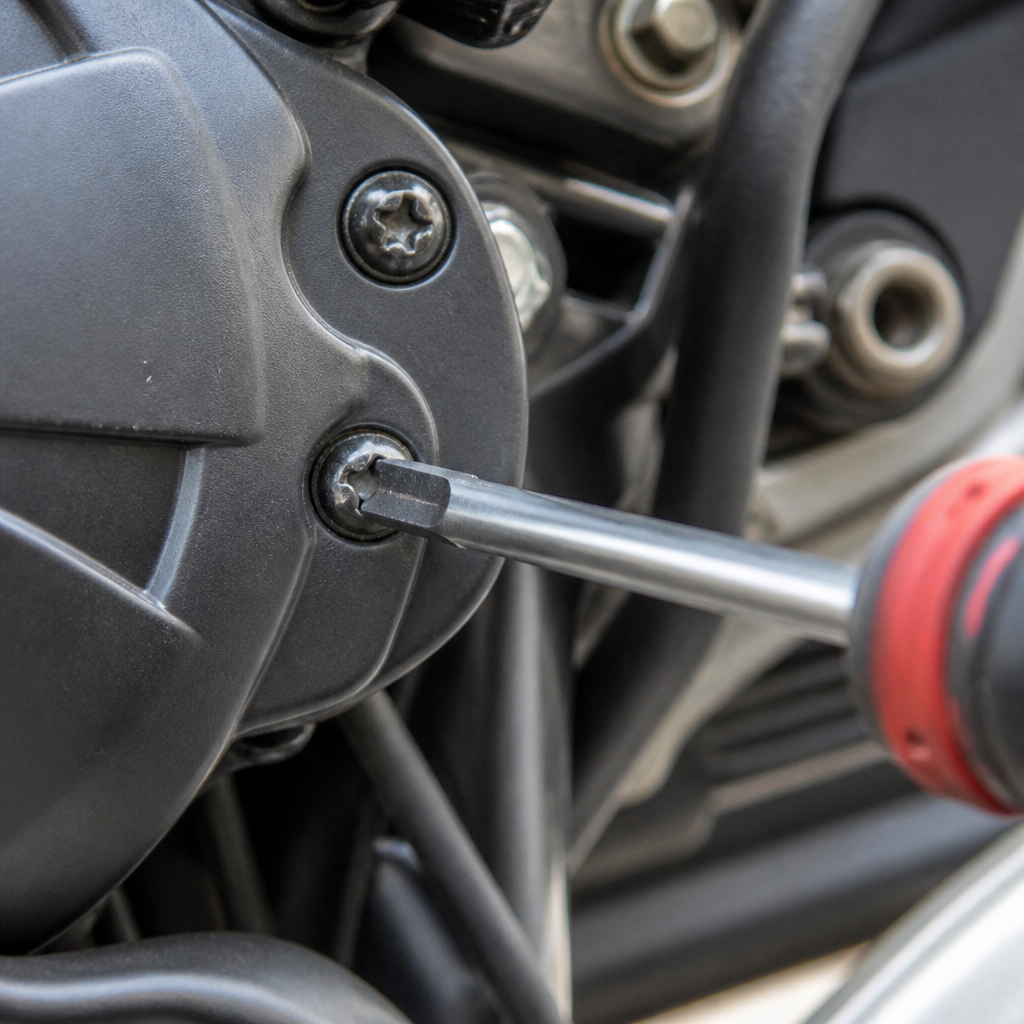
Before diving into repairs, define the three broader concepts clearly. First, JIS refers to Japanese Industrial Standards, including the cross-head screw pattern used on many Japanese motorcycles. It looks similar to Phillips but is different enough that the wrong driver cams out and rounds screw heads, especially clutch-cover screws torqued into aluminum cases. Second, DCT maintenance refers to the service routines used on dual-clutch transmission motorcycles, most notably Honda systems that rely on clean oil, precise adaptation, and correct filter service. The Ninja 400 does not use DCT, but understanding DCT sharpens your approach to all wet-clutch metric bikes because hydraulic control, friction characteristics, and oil choice matter enormously. Third, metric quirks means the recurring details that define Japanese and European motorcycle service: torque values in newton-meters, thread pitches that differ from hardware-store assumptions, shim-based adjustments, and standardized fluid specifications such as JASO MA or MA2.
The key takeaway is simple. If you treat the Ninja 400 clutch like a generic motorcycle clutch, you will often miss the root cause. If you service it with JIS tools, proper measurements, correct oil, and an awareness of metric-system design conventions, the problem becomes predictable and fixable.
Why the Ninja 400 clutch slips on track days
The Ninja 400’s clutch trouble is not a mystery. It comes from a small-displacement engine that spends long sessions near the top of the rev range, combined with a clutch assembly that is more sensitive than larger Kawasaki units to stack height, spring force, and heat. On the street, many bikes never show a problem. On track, repeated full-throttle upshifts, aggressive downshifts, hot restarts, and poor launch technique quickly expose marginal clamping force. The bike’s assist-and-slipper clutch improves lever effort and rear-wheel stability, but those same ramp mechanisms mean wear, oil condition, and spring health have a bigger effect than some riders expect.
Typical symptoms are easy to identify. The tachometer flares in higher gears under full throttle. Corner-exit drive feels soft even though the engine sounds strong. The engagement point moves during a session as the bike heats up. In severe cases, the bike smells like burned friction material after pit lane. Riders often notice the issue first in fourth through sixth gear because aerodynamic load and longer acceleration phases demand the most from the clutch. A bike can pass a casual street test yet still slip on track because the clutch sees more sustained torque and much higher oil temperatures there.
There are several mechanical triggers. The most common are worn friction plates, glazed friction material, weakened clutch springs, and steel plates that have developed heat spots or warpage. But on the Ninja 400, installation error is nearly as common. I frequently find stack heights assembled at the edge of spec, clutch cable free play adjusted too tight after lever swaps, and cover screws partially stripped from the use of Phillips bits instead of JIS drivers. When screws are damaged, service gets rushed, torque values are ignored, and owners stop checking details that matter.
Diagnosing the real cause before buying parts
Diagnosis should begin outside the engine. Check cable routing, lever pivot condition, and free play at the perch. Kawasaki typically specifies a small amount of lever free play so the pressure plate fully clamps the pack when the lever is released. Track riders sometimes dial the adjuster too tight for a shorter reach or quicker engagement, unintentionally holding the clutch slightly open as the bike heats up. Also inspect aftermarket levers. Some poorly machined units alter cable pull geometry or fail to let the actuator fully return.
Next, confirm the oil specification. A wet clutch depends on oil that supports friction rather than reducing it excessively. Automotive oils with friction modifiers can contribute to slip. For the Ninja 400, choose a motorcycle oil carrying JASO MA or MA2 approval in a viscosity suited to ambient temperature and track intensity, commonly 10W-40. I have seen bikes improve immediately after replacing questionable oil with a known MA2 product such as Motul 7100, Kawasaki’s branded oil, or Shell Advance formulated for wet clutches. Oil alone will not save a burned clutch, but the wrong oil can absolutely create or worsen slippage.
If external checks and oil do not resolve the issue, remove the clutch cover and measure everything. Use a service manual, a calibrated vernier caliper or micrometer, a flat plate, and feeler gauges. Measure each friction plate thickness, inspect steels for bluing, and check steel plate warpage against specification. Look at the basket fingers and inner hub for notching where the plates contact them. Notching prevents smooth plate movement, causing inconsistent engagement and release. Examine the pressure plate, judder components if fitted, and spring free length. Replace any part outside specification rather than guessing.
| Checkpoint | What to inspect | Why it matters | Typical fix |
|---|---|---|---|
| Lever and cable | Free play, routing, aftermarket lever geometry | Overtight setup can hold clutch partially disengaged | Set free play to spec, correct routing, replace poor lever |
| Oil | JASO rating, viscosity, service interval | Wrong oil can reduce clutch friction and overheat the pack | Drain and refill with MA or MA2 motorcycle oil |
| Friction plates | Thickness, glazing, discoloration | Worn or glazed plates lose bite under load | Replace as a matched set |
| Steel plates | Warp, heat spots, bluing | Uneven plates reduce contact area and clamping consistency | Replace damaged steels |
| Springs | Free length, heat fatigue | Weak springs reduce clamp force at high torque | Install new OEM or proven heavy-duty springs |
| Basket and hub | Notching, burrs, wear marks | Plate hang-up causes grabby or slipping engagement | Replace basket or hub if wear is significant |
Proven fixes for the common track-day bug
The most reliable repair is a complete clutch refresh using quality parts and measured assembly. For a bike that has already slipped on track, replacing only one suspect plate is usually false economy. Install a full set of friction plates, inspect or renew the steel plates, and fit fresh springs. Many experienced Ninja 400 track riders choose slightly uprated springs from reputable brands because they increase clamp force with only a modest rise in lever effort. That is often enough to cure borderline slip on engines that are otherwise stock.
Pay close attention to soak time and plate order. New friction plates should be soaked in the same oil used in the engine before installation. Follow the service manual for orientation, special seat plates, and any offset friction plate arrangement. Small mistakes here cause immediate problems. Torque spring bolts evenly and to specification. Over-tightening into the aluminum hub can damage threads; under-tightening reduces pressure-plate force. Use a cross pattern where applicable and verify smooth operation by hand before closing the cover.
For bikes used heavily on circuit, consider the entire operating system rather than only the clutch pack. Replace old cables, lubricate pivots correctly, and set engagement for consistency over a full session, not just in the paddock. If the basket is visibly notched, replacing it is smarter than filing it aggressively, which can alter hardening and create uneven plate travel. Also review gearing and riding technique. Constant abusive launches and unnecessary clutch slipping out of slower corners create heat no parts package can erase.
When the fix is complete, confirm it with a structured test. Warm the bike fully, accelerate hard in a tall gear from midrange rpm, and watch for any flare between engine speed and road speed. Then reassess after a full track session. A clutch that behaves in the garage but slips after fifteen minutes of heat soak is not repaired yet.
The JIS standard and why it changes motorcycle maintenance
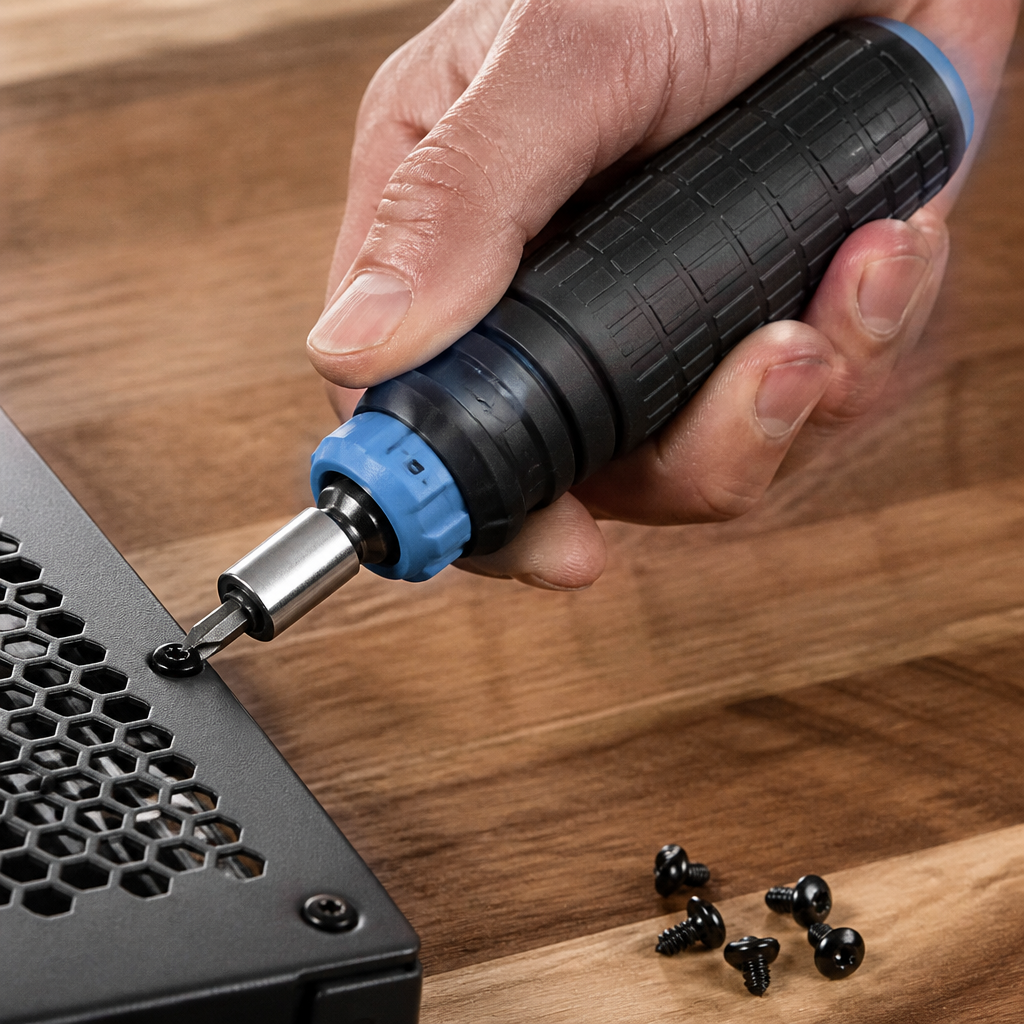
One of the most overlooked causes of avoidable damage on Japanese motorcycles is the assumption that every cross-head fastener is Phillips. It is not. JIS screws were designed for higher torque transmission with less intentional cam-out. On a clutch cover, carburetor, switchgear housing, or brake master cylinder cap, using a Phillips driver often strips the recess before the screw breaks free. I learned this early restoring older Japanese bikes, and the same lesson applies to modern track-day maintenance. A proper JIS bit from Vessel, Hozan, or Moody saves time, fasteners, and crankcase threads.
Why does this matter for clutch work specifically? Because the clutch cover is often the first barrier to diagnosis. Once cover screws are rounded, owners resort to impact drivers, locking pliers, or drilling. That increases the chance of gouged sealing surfaces, damaged threads, and contamination inside the engine. A simple driver mismatch turns a routine inspection into a repair project. Keeping a dedicated set of JIS screwdrivers and bits is one of the cheapest upgrades a metric-bike owner can make.
JIS awareness also teaches a broader habit: follow the standards the motorcycle was designed around. Use metric sockets, torque in newton-meters, verify thread pitch before ordering bolts, and replace sealing washers rather than reusing flattened ones indefinitely. Precision is not fussiness on motorcycles. It is reliability.
DCT maintenance lessons every metric-bike owner should know
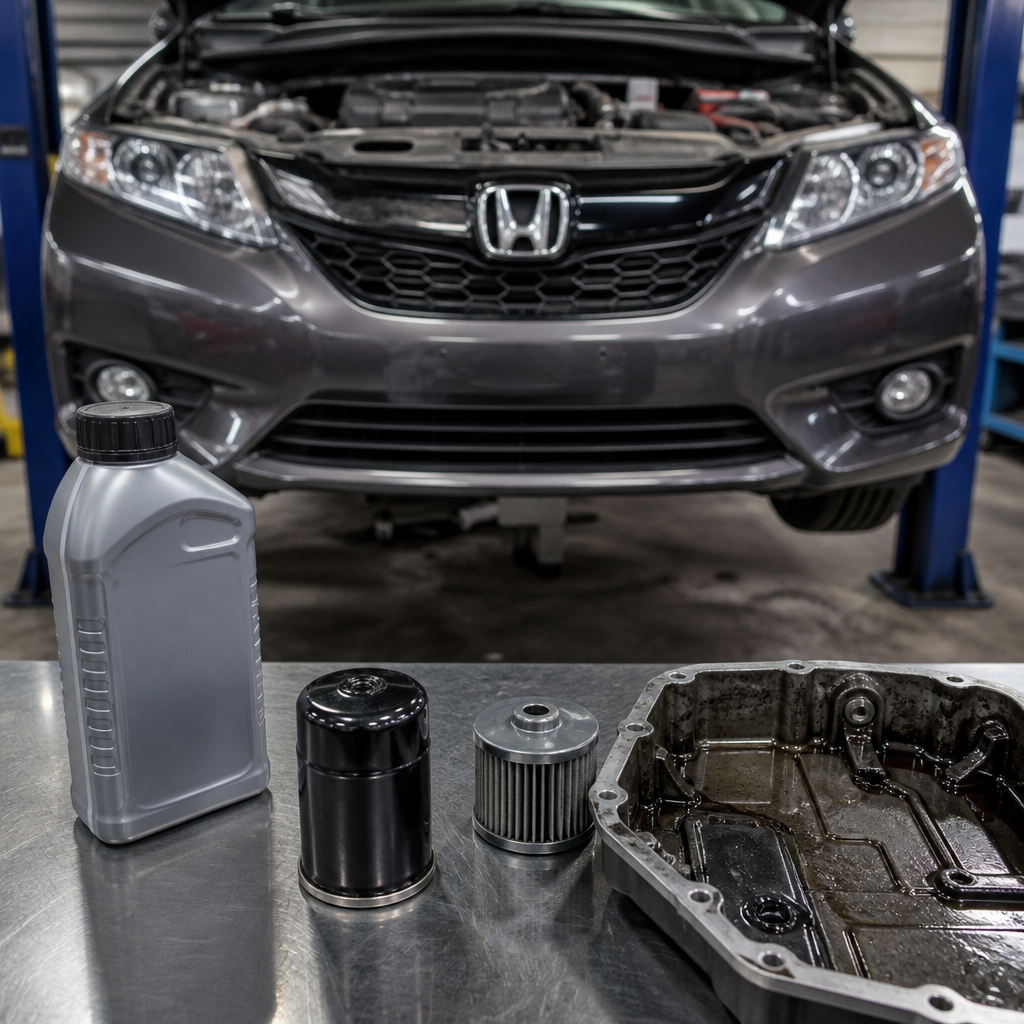
Although the Ninja 400 uses a conventional manual gearbox with a wet multi-plate clutch, there is value in understanding DCT maintenance because it highlights how modern motorcycle drivetrains depend on fluid quality and exact service procedure. Honda’s dual-clutch systems use electronically controlled clutch packs and hydraulic circuits that are extremely sensitive to oil condition, filter restriction, and adaptation logic. Miss an oil interval or use the wrong specification, and shift quality suffers quickly. The same underlying truth applies to the Ninja 400: the clutch is a friction device living in engine oil, so lubricant choice and cleanliness are not minor details.
DCT systems also teach technicians to respect heat management. In stop-and-go riding or heavy-load use, clutch temperatures rise, fluid shears, and debris control becomes more important. Track-day Ninja 400s see a parallel problem. Long sessions create sustained heat, and small displacement engines spend a greater percentage of their life at high rpm. That is why conservative oil-change intervals, quality filters, and post-event inspections pay off. Even without electronics or hydraulic actuation, the wet clutch benefits from the same disciplined mindset demanded by DCT service.
Another useful lesson is adaptation versus hardware failure. On DCT bikes, poor behavior is not always a broken clutch; sometimes it is software logic reacting to degraded inputs. On a cable-clutch bike, the equivalent is setup error masquerading as component failure. Riders blame plates when the actual issue is free play, oil, or assembly order. Good diagnostics always separate control problems from hard-part wear.
Metric quirks that shape reliable service across this subtopic
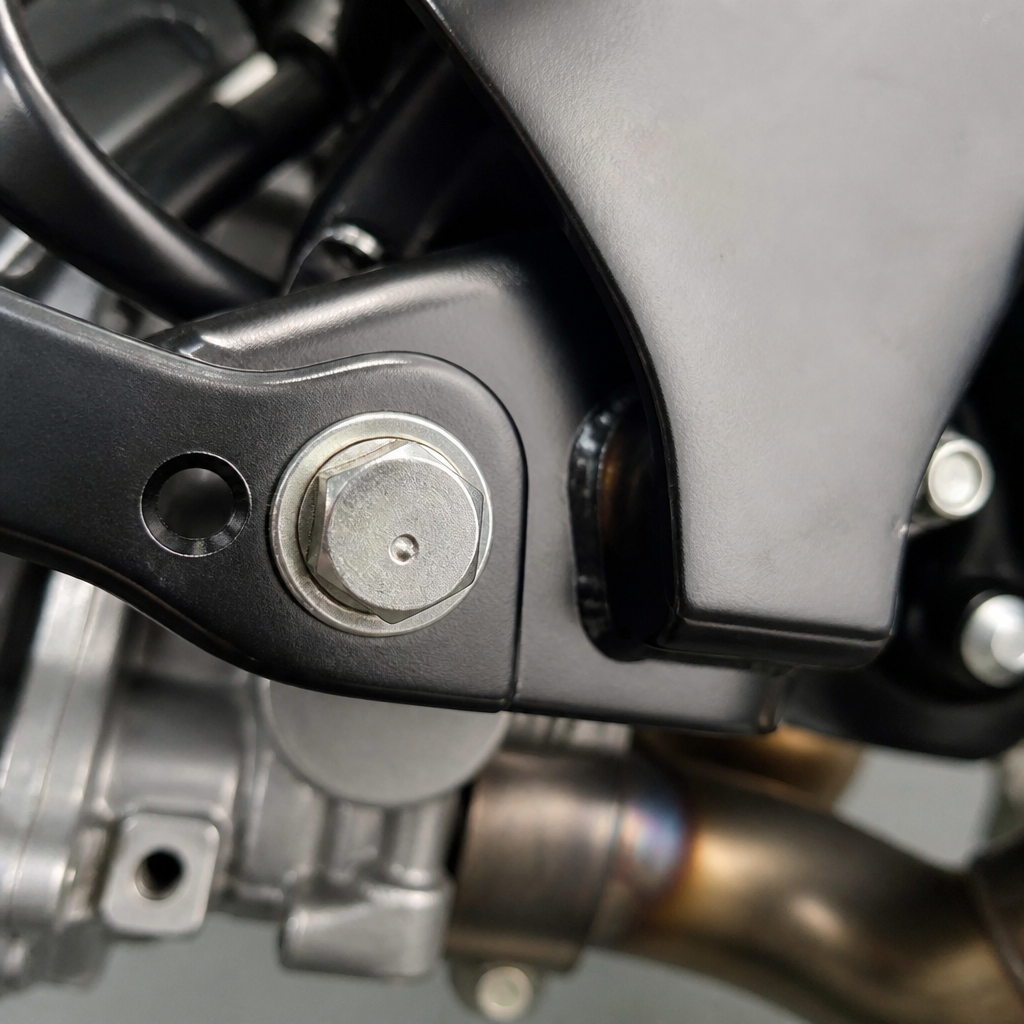
Metric motorcycles reward exactness. Torque values are specified tightly because engine covers, clutch hubs, and brake components often thread into aluminum. Thread pitches are finer than many owners expect, so forcing a near-match bolt from a general hardware bin can ruin a case or bracket. Fasteners may use flange heads, shoulder sections, or specific hardness grades that generic replacements do not match. Even routine tasks like chain adjustment depend on precise measurement from axle block marks that are useful guides, not substitutes for alignment verification.
Measurement culture is another quirk. Japanese service manuals expect you to measure plate thickness, free length, runout, and warpage rather than judging by feel. That approach is not optional on clutch work. A steel plate can look acceptable yet be outside warpage specification. A spring can seem strong by hand and still be too short under the manual’s wear limit. Investing in a torque wrench, micrometer, caliper, and feeler gauges pays for itself the first time it prevents needless parts swapping.
This subtopic also links naturally to future deep dives. Owners who understand JIS tools make cleaner engine-cover service possible. Riders who grasp DCT oil discipline make better choices on any wet-clutch machine. Technicians who respect metric measurement standards diagnose slippage faster and with fewer mistakes. If your Ninja 400 is showing clutch slip after track days, start with oil, free play, and proper tools, then measure the clutch pack methodically and rebuild it to specification. That process solves the problem and builds maintenance habits that carry across the entire metric motorcycle world.
The main benefit is confidence. Instead of guessing, you can identify why the clutch slips, apply a fix that survives heat and hard use, and avoid collateral damage caused by wrong tools or vague assumptions. Keep this hub as your reference point, then move through your broader maintenance checklist with the same precision. That is how lightweight track bikes stay fast, dependable, and inexpensive to own.
Frequently Asked Questions
What causes clutch slippage on a Kawasaki Ninja 400 during track days?
Clutch slippage on a Ninja 400 usually comes down to heat, load, and setup. On the street, the stock clutch often feels perfectly acceptable, but on track the bike is repeatedly subjected to hard launches, aggressive upshifts, heavy downshifts, and strong corner-exit acceleration. That repeated abuse builds heat in the clutch pack, and once temperatures rise, the friction plates can lose some of their ability to hold power consistently. When that happens, engine rpm climbs faster than road speed, especially in the upper gears or when getting back on the throttle hard.
Another major contributor is the Ninja 400’s clutch stack configuration. Many owners and race-prep shops have found that the bike can be sensitive to plate wear, stack height, spring pressure, and oil choice. If the clutch pack is worn even slightly out of spec, or if the springs are weak, the clutch may begin slipping much sooner under track conditions than it ever would in normal commuting. Installation errors after maintenance can also cause trouble. A misordered plate, an incorrectly seated judder spring arrangement, or too little cable free play can keep the clutch from fully engaging.
Oil is another common factor. Using an oil that is not motorcycle-specific or not JASO MA/MA2 rated can reduce clutch friction and make slippage worse. Even with the correct oil, heavily used track bikes can shear oil down faster, changing clutch feel over the course of a day. In short, the problem is rarely random. It is usually the result of a clutch system that is being pushed beyond the margin built into the stock setup, often combined with wear, heat soak, or an overlooked adjustment issue.
What are the first signs that the Ninja 400 clutch is slipping instead of the tire spinning or the engine simply revving out?
The clearest sign of clutch slippage is a mismatch between rpm and acceleration. If you roll on the throttle at corner exit or on a straight and the tach jumps quickly without the bike pulling forward with equal urgency, the clutch is likely slipping. Riders often notice this most in higher gears, where the engine is under more sustained load. The bike may feel like it briefly “flares” in rpm before finally hooking up, or it may continue revving without delivering the expected drive.
By contrast, rear tire spin usually feels more abrupt and more connected to lean angle, track temperature, or throttle timing. Tire spin often produces a more obvious sideways sensation, traction-control intervention if equipped, or a vague, skating feeling from the rear of the bike. Clutch slip feels different: the engine suddenly sounds freer, smoother, and less mechanically connected to the rear wheel. You may also smell hot friction material after a session, especially if the problem is severe.
Other warning signs include a clutch engagement point that changes as the session goes on, a lever that feels normal in the paddock but inconsistent after several hot laps, or slipping that appears after repeated starts and restarts. If the bike launches poorly, struggles to transfer power after hard downshift-and-drive transitions, or starts slipping more once fully heat soaked, those are strong clues. The best way to confirm it is to note whether the issue becomes more pronounced under heavy load in taller gears rather than only under abrupt throttle at lean. If rpm rises but speed does not follow, that is classic clutch slip.
What are the most effective fixes for the common Ninja 400 track-day clutch bug?
The most effective fix is usually a combination approach rather than a single part swap. Start with the basics: inspect the clutch pack, measure plate thickness, confirm stack height, and check the steel plates for discoloration, warping, or hot spots. If the friction plates are worn or glazed, replace them. If the steels are blued or distorted from heat, replace those too. On a track-ridden Ninja 400, simply installing fresh OEM-equivalent consumables can restore a lot of lost holding power.
From there, many riders move to stronger clutch springs, which increase clamp load and help the pack resist slip under repeated hard acceleration. This is one of the most common and practical upgrades for a Ninja 400 used regularly on track. In more stubborn cases, upgraded friction plates and a clutch kit designed specifically for racing or aggressive sport use can make a substantial difference. These kits are often engineered to improve engagement consistency and maintain grip better as temperatures rise.
Proper cable adjustment is just as important as hardware. Too little free play can leave the clutch partially disengaged once the bike gets hot, effectively creating slippage even if the plates themselves are still serviceable. Confirm the cable moves smoothly, the lever has the correct amount of free play, and the release mechanism is operating normally. Also use a motorcycle-specific oil that meets the correct wet-clutch compatibility standard. If the wrong oil is in the engine, no amount of spring pressure will fully mask the issue for long.
For riders who are serious about frequent track use, the most reliable path is preventive race-style setup: upgraded springs, a known-good clutch pack, correct oil, precise adjustment, and regular inspections. That combination addresses the root causes of heat-related slip rather than just treating symptoms after they appear.
Can oil choice and maintenance mistakes really make Ninja 400 clutch slippage worse?
Yes, absolutely. Oil choice matters a great deal on any wet-clutch motorcycle, and the Ninja 400 is no exception. The clutch lives in the engine oil, so that oil directly affects how the friction and steel plates interact. If you use an automotive oil with friction modifiers, or any oil not intended for wet-clutch motorcycle applications, the clutch can become noticeably more prone to slipping. Even if the bike seems acceptable during casual road use, that reduced friction margin can show up quickly under the heat and load of a track session.
Maintenance errors can be just as damaging. One common issue is incorrect cable free play. Riders sometimes adjust the clutch to feel tighter or to move the engagement point where they prefer, but if the adjustment is too aggressive, the clutch may never fully clamp. That becomes even more problematic as the engine heats up and tolerances change. Another mistake is reassembling the clutch pack incorrectly after inspection or replacement. Plate order, orientation, special seat rings or judder components, and torque values all matter. A small assembly error can create a very real slipping problem.
Skipping inspections is another way problems grow. A clutch that looks “good enough” for street use may already be marginal for track use. Plates can glaze, steels can develop heat marks, and springs can weaken gradually over time. Because the decline is often progressive, riders may adapt to the feel until the clutch starts slipping badly during a session. Good maintenance means using the correct oil, changing it on an appropriate schedule for track use, checking free play regularly, and inspecting clutch components before they become a failure point. In other words, yes—small maintenance decisions can be the difference between a clutch that survives a track day and one that starts slipping halfway through the afternoon.
How can Ninja 400 owners prevent clutch slippage before the next track day?
Prevention starts with treating the clutch as a wear item that deserves track-specific attention. Before your next event, verify the clutch cable has the proper free play at the lever and that the actuation feels smooth and consistent. If the bike has already shown any symptoms of rpm flare, weak launches, or inconsistent engagement when hot, inspect the clutch pack before going back on track. Do not assume the problem will stay minor. Once the clutch begins slipping under heat, it often gets worse quickly.
Use a high-quality motorcycle oil with the proper wet-clutch rating, and change it more frequently if the bike sees repeated track use. Heat, shear, and hard operation shorten oil life. Also pay attention to riding habits. Excessive clutch slipping on launches, overly aggressive feeding of power while the clutch is still partially engaged, and rushed pit-lane restarts all add unnecessary heat. Clean, decisive clutch work helps reduce cumulative stress on the pack.
For riders attending track days regularly, preventive upgrades make sense even before a complete failure occurs. Stronger springs are a common first step because they improve holding power with relatively little complexity. If the bike is being ridden hard and often, replacing the clutch pack proactively at the first signs of wear can be cheaper and less frustrating than losing sessions to a slipping clutch. Many experienced Ninja 400 owners build a simple routine: check free play, use the right oil, inspect the pack at regular intervals, and upgrade springs or plates before the stock setup reaches its limit.
The key idea is to prepare for the way the bike is actually being used. The Ninja 400 is excellent on track, but track riding exposes weaknesses that normal commuting may never reveal. If you maintain the clutch with that reality in mind, slippage becomes much more manageable and, in many cases, completely avoidable.