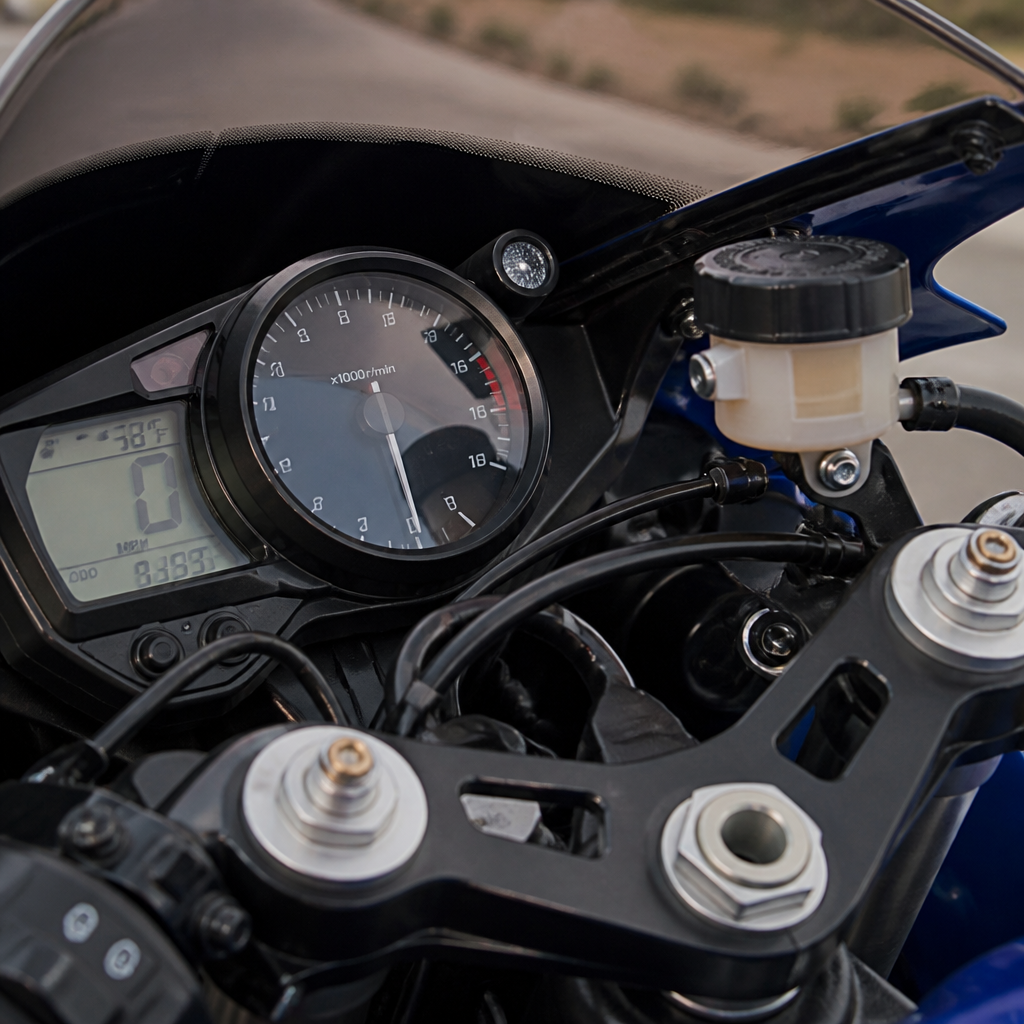
The Yamaha YZF-R6 built around the 2006 model year remains one of the defining middleweight supersports, yet owners in 2026 still run into the same unnerving question: why does the tachometer seem to lie? On these bikes, “tachometer lies” usually means the indicated engine speed does not match actual crankshaft rpm across the range, whether from gauge drift, electrical noise, charging weakness, sender issues, cluster aging, or simple misunderstanding of how the system reports revs. Calibrating the 2006-era legends matters because the R6 is unusually sensitive to rev accuracy: fueling transitions, shift timing, idle diagnosis, valve-train noise interpretation, and trackday gearing choices all depend on knowing whether the dash is honest. In workshops, I have seen owners chase phantom clutch slip, imagined ECU faults, and nonexistent cam-chain problems when the real issue was a misleading rpm indication combined with metric fasteners, JIS screws, and deferred maintenance. This hub article connects those themes, because the R6’s instrumentation accuracy sits at the intersection of standards, service practice, and modern driveline technology. The JIS screw standard affects whether you can even open the switchgear and cluster without damage. DCT maintenance matters because many readers service multiple metric motorcycles and need a framework for understanding why dual-clutch systems demand different habits than a cable-clutch supersport. Metric quirks matter because Japanese motorcycles are engineered around metric tolerances, metric torque values, and component conventions that punish improvisation. If you want a 2006-era Yamaha R6 tachometer calibration process that works in 2026, you need more than a multimeter and hope; you need a disciplined metric maintenance mindset, the right fastener standard, and a realistic baseline for what accurate rpm data looks like on aging motorcycles.
Why the 2006 Yamaha R6 tachometer drifts and how to verify it
The 2006 Yamaha R6 uses an electronically driven tach signal path rather than a mechanical cable, so the gauge depends on signal quality, cluster health, and charging stability. In plain terms, the ECU or ignition-related pulse information is translated into a display reading, and any weakness between the source and the needle or digital display can create error. The most common causes I see are low charging voltage at idle, corroded connectors near the headstock, poor grounds, aftermarket quickshifters or piggyback fuel modules introducing noise, and aging instrument clusters whose internal stepper control or circuitry has drifted over time. Before touching calibration, verify battery condition with a load test, not just static voltage. A resting 12.7 volts can still collapse under load. Then confirm charging output: roughly 13.5 to 14.5 volts at elevated rpm is the normal target on a healthy system. If voltage sags, the tach reading often becomes inconsistent exactly where riders start suspecting something more dramatic.
The correct way to verify tachometer accuracy is to compare the dash reading to an external reference. A professional inductive shop tach, an oscilloscope reading ignition frequency, or a scan-capable dyno setup will beat a phone app every time. At idle, compare indicated rpm with the service specification, then check several fixed points such as 3,000, 6,000, 10,000, and 14,000 rpm under steady conditions. The key is not just whether the gauge is off, but whether the error is linear. A tach that reads 300 rpm high everywhere can often be lived with or noted; a tach that is accurate at 4,000 and 1,200 high near redline will mislead shift points and diagnosis. On the R6, do not assume the rev limiter proves gauge accuracy. The limiter threshold is ECU-controlled, while the dashboard display can still be wrong.
The JIS standard: the overlooked reason metric motorcycle service goes wrong
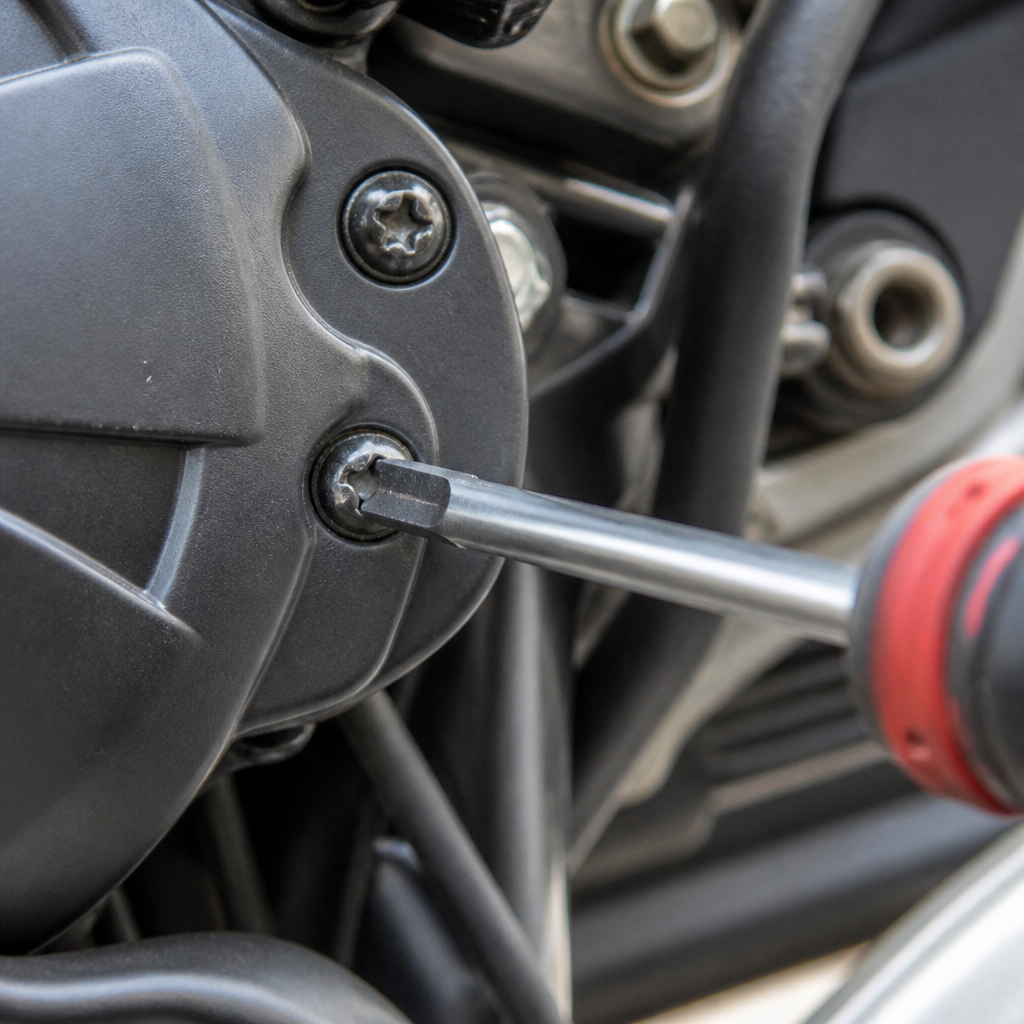
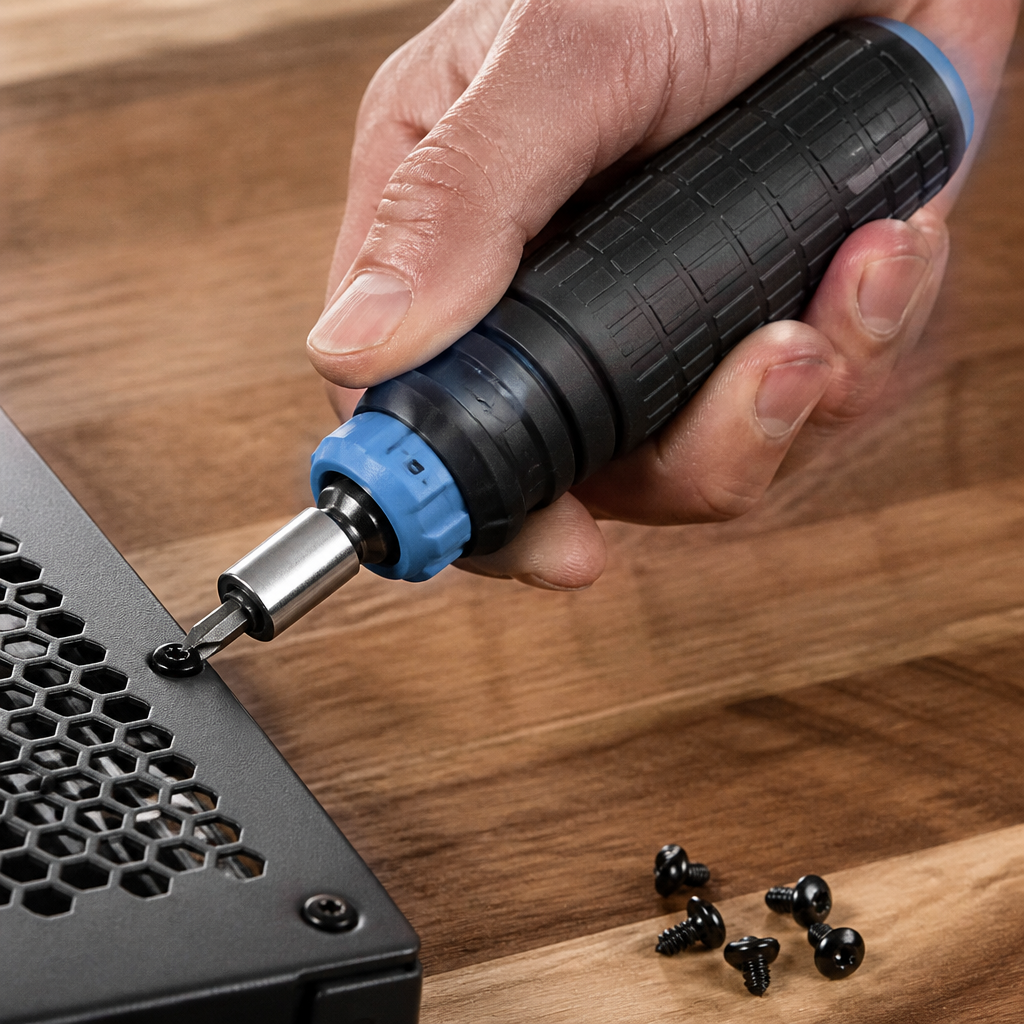
Most damage done during Japanese motorcycle maintenance starts before a wrench ever reaches a torque spec. It starts with the wrong screwdriver. Many fasteners on Yamaha motorcycles from this era are JIS, or Japanese Industrial Standard, not Phillips in the way most toolboxes assume. A Phillips driver is intentionally designed to cam out under high torque; a JIS driver seats more positively and transfers force without climbing out of the recess as easily. On an R6 fairing screw, master-cylinder reservoir screw, switchgear screw, or cluster housing screw, using Phillips instead of a proper JIS driver rounds the cross recess, deforms the plating, and turns a ten-minute inspection into drilling, extracting, and replacing hardware.
In practical workshop terms, this matters directly to tachometer work. To inspect cluster connectors, service handlebar switch assemblies, clean grounding points, or remove upper fairing components without cosmetic damage, you need the right bit geometry. Vessel, Hozan, and JIS-compatible sets from brands like Moody and Engineer are worth owning. If a screw feels unusually tight, use hand pressure inline with the fastener and an impact driver if corrosion is likely. I also recommend replacing frequently serviced bodywork screws with quality flange bolts where appropriate, but not indiscriminately. Preserve shoulder lengths, thread pitch, and engagement depth. Japanese motorcycles rely on exact metric hardware choices, and the “close enough” substitutions common in general garages are a source of rattles, stripped inserts, and broken tabs.
Metric quirks that shape real maintenance decisions
Metric motorcycles are not merely bikes assembled with millimeter hardware; they embody a design language. Torque values are specified in newton-meters, clearances are measured in hundredths of a millimeter, brake rotor wear limits are narrow, and electrical connectors often package several functions into compact spaces. On a 2006 R6, examples include 5 mm and 6 mm Allen fasteners that look robust but strip easily if seated with dirt in the socket, threadlocker on factory-installed bolts that changes breakaway torque significantly, and bodywork grommet systems that crack if pulled in the wrong sequence. This is why disciplined service sequencing matters. You do not muscle through a Japanese supersport the way some owners treat older universal motorcycles.
Another metric quirk is the common confusion between nominal size and actual service fit. A bolt may be M6, but flange diameter, shank length, and grade determine whether it belongs in a stress path. Likewise, an electrical issue may appear random when it is actually a tolerance stack problem: a slightly weak battery, slightly oxidized connector, and slightly high resistance ground can together distort instrument behavior. The lesson is simple. Diagnose as a system. If the tach lies, inspect the whole chain from battery to regulator/rectifier to ground bus to harness connector to cluster, because each small deviation adds up on older bikes.
A practical 2026 calibration workflow for the R6
In 2026, the smartest calibration workflow blends old-school verification with modern tools. Start by documenting symptoms: Does the tach overread only when hot? Does it flutter with turn signals, fans, or headlights? Does the error appear after installing an aftermarket ECU flash, quickshifter, or race harness? Then run a voltage-drop test on key grounds and supply lines while the bike is operating. This catches resistance that a simple continuity check misses. Clean and protect connectors with appropriate electrical contact cleaner and a light dielectric strategy on seals, not on the contact faces where it can interfere if overapplied. If the charging system tests weak, fix that before condemning the cluster.
Once electrical integrity is confirmed, compare dash rpm with a trusted external tach through the full rev range. If the error is stable and predictable, note the correction values for use during tuning or track riding. If the cluster is serviceable and you have access to specialist instrumentation repair, recalibration may be possible, but many owners now choose replacement used clusters or professional rebuilds. Be careful with odometer legality and disclosure requirements in your jurisdiction. Also verify that what you are seeing is not deliberate interpretation error. Some riders mistake the R6’s aggressive throttle response and intake sound for higher rpm than indicated, while others assume a high idle during warm-up equals an inaccurate tach when the ECU is simply managing temperature.
| Check Point | What to Measure | Healthy Result | What It Suggests if Wrong |
|---|---|---|---|
| Battery under load | Voltage during cranking | Minimal collapse, strong recovery | Weak battery can distort electronics and idle behavior |
| Charging system | Voltage at elevated rpm | About 13.5–14.5 V | Regulator, stator, or connection problem |
| Main grounds | Voltage drop under load | Very low resistance path | Corrosion or loose fastening affecting cluster stability |
| Tach accuracy | Dash vs external tach | Consistent match across range | Cluster drift or signal-path issue |
| Harness modifications | Aftermarket splices/modules | Clean, documented installation | Signal noise or intermittent faults |
Where DCT maintenance fits in a metric motorcycle encyclopedia
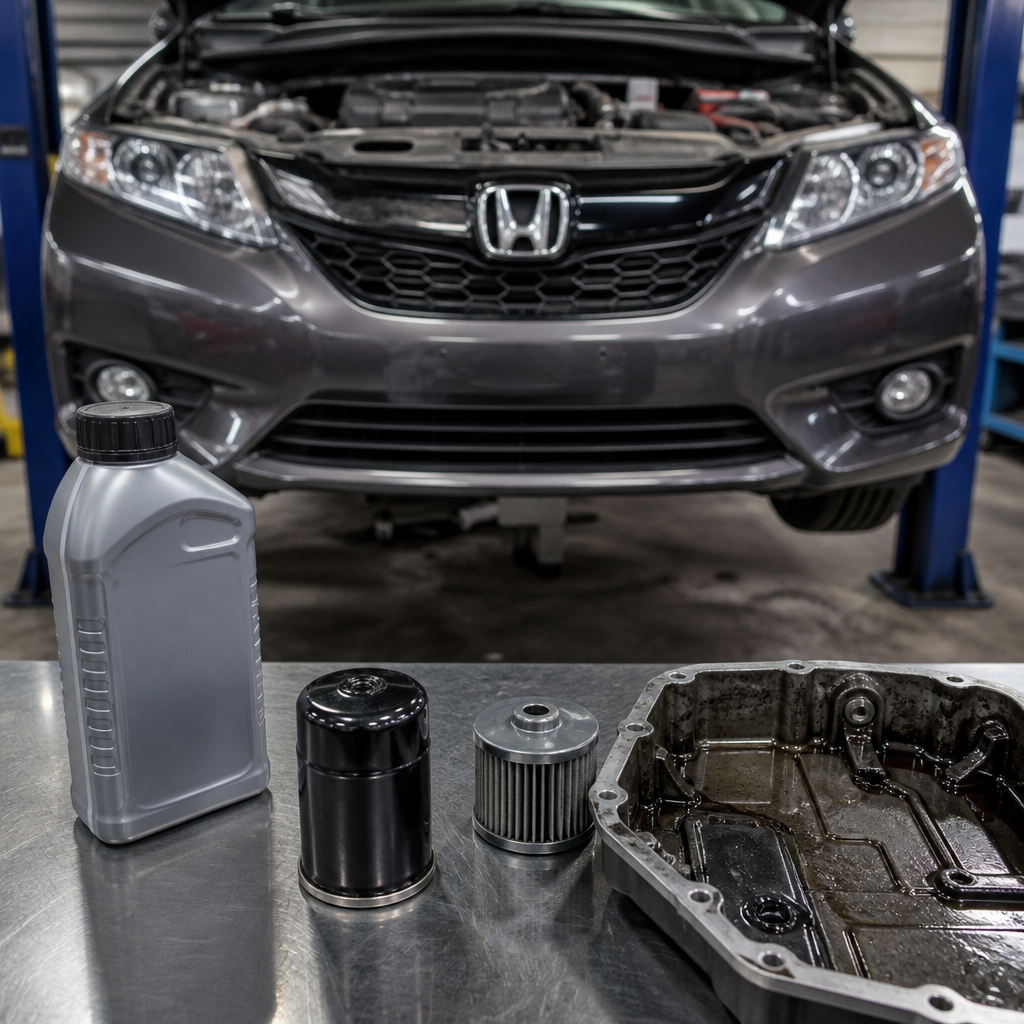
At first glance, dual-clutch transmission maintenance seems unrelated to a 2006 Yamaha R6, which uses a conventional manual gearbox and wet clutch. It belongs in this hub because riders maintaining metric motorcycles increasingly move between different Japanese platforms, and the habits that work on one can damage another. DCT systems, most famously associated with Honda road models, combine electronically controlled clutch packs, hydraulic circuits, shift actuators, and software logic. Maintenance priorities are therefore different. Fluid condition, filter intervals, adaptation behavior, and fault-code reading become central. A rider used to manual-bike shortcuts, such as generic oil choice or imprecise service intervals, can create expensive DCT problems quickly.
The useful comparison is this: on an R6, inaccurate rpm information can skew shift timing and diagnosis, but the rider still controls clutch engagement. On a DCT bike, accurate speed, gear, and clutch control data are fundamental to operation because the system itself makes decisions in real time. That means clean electrical supply, correct battery performance, and exact fluid specifications matter just as much as on the R6, but the consequences of neglect can be broader. In both cases, metric maintenance discipline wins. Use the specified oil standard, replace crush washers with the correct dimensions, torque drain plugs correctly, and verify adaptations or learning procedures when the manufacturer requires them. Precision is not optional.
Tools, standards, and service habits that prevent false diagnosis
The most cost-effective improvement any owner can make is upgrading tools and procedure. For this subtopic, that means a real JIS driver set, a calibrated torque wrench in low and mid ranges, a quality digital multimeter, test leads for voltage-drop work, feeler gauges in metric sizes, and a service manual specific to the model year. On the R6, add a known-good external tach source if you regularly tune or troubleshoot. If you work on DCT-equipped bikes too, add a scan tool or manufacturer-compatible diagnostic interface. The point is not collecting gadgets. It is reducing ambiguity. Bad tools create bad evidence, and bad evidence creates expensive parts darts.
Service habits matter just as much. Label connectors during fairing removal. Photograph hose and harness routing before disassembly. Chase threads only when necessary, and avoid cutting material from soft aluminum. Use anti-seize selectively; many fasteners need clean, dry threads or specified threadlocker to achieve the intended clamp load. When cleaning electrical contacts, solve the reason corrosion formed rather than simply spraying and reassembling. I have corrected more “mystery tach faults” caused by pin tension, harness strain, and poor aftermarket accessory wiring than by failed tachometers themselves. The broader lesson for any metric motorcycle encyclopedia is that standards, not guesses, keep machines honest.
The 2006-era Yamaha R6 deserves its reputation, but legends age, and aging electronics do not become more truthful on their own. If your tachometer seems to lie in 2026, treat the problem as a system issue first, not a gauge issue first. Verify battery health, charging stability, grounds, connectors, and modifications before you decide the cluster is wrong. Use a trusted external reference and map error across the rev range instead of relying on feel or sound. Just as important, respect the surrounding maintenance context. JIS fasteners require JIS tools, metric hardware requires metric discipline, and modern driveline technologies like DCT reward exact service procedures rather than improvisation. These are not side topics; they are the practical framework that makes accurate diagnosis possible.
For readers using this page as a hub within a maintenance and technical encyclopedia, the key takeaway is simple: precision compounds. The right screwdriver prevents damaged access points. The right electrical tests prevent false conclusions. The right interpretation of metric tolerances prevents unnecessary parts replacement. Whether you are calibrating an R6 tachometer, servicing Japanese bodywork, or planning maintenance on a DCT-equipped machine, the benefit is the same: fewer mistakes, clearer data, and motorcycles that behave the way their engineers intended. Start with the service manual, gather the correct JIS and metric tools, and verify your measurements before buying parts. That is how you keep 2006-era legends credible in 2026.
Frequently Asked Questions
Why does the tachometer on a 2006-era Yamaha R6 seem inaccurate even when the bike runs perfectly fine?
On the 2006-era Yamaha YZF-R6, an inaccurate-looking tachometer does not automatically mean the engine is actually revving incorrectly. In many cases, the bike is mechanically healthy and the problem is simply that the displayed rpm is no longer matching real crankshaft speed with perfect precision. Owners describe this as the “tachometer lying,” but that can come from several very different causes. The first is normal instrument aging. These bikes are old enough now that the gauge cluster, internal stepper motor circuitry, solder joints, and reference components may have drifted over time. The second common cause is electrical instability. The R6 relies on clean voltage and signal integrity, so a weak battery, tired regulator/rectifier, charging fluctuation, poor grounds, or connector corrosion can distort what the tach sees.
Another reason is signal-source confusion. On these bikes, the tachometer does not operate like a standalone mechanical gauge; it interprets an electrical engine-speed signal. If the ignition system, ECU-related signal path, wiring harness, or cluster input stage introduces noise or inconsistency, the needle or digital display can over-report, under-report, or behave differently at certain rpm bands. Riders also sometimes compare indicated rpm to assumptions rather than measured data. For example, gearing changes, wheel-speed-based impressions, and the general sound of a high-revving inline-four can make the dash appear “wrong” when the issue is actually rider expectation. The bottom line is that a lying tach on an R6 can be caused by aging electronics, unstable charging voltage, wiring and grounding faults, signal contamination, or plain misunderstanding. That is why proper diagnosis always starts with independent rpm verification before any calibration attempt is made.
How can I verify whether my R6 tachometer is truly wrong before I try to calibrate it?
The smartest first step is to compare the bike’s displayed rpm against a reliable external reference. In 2026, that usually means using a modern diagnostic tachometer, an inductive shop tach, a scope-based rpm calculation, or a high-quality data logger that can read ignition events accurately. If you have access to professional tools, checking the signal directly at idle, midrange, and near the upper rpm range is ideal because some R6 tach errors are not linear. In other words, the dash may be close at 2,000 rpm, noticeably off at 8,000 rpm, and very wrong near redline. That pattern matters because it helps distinguish between a cluster calibration drift issue and a wider electrical or signal-quality problem.
You should also control testing conditions. Make sure the battery is fully charged, the charging system is healthy, and all major loads are understood. Test with the bike warmed up and in a stable state rather than during cold-start enrichment or while the idle is hunting. If possible, monitor system voltage at the same time. A tach that changes accuracy depending on whether the fan is running, the lights are loaded, or rpm crosses into a specific band often points to electrical weakness rather than a simple calibration offset. It is also helpful to inspect whether the tach is consistently wrong by a fixed percentage or whether it fluctuates. A fixed error suggests internal gauge scaling drift or a reference issue; a jumping or unstable reading suggests noise, intermittent connection, or charging irregularity.
Finally, avoid calibrating based on “feel,” exhaust sound, or speed-versus-gear estimates alone. The R6 revs quickly, and small rider assumptions can become big errors. A true verification process uses an external rpm reference, repeatable test points, voltage observation, and ideally a comparison across the rev range. Only after you confirm that the cluster is actually misreporting should you move on to calibration or repair.
What are the most common electrical and mechanical causes of a lying tachometer on a 2006 Yamaha R6?
The most common causes are electrical, not mechanical. Start with battery health, because low resting voltage and weak cranking performance can create a long list of weird instrument symptoms on aging sportbikes. From there, look at the charging system. A marginal stator, failing regulator/rectifier, or unstable charging output can introduce voltage fluctuation that affects cluster behavior and signal interpretation. Grounds are another major culprit. On an older R6, even slight corrosion at grounding points or resistance in connectors can alter the quality of the tach signal or the cluster’s ability to interpret it consistently. Harness condition matters too. Heat, vibration, prior modifications, pin fit issues, and damaged insulation can all create intermittent tach errors that seem mysterious until the loom is inspected carefully.
Cluster aging itself is also high on the list. By 2026, a 2006-era instrument unit may have tired capacitors, cracked solder joints, degraded internal components, or a failing input stage. Those problems can produce a reading that is consistently off, delayed, sticky, or erratic. Ignition-related noise can contribute as well. If coils, plugs, or associated wiring are not in good condition, the rpm signal environment may become noisier than the cluster likes. Aftermarket accessories can make things worse. Poorly installed quickshifters, alarm systems, LED conversions, phone charger wiring, or hacked-in power feeds can inject noise into circuits that were originally clean.
Purely mechanical engine problems are less often the reason a tach lies, because the tach is reporting an electrical interpretation of engine speed rather than being driven mechanically. However, mechanical issues can still affect rider perception. A slipping clutch, for example, can make the engine rev rise in a way that feels disconnected from road speed, leading the rider to accuse the tach when the tach is actually telling the truth. Likewise, intake and exhaust changes can alter perceived engine note. In practice, the highest-probability causes on a 2006 R6 are battery weakness, charging instability, bad grounds, connector corrosion, harness damage, ignition noise, and internal cluster aging.
Can the 2006-era R6 tachometer actually be calibrated, or does the gauge cluster usually need repair or replacement?
It depends on what “calibration” means in your situation. If the tachometer is consistently inaccurate because the cluster electronics have drifted, some specialist instrument repair shops can service, recondition, or recalibrate the unit. That may involve repairing the cluster board, refreshing weak components, correcting reference errors, or validating signal interpretation against a known rpm source. If the error is not inside the cluster but instead caused by supply voltage instability or signal corruption, then the real fix is not calibration at all. In those cases, replacing the battery, addressing charging faults, repairing grounds, cleaning connectors, or fixing the signal path will often restore normal tach behavior without any cluster adjustment.
Replacement is sometimes the most practical path, but it comes with caveats. Used clusters from the same generation may have the exact same age-related issues, and mileage, immobilizer compatibility where applicable, and model-year differences can complicate a swap. Rebuilt or professionally tested units are usually a safer bet than unknown salvage parts. Some owners ask whether they can adjust the tach at home with a hidden setting or menu. On a bike of this era, that is generally not how the problem is solved. There is no universal owner-level calibration feature that will neatly correct every inaccurate tach reading. These systems need diagnosis first, because trying to “tune out” an electrical fault by adjusting the gauge is the wrong fix.
The best approach is to identify whether your issue is a stable offset, a scaling error across the range, or an erratic reading. Stable offsets may be repairable at the cluster level. Scaling errors often point to internal electronics or signal interpretation issues. Erratic behavior usually means electrical faults upstream. So yes, calibration is possible in some cases, but on a 2006-era R6 it is often only one part of the solution, and repair of the supporting electrical system is frequently more important than any direct adjustment of the tach itself.
What is the safest, most effective process for diagnosing and fixing a lying tachometer on an R6 in 2026?
Start simple and work in a disciplined order. First, verify the complaint. Confirm the tach is actually wrong by comparing it against an external rpm reference at multiple engine speeds. Second, baseline the electrical system. Check battery health under rest and load, measure charging voltage through the rpm range, and look for abnormal fluctuation when lights, fans, or other electrical loads switch on. Third, inspect all relevant grounds and connectors. On a 2006-era bike, connector pin tension, oxidation, and heat-related wear are common enough that this step should never be skipped. Pay close attention to harness areas exposed to vibration, steering movement, and engine heat.
Next, inspect ignition-related components and wiring integrity. Misfires, weak coils, poor plug condition, and signal noise can all influence how rpm is interpreted. If the bike has aftermarket electronics, evaluate them critically. Remove or isolate poorly integrated accessories if needed. Then reassess the tach. If the reading is still wrong but stable, the cluster itself becomes a stronger suspect. At that point, bench testing, specialist repair, or replacement with a verified-good unit makes sense. If the reading is unstable or changes with voltage, keep chasing the electrical supply and signal quality rather than blaming the gauge too early.
The safest approach also means avoiding