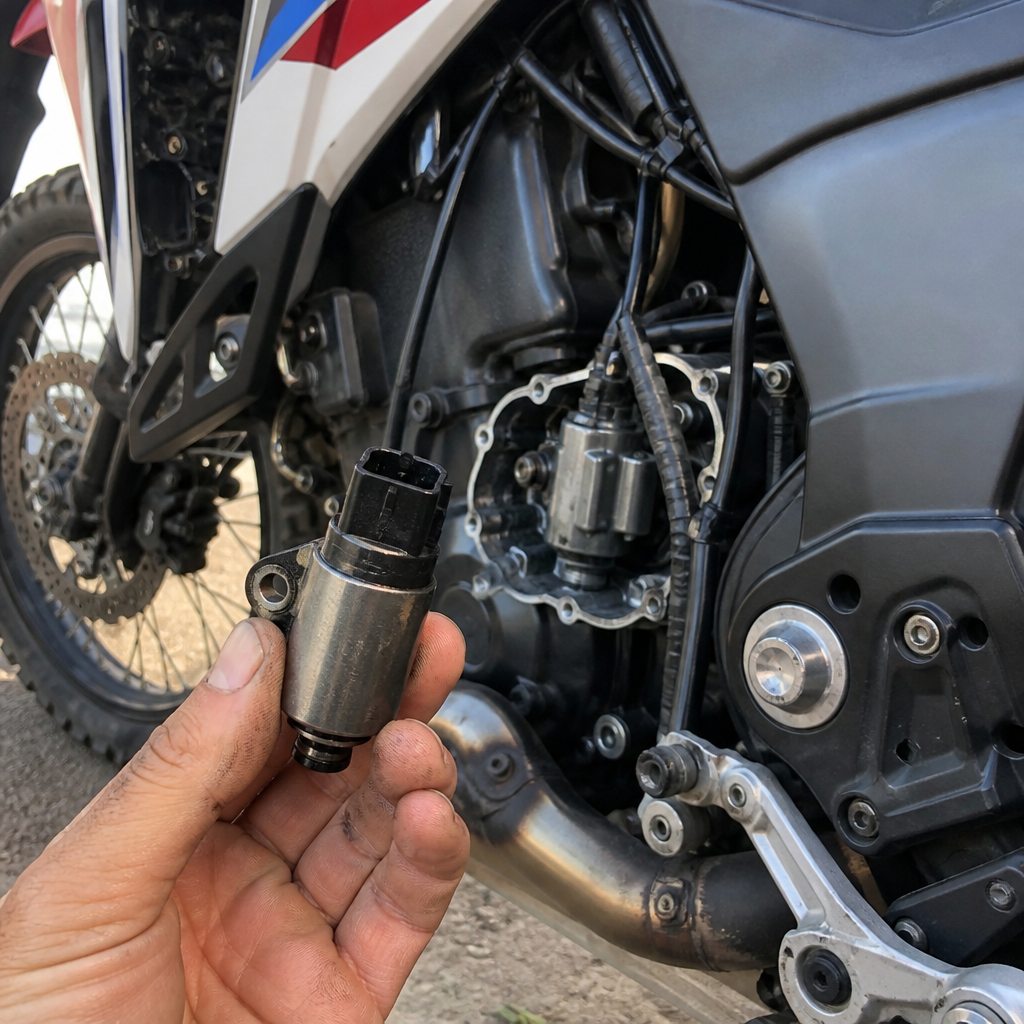
The Kawasaki KX450 recall focused urgent attention on a small but critical engine component: the primary drive gear. In plain terms, the primary drive gear transfers power from the crankshaft to the clutch assembly, making it central to how a motocross engine converts combustion into usable drive. When that gear is manufactured outside specification, the risk is not cosmetic wear or a minor noise issue; it can become a failure point capable of damaging internal engine parts, locking rotating assemblies, or causing sudden loss of propulsion. For riders, mechanics, and buyers evaluating used machines, that makes this recall far more important than a routine service bulletin.
In workshop practice, recalls like this matter because they reveal how seemingly isolated defects intersect with broader maintenance systems. On modern off-road motorcycles, gear fit, torque values, fastener standards, clutch inspection, lubrication quality, and teardown technique all affect whether a repair is durable. That is especially true in metric platforms such as the KX450, where Japanese Industrial Standards, torque sequencing, thread pitch, and model-specific service procedures shape every successful engine job. I have seen engines survive brutal race hours with disciplined maintenance, and I have seen nearly new machines suffer expensive damage because one overlooked tolerance issue cascaded through the clutch side.
This article serves as a hub for the wider Maintenance & Technical Encyclopedia (Metric) topic by using the KX450 primary drive gear recall as a practical case study. It explains what the recall involved, why the defect mattered mechanically, how owners can inspect and document affected bikes, and how related subtopics such as the JIS standard, dual-clutch transmission maintenance principles, and common metric quirks fit into real diagnostic work. Even though the KX450 does not use a dual-clutch transmission, understanding DCT maintenance logic is useful because it teaches the same discipline of oil control, engagement inspection, and service-interval precision that prevents failures in any transmission or primary drive system. The goal is not just to summarize a recall, but to connect it to the habits and standards that keep high-performance metric motorcycles reliable.
What the Kawasaki KX450 recall involved
The recall centered on certain Kawasaki KX450 motorcycles where the primary drive gear may have been manufactured improperly. A primary drive gear defect typically means the gear did not meet dimensional, hardness, or process specifications. In practical terms, the gear teeth, bore, mating surfaces, or heat treatment can be wrong enough that abnormal wear, cracking, or tooth damage becomes possible under racing loads. The engine may still run initially, which is what makes the issue dangerous: riders can be unaware until damage progresses.
When manufacturers issue this kind of recall, they do so because field risk exceeds acceptable limits. The concern is not merely reduced service life. If the primary drive gear chips, wears rapidly, or fails to mesh correctly with its mating component, the engine can produce metallic debris, lose efficient power transfer, contaminate the oiling system, and potentially seize related rotating parts. On a motocross bike, sudden power interruption on a jump face, in a corner exit, or through whoops creates an obvious safety hazard.
Owners should always verify recall applicability using the vehicle identification number through Kawasaki channels or an authorized dealer. A model year alone is not enough. Production windows, batch sourcing, and running changes often limit recalls to certain VIN ranges. The smartest approach is to document the VIN, current engine symptoms, service history, and any visible prior recall completion label or dealer invoice before scheduling work. That documentation becomes useful if secondary damage is suspected.
Why a defective primary drive gear is mechanically serious
On the KX450, as on most single-cylinder motocross bikes, the primary drive gear sits at the heart of torque transfer between the crankshaft and clutch basket. The crankshaft generates rotational energy, and the primary gear reduction converts that energy into a form the clutch and transmission can manage. Because this zone sees repeated shock loads from throttle transitions, rev spikes, downshifts, and hard landings, gear integrity is non-negotiable.
A defective gear can fail in several ways. Incorrect heat treatment may make the gear too soft, allowing accelerated tooth wear and debris shedding. Excessive brittleness can lead to cracking or sudden tooth fracture. Dimensional error, such as an out-of-spec bore or tooth profile, can create misalignment, uneven load distribution, abnormal backlash, and localized overheating. Any of those conditions can spread damage to the clutch hub, basket dampers, thrust washers, bearings, or cases.
In real workshop inspections, early warning signs usually include metallic glitter in oil, magnetic drain plug accumulation, rumbling from the right side cover area, unusual clutch feel, and visible wear patterns after teardown. However, absence of symptoms does not prove safety. Some gears fail progressively but quietly until the damage is advanced. That is why recall replacement is preventive, not optional. Waiting for obvious noise is a poor strategy on a high-compression motocross engine.
Inspection workflow for owners, buyers, and technicians
If you own or are considering buying a used KX450, use a structured inspection process. First, confirm recall status by VIN. Second, review the service manual and any dealer recall paperwork. Third, inspect oil condition and filter media. Fourth, listen for abnormal engine sounds at idle and with light throttle blips. Fifth, ask whether the right-side engine cover, clutch basket, or primary components have ever been replaced. A bike with fresh sealant marks and no paperwork deserves closer scrutiny.
When I evaluate a machine tied to an engine-component recall, I separate three questions: was the recall applicable, was the remedy completed correctly, and did any damage occur before the repair. A replaced part does not automatically mean the engine is healthy. If a defective gear ran long enough to shed material, downstream wear may remain. That is why oil screen inspection, clutch basket examination, and a careful look at mating gears matter even after official recall work was done.
| Checkpoint | What to verify | Why it matters |
|---|---|---|
| VIN status | Dealer confirms recall open or completed | Prevents guesswork based on model year |
| Repair records | Invoice, campaign number, date, mileage or hours | Shows whether the official remedy was performed |
| Oil and filter | Metal flakes, bronze tint, magnetic debris | Indicates active or past internal wear |
| Clutch side noise | Knock, rumble, irregular whine | May suggest gear or bearing distress |
| Secondary damage | Basket notching, bearing play, damaged washers | Confirms whether debris or misalignment spread |
For technicians, proper inspection means following the service manual sequence exactly. Drain oil cleanly, preserve debris evidence, remove covers without gouging sealing surfaces, and measure parts rather than relying on visual judgment alone. If backlash, runout, or wear exceeds specification, adjacent components must be replaced as needed. An incomplete repair that changes only the recalled gear while ignoring damaged mates often leads to repeat noise and customer distrust.
The JIS standard and why it matters on Japanese motorcycles
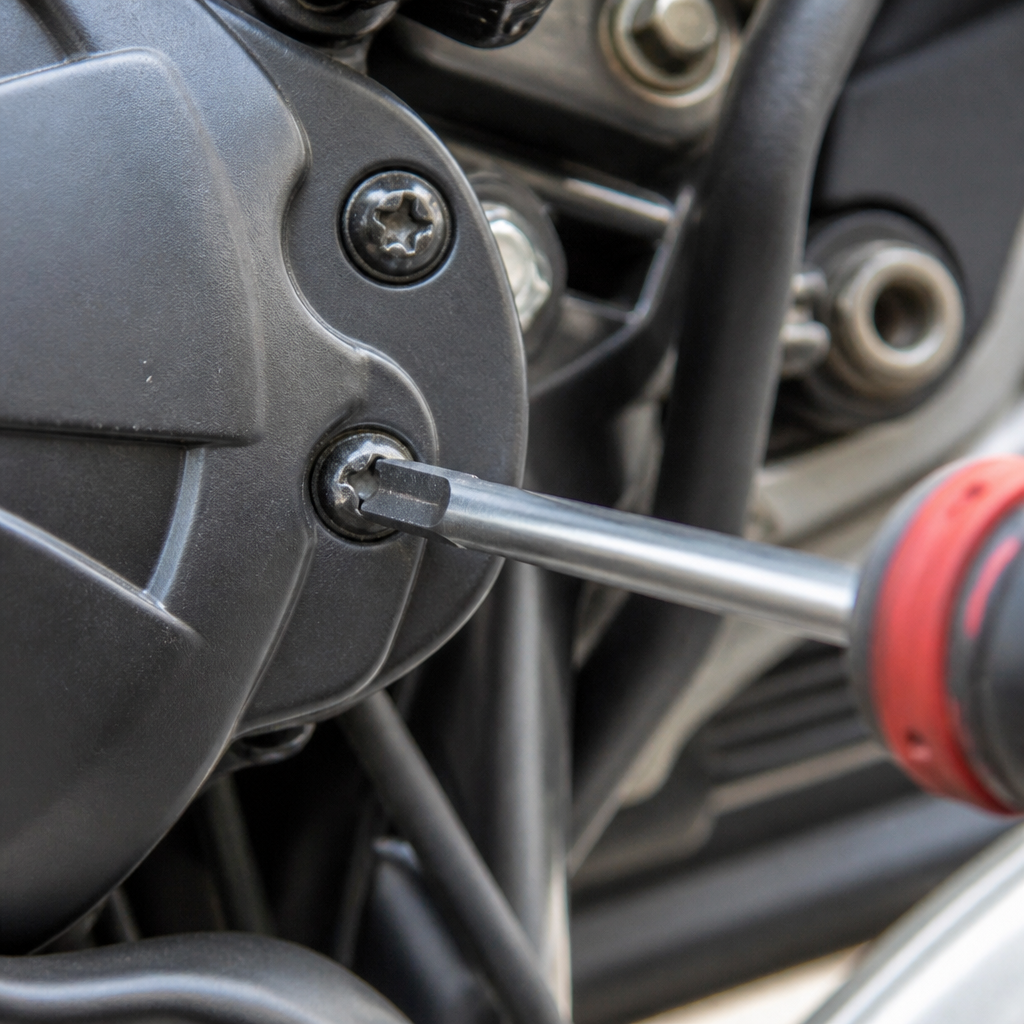
One of the most misunderstood metric topics in motorcycle maintenance is the JIS standard. Many Japanese motorcycles use cross-head screws that look like Phillips fasteners, but they are not identical in geometry or intended driver engagement. Using a Phillips driver on a JIS screw increases cam-out risk and rounds the recess, especially on float bowl screws, case screws, switchgear fasteners, and engine covers. Anyone who has stripped an original Japanese screw head learns this lesson quickly.
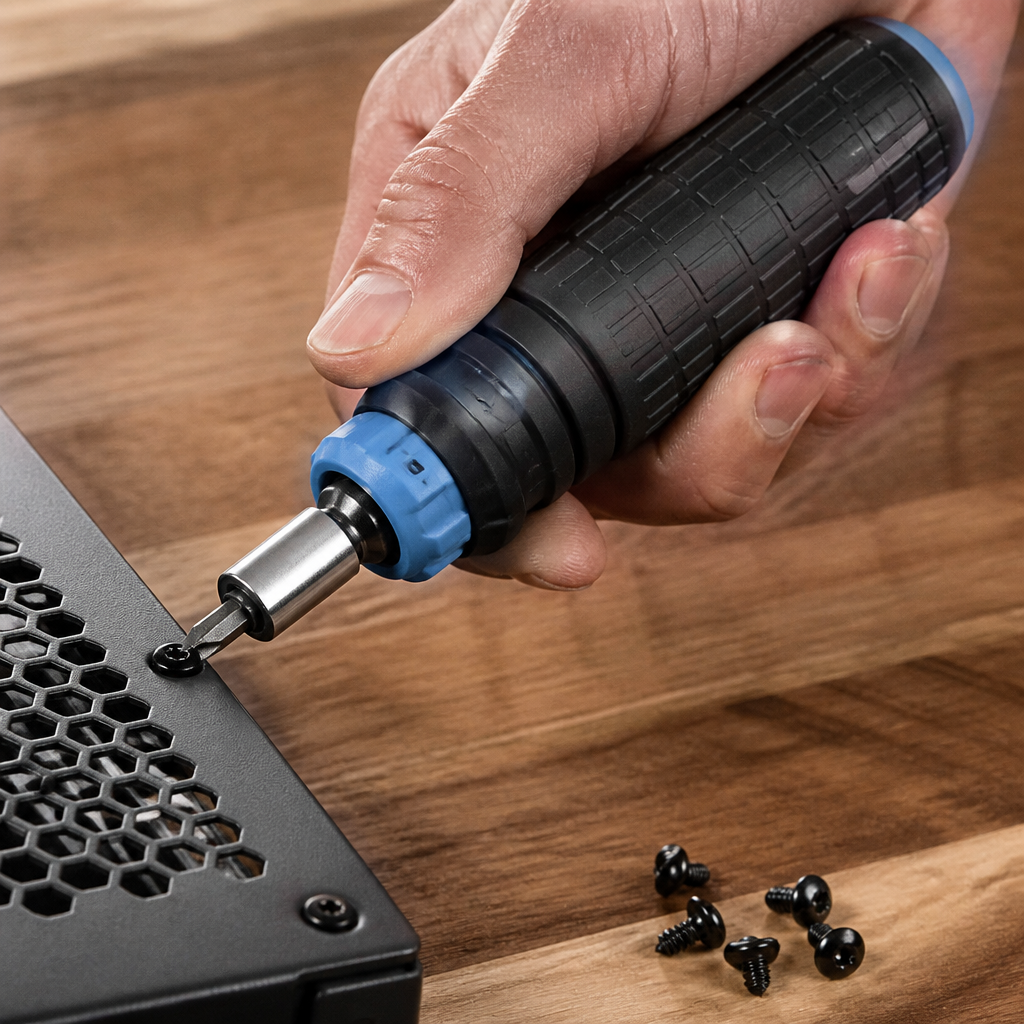
On Kawasaki machines, understanding JIS practice matters during recall or clutch-side service because damaged fasteners slow teardown and increase the chance of collateral harm. I keep Vessel and Hozan JIS drivers on the bench for this reason. They seat deeper, transmit torque more cleanly, and reduce the temptation to use locking pliers on hardware that should come out normally. Impact drivers are also valuable when screws are threadlocked or heat-cycled into place.
The broader lesson is precision. Metric motorcycles reward correct standards, not improvisation. Fastener head type, torque unit, thread pitch, washer orientation, and sealant selection all matter. A mechanic who respects JIS standards is usually the same mechanic who uses a calibrated torque wrench, verifies part supersessions, and checks service bulletins before reassembly. Those habits directly reduce the risk of mistakes during recall repairs and routine clutch or primary drive work.
DCT maintenance lessons that apply even when a bike does not use DCT
The KX450 is not equipped with a dual-clutch transmission, but DCT maintenance principles still belong in this hub because they teach a useful framework for drivetrain care. On DCT-equipped metric motorcycles, clutch pack condition, hydraulic control quality, oil cleanliness, adaptation logic, and exact service intervals are all crucial. The same mindset applies to any engine where power transfer depends on tightly controlled lubrication and precision-machined engagement parts.
For example, DCT systems are especially sensitive to oil specification because the transmission, clutch operation, and hydraulic circuits depend on predictable fluid behavior. Off-road singles with conventional clutches are not electronically controlled in the same way, but they still rely on correct oil shear stability, additive compatibility, and contamination control. If a defective primary drive gear sheds metal into the oil, the lesson from DCT practice is clear: contamination is never isolated. It travels, circulates, and multiplies wear if not addressed comprehensively.
DCT maintenance also emphasizes scan-tool verification, fault tracing, and procedural discipline. Translate that to the KX450 and the equivalent is methodical diagnosis: confirm recall status, inspect all related components, follow torque sequences, prime lubrication correctly, and document every replaced part. Whether the machine has a race clutch or a roadgoing dual-clutch transmission, drivetrain reliability depends on the same principle: precision service beats assumption every time.
Metric quirks that shape real-world maintenance
Metric motorcycles have their own recurring quirks, and the KX450 sits firmly in that world. First is thread pitch variation. Many technicians assume a bolt diameter predicts thread pitch, but Japanese bikes often mix fine and coarse metric threads depending on location and load. Cross-threading a case bolt into aluminum because the pitch seemed close is a costly and avoidable error. Second is torque interpretation. Service literature may specify newton-meters, kilogram-force meters, or inch-pounds depending on source and era, and conversion mistakes happen more often than they should.
Third is seal and bearing naming convention. Metric bearings often use standardized numbering that reveals dimensions and seal type, but aftermarket substitutions are only safe when internal clearance, seal material, and load rating truly match. Fourth is fastener flange design and washer stacking. Japanese engines frequently rely on specific captive-washer bolts, shouldered spacers, and directional thrust washers. Installing a visually similar generic bolt can alter clamp load or component alignment.
Finally, metric maintenance culture values model-specific service information. On the KX450, that means using the factory manual, tracking superseded part numbers, and respecting update notes from Kawasaki. Generic off-road knowledge helps, but it does not replace machine-specific data. The primary drive gear recall is a perfect example: only exact VIN lookup, exact replacement parts, and exact procedures produce a correct outcome.
Best practices after recall completion
Once recall work is completed, owners should not assume the job is finished forever. Good post-repair practice includes documenting the campaign number, storing the dealer invoice, checking initial oil condition after reasonable runtime, and monitoring for unusual sound or clutch feel. If the engine had meaningful hours before the repair, an early oil and filter inspection is prudent because it can reveal whether any pre-repair wear debris remained in circulation.
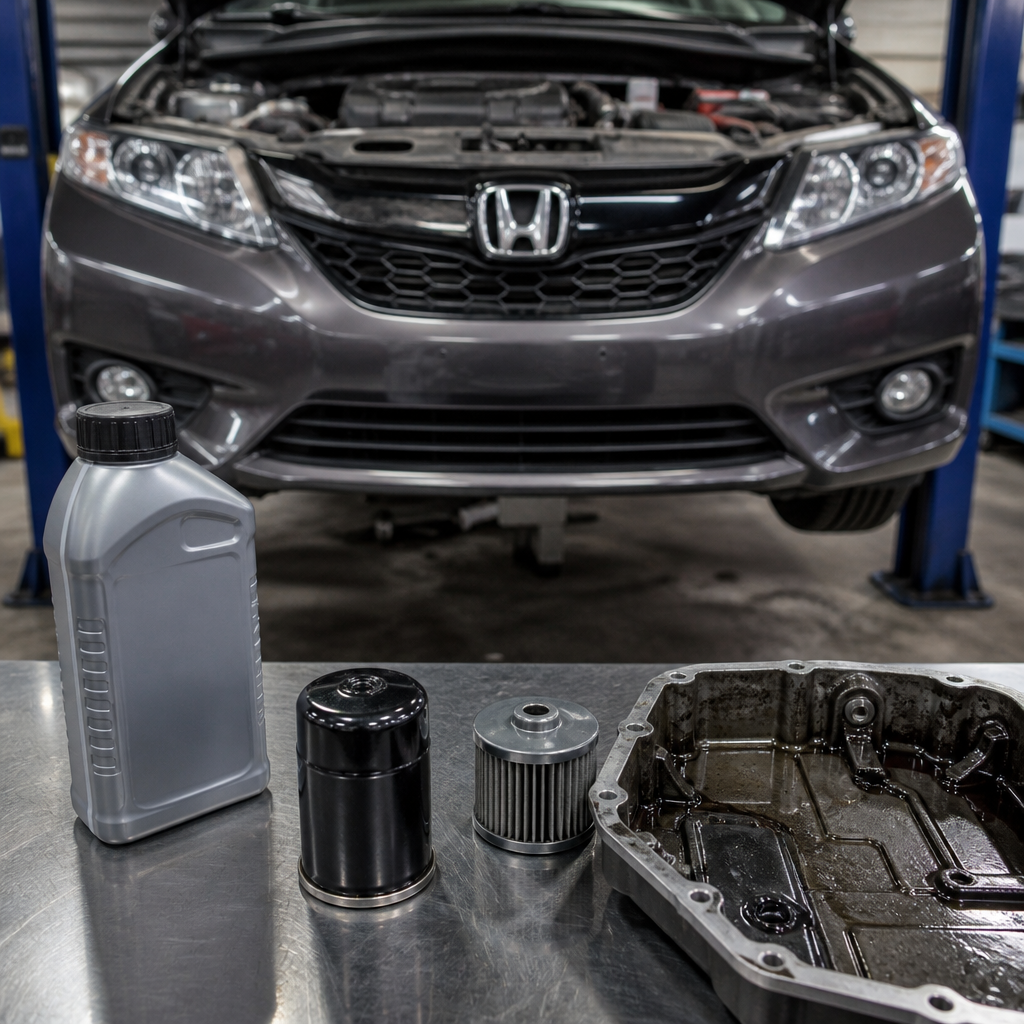
For riders who race or practice frequently, maintenance intervals should remain aggressive. Track engine hours, inspect drained oil under bright light, and cut open the oil filter when there is any concern. A healthy high-performance four-stroke can still wear quickly when used hard, so recall resolution should be part of a larger reliability plan that includes air filtration discipline, valve-train monitoring, and correct warm-up habits.
The main takeaway is simple: the Kawasaki KX450 recall involving the defective primary drive gear is not just a historical note. It is a reminder that small deviations in manufacturing or maintenance can have outsized consequences in compact, high-output metric engines. Understanding the role of the primary drive gear, respecting JIS fastener standards, applying DCT-style service discipline, and accounting for metric quirks all make you better prepared to maintain, buy, or inspect these machines intelligently. Verify recall status, use the right tools, follow the manual, and treat drivetrain warning signs early. Those steps protect performance, reduce repair costs, and keep your KX450 safer on the track.
Frequently Asked Questions
What was the Kawasaki KX450 recall about, and why was the primary drive gear such a serious concern?
The recall centered on a defect involving the primary drive gear in certain Kawasaki KX450 motorcycles. Although the part itself is relatively small compared with major engine assemblies, its function is absolutely critical. The primary drive gear transfers engine power from the crankshaft to the clutch assembly, which is a key step in delivering usable drive to the transmission and rear wheel. If that gear is manufactured outside the required specification, it may not withstand normal engine loads the way it was designed to.
That is what made the issue so serious. A defective primary drive gear is not just a source of noise, vibration, or premature wear. If the gear fractures, deforms, or otherwise fails in service, it can damage surrounding internal engine components. In a high-performance motocross engine such as the KX450, that kind of failure can happen under heavy throttle, hard acceleration, or race conditions where stresses are especially high. In the worst case, broken gear material can interfere with rotating parts, leading to abrupt engine seizure or lock-up.
From a rider safety standpoint, the concern goes beyond mechanical repair costs. If the engine suddenly loses power or locks while the motorcycle is in motion, rider control may be compromised. On a motocross track, trail, or practice course, an unexpected drivetrain interruption can create a real crash hazard. That combination of safety risk and potential for severe internal engine damage is why the recall received urgent attention.
How does the primary drive gear work in the Kawasaki KX450 engine?
In simple terms, the primary drive gear is one of the first links in the chain of power delivery inside the engine. When combustion occurs, the crankshaft rotates. That rotational energy has to be transferred through the clutch and transmission before it can propel the motorcycle. The primary drive gear handles the crucial job of taking power from the crankshaft and passing it along to the clutch assembly.
Because it operates at the heart of the engine’s powertrain, the primary drive gear is exposed to constant stress. Every time the rider accelerates, lands from a jump under throttle, exits a corner aggressively, or rides at sustained high RPM, the gear experiences substantial force. In a machine like the KX450, which is engineered for competition-level performance, the loads are not mild. They are repetitive, intense, and closely tied to how the bike is ridden.
That is why precision manufacturing matters so much for this component. Gear dimensions, material integrity, heat treatment, and overall tolerances all affect how the part meshes, carries load, and resists fatigue. If the gear falls outside specification, the problem may not be visible from the outside, but the consequences can be major. Instead of smoothly transmitting power, the gear can become a weak point that accelerates wear, sheds debris, or fails suddenly. In other words, the primary drive gear is not just another internal part; it is foundational to both engine function and rider confidence.
What symptoms might indicate a defective primary drive gear, and can riders always detect a problem before failure?
Some riders may notice warning signs before a primary drive gear fails, but an important part of this recall is that failure may occur without much advance notice. Potential symptoms can include unusual engine noises such as knocking, grinding, rattling, or harsh mechanical sounds coming from the clutch or crankshaft area. Riders might also notice abnormal vibration, inconsistent power delivery, a sudden change in how the clutch engages, or a general sense that the engine feels rougher than normal under load.
In some cases, there may be metal debris found during an oil change or unusual contamination in the oil, which can suggest abnormal internal wear. Performance symptoms could include intermittent binding, unexplained resistance when rotating engine components, or sudden engine stoppage. However, these signs are not guaranteed. A gear manufactured outside specification may appear to function normally for a period of time before a high-load event exposes the defect.
That is the key reason recalls like this should be taken seriously even if the motorcycle seems to be running well. Riders should not assume that the absence of symptoms means the bike is safe. Internal engine components can deteriorate in ways that are difficult to detect during casual use, especially in high-revving off-road motorcycles where noise and vibration are already part of normal operation. If a KX450 falls within the affected recall population, the safest approach is to stop relying on feel or sound alone and instead confirm recall status through Kawasaki or an authorized dealer as soon as possible.
What should owners do if they think their Kawasaki KX450 is affected by the recall?
The first step is to verify whether the motorcycle is included in the recall. Owners should locate the vehicle identification number, or VIN, and compare it against official recall information provided by Kawasaki, an authorized Kawasaki dealer, or relevant safety databases. Because recalls are tied to specific production runs rather than every bike in a model family, VIN confirmation is the most reliable way to determine whether a particular KX450 is involved.
If the bike is confirmed as affected, owners should follow the manufacturer’s instructions promptly. In most cases, that means contacting an authorized Kawasaki dealership to schedule an inspection and any required corrective repair. Riders should be cautious about continuing to operate the motorcycle until the issue is addressed, especially if they use the bike for racing, high-intensity practice, or aggressive riding conditions that place maximum load on the engine. A defect in the primary drive gear is not the kind of issue that should be postponed until the next routine service interval.
It is also wise to document any symptoms the motorcycle has shown, including unusual sounds, power interruptions, or service findings such as metal in the oil. While the dealer will follow the recall procedure, providing detailed information can help create a clearer picture of the bike’s condition. Owners should also keep records of recall communications, repair appointments, and completed work. That helps establish that the motorcycle has received the recommended remedy and may be useful for future resale, warranty discussions, or maintenance history.
What repair is typically performed in a recall like this, and why is the remedy important even if the bike still runs?
In a recall involving a defective internal engine component such as the primary drive gear, the standard remedy typically involves inspection and replacement of the affected part with one that meets the correct manufacturing specification. Depending on the official service procedure and the condition of the engine, the repair may also include inspection of related components for signs of wear, debris damage, or secondary impact caused by the faulty gear. If any surrounding parts were harmed, additional corrective work may be necessary to restore the engine to safe operating condition.
The reason this remedy matters, even if the motorcycle currently starts and runs, is that recalls are designed to address risk before catastrophic failure occurs. A bike can seem perfectly functional right up until the moment the defective part gives way under stress. In a motocross setting, where the KX450 is often ridden hard and exposed to rapid load changes, waiting for obvious failure can mean exposing the engine and rider to a much more dangerous situation. Replacing a suspect gear proactively is far preferable to dealing with broken internal parts, a seized engine, or a crash caused by sudden powertrain lock-up.
Just as importantly, a proper recall repair helps preserve long-term engine reliability. When a critical gear operates within specification, it is able to distribute force as intended and work in harmony with the crankshaft, clutch assembly, and other rotating parts. That reduces the likelihood of collateral damage and helps the motorcycle perform the way Kawasaki engineered it to. For owners, the recall remedy is not just a box to check; it is a necessary step in protecting safety, performance, and the overall integrity of the engine.