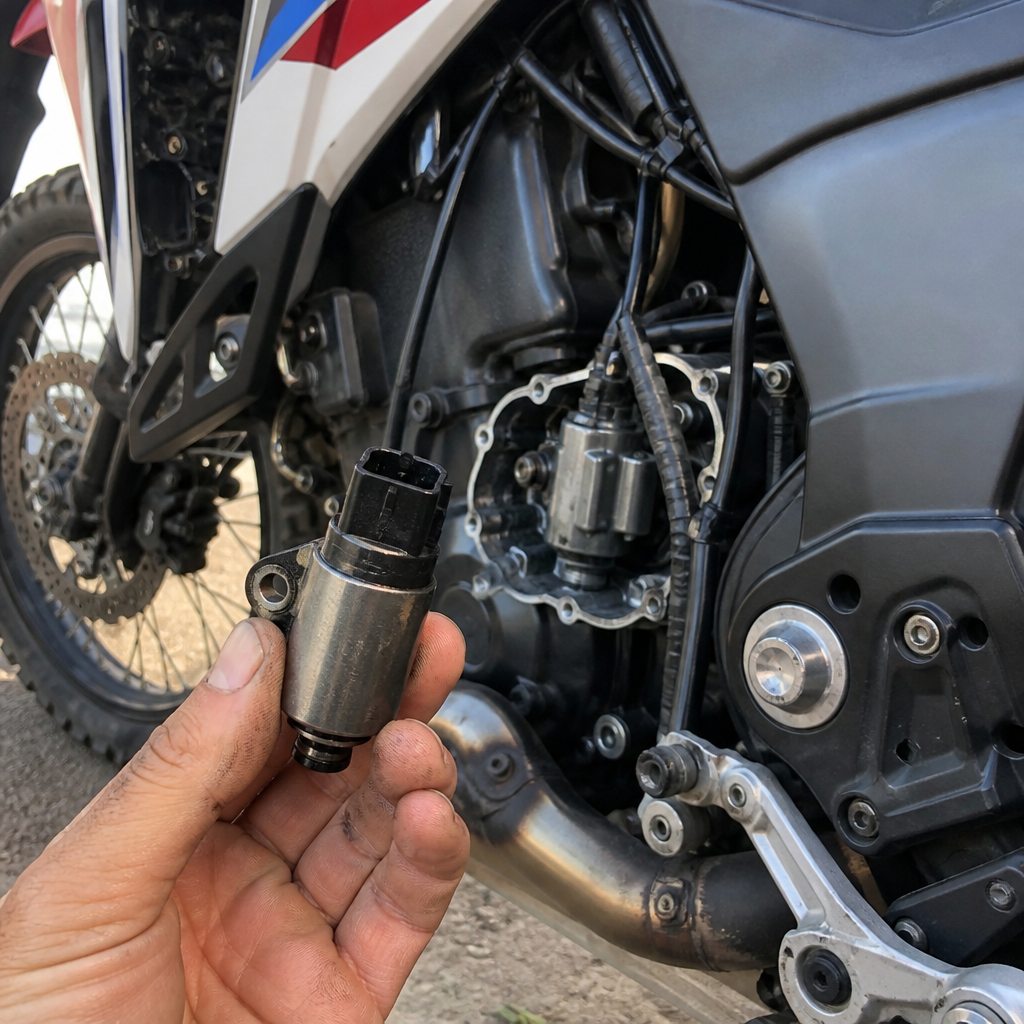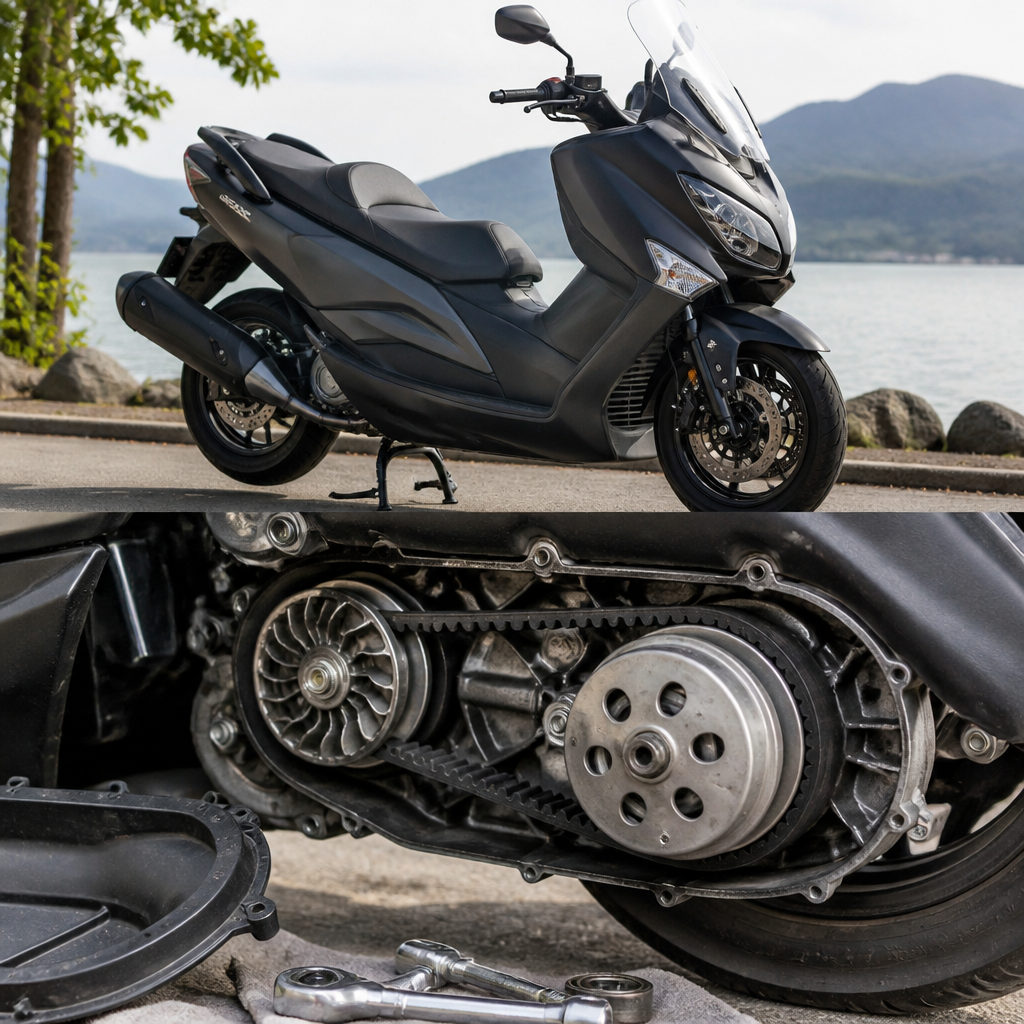
The Suzuki Burgman 400 remains one of the most practical maxi-scooters on the market, and for 2026 owners the two maintenance topics that matter most are traction control and V-belt service. This article serves as the hub for the Maintenance & Technical Encyclopedia (Metric) subtopic, tying together the JIS standard, DCT maintenance principles, and the metric quirks that shape real workshop decisions. On the Burgman 400, traction control is the electronic system that reduces rear-wheel slip by comparing wheel-speed data and managing engine output, while the V-belt is the continuously variable transmission belt that transfers power between pulleys. Both systems affect reliability, safety, and running cost. In my own workshop experience, most owner mistakes come from treating this scooter like either a motorcycle with a chain or a car with automatic transmission fluid service intervals. It is neither. The Burgman 400 uses metric fasteners throughout, Japanese Industrial Standards influence many screw and torque assumptions, and its CVT demands inspection discipline rather than guesswork. Understanding these details matters because one stripped crosshead screw, one misread torque figure, or one ignored belt wear limit can turn routine maintenance into an expensive repair.
Why traction control matters on the 2026 Burgman 400
Traction control on the Suzuki Burgman 400 is not a gimmick for brochures; it is a practical safety system for a machine often ridden year-round in mixed weather. The scooter’s layout places substantial weight low and rearward, which helps stability, but the single rear tire still has limited grip when crossing paint lines, polished intersections, wet leaves, or diesel-contaminated urban roads. Suzuki’s system monitors front and rear wheel speeds through ABS sensors. When the rear wheel accelerates disproportionately, the ECU interprets that as slip and intervenes by adjusting ignition timing, fuel delivery, or throttle response, depending on calibration. For riders, the result is simple: smoother launches and fewer surprises on poor surfaces.
The key maintenance point is that traction control depends on healthy supporting hardware. Worn tires with mismatched diameters can distort wheel-speed comparisons. Incorrect tire pressures can change slip behavior. Dirty tone rings or damaged ABS sensor wiring may trigger faults that affect both ABS and traction control. On scooters used for commuting, I have seen problems caused by basic neglect rather than failed electronics. A rider reports random warning lights, and the root cause turns out to be a corroded wheel sensor connector after winters of road salt. Another common issue is replacing only one tire with a drastically different profile, which changes rolling circumference enough to alter system behavior. The lesson is direct: electronic rider aids are only as good as the mechanical condition beneath them.
V-belt maintenance intervals, wear points, and workshop priorities
The Suzuki Burgman 400 uses a continuously variable transmission with a rubber-and-fiber reinforced V-belt running between a drive pulley and driven pulley. Unlike a chain final drive, the belt lives inside a transmission case, where heat, dust from clutch material, and pulley wear gradually shorten its service life. On Burgman 400 models, owners should follow the service schedule in the factory manual rather than relying on visual guesswork alone. Belts can look acceptable externally while losing width, flexibility, or tensile integrity. A worn belt reduces performance, raises engine speed at cruise, and can ultimately fail catastrophically, leaving the scooter immobile.
Inspection should focus on belt width, cracking, glazing, frayed cord exposure, and pulley face condition. Variator rollers or sliders also deserve attention because flat-spotted rollers can mimic belt problems by causing jerky ratio changes. The clutch assembly should be checked for heat spots, dust buildup, and spring condition. In practical service, I treat the belt, rollers, and pulley surfaces as a system. Replacing only the belt while ignoring notched pulley faces can produce noise and accelerated wear. Likewise, compressed air should be used carefully; blasting clutch dust directly into bearings is poor practice. A vacuum and controlled cleaning are safer.
| Component | What to Check | Common Symptom | Typical Consequence if Ignored |
|---|---|---|---|
| V-belt | Width, cracks, glazing, cord exposure | Higher revs, sluggish acceleration | Belt failure and loss of drive |
| Variator rollers | Flat spots, uneven wear | Jerky takeoff, inconsistent shift feel | Poor efficiency and pulley wear |
| Driven pulley | Grooves, contamination, sticking action | Vibration, delayed backshift | Overheating and belt stress |
| Clutch shoes and bell | Dust, heat marks, glazing | Shudder on launch | Premature clutch wear |
| Transmission case filter/ducting | Blockage, dirt ingestion | Excess heat in CVT case | Shortened belt life |
The JIS standard and why Japanese screws fool experienced mechanics
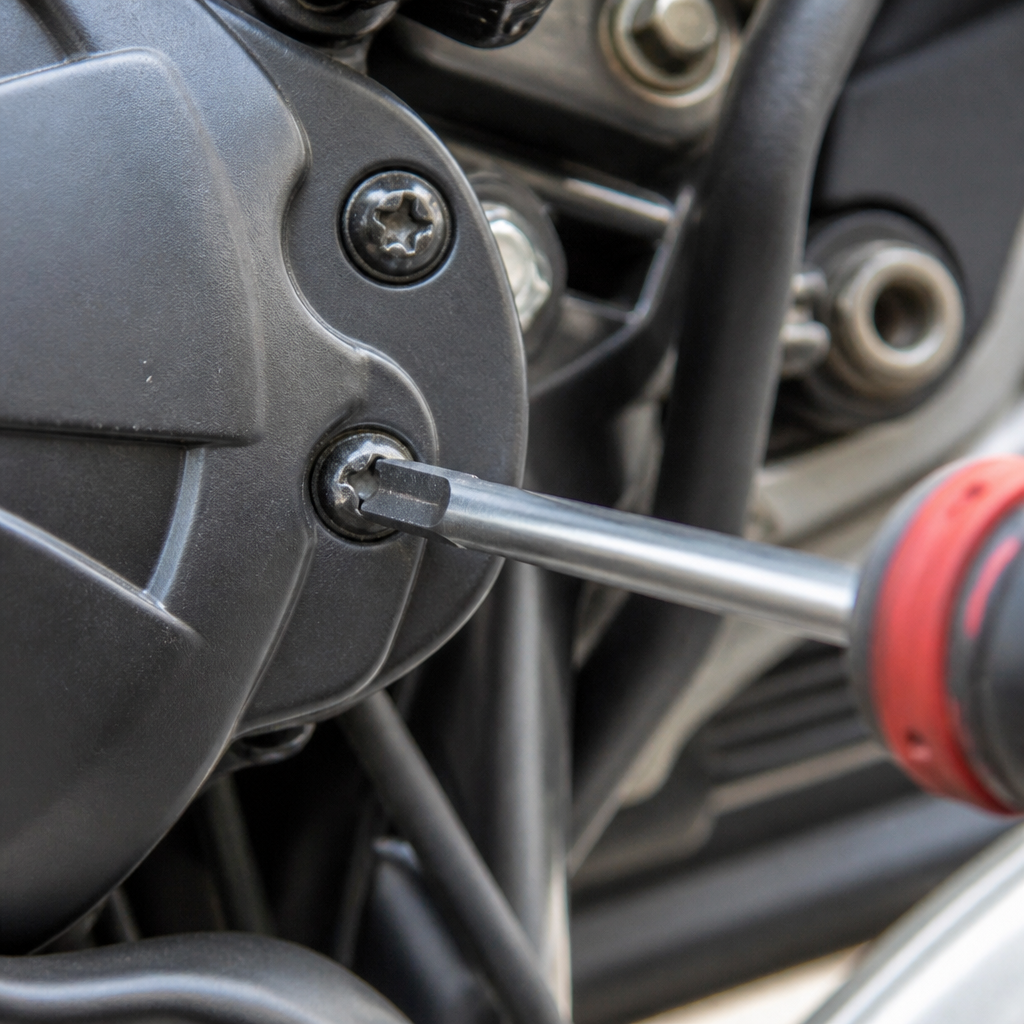
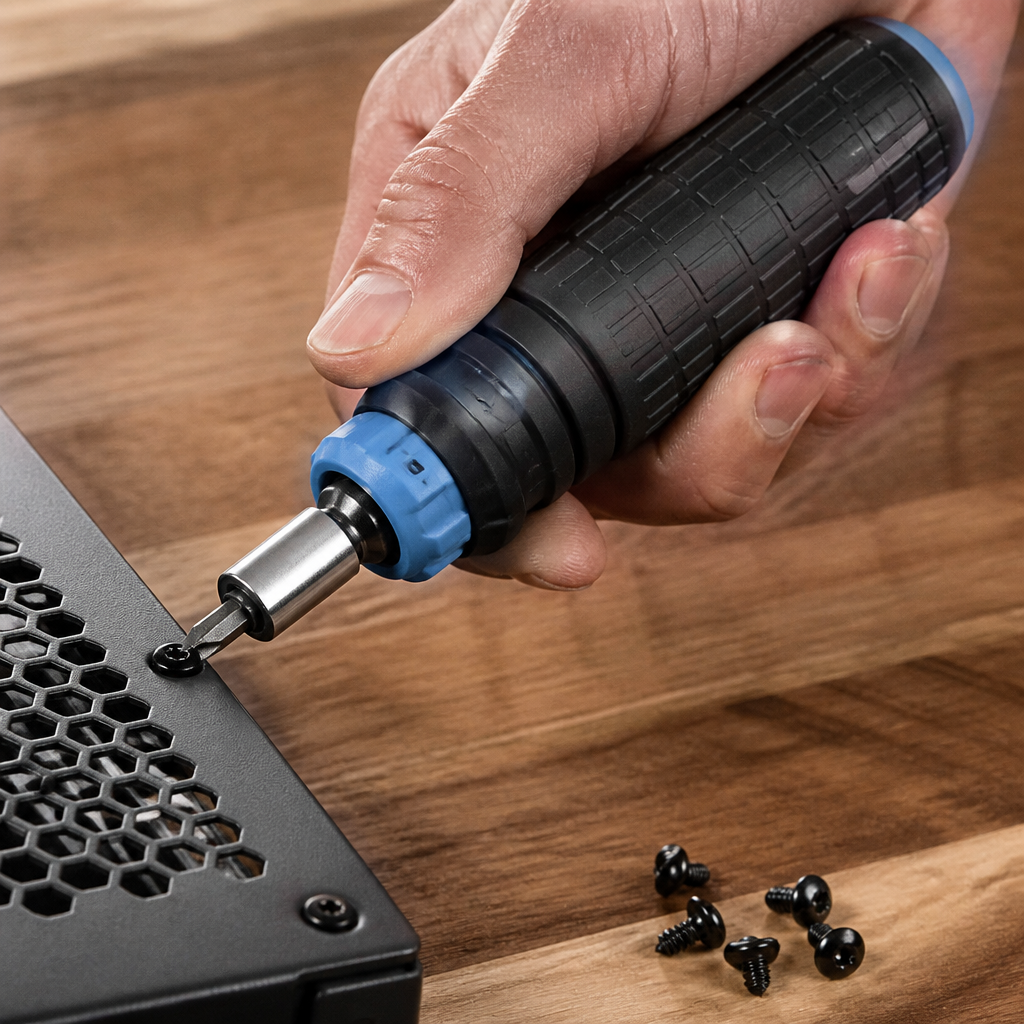
Any serious Burgman 400 maintenance article must explain the JIS standard because Japanese scooters punish the casual use of generic Phillips drivers. Many fasteners on Japanese motorcycles and scooters were designed around Japanese Industrial Standards crosshead geometry, which differs subtly from Phillips. A Phillips driver is engineered to cam out under high torque; a JIS driver seats more positively and transmits force with less tendency to climb out. On body panels, switch housings, reservoir covers, and trim screws, using the wrong driver is the fastest route to rounded heads and plastic damage.
In the workshop, the difference is obvious the moment you apply pressure. A proper JIS No. 2 bit locks in deeper, requires less downward force, and breaks stubborn screws free without chewing the recess. Vessel and Hozan are widely trusted tool brands for this job. On older Japanese machines, impact drivers with JIS bits can save hours. Even on a 2026 scooter, where Torx and hex fasteners are increasingly common in some assemblies, owners still encounter Japanese crosshead screws in enough places that the correct driver belongs in every service kit.
The standard matters beyond screw heads. Japanese service literature often assumes metric tooling, metric thread pitch awareness, and specific torque practices for aluminum cases. That means understanding when a fastener threads into steel inserts versus cast aluminum, when threadlocker is specified, and when lubrication changes torque outcome. A technician who respects these details avoids stripped threads and uneven clamping loads.
DCT maintenance lessons that still apply to a CVT scooter
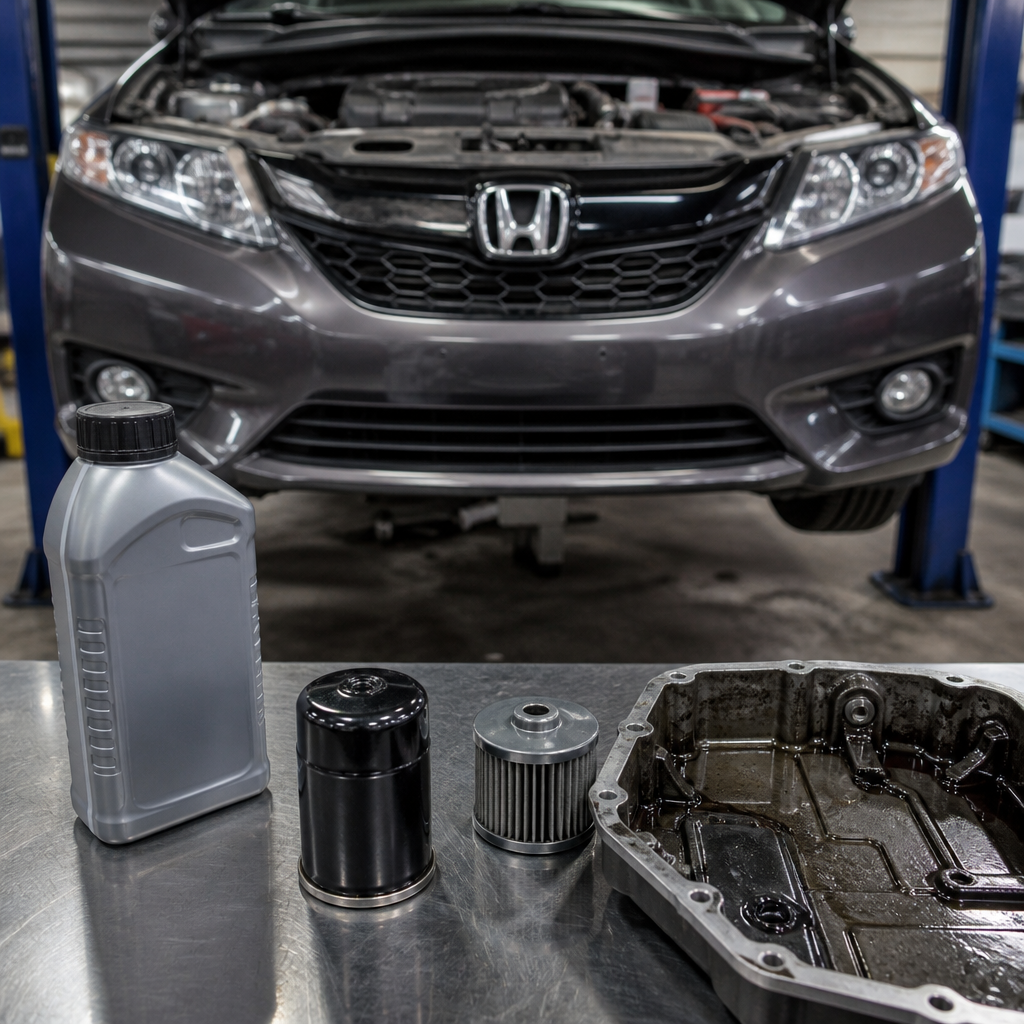
The Burgman 400 does not use a dual-clutch transmission, yet DCT maintenance offers valuable comparison points for this subtopic hub because many riders cross-shop Honda DCT models and transfer the wrong assumptions. A DCT uses wet clutches, hydraulic circuits, shift actuators, and transmission fluid quality as core service items. A CVT scooter uses pulleys, a belt, a centrifugal clutch, and reduction gears. The overlap is not in parts but in maintenance logic: both systems depend on following exact procedures, correct fluid specifications where applicable, and electronic calibration integrity.
For example, DCT owners learn quickly that fluid choice is not negotiable because clutch engagement quality and hydraulic control depend on it. Burgman owners should adopt the same discipline with engine oil and gear oil, even though the transmission architecture differs. Wrong-viscosity engine oil can influence clutch feel and startup behavior, while neglected final reduction gear oil can contaminate bearings and gears over time. Another DCT lesson is that fault diagnosis should begin with scan data and service manual procedure, not parts swapping. That mindset applies directly when traction control or CVT warning symptoms appear. Before ordering expensive components, verify sensor outputs, connectors, battery voltage, and stored codes.
Where DCT experience can mislead is interval thinking. DCT riders often expect fluid service to restore shift quality. On the Burgman 400, degraded performance more often points to mechanical CVT wear: belt width reduction, roller flat spots, or clutch glazing. You cannot fluid-change your way out of worn pulley components.
Metric quirks that define competent Burgman service
Metric quirks are not trivia; they define whether maintenance is precise or sloppy. The Burgman 400 uses metric bolt sizes, metric torque values, metric bearing dimensions, and service limits stated in millimeters. Owners working from inch-based habits often make avoidable errors. The first is tool fit. A 10 mm socket is not “close enough” to worn imperial substitutes, and panel fasteners on scooters are especially vulnerable to rounding because access is tight. The second is measurement. Belt width, brake disc thickness, and tire tread depth should be checked with metric calipers or gauges, not converted mentally from fractions.
Thread pitch is another frequent trap. Japanese motorcycles commonly use fine-pitch metric threads in places where general hardware stores stock only coarse alternatives. If a transmission cover bolt is damaged, replacing it with a visually similar but incorrect pitch bolt can ruin crankcase threads. Spark plugs present another example: thread diameter, reach, and heat range all matter, and torque values differ dramatically depending on gasket type and whether threads are dry or pre-coated.
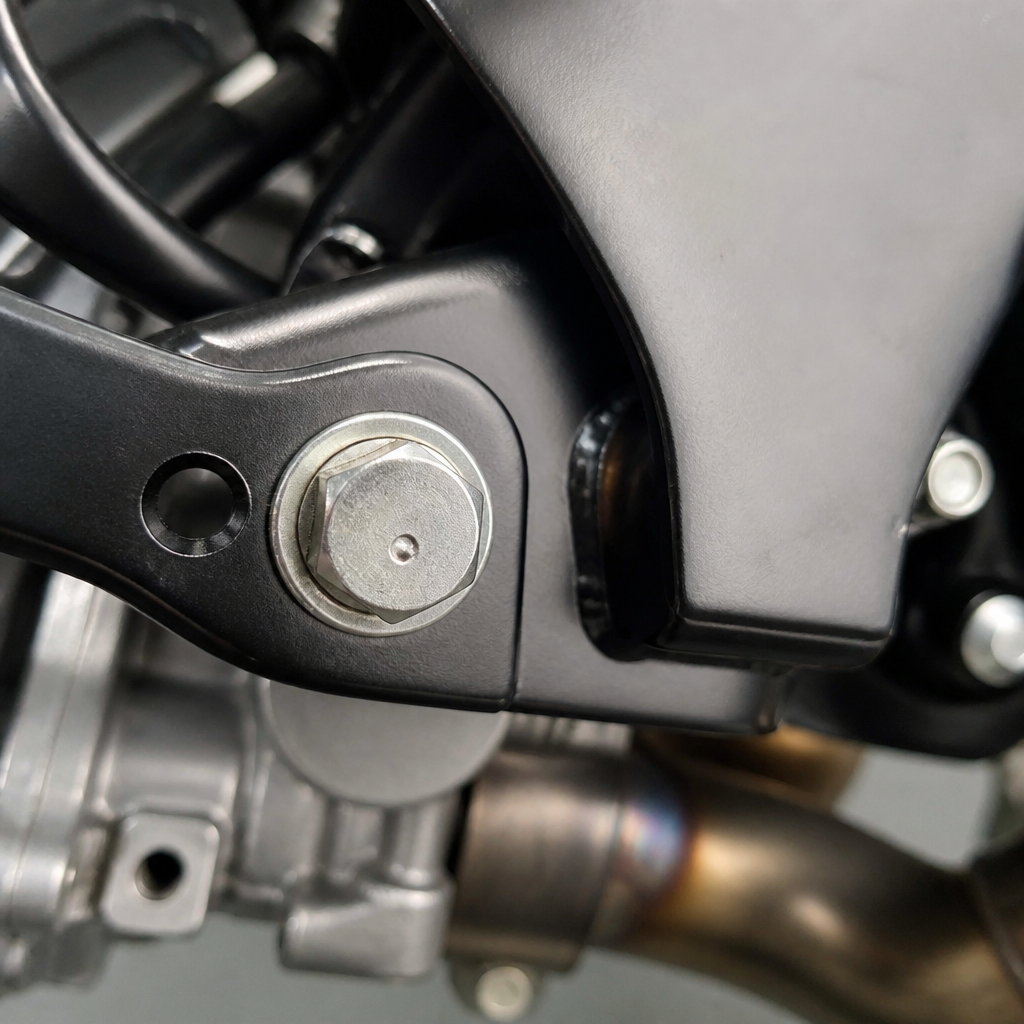
Torque strategy on metric aluminum engines deserves special attention. Small M5 and M6 fasteners on covers and body-mounted brackets require restraint. Over-torquing is more common than under-torquing among home mechanics because modern ratchets provide too much leverage for delicate threads. A calibrated 1/4-inch-drive torque wrench used in newton-meters is one of the best investments a Burgman owner can make. So is a metric feeler gauge set for valve checks and a genuine service manual with specification tables.
How to build a maintenance plan that connects electronics, driveline, and standards
A sound Burgman 400 maintenance plan starts with inspection intervals and expands into condition-based decisions. Begin with tires, pressures, and tread condition because they influence traction control behavior as much as handling. Check battery voltage and charging health because low system voltage can create false electronic symptoms. During scheduled service, inspect wheel-speed sensor wiring, clean exposed connectors where appropriate, and confirm there is no impact damage near tone rings.
For the driveline, document belt mileage, measure wear against the service limit, and inspect rollers, clutch shoes, and pulley faces together. Keep the CVT cooling path clean. Use the correct JIS drivers on bodywork and covers, organize metric fasteners carefully during removal, and torque everything to specification during reassembly. If you service your own scooter, photograph routing paths and panel clip positions before disassembly; Burgman bodywork is well designed but not forgiving when clips are forced at the wrong angle.
Finally, treat this hub topic as interconnected. The JIS standard prevents avoidable fastener damage. DCT maintenance principles teach procedural discipline and diagnostic rigor. Metric quirks keep measurements, tool choice, and torque values accurate. Applied to the Suzuki Burgman 400, those habits improve traction control reliability, extend V-belt life, and reduce the chance of expensive errors. If you maintain or ride a 2026 Burgman 400, use this page as your starting point, then build a checklist around the factory manual, proper metric tools, and regular inspections. That approach delivers the real benefit every owner wants: dependable performance with fewer surprises on the road.
Frequently Asked Questions
How does traction control work on the 2026 Suzuki Burgman 400, and what should riders expect from it in real-world use?
On the 2026 Suzuki Burgman 400, traction control is designed to reduce rear-wheel slip when the system detects that the driven wheel is accelerating faster than conditions allow. In practical terms, that means it steps in during low-grip situations such as wet pavement, painted road markings, dusty intersections, metal bridge decks, or cold-weather commuting. The system is not there to create traction where none exists, and it is not a substitute for smooth throttle control, quality tires, or correct tire pressure. Instead, it acts as a safety layer that helps the scooter maintain more controlled forward drive when the rear tire begins to spin.
For most owners, traction control operation feels subtle rather than dramatic. You may notice reduced throttle response, a brief hesitation in acceleration, or a dashboard indicator showing the system is intervening. That is normal. On a scooter like the Burgman 400, which is often used for commuting, touring, and all-weather utility riding, this behavior is especially valuable because it helps manage unexpected traction changes without requiring a racing-style reaction from the rider. The system is tuned for stability and predictability, not aggressive performance riding.
It is also important to understand what traction control does not do. It does not improve braking grip, it does not prevent every slide, and it cannot overcome worn tires, underinflation, or poor road surface conditions. If the scooter feels unstable, the first checks should still be mechanical basics: tire condition, tire pressures in metric specifications, wheel speed sensor cleanliness, battery health, and any stored fault codes. In workshop terms, traction control should be viewed as one part of a larger vehicle control system, and the smartest maintenance approach is to support it with proper routine inspections rather than relying on electronics alone.
What are the main warning signs that the Burgman 400 V-belt needs inspection or replacement?
The V-belt is one of the most critical service items on the Suzuki Burgman 400 because it is the heart of the continuously variable transmission system. Unlike a conventional manual gearbox or a dual-clutch transmission, the Burgman’s CVT depends on belt condition, pulley surface health, and correct variator function to transfer engine power smoothly. When the belt begins to wear, stretch, glaze, crack, or lose structural integrity, the scooter usually gives several warning signs before total failure occurs.
Common symptoms include a drop in acceleration, engine revs rising without the expected forward drive, jerky takeoff from a stop, vibration during roll-on throttle, unusual whining or slapping noises from the transmission cover area, and reduced top-end performance. Some riders also notice a burnt-rubber smell after extended riding if belt heat has become excessive. In advanced cases, the transmission may feel inconsistent, as though the scooter cannot decide how to apply power. Those signs should not be ignored, because a failing belt can strand the rider and may also damage related CVT components if it comes apart under load.
Regular inspection matters just as much as symptom awareness. A belt can age from heat cycles and time even if mileage is relatively low, especially on machines used in stop-and-go traffic or hot climates. During service, technicians typically inspect the belt width against metric service limits, look for cracks across the ribs, check for glazing or contamination, and examine the pulley faces and rollers for uneven wear. This is where encyclopedia-style workshop discipline matters: use the correct measurements, follow torque values carefully, and avoid mixing inch-based assumptions into a metric drivetrain. A V-belt should be treated as a scheduled wear component, not a lifetime part.
How often should V-belt maintenance be performed on a Suzuki Burgman 400, and why is following metric workshop specifications so important?
V-belt maintenance intervals should always start with the Suzuki service schedule for the specific model year, but as a general rule, owners should think in terms of both inspection intervals and replacement intervals rather than waiting for symptoms. A belt may still look acceptable externally while having lost enough width or flexibility to affect performance. For that reason, periodic inspection by mileage and time is the safest strategy. Riders who use the Burgman 400 for daily commuting, two-up riding, long touring miles, or repeated urban stop-start cycles should be especially disciplined, because thermal load and repeated engagement can accelerate belt wear.
Following metric workshop specifications is essential because the Burgman 400 is engineered around precise dimensions, clearances, and torque values. Belt width, pulley wear limits, fastener torque, and clutch or variator service values are not areas where approximation is acceptable. The broader Maintenance & Technical Encyclopedia context matters here: mechanics familiar with JIS practices understand that Japanese motorcycles and scooters often require careful attention to correct tool fit, proper fastener handling, and exact measurement standards. Using the wrong screwdriver profile, incorrect socket assumptions, or non-metric measuring habits can easily lead to damaged hardware or incorrect assembly.
In practical workshop terms, correct V-belt service means more than swapping one belt for another. It means inspecting the driven pulley, variator rollers or sliders, clutch bell, cooling ducts, and case cleanliness at the same time. It also means tightening everything to specification, not “good and tight.” This is similar in spirit to DCT maintenance principles, where precise procedure matters because drivetrain smoothness depends on component interaction. The Burgman 400 does not use a DCT, but the same professional idea applies: modern drivetrains reward exactness. When owners respect the metric service data and treat the CVT as a system, they get better reliability, smoother operation, and fewer expensive surprises.
Can traction control problems be caused by routine maintenance issues, and what should owners check first before assuming there is an electronic fault?
Yes, many traction control complaints begin with ordinary maintenance issues rather than a failed control unit or sensor. Because the system relies on accurate wheel-speed information and predictable rear-wheel behavior, anything that changes tire circumference, grip, or sensor readings can trigger strange operation. The first things to check are tire pressures, tire wear, mismatched tire sizes, uneven tread depth, and overall tire condition. A badly squared-off rear tire, for example, may not directly “break” traction control, but it can change how the scooter behaves under load and make intervention feel abrupt or inconsistent.
Next, inspect the wheel-speed sensor areas for dirt buildup, corrosion, damaged wiring, or physical impact. Scooters used year-round often collect road grime, moisture, and debris around the braking and wheel sensor components. Low battery voltage can also create confusing electronic behavior, especially during startup or after long storage. If the battery is weak, control systems may not initialize cleanly, and dashboard warning lights can mislead owners into thinking the traction control itself has failed. This is why sound electrical maintenance remains foundational even for systems that seem software-driven.
Owners should also think about any recent service history. Was the rear wheel removed? Were tires changed? Was the correct size installed? Was a sensor bracket bent during unrelated maintenance? Did someone use aggressive cleaners or lubricants near the sensor area? These are realistic causes of post-service problems. Before replacing parts, a methodical diagnostic process should include visual inspection, checking for stored fault codes, confirming charging-system health, and verifying that all running gear matches factory specification. In many cases, the “traction control problem” turns out to be a simple mechanical or maintenance-related issue that can be corrected without major electronic repair.
Is it safe to postpone V-belt service if the Burgman 400 still rides normally and traction control seems to be working fine?
Postponing V-belt service simply because the scooter still feels normal is risky. CVT belts often deteriorate gradually, and riders adapt to that decline without noticing how much performance has changed. Smooth operation today does not guarantee healthy belt condition tomorrow, especially if the machine has reached its service interval or has seen hard use in traffic, heat, or fully loaded touring. The V-belt is a wear component with a known maintenance role, and waiting for obvious symptoms can turn a controlled service visit into an inconvenient roadside failure.
There is also an important connection between drivetrain health and the rider’s perception of other systems, including traction control. If the belt, variator, or clutch assembly is worn, power delivery can become inconsistent. That may feel to the rider like electronic interference, hesitation, or poor throttle response, when in fact the root cause is mechanical. Good CVT maintenance helps preserve clean, predictable power transfer, which in turn makes it easier to judge whether traction control is operating normally. In other words, proper belt service supports accurate diagnosis across the whole scooter.
From a cost perspective, scheduled preventive maintenance is almost always cheaper than delayed repair. Replacing a belt at the correct interval is routine. Replacing a failed belt after it damages pulleys, contaminates the CVT case, or leaves the rider stranded is not. The Burgman 400 has built its reputation on practicality, and the most practical ownership strategy is simple: follow the service schedule, use the correct metric procedures, inspect related components while you are there, and treat both traction control and the V-belt as parts of one bigger reliability picture. That approach keeps the scooter dependable, smooth, and ready for the kind of daily use maxi-scooter owners actually demand.