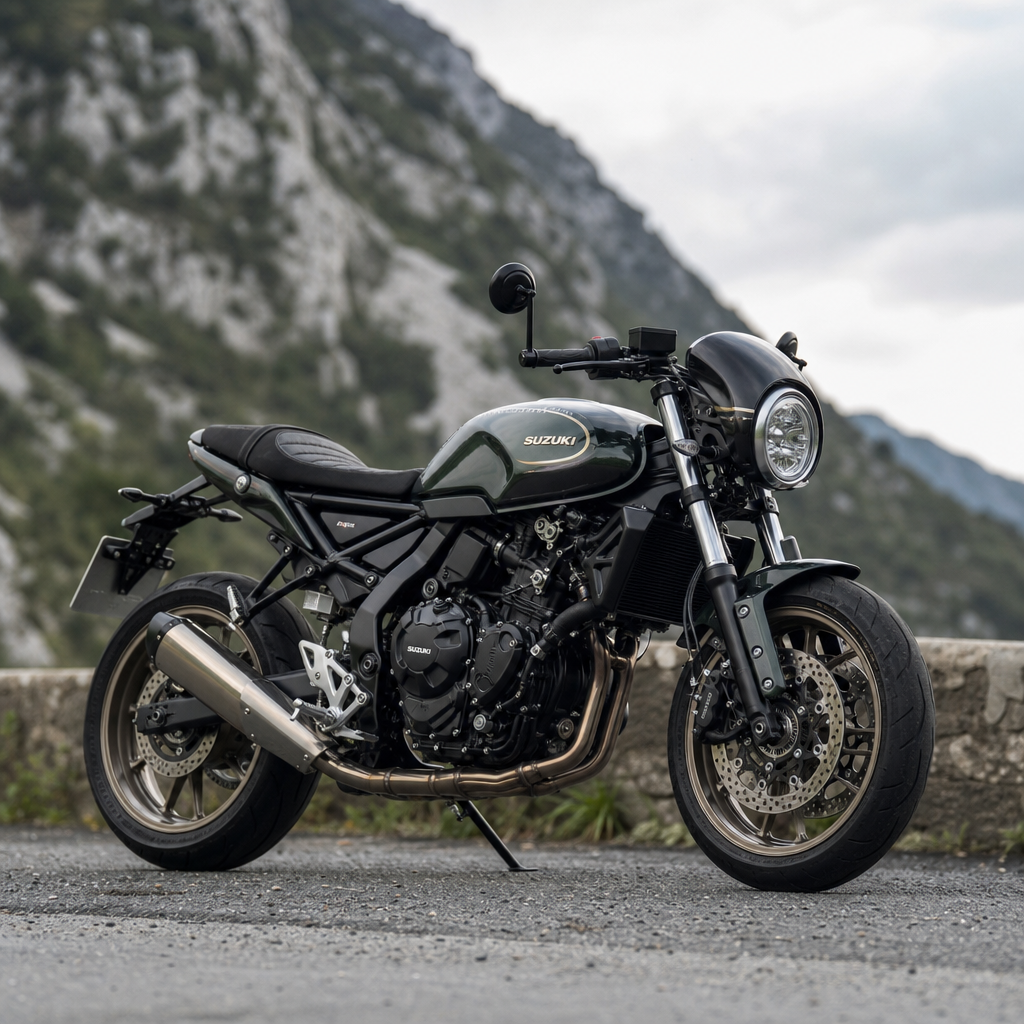
Section 8 of the Montana Backcountry Discovery Route is where preparation stops being theoretical and becomes painfully real. By the time riders aim north for the Canada border in 2026, the route has already tested navigation, stamina, bike setup, and decision making, but the final segment raises the stakes because remoteness, elevation, weather swings, and border logistics all converge. For riders planning the last push, especially those on larger adventure motorcycles, technical prep is not a side topic; it is the difference between a controlled finish and a long recovery mission. This hub article covers the practical realities of riding Section 8 of the MTBDR, with a specific focus on ADV and BDR technical prep, route management, and the updates riders should factor into 2026 and early 2027 planning.
For clarity, ADV refers to adventure motorcycle travel, usually involving heavier multi-cylinder bikes carrying luggage over mixed terrain. BDR refers to Backcountry Discovery Route travel, which follows established off-highway routes designed for dual-sport and adventure riders. Technical prep means more than bolting on crash bars. It includes suspension setup for loaded weight, tire and tube strategy, fuel range calculations, GPS redundancy, traction management, field repairs, weather layering, and understanding when to reroute. I have seen capable riders unravel in the final days not because they lacked courage, but because small overlooked details compounded under fatigue. Section 8 is exactly where those details matter most.
This page matters as a hub because Section 8 is not an isolated ride problem. It is the culmination of every earlier choice: how you packed, what tires you selected, how your bike handles deep gravel, whether your electronics are waterproof, and whether your route files match current closures. In 2026, riders also need to account for the practical ripple effects of recent route maintenance patterns, increased public land fire restrictions, and continued dependence on accurate digital navigation. Looking toward 2027, the riders who finish strongest will be the ones who treat this section not as a victory lap, but as a final systems check executed in demanding terrain near the border.
What makes Section 8 uniquely demanding on an ADV or BDR ride
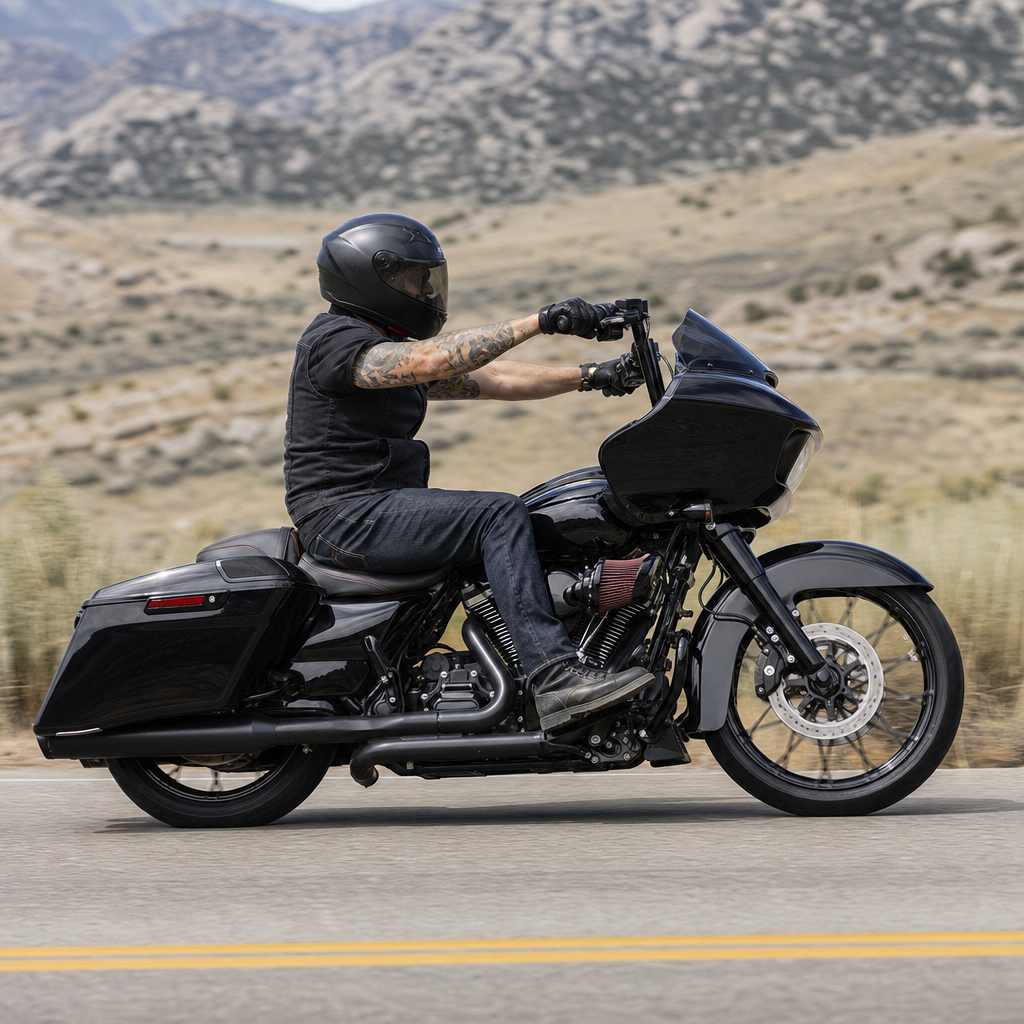
Section 8 feels different because it combines late-stage rider fatigue with terrain that punishes poor setup. Depending on seasonal conditions, riders can expect washboard forest roads, loose rock on climbs and descents, intermittent mud, water damage from runoff, and stretches where line choice matters more than momentum. On a smaller dual-sport, those conditions are manageable with quick corrections. On a loaded 500-pound-plus ADV bike, every correction is slower, every dab costs more energy, and every mistake raises the chance of a dropped bike or bent component.
The northern Montana environment adds complexity. Morning temperatures can be low even in peak season, while afternoons may turn hot, dry, and smoky if regional fire activity spikes. Storm cells can transform a solid road into a greasy surface in an hour. Wildlife movement also increases around dawn and dusk. The final push to the border often tempts riders to compress the day, but that is exactly when rushed decisions create problems. If there is one pattern I have seen repeatedly on BDR rides, it is this: riders assume the hardest riding happened earlier, then meet the section that punishes complacency.
For 2026 planning, expect variability rather than a single “normal” condition set. Western route travel has become more sensitive to washouts, temporary closures, active logging detours, and smoke-related changes. That means the route itself is only one part of the task. The real challenge is arriving with a bike and kit that can adapt without drama.
Bike setup for the final border push: suspension, protection, gearing, and luggage
The best Section 8 setup starts with suspension calibrated for actual total weight, not brochure specs. Sag should be set with rider, luggage, water, tools, and fuel on board. On larger ADV bikes, undersprung rear ends are common and easy to spot: vague front steering, wallowing through washboard, and repeated bottoming on erosion cuts. If you are riding a KTM 890 Adventure, BMW F 850 GS, Yamaha Ténéré 700, Honda Africa Twin, or similar platform, spending time on spring rates and damping is more valuable than most accessory purchases. A properly supported bike tracks straighter in gravel and reduces fatigue over a long day.
Protection should be practical, not decorative. Aluminum skid plates, hand guards with metal backbones, and radiator protection are worthwhile because a simple tip-over on embedded rock can end a trip. Crash bars can help, but they also add weight and width; on some bikes they transfer force awkwardly, so quality and mounting design matter. Footpegs deserve more attention than they get. A wider peg improves standing control, which is critical when road surfaces alternate between marble-like gravel and corrugation.
Gearing is often overlooked for BDR travel. If your bike allows front sprocket changes, a slightly lower final drive can improve slow-speed control in loose climbs and help reduce clutch abuse. That matters on loaded middleweight machines. Luggage should be compact and secured low. Soft luggage usually wins for this route because it tolerates falls better and carries less injury risk in a crash. Hard panniers remain common, but in rocky or rutted segments they can catch terrain, amplify balance problems, and punish your legs.
| Prep Area | Best Practice for Section 8 | Why It Matters |
|---|---|---|
| Suspension | Set sag with full load; tune rebound for washboard control | Improves stability, traction, and rider endurance |
| Tires | Use aggressive 50/50 to 70/30 tires with strong sidewalls | Better grip in loose rock, mud, and braking zones |
| Protection | Skid plate, hand guards, radiator guard, case protection | Prevents minor drops from ending the ride |
| Luggage | Keep weight low, light, and tight in soft bags when possible | Reduces handling penalties and crash consequences |
| Fuel Range | Plan conservative range with reserve buffer | Services can shift, hours can change, detours add miles |
Tires, tools, and field repair strategy for 2026 conditions
If a rider asks me for one upgrade that most improves confidence late in the MTBDR, I usually answer tires. Section 8 rewards a tread pattern that can bite into loose surfaces and clear moderate mud without becoming unstable on transit sections. Tires such as the Dunlop Trailmax Raid, Motoz Tractionator Adventure, Mitas E-07+, Continental TKC 80, or Bridgestone Battlax AX41 all show up for good reason, though exact choice depends on bike weight and how much pavement precedes the route. For a border-bound final section, a half-worn front tire is often a false economy. Front-end washouts in gravel are harder to recover than rear-wheel slides.
Tubed and tubeless bikes require different repair planning. Tubeless riders should carry plugs, insertion tools, a valve core tool, and a dependable inflator such as a MotoPumps or CyclePump unit. Tubed riders need front and rear tube coverage, spoons they have actually practiced with, rim protection if desired, and a patch option as backup. Everyone should carry a compact air source, fuses, spare master link if applicable, wire, zip ties, tape, and a method for bypassing or stabilizing common failures. I strongly recommend a real test pack at home: remove a wheel, repair a flat, and repack the tools before leaving.
For 2026 and into 2027, water and mud damage remain serious variables. Sharp rock exposed by runoff can cut sidewalls, while slick clay can clog tires and overload traction systems. Riders using sophisticated electronics should know how to disable or reduce intervention. Off-road ABS, traction control settings, and rider modes are not set-and-forget features. They must match the surface or they become obstacles.
Navigation, route files, and 2026 to 2027 update planning
Accurate navigation is central to finishing Section 8 cleanly. Riders should not rely on one device, one app, or one downloaded file. The minimum standard is a primary GPS or rugged phone app, an offline backup, and the latest official route data cross-checked against recent local reports. Garmin Tread, zumo XT, Gaia GPS, onX Offroad, and REVER are all used successfully, but success depends less on brand and more on disciplined preparation. Confirm track visibility, waypoint naming, battery charging, and offline map layers before the trip.
The most important update habit for 2026 is route verification within days of departure. Seasonal closures, road construction, washouts, and wildfire controls can change quickly in northern Montana. A route file downloaded months earlier may no longer reflect reality. Check agency sources including the U.S. Forest Service, Montana Department of Transportation, county road notices, and local ranger districts near your intended corridor. If a bridge is out or a fire area is active, your detour may add fuel demand and daylight pressure.
Looking ahead to 2027, expect route planning to remain dynamic rather than static. Public land access will continue to depend on maintenance budgets, weather events, and increasingly strict fire management. Riders who build flexible plans now will be better positioned later. Save alternate tracks, identify bailout towns, note fuel locations with operating hours, and keep one paper summary in your luggage. Digital systems fail most often when riders assume they cannot.
Rider skill, pacing, and logistics near the border
The final push is won with pacing. On Section 8, the strongest riders are rarely the fastest. They are the ones who stand efficiently, look far ahead, brake before turns instead of in them, and stop early enough to eat and hydrate before concentration drops. Fatigue changes technique. Elbows fall, vision narrows, and a rider begins reacting to the front fender instead of reading the road. That is when loose descents, embedded rock, and washboard corners create crashes that look random but are actually predictable.
Border logistics also deserve respect. Reaching the northern terminus is not the same as casually crossing into Canada. Riders need to know whether they are touching the route endpoint, turning around, arranging transport, or legally crossing at an appropriate port of entry. Carry identification, confirm customs requirements, and avoid assumptions about nearby services. Cell coverage can be inconsistent, so communicate your plan before the final segment starts.
Fuel and food planning must be conservative. Never calculate range using ideal highway mileage on a lightly loaded bike. Gravel, climbing, headwinds, detours, and low-speed work reduce fuel economy. Water demand rises quickly in dry conditions and at altitude. I treat the final section like a backcountry leg, not a tourist ride: top off early, refill water whenever available, and never pass a reliable resupply point without a reason. Riders who do that usually reach the border calm, not desperate.
How this hub supports your broader ADV/BDR technical prep
As a sub-pillar hub under The Open Road, this page should guide the rest of your planning, not replace it. Section 8 magnifies every earlier technical decision, so use it as the benchmark for your entire bike and gear strategy. If your suspension cannot manage loaded washboard here, revise it before the trip. If your navigation workflow is confusing here, simplify it now. If your repair kit seems theoretical here, practice with it until it is routine. The final push is an honest audit of your whole system.
The benefit of treating Section 8 as a planning hub is that it keeps preparation concrete. Instead of asking whether your bike is “adventure ready,” ask whether it can survive a dropped-bike incident, a puncture, a reroute, a cold wet morning, and a long gravel day near the border without creating a cascade of problems. That is the right standard for 2026, and it will still be the right standard in 2027. Build from that standard, and the finish becomes far more achievable.
The key takeaway is simple: Section 8 of the MTBDR is not just the end of the ride; it is the proving ground for ADV and BDR technical prep. A well-sprung bike, suitable tires, current route files, repair competence, conservative fuel planning, and disciplined pacing all matter more here than any single accessory. Use this hub as your starting point, review your setup with brutal honesty, and update your plan before you point north. If you do that, the final push to the Canada border in 2026 will feel demanding, but it will also feel controlled, purposeful, and earned.
Frequently Asked Questions
What makes Section 8 of the MTBDR so different from the earlier sections?
Section 8 feels different because it compresses everything the route has been teaching you into one final exam. Earlier sections may expose weak points in navigation, fatigue management, suspension setup, luggage choices, or tire selection, but the last push toward the Canada border forces all of those factors to work together under less forgiving conditions. Riders are often dealing with more remote terrain, fewer easy recovery options, changing surface conditions, and the mental pressure of finishing strong rather than simply getting through another day.
What catches many riders off guard is that Section 8 is not just about difficulty in the classic off-road sense. It is the combination of elevation, weather volatility, long distances between dependable services, and the reality that small mechanical issues become big problems when you are far from help. In 2026, riders should expect this segment to reward those who are disciplined about fuel range, route planning, traction management, and time control. The terrain can feel manageable one moment and significantly more demanding the next, especially if recent moisture, washouts, or temperature drops have changed the character of the road.
There is also a mental shift in this section. Riders often enter the final segment carrying accumulated fatigue, even if they feel confident. That fatigue influences braking decisions, line choice, hydration habits, and how quickly they respond to changing conditions. For that reason, Section 8 is often less about raw riding talent and more about whether you have the judgment to ride within your limits while still covering the ground needed to reach the border safely and legally.
How should riders on larger adventure motorcycles prepare for the final push to the Canada border?
Large adventure bikes can absolutely complete Section 8, but success usually comes down to preparing the motorcycle for control, durability, and simplicity rather than comfort alone. The first priority is realistic weight management. Riders frequently overload big bikes with gear they have not used in the previous sections, which makes low-speed handling worse and increases fatigue in technical or loose conditions. Before entering Section 8, it is smart to reassess luggage and remove anything that does not directly support safety, weather protection, repairs, or essential overnight needs.
Suspension setup matters more than many riders expect. A motorcycle that feels acceptable on pavement or smooth gravel may become exhausting on rougher backcountry surfaces if preload, damping, and sag are not dialed for the actual load being carried. Tires should also be chosen with the final section in mind, not just the opening days of the trip. If your rear tire is nearing the end of its useful life before the final push, that is not the place to gamble. Traction, sidewall integrity, and predictable braking on mixed surfaces become more important as remoteness increases.
Protection and repair readiness are equally important. On a larger machine, a simple drop can damage controls, mirrors, levers, or luggage mounts in ways that complicate the rest of the ride. Riders should have hand protection, skid protection appropriate for the bike, and a well-practiced repair kit that includes puncture tools, inflation, chain service items if applicable, spare fasteners, and basic electrical troubleshooting capability. Just as important, riders should know how to pick up a fully loaded bike repeatedly, because confidence on a heavy motorcycle depends as much on recovery ability as it does on riding skill.
Finally, the rider setup matters as much as the machine. Larger bikes reward smooth throttle control, early braking, conservative corner entry, and steady body positioning. If possible, practice on similar surfaces before the trip with the bike loaded the way it will actually be ridden. Section 8 is not the place to discover that your luggage shifts in rough terrain, your windscreen hardware loosens on corrugations, or your fuel strategy only works in perfect conditions.
What are the biggest logistical issues riders should plan for before attempting Section 8 in 2026?
The biggest logistical issues are fuel, timing, communication, weather adaptability, and border-area planning. Fuel range should be treated as a hard requirement, not a hopeful estimate based on ideal riding. Sand, climbs, wind, detours, and low-speed technical riding can all increase fuel consumption, especially on larger adventure motorcycles. Riders should know their real-world loaded range and carry supplemental fuel if necessary, but that extra fuel should be secured carefully and factored into handling.
Timing is another major factor. Riders often underestimate how long the final segment can take once photo stops, route checks, weather delays, and reduced average speeds are added. A route that looks straightforward on a map can become a much longer day if conditions deteriorate or if a rider is simply more tired than expected. It is wise to leave a margin in the schedule so you are not racing daylight or making poor decisions because you feel committed to reaching a specific endpoint.
Communication is critical because cell coverage in remote Montana terrain can be unreliable or nonexistent. Riders should strongly consider carrying a satellite communicator or emergency beacon and should make sure someone at home understands the planned route, timing windows, and check-in expectations. Offline navigation is also essential. Do not assume cloud-based maps or a phone signal will be available when you need to verify a turn or reroute around an obstacle.
Weather planning deserves special attention in 2026 because mountain and border-region conditions can shift quickly. Cold mornings, afternoon storms, slick surfaces, and abrupt temperature swings can all affect both rider performance and route safety. Pack layers you can use while riding, not just at camp, and be prepared to slow down or change plans if conditions warrant it. Good logistics in Section 8 are not about forcing the plan to happen exactly as imagined. They are about building enough flexibility into the plan that the ride can continue safely when conditions change.
Do riders need to prepare for special border-related considerations when finishing at the Canada border?
Yes, and this is one area where assumptions can create unnecessary problems. Reaching the Canada border on the route does not automatically mean you can improvise the rest of the day or treat the area casually from a legal and travel-planning standpoint. Riders should understand exactly where the route ends, what access is permitted, and what their intended post-ride plan requires. If a rider plans to enter Canada, return south, trailer home from a nearby point, or connect to additional travel, those logistics should be confirmed well before the trip.
Documentation is the obvious starting point. If international travel is part of the plan, have valid identification and verify current entry requirements well in advance of departure. Even if the ride itself is focused on the symbolic finish at the border rather than an immediate crossing, riders should avoid assuming that remote areas are informal or unregulated. Border regions are sensitive, and travelers should stay on legal routes, respect signage, and avoid any shortcut thinking around crossings or restricted zones.
It is also smart to think through practical end-of-route details. Where will you stop after the finish? Is there fuel, lodging, food, or vehicle access where you expect it to be? Do not let the emotional high of nearing the end of the MTBDR override basic travel discipline. Riders can become so focused on touching the border and taking the finish photo that they neglect the more important question: what happens in the next several hours? A well-planned finish includes a safe exit strategy, a clear overnight plan if needed, and enough energy in reserve to complete the day without rushing.
What mistakes are most likely to ruin the final segment, and how can riders avoid them?
The most common mistakes are overconfidence, poor pace management, ignoring fatigue, entering the section with worn equipment, and treating the final push like a victory lap. Section 8 often punishes riders who assume that because they have already completed the earlier sections, the hard part is behind them. In reality, accumulated wear on the rider and the bike means the final segment can expose weaknesses that were manageable before but are now much more consequential.
Pace management is one of the biggest separators between riders who finish smoothly and riders who struggle. A pace that feels efficient on easier ground can become risky when visibility tightens, surfaces loosen, or weather changes traction unexpectedly. Fast mistakes on a loaded adventure bike are expensive in energy and time, even when they do not cause injury. The best strategy is to ride slightly below your maximum pace, preserve decision-making capacity, and stop early when something feels off instead of pressing on and hoping it improves.
Another major mistake is neglecting pre-section inspection. Before starting the final push, check tires for damage and remaining tread, inspect wheel condition, confirm chain tension and lubrication where applicable, verify brake pad life, look over fasteners, assess fluid levels, and make sure navigation and charging systems are actually working. Small issues that seem tolerable at breakfast can become trip-ending by afternoon in a remote section.
Finally, riders often fail to adapt the plan to real conditions. The strongest Section 8 strategy is not stubbornness. It is the willingness to delay, reroute, lighten the bike, rest longer, or split the day differently if circumstances demand it. Finishing the MTBDR at the Canada border in 2026 is as much about disciplined decision making as it is about riding skill. If you approach the last section with humility, a mechanically sound bike, a flexible schedule, and realistic expectations, your chances of a strong finish go up dramatically.