The 2026 BDR-X overviews for the Ozarks and Black Hills matter because many adventure riders are no longer planning only weeklong expeditions; they want short-loop adventures that fit long weekends, variable weather, and mixed skill levels without sacrificing the backcountry feel that makes Backcountry Discovery Routes so compelling. In this hub, BDR-X refers to shorter, region-focused route experiences built around the same principles riders expect from larger adventure route systems: unpaved travel, scenic public-land access, navigation discipline, and self-supported riding. Technical prep means the motorcycle setup, rider skills, luggage choices, route planning, and risk management needed to complete these loops reliably. The 2026 and 2027 updates angle matters too, because route conditions, access policies, digital mapping practices, and motorcycle equipment standards are changing quickly. I have prepped riders for short-format adventure loops in both wet, rock-strewn Ozark terrain and the fast-changing gravel, forest, and two-track mix common around the Black Hills, and the same lesson keeps repeating: short loops punish sloppy preparation because there is less time to recover from mistakes. This article serves as the hub for ADV/BDR technical prep and 2026/2027 updates, helping you understand where these short-loop adventures shine, what bike setup works, how to plan around closures and weather, and which supporting topics you should explore next within The Open Road travel and logistics coverage.
What BDR-X Short-Loop Adventures Mean in 2026
Short-loop adventure riding is not simply a smaller version of a cross-state route. A good BDR-X style loop compresses terrain variety, resupply points, and decision density into one to three days. That makes it ideal for riders based in Kansas City, St. Louis, Tulsa, Omaha, Rapid City, Denver, or Minneapolis who can trailer or ride in, complete a loop, and return home without taking a full vacation. For 2026, the practical appeal is stronger because campground reservations are tighter, fuel prices remain unpredictable, and many riders are balancing work schedules with shorter travel windows. A loop also simplifies logistics: one staging point, one tow vehicle location, fewer motel changes, and less baggage.
The Ozarks and Black Hills are especially suitable for this format because each region offers concentrated terrain diversity within a relatively compact footprint. In the Ozarks, riders can encounter slick clay, low-water crossings, embedded rock, forest service roads, loose climbs, and paved connectors that let groups adjust pace. In the Black Hills, the mix often includes graded gravel, decomposed granite, forest roads, changing elevation, wildlife risk, and tourism traffic near major landmarks. These are not extreme-enduro destinations by default, but they become technically demanding when weather, fatigue, or overloaded bikes enter the equation. That is why route design and bike prep belong in the same conversation.
Riders searching for 2026 BDR-X overviews usually want clear answers to five questions: Is my bike appropriate, what tires should I run, how difficult is the terrain, what seasonal risks matter, and how do I keep a short trip from turning into a mechanical or navigation problem. Those questions frame the rest of this hub. If you are building your broader ADV planning stack, the related topics you should pair with this page are luggage strategy, GPS redundancy, tire and tube decision-making, water crossing technique, rider fitness, and current regional fire or storm restrictions.
Ozarks BDR-X Overview: Terrain, Seasonality, and Rider Fit
The Ozarks reward balanced setups more than aggressive specifications on paper. Riders often assume the region is easy because elevations are moderate and towns are never impossibly far away. In practice, the Ozarks can be mechanically and physically demanding because surfaces change fast. One ridge road may be hero gravel, while the next descent is rutted, wet, and lined with baby-head rocks. In spring and early summer, creek crossings can rise quickly after storms. In late summer, dust and marbles-over-hardpack become the issue. In fall, leaves hide embedded rock and washed-out edges. For 2026 planning, the core message is simple: treat the Ozarks as a traction management exercise.
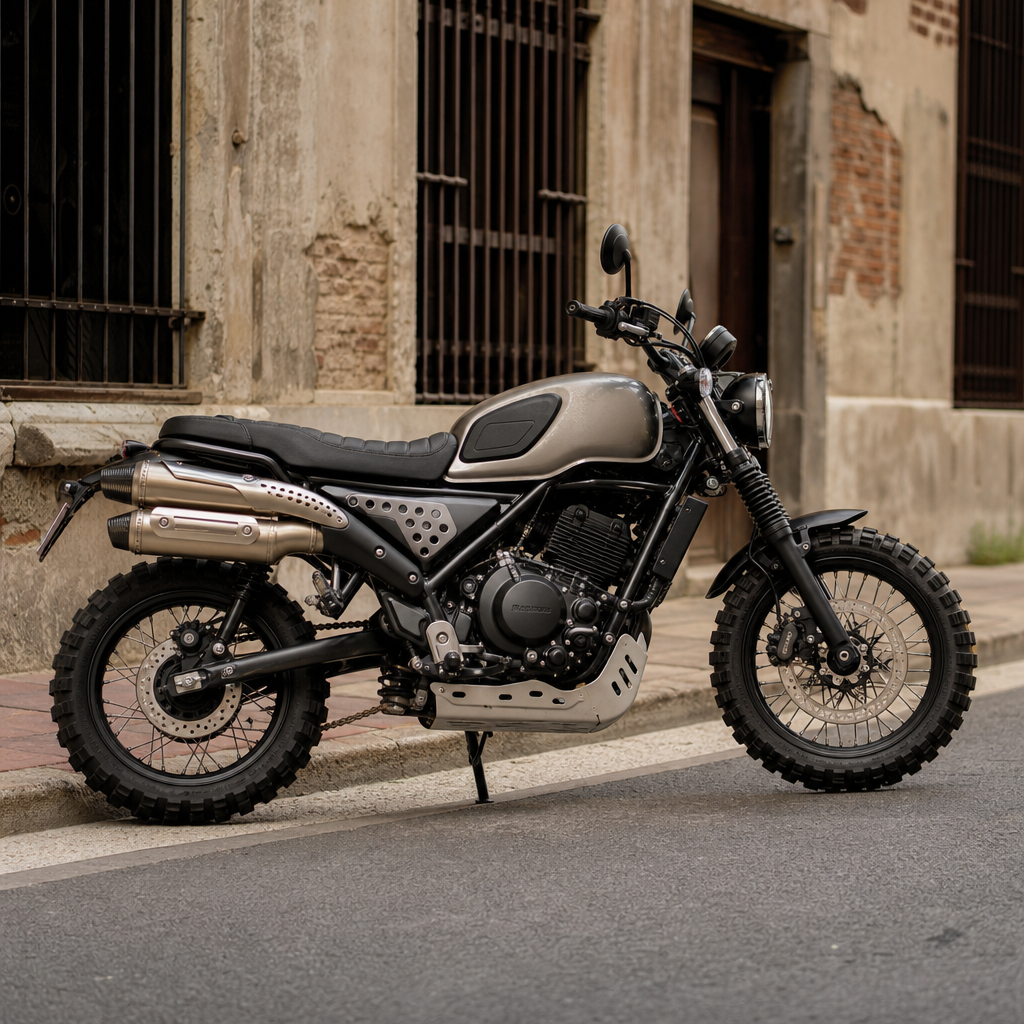
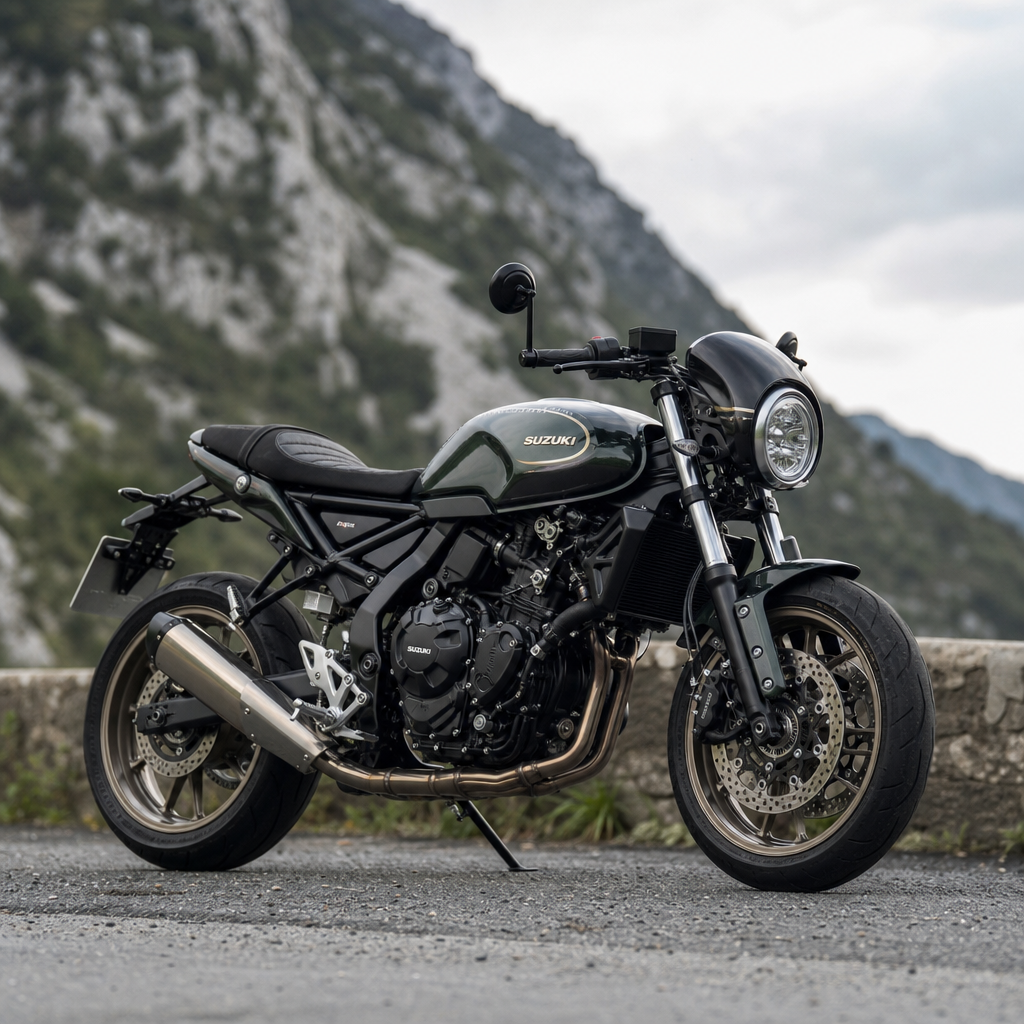
Bike choice matters less than suspension condition, tire selection, and luggage discipline. A Yamaha Tenere 700, Suzuki V-Strom 800DE, KTM 890 Adventure R, Honda Africa Twin, or BMW F 900 GS can all work well if the rider keeps load weight under control and uses true 50/50 or 60/40 adventure tires. Heavier bikes like the BMW R 1300 GS or Harley-Davidson Pan America can complete many segments, but recovery from mud, off-camber stops, and rocky creek exits requires stronger technique and often a stronger partner. Lighter dual-sports such as the Honda CRF300L Rally, Suzuki DR650, KTM 690 Enduro R, and Husqvarna 701 Enduro make the technical sections easier but may sacrifice highway comfort if your staging point is far away.
From a rider-fit standpoint, the Ozarks are excellent for lower-intermediate to advanced riders because many loops offer bailouts and pavement connectors. The catch is that “bailout available” does not mean “easy right now.” I have seen novice riders cruise all morning, then lose the day to one muddy downhill and one flooded crossing. The right expectation is not speed but consistency. If you can stand comfortably for long periods, modulate traction on climbs, turn a loaded bike on uneven ground, and manage fatigue in humid conditions, you are a good fit for an Ozarks short loop.
Black Hills BDR-X Overview: Altitude, Access, and Traffic Patterns
The Black Hills are different enough from the Ozarks that riders should not recycle the same setup uncritically. The road network often feels more open and more navigable at first glance, with long gravel stretches, clearer forest service numbering, and iconic landmarks that create a sense of orientation. Yet the Black Hills introduce their own complexities: altitude changes can affect both rider stamina and carbureted machines, afternoon storms build quickly, and tourism density can alter what should be a quiet backcountry day. During peak summer travel, traffic near Custer State Park, Deadwood, Spearfish Canyon, Mount Rushmore corridors, and Sturgis-adjacent routes can delay fuel stops and create fatigue before the dirt even starts.
Surface conditions in the Black Hills can favor larger adventure bikes slightly more than the Ozarks do, especially on dry, well-maintained gravel. That said, decomposition, washboard, mud after thunderstorms, and rocky climbs still punish poor setup. Riders often underestimate braking distances on marbly descents and overestimate visibility through dust. Wildlife is another operational issue, not an abstract concern. Deer, wild turkeys, and free-roaming livestock can appear with little warning, and dawn or dusk transit through shaded forest roads requires disciplined pace control.
The Black Hills are also heavily influenced by access management. Seasonal closures, temporary road work, event-related congestion, and fire restrictions can affect route viability. For 2026 and 2027, riders should expect more reliance on digital updates rather than static assumptions from prior seasons. The practical standard is to verify US Forest Service notices, state park advisories, county road postings, and local weather alerts within seventy-two hours of departure. If the Ozarks are a traction puzzle, the Black Hills are a planning puzzle layered on top of generally faster riding.
Technical Prep That Actually Matters for ADV/BDR Loops
For short-loop BDR-style rides, technical prep is about reducing single points of failure. Start with maintenance, not accessories. Fresh oil is nice; verified wheel bearings, chain wear, brake pad thickness, spoke tension, coolant condition, and battery health are essential. I advise riders to inspect air filters even for short trips because dust levels in both regions can be high. Tire condition is the most common preventable issue. A half-worn rear may look acceptable in the garage, then become a traction liability on wet rock or steep gravel by day two.
Navigation needs redundancy. The baseline setup for 2026 is one primary GPS platform and one secondary offline solution. Common combinations include Garmin Tread or zumo XT with Gaia GPS, onX Offroad, or Calimoto offline on a phone. Download maps before arrival, store GPX files locally, and confirm your device does not auto-reroute away from unpaved sections. Power management matters too; use a hardwired USB or DIN solution and carry a battery bank in case vibration or rain compromises charging.
Luggage should support quick access to repair gear and weight centralization. The riders who struggle most are usually carrying too much high and too far rearward. Soft luggage from Mosko Moto, Giant Loop, Enduristan, or Kriega generally reduces crash consequences compared with hard panniers on technical loops. Keep tools, water, and dense spares low. Carry only the fuel you need plus a conservative reserve, rather than strapping on excess weight “just in case” without calculating actual range.
| Prep Category | Ozarks Priority | Black Hills Priority | Best-Practice Standard |
|---|---|---|---|
| Tires | Wet grip and sidewall strength | Stability on gravel and washboard | True ADV tire with 60% or better tread remaining |
| Suspension | Control in rocks and ruts | Composure at higher sustained speeds | Set sag correctly and adjust rebound for load |
| Navigation | Creek and forest-road accuracy | Closure reroutes and broad network planning | Primary GPS plus offline phone backup |
| Hydration | Humidity and heat stress | Altitude, sun, and dry air | Hydration pack plus electrolytes |
| Recovery Kit | Mud and water-crossing incidents | Tire and impact damage | Patch or tube kit, pump, strap, tools |
Rider ergonomics deserve equal attention. Standing posture should be natural, with bars positioned for neutral shoulders and levers angled for control while standing. Boots need real shin and ankle support; lightweight touring footwear is a false economy. Armor should prioritize impact protection and heat management. On loops where the riding day is short, riders often dismiss fatigue, but repeated transitions between seated pavement and technical dirt produce mistakes late in the afternoon.
2026 and 2027 Updates Riders Should Track
The biggest update trend for 2026 and 2027 is the move from static route expectations to dynamic trip management. More riders are using live weather overlays, wildfire maps, temporary closure feeds, and collaborative GPX notes. That is a positive shift, but only if the rider filters information intelligently. Crowd-sourced reports can be useful, yet they often lack timestamps, exact coordinates, or context about bike size and skill level. Treat them as leads, not facts.
Motorcycle technology is also shifting. Midweight ADV bikes are becoming the default recommendation for BDR-style loops because they balance transport comfort with dirt manageability better than heavyweight flagships. Electronics packages are improving too. Off-road ABS modes, customizable traction control, and rally-oriented display interfaces are genuinely helpful when riders understand them. They are not substitutes for skill. I regularly see riders enter deep gravel with street-biased traction settings still active, then blame the bike for abrupt power cuts. For 2026, every rider should know how to toggle ride modes, disable rear ABS if appropriate, and restore settings after a stall or restart.
On the planning side, 2027 is likely to bring more emphasis on reservation discipline around gateway towns and event periods. The Black Hills already demonstrate why this matters: Sturgis-period congestion affects lodging, fuel lines, and even road atmosphere far beyond the rally itself. In the Ozarks, hunting seasons, storm recovery projects, and holiday traffic near floating rivers or recreation areas can produce subtler but still significant impacts. Smart riders now build primary and secondary staging plans, rather than locking the whole trip to one motel or campground.
How to Use This Hub for Trip Planning
Use this page as your starting framework, then branch into narrower planning subjects based on your bike, skill level, and region. If you ride a larger machine, prioritize articles on suspension setup, pick-up techniques, and luggage minimization. If you are newer to off-pavement travel, move next to braking on gravel, hill restarts, and water crossing judgment. If your trip window is fixed, your next stop should be seasonal logistics: fuel spacing, weather pattern interpretation, campground backups, and local closure research.
The most reliable planning method is to build in layers. First, define your loop length and daily mileage realistically. Second, verify access, fuel, and overnight options. Third, prep the bike to eliminate obvious failure points. Fourth, test your full luggage setup before departure. Fifth, ride the first half day conservatively, because that is when load-placement errors, pressure mistakes, and communication gaps reveal themselves. This is how short-loop adventures stay fun instead of becoming extraction exercises.
For riders following The Open Road travel and logistics coverage, this hub connects naturally to route selection, regional packing lists, bike transport strategies, weather-readiness checklists, and navigation workflows. The benefit of treating prep as a system is confidence: you can choose an Ozarks or Black Hills loop based on what you want to experience, not on what you hope your current setup might survive. Start with one well-planned loop, document what worked, refine your kit, and build toward bigger BDR-style riding with fewer surprises.
Frequently Asked Questions
What is a BDR-X, and how is it different from a traditional Backcountry Discovery Route?
A BDR-X is a shorter, region-focused backcountry riding experience built around the same core ideas riders already associate with Backcountry Discovery Routes: scenic off-pavement travel, a curated line through meaningful terrain, and an emphasis on adventure over simple point-to-point transportation. The main difference is scale. A traditional BDR often asks for a full week or more of travel planning, multiple riding days, resupply coordination, and a bigger commitment of time. A BDR-X overview, by contrast, is especially useful for riders who want a strong backcountry experience in a long-weekend format.
For the 2026 BDR-X overviews in the Ozarks and Black Hills, that shorter-loop concept is exactly the appeal. Instead of committing to a major expedition, riders can focus on compact route options that still deliver dirt roads, remote scenery, changing elevations, and the sense of discovery that defines this style of travel. These loops are particularly attractive for people balancing work schedules, family obligations, uncertain weather windows, and mixed riding groups where not everyone wants the same pace or mileage. In practical terms, a BDR-X can be easier to plan, easier to repeat, and easier to customize, while still feeling like a real adventure rather than a quick afternoon ride.
Why are the Ozarks and Black Hills especially good fits for short-loop adventure riding in 2026?
The Ozarks and Black Hills stand out because they both offer concentrated riding value. In other words, riders do not have to cover huge distances to reach compelling terrain, changing surfaces, and memorable backcountry scenery. That makes both regions ideal for BDR-X-style loops. In the Ozarks, riders can expect a dense network of gravel roads, forest tracks, rolling hills, creek crossings in some areas, and a rhythm of constant terrain changes that keeps shorter rides interesting. In the Black Hills, the appeal comes from a different but equally strong combination: pine forest, elevation shifts, granite formations, wide views, and a mix of easy cruising stretches and more technical sections depending on route design and conditions.
These regions also fit the reality of how many adventure riders now travel. A lot of riders are not looking exclusively for one giant annual trip anymore; they are looking for repeatable, manageable escapes that still feel immersive. The Ozarks and Black Hills can both deliver that. They each have enough route density to support loop planning, enough scenery to make even two or three days feel substantial, and enough infrastructure nearby for fuel, lodging, camping, and food without making the experience feel overdeveloped. For 2026, that balance matters. Riders want flexibility without losing the backcountry character, and these two regions are unusually well suited to that kind of riding.
Are these BDR-X overviews better for experienced riders, or can mixed-skill groups enjoy them too?
One of the biggest reasons short-loop overviews matter is that they are often more approachable for mixed-skill groups than full-scale expedition routes. That does not mean every section will be beginner-friendly, and it certainly does not mean riders should underestimate terrain, weather, or fatigue. What it does mean is that a shorter regional loop is usually easier to break into manageable daily segments, easier to reroute around difficult areas, and easier to adapt when one rider is more comfortable on gravel than on looser, rougher, or more technical surfaces.
For mixed-skill groups in the Ozarks and Black Hills, success usually comes down to honest planning. Riders should evaluate surface types, expected mileage, weather exposure, and bike setup before they leave. A confident intermediate rider on an appropriately equipped midweight bike may experience a route very differently than a newer rider on a large fully loaded adventure motorcycle. The benefit of the BDR-X format is that it often gives groups more decision points. You can shorten a day, build in alternate lines, stay closer to services, or split off for optional challenge sections when route information supports that kind of flexibility. In that sense, these overviews are often excellent tools for bringing together riders with different goals, as long as nobody mistakes “shorter” for “easy.”
How should riders prepare for a long-weekend BDR-X trip in the Ozarks or Black Hills?
Preparation starts with treating a short loop like a real backcountry trip, not a casual day ride. Even if the total route is designed around a long weekend, riders still need to plan navigation, fuel range, weather protection, hydration, and mechanical readiness. The biggest mistake many people make with shorter adventure routes is assuming that less mileage automatically means less risk. In reality, a compact route can still include remote stretches, limited cell service, rapid weather changes, and surfaces that become dramatically harder when wet. Riders should carry updated route information, understand their daily fuel plan, and confirm whether they intend to camp, motel, or mix both along the way.
Bike setup matters too. Good tires appropriate for unpaved travel, a basic tool kit, tire repair supplies, and a realistic luggage load can make the difference between an enjoyable weekend and a frustrating one. In the Ozarks, riders should think carefully about traction and water-related variables, especially after rain. In the Black Hills, elevation, temperature swings, and changing surface conditions deserve equal attention. It is also wise to build in margin rather than trying to maximize every daylight hour. A strong BDR-X trip is usually not about racing the loop; it is about creating enough space to handle detours, stops, photo opportunities, and unexpected slow sections while still finishing each day comfortably. That mindset is often what makes these shorter adventures so satisfying.
What makes a short-loop route still feel like a true backcountry adventure instead of a simplified version of one?
A shorter route still feels authentic when it preserves the essential ingredients of adventure riding: immersion, route character, self-sufficiency, and a meaningful relationship with the landscape. Distance alone does not create that feeling. Riders remember transitions from pavement to gravel, climbing into quieter terrain, navigating through forest and ridge lines, managing changing traction, and ending the day with the sense that they traveled through a place rather than merely around it. A well-designed BDR-X overview captures that experience in a tighter format.
That is exactly why the 2026 Ozarks and Black Hills overviews are significant. They reflect a broader shift in how riders define adventure. More people want rides they can complete in two to four days without sacrificing remoteness, visual payoff, or route identity. If the loop offers varied terrain, strategic resupply access, enough challenge to stay engaging, and scenery that changes throughout the ride, it can feel every bit as memorable as a longer expedition. In many cases, these short-loop routes are even more usable because riders can return, reverse direction, try seasonal variations, or introduce friends to the format without months of planning. The result is not a lesser adventure, but a more flexible one—one that fits modern schedules while staying true to the spirit of backcountry travel.