Primary drive vibrations on 2021-2026 Harley-Davidson Touring models usually point riders toward the compensator first, and in my experience that instinct is often correct. On modern Tourers, especially Milwaukee-Eight bikes used for two-up travel, stop-and-go commuting, or repeated hot restarts, the compensator absorbs sharp crankshaft pulses before they reach the clutch basket and transmission. When that damping function weakens, the rider feels it as a harsh shake through the floorboards, a metallic clack at idle tip-in, or a pronounced shudder during low-rpm acceleration. Diagnosing compensator wear matters because it protects more than comfort. Left unchecked, vibration can accelerate wear in the primary chain, chain tensioner shoe, clutch hub, and starter ring gear, turning a manageable service into a much larger repair.
To understand the problem, define the parts clearly. The compensator sprocket sits on the engine sprocket shaft in the primary drive and is designed to cushion torsional spikes created by big-displacement V-twin firing events. The primary drive transfers power from the crankshaft to the clutch assembly by chain. On 2021-2026 Tourers, that entire system works under higher torque loads than earlier generations because the Milwaukee-Eight platform delivers strong low-end twist and many owners add cams, tuning, or heavier touring loads. A “primary drive vibration” is not one single symptom. It can mean startup bang, decel rattle, idle knock, felt resonance near 2,000 rpm, or abrupt driveline lash when rolling on and off the throttle.
This article serves as a hub for technical deep-dives across Harley-Davidson engines, including Milwaukee-Eight, Twin Cam, Evolution, and RevMax, because compensator diagnosis only makes sense in context. Different engine families create different torsional signatures, use different primary arrangements, and fail in different ways. I have inspected bikes that were misdiagnosed with bad motor mounts, worn clutch plates, loose exhaust brackets, or even failing crankshafts when the real issue was a compensator ramp set pounding itself flat. I have also seen the opposite: riders replace compensators when the actual cause was chain adjustment, charging-system drag, clutch hub runout, or software calibration encouraging lugging. A disciplined diagnostic process saves money and prevents repeat failures.
How the compensator works on 2021-2026 Tourers
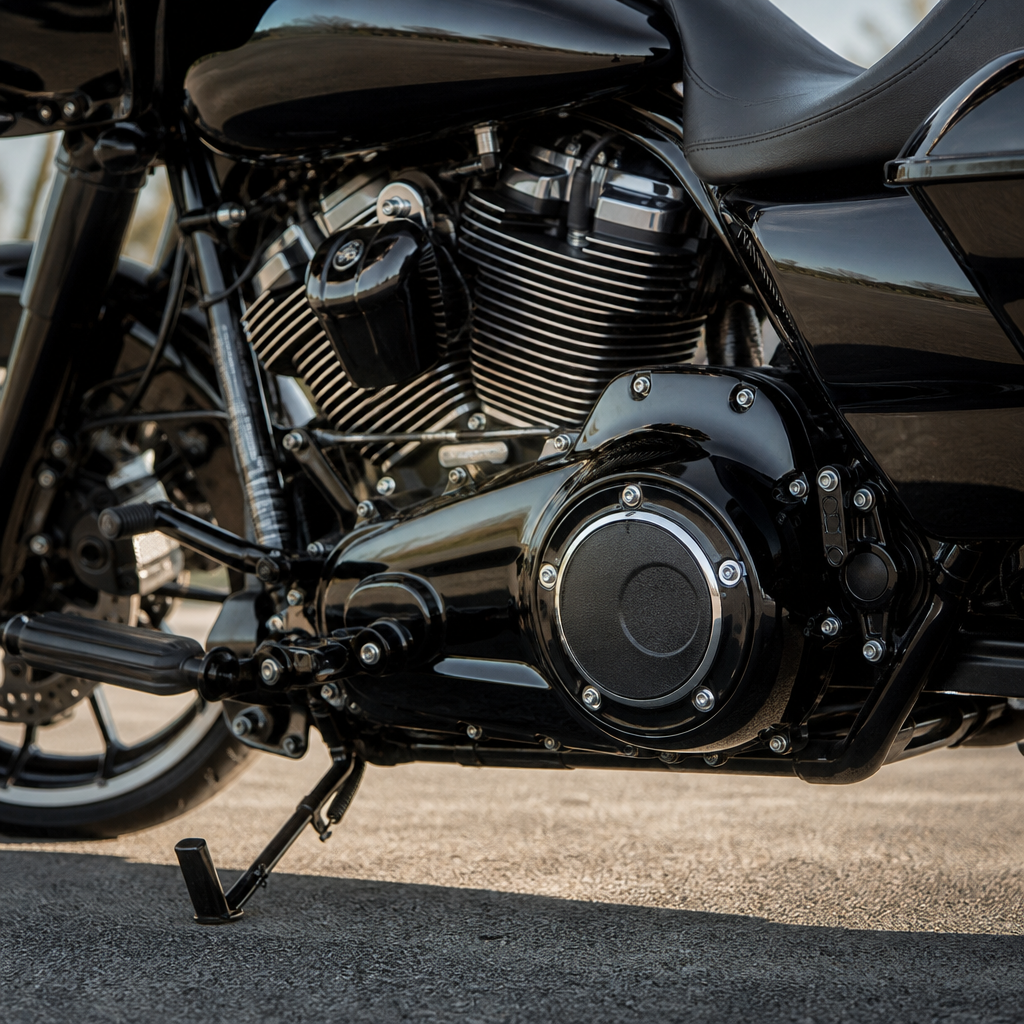
The compensator on a modern Touring Harley is a torque-management device, not just a simple sprocket. It uses spring force and ramped components to momentarily absorb and release rotational shock. Every power stroke from the Milwaukee-Eight crankshaft sends a pulse into the primary. At idle, low rpm, and under abrupt throttle changes, those pulses are strongest relative to rotational speed. The compensator softens them before they strike the clutch basket and gearbox. When healthy, it reduces gear rattle, starter kickback, chain whip, and rider-perceived harshness. When worn, the damping window shrinks, free play increases, and impact loading rises sharply.
On 2021-2026 Tourers, the compensator must also cope with riding patterns that stress it more than spec-sheet comparisons suggest. Heavy touring payloads, parade-speed operation, repeated heat soak, and aftermarket torque gains all increase the amplitude of torsional spikes. Riders often cruise these bikes below ideal rpm in higher gears because the engine feels strong enough to pull it. That habit, commonly called lugging, is one of the fastest ways to aggravate compensator wear. The engine may not stumble, but the driveline sees larger twist-reversal loads. Over time, the ramps, spring pack, and mating surfaces begin to hammer instead of cushion.
Symptoms that separate compensator wear from other primary problems
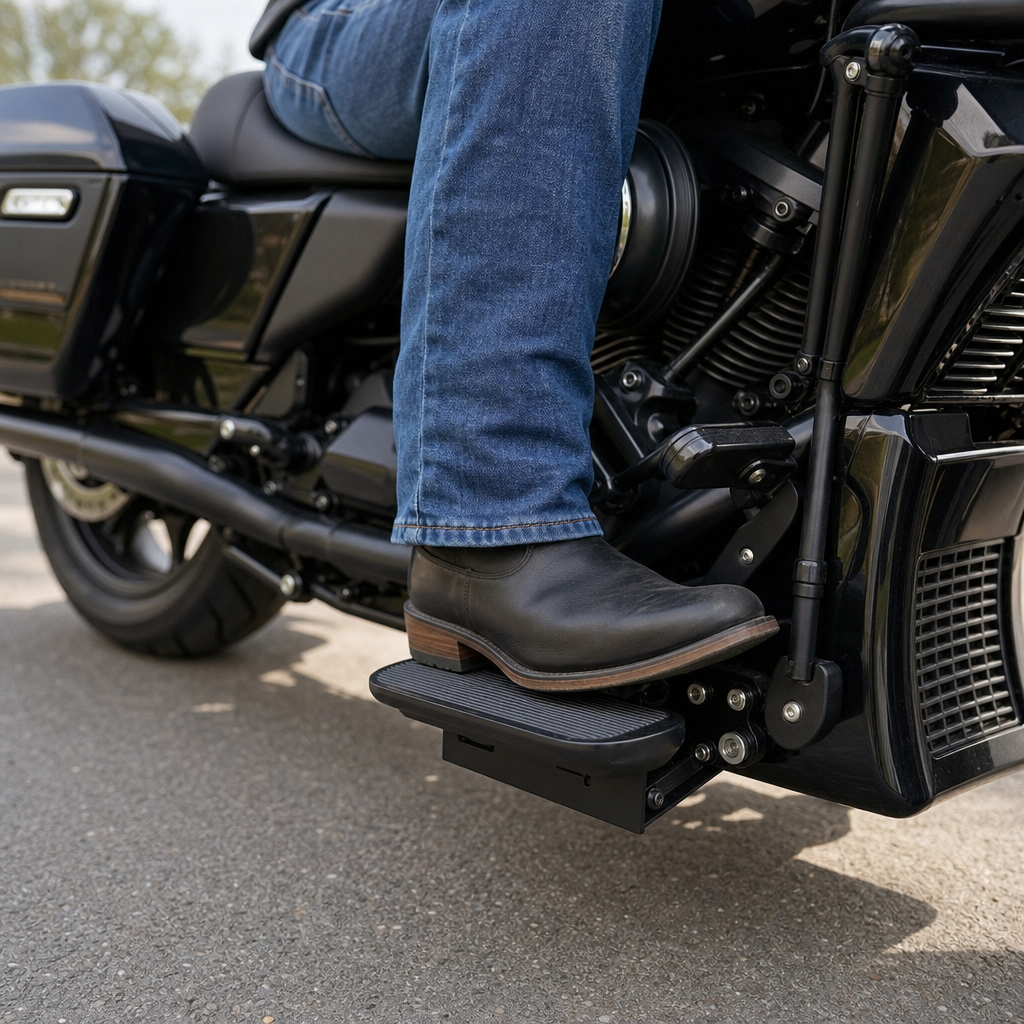
The clearest symptoms of compensator wear are a pronounced bang when the starter engages, a clunk when the throttle is snapped open from near idle, and a rough, chattery feel through the floorboards during low-rpm roll-on. Many owners describe it as a “coffee can full of bolts” sound from the left side of the bike. Another common complaint is a harsh shudder around 1,800 to 2,300 rpm under load, especially in taller gears. The symptom often improves if the rider downshifts and keeps engine speed above that range. That change is a useful clue because it points to pulse damping, not random vibration.
Misdiagnosis is common because other faults can feel similar. A loose exhaust heat shield creates a metallic buzz, but it usually appears in a narrow rpm band and can be replicated by tapping the shield. Worn engine mounts transmit chassis vibration more broadly and often accompany alignment issues. A damaged clutch hub or basket can produce rattle, but clutch pull-in may change the noise dramatically. Primary chain adjustment errors matter too. An overtight chain can feel harsh and produce whine, while an overly loose chain can slap and mimic compensator lash. Charging-system drag from a failing stator rotor interface can also alter idle character, though it is less common.
Step-by-step diagnosis for Milwaukee-Eight Tourers
Start diagnosis with the simplest checks because pattern recognition beats parts replacement. Confirm the complaint on a controlled road test. I listen for startup bang, then evaluate low-rpm roll-on in second, third, and fourth gears between roughly 1,500 and 2,500 rpm. If vibration sharply worsens under load and eases with a downshift, compensator wear moves high on the list. Next inspect primary fluid condition and level. Excessive metallic debris on the drain plug or glitter in the fluid suggests internal impact wear, though some paste on a magnet is normal. Review service history, mileage, riding style, and modifications, especially high-torque cams and aggressive tunes.
With the primary open, inspect the compensator surfaces, spring pack behavior, and related components as a system. I check the primary chain for abnormal stretch pattern, examine the tensioner shoe for uneven wear, and look for fretting on the sprocket shaft interface. Rotational free play beyond normal feel, notching on ramp surfaces, and polished hammer marks are meaningful evidence. Measure runout where the manual specifies and verify fastener torque procedures against current Harley-Davidson service information. A borescope and strong work light help identify peening without complete disassembly. On several bikes, I found the compensator clearly worn but also uncovered clutch basket wear caused by months of ignored shock loading.
| Symptom | Most likely cause | Quick confirmation |
|---|---|---|
| Loud bang on hot restart | Compensator lash or ramp wear | Compare cold versus heat-soaked starts and inspect ramp faces |
| Shudder at 1,800-2,300 rpm under load | Weak damping in compensator | Road test in higher gear, then repeat after downshift |
| Constant buzz at fixed rpm | Heat shield, mount, or accessory resonance | Physical inspection and tap test off the bike |
| Primary slap noise | Chain adjustment or tensioner issue | Check slack, shoe wear, and fluid condition |
| Noise changes when clutch is pulled | Clutch hub or basket-related issue | Idle test with repeated clutch engagement |
Where this fits in Harley-Davidson technical deep-dives
As a hub within Harley-Davidson technical deep-dives, compensator diagnosis connects directly to the broader engine families riders research most: Milwaukee-Eight, Twin Cam, Evolution, and RevMax. The Milwaukee-Eight is the center of this article because 2021-2026 Tourers use that platform, but the comparison matters. Twin Cam Touring bikes developed a long reputation for compensator noise, especially when modified for torque and ridden at low rpm. Evolution big twins are mechanically simpler and teach valuable baseline lessons about driveline lash, alignment, and vibration transmission. RevMax models use a different engine architecture and operating character, yet they are useful contrasts for understanding how combustion pulse behavior changes driveline feel.
For readers building a complete knowledge map, this page should lead naturally into engine-specific articles on Milwaukee-Eight primary service, Twin Cam compensator revisions, Evolution primary setup, and RevMax drivetrain design. The unifying principle is torsional management. Every Harley engine produces pulses, but displacement, flywheel effect, firing behavior, tuning, gearing, and vehicle weight determine how those pulses stress the driveline. On M8 Tourers, high torque plus heavy touring use makes compensator condition especially important. On Twin Cam bikes, earlier component design and owner modification history dominate the conversation. On Evo models, wear patterns are often slower and easier to isolate. On RevMax machines, the engineering priorities shift toward different performance envelopes.
Why M8, Twin Cam, Evo, and RevMax differ in vibration behavior
Milwaukee-Eight engines make broad torque early, which riders love, but that same trait encourages operation in rpm ranges where torsional pulses hit hardest. The result is that M8 compensator health can decline faster on bikes used for low-speed hauling or tuned for maximum cylinder pressure. Twin Cam engines, depending on year and setup, often display more familiar geartrain and primary character, and many technicians developed compensator instincts on those bikes first. Evolution engines generally communicate mechanical condition with fewer layers of refinement, making noises easier to isolate. RevMax engines, with a more modern high-revving approach and different vehicle platforms, distribute stress in ways that do not mirror Touring big twins directly.
These distinctions matter because riders often generalize from one engine family to another. Advice that works on a Twin Cam Road Glide can mislead an M8 Road King owner. For example, a noise once considered “normal Harley clatter” on an older platform may indicate early-stage wear on a newer Tourer designed to run smoother. Likewise, comparing a Pan America’s driveline feel to an Ultra Limited’s is not useful because the engine architecture, clutch arrangement, chassis rigidity, and mission are different. Good diagnosis starts by identifying the engine family, then narrowing to model year, calibration state, mileage, duty cycle, and whether the bike regularly tows passenger and luggage mass through heat and traffic.
Repair decisions, prevention, and long-term reliability
If inspection confirms compensator wear, replace damaged components as a matched repair when practical rather than treating the sprocket in isolation. In the shop, I also evaluate the primary chain, tensioner shoe, clutch basket condition, starter drive engagement pattern, and fasteners that may have suffered repeated impact loading. Use the latest applicable Harley-Davidson service procedures and part revisions, because running changes matter on touring drivetrains. After repair, road test the bike the same way the complaint was verified. The difference should be obvious: cleaner starts, less lash on throttle tip-in, and reduced floorboard shudder in the low-rpm load zone. If those improvements are partial, keep diagnosing instead of declaring victory early.
Prevention is straightforward but often ignored. Keep primary fluid fresh and at the correct level, avoid chronic lugging, and do not tune the engine for headline torque numbers without considering driveline consequences. Many riders benefit simply from downshifting sooner and keeping the Milwaukee-Eight in a smoother operating band when climbing grades or riding two-up. During routine service, pay attention to subtle startup changes and new noises after heat soak. Small differences usually appear before hard failure. The main takeaway is simple: primary drive vibrations on 2021-2026 Tourers are diagnostic information, not background character. Use them early, follow a structured inspection process, and you will protect the entire left side of the drivetrain while keeping your Harley-Davidson touring bike smooth, durable, and ready for the next long ride.
Frequently Asked Questions
What are the most common signs of compensator wear on 2021-2026 Harley-Davidson Touring models?
The most common signs usually start as a change in feel rather than an obvious hard failure. Riders often notice a sharper, harsher vibration through the floorboards, seat, and bars, especially at idle, during takeoff, or when rolling back into the throttle at low rpm. On 2021-2026 Touring models with Milwaukee-Eight engines, that sensation can feel like the bike is no longer smoothing out crankshaft pulses the way it used to. Instead of the normal mechanical character these bikes are known for, the primary side begins to feel more abrupt and less controlled.
Another frequent clue is increased noise from the primary area during hot restarts or when engaging the clutch from a stop. A worn compensator may produce a clunk, bang, or metallic knock as load is applied and released. Some riders describe it as a lash or slap sensation when transitioning from deceleration to acceleration. If the bike is used for two-up touring, city traffic, frequent stoplights, or repeated starts on a fully warmed engine, those operating conditions can accelerate wear and make symptoms easier to notice.
You may also feel driveline roughness that seems to come and go depending on engine temperature and riding style. That can make diagnosis tricky, because riders sometimes suspect clutch issues, transmission concerns, or even tuning problems first. But when the vibration is centered around low-speed engagement, off-idle load, and primary-side harshness, the compensator deserves close inspection early in the process.
Why does the compensator wear out faster on some Milwaukee-Eight Tourers than others?
The compensator is designed to absorb and cushion torsional shock from the engine before it is passed downstream to the clutch basket and transmission. On Milwaukee-Eight Touring models, that job becomes especially important because these engines produce strong low-end torque and distinct crankshaft pulses. Over time, repeated loading and unloading can reduce the compensator’s ability to damp those forces effectively, particularly if the bike regularly sees demanding real-world use rather than steady highway miles.
Bikes used for two-up travel, stop-and-go commuting, parade duty, urban riding, and repeated hot restarts generally place more stress on the compensator than bikes that spend most of their life cruising at stable speeds. Heavy loads, frequent launches from a standstill, abrupt throttle application at low rpm, and lugging the engine in a high gear all create conditions where the compensator has to work harder. Heat also matters. Once the engine and primary are fully warmed, wear-related symptoms often become more obvious because tolerances, lubrication behavior, and component loading change.
Maintenance habits and riding style also play a role. Poor fluid condition, delayed service intervals, aggressive clutch release habits, and prolonged operation with developing symptoms can allow wear to progress faster. Not every bike will wear at the same rate, even within the same model years, because rider weight, passenger use, cargo load, terrain, and throttle habits all influence how much shock the compensator is asked to manage over time.
How can you tell whether primary drive vibration is really the compensator and not the clutch, engine tune, or another drivetrain issue?
Good diagnosis starts with pattern recognition. Compensator-related vibration often has a specific operating window: idle quality may feel rougher than normal, takeoffs can be more abrupt, and low-rpm throttle transitions may produce a clunk or a pronounced jolt through the bike. If the harshness is concentrated on the primary side and seems most noticeable when torque is applied and removed, the compensator moves higher up the suspect list. By contrast, a tuning issue often shows up as hesitation, surging, poor throttle response, or combustion-related roughness across a broader rpm range.
Clutch problems tend to show themselves differently as well. A clutch issue may involve dragging, slipping under load, difficulty finding neutral, inconsistent engagement, or changes in lever feel. Transmission problems often reveal themselves through gear-specific noise, shifting complaints, or mechanical sounds tied to certain speed and load combinations. Engine mounts, exhaust contact, and internal engine issues can also create vibration, so it is important not to jump straight to conclusions based on one symptom alone.
The best approach is a structured inspection. Evaluate when the vibration occurs, whether it worsens hot, and whether it is tied to launches, restarts, or throttle reapplication. Listen for primary-side knocking or clunking. Inspect the primary system, clutch assembly, chain tension condition where applicable, fastener integrity, and fluid condition. If the overall symptom pattern centers on torque shock and primary harshness, and especially if the bike has the usage profile that commonly accelerates compensator wear, the compensator is often the right place to focus first.
Is it safe to keep riding with suspected compensator wear, or should it be addressed immediately?
If the symptoms are mild, some riders continue using the bike for a short period while they schedule proper inspection, but it is not something to ignore. Compensator wear generally does not improve on its own. Once damping performance starts to fall off, the extra shock can be transferred into other primary and drivetrain components, including the clutch basket and transmission. What begins as an annoying vibration can become a more expensive repair if the underlying problem is allowed to progress unchecked.
The level of urgency depends on symptom severity. A slight increase in harshness may not mean the bike is about to strand you, but repeated clunking on takeoff, loud knocks during hot restarts, or a clear worsening trend should be treated seriously. If the vibration becomes severe, if engagement feels unpredictable, or if new noises develop suddenly, the safest move is to stop riding until the primary side is inspected by someone familiar with late-model Harley-Davidson Touring drivetrains.
From a practical standpoint, early diagnosis almost always saves money and frustration. Catching compensator wear before it begins affecting adjacent parts helps limit collateral damage and preserves the smoother driveline feel these bikes are supposed to have. Riders who depend on their Tourer for commuting or long-distance travel are usually best served by addressing the issue as soon as the pattern becomes consistent and repeatable.
What is the typical repair approach for a worn compensator on a 2021-2026 Tourer, and what else should be checked at the same time?
The repair approach usually begins with confirming the source of the vibration, then opening the primary for inspection of the compensator and related components. In many cases, the worn compensator assembly is replaced rather than partially serviced, because the goal is to restore proper damping performance and eliminate the shock transfer that the rider is feeling. The exact parts strategy depends on the bike’s condition, mileage, symptom history, and whether there are updated components or service recommendations applicable to the specific model year.
While the primary is open, it makes sense to inspect the clutch basket, primary chain system where applicable, sprockets, fasteners, tensioning components, and the condition of the primary fluid. Technicians should also look for signs of abnormal wear patterns, heat distress, looseness, or impact-related marking that could suggest the vibration has already been affecting neighboring parts. If the rider reported hot restart banging, rough takeoffs, or repeated two-up use under heavy load, that operating history is important context and can help guide a more complete inspection.
After repair, the bike should be evaluated for improved engagement feel, smoother low-rpm torque delivery, and reduced vibration through the chassis. This is also a good time to review riding habits that increase shock loading, such as lugging the engine or using abrupt throttle inputs at very low rpm. A properly functioning compensator should make the bike feel more controlled and less harsh in the exact situations where the worn unit was most noticeable: launches, low-speed transitions, and the repeated heat-and-load cycles common in everyday Touring use.