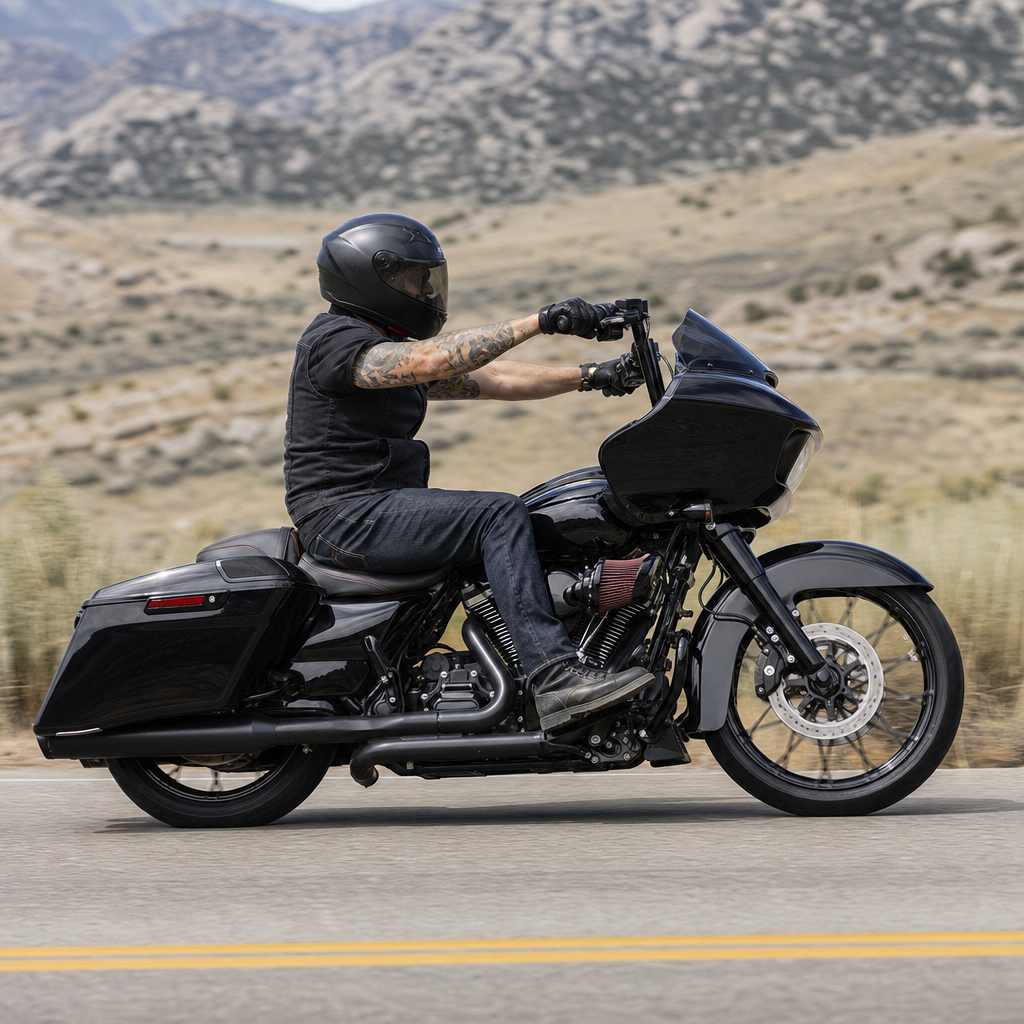
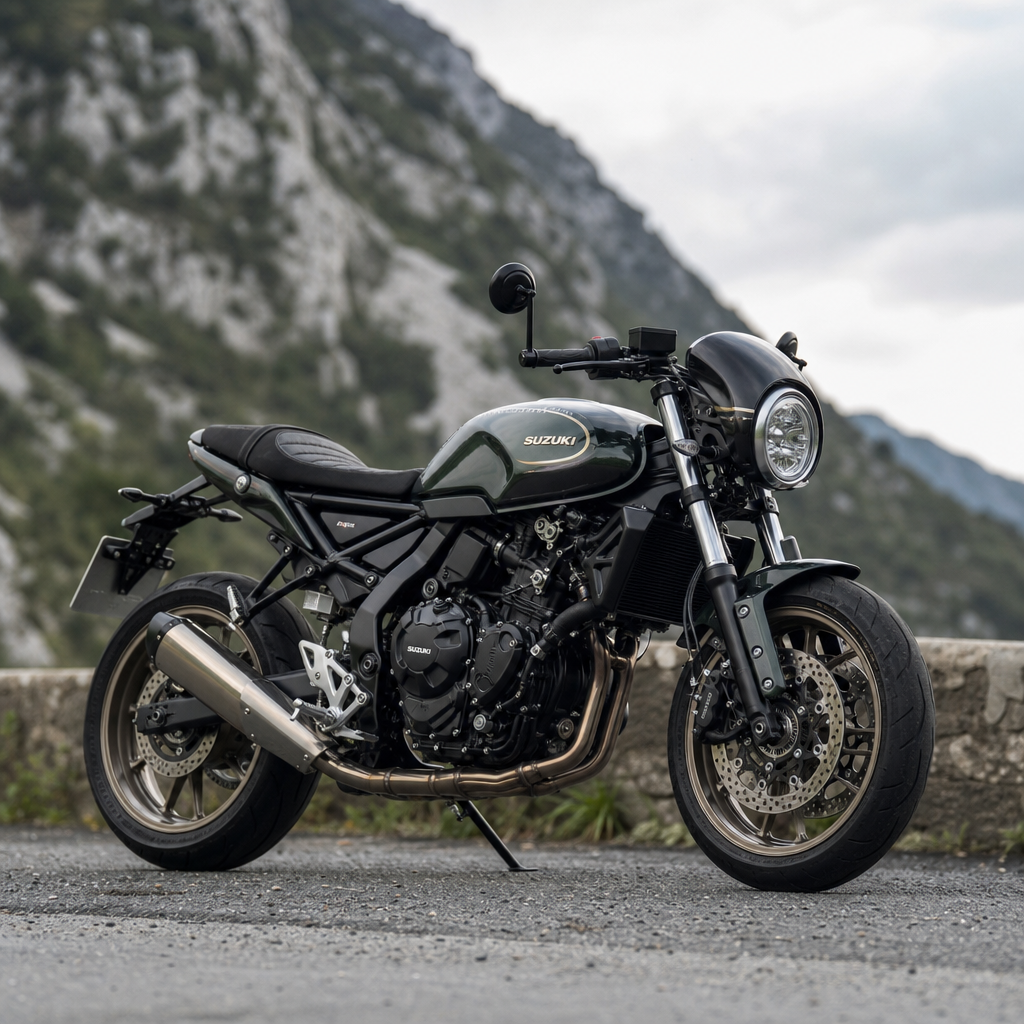
Ohio Bike Week 2026 brings riders to one of the Midwest’s most underrated touring regions: Sandusky, the Lake Erie shoreline, and the island roads that turn a rally trip into a full riding vacation. In practical terms, this event is both a motorcycle rally and a logistics challenge, because the best experience depends on route planning, ferry timing, parking strategy, weather awareness, and realistic daily mileage. I have planned rally travel around Lake Erie enough times to know that the difference between a memorable week and a frustrating one usually comes down to details handled before the engine starts. This guide covers the best routes through Sandusky and the islands while also serving as a hub for rally calendars and logistics, so riders can connect scenic loops with lodging, fuel, ferry schedules, and event-day movement. Sandusky matters because it sits at a rare crossroads: major highways for arrival, historic waterfront streets for local cruising, and direct access to island destinations that feel distinct without requiring long-distance travel. For 2026, riders should think of Ohio Bike Week not as a single venue, but as a network of roads, ports, downtown stops, causeways, and ferry links that reward deliberate planning.
At its core, route planning for Ohio Bike Week 2026 means balancing three factors: traffic density, road quality, and timing. Sandusky itself is easy to navigate on paper, yet event congestion around downtown, Jackson Street corridors, and waterfront zones can slow progress far more than mileage suggests. The islands add another layer, because reaching Kelleys Island or South Bass Island involves boarding procedures, staged loading, and weather-sensitive schedules. Riders also need to understand what “best route” means in this setting. It is not always the fastest line on a map. Often, the best route is the one that keeps you off stop-and-go choke points, gives you dependable fuel access, and creates enough schedule margin to enjoy the event instead of chasing it. That is why this article covers more than scenic recommendations. It explains how to arrive from major feeder highways, how to structure day rides, how to use island connections intelligently, and how to avoid common mistakes that first-time rally visitors make. If you are building a full rally itinerary, this page is your starting point for calendars, movement, and on-the-ground decision making.
How to plan your Ohio Bike Week 2026 base in Sandusky
Sandusky works best as a home base because it offers the broadest mix of lodging, late-night food, repair access, and direct road connections. Riders coming from Cleveland usually arrive via the Ohio Turnpike or U.S. 6 and should decide early whether they value speed or shoreline scenery. The Turnpike saves time, but U.S. 6 delivers a more relaxed lead-in through Lake Erie communities. From Toledo, State Route 2 is the cleanest approach, with efficient access toward Sandusky and fewer town-center interruptions than older surface routes. I generally advise rally travelers to book lodging either in central Sandusky for walkable nightlife or slightly outside the core near Perkins Township for easier morning departures and less parking stress.
When choosing a base, think in rings. The downtown ring gives you proximity to bars, vendor areas, and evening events, but heavier traffic and tighter parking. The outer ring, including Milan Road corridors and hotel clusters south of downtown, offers easier trailer access, larger lots, and faster exits for daytime riding. For riders hauling bikes, that distinction matters. A hotel with oversize vehicle parking can save an hour of maneuvering and anxiety. Also confirm whether the property allows trailers to remain on site during the event, because some lots become crowded after check-in. During major rally periods, practical convenience beats boutique charm.
Your daily movement plan should be built around morning departure windows and evening return congestion. In my experience, leaving between 8:00 and 9:00 a.m. allows enough time to clear local choke points before pedestrian activity and lunch traffic build. Returning before the heaviest nighttime draw keeps parking manageable. If your priority is nightlife, plan a shorter day loop. If your priority is riding, stage farther out and come into the main event area later. Riders often overestimate how much distance they can comfortably cover once rally stops, photos, and waterfront delays are added. Around Sandusky, 120 to 180 quality miles can feel like a full day.
Best mainland riding routes around Sandusky
The strongest mainland routes are not extreme roads; they are flowing, varied, and easy to combine. U.S. 6 west of Sandusky is the classic shoreline ride, linking lake views, small downtowns, and places to stop without committing to interstate speed. Heading east, U.S. 6 and connecting local roads toward Huron and Vermilion create a slower but more character-rich ride than simply taking State Route 2. Riders who want a cleaner sweep with fewer interruptions should use Route 2 strategically, then exit into waterfront communities for fuel, food, and scenery. This blend creates efficient movement without losing the Lake Erie feel that makes the region special.
One of the most practical loops starts in Sandusky, heads west through Bay View and Port Clinton, then circles back through inland roads near Fremont and Milan. Port Clinton is useful beyond its scenery because it is a ferry gateway, making it a smart reconnaissance stop even if you are not boarding that day. Fremont adds a historic inland contrast and more consistent fuel options, while Milan offers a smaller-town finish before returning to Sandusky. The roads are approachable for two-up riders and groups, with enough services to reduce range anxiety. This loop is ideal for a first full day because it teaches the rhythm of the region.
For riders who prefer architecture, waterfront atmosphere, and compact mileage, a Sandusky-Huron-Vermilion loop is the better choice. Huron’s marina setting and Vermilion’s downtown waterfront give you satisfying destination points without requiring a dawn start. The roads are not technical, but they are enjoyable because the scenery changes often and the towns reward short walking breaks. On busy rally days, this eastern loop also avoids some of the heavier westbound pressure associated with island traffic and Port Clinton ferry demand. It is a good solution for riders who want a half-day route before returning for concerts or evening events.
| Route | Best For | Approximate Ride Style | Key Stops |
|---|---|---|---|
| Sandusky-Port Clinton-Fremont-Milan loop | First-time visitors | Balanced full-day ride | Port Clinton, Fremont, Milan |
| Sandusky-Huron-Vermilion loop | Short scenic day | Relaxed shoreline cruise | Huron marina, Vermilion waterfront |
| U.S. 6 west with selective Route 2 connectors | Riders wanting efficiency and scenery | Flexible mixed-pace ride | Bay View, Port Clinton, lake overlooks |
Island routes: Kelleys Island and South Bass Island
The island experience is what separates Ohio Bike Week from many inland rallies, but it requires realistic expectations. You are not going to rack up huge miles on Kelleys Island or South Bass Island. What you get instead is novelty, scenery, and a strong sense of place. Kelleys Island is better for riders who want a quieter pace, less commercial intensity, and easier sightseeing. South Bass Island, home to Put-in-Bay, offers more concentrated activity, dining, and nightlife, but also more congestion. If your group values relaxed exploration, choose Kelleys. If your group wants social energy and doesn’t mind stop-and-go movement, choose South Bass.
Ferry planning is central. Motorcycle boarding procedures vary by operator, and weather on Lake Erie can disrupt schedules faster than many inland travelers expect. Always verify sailing times directly with the ferry company the night before and again the morning of departure. Arrive early enough for staging, secure loose gear before loading, and be ready for deckhands’ instructions on bike placement. I recommend treating an island visit as the main purpose of the day, not a quick add-on squeezed between other loops. Delays at the dock can erase tight plans immediately.
On Kelleys Island, the best approach is simple: disembark, complete a perimeter-style ride using the island road network, stop at major natural points of interest, then settle into a long meal instead of rushing. The appeal is not speed; it is the sequence of shoreline glimpses, tree cover, village character, and geologic features. On South Bass Island, riding is more functional because traffic and pedestrian density can become intense near the Put-in-Bay core. Park once if possible, then explore on foot. That strategy reduces stress and protects your schedule. In both cases, watch pavement transitions near docks and parking areas, especially if lake moisture or ferry runoff creates slick surfaces.
Rally calendars and logistics: how to structure your week
A successful Ohio Bike Week plan starts with a calendar, not a map. Riders often choose routes first and then discover they missed a major concert, parade, vendor block, or bike night they actually cared about. Build your week in layers. First, lock in nonnegotiable event items: headline entertainment, specific meetups, charity rides, or manufacturer demos if offered. Second, assign route days around those anchors. Third, reserve one flex day for weather, mechanical issues, or an island visit that needs favorable conditions. This method keeps the rally from feeling chaotic and prevents scenic riding from competing with the event itself.
If you are traveling with a group, designate a route lead and a logistics lead. On past rally trips, that division has saved time every single day. The route lead watches mileage, fuel windows, and navigation. The logistics lead confirms hotel parking, dinner timing, ferry status, and meetup changes. Using shared mobile maps is helpful, but do not rely exclusively on app routing in this region. Cell coverage is generally workable, yet congestion, detours, and dock-area confusion can still create missed turns. Download offline maps and screenshot ferry confirmations. Old-fashioned redundancy remains smart travel practice.
Fuel planning is straightforward on the mainland but less forgiving if your group gets complacent during event traffic. I tell riders to refuel once they hit half a tank if they are operating in and out of downtown Sandusky or heading toward a ferry departure. Waiting until reserve mode in rally conditions is unnecessary risk. Also consider hydration, especially in June heat with lake humidity. Fatigue sneaks up during slow-moving traffic, and many riders mistake dehydration for simple irritability. Carry water, pack a light rain layer, and assume at least one weather shift per day. Lake Erie can produce sudden wind changes and scattered showers even when mornings look stable.
Where to stay, park, eat, and recover between rides
Lodging choice affects the entire week. Downtown stays suit riders who want to park and walk to nightlife, but rates may be higher and lots may be tighter. Chain hotels south of the core often deliver the best balance of price, parking, and quick access to Route 2 or U.S. 250. Vacation rentals can work for groups, especially if you want garage space or a private place to unwind, but verify neighborhood parking rules before assuming multiple motorcycles and trailers will be welcome. For many riders, the best lodging is simply the one that removes daily friction.
Parking strategy matters almost as much as your room. If you are entering dense event zones, look for legal surface lots that allow easy exits, not just the closest spaces. A slightly longer walk is worth it if you can leave without sitting in a line of idling bikes. On island days, travel light and secure valuables. On mainland days, keep a microfiber cloth and basic cleaning spray handy; lake-region bugs and road grime build quickly, especially after sunset rides. A compact tire repair kit and portable inflator are also worth carrying because small punctures can derail an otherwise simple trip.
Food stops should match the day’s pace. Before a ferry, choose a quick breakfast and avoid heavy meals that make staging uncomfortable. After a long shoreline loop, prioritize places where parking is simple and service is predictable. Sandusky and the surrounding towns offer everything from waterfront seafood to classic diner breakfasts, and the best choice is often whichever location lets your group get in, eat, hydrate, and move without burning an hour in a queue. Recovery is part of logistics too. Sleep, shade, and a deliberate break in the hottest part of the afternoon can make the difference between an enjoyable evening and riding while drained.
Common mistakes riders make during Ohio Bike Week
The biggest mistake is treating the region like a point-to-point rally destination instead of a layered touring area. Riders rush in, hit one event zone, and miss the roads and waterfront towns that make this week worth the trip. Another common error is underestimating ferry time. Boarding is not like pulling into a gas station; it has deadlines, loading order, weather variables, and return-trip implications. The third mistake is overpacking the daily schedule. If you try to do a full mainland loop, an island crossing, downtown bars, and a nighttime concert in one day, something enjoyable turns into a chore.
Mechanical neglect is another preventable problem. Before leaving for Ohio Bike Week 2026, check tire tread and pressure, brake pad life, battery condition, and all lighting. Bring chain lube if applicable, spare fuses, and a phone mount that actually holds on rough pavement. Riders also forget hearing protection during repeated short hops; fatigue from wind noise accumulates even when mileage is modest. Finally, be realistic about alcohol and late nights. A rally atmosphere can blur judgment, especially when your hotel is only a few miles away. Set transportation plans in advance and keep the riding side of the week disciplined.
Ohio Bike Week 2026 is at its best when riders use Sandusky as both event base and launch point for deliberate exploration. The best routes through Sandusky and the islands are not the longest or loudest; they are the ones that fit the region’s rhythm, from shoreline cruising on U.S. 6 to carefully timed island days on Kelleys or South Bass. Build your rally calendar first, choose a practical lodging base, leave margin for weather and ferry changes, and keep each day focused on one clear priority. Do that, and the week becomes smoother, safer, and more memorable. Use this hub to map your itinerary, then turn each route and logistics decision into a ride that feels effortless once you arrive.
Frequently Asked Questions
What are the best motorcycle routes around Sandusky and Lake Erie during Ohio Bike Week 2026?
The best routes during Ohio Bike Week 2026 depend on whether you want scenic shoreline cruising, easy day loops, or a full island-and-mainland touring plan. For many riders, the ideal starting point is Sandusky itself, because it gives you quick access to downtown event activity, the waterfront, and the main roads leading west toward Port Clinton and east toward Huron and Vermilion. A strong mainland ride is the Lake Erie shoreline loop that connects Sandusky with Marblehead, Lakeside, Catawba, and Port Clinton. This route works especially well because it mixes water views, small-town stops, and manageable mileage, which matters during rally week when traffic, heat, and stop-and-go congestion can wear you out faster than the map suggests.
If you want the most reliable scenic ride, plan a loop that uses causeways and peninsulas rather than trying to cover too much distance inland. The Marblehead Peninsula is a standout because the roads are easy to navigate, fuel and food are accessible, and you can work in stops like Marblehead Lighthouse or shoreline overlooks without turning the day into a long-haul ride. Another smart option is heading east from Sandusky through Huron and into Vermilion for a more relaxed coastal rhythm with less rally concentration. Riders who want a longer day can combine shoreline sections with inland farm roads in Erie, Ottawa, and Lorain County, but the key is to avoid building a route that looks short on paper and becomes slow in reality due to tourist traffic, drawbridge delays, and town-center bottlenecks.
For riders looking at the islands, the route planning changes completely because ferries become part of the ride. Kelleys Island and South Bass Island are memorable additions, but they should be treated as destination loops rather than casual detours. Once you commit to an island day, you need to account for ferry check-in, loading time, unloading time, and the slower pace of riding once you arrive. The roads on the islands are part of the appeal, but they are not high-speed roads. They are best enjoyed at a relaxed pace with a focus on scenery, short distances, and strategic stopping points. In other words, the best route is usually not the longest one. It is the one that balances the rally atmosphere with practical travel time and gives you room to actually enjoy the shoreline instead of racing your schedule.
Can you take a motorcycle to the Lake Erie islands during Ohio Bike Week, and what should you know about the ferries?
Yes, you can usually take a motorcycle to some of the Lake Erie islands during Ohio Bike Week, but this is where smart planning makes a huge difference. Ferry capacity is limited, loading procedures vary, and schedules can change based on weather, demand, and operator policy. Riders often assume a ferry works like a simple extension of the road network, but during a major event week that is not a safe assumption. You should verify which ferry line serves your target island, whether motorcycles are accepted on your travel date, what check-in window is recommended, and whether reservations are available or worthwhile. Some operators load on a first-come, first-served basis, while others may have more structured boarding guidance.
It also helps to understand that motorcycle ferry travel is different from car travel in a few practical ways. Deck surfaces can be slick from water, metal plating, or morning condensation, especially if you are boarding early or traveling in unsettled weather. You will want to approach ramps smoothly, avoid abrupt braking, and follow crew instructions carefully. Bring tie-downs only if the operator recommends them, and do not assume every ferry requires the same securing method. Once on board, many experienced riders leave the bike in gear and use the side stand only if directed and if the deck angle is stable enough for it. Crew guidance should always override habit.
Timing is the other major issue. Island travel can easily turn a half-day idea into a full-day commitment. If you miss a sailing, get stuck in a boarding line, or arrive during a busy weather-related backup, your route plan can collapse fast. That is why many experienced rally riders dedicate one full day to island travel rather than trying to squeeze it in before concerts, vendor visits, or nightlife back in Sandusky. The islands are absolutely worth seeing, but they reward riders who approach the trip like a mini-tour with logistics, not like a spontaneous side trip with guaranteed timing.
Where should riders park in Sandusky during Ohio Bike Week 2026, and how can they avoid traffic headaches?
Parking strategy in Sandusky can shape your entire Ohio Bike Week experience. During rally periods, downtown areas, waterfront zones, and venue-adjacent streets can fill quickly, and the most convenient-looking parking option is not always the best one for a motorcycle. Riders should look for legal, stable surfaces, enough room to maneuver without backing uphill or across gravel, and access points that do not force them into the worst traffic choke points at closing time. Public lots, designated event parking, and private paid lots can all work, but it pays to arrive with at least two backup options instead of relying on one pin in your phone.
The smartest approach is usually to separate your lodging strategy from your event-entry strategy. If you are staying in or near Sandusky, consider leaving your bike parked once you have reached the main entertainment zone for the evening rather than repeatedly moving it between bars, concerts, and vendor areas. Constant repositioning wastes time and often puts you right back into heavy pedestrian traffic and stop-and-go congestion. If you are lodging farther out, aim to arrive before peak evening flow, secure parking, and then explore on foot as much as possible. A short walk is usually easier than dealing with packed streets and uncertain curbside space after dark.
To avoid traffic headaches, think in terms of timing more than distance. A route that is ten minutes at breakfast can become forty minutes in the late afternoon. Leaving just a little earlier for rides west toward Marblehead or Port Clinton, or returning before the main evening rush, can save a surprising amount of frustration. It is also wise to fuel before entering the busiest parts of town and to keep hydration accessible so you are not making rushed decisions while overheated in traffic. Sandusky is a great rally base, but during Ohio Bike Week the riders who have the best time are usually the ones who treat parking and downtown access as part of the day’s route plan, not as an afterthought.
How much riding should you realistically plan each day during Ohio Bike Week 2026?
Realistic daily mileage during Ohio Bike Week is usually lower than many riders expect, especially if the trip includes island ferries, downtown event time, restaurant stops, waterfront sightseeing, or group riding. On a normal touring day, a rider might comfortably cover a long regional loop. During rally week around Sandusky, however, average speed drops, parking takes longer, and unplanned delays stack up. That means a day that looks light on the map can still feel full by mid-afternoon. For most riders, a mainland day with 75 to 150 relaxed miles is often more enjoyable than trying to force 200-plus miles into an already busy event schedule.
If you are riding solo and want a scenic loop with time for meals and stops, keep it simple: one primary direction, two or three meaningful stop points, and enough cushion to return without rushing. If you are riding with a group, reduce your mileage expectations even further. Group fuel stops, missed lights, staging in parking lots, and different comfort levels can stretch every segment of the day. Add rally traffic and summer weather, and a modest route suddenly becomes a full commitment. Riders who overbuild their daily plan often end up skipping the very parts of the trip they came to enjoy.
The best rule is to divide your trip into purpose-based days. One day can focus on Sandusky and event activity. Another can be a mainland shoreline loop. A third can be reserved for island travel if ferry conditions cooperate. This structure gives you flexibility if weather shifts or if a route turns out slower than expected. It also helps preserve energy, which matters more than many people admit. Ohio Bike Week is not just about saddle time. It is also about walking venue areas, standing in lines, socializing late, and staying mentally sharp in busy traffic. The most successful riders plan with enough margin to enjoy the week instead of recovering from it.
What weather and road conditions should riders prepare for around Sandusky and the islands during Ohio Bike Week 2026?
Lake Erie weather can change quickly, and riders coming to Ohio Bike Week should prepare for that reality rather than relying on a single forecast screenshot. Early conditions can feel cool near the water, afternoons can turn warm and humid, and pop-up rain can affect both the mainland and ferry operations. Wind is one of the most underestimated factors in this region. Even on otherwise decent days, shoreline gusts and exposed causeway sections can change the feel of the ride, especially on heavier loaded touring bikes, bikes with large fairings, or motorcycles carrying passenger and luggage weight. If you are heading toward the islands or riding exposed waterfront routes, check not just temperature and precipitation but wind speed and direction as well.
Road conditions also deserve attention. Tourist-heavy areas often involve frequent stops, painted intersections, compact downtown turns,