The Gila Monster Dual Sport & ADV Rally (NM, Aug 2026) is more than a single event listing; it is the central planning reference for riders who need a reliable rally calendar, practical logistics, and clear decision points for building a late-summer New Mexico trip. In this hub, “rally calendar” means the timing, sequence, and relationship between regional events, route windows, permit considerations, weather patterns, and travel days. “Logistics” covers the operational side: registration timing, bike preparation, fuel range, lodging, navigation files, support plans, and contingency management. I have planned multi-day dual sport and adventure rides across the Southwest, and the difference between a memorable rally and a costly headache usually comes down to the quality of pre-trip information. Riders rarely struggle because they cannot ride; they struggle because they underestimate distance, altitude, monsoon timing, or the scarcity of services between towns. That is why a strong hub page matters. It gives you one authoritative starting point for the event itself, while also helping you branch into route planning, camping choices, towing strategy, packing systems, and New Mexico-specific ride considerations. For August 2026, the Gila region deserves that level of attention because it combines remote forest roads, changing weather, high-desert heat, mountain rain, and real remoteness.
The Gila area sits in one of the most distinctive adventure riding zones in the American Southwest. Riders are drawn by long forest service roads, volcanic terrain, views into wilderness boundaries, and a network that can support both lighter dual sport bikes and larger ADV machines if the route is selected carefully. Yet that appeal creates planning complexity. Distances that look short on a map can become slow because of washboard, embedded rock, mud after storms, cattle guards, or simple fatigue at elevation. Cell coverage is inconsistent, fuel stops may have limited hours, and lodging can book early when events align with hunting, tourism, or regional festivals. A proper hub article should answer the questions people actually ask before they commit: when should I arrive, how many days should I reserve, what bike setup works best, how much fuel range is enough, where should I stay, and what backup plans are realistic if weather changes conditions overnight? This page addresses those questions directly, so it works as the organizing layer for every supporting article in the rally calendars and logistics cluster. Use it first, then use linked detail pages to go deeper into hotels, camping, bike prep, navigation, and transport plans.
Event Snapshot: What the Gila Monster Rally Is and Who It Fits
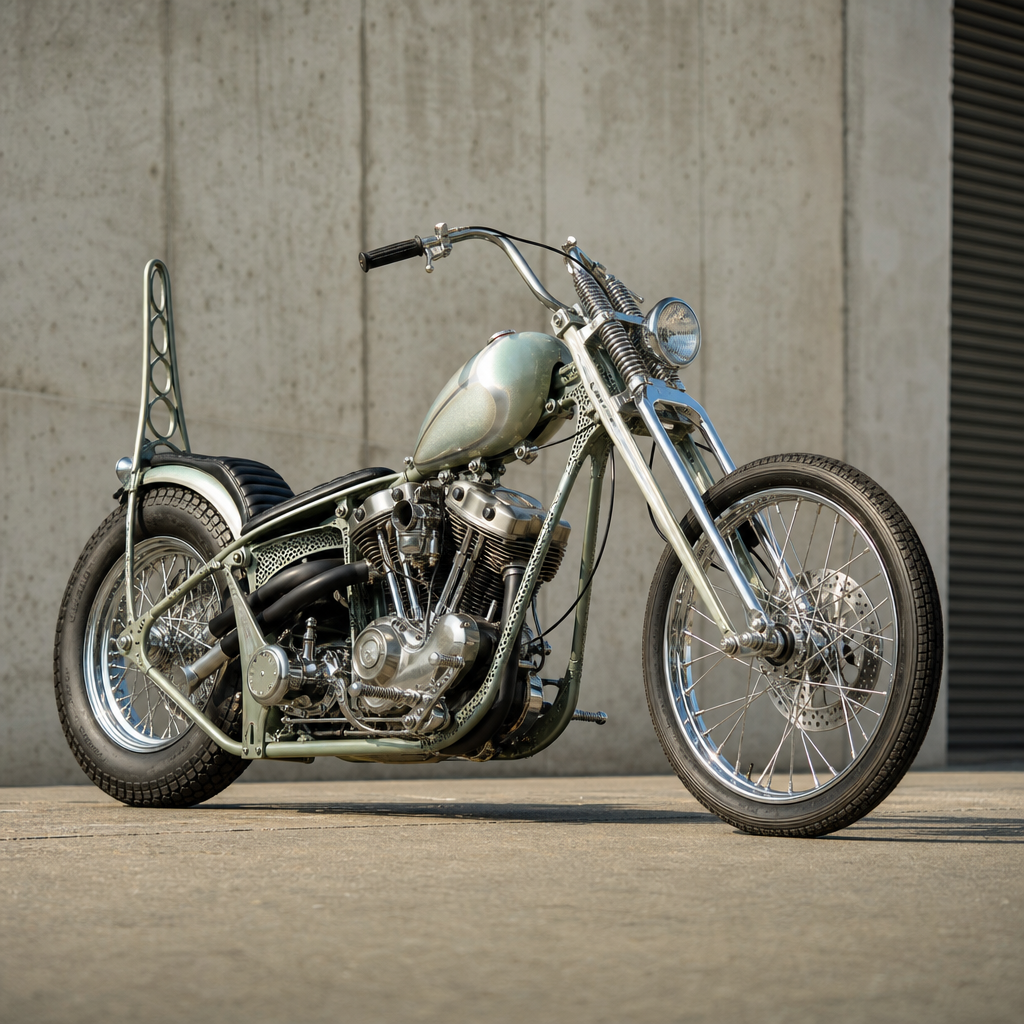
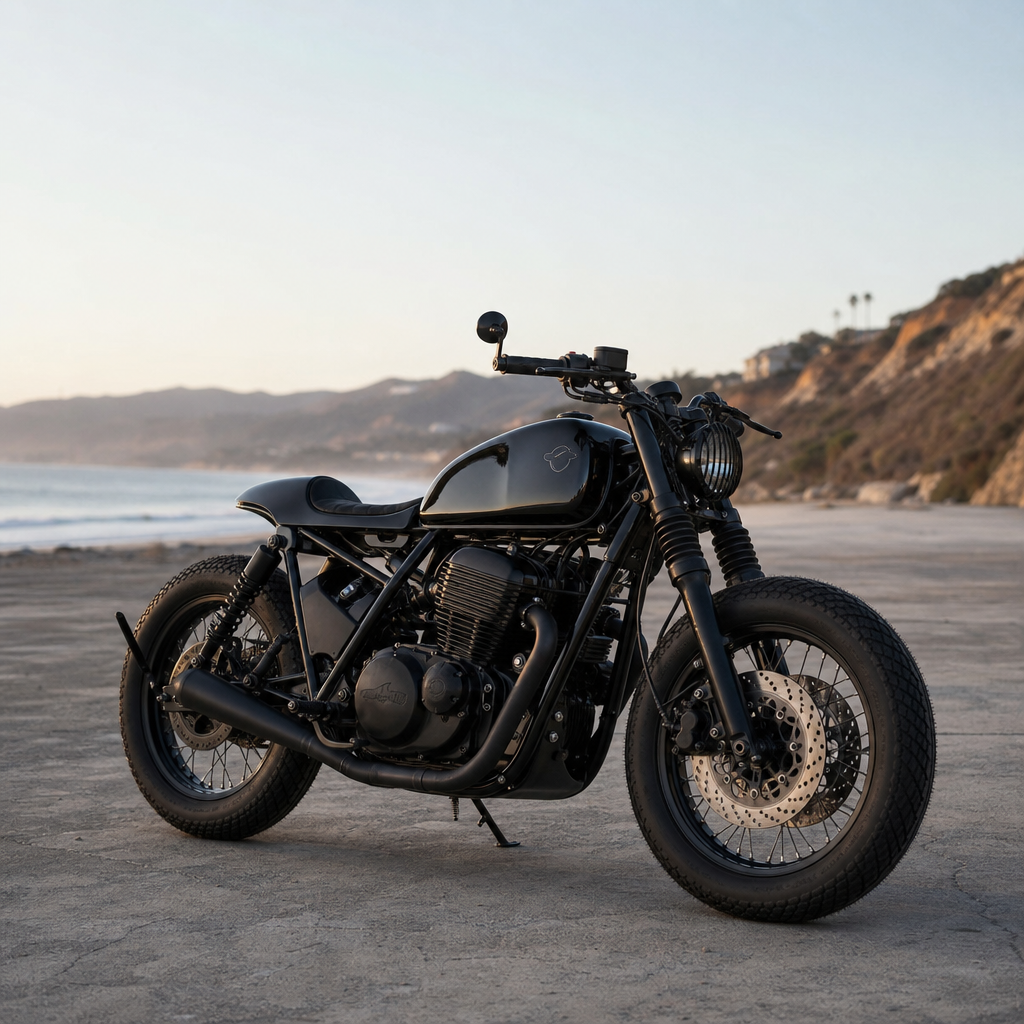
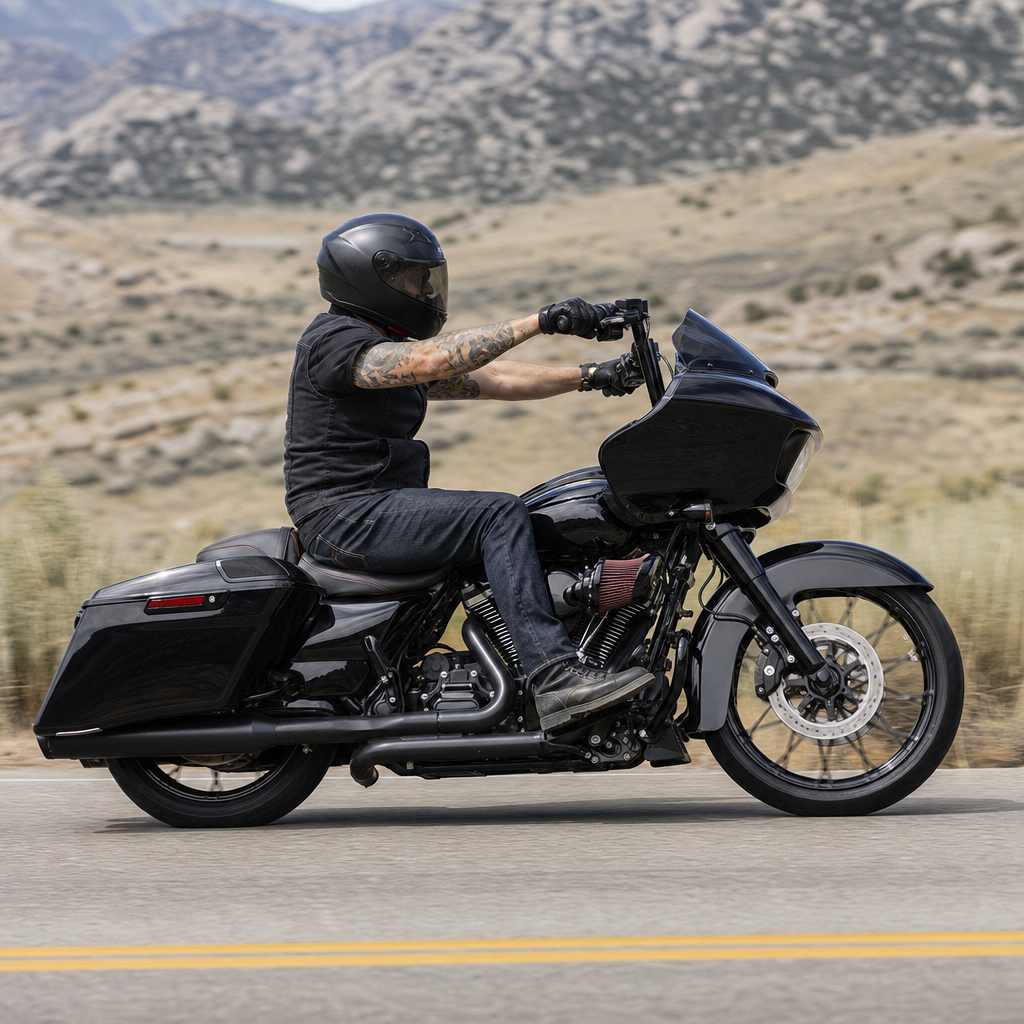
The Gila Monster Dual Sport & ADV Rally is best understood as a regional adventure riding basecamp event built around guided or self-guided day routes, community, and access to the Gila backcountry. In practical terms, that means riders typically stage from one host town or venue, check in, attend rider meetings, and spend one to three days riding loops that vary by bike size and difficulty. This format works well for travelers because it reduces the burden of carrying full camping gear on the bike every day, while still delivering meaningful mileage on dirt, gravel, and mixed terrain. It is ideal for riders on machines such as the KTM 500 EXC-F, Honda CRF300L, Suzuki DR-Z400, Yamaha Ténéré 700, KTM 890 Adventure, BMW F 850 GS, or even larger bikes if route selection is conservative. It is less suitable for street-oriented touring setups with limited suspension travel or 90/10 tires. The key distinction is that this is not simply a road tour with occasional gravel; riders should expect terrain that rewards off-pavement competence and disciplined preparation.
From experience, the most successful attendees are not always the fastest or most technical riders. They are the riders who match bike, tire, luggage, fuel range, and pace to the route sheet. For a rally in the Gila, that means planning around heat in lower elevations, cooler mornings in mountain zones, and afternoon storm development that can transform hardpack into slick surfaces quickly. It also means arriving with navigation tools already tested. If the organizers distribute GPX tracks, load them into a dedicated GPS unit such as a Garmin Zumo XT, Montana, or a proven phone app like Gaia GPS, OnX Offroad, or DMD2, and verify that the files display correctly before the rider meeting. The event fits independent riders who like self-sufficiency, small groups that want scenic challenge without race pressure, and travelers building a broader New Mexico adventure around a rally weekend.
August 2026 Timing: Weather, Seasonal Risks, and Why Arrival Strategy Matters
August in southwestern New Mexico is shaped by heat, elevation, and the North American monsoon. That combination defines the logistics more than any brochure description ever will. Daytime highs in lower valleys can be punishing, while forested mountain sections may feel dramatically cooler. Afternoon thunderstorms are common enough that riders should treat them as an operational factor, not a surprise. In the Gila, a route that is easy at 9 a.m. can become slick, rutted, or water-crossed by 3 p.m. if storms build. Lightning exposure in open areas is also real. The practical answer is simple: arrive early, ride early, and keep a weather-adjusted turnaround time. If the official rally dates run Friday through Sunday, I recommend arriving no later than Thursday afternoon. That extra buffer gives you time to unload, buy fuel and supplies, inspect tires after transport, and handle registration or tech requirements without rushing. It also protects your ride days if one travel segment runs late.
Altitude affects timing too. Riders coming from sea level often notice slower recovery, higher fatigue, and faster dehydration during the first day or two. Even if the host town is moderate in elevation, many rally routes climb into higher terrain. Build hydration and acclimation into your schedule instead of treating them as afterthoughts. Because August is also a busy travel month for families and regional visitors, lodging inventory can tighten earlier than many riders expect. Booking three to five months out is prudent for hotels and cabins, and campgrounds should be researched early because monsoon conditions can change site desirability. A riverside site that looks perfect in spring may be less appealing during a wet week. The timing lesson is consistent: treat the rally as a small expedition, not a casual weekend errand.
Core Logistics Checklist for Travel, Bike Setup, and Basecamp Planning
The logistics backbone of any dual sport or adventure rally can be broken into a few operational categories: transport to the event, bike readiness, navigation, personal gear, lodging, and emergency margin. Riders who haul bikes by truck or trailer should inspect tie-down points, wheel chocks, trailer bearings, spare straps, and lighting before departure. Riders who ride to the rally need a more disciplined luggage plan because they must balance highway comfort with dirt performance once on site. In either case, tires deserve special attention. A true 50/50 tire may be acceptable for a large ADV route in dry conditions, but if the forecast shows repeated storms, more aggressive tread is the safer choice. Tubes or tubeless repair supplies should match the wheel system actually on the bike, and every rider should know how to perform a field repair without internet access.
Fuel range is another major planning variable in New Mexico. I advise riders to verify realistic off-pavement range, not brochure range. A bike that can do 180 miles on pavement may drop significantly on rough dirt, in sand, or at sustained low speeds. For remote rally loops, 180 to 220 miles of practical range is a comfortable target unless organizers clearly state shorter fuel intervals. Personal gear should prioritize hydration capacity, rain protection, and temperature swings. A three-liter hydration bladder is standard for many riders, but in August I often recommend carrying additional electrolytes and a backup water bottle at camp or in the support vehicle. The best basecamp setups are intentionally simple: one secure place to sleep, one known breakfast option, a clear fuel routine each evening, and a charging plan for GPS units, phones, helmet comms, and battery packs.
| Logistics Area | Best Practice for Gila Rally Travel | Why It Matters |
|---|---|---|
| Arrival Timing | Reach basecamp one day early | Allows for registration, weather changes, and bike checks |
| Fuel Range | Plan for 180 to 220 miles practical range | Remote loops may exceed optimistic estimates |
| Navigation | Load GPX on primary and backup device | Cell service is inconsistent across the region |
| Tires | Use aggressive dual sport or ADV tread if storms are possible | Monsoon mud and loose surfaces punish street-biased tires |
| Hydration | Carry at least 3 liters on-bike plus electrolytes | Heat, altitude, and effort increase dehydration risk |
| Lodging | Book 3 to 5 months ahead | Small-town inventory can disappear around event weekends |
Building the Hub: How This Page Connects the Rally Calendar and Supporting Guides
As the hub for rally calendars and logistics, this page should help riders move from broad planning to detailed action. The first supporting cluster is event timing and regional sequencing. Many riders do not attend only one event; they string together rallies, scouting rides, or family travel around a primary weekend. A well-built calendar guide should show how the Gila Monster Rally fits relative to other late-summer Southwest events, major holiday traffic windows, school calendars, and the seasonal weather arc. The second cluster is destination logistics. That includes where to stage, whether to choose hotels or dispersed camping, how far nearby airports are for fly-and-ride support crew, and which towns offer dependable fuel, groceries, moto supplies, and cell connectivity. The third cluster is bike-specific prep: tire selection by bike class, tools, luggage systems, suspension setup for loaded riding, and maintenance intervals before a long tow or a thousand-mile ride-in approach.
Internal topic structure matters because user intent changes fast. One reader searches for “Gila Monster Dual Sport ADV Rally dates,” another needs “best hotel for trailer parking near Gila rally,” and another wants “New Mexico ADV rally fuel range.” A strong hub captures all of those intents and routes them to dedicated pages. In practice, I would support this page with articles on New Mexico monsoon riding strategy, a packing list for Southwest ADV rallies, host town lodging comparisons, transport and trailer checklists, GPS file workflows, and route difficulty guidance for different bike classes. The hub remains the master overview, while those articles answer narrower questions in full. That organization improves planning because riders can solve one problem at a time without losing sight of the full trip.
Route Planning in the Gila: Difficulty, Navigation, and Realistic Daily Mileage
Riders often make the same mistake in scenic regions: they calculate mileage using pavement assumptions. In the Gila, realistic daily mileage depends on surface quality, recent rain, elevation gain, gates, photo stops, wildlife, and group size. A 150-mile loop can be a relaxed scenic ride for one small group on light dual sports in dry weather, or a full-value day for larger ADV bikes after a wet night. Route grading should be honest. Easy does not mean beginner pavement; it usually means maintained gravel and dirt with manageable obstacles for a properly equipped rider. Moderate may involve rock, steeper climbs, washouts, deeper gravel, or longer no-service segments. Advanced often means one or more compounding factors: technical climbs, sand pockets, mud, exposure, or recovery difficulty if a bike goes down. That is why route notes matter as much as GPS lines.
For navigation, use a primary device and a backup. GPX files are only useful if riders understand track color, waypoint symbols, and offline basemaps. I have seen strong riders lose hours simply because a route was loaded incorrectly on a phone app. Before leaving home, test zoom levels, rerouting settings, battery draw, and glove usability. Download offline maps and carry paper notes if the organizer supplies them. Group protocol also matters. Set fuel stops, regroup points, and a hard decision time for route shortening if storms build. In remote terrain, discipline beats improvisation. The best ride plans leave margin for delays and still return to basecamp before fatigue undermines judgment.
Getting There and Staying There: Transport, Lodging, Camping, and Local Services
Travel logistics for the Gila Monster Rally begin with one question: are you hauling, riding in, or combining air travel with ground support? Hauling is the most common choice for riders traveling long distances because it preserves tires, saves energy, and makes it easier to carry spare wheels, tools, coolers, and camp gear. Riding in is attractive for regional riders, but it demands maintenance discipline and restraint in packing. If you arrive with worn tires or a chain near end of life, you have already reduced your rally options. For lodging, prioritize secure parking, trailer space, early breakfast access, and proximity to the start. Charming cabins and remote camp spots are appealing, but convenience often matters more during an event weekend. I have had excellent rally weekends in ordinary motels simply because they offered easy bike access, good lighting, ice, and a place to dry gear after storms.
Camping can be the best fit if you want cost control and a stronger social atmosphere, but only if your weather plan is sound. August rain can expose weaknesses in tents, sleeping systems, and vehicle organization quickly. If you camp, elevate gear off the ground, protect charging equipment, and know where the nearest indoor fallback lodging is located. Local services should be mapped before you roll into town: fuel stations with reliable hours, grocery stores, pharmacies, laundromats, and any nearby motorcycle shops or tire services. In small towns, a single closed gas station can force a major route change. The riders who enjoy these events most are the ones who reduce uncertainty before the first engine start.
Final Planning Advice for August 2026
The Gila Monster Dual Sport & ADV Rally (NM, Aug 2026) should be approached as a destination event that rewards early planning, disciplined logistics, and honest route selection. The essentials are straightforward: arrive a day early, book lodging months ahead, confirm practical fuel range, prepare for heat and afternoon storms, and load navigation files on tested devices. From there, the rally becomes an ideal hub for a bigger New Mexico trip, whether that means adding scenic pavement, extra dirt days, or family travel around the event. The Gila region offers the kind of riding people remember for years, but it asks for respect. Weather changes fast, services are spread out, and tired riders make poor decisions in remote country.
Use this page as your anchor for the full rally calendars and logistics topic. Start here for the event overview, then move into detailed planning articles on route difficulty, lodging, packing, transport, and navigation. If you are considering the rally now, make your first three moves simple: reserve your dates, assess your bike setup honestly, and build a written logistics checklist. That process will save money, reduce risk, and make the ride better from the first mile to the last.
Frequently Asked Questions
What is the Gila Monster Dual Sport & ADV Rally (NM, Aug 2026), and why is it useful as a planning hub instead of just an event listing?
The Gila Monster Dual Sport & ADV Rally (NM, Aug 2026) should be viewed as a trip-planning anchor, not merely a date on a calendar. For riders building a late-summer New Mexico ride, the value goes beyond knowing when the rally happens. It helps connect the full decision-making chain: when to arrive, how many days to reserve, whether to combine the rally with other regional events, what kind of bike setup makes sense, and how weather and route conditions may influence your schedule. In that sense, it functions as a central planning reference for timing, travel flow, and ride expectations.
That broader role matters because dual sport and ADV riders rarely plan around a single checkpoint. They plan around windows. Those windows include route viability, monsoon-season weather patterns, daylight hours, fuel availability, lodging capacity, and the time needed to move between destinations in New Mexico and the surrounding Southwest. A strong rally reference helps riders understand the sequence of decisions rather than forcing them to piece everything together from scattered sources.
It is also especially useful for comparing priorities. Some riders want the rally to be the main objective. Others want it to serve as the midpoint of a longer backcountry trip. Still others may be deciding whether to trailer in, ride in from another state, or use the event as a launch point for a multi-day loop. A good planning hub supports all three approaches by organizing the basics clearly: dates, registration timing, route expectations, travel-day assumptions, and the local realities that can affect a ride in August.
How should riders use the rally calendar to plan a late-summer New Mexico trip around the August 2026 event?
Use the rally calendar as a sequencing tool, not just a date reminder. Start with the event dates for the Gila Monster Dual Sport & ADV Rally, then work backward and forward. Backward planning helps you determine registration deadlines, travel departure dates, lodging lead time, bike prep windows, and any time needed to adapt to elevation or recover from a long haul. Forward planning helps you decide whether to stay after the rally for additional riding, connect to another regional event, or build in contingency days for weather or route changes.
For New Mexico in August, timing matters because late summer can bring heat at lower elevations and monsoon activity in many riding areas. That means the best plan is rarely the one with the tightest margins. A smart calendar approach includes buffer days. For example, if you intend to ride to the event rather than haul the bike, add enough time to absorb storms, construction, fatigue, or a mechanical issue without risking a late arrival. If you are combining the rally with backcountry travel, look closely at the order of your route segments so the most weather-sensitive sections are not forced into the wrong day.
The calendar is also where riders can evaluate event relationships. If there are other dual sport, ADV, or regional riding opportunities before or after the rally, look at mileage, terrain type, and recovery needs between them. A back-to-back plan can work well if the events complement each other geographically and physically, but it becomes unrealistic if each one assumes different bike setups, tire choices, or support expectations. In short, the calendar helps you answer the practical question every experienced rider asks: not just “Can I make it?” but “Can I make it comfortably, legally, safely, and with enough flexibility to actually enjoy the trip?”
What logistics should riders think through before registering for the Gila Monster Dual Sport & ADV Rally?
Before registering, focus on the operational details that determine whether the trip will be smooth or stressful. Registration itself is only one piece. Riders should also consider lodging availability, camping options if relevant, fuel strategy, transport method, mechanical readiness, and how much self-sufficiency the rally expects. In a destination-oriented event, especially one tied to dual sport and ADV travel, the strongest plans are built around the entire support chain, not just the entry form.
Start with where you will sleep and where you will stage from. If the rally area has limited rooms or popular accommodations, book early once your plan is reasonably firm. If you are camping, confirm whether the site fits your setup, whether weather can affect access, and what services are available nearby. Then evaluate your arrival method. Trailering can simplify packing and spare-parts transport, while riding in may better suit riders treating the rally as one chapter of a longer adventure. Either way, confirm parking, unloading, security, and fuel access in the area.
Next, think through bike and rider readiness. August conditions in New Mexico can vary dramatically with altitude, exposure, and storms, so tires, cooling system condition, battery health, chain and sprocket life, brake wear, and hydration capacity all deserve attention. Navigation is another major logistics category. Even if the rally provides guidance or routes, riders should know what devices they will use, whether they have offline maps, and how they will handle low-cell-service areas. It is equally smart to define your personal ride envelope in advance: how technical you want your routes to be, how long you want your days to run, and whether you are traveling solo or coordinating with a group. Those decisions shape everything from luggage to tire pressure to daily fuel margins.
Finally, leave room for administrative details. Depending on route location and land-use context, permit considerations, access rules, fire restrictions, and seasonal closures may affect surrounding ride plans even if the core event proceeds normally. Riders using the rally as a broader New Mexico travel hub should confirm current conditions from official sources close to departure rather than relying only on older trip reports or assumptions.
What weather, route, and permit considerations matter most for an August dual sport or ADV trip in New Mexico?
For an August trip in New Mexico, the biggest planning variables are heat, elevation, monsoon-driven storms, and route surface changes. A route that looks routine on a map can become significantly more demanding after rain, especially if sections include clay, ruts, wash crossings, or remote two-track. Riders should expect that afternoon weather can alter traction, visibility, pace, and total daily mileage. That does not mean August is a poor time to ride. It means riders should build flexible plans and avoid treating best-case conditions as guaranteed conditions.
Elevation and geography are equally important. New Mexico offers substantial variation over relatively short distances, which means one segment may feel hot and exposed while another is cooler, greener, and slower due to terrain. As a result, gear and route planning need to reflect range, not averages. Hydration, sun exposure management, and realistic fuel planning become especially important when a route crosses remote areas with limited services. Riders should also think about start times carefully. Earlier departures can help avoid peak heat and leave more room to adapt if storms build later in the day.
Permit and access considerations should never be an afterthought. Depending on where you ride before or after the rally, you may encounter public land rules, seasonal restrictions, wildlife-area limitations, fire-related closures, or route changes tied to road conditions. If the rally itself provides route guidance, that helps, but riders extending the trip should still verify current access with the relevant land managers or official notices. The key point is simple: maps show possibility, but permits, closures, and current conditions determine reality. Good planning means confirming both.
A useful rule for August New Mexico travel is to keep plans modular. Instead of depending on one fixed route that must go perfectly, create primary and backup options based on weather, daylight, and rider energy. That approach makes the trip more resilient and usually more enjoyable, especially in a region where the best decision may be adapting to what the day is actually doing rather than forcing a plan built weeks earlier.
How can riders decide whether the Gila Monster Dual Sport & ADV Rally fits their bike, skill level, and overall trip goals?
The best way to decide is to evaluate fit across three areas: machine suitability, rider comfort level, and trip purpose. For the bike, the main question is not whether your motorcycle technically qualifies as dual sport or ADV, but whether it matches the expected terrain, fuel range, luggage plan, and pace you want to maintain. A lightweight dual sport may be ideal for more technical riding and easier recovery in rough sections, while a larger ADV bike may be more comfortable for long-distance highway travel into and out of New Mexico. Neither is automatically better; the right choice depends on where you want your compromise to be.
For rider skill level, be honest about what kind of challenge you enjoy rather than what you think you should be able to do. Many riders can handle difficult terrain for short stretches, but that is very different from managing repeated rough sections over a full day in heat, elevation, or changing weather. If the rally is part of a multi-day trip, energy management matters as much as peak skill. A route that is “possible” may still be a poor fit if it leaves you too fatigued to enjoy the rest of the event or the surrounding ride days. A strong trip plan should match your sustainable pace, not your best five-minute performance.
Your broader trip goals may be the deciding factor. If your objective is community, regional exploration,