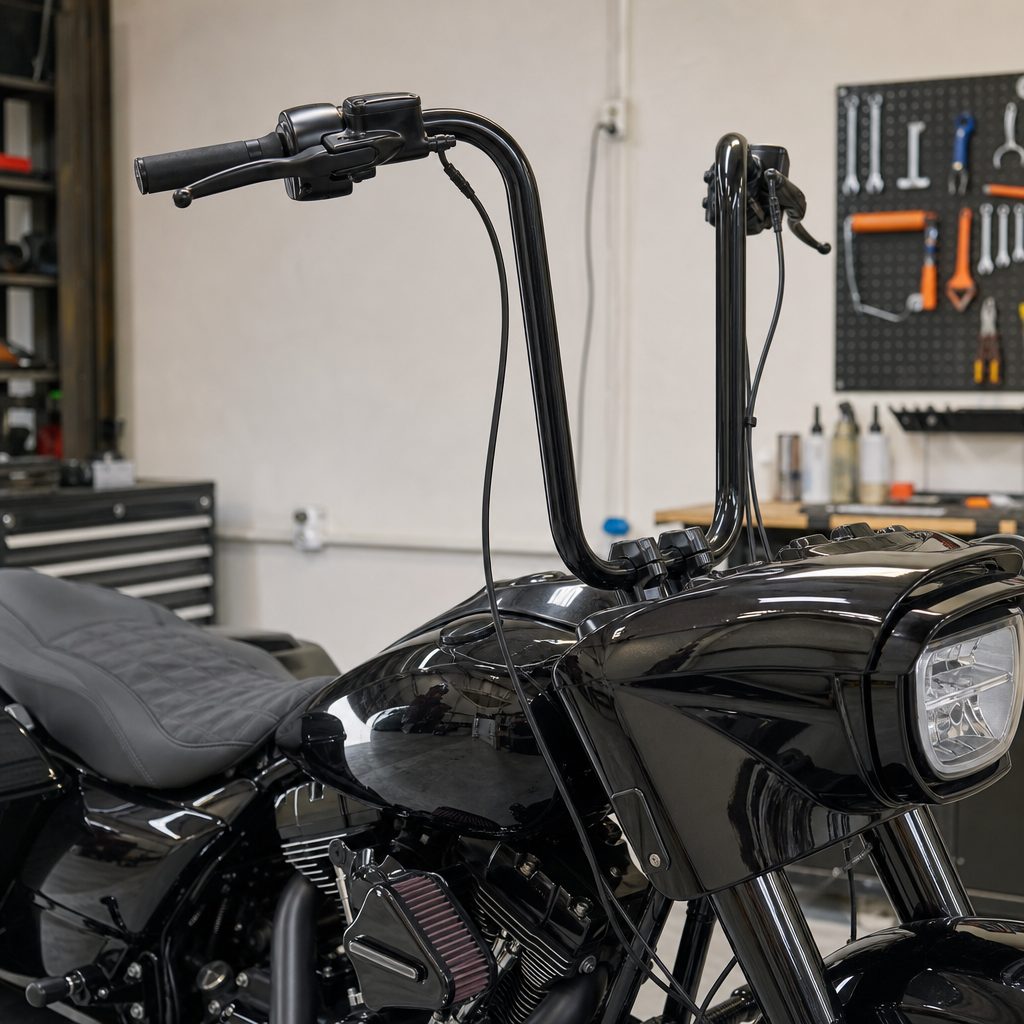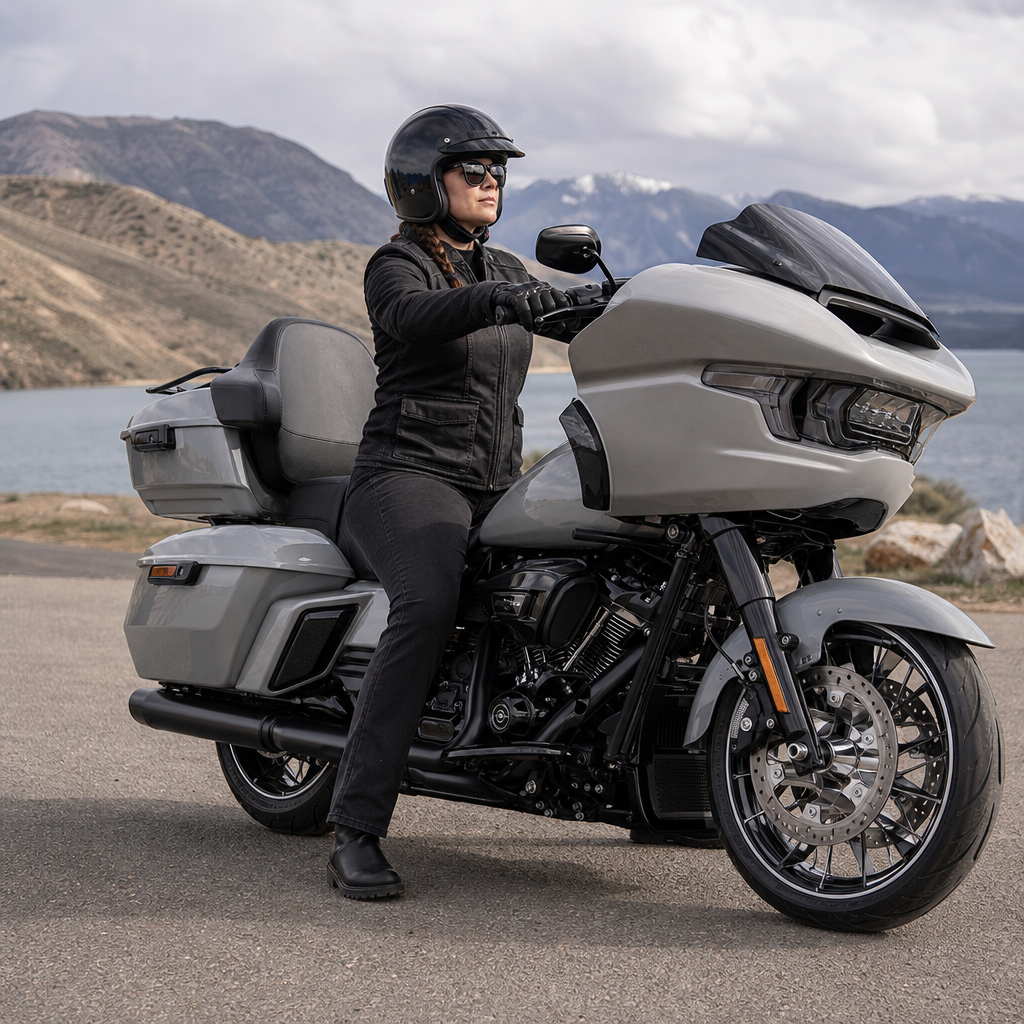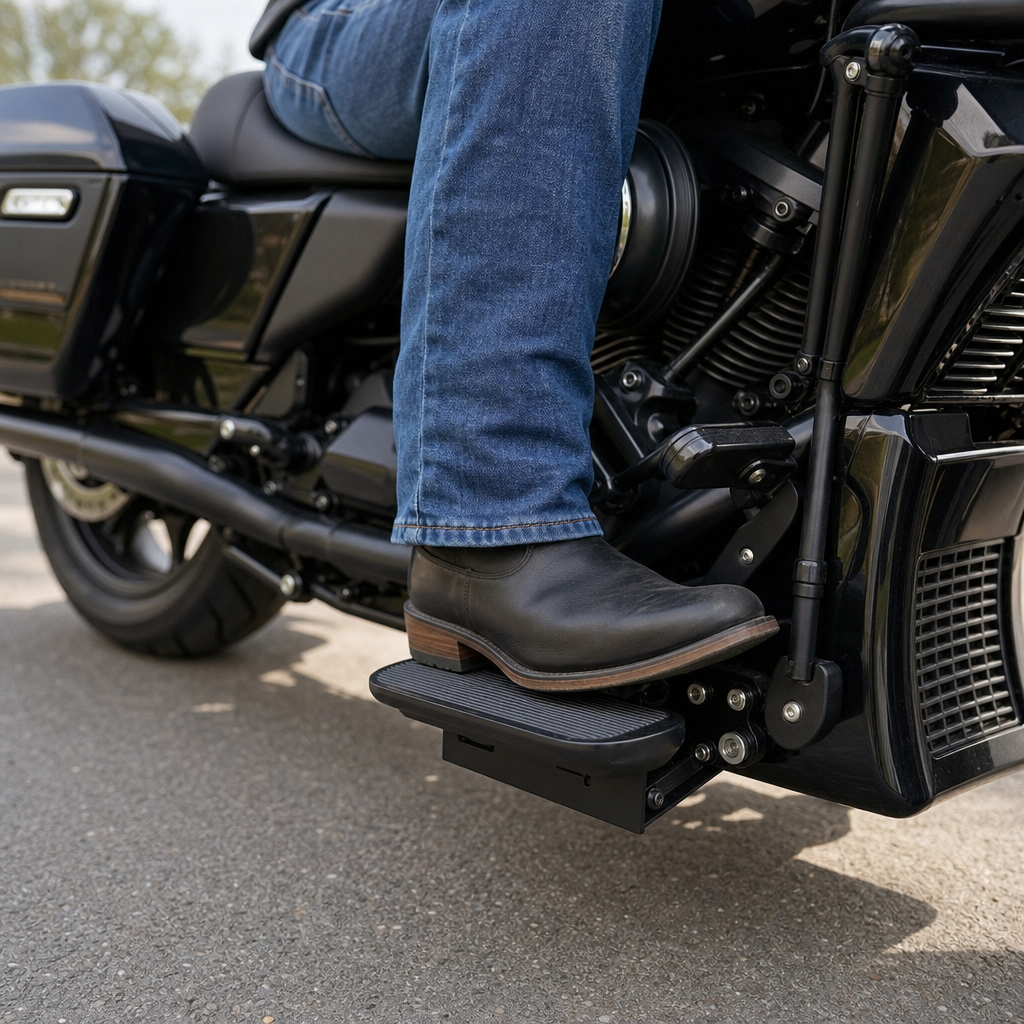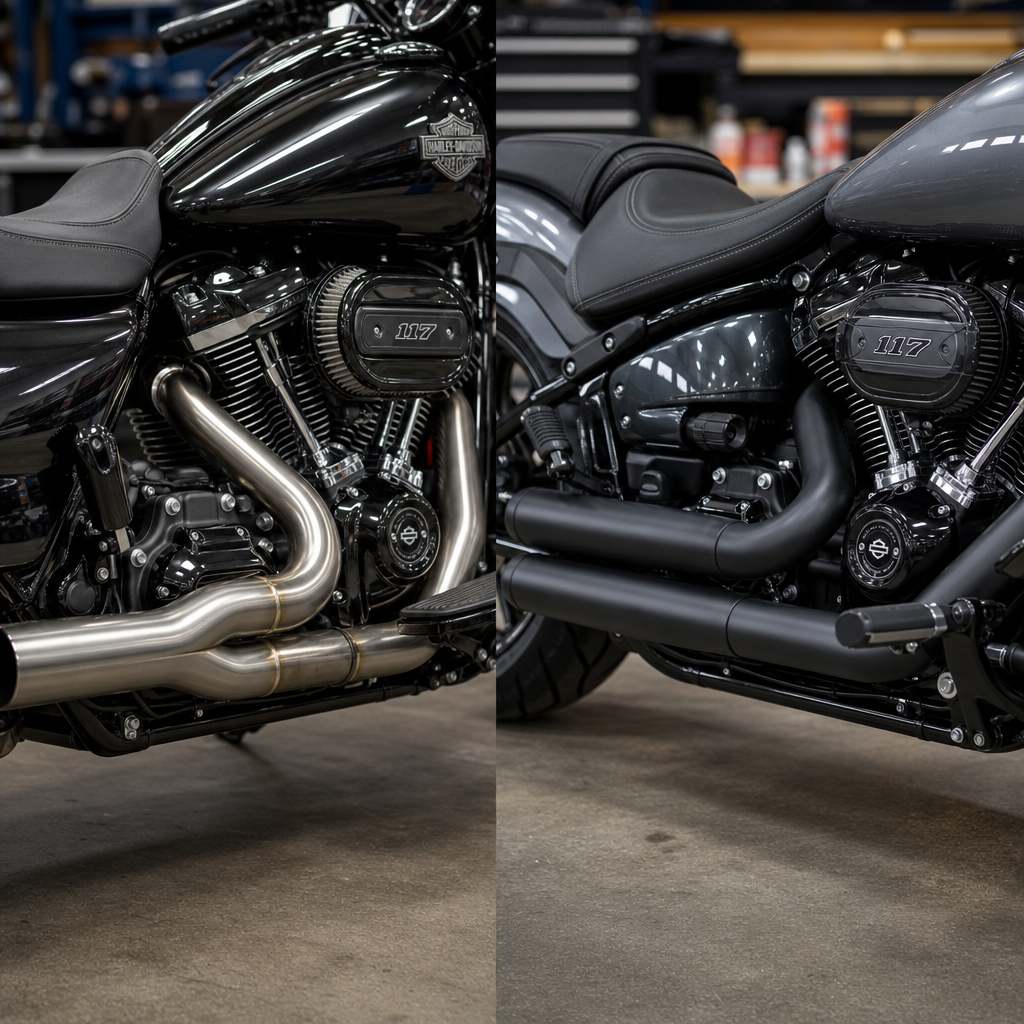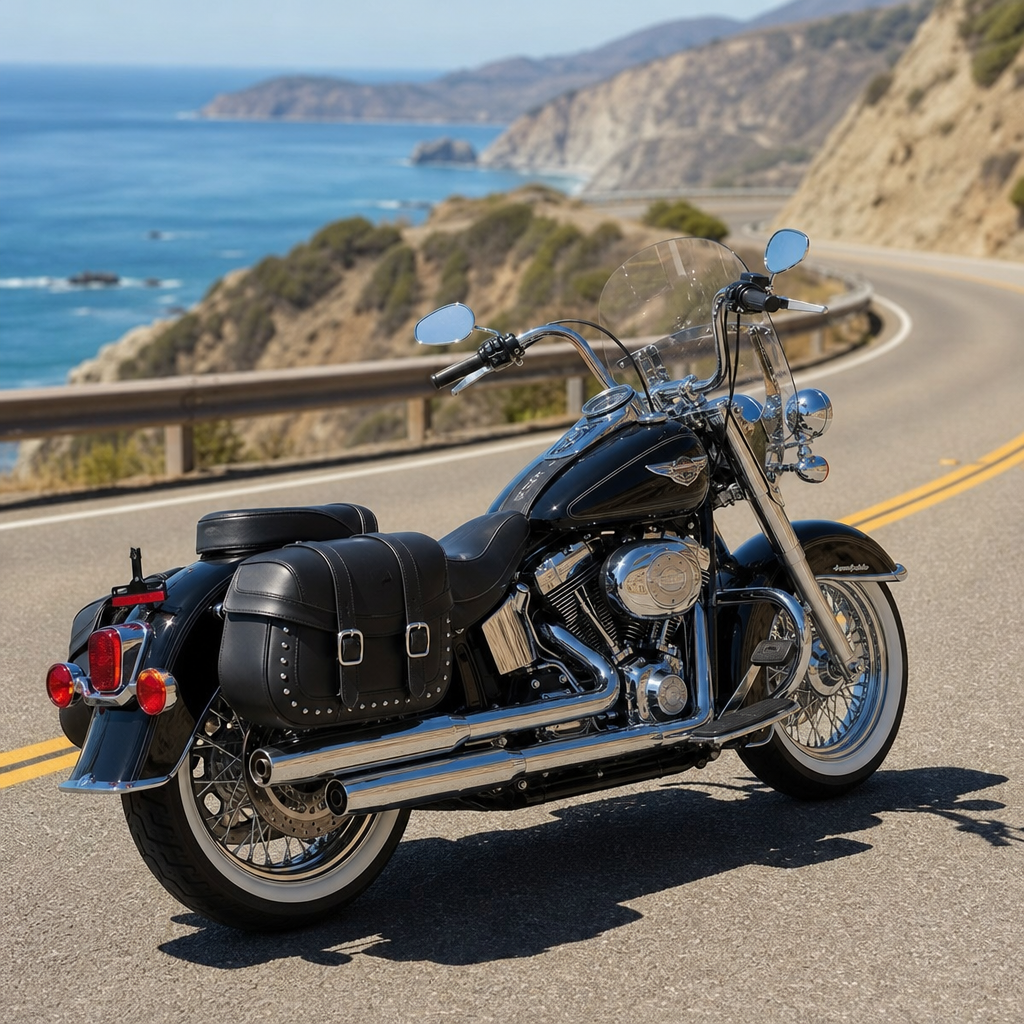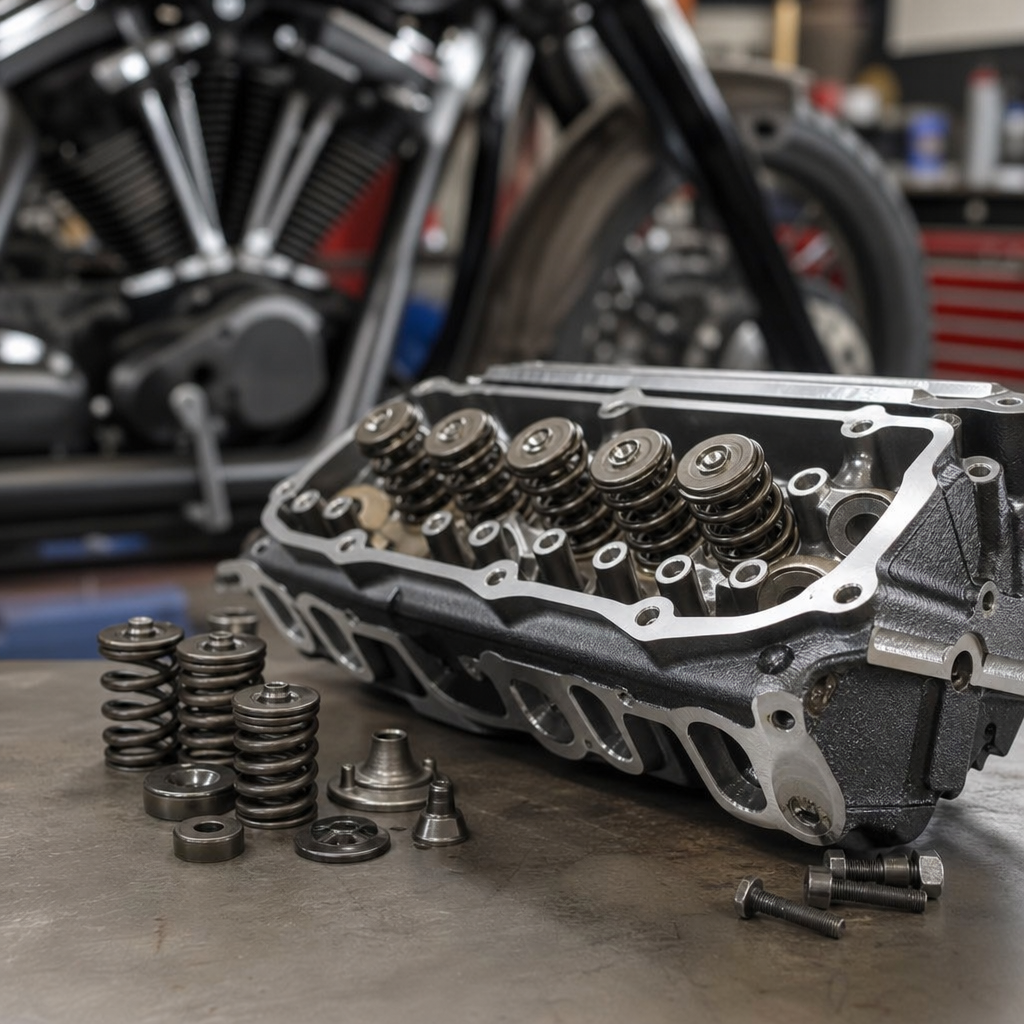
Milwaukee-Eight owners chasing dependable power in 2027 keep circling back to one component set that decides whether a cam, headwork, and rev target actually work together: the valve spring package. In practical terms, a Milwaukee-Eight valve spring recipe is the matched combination of springs, retainers, locks, installed height, seat pressure, open pressure, coil-bind clearance, and valve-to-seal clearance chosen for a specific engine build. I have assembled and corrected enough M8 top ends to say this plainly: most disappointing performance results come from mismatched parts, not from a lack of expensive parts. A spring that is too soft lets the valve loft and bounce. A spring that is too aggressive beats up guides, lifters, and cam lobes. Getting the recipe right matters because 2027-era high-performance builds are more varied than ever, from baggers needing heat control and rideable torque to touring trikes carrying passenger weight, and from Low Rider ST builds prioritizing midrange punch to Road Glide race-inspired combinations targeting higher rpm stability. This hub article explains how to choose a valve spring recipe by model, riding position, and power goal so every related Harley-Davidson ergonomics and performance guide has a clear technical foundation.
The term recipe matters because no valve spring decision stands alone. Seat height, bar reach, floorboard or mid-control position, fairing protection, luggage load, gearing, and total vehicle mass all change how a rider uses the powerband. That is why model-specific ergonomics belong in the same conversation as cam timing and spring pressure. A Street Glide ridden two-up for six-hour highway days needs instant roll-on torque and low maintenance stress, not a peaky setup that only rewards wide-open throttle. A performance cruiser with mids and a more aggressive hip angle can tolerate a narrower, higher-rpm powerband because the rider naturally uses body position and shorter bursts of acceleration. When I map out a build sheet, I start with how the motorcycle is actually ridden, then back into the spring recipe required to control the valve motion created by the chosen cam profile and rpm ceiling. The result is a build that feels intentional rather than random.
What a Milwaukee-Eight valve spring recipe includes
A correct Milwaukee-Eight valve spring recipe starts with the cam card and the real measured dimensions of the cylinder head, not catalog assumptions. You need the valve lift at the valve, recommended installed height, target seat pressure, target open pressure, retainer type, lock angle, and the minimum safe margins for coil bind and retainer-to-seal clearance. On most serious M8 builds, that also means confirming pushrod setup, rocker geometry, lifter condition, and whether the heads use stock valves or longer valves that change installed height. The common mistake is buying springs rated for a lift number and assuming they are automatically correct. Lift rating alone tells you almost nothing about how the spring will behave across the rpm range. Rate, pressure curve, and harmonics matter as much as max-lift clearance.
For a modern Milwaukee-Eight, the practical targets vary by use case. A strong torque street build often wants enough seat pressure to keep the valve stable through fast opening ramps without creating excessive friction and heat. A more aggressive build with a higher rev ceiling may need additional open pressure and lighter retainers to control inertia at speed. Beehive springs remain popular because they reduce retainer mass and can improve stability without brute-force pressure. Dual springs appear in more extreme applications, but they add complexity and require careful setup because bind, pocket clearance, and guide clearance become less forgiving. The standard that matters is measurement. Installed height micrometers, spring testers, and dial indicators are not optional if you expect repeatable results.
Why model-specific ergonomics change the best performance recipe
Harley-Davidson owners often separate comfort upgrades from engine work, but on Milwaukee-Eight motorcycles the smarter approach is to combine them. Ergonomics determine throttle behavior. A rider stretched to mini-apes and forward controls on a heavier touring chassis usually prefers a broad torque curve between roughly 2,500 and 4,500 rpm because that is where passing, merging, and loaded hill climbing happen. A rider on a Low Rider S or ST with mids, firmer suspension, and a more commanding torso angle can keep the engine in a more aggressive section of the map and tolerate a cam that wants rpm. That difference flows directly into valve spring requirements because the camshaft choice changes valve acceleration, overlap behavior, and safe operating speed.
Weight distribution matters too. A Road Glide Limited carrying trunk weight, passenger weight, audio equipment, and highway gear asks the engine for sustained load carrying, especially in hot weather. In those builds, the best spring recipe supports a torque-focused cam and conservative rpm limit, keeping valvetrain stress in check while preserving reliability on long trips. By contrast, a stripped Road Glide performance bagger used for canyon riding and hard launches may justify more spring and a lighter valvetrain package because it will repeatedly see faster rpm rise and deceleration into corners. Ergonomics are not cosmetic here; they shape duty cycle, and duty cycle determines the right mechanical recipe.
Core valve spring recipes for common 2027 Milwaukee-Eight build types
The most useful way to organize a sub-pillar hub is by build intent. Below is the framework I use when planning model-specific M8 combinations. It is not a substitute for measuring your own heads and reading your cam manufacturer’s specifications, but it shows how spring choice, riding ergonomics, and performance goals align.
| Build type | Typical models | Ergonomic use case | Valve spring recipe direction | Performance goal |
|---|---|---|---|---|
| Torque touring | Street Glide, Road Glide, Ultra Limited | Long-distance, passenger, luggage, floorboards | Moderate seat/open pressure, beehive spring, conservative lift margins | Strong roll-on from 2,500 to 4,500 rpm |
| Performance bagger | Road Glide, Street Glide | Aggressive cornering, hard acceleration, reduced weight | Higher control at rpm, lightweight retainers, stricter measurement | Stable pull through midrange and upper rpm |
| Club-style cruiser | Low Rider S, Low Rider ST, Sport Glide | Mids, active body position, shorter bursts | Spring matched to faster ramp cam, attention to guide clearance | Crisp response and punchy midrange |
| Big-inch stroker | Modified touring or cruiser chassis | High cylinder fill, stronger acceleration, custom gearing | Premium springs, exact installed height, often upgraded valves and retainers | Maintain control with increased lift and cylinder pressure |
| Reliability-first daily rider | Softail Standard, Heritage, Road King | Mixed commuting and weekend highway miles | Near-stock stress level, minimal unnecessary spring pressure | Useful torque with low wear and easy service life |
For torque touring, I favor recipes that prioritize stability without over-springing the system. Many owners are better served by a modest cam, accurate installed height, quality beehive springs, and titanium or chromoly retainers from established suppliers such as TMan Performance, S&S Cycle, Star Racing, Feuling, or Brian Tooley Racing where compatibility is documented. For performance baggers, the spring recipe must account for faster rpm transitions and often a slightly higher shift strategy. That does not automatically mean the highest pressure available. It means choosing enough control for the actual valve mass and lobe acceleration while keeping lifter and guide loads sensible.
Best practices for measuring, selecting, and installing springs
Any serious Milwaukee-Eight build should follow a repeatable inspection and measurement sequence. First, verify actual valve lift with the chosen rocker ratio and cam. Second, measure installed height on every valve, because production heads and prior machine work vary. Third, test spring pressure at installed height and at net lift, not just catalog values. Fourth, confirm coil-bind clearance and retainer-to-seal clearance with a safety margin suitable for a hot running engine at real rpm. Fifth, inspect valve guide condition, stem wear, keepers, and retainer fit. Sixth, confirm pushrod length or adjustable pushrod setting so preload does not create false valvetrain behavior during diagnosis.
This is where many home builds go sideways. A builder may install a cam marketed for easy power, yet overlook the fact that a resurfaced head reduced installed height enough to raise seat pressure beyond the intended range. Now the engine runs hotter, the valvetrain is noisier, and component life suffers. The opposite also happens when aftermarket valves change stem height and lower effective pressure. The engine pulls fine at first, then noses over or flutters near the top of the gear because the valves are no longer controlled. Precision tools like a Rimac-style spring tester, height mic, dial indicator, and checking springs are cheaper than tearing down a damaged top end.
Material quality also matters. Retainers should be matched to the spring design and lock angle. Keepers must seat fully and consistently. Valve seals need the right outside diameter and height for the guide. Lubrication and assembly cleanliness are not minor details; a single burr or mis-seated lock can create a failure that looks like a bad spring but is really an installation error. When I build an M8 top end, every valve position gets recorded measurements. That record makes future service and troubleshooting far easier.
How this hub connects ergonomics with Harley-Davidson model planning
As a sub-pillar hub under Harley-Davidson, this page is meant to guide owners toward the right recipe rather than pretend one combination fits every bike. The related articles in this cluster should break down Road Glide ergonomics and cam strategy, Street Glide touring torque recipes, Low Rider ST mid-control performance setups, Heritage and Road King daily-rider combinations, and big-inch M8 top-end planning. Internal cross-linking between those pages works because the core decision model stays the same: define rider position, load, typical speed range, desired throttle feel, and realistic maintenance tolerance, then match the valve spring recipe to the cam and cylinder head package.
For example, a Road King owner with a neutral upright posture, detachable windshield, and regular two-lane riding often wants a broad, quiet engine with immediate throttle response and long service intervals. That combination usually points to moderate lift, moderate spring pressure, and careful heat management. A Low Rider ST owner running mids, taller rear suspension, and spirited backroad riding may accept more mechanical edge in exchange for faster rev pickup and stronger pull through the midrange. The page cluster built around this hub should help readers recognize themselves in those scenarios and choose parts accordingly.
Common mistakes, reliability limits, and what to do next
The biggest mistake in Milwaukee-Eight high-performance builds for 2027 is treating valve springs as an accessory instead of a control system. Springs do not make power by themselves; they allow the cam, valves, and combustion package to deliver repeatable power safely. Overspringing is as real a problem as underspringing. Excess pressure raises friction, increases contact stress, and can accelerate wear on lifters, rocker tips, valve stems, and guides. Underspringing invites valve float, bounce, unstable tuning, and in severe cases piston-to-valve contact. The correct answer is always the measured answer.
Another mistake is ignoring the rest of the system. Intake flow, exhaust backpressure, compression ratio, tune quality, oil temperature, and rev limiter settings all affect what the valvetrain experiences. Even riding environment matters. Desert touring with loaded saddlebags creates a different heat and load profile than short, cool-weather weekend blasts. There is also no shame in choosing a milder recipe. Many of the fastest, most satisfying street Harleys I have ridden were not the ones with the most radical spec sheets; they were the ones with balanced combinations that matched chassis, ergonomics, and use case.
The key takeaway is simple. A Milwaukee-Eight valve spring recipe should be selected by model, rider ergonomics, load, cam profile, and measured cylinder-head geometry, not by marketing language. If you are planning a 2027 build, start by documenting how you ride, what rpm range you actually use, and what maintenance level you are willing to support. Then use that information to choose a spring package that controls the valves without imposing unnecessary stress. From there, explore the related Harley-Davidson model-specific ergonomics and performance recipe guides linked from this hub, compare your bike to the closest use case, and build a combination that feels fast, durable, and truly designed for you.
Frequently Asked Questions
What does a Milwaukee-Eight valve spring recipe actually include in a high-performance 2027 build?
A proper Milwaukee-Eight valve spring recipe is not just “a set of springs.” It is the complete combination of springs, retainers, locks, installed height, seat pressure, open pressure, net valve lift, coil-bind clearance, retainer-to-seal clearance, and the rocker geometry those parts must live with. In other words, it is the exact valve control package that lets the camshaft, cylinder head flow, rpm target, and intended riding style work together without beating up the valvetrain. For a dependable street or street/strip M8 in 2027, the goal is not to chase the biggest pressure number on a spec sheet. The goal is stable valve motion, predictable durability, and enough margin that the engine can survive heat cycles, long pulls, and real-world miles.
That matters because the Milwaukee-Eight responds strongly to cam changes and headwork, but the top end becomes unforgiving when parts are mixed without measuring. A spring that looks right on paper can still be wrong if the installed height is off, the retainer changes the actual numbers, or the guide and seal relationship is tighter than expected. The right recipe always starts with the actual cam lift at the valve, not just advertised cam specs. From there, you match a spring package that provides the right seat pressure to control the valve at closing and enough open pressure to prevent instability as rpm climbs, while still staying clear of coil bind and maintaining valve-to-seal clearance.
In practical M8 builds, the recipe also has to account for whether you are using stock valves, oversized valves, aftermarket heads, a torque-oriented cam, or a more aggressive setup meant to carry power higher in the rev range. A heavy valve and retainer package may need more control than a lighter setup. Likewise, a bagger that spends its life in hot weather and under load may benefit from a different margin strategy than a short-burst performance bike. The best recipe is always build-specific, measured at assembly, and confirmed against the real dimensions of that engine rather than assumed from catalog claims.
How do you choose the right seat pressure and open pressure for a Milwaukee-Eight valve spring package?
The right pressures depend on three things first: cam lobe aggressiveness, net valve lift, and intended rpm range. Seat pressure is what helps keep the valve following the cam as it closes and prevents bounce at the seat. Open pressure is what resists loft and instability when the valve is near max lift and the valvetrain is working hardest. On a Milwaukee-Eight, this balance is especially important because many riders want strong midrange torque with reliable upper-rpm pull, and those goals can conflict if the spring package is too light or unnecessarily heavy.
If seat pressure is too low, the engine may run fine at casual pace but lose control as rpm climbs, especially with a more aggressive cam ramp. That can show up as valve float, bounce, unstable power, or accelerated wear. If open pressure is too low, the spring may not keep the valvetrain planted at high lift and high speed. On the other hand, if the spring pressures are too high, you can create a different set of problems: unnecessary lifter stress, increased guide wear, more heat, reduced roller and rocker life, and a top end that is technically “controlled” but less durable over time. That is why experienced M8 builders do not treat higher pressure as automatically better.
For a dependable 2027 performance recipe, pressure selection should follow the cam manufacturer’s requirements but never stop there. Those requirements must be checked against your actual installed height and your real assembled pressures, because a spring’s behavior changes with setup. Two seemingly identical builds can end up with different pressure numbers due to seat machining, valve job changes, retainer design, or production variation. The smart approach is to use the cam specs as the starting point, measure the spring at installed height, calculate the pressure at net lift, and verify that the package gives enough control for the rpm target with a safety margin. That measured approach is what separates a reliable M8 top end from one that only works on paper.
Why are installed height, coil-bind clearance, and valve-to-seal clearance so critical on Milwaukee-Eight builds?
Because those dimensions determine whether the spring package physically has room to do its job. Installed height is the starting height of the spring when the valve is closed. That height directly affects seat pressure and changes everything downstream. If installed height is shorter than intended, pressures rise and available travel shrinks. If it is taller, pressures drop and control may suffer. You cannot assume the head, valves, retainers, and locks will magically produce the catalog number. Every serious Milwaukee-Eight top end needs to be measured and corrected as assembled.
Coil-bind clearance is the minimum remaining distance before the spring compresses solid at max valve lift. If that clearance is insufficient, the spring can go into bind or run too close to it under real operating conditions. That is a fast way to damage springs, retainers, valves, guides, and other top-end components. In a high-performance M8, where lift numbers and spring loads are often pushed beyond stock territory, coil-bind margin is not optional. It has to be checked at the actual net lift the valve sees, not just the theoretical cam card number, and it needs enough safety cushion to account for heat, tolerance stack, and real use.
Valve-to-seal clearance is just as important and often overlooked by people focused only on pressure specs. As the retainer moves down with the valve at full lift, it must stay clear of the valve seal and guide area. If that clearance is too tight, the retainer can contact the seal, destroy it, and start a chain of oil control problems and mechanical damage. In some cases, aftermarket cams, different retainers, or valve job changes move the geometry enough that a once-safe setup becomes marginal. That is why a true Milwaukee-Eight valve spring recipe always includes physical mock-up and measurement. You are not just selecting spring numbers; you are validating that the entire moving system has the correct room, pressure, and travel to survive at the engine’s intended performance level.
Can you reuse stock Milwaukee-Eight springs and hardware with a performance cam, or is a full upgraded package usually the better move?
That depends on the cam profile, net lift, rpm target, and how hard the bike will be used, but in most serious 2027 high-performance Milwaukee-Eight builds, a matched upgraded package is the safer decision. Stock springs may be acceptable with some mild cam choices that stay within the factory control window, but once lift, ramp speed, and rpm demands rise, the stock package often becomes the limiting factor. The issue is not just whether the engine runs. The question is whether it maintains valve control consistently under heat, load, and mileage without quietly shortening the life of the rest of the valvetrain.
Reusing stock hardware can also create hidden mismatches. Factory retainers, locks, and installed heights may not deliver the pressure your cam really needs. Even if the spring technically fits, it may not have the correct open load at your actual lift, or it may leave inadequate coil-bind or retainer-to-seal clearance. That is why builders who have corrected enough M8 top ends tend to prefer complete, engineered spring kits from reputable sources rather than piecing together parts based on convenience. A well-designed package gives you known compatibility between the spring, retainer, and lock combination and makes accurate setup far easier.
For mild combinations, stock-style components can still have a place if they are measured, verified, and truly within the intended operating range. But if the build includes substantial headwork, a more aggressive cam, increased compression, or an rpm goal beyond conservative stock behavior, the smart move is usually to upgrade the entire valve spring package. That reduces guesswork, improves valvetrain stability, and gives the rest of the build a foundation that matches its performance level. On the Milwaukee-Eight, dependable power almost always comes from matched parts and measured clearances, not from hoping the stock pieces are “close enough.”
What are the most common mistakes people make when setting up Milwaukee-Eight valve springs, and how do you avoid them?
The biggest mistake is choosing springs by advertised lift alone and skipping the measurements that determine whether the package actually works in the engine. A spring that claims compatibility with a certain lift number can still be wrong once real installed height, actual retainer design, valve stem length, head machining, and net lift are considered. Another common mistake is assuming the cam manufacturer’s generic spring recommendation is the complete answer. It is a starting point, not a substitute for checking assembled dimensions and real pressures.
Another frequent error is focusing only on pressure and ignoring travel margins. Builders may chase higher seat and open pressure in the name of “safety” while overlooking that the spring is now too close to coil bind or the retainer is crowding the seal. That kind of setup may survive a short test ride but become a durability problem over time. Likewise, people often underestimate the effects of tolerance stack. Valve jobs, aftermarket valves, lock angles, spring seats, and even production variation from one head to another can alter the final installed height enough to matter. On a performance M8, small changes in height can create meaningful