The Milwaukee-Eight Stage II tuning recipe sits at the intersection of performance, rideability, and regulation, which is exactly why Harley-Davidson owners research it so carefully before buying cams, air cleaners, or exhaust parts. In Harley terms, a Stage II upgrade usually means pairing a freer-breathing intake and exhaust foundation with a camshaft change and calibration work, while keeping the stock displacement and bottom end intact. On Milwaukee-Eight touring and Softail models, that recipe can transform low-rpm torque, throttle response, and heat management, but it also raises practical questions about emissions legality, noise limits, warranty exposure, and long-distance comfort. I have tuned enough street-driven V-twins to know that the best result rarely comes from chasing the loudest exhaust or the biggest dyno number. The riders who stay happiest are the ones who match cam timing, fueling strategy, gearing, riding posture, and local enforcement realities into one coherent plan.
This article serves as a hub for model-specific ergonomics and performance recipes within the Harley-Davidson category, using the Milwaukee-Eight Stage II conversation as the anchor. “Recipe” is the right word because a successful build is not one part; it is a sequence of compatible choices. Ergonomics matter because a Road Glide rider spending eight hours in the saddle needs a different torque curve and heat signature than a Low Rider S owner riding hard in short bursts. EPA compliance matters because emissions-certified configurations are distinct from closed-course race calibrations, and sound matters because exhaust note affects rider satisfaction, passenger comfort, fatigue, and attention from law enforcement. If you are trying to decide how to tune a Milwaukee-Eight for real street use, the goal is simple: preserve drivability and reliability, gain usable performance, and keep the bike as legally defensible and socially livable as possible.
What a Milwaukee-Eight Stage II setup actually includes
A true Milwaukee-Eight Stage II build centers on the camshaft. The stock cam in a 107, 114, or 117 is designed to satisfy broad emissions, noise, durability, and cost targets. A Stage II cam changes valve timing, lift, and duration to alter how the engine fills and scavenges. In practical terms, that means you can bias the bike toward earlier torque for heavy touring loads, stronger midrange for aggressive backroad riding, or more top-end pull if you regularly run the engine harder. Supporting parts commonly include a high-flow air cleaner, a compatible exhaust system, adjustable pushrods depending on installation method, upgraded lifters or cam support components when the budget allows, and revised engine calibration through Screamin’ Eagle Pro Street Tuner where compliant, or another tuning platform where permitted by law.
Not every catalog bundle deserves the same confidence. On Milwaukee-Eight models, the smartest Stage II recipe starts by confirming exact model year, displacement, throttle body, exhaust catalyst arrangement, and whether the bike uses narrow-band or wide-band strategies through the chosen tuner. A 2017 Touring 107 responds differently than a later 114 Road Glide Special, and a 117 Softail with short factory gearing asks for a different cam personality than an Ultra Limited carrying a passenger, tour pack, and luggage. Compression ratio, intake closing point, and exhaust backpressure all influence cylinder pressure and knock tendency. Those details are why a canned map can feel acceptable on one bike and ragged on another. Before buying parts, define the use case: commuting, two-up touring, mountain roads, parade traffic, or weekend blasts. The right recipe follows the riding reality.
Balancing EPA compliance with real-world performance
For street riders, EPA compliance is not an abstract legal footnote. It determines what parts can be sold for on-road use, how a dealership can support the build, and whether the motorcycle remains aligned with federal emissions requirements. In the Harley-Davidson ecosystem, compliant Stage II paths typically rely on emissions-certified combinations, especially carb-approved or federally recognized intake and exhaust packages paired with calibrations intended for street use. That usually means retaining catalytic converters or using approved components rather than open race-only systems. The payoff is straightforward: you reduce legal risk, preserve a cleaner paper trail for service, and avoid many of the cold-start, idle, and fuel-trim problems that show up when riders remove too many restrictions at once.
Performance does not disappear just because a build stays compliant. In fact, a well-chosen torque cam on a catalyst-equipped Milwaukee-Eight often feels stronger in the rpm range riders actually use than a louder but poorly matched setup. A touring rider rolling from 2,200 to 3,500 rpm while passing a truck cares more about area under the torque curve than peak horsepower at the top. The most effective compliant recipe usually emphasizes combustion efficiency, stable fueling, and controlled exhaust velocity. When I have compared bikes back to back, the quieter, better calibrated machine is often smoother, cooler in traffic, and faster between corners than the one built around noise. Compliance imposes boundaries, but inside those boundaries there is still substantial room to improve response and ride quality.
Choosing the right cam by model and ergonomic use case
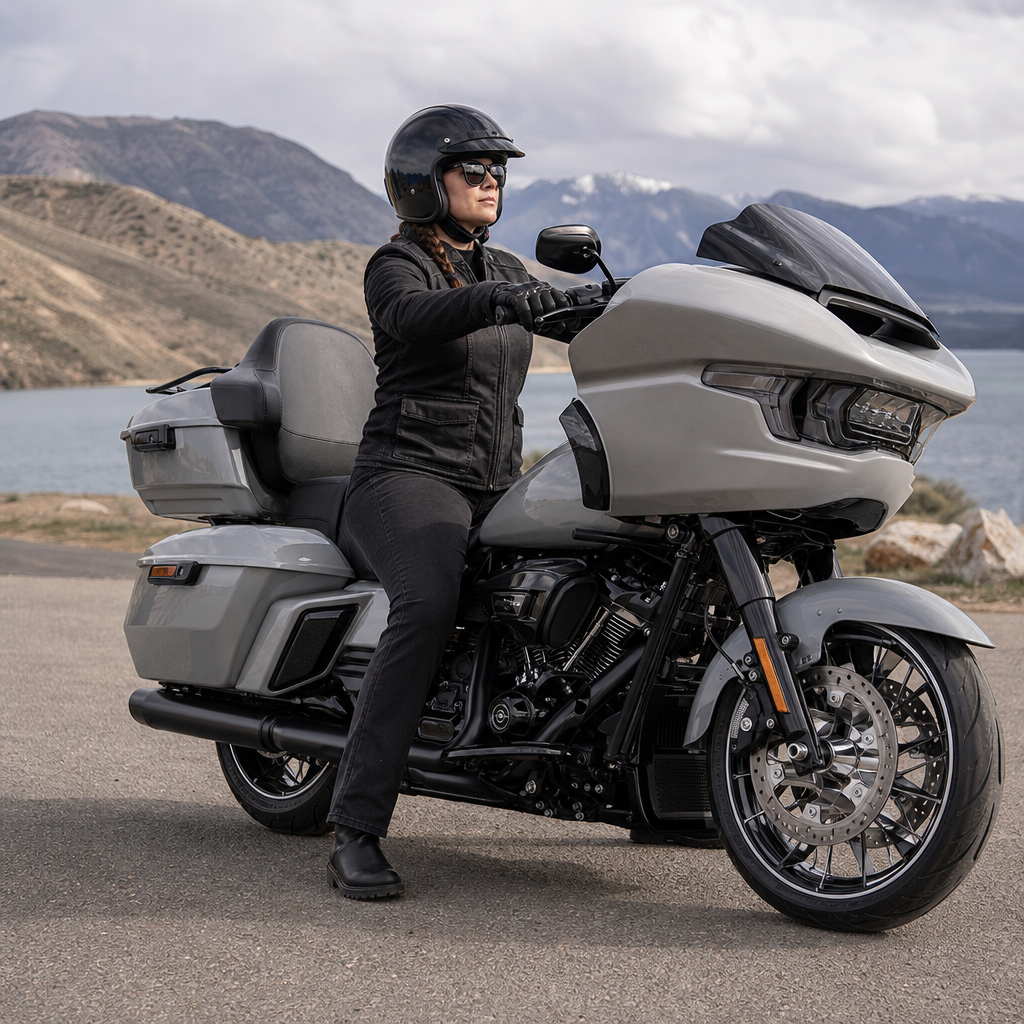
Cam selection is where performance and ergonomics meet. Heavier touring motorcycles generally reward earlier intake closing and a torque-focused profile because they spend much of their life carrying weight at modest rpm. Road King, Street Glide, Road Glide, and Ultra riders usually benefit from a cam that builds cylinder pressure early, supports clean roll-on acceleration, and does not require frequent downshifts. By contrast, performance-oriented Softails such as the Low Rider S, Low Rider ST, Sport Glide, and Fat Bob can exploit a broader midrange and slightly more rev appetite because they are lighter and often ridden solo. The point is not that one cam is universally best; it is that rider posture, mass, gearing, and intended speed band dictate what “best” means.
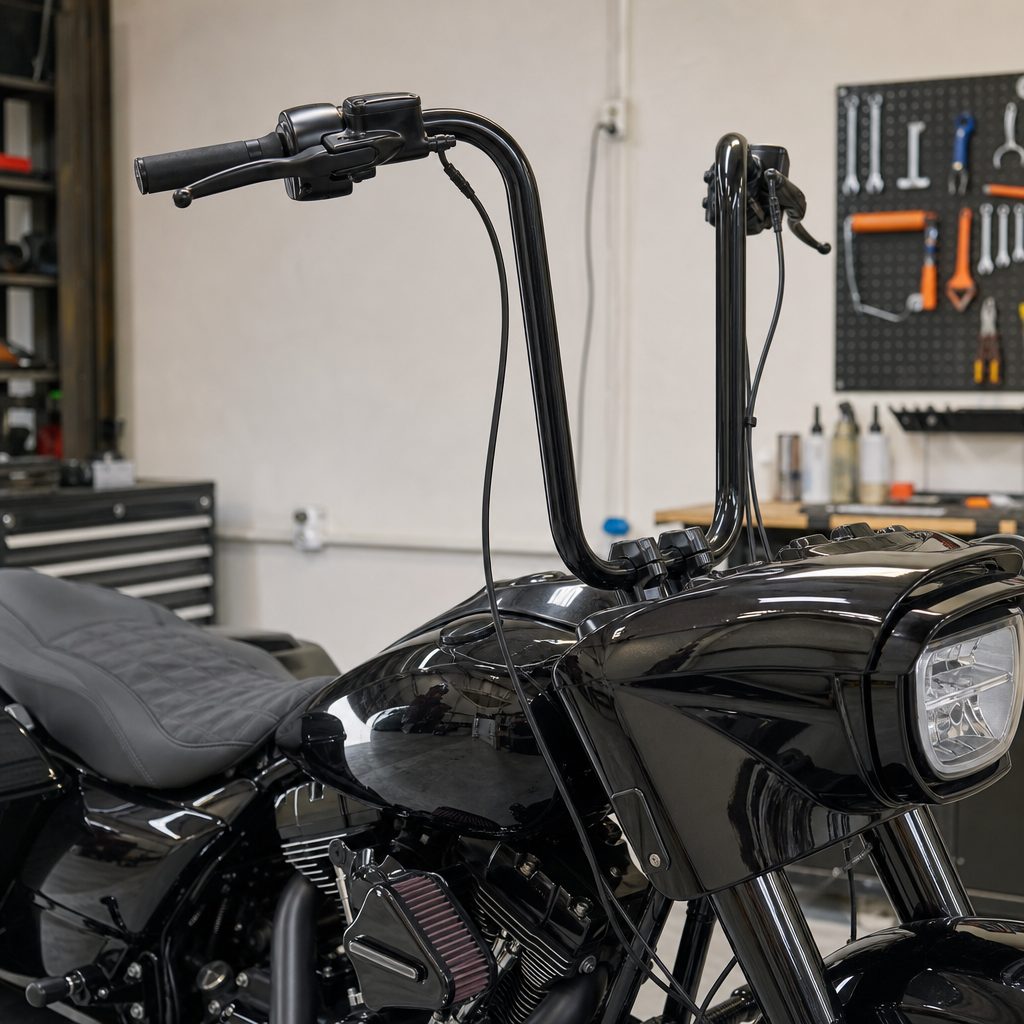
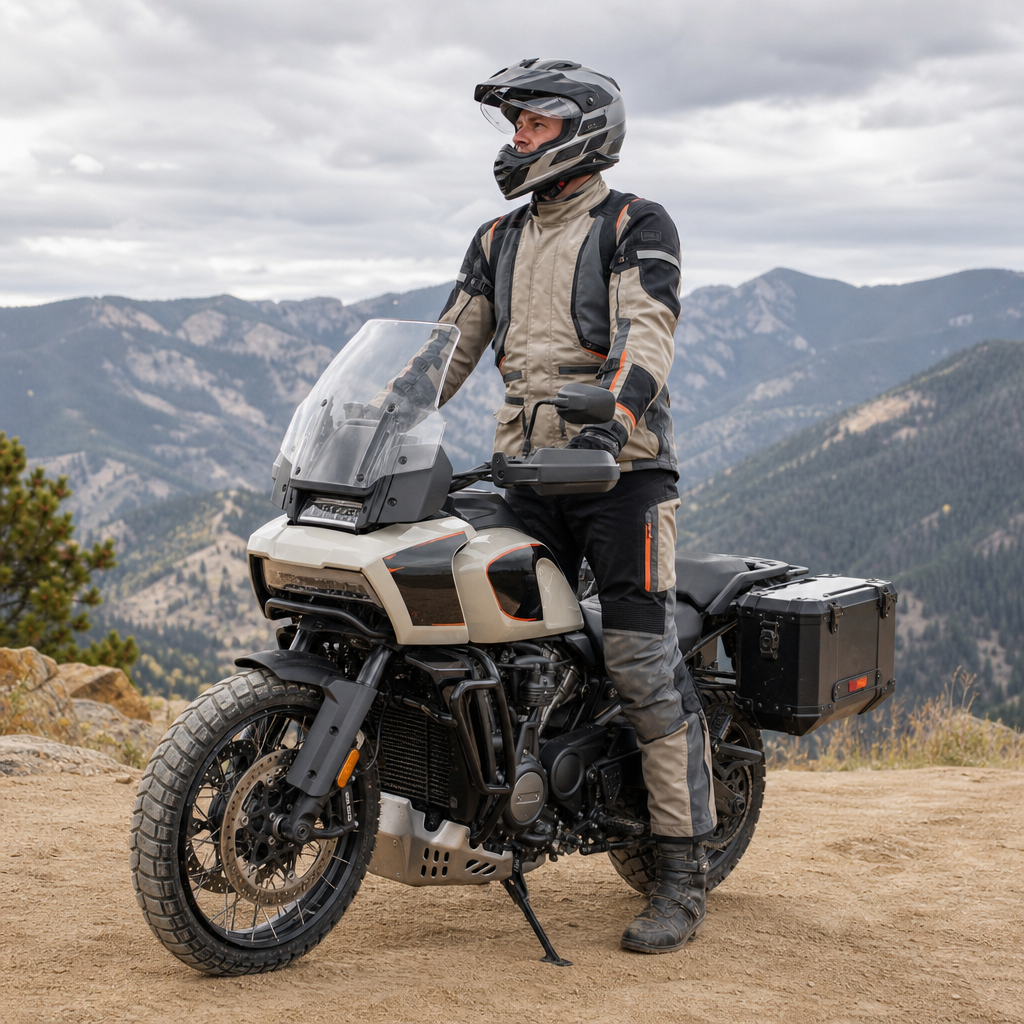
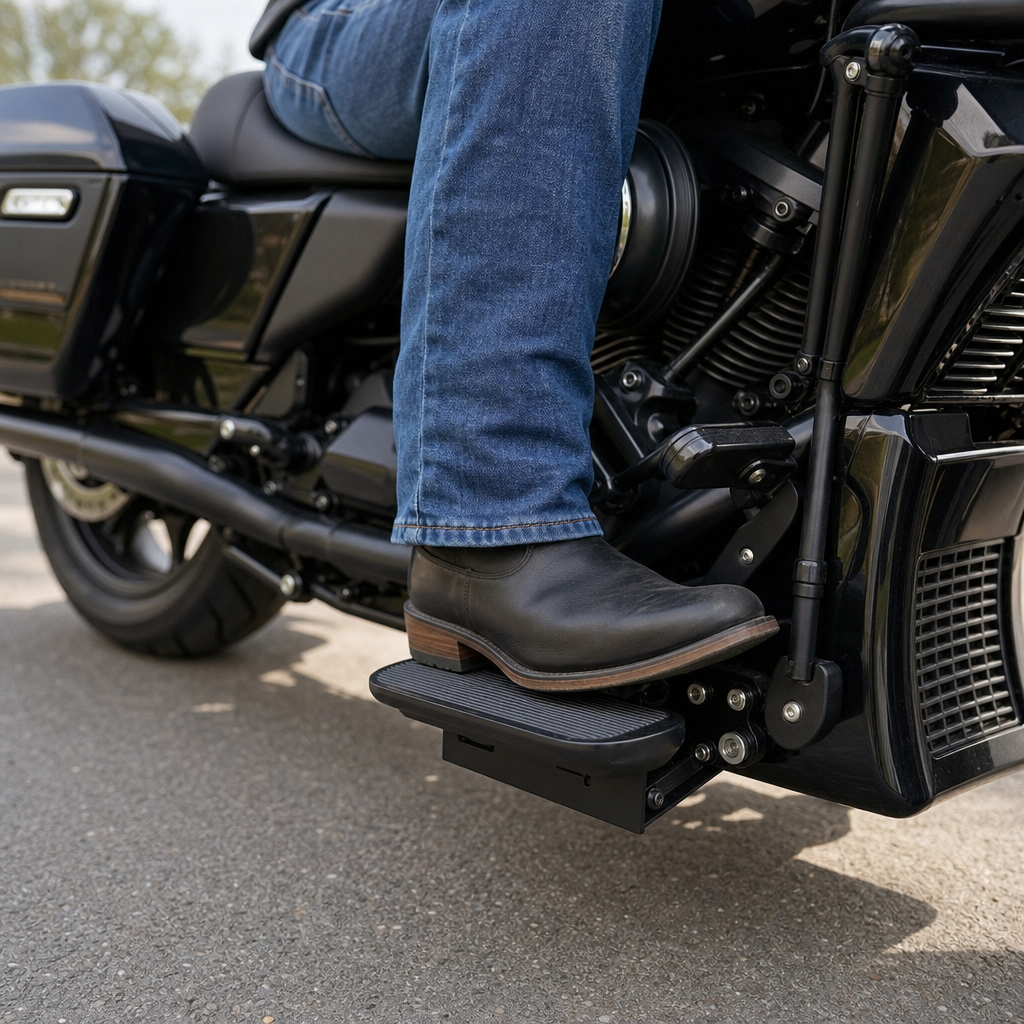
Handlebar reach, seat shape, floorboard or mid-control position, and wind protection all affect how a rider perceives engine tuning. A relaxed touring posture amplifies sensitivity to droning exhaust and abrupt tip-in because the rider stays on the bike for hours. An upright cruiser with mids may make a snappier cam feel exciting rather than tiring. This is why model-specific recipes matter in a Harley-Davidson hub. Ergonomics are performance equipment. If the bike’s stance encourages long highway days, tune for smoothness, low-end torque, and manageable heat. If the chassis and rider triangle encourage active corner exits, tune for a broader, more urgent midrange. The cam should fit the rider’s body and route choices as much as the engine’s displacement.
| Model type | Best Stage II emphasis | Why it works |
|---|---|---|
| Touring 107/114 | Early torque, quiet exhaust, compliant calibration | Better passing power with passenger and luggage, less fatigue on long rides |
| Touring 117 | Broad midrange, catalyst-friendly airflow | Uses larger displacement without sacrificing smoothness or legality |
| Softail cruiser 107/114 | Fast throttle response, moderate sound level | Improves fun factor in urban and backroad riding without harshness |
| Performance Softail 117 | Stronger mid-to-upper pull with controlled fueling | Matches lighter chassis and more aggressive solo riding style |
Sound tuning: exhaust character without unnecessary noise
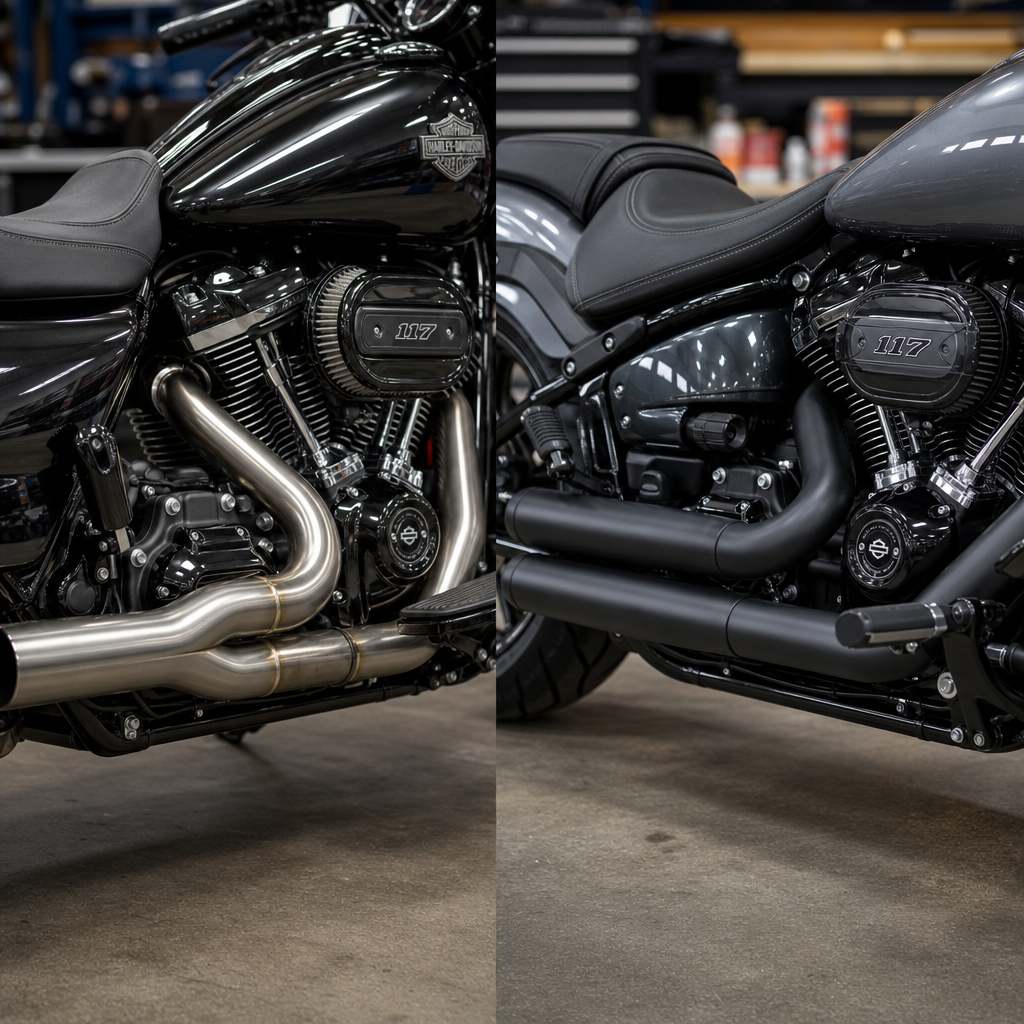
Sound is part of the Harley-Davidson experience, but there is a difference between a deep, authoritative exhaust note and a system that is simply loud. On Milwaukee-Eight builds, sound quality depends on collector design, muffler core construction, catalyst placement, and cam timing. Many riders assume they need the freest possible exhaust to support a Stage II cam, yet that is rarely true for street rpm ranges. Excessively open mufflers can reduce exhaust gas velocity, create harsher note characteristics, and make the bike feel softer down low. They also increase the chance of highway drone, which is one of the fastest ways to turn a fun modification into an annoyance during a 300-mile day.
The better strategy is to choose an exhaust that preserves pulse energy while moderating overall sound pressure. Slip-ons with well-designed perforated cores and acoustic packing often strike the best balance, especially when paired with the stock header and catalyst on touring models. That setup can produce a richer idle and stronger acceleration sound without crossing into the brittle, sharp crackle that attracts complaints. Riders carrying passengers should be even more careful because rear-seat comfort drops quickly when exhaust exits are too direct or too loud. If your goal is balancing EPA compliance and sound, prioritize tone, not maximum decibels. A refined Milwaukee-Eight with a deep note and clean calibration feels more expensive, more mature, and usually more satisfying every day.
Calibration, fuel control, and heat management
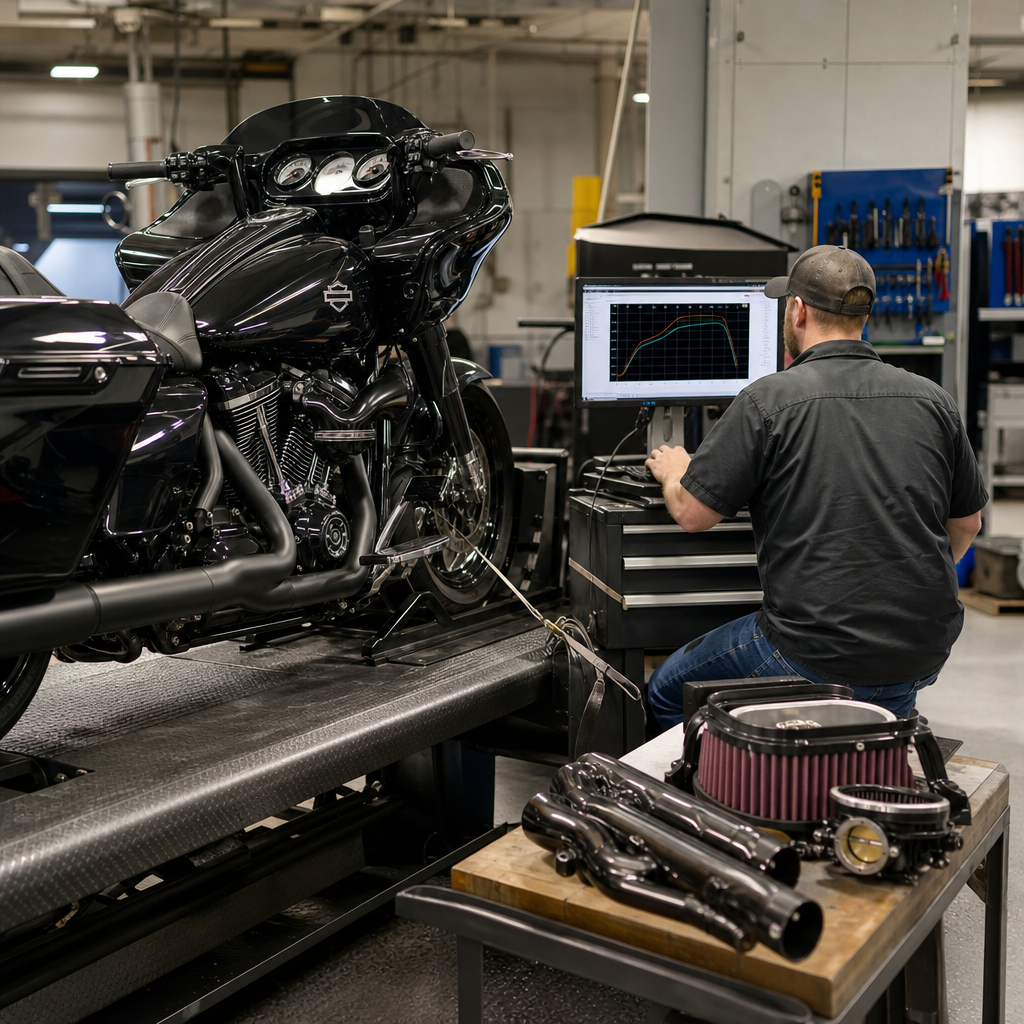
No Stage II recipe succeeds without correct calibration. The Milwaukee-Eight platform responds strongly to accurate fueling, spark control, idle strategy, and torque management settings. A proper tune should address cold start behavior, part-throttle transitions, deceleration characteristics, and cylinder temperature, not just wide-open throttle. Lean surging, abrupt on-off throttle response, and excessive exhaust heat are usually signs of mismatch between hardware and calibration. On modern Harley-Davidson models, that mismatch can also trigger diagnostic trouble codes, unstable trims, or poor starting. Whether the build uses a factory-supported street tuner or another legal option, the objective is the same: maintain combustion stability across the load range the rider actually uses.
Heat management is especially important on big-inch air- and oil-cooled V-twins ridden in traffic. A cam that improves volumetric efficiency in the low and midrange can reduce the sense of heat because the engine does less work for the same road speed, but only if fueling and spark are sorted. Rear-cylinder cut strategies at idle, accurate air-fuel targets under cruise load, and sensible ignition advance all affect perceived temperature. So does rider fit. Seats that trap heat, low-speed airflow around fairings, and leg position near the rear header can make one model feel hotter than another even with similar engine output. In workshop practice, the smoothest street builds are usually conservative on timing, disciplined on fuel delivery, and honest about how the bike is ridden in summer traffic.
Reliability, warranty, and maintenance after Stage II
Milwaukee-Eight Stage II upgrades are generally reliable when parts are matched and installation quality is high, but they are not consequence-free. Any cam swap changes valvetrain dynamics, and poor setup can accelerate lifter wear, increase noise, or shorten component life. Use quality gaskets, confirm pushrod geometry, verify cam chest condition, and inspect oil pump and tensioning components during the job. If the bike already has high mileage, it is smart to assess clutch health, compensator behavior where applicable, and engine mounts before adding torque. Reliability comes from attention to system condition, not from assuming a catalog package makes every bike equal.
Warranty and service implications vary. Dealer-installed compliant parts may preserve more support than non-certified combinations, but owners should read the current policy language and ask direct questions before authorizing work. Keep records for every component, calibration ID, and service interval. After the upgrade, shorten your observation cycle even if you keep standard oil change mileage: listen for top-end changes, watch fuel economy trends, inspect plugs when appropriate, and pay attention to hot-start behavior. A good Stage II recipe should feel easier to ride, not fussier. If it becomes temperamental, the answer is not more random parts. It is diagnosis: verify tune quality, exhaust sealing, intake integrity, and mechanical setup in that order.
How this hub guides model-specific Harley-Davidson recipes
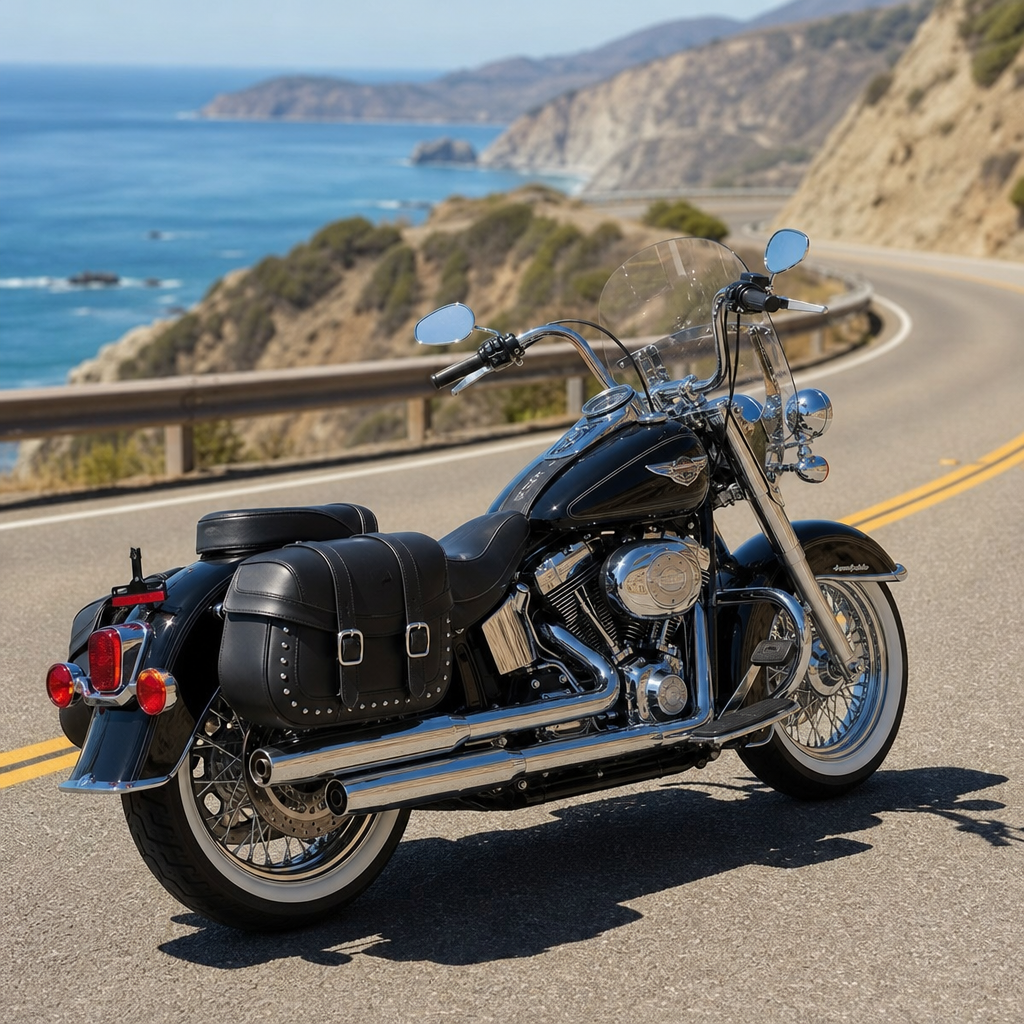
This sub-pillar hub exists because Harley-Davidson owners do not all need the same answer. A Road Glide used for interstate travel, a Heritage Classic ridden on secondary roads, and a Low Rider ST used for aggressive solo miles all deserve different ergonomics and performance recipes. From here, the logical next articles break out by model family, rider height, control layout, seat and bar combinations, cam emphasis, exhaust strategy, and tuning constraints. Those pages should answer practical questions such as which Stage II recipe suits a 5-foot-8 rider on a Street Glide, which cam works best for two-up 114 touring, or how to keep a Softail 117 lively without creating unbearable drone. The hub approach helps riders move from generic advice to exact fit.
The central lesson is consistent across every model: the best Milwaukee-Eight Stage II tuning recipe balances legal reality, mechanical compatibility, and rider comfort. Choose a cam for the rpm band you actually use. Keep the exhaust civilized enough to live with. Use compliant parts when the bike is street registered and you want the lowest risk path. Calibrate carefully, because tune quality determines whether the upgrade feels factory-polished or homemade. Finally, treat ergonomics as part of performance, not a separate conversation. If you are planning a Harley-Davidson build, start by defining your model, riding style, passenger load, and noise tolerance, then use that information to build the right recipe rather than the loudest one.
Frequently Asked Questions
What does a Milwaukee-Eight Stage II tuning recipe usually include?
A Milwaukee-Eight Stage II setup typically builds on a basic intake-and-exhaust foundation by adding a camshaft upgrade and matching calibration work. In practical Harley-Davidson terms, that means the engine keeps its stock displacement, heads, and bottom end, but gets a new cam profile designed to change how the bike makes torque and horsepower. Most owners also pair that cam with a freer-flowing air cleaner, a less restrictive exhaust system, and tuning changes that address fueling, spark timing, idle behavior, throttle response, and torque management. On Touring and Softail models, this combination can noticeably change how the bike accelerates, how it pulls through the midrange, and how smooth it feels in everyday riding.
The reason the “recipe” matters is that Stage II is not just a pile of parts. The cam choice has to match the owner’s riding goals, the compression characteristics of the engine, the exhaust design, and the tuning strategy. A torque-focused cam can improve low- and mid-range rideability for two-up touring, while a more aggressive cam may push power higher in the rev range at the cost of some manners down low. The tune then ties everything together by making sure the air-fuel ratio, ignition timing, and throttle behavior support the hardware safely and efficiently. Done correctly, a Stage II Milwaukee-Eight package feels cohesive, predictable, and stronger everywhere the rider actually uses the motorcycle.
Can you improve sound and performance on a Milwaukee-Eight Stage II build without creating EPA compliance problems?
Yes, but the answer depends heavily on the exact parts used, how the motorcycle is registered, and whether the components are intended for emissions-controlled street use. This is where many owners get tripped up. “Louder” and “better” do not automatically mean compliant, and many aftermarket exhausts, air cleaners, and tuning devices are sold for closed-course competition use only. If the goal is to stay as close as possible to EPA-compliant street operation, the safest path is to focus on parts specifically marketed and documented for legal on-road use in your jurisdiction, and to avoid removing or defeating emissions-related equipment. That often means being selective about mufflers, catalytic converter configurations, and calibration options rather than simply choosing the most open exhaust available.
From a practical standpoint, balancing compliance and sound usually means aiming for a deeper, more refined exhaust note instead of maximum volume. A well-designed muffler can improve tone and reduce restriction modestly without crossing the line into harshness or obvious tampering. Likewise, a conservative cam and a carefully developed tune can improve rideability and usable torque without requiring an extreme exhaust setup. Owners should also understand that tuning changes can have regulatory implications if they alter emissions controls or enable operation outside approved parameters. The most responsible approach is to verify part numbers, labeling, dealer or manufacturer guidance, and local or state rules before buying anything. That helps avoid the expensive mistake of building a bike that sounds great but creates inspection, warranty, or registration headaches later.
How much does cam selection affect rideability on a Milwaukee-Eight Stage II setup?
Cam selection is one of the biggest factors in how a Stage II Milwaukee-Eight actually feels on the road. Two bikes can have similar intake and exhaust parts, yet behave very differently because the camshaft determines valve timing events that shape cylinder filling, torque delivery, idle quality, and the rpm range where the engine is happiest. For most street riders, especially on Touring models, the best cam is not necessarily the one with the biggest peak horsepower number. A cam designed to make strong low- and mid-range torque often produces a more satisfying motorcycle in real-world use because it improves roll-on acceleration, passing power, and loaded performance without needing high rpm.
That matters even more when the owner wants to preserve smooth manners and avoid an overly aggressive personality. A mild-to-moderate cam can maintain a stable idle, predictable throttle response, and good drivability in traffic while still delivering a clear performance gain over stock. By contrast, a more radical cam may shift the powerband upward, soften response below its sweet spot, and demand a more supportive combination of exhaust, compression, and tuning to work properly. If the goal is balancing EPA awareness, sound quality, and everyday usability, the cam should be chosen for the rider’s actual habits: commuting, two-up travel, mountain riding, or short spirited runs. The right Stage II recipe starts with honesty about where the bike spends most of its time.
Why is professional tuning so important after a Milwaukee-Eight Stage II upgrade?
Professional tuning is important because the Milwaukee-Eight responds to airflow and cam changes in ways that directly affect combustion quality, heat management, throttle feel, and long-term reliability. Once you change the breathing characteristics of the engine, the stock calibration may no longer be ideal for the new parts combination. The motorcycle can end up with poor drivability, surging, hesitation, excess heat, uneven idle characteristics, or disappointing power if the calibration does not match the hardware. A good tuner evaluates the complete package and adjusts key parameters so the bike runs cleanly and consistently across the rpm and load ranges you actually use.
Just as important, professional tuning helps avoid the common mistake of chasing dyno numbers while ignoring street behavior. A strong Stage II map should deliver smooth cold starts, crisp part-throttle response, sensible transition areas, and stable operation in changing conditions, not just one impressive full-throttle pull. An experienced tuner also understands the limits imposed by the bike’s sensors, fuel quality, exhaust design, and any compliance-related constraints. That perspective is valuable when the owner wants a bike that sounds better and feels stronger but still behaves like a refined street motorcycle. In short, the hardware gets the attention, but the calibration determines whether the whole package feels premium or pieced together.
What is the smartest way to plan a Milwaukee-Eight Stage II build if you want better sound, more torque, and fewer regrets?
The smartest way is to begin with the end use, not the catalog. Start by defining your priorities in order: legal street use, sound character, low-end torque, long-distance comfort, warranty considerations, budget, and future upgrade plans. That list will quickly narrow your choices. For example, if the bike is primarily a Touring model used for highway miles and two-up travel, a torque-oriented cam, restrained exhaust choice, and conservative tune often make more sense than a race-inspired setup. If the owner wants a richer exhaust note without attracting attention, muffler design and tone quality should matter more than raw decibel output. When those priorities are clear, it becomes much easier to choose compatible parts instead of buying pieces that fight each other.
It is also wise to treat the build as a complete system. Intake, exhaust, camshaft, and tuning should complement one another, and every component should be checked for fitment, legal status, and intended use on the specific Milwaukee-Eight model. Work with a reputable shop or tuner that understands both performance goals and compliance concerns, and ask direct questions about expected heat, idle quality, fuel economy changes, and service implications. A thoughtful Stage II build should deliver a noticeable gain in usable torque, a more satisfying sound profile, and clean manners on the street without turning the motorcycle into a compromise. The owners who end up happiest are usually the ones who build for balance rather than extremes.