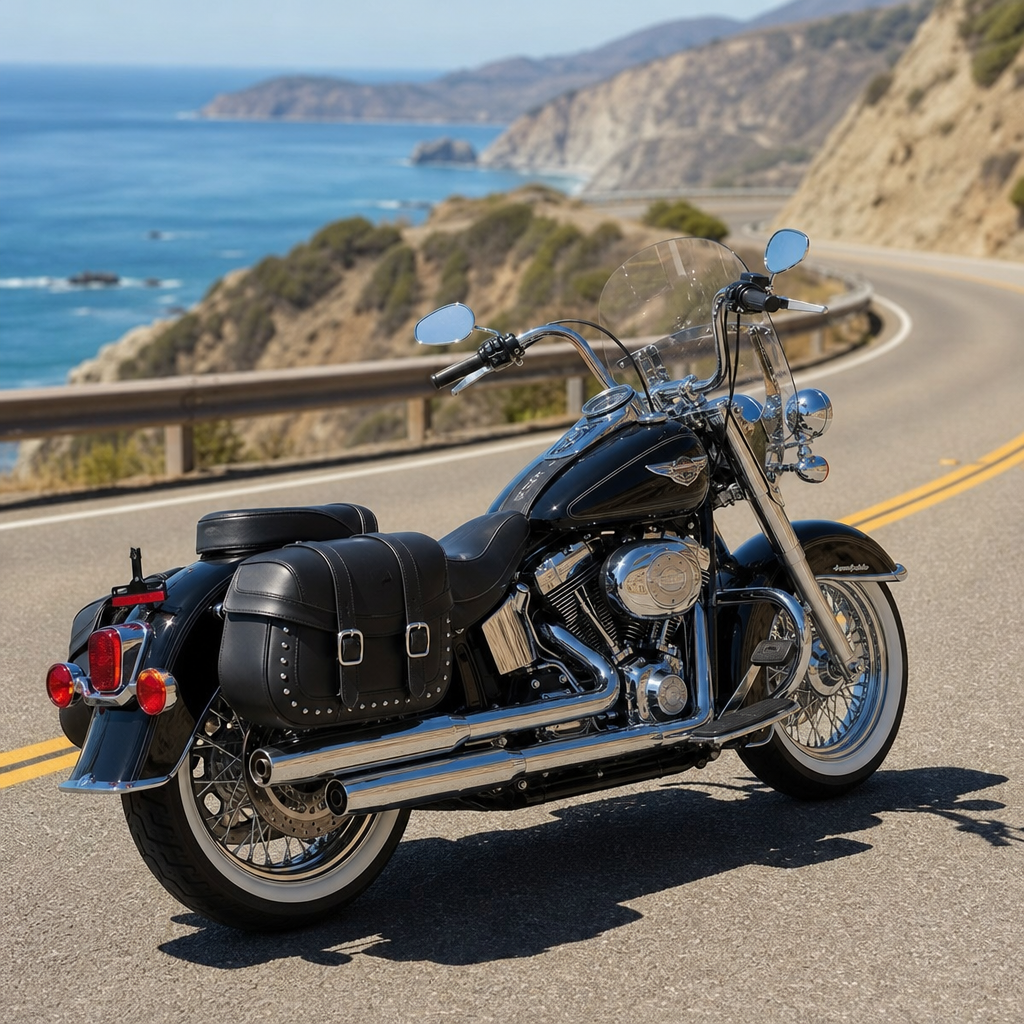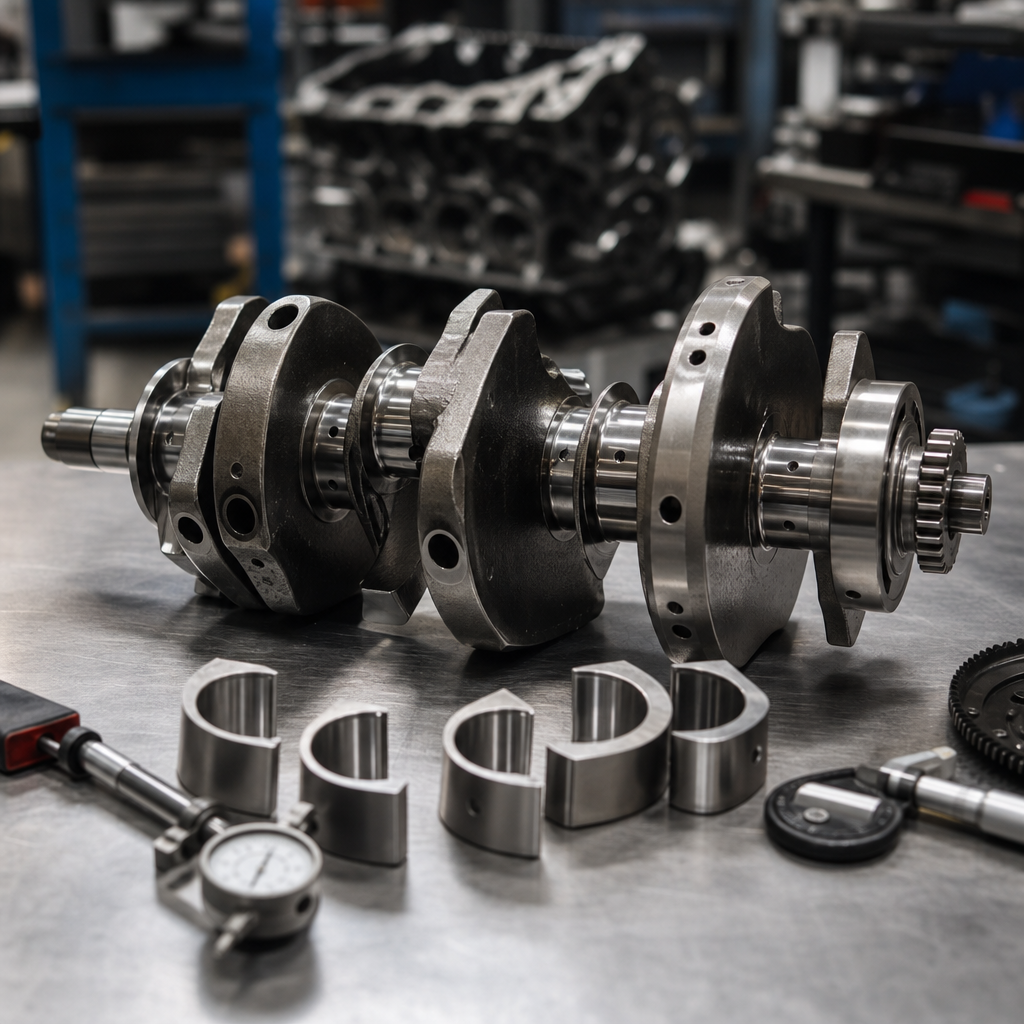
The Milwaukee-Eight platform transformed modern Harley-Davidson touring, cruiser, and trike performance, yet one complaint still appears in workshops and rider forums: vibration that feels harsher than expected at specific engine speeds. A crankshaft balancing recipe is the practical method used to reduce that sensation. In simple terms, crankshaft balancing is the process of matching rotating and reciprocating mass so the engine runs smoother through its intended rpm range. On the Milwaukee-Eight, that means evaluating flywheel assembly balance factor, rod and piston weight, runout, compensator condition, primary alignment, and the exact bike configuration carrying the engine.
This matters because vibration is never just a comfort issue. In my experience building and diagnosing Harley-Davidson engines, excess vibration shortens component life, loosens fasteners, clouds mirrors, fatigues riders, and can disguise separate problems such as driveline lash or failed isolators. It also affects ergonomics. What a rider calls “bad bars” or “numb hands” is often a powertrain balance issue interacting with seat shape, floorboard position, bar height, suspension preload, and wheel balance. For 2027 Milwaukee-Eight owners and builders, a model-specific recipe matters more than a one-size-fits-all fix because a Road Glide, Street Glide, Low Rider ST, Road King Special, Tri Glide, and CVO variant load the chassis differently and transmit vibration through different contact points.
This hub article explains how to approach Milwaukee-Eight crankshaft balancing in a structured way, with enough detail to guide planning and enough context to connect readers to deeper Harley-Davidson subtopics. It covers what causes vibration, how balancing recipes differ by model, which measurements actually matter, what supporting ergonomic changes improve results, and where common mistakes derail a smooth build. If your goal is reducing 2027 vibrations without sacrificing the signature feel of a big-inch Harley-Davidson, the correct recipe starts with diagnosis, not parts ordering.
What “Reducing 2027 Vibrations” Means on a Milwaukee-Eight
Reducing 2027 vibrations does not mean eliminating every pulse from the engine. A Milwaukee-Eight should still feel like a Harley-Davidson V-twin. The goal is to reduce objectionable vibration at the rider contact points during real operating conditions in the 2,200 to 4,000 rpm band where touring and aggressive backroad riding happen most. In practice, I define success as lower perceived buzz at the grips and boards, less seat shake at steady highway speeds, improved mirror clarity, and no increase in drivetrain harshness during roll-on acceleration.
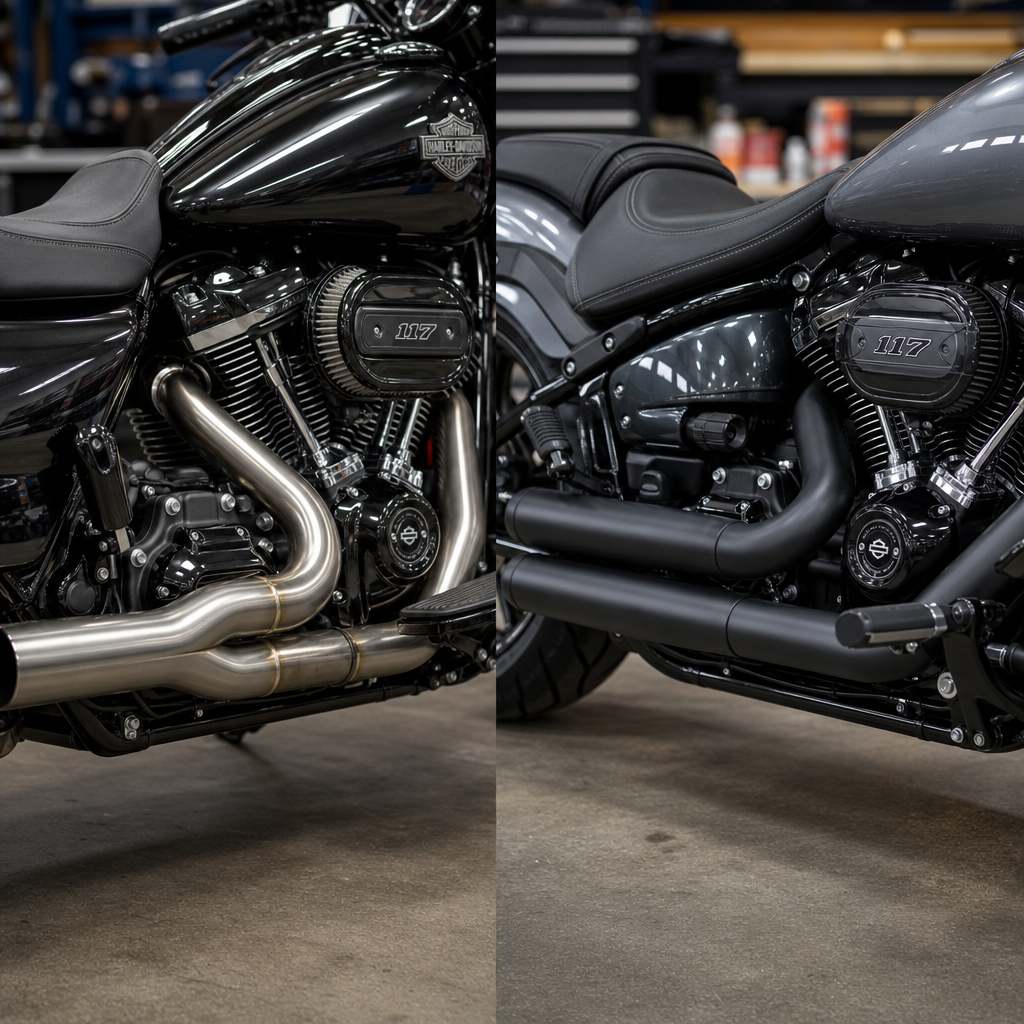
Milwaukee-Eight engines use internal counterbalancing on Softail models and rubber-mounted chassis isolation strategies on many touring applications, so the vibration path differs across the lineup. That is why the same balance factor can feel acceptable in one model and tiring in another. A Road Glide with a batwing-free fairing mass and floorboards may tolerate a setup that feels too sharp in a Low Rider ST with a more direct handlebar connection and different rider posture. The phrase model-specific ergonomics and performance recipes refers to this exact reality: rider position, frame design, mounting strategy, and accessories change the outcome as much as internal engine parts do.
Root Causes of Milwaukee-Eight Vibration Before Any Balancing Work
Crankshaft balance is critical, but it is not the first box to check. I start every vibration complaint by separating engine-origin vibration from chassis and driveline vibration. Tire cupping, bent wheels, worn motor mounts, clutch basket issues, compensator wear, front pulley runout, misaligned rear wheels, and even oversized grips can all distort the rider’s impression. On a Milwaukee-Eight, common non-crank contributors include compensator spring pack wear, primary chain adjustment that is too tight, and exhaust systems touching brackets under load.
Measurement matters. Dial indicator checks for crankshaft runout, flywheel trueness, and clutch shell movement are mandatory before changing balance factor. So are static and dynamic wheel balance, steering head bearing inspection, and isolation mount condition checks where applicable. The reason is simple: balancing an engine around a bad baseline wastes money. If pinion shaft runout is outside acceptable limits, or if a compensator ramps unevenly under torque reversal, the motorcycle can still buzz badly after an expensive balancing job.
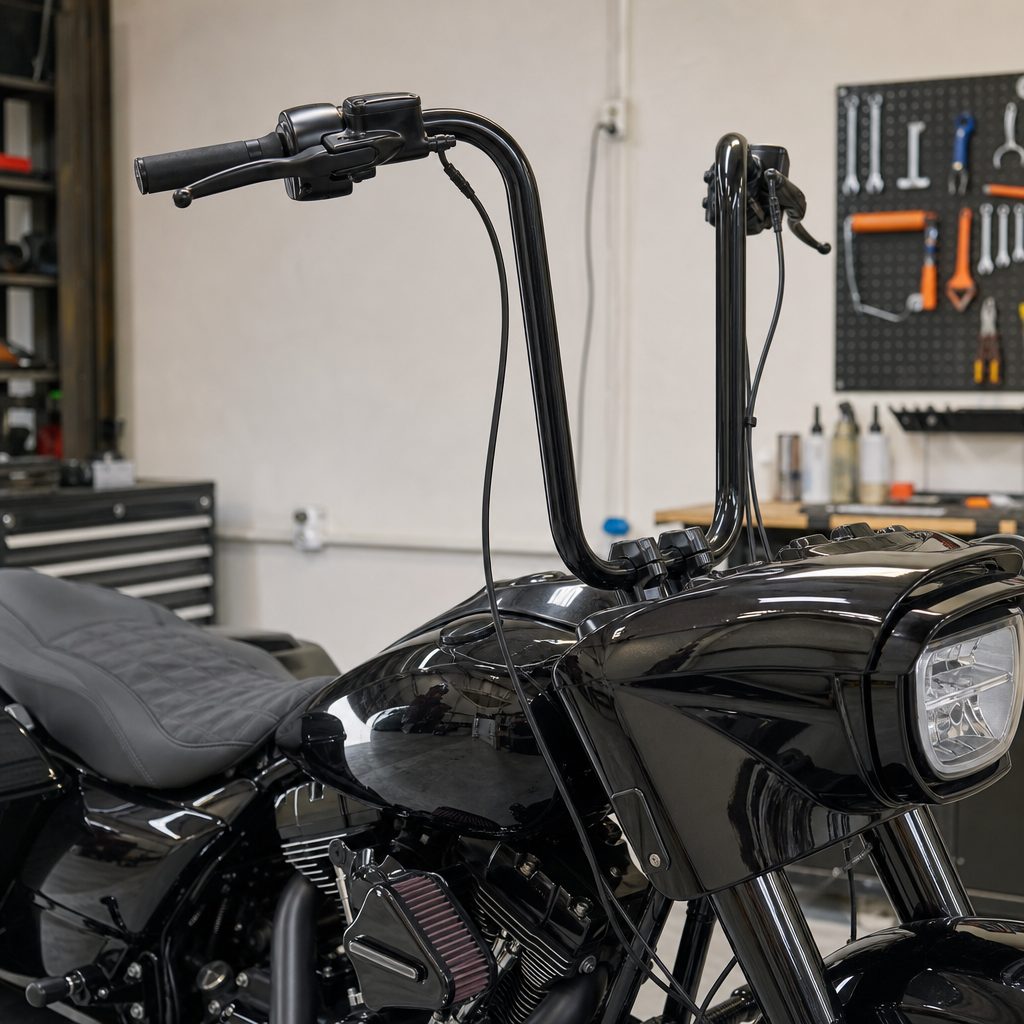
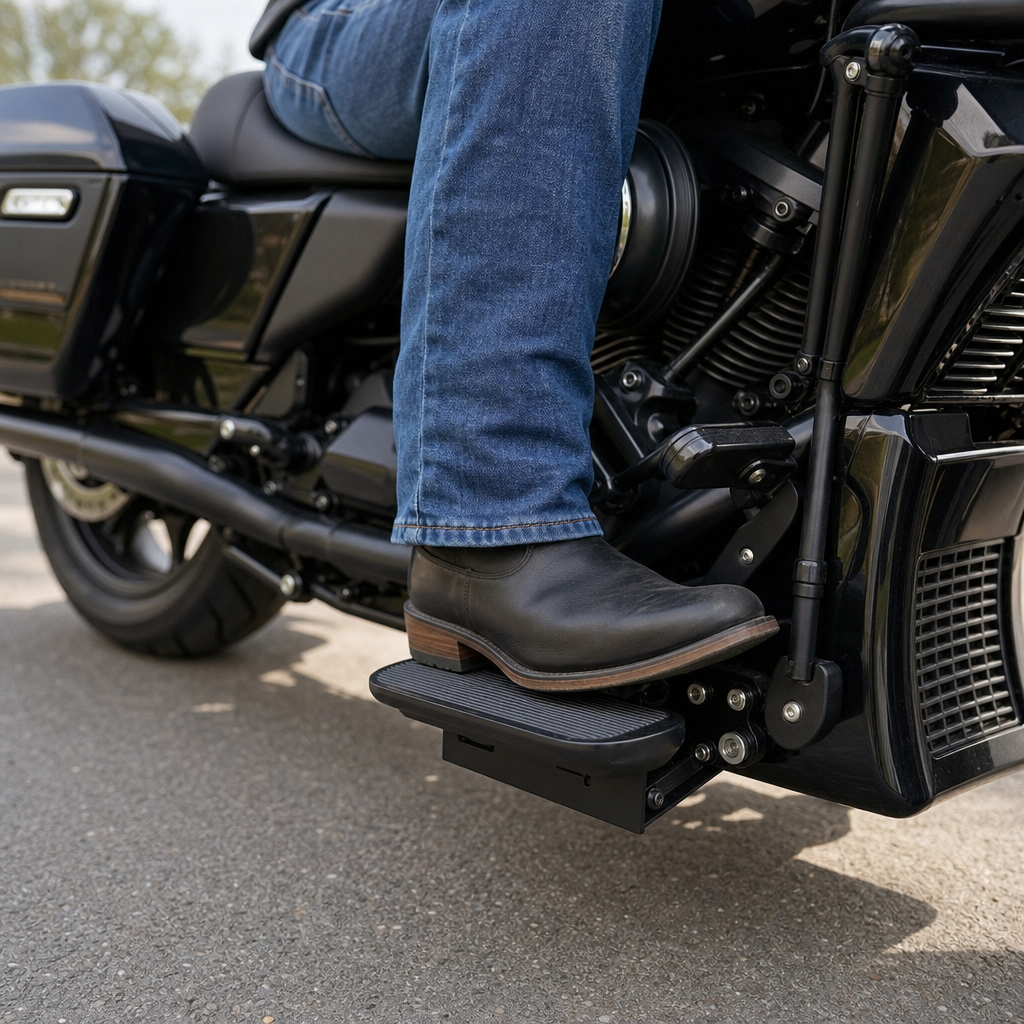
Another overlooked root cause is mismatch between engine output and the bike’s ergonomic setup. Tall bars can increase the lever effect at the grips. Thin seats transmit more vertical energy into the pelvis. Rigid foot controls can amplify a frequency that floorboards would damp. This is why a true hub discussion for Harley-Davidson ergonomics and performance recipes has to connect mechanical balancing with rider interface tuning.
The Core Milwaukee-Eight Crankshaft Balancing Recipe
A practical Milwaukee-Eight crankshaft balancing recipe has five stages: verify baseline health, weigh components precisely, choose a target balance factor for the specific model and use case, true the flywheel assembly to low runout, and validate the result in the complete motorcycle. The balancing process itself uses bobweights that represent the rotating and reciprocating masses of the rods, pistons, rings, wrist pins, circlips, and bearing contributions. Good shops use precision scales, fixture plates, and balancing machines from recognized manufacturers such as CWT or Sunnen-supported workflows.
The target balance factor is the heart of the recipe. Builders often debate exact numbers, but the correct answer depends on displacement, stroke, piston weight, mount strategy, rpm focus, and rider expectation. A bagger built for long interstate miles usually benefits from a different compromise than a performance-oriented Softail. Heavier pistons and longer stroke combinations typically demand more careful calculation because they magnify secondary effects and make a poor balance choice more obvious in the bars and seat.
Runout control is just as important as theoretical factor. I have seen engines with acceptable calculated balance still feel rough because the flywheel assembly was not trued tightly enough. The Milwaukee-Eight rewards precision. If the builder cuts corners during pressing, truing, or pin welding, vibration and bearing stress increase together. That is why reputable crank work is never just a “spin balance” service; it is assembly geometry control from start to finish.
Model-Specific Recipes Across the Harley-Davidson Lineup
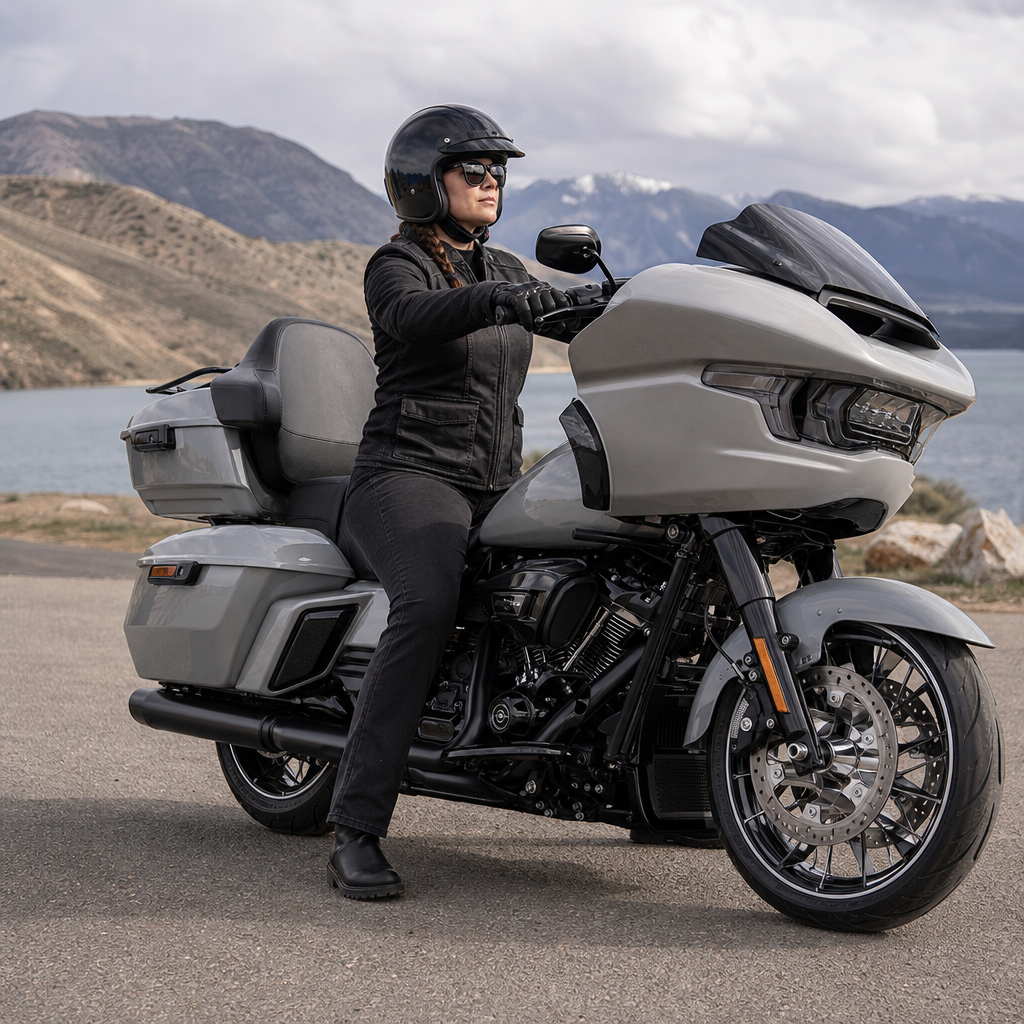
Different Harley-Davidson models need different balancing priorities because rider ergonomics change where vibration is noticed first. Touring bikes usually reveal issues through mirrors, floorboards, and seat pan resonance. Softails often show them through the grips and pegs. Trikes can highlight low-frequency shake because of rear mass and chassis response. CVO models with premium components can actually make subtle problems easier to detect because suspension, seating, and audio systems reduce other noise sources.
| Model family | Primary vibration complaint | Balancing emphasis | Supporting ergonomic recipe |
|---|---|---|---|
| Road Glide/Street Glide | Highway mirror blur and floorboard buzz | Smoothness in 2,600 to 3,400 rpm cruise band | Seat foam density, board isolators, bar-mounted damping |
| Road King | Grip pulse with windshield turbulence masking diagnosis | Stable midrange with strict runout control | Bar bend selection, riser bushing inspection, fork setup |
| Low Rider ST/S | Handlebar tingling during aggressive roll-on | Responsiveness without sharp upper-mid buzz | Peg material, grip diameter, suspension sag tuning |
| Heritage/Softail Standard | Seat and peg vibration on secondary roads | Broad smoothness at moderate rpm | Seat base isolation, floorboard conversion where suitable |
| Tri Glide/Freewheeler | Low-frequency chassis shake under load | Torque-band smoothness and driveline harmony | Rear suspension tuning, tire match, trunk load distribution |
For a Road Glide or Street Glide, the recipe usually prioritizes smooth steady-state operation at legal highway speeds because that is where owners spend the most time. For a Low Rider ST with cam, intake, and exhaust changes, the recipe may accept a little extra character at idle to reduce the sharper sensation during hard midrange acceleration. For trikes, load distribution and rear tire variables have to be corrected before judging crank balance results. This model-by-model thinking is the organizing principle for every related article in this Harley-Davidson sub-pillar.
Parts Selection: Pistons, Rods, Flywheels, and Compensator Strategy
Balancing begins with honest parts selection. Stock Milwaukee-Eight components can be improved, but they also set limits. If you are increasing displacement with big-bore cylinders or altering stroke, piston and wrist-pin weight become central decisions, not afterthoughts. Lightweight forged pistons can reduce reciprocating mass, which often helps vibration and throttle response, but skirt design, thermal expansion, and intended operating temperature still matter. A race-oriented part is not automatically the best street choice for a two-up touring bike.
Connecting rods must be weight-matched end to end. Total rod weight alone is insufficient because small-end and big-end distribution affects bobweight accuracy. Flywheel quality matters equally. Aftermarket assemblies from respected Harley-Davidson performance suppliers can provide stronger crankpins, tighter press fits, and better repeatability, but they still require verification. No serious engine builder assumes a boxed crank is ready to install without measuring runout and alignment.
The compensator deserves special attention because riders often blame the crank for vibration that starts at the primary. A worn compensator can produce harsh engagement, rattle, and a pulsing sensation under load transitions. Replacing or upgrading compensator components during a crankshaft balancing build is often money well spent, especially on high-torque Milwaukee-Eight combinations. Matching clutch pack condition and primary chain adjustment to the new engine character prevents the rebuilt bottom end from being judged unfairly.
How Ergonomics Changes the Perception of Engine Balance
Riders do not experience vibration through laboratory sensors alone; they experience it through contact points and posture. That is why ergonomics belongs in any serious Milwaukee-Eight performance recipe. On touring models, a seat with firmer rear support can reduce the feeling of vertical shake by distributing pressure across a wider area. On Softails, changing from narrow pegs to broader pegs or mini-boards can lower localized foot numbness even when engine output remains unchanged.
Handlebar dimensions also matter. Taller bars increase leverage and can amplify felt oscillation at the grips. Bar diameter, wall thickness, internal wiring, and riser bushing condition all affect transmission. Grip material changes feedback too: softer compounds can damp higher-frequency buzz, while oversized grips may reduce finger fatigue but alter wrist angle enough to create a new complaint. When I road-test a fresh Milwaukee-Eight build, I note not only rpm and load but exactly where the rider’s body reports discomfort, because that map often points to the real solution.
Suspension setup is another overlooked variable. Insufficient rear preload can let the chassis ride low in the stroke, making normal engine pulses feel worse because the seat receives more abrupt vertical input from the road. Proper sag, damping, and tire pressure often make a balanced engine feel dramatically smoother. That is why hub coverage of model-specific ergonomics and performance recipes must bridge engine internals, chassis setup, and rider contact hardware.
Validation, Break-In, and Common Mistakes
The final balancing recipe is not complete when the crank leaves the machine. It is complete when the assembled motorcycle is tested under repeatable conditions. I validate a Milwaukee-Eight build with a staged process: cold start observation, oil pressure verification, idle stability check, primary noise check, controlled road test through known rpm points, and post-test fastener inspection. If available, a vibration meter or data logger can add objective information, but rider feedback still matters because comfort is the end goal.
Break-in should be disciplined. Fresh rings, new bearings, and a trued crank need heat cycles and progressive load, not immediate abuse. Aggressive tuning too early can mask mechanical issues. The smartest approach is conservative fueling and timing, close monitoring of oil temperature, and a second inspection after the first few hundred miles. If a vibration appears only after tuning changes, the problem may be combustion-related rather than balance-related.
Common mistakes include chasing internet balance-factor numbers without considering model and riding style, ignoring runout because the engine “feels okay on the stand,” mixing unmatched piston or rod sets, and diagnosing through rider memory instead of controlled testing. Another mistake is expecting balancing alone to cure every complaint. Some frequency signatures are normal for large-displacement V-twins, and some discomfort comes from ergonomics that need separate correction. The best Milwaukee-Eight crankshaft balancing recipe reduces 2027 vibrations by treating the motorcycle as an integrated system, not a pile of independent parts.
For Harley-Davidson owners, builders, and tuners, the main lesson is straightforward: smoother Milwaukee-Eight performance comes from a repeatable process, not guesswork. Start with diagnosis, confirm baseline mechanical health, measure every rotating and reciprocating component accurately, choose a balance strategy that matches the exact model, and finish the job with ergonomic tuning that addresses how the rider actually experiences vibration. When those steps are followed, the result is not a lifeless engine. It is a more refined motorcycle that keeps the V-twin character while removing the fatigue, blur, and harshness riders complain about most.
This hub page also frames the broader subtopic of model-specific ergonomics and performance recipes within the Harley-Davidson category. Every related article should drill deeper into one variable: touring cockpit setup, Softail foot control choices, compensator selection, seat and suspension pairing, wheel and tire effects, or balancing targets for specific displacement builds. That structure matters because riders rarely solve vibration with one part alone. They solve it by understanding the relationship between engine architecture, chassis behavior, and body position.
If you are planning a 2027 Milwaukee-Eight build or trying to calm an existing bike, use this article as your starting map. Document the symptom, measure before modifying, work with a shop that can true and balance crank assemblies correctly, and evaluate the bike in the context of your model and riding posture. Done properly, a crankshaft balancing recipe turns vibration reduction from trial and error into a dependable Harley-Davidson performance method. Explore the connected subtopic articles next and build your recipe one measured step at a time.
Frequently Asked Questions
What does crankshaft balancing actually do on a Milwaukee-Eight, and why does it matter for reducing 2027 vibration complaints?
Crankshaft balancing is the process of bringing the rotating and reciprocating parts of the engine into a more controlled relationship so the engine produces less unwanted shake across the rpm range where it is actually ridden. On a Milwaukee-Eight, that means accounting for the crank assembly, rods, pistons, wrist pins, rings, clips, bearings, and the bobweight values used during balancing. When these masses are not properly matched, the engine may still run fine, but it can transmit a sharper or more noticeable vibration at certain speeds, especially under load or in the cruising range where riders are most sensitive to it. That is why balancing matters so much in real-world builds: it does not simply chase a theoretical number, it improves how the motorcycle feels on the road.
For riders discussing harshness in newer model-year touring, cruiser, and trike applications, balancing is often part of the practical solution because it addresses the engine’s core mechanical behavior rather than just masking symptoms. A well-balanced Milwaukee-Eight crankshaft can help reduce handlebar buzz, floorboard tingling, seat vibration, and the “sweet spot” rpm where the bike suddenly feels rougher than expected. It also supports durability by reducing the repetitive stress that vibration places on bearings, fasteners, mounts, and related driveline components. In short, a proper balancing recipe matters because it turns the engine into a smoother, more refined package without taking away the character that riders expect from a Harley-Davidson V-twin.
What is included in a typical Milwaukee-Eight crankshaft balancing recipe?
A proper balancing recipe is more than a single machine shop step. It is a methodical process that begins with measuring and matching all the moving parts that influence balance factor and dynamic behavior. Typically, the builder weighs the piston assemblies, pins, rings, locks, and connecting rod ends, then calculates bobweights that simulate the real operating mass attached to the crankshaft. The crank is then spun on balancing equipment so material can be added or removed in the correct areas to bring the assembly within the target specification. If the engine is being upgraded with big-bore components, different compression heights, stroker wheels, or aftermarket rods, those changes must be included in the calculations or the final result will miss the mark.
In a well-planned Milwaukee-Eight build, the recipe also includes checking crankshaft trueness, flywheel runout, bearing condition, rod side clearance, and overall bottom-end integrity. Balancing by itself cannot correct a crank assembly that is out of true, improperly pressed, or suffering from alignment issues. Builders may also pair balancing with piston weight matching, clutch and compensator inspection, primary drive evaluation, and in some cases tuning adjustments after assembly. That is because vibration is not always caused by one part alone. The best “recipe” combines precise measurement, correct bobweight calculation, quality machining, careful assembly, and smart verification after the engine is back together. When done this way, the work is much more likely to deliver a noticeable improvement instead of just a number on a balancing sheet.
Will balancing the crankshaft eliminate all vibration from a Milwaukee-Eight?
No, and that is an important expectation to set from the beginning. A Milwaukee-Eight is still a large-displacement V-twin with its own firing characteristics, power pulses, and mechanical personality. Crankshaft balancing is designed to reduce objectionable or excessive vibration, not erase all engine feel. Riders should expect the motorcycle to retain its character while becoming smoother, more predictable, and less fatiguing in the rpm zones where harshness used to stand out. The goal is refinement, not sterilization.
It is also important to understand that not every vibration complaint originates strictly from crank imbalance. Engine mounts, exhaust contact points, compensator wear, clutch basket issues, driveline alignment, wheel balance, tire condition, tuning errors, and even chassis components can contribute to sensations riders describe as “engine vibration.” That is why experienced shops diagnose the whole motorcycle before promising a result. If the crankshaft is one major contributor, balancing can make a dramatic difference. If several other factors are involved, balancing becomes one part of a broader correction plan. In the best cases, riders notice smoother cruising, cleaner pull-through in the midrange, and less numbing vibration at the contact points. But a realistic, technically honest answer is that balancing reduces unwanted vibration significantly when done correctly; it does not turn the Milwaukee-Eight into a totally vibration-free engine.
When should a Milwaukee-Eight crankshaft be balanced: only during a rebuild, or also when adding performance parts?
The ideal time to balance a Milwaukee-Eight crankshaft is anytime the lower end is already being serviced or whenever component changes alter the mass relationship of the rotating and reciprocating assembly. During a rebuild, the engine is already apart, measurements are being taken, and the crankshaft can be inspected, trued, and balanced with much less duplication of labor. That makes a rebuild the most natural opportunity. However, balancing is also strongly recommended when installing performance parts such as heavier or lighter pistons, aftermarket rods, stroker kits, big-bore packages, or other internal components that change bobweight assumptions. If those parts go in without re-evaluating balance, the engine may run, but it may not run as smoothly as it should.
Even for riders not chasing maximum horsepower, balancing can be worthwhile if the bike has a known vibration issue in a certain rpm band, especially if other causes have already been ruled out. Touring and trike owners, in particular, tend to notice refinement changes quickly because they spend more time at steady highway speeds. The practical rule is simple: if the engine is open and the crankshaft is accessible, that is the time to do the job right. Waiting until after the engine is reassembled usually means paying for another teardown later. For mild stock-refresh projects, a shop may advise whether balancing is optional or strongly beneficial based on the parts involved, the bike’s use, and the owner’s sensitivity to vibration. But once major mass changes enter the equation, balancing moves from “nice to have” to “smart insurance.”
How do you choose the right shop for Milwaukee-Eight crankshaft balancing, and what questions should you ask?
The right shop is one that treats balancing as an engineering process, not just a line item on a work order. You want a builder or machine shop with direct Milwaukee-Eight experience, proper balancing equipment, and a clear method for measuring every component that affects bobweight. Ask whether they individually weigh pistons, rings, pins, locks, and rod ends; whether they verify crankshaft trueness before and after balancing; and whether they have experience with your exact combination of stock or aftermarket parts. A qualified shop should be able to explain its process in plain language, discuss target results realistically, and tell you what balancing can and cannot fix.
It is also smart to ask about tolerances, documentation, and related inspections. Will they provide the measured component weights? Do they inspect runout, flywheel alignment, and bearing surfaces? Have they balanced Milwaukee-Eight touring, cruiser, and trike engines with similar vibration complaints before? Do they evaluate associated causes such as compensator condition, clutch issues, or tuning problems? Good shops welcome these questions because they know smoother engines come from thoroughness, not guesswork. Finally, pay attention to how they describe outcomes. The most trustworthy professionals will not promise a magically perfect engine; they will explain that a properly balanced crankshaft is one of the most effective ways to reduce harsh vibration, improve ride quality, and support long-term reliability when it is integrated into a complete, careful build strategy.