Mama Tried 2026 proved again that Milwaukee is more than a winter host city for motorcycles; it is a living workshop where custom culture, indoor flat track, and practical rally logistics meet under one roof. For riders planning a cold-season trip, a recap of this event doubles as a guide to rally calendars and logistics, because Mama Tried is one of the clearest examples of how a regional show becomes a national travel anchor. In plain terms, a rally calendar is the yearly map of key gatherings that shape when riders book transport, reserve hotels, coordinate group routes, and schedule shop builds. Logistics covers the unglamorous but decisive details: ticket timing, trailer parking, weather planning, airport access, venue flow, and how to move people and machines efficiently. I have planned trips to major motorcycle weekends with vans, enclosed trailers, and fly-in schedules, and events like this always reward riders who treat the calendar as seriously as the custom bike lineup.
The 2026 edition mattered because it highlighted the strength of home-built motorcycles at a time when many shows chase polish over personality. Mama Tried has built its identity around owner-built, garage-shaped machines, and that curatorial stance affects who attends and how they travel. Builders come with friends, parts, and stories, not just display stands. Spectators come expecting close inspection, rider access, and a dense schedule that often includes the show, flat track racing, city nightlife, and dealer or aftermarket side events. Milwaukee fits that model well. It is compact, drivable, and tied to American motorcycle history through Harley-Davidson, yet it remains manageable compared with sprawling destination rallies. That combination makes this event important within any serious rally planning cycle, especially for riders deciding how to balance bucket-list travel with realistic winter budgets.
As a hub for rally calendars and logistics, this recap needs to do two jobs at once. First, it should explain what stood out at Mama Tried 2026: the builds, the atmosphere, the crowd behavior, and the operational strengths and weak points that shaped the weekend. Second, it should help readers use those observations when planning other motorcycle events across the year. The same questions always come up. When should you book? Should you haul a bike or fly in? Which neighborhoods reduce transport friction? What gear matters when the event is indoors but the city is freezing? How do you connect one rally to the next without burning your budget by spring? Mama Tried is a strong case study because its timing, format, and urban setting force smart decisions. If you understand how to plan Milwaukee in February, most other rally weekends become easier to organize.
What Defined Mama Tried 2026
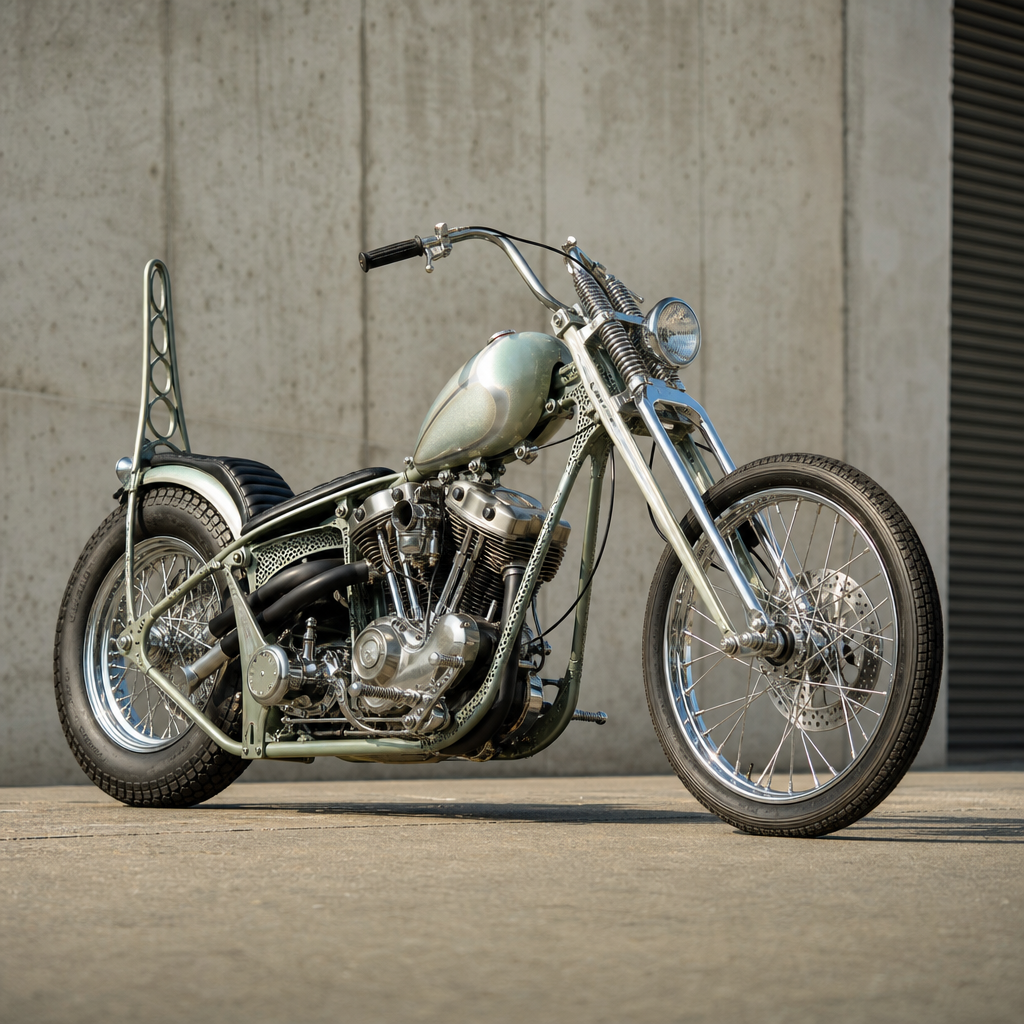
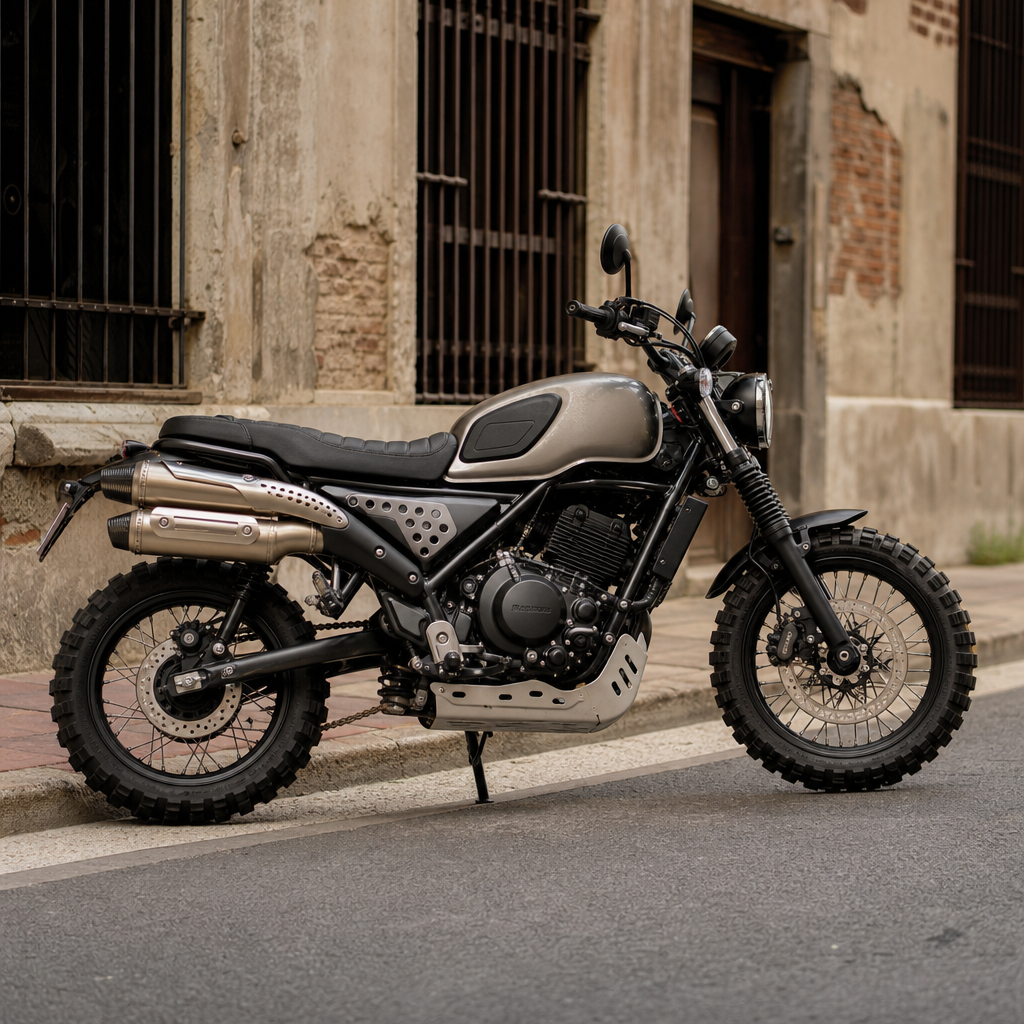
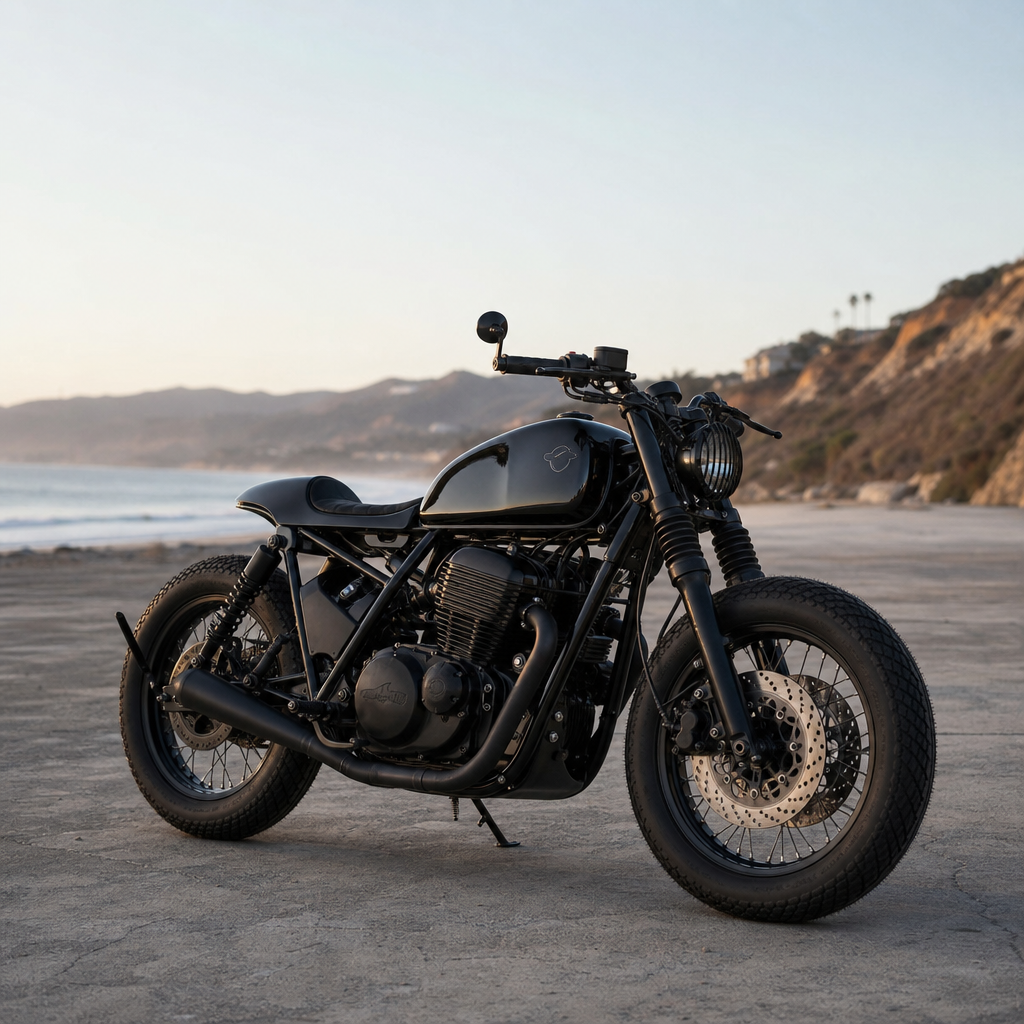
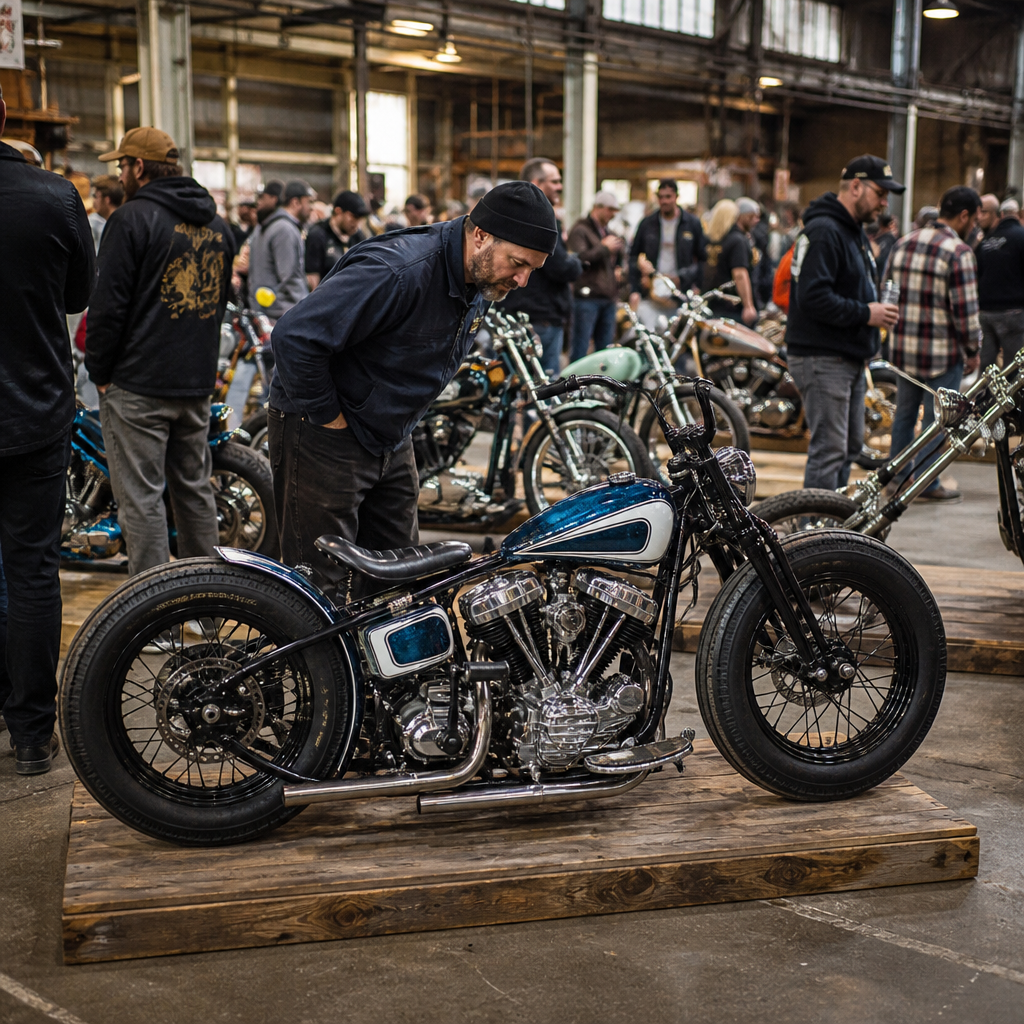
The core of Mama Tried 2026 was still the custom motorcycle show, but the bigger story was how clearly the event defended the value of authentic home-built work. The strongest bikes were not necessarily the most expensive. They were the ones that revealed fabrication choices, mechanical honesty, and a coherent point of view. You could see narrow-tank choppers with hand-made brackets, race-inspired twins with useful wear marks, and vintage-based customs that were updated just enough to ride hard without losing character. That matters for travelers because it shapes the audience expectation. This is not a convention-center event built around chrome spectacle and distant stanchions. It is a close-range inspection show. People kneel to study foot controls, ask about neck geometry, and compare carburetion choices. Builders are part of the exhibit, which makes the experience richer and more educational.
The indoor flat track component remained essential rather than secondary. For many attendees, the race program justifies the travel on its own, while the show provides daytime depth. In practical terms, that split format extends how visitors use the city. Instead of treating the weekend as a single-ticket attraction, riders build multi-stop itineraries around it. A typical pattern is arrival Friday, show attendance Saturday, racing Saturday night, local bar or shop meetups after, then museum, dealer, or warehouse visits Sunday. Milwaukee supports that structure because downtown lodging, rideshare coverage, and venue connections are relatively straightforward. A compact city encourages more movement and more spending, but it also means travelers need a realistic schedule. Trying to overpack every side event usually creates long lines, missed meals, and too little time with the motorcycles themselves.
Another notable feature in 2026 was cross-regional representation. You could trace influences from the Midwest, West Coast, Northeast, and southern garage scenes in one hall. That diversity matters when using this event as a rally hub marker. Some motorcycle gatherings are highly local in style and attendance, which is valuable but less useful for broader route planning. Mama Tried attracts enough national traffic to function like a connector event. Riders meet future travel partners there, compare plans for spring calendars, and get firsthand recommendations on where to go next. In my experience, winter shows often determine summer mileage more than online lists do. A conversation beside a well-ridden Sportster can generate a June route, a campsite tip, or a trailer-sharing arrangement that saves hundreds of dollars later in the year.
Why Milwaukee Works as a Rally Logistics Base
Milwaukee’s biggest advantage is scale. It offers airport access, interstate connectivity, and a deep motorcycle identity without the pricing and congestion of the largest event cities. Milwaukee Mitchell International Airport gives fly-in travelers a workable option, while I-94 and regional highway links make van and trailer arrivals practical from Chicago, Minneapolis, Madison, Indianapolis, and much of the upper Midwest. For event logistics, that matters more than glamour. A city that is easy to enter and navigate reduces stress before the first wristband is scanned. Winter weather is the obvious complication, but road conditions in this corridor are usually manageable with monitoring, buffer time, and a willingness to arrive earlier than your ticket technically requires.
Lodging strategy in Milwaukee is usually neighborhood-specific rather than citywide. Staying too far from the venue often saves a little on room rate while adding repeated rideshare costs and wasted time in the cold. Staying very close can be worth the premium if you want flexibility to drop layers, rest between sessions, or avoid parking uncertainty. For groups hauling bikes, the equation changes again. Secure parking, trailer clearance, and loading ease may matter more than being walkable. I have learned to call hotels directly instead of relying on booking platforms for these details. Front desk staff can usually confirm lot layouts, overnight parking policies, and whether the property has handled event traffic before. That ten-minute call prevents the kind of arrival problem that can throw off an entire weekend.
Food and nightlife also count as logistics, not extras. Indoor winter events create compressed demand windows, and restaurants near major venues get crowded fast. Riders who build meal timing into the plan perform better and enjoy the weekend more. The same is true of nightlife. Milwaukee’s bars and music rooms are part of the appeal, but late-night enthusiasm often clashes with early venue lines, race seating, or Sunday checkout. Good rally planning means deciding what the trip is for. If your priority is photography, networking, and studying bikes, protect your mornings. If your priority is social energy, accept that you may miss the quiet early hours when serious enthusiasts can examine details without shoulder-to-shoulder traffic. Clear priorities make city logistics feel simple.
How to Build a Smarter Rally Calendar Around Mama Tried
Mama Tried sits at a useful point in the annual rally calendar because it lands early enough to shape the rest of the year. Riders can use it as a planning checkpoint for spring swap meets, summer campout rallies, dealer anniversaries, racing weekends, and destination runs. The practical method is to classify events by purpose: inspiration, competition, parts sourcing, scenic riding, or community networking. Mama Tried belongs primarily in the inspiration and networking categories, with a strong secondary role in trend-spotting for custom builds. If you only treat the event as entertainment, you miss one of its best benefits. The bikes and conversations can inform what to build, where to ride, and which other events deserve your limited travel budget.
When I map a riding year, I separate fixed-date anchor events from flexible ride windows. An anchor event is something like Mama Tried: a specific weekend with ticketed access, hotel compression, and broad attendance. Flexible windows include self-planned road trips or smaller local meets that can move a week or two if weather or work changes. By placing anchors first, you can estimate annual spend early. That estimate should include tickets, lodging, fuel, tolls, food, parking, and contingency funds for weather delays or minor repairs. Too many riders underbudget because they only count admission and gas. In reality, urban weekends are often won or lost by hidden costs such as rideshares, checked baggage fees, or an extra hotel night after a snow forecast changes your departure plan.
| Planning Factor | Mama Tried Approach | Why It Matters for Other Rallies |
|---|---|---|
| Booking timeline | Reserve hotel and tickets as soon as dates are confirmed | Anchor events create rate spikes and limited room blocks |
| Travel mode | Choose drive, trailer, or fly-in based on weather and side trips | Transport choice affects gear, flexibility, and total cost |
| Neighborhood selection | Prioritize venue access, secure parking, and food options | Location often matters more than headline room price |
| Daily schedule | Balance show time, racing, meals, and rest realistically | Overstuffed itineraries reduce event value and create delays |
| Annual calendar role | Use it to confirm spring and summer plans with other riders | Winter events are ideal for planning the rest of the season |
For readers building a full rally calendar and logistics system, the key lesson is repeatability. Create one planning template and reuse it for every event. Include date, ticket release, cancellation deadlines, parking notes, weather risks, and nearby motorcycle-relevant stops such as museums, independent shops, and race tracks. That process turns random weekends into a coherent travel season. Mama Tried deserves a place near the top of that template because it offers high return on time: a concentrated custom show, a race experience, and a dense networking environment in a city that can be handled without extreme complexity. As hub events go, it is unusually efficient.
Travel, Packing, and On-the-Ground Execution
The biggest mistake first-time attendees make is packing for a motorcycle fantasy instead of a Milwaukee winter reality. Even if you are surrounded by beautiful bikes, the event is still a February urban trip in Wisconsin. Waterproof boots, insulated outerwear, gloves, and layers matter more than style-first gear. If you are driving, keep snow brush, charger cables, and basic roadside equipment in the vehicle. If you are flying, wear your bulkiest layer on the plane and keep cameras, chargers, tickets, and medication in your carry-on. Delayed luggage is annoying anywhere, but it is worse when temperatures are below freezing and you planned to move between venues on foot.
Photographers and builders should pack with intent. Indoor event lighting can be mixed and tricky, so bring fast lenses if you use a dedicated camera. For phone shooters, clean the lens often and take wide establishing shots before crowds thicken. Builders who expect serious conversations benefit from having a simple digital portfolio ready on their phone or tablet. At events like Mama Tried, people ask direct questions about previous projects, fabrication methods, and whether a bike is truly ridden. Being ready to answer efficiently opens doors. I have seen future collaborations start from a five-minute conversation simply because someone could clearly explain how a mount was made, why a frame was changed, or what failed on the first test ride.
Execution on the ground comes down to timing. Arrive early for the show if you want clean sightlines and useful conversations. Eat before peak hours. Confirm transportation to the races before leaving the daytime venue. Build one buffer window into the schedule each day for lines, weather, or an unexpectedly valuable stop. Those habits sound basic, but they separate smooth rally weekends from chaotic ones. The same playbook works beyond Milwaukee. Whether you are organizing a regional campout or a major city show, the best logistics are not flashy. They are consistent, documented, and flexible enough to absorb a problem without wrecking the trip.
What This Hub Means for Future Rally Coverage
As a sub-pillar hub for rally calendars and logistics, this page should guide readers toward a broader travel system, not just a single event recap. Mama Tried 2026 earns that role because it shows how content-rich motorcycle weekends actually function. The value is not limited to what happened on the show floor. It is in the interaction between schedule, city layout, weather, transport choice, and the character of the audience. Future coverage in this topic should branch into route planning, hotel selection frameworks, trailer security, fly-and-rent strategies, event budgeting, and region-by-region seasonal calendars. Those supporting articles make more sense when readers first understand a real example with enough complexity to be useful.
Milwaukee’s home-built custom showcase also reminds riders that logistics is not separate from culture. The way an event is staged affects who comes, how long they stay, what they spend, and what they remember. Mama Tried works because the practical setup supports the emotional payoff. You can inspect remarkable motorcycles, watch racing, talk to people who built what they rode in on, and still navigate the city without treating the trip like a military exercise. That balance is rare. It explains why the event continues to matter in national conversations about custom motorcycles and why it belongs on any serious rider’s annual planning radar.
The main takeaway is simple: use Mama Tried 2026 as both inspiration and template. Put it on your rally calendar early, plan Milwaukee logistics with winter discipline, and apply the same framework to every event that follows. If you want a better motorcycle travel year, start by organizing one smart weekend well, then repeat what worked.
Frequently Asked Questions
What made Mama Tried 2026 stand out as more than just another winter motorcycle show?
Mama Tried 2026 stood out because it functioned as several important motorcycle experiences at once. On the surface, it was a custom bike show packed with home-built machines, thoughtful fabrication, and the kind of details that reward slow walking and close inspection. But the deeper reason it mattered is that it showed how Milwaukee has become a true cold-season gathering point for riders, builders, and travelers who want more than a display hall full of polished bikes. The event brought together custom culture, indoor flat track energy, and rally-style trip planning in a way few winter events can match.
The custom showcase itself remained the centerpiece. Mama Tried has built its reputation on motorcycles that feel personal rather than manufactured for trends, and the 2026 edition reinforced that identity. Builders brought machines that reflected lived riding experience, garage problem-solving, and practical creativity. That home-built emphasis is important because it keeps the event grounded. Instead of feeling like a trade-only industry showcase, it felt like a gathering where real riders could see what is possible with skill, persistence, and a strong point of view.
Just as important, the event’s atmosphere made Milwaukee feel like an active workshop rather than a passive venue. The city did not simply host the show; it supported the full rhythm of the weekend, from show-floor conversations to race excitement and after-hours meetups. For many attendees, that combination is what elevates Mama Tried. It is not only a place to look at motorcycles. It is a place to connect with the broader culture around them, meet other travelers, compare routes and event calendars, and begin mapping out the riding year ahead. That broader usefulness is why the 2026 recap matters even to people who are planning future motorcycle travel and not just reviewing one weekend in Wisconsin.
Why is Mama Tried considered such an important stop on the yearly rally calendar?
Mama Tried has become an important anchor on the yearly rally calendar because it helps define the transition between the off-season and the riding season. In simple terms, a rally calendar is the yearly map of key gatherings that riders use to plan travel, prioritize events, and organize time, money, and miles. Some events are regional favorites, some are destination spectacles, and a few become strategic markers that shape the rest of the year. Mama Tried falls into that last category because of its timing, reputation, and broad appeal across different corners of motorcycle culture.
Its winter timing is a major reason for that importance. Riders in colder climates are usually not deep into long-distance riding by the time Mama Tried happens, but they are actively thinking about the coming season. That makes the event ideal for setting plans. People attend to see custom motorcycles and racing, but they also leave with hotel ideas, route suggestions, and recommendations for what to attend next. Conversations at Mama Tried often extend far beyond Milwaukee, touching on spring runs, summer rallies, regional campouts, and larger national events. In that sense, it acts like a planning hub as much as a show.
The event also matters because it attracts a national audience without losing its regional authenticity. That balance is rare. Some events get larger and lose their identity; Mama Tried has largely maintained a recognizable point of view centered on home-built customs, rider participation, and community energy. Because of that, it earns trust. Riders know what kind of experience they are signing up for, and that consistency gives it weight on the annual schedule. When people build a travel calendar, they are not only chasing the biggest event names. They are looking for gatherings that reliably deliver culture, access, and memorable experiences. Mama Tried has proven it belongs in that category.
How does Mama Tried 2026 help riders plan a cold-season motorcycle trip to Milwaukee?
A recap of Mama Tried 2026 is useful for trip planning because it highlights the exact combination of factors riders need to think about when traveling to a winter motorcycle event: timing, lodging, transportation, weather flexibility, and venue-to-venue movement once they arrive. Milwaukee works well for this kind of trip because the city can support a motorcycle-centered weekend even when many visitors are not actually riding their bikes there. That distinction matters. For winter events, a successful trip often depends less on saddle time and more on smart logistics.
For most travelers, the first step is deciding whether the trip is a fly-in weekend, a drive-in weekend, or part of a longer regional road trip using a truck, van, or trailer. Mama Tried is especially accommodating to people who travel in all three ways. Riders who fly in can still get the full event experience because the show, races, and surrounding social scene are dense enough to justify the trip without needing to put in miles on a bike. Those who drive in have more flexibility for bringing gear, merchandise, or even bikes for associated meetups. The recap value is that it reminds future attendees to make that travel choice early.
Hotel planning is another major piece. Because Mama Tried has become a nationally recognized winter draw, nearby lodging can tighten quickly. Booking early is wise, especially if staying within easy reach of the main action is important. Travelers should also think about walkability, rideshare availability, parking costs, and how winter conditions may affect moving around the city. In cold-weather event planning, a hotel that looks close on a map may feel much farther if there is wind, snow, or ice. The best strategy is to choose convenience over saving a small amount on nightly rate.
Finally, the 2026 recap reinforces the value of building a flexible itinerary. Winter travel can shift quickly due to weather delays, changed road conditions, or limited transportation windows. Riders who treat the weekend like a rally stop rather than a rigid schedule usually have a better time. That means allowing room for race-night changes, unplanned builder conversations, and the natural overflow of a busy motorcycle weekend. In practical terms, Mama Tried rewards travelers who prepare well but leave enough freedom to enjoy what happens once they get there.
What role did the home-built custom scene play in defining the feel of Mama Tried 2026?
The home-built custom scene was the heart of Mama Tried 2026, and it defined the show’s credibility more than any headline attraction could. Plenty of motorcycle events feature customs, but Mama Tried has long distinguished itself by celebrating motorcycles that feel ridden, resolved, revised, and deeply personal. That emphasis changes the tone of the event. Instead of presenting customization as a luxury exercise or purely aesthetic competition, the show treats building as a living craft tied to use, experimentation, and identity.
That home-built spirit shapes what attendees notice on the floor. People are not only looking at paint, chrome, or polished parts lists. They are looking at fabrication choices, frame decisions, control layouts, stance, fitment, and the subtle signs that a bike has evolved through actual experience. The best machines at Mama Tried typically reward people who ask questions and look closer. Why was a certain tank chosen? Why does the exhaust route that way? What problem did the builder solve with that setup? Those are the conversations that give the event its substance.
It also helps explain why Mama Tried appeals to such a broad audience. You do not need to be a professional builder to appreciate a strong home-built motorcycle. In fact, the event often resonates most with riders who wrench at home, sketch future ideas, collect parts over time, or simply admire craftsmanship that feels accessible rather than remote. The 2026 edition continued that tradition by reinforcing that custom culture is not just about finished products. It is about process, intent, and the exchange of ideas between people who ride and build for their own reasons. That is what makes the showcase memorable and why so many attendees leave inspired rather than merely impressed.
How do the indoor flat track action and the custom show work together to make Mama Tried a national travel anchor?
The indoor flat track action and the custom show complement each other in a way that gives Mama Tried unusual depth as a travel destination. On their own, each element would be enough to attract dedicated fans. Together, they create a full-spectrum motorcycle weekend that appeals to builders, racers, photographers, collectors, casual enthusiasts, and travelers looking for a strong off-season event. That range is a big reason the gathering has become a national draw rather than a niche regional show.
The custom show provides the visual and cultural foundation. It is where attendees slow down, study machines, talk with builders, and absorb the design language of the current custom scene. The flat track side injects movement, noise, tension, and pure spectator energy. That contrast is valuable. One part of the weekend invites reflection and conversation; the other delivers urgency and action. For travelers, that means the trip feels complete. You are not flying or driving into Milwaukee for a single static experience. You are stepping into a motorcycle weekend with multiple rhythms and multiple reasons to stay engaged.
From a rally-calendar perspective, this matters because events that become travel anchors usually offer more than one payoff. Riders are more willing to commit time and money to a trip when the event promises layered value. Mama Tried does exactly that. During the day, attendees can immerse themselves in the home-built custom showcase and all the stories behind the bikes. At race time, the energy shifts and the weekend takes on a competitive edge that changes the pace completely. Around those core attractions, the city fills in the rest with meetups, conversations, hospitality