The Honda NC750X DCT rewards riders with smooth, intelligent shifting, but that intelligence depends on mechanical inputs that many owners underestimate, especially final-drive chain condition. On this motorcycle, chain maintenance is not just a driveline chore. It directly affects how the bike accelerates, how the transmission controller interprets load, and how consistently the dual-clutch system chooses gears. Riders who treat the chain as a simple wear item often end up chasing “odd” shift behavior that begins with slack, tight spots, poor lubrication, or incorrect wheel alignment.
The key terms matter. DCT refers to Honda’s Dual Clutch Transmission, an automated manual gearbox that preselects gears and engages them through two clutches under electronic control. JIS refers to Japanese Industrial Standards, which influence fastener dimensions, screw profiles, and service expectations on Japanese motorcycles. Metric quirks describes the practical realities of maintaining a Japanese bike with metric tools, torque values in newton-meters, and hardware that looks familiar but punishes assumptions. As a maintenance hub topic, these ideas belong together because a rider servicing an NC750X chain, rear axle, sprockets, or shift-related components will encounter all three at once.
I have worked on enough Honda drivetrains to see the pattern repeatedly. A customer reports harsh low-speed shifting, delayed downshifts, or a vague lurch when rolling back on the throttle. Diagnostic scans show no fault codes. Clutch learn values are normal. The actual issue is a chain adjusted too tight after a tire change, or a neglected chain with binding links that creates uneven resistance at the countershaft. Fix the chain, verify alignment properly, and the transmission feels smarter because the driveline is no longer feeding noise into the system.
This matters because the NC750X is used exactly where smooth drivability counts most: commuting, touring, and mixed-road riding. Unlike a high-revving sport bike, the NC750X makes practical torque low in the rev range, and its DCT logic constantly evaluates throttle input, vehicle speed, engine speed, and rate of change to select a gear. If the chain adds drag, backlash, or oscillation, the system still functions, but the result can feel less refined. Owners then blame the transmission when the source sits in plain sight behind the swingarm.
How the NC750X DCT Uses Driveline Signals
Honda’s DCT on the NC750X is not a scooter-style continuously variable transmission. It is a six-speed gearbox with fixed ratios, shift forks, shift drums, and two computer-controlled clutches. One clutch handles odd gears, the other even gears, allowing the next gear to be engaged before the previous one is released. That is why healthy DCT bikes shift quickly and with very little interruption in drive. The control unit relies on stable mechanical behavior to make those shifts feel seamless.
In practical terms, the system watches throttle position, engine rpm, road speed, brake use, and rider-selected mode. It then decides whether to hold a gear, upshift, or downshift. What many riders miss is that the rear wheel load reflected through the chain and sprockets influences how the bike responds after the clutch exchange. If chain slack is excessive, throttle transitions can produce a pronounced take-up shock. If the chain is too tight, driveline drag rises, suspension movement is restricted, and the transmission can feel abrupt when engaging under low-speed load.
I have found the worst behavior on bikes with uneven chain wear. A chain with tight spots does not present constant tension as the wheel rotates. That variation changes driveline resistance several times per wheel revolution. The rider feels it as surging, jerkiness, or a rough handoff during parking-lot maneuvers. On a manual bike, a skilled rider may unconsciously mask some of it with clutch control. On the NC750X DCT, the system is precise, so mechanical inconsistency stands out more clearly.
Honda’s own service procedures emphasize correct chain slack, wheel alignment, and inspection intervals for exactly this reason. The motorcycle may not set a transmission error code when the chain is neglected, yet shift quality still deteriorates. That distinction is important for diagnostics: poor chain condition usually creates drivability complaints before it creates an outright failure.
Why Chain Maintenance Changes Shift Quality
Chain maintenance affects shifting logic through three mechanisms: backlash, friction, and geometry. Backlash is the free play in the driveline before power is fully transmitted. Too much chain slack increases lash, so when the DCT reengages power after a shift, the hit feels larger. Friction comes from dry rollers, rust, contaminated O-rings, or misalignment. Higher friction changes how quickly the wheel responds to torque. Geometry includes axle alignment and effective chain tension as the suspension moves. If any of these are wrong, the transmission’s decisions can feel mistimed even when its calculations are correct.
On the NC750X, the problem often appears at commuting speeds. Riders roll off for traffic, then roll back on gently. With a healthy chain, drive returns smoothly. With excess slack, there is a pause and then a clunk as the slack is taken up. The rider interprets this as a poor downshift or rough clutch control. In reality, the gearbox may have selected the right gear; the harshness is happening downstream.
Over-tight adjustment is just as damaging. As the swingarm moves, chain tension changes relative to the countershaft, swingarm pivot, and rear axle. A chain adjusted at the wrong point or to the wrong spec can become very tight with the suspension compressed. That loads the countershaft bearings, reduces suspension compliance, and makes low-speed DCT engagement feel strained. I have seen bikes leave tire shops with “safe-looking” minimal slack that produced immediate complaints after only a few miles.
| Chain condition | What the rider feels | Likely effect on DCT behavior |
|---|---|---|
| Too loose | Clunk on throttle pickup, jerky transitions | Correct shifts feel harsh because lash is excessive |
| Too tight | Drag, abrupt engagement, stiff suspension feel | Low-speed shifts feel strained and less smooth |
| Dry or rusty | Noise, vibration, rough drive | Inconsistent wheel response during clutch handoff |
| Misaligned wheel | Accelerated wear, handling oddities | Added friction and uneven loading confuse drivability |
| Tight spots | Surging at steady speed, uneven slack | Repeated resistance changes make shifting feel erratic |
The JIS Standard and Why It Matters on a Honda
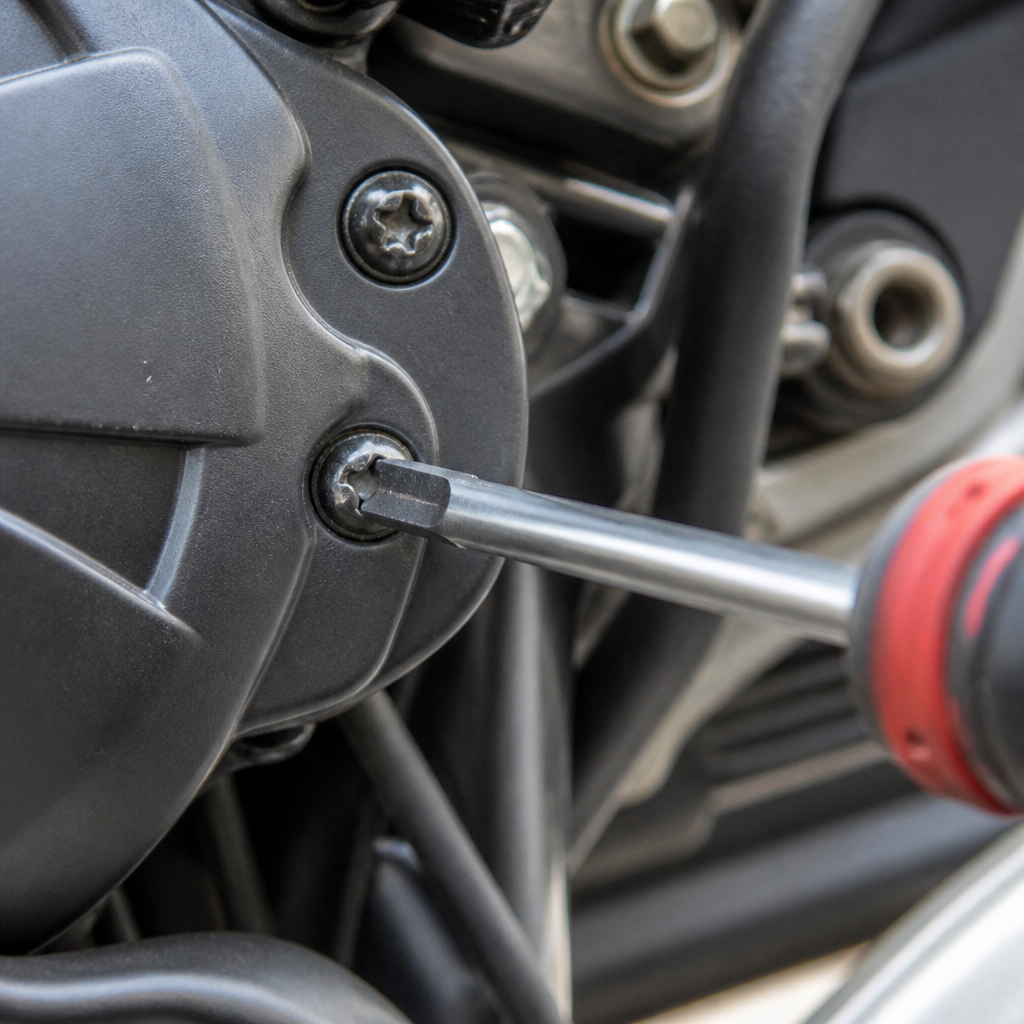
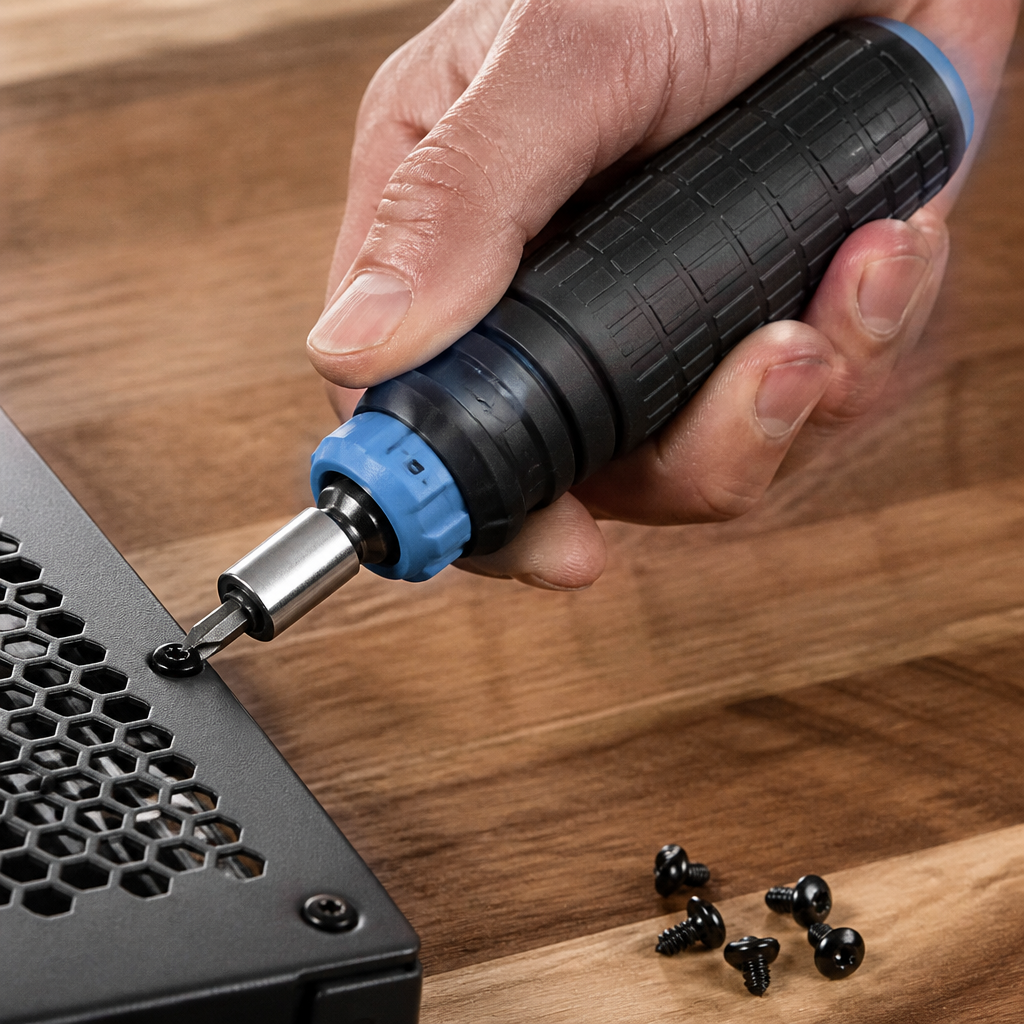
Any serious NC750X maintenance conversation should include JIS fasteners and tool fit. Many Japanese motorcycles use cross-head screws and related hardware that are commonly mistaken for Phillips. They look similar, but the geometry differs. A Phillips driver is designed to cam out under high torque. A proper JIS driver fits more positively and reduces the risk of chewing up screw heads on reservoir caps, switchgear, hose clamps, and trim fasteners. On a maintenance hub page, this matters because chain service often expands into sprocket cover removal, sensor cleaning, and surrounding inspection.
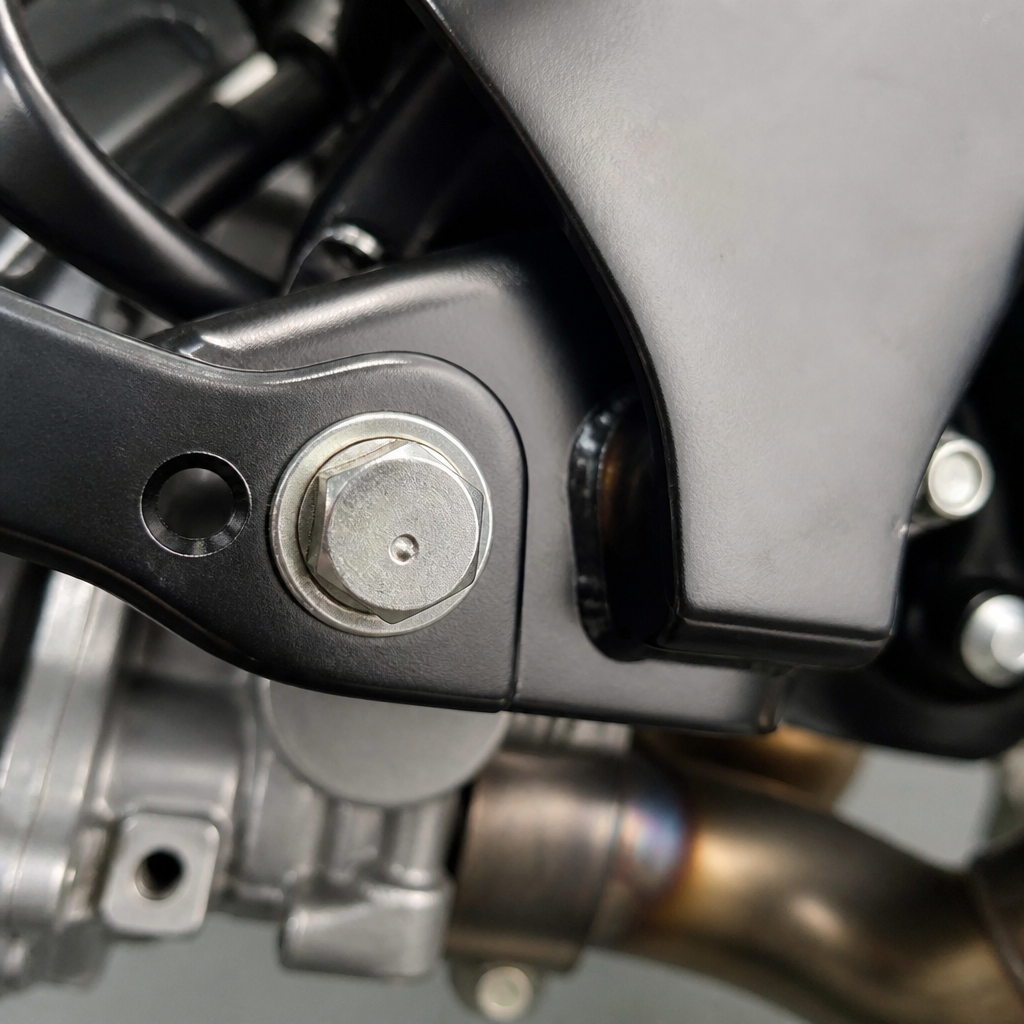
The same attention applies to sockets and hex tools. Honda uses metric hardware throughout, and tolerances are not forgiving of rounded tools or inch-size substitutions. A 12 mm or 14 mm fastener that has seen road grime and thread locking compound can be damaged quickly by a worn socket. Once hardware is rounded, even basic chain adjustment becomes more difficult, and owners are tempted to rely on marks instead of proper measurement. That is how small service shortcuts become larger mechanical problems.
JIS discipline is really about respecting the service ecosystem of the motorcycle. Use the correct screwdriver standard, the correct metric spanners, the correct torque values, and the correct approach to thread preparation. On Hondas, that consistency pays off because the parts are engineered to work repeatably when assembled to spec. Sloppy tool choice creates false diagnoses later.
DCT Maintenance Beyond the Chain
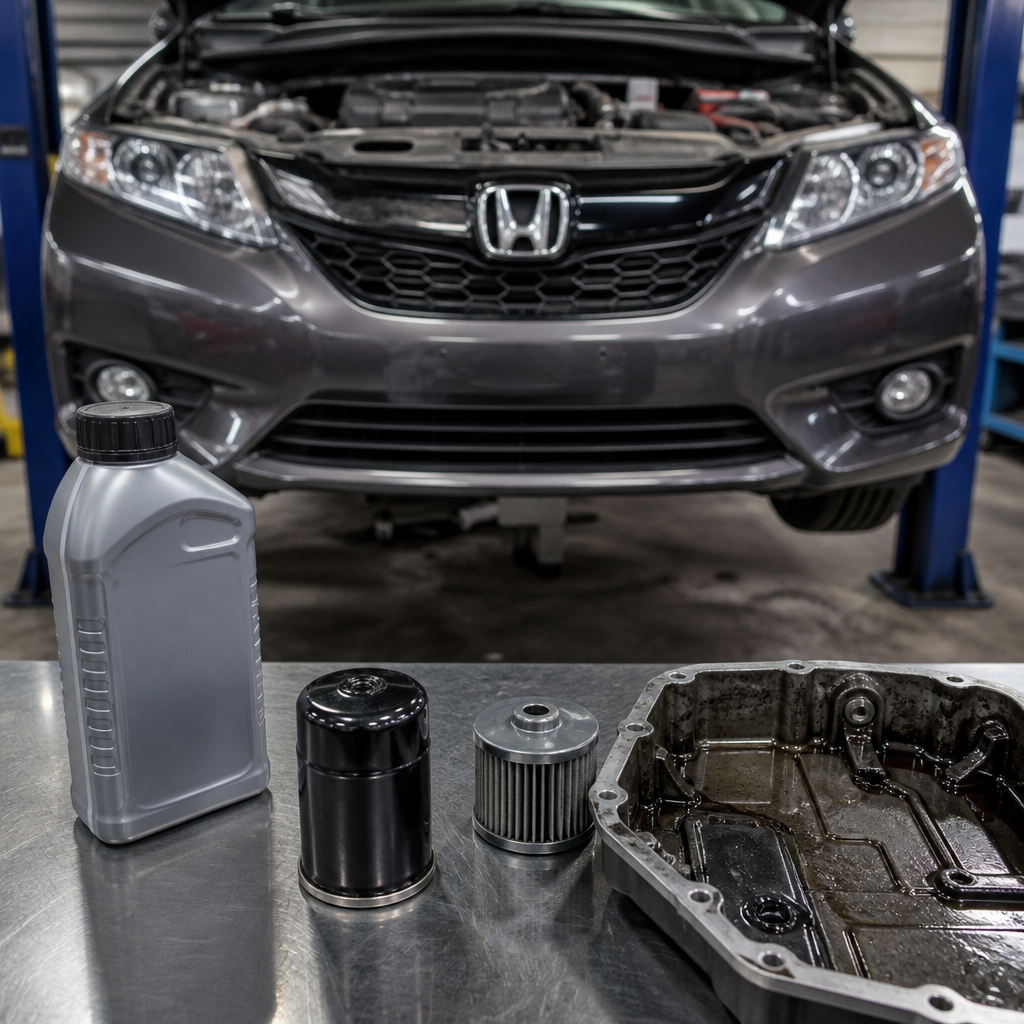
Chain care is critical, but it sits inside a broader DCT maintenance picture. The NC750X DCT depends on clean oil of the correct specification because the transmission, clutches, and hydraulic control components all rely on stable fluid behavior. Honda specifies motorcycle-compatible oil meeting the required viscosity and performance standards; using an automotive oil with friction modifiers can compromise clutch operation. Regular oil and filter changes are therefore part of shift quality maintenance, not just engine longevity.
Battery health also matters more than many riders assume. DCT systems need stable voltage for actuators, solenoids, and control logic. A weak battery may not always prevent starting, but low voltage can contribute to hesitant initialization or inconsistent behavior. During service, I check resting voltage, charging output, and ground integrity before blaming the transmission itself.
Software adaptation and initialization procedures matter after some repairs or battery events, but they are not magic fixes for mechanical neglect. If the chain is worn out, the rear wheel is misaligned, or the sprockets are hooked, performing clutch adaptation alone will not restore smoothness. Mechanical baseline comes first, then electronic procedures if required by the service manual.
Metric Quirks Owners Should Understand
The NC750X is simple to maintain if you think in metric terms consistently. That means measuring chain slack in millimeters, torque in newton-meters, and wear against service limits rather than visual guesswork. It also means accepting that “close enough” is often not close enough on modern motorcycles. A few millimeters of chain error or a few newton-meters off on the axle can alter feel, wear rate, or component life.
One common quirk is reliance on swingarm alignment marks. They are useful as a reference, but I never trust them alone. Manufacturing tolerance, paint thickness, and previous damage can leave marks visually equal while the wheel is not perfectly aligned. The better practice is to use the marks only to get close, then verify by measuring from the swingarm pivot to the axle on both sides, or by using a straightedge or a laser alignment tool.
Another quirk is fastener feel. Many owners raised on larger automotive hardware overtighten smaller motorcycle bolts, especially around guards, covers, and adjuster locknuts. The answer is not “tight enough by instinct.” It is a calibrated torque wrench and a service manual. On the NC750X, methodical metric work prevents stripped threads, distorted parts, and the kind of compounded service errors that later get blamed on the DCT.
Practical Inspection Routine for NC750X Owners
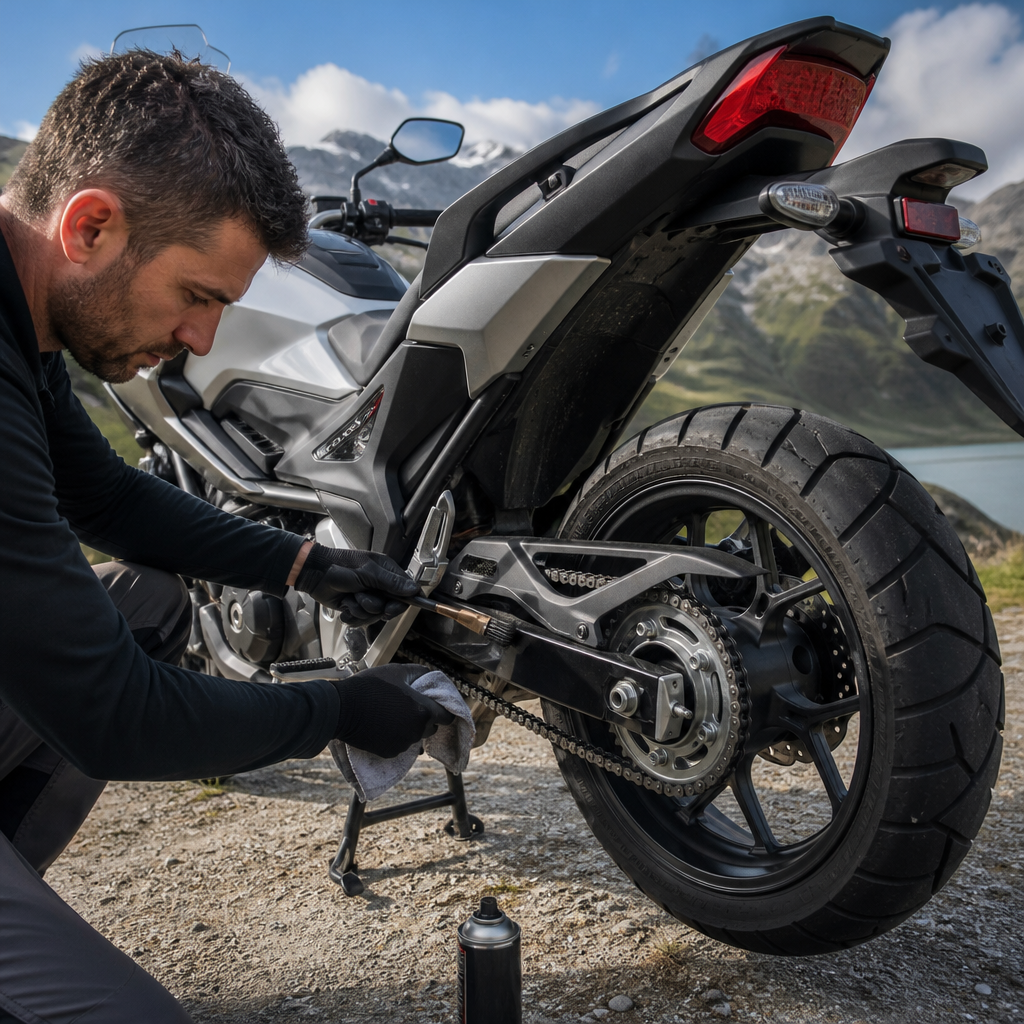
The most effective routine is short, repeatable, and tied to riding conditions. After wet weather, dusty roads, or long commuting weeks, inspect the chain while the bike is clean enough to reveal problems. Rotate the wheel and look for stiff links, red rust, side plate damage, hooked sprocket teeth, and uneven slack. Clean with a chain-safe cleaner, dry it, and apply a suitable O-ring chain lubricant to the inside run so centrifugal force carries it through the rollers in use.
Then measure slack at the specified point, with the motorcycle in the service condition described by Honda. Do not guess by pressing randomly on the lower chain run. Measure. Adjust evenly, tighten the axle to specification, and recheck slack after torqueing because the reading can change. Finally, verify wheel alignment by a real measurement method, not just the stamped marks.
When owners follow this routine, the payoff is immediate: smoother take-up from a stop, cleaner low-speed modulation, more predictable automatic downshifts, quieter running, and longer life from chain and sprockets. Just as important, they avoid misdiagnosing normal DCT operation as a transmission defect.
The main lesson is simple: on the Honda NC750X DCT, chain maintenance is part of shifting performance, not separate from it. The transmission’s logic is sophisticated, but it can only work with the mechanical reality the drivetrain gives it. Respect the JIS tool standard, follow metric specifications precisely, maintain oil and battery health, and keep the chain correctly adjusted, lubricated, and aligned. Do that, and the NC750X delivers the smooth, practical, confidence-building ride it was designed to provide.
For riders using this page as a hub within a maintenance and technical encyclopedia, start with the chain because it connects every theme in this subtopic. It brings together Japanese fastener standards, DCT service principles, and the metric habits that separate guesswork from proper maintenance. Build your routine around those fundamentals, consult the factory service manual for exact values, and inspect before problems become symptoms. If your NC750X has started feeling rough, inconsistent, or strangely abrupt, check the chain first and work outward methodically.
Frequently Asked Questions
Why does chain maintenance affect shifting behavior on the Honda NC750X DCT?
On the NC750X DCT, the final-drive chain does more than transfer power to the rear wheel. Its condition changes how efficiently and consistently that power is delivered, and that matters because the dual-clutch transmission’s shift decisions are based on load, throttle input, engine speed, wheel speed, and how the motorcycle responds in real time. If the chain is too loose, too tight, dry, kinked, or unevenly worn, driveline lash increases and power delivery becomes less predictable. That can make acceleration feel slightly delayed, jerky, or inconsistent, especially at lower speeds or during small throttle changes.
When that happens, riders often describe the bike as making “odd” gear choices, holding a gear too long, upshifting too early, or feeling abrupt during transitions. In many cases, the DCT itself is doing exactly what it was programmed to do, but it is reacting to mechanical inputs that have been distorted by poor chain condition. A neglected chain can create resistance, slack variation, and shock loading that alter how the bike behaves under load. The result is a mismatch between what the rider expects and what the transmission controller interprets. Keeping the chain clean, properly lubricated, correctly adjusted, and in good overall condition helps preserve the smooth, logical shifting that the NC750X DCT is known for.
What chain problems are most likely to cause strange or inconsistent DCT shifting?
The most common issues are incorrect chain slack, poor lubrication, tight spots, seized links, and uneven wear across the chain and sprockets. Excessive slack allows more driveline play, which can show up as clunkiness when rolling on or off the throttle. That extra lash can make low-speed behavior feel less refined and may exaggerate the sensation of abrupt clutch engagement or awkward shift timing. On the other hand, a chain adjusted too tightly can bind as the suspension moves through its travel, increasing drag and changing how the bike responds under acceleration.
A dry or dirty chain creates friction that reduces efficiency and makes power delivery less smooth. Tight spots are especially important because they cause chain tension to vary as the wheel rotates. That means the chain might seem acceptable in one position and too tight in another, leading to inconsistent driveline feel. Worn or hooked sprocket teeth can also contribute by preventing smooth chain engagement, which increases vibration and load fluctuations. Together, these problems can create symptoms riders wrongly attribute to a software issue, a clutch problem, or a defect in the DCT system. In reality, the transmission logic is highly sensitive to how the motorcycle loads and unloads, and chain-related irregularities directly influence that process.
How can I tell whether my NC750X DCT’s shifting issue is actually chain-related?
Start by paying attention to when the symptom occurs. If the bike feels mostly normal at steady speeds but becomes jerky during takeoff, stop-and-go riding, low-speed throttle transitions, or gentle acceleration, the chain is a strong suspect. Chain-related issues often show up as a snatchy feel when reapplying throttle, a harsher-than-usual response during upshifts, or a vague sense that the bike is not delivering power cleanly. Some riders also notice more noise from the chain area, a slap sound over bumps, or a rough feeling through the pegs.
A visual and physical inspection can reveal a lot. Look for dry rollers, rust, grime buildup, stiff links, inconsistent chain tension, and sprocket teeth that appear pointed or hooked. Check slack according to Honda’s specification and inspect multiple points by rotating the wheel, because worn chains often have tighter and looser sections. If the chain needs frequent readjustment, that usually indicates wear rather than a one-time setup issue. It is also helpful to consider whether the shifting complaint improved or worsened after recent maintenance. If the bike shifted well before the chain became dirty or overdue for adjustment, that correlation matters. Before assuming an electronic fault, restoring the chain to proper condition is one of the smartest and least expensive diagnostic steps you can take.
What is the correct approach to maintaining the chain so the DCT performs consistently?
The best approach is regular, methodical maintenance rather than waiting for obvious symptoms. Clean the chain with a motorcycle-safe chain cleaner and a soft brush, then apply a quality chain lubricant designed for O-ring or X-ring chains. Lubrication should be done after riding, when the chain is warm, so the lubricant can penetrate more effectively and adhere better. Wipe off excess to reduce fling and dirt accumulation. Just as important, check chain slack on a routine schedule and always follow the Honda service specification and measurement procedure for the NC750X, because chain adjustment that is merely “close enough” can still affect driveline behavior.
Inspection should include more than slack alone. Look for alignment at the rear axle, inspect sprocket wear, and rotate the wheel to identify tight spots or seized links. If you find significant wear, replacing only the chain is usually not ideal; chain and sprockets should generally be replaced as a matched set to restore proper engagement and durability. For DCT-equipped bikes in particular, consistency matters. A chain that is uniformly lubricated, evenly tensioned, and correctly aligned gives the transmission controller stable mechanical conditions to work with. That allows the bike’s shifting logic to feel smooth and predictable instead of reactive and confusing. In short, chain service on the NC750X DCT is not optional housekeeping; it is part of preserving the transmission’s intended behavior.
Can poor chain maintenance actually cause long-term damage, or is it just a drivability issue?
It can absolutely become more than a drivability issue. In the short term, neglected chain maintenance mainly affects smoothness, responsiveness, and shift quality. Over time, though, a dry, misadjusted, or badly worn chain increases stress across the entire final-drive system. That includes accelerated sprocket wear, extra load on countershaft components, and more shock transmitted through the driveline during throttle changes and gear transitions. While the DCT unit is engineered to be robust, repeated harsh loading caused by avoidable chain problems is never beneficial to any transmission or clutch system.
There is also a safety and reliability aspect. An overly loose chain can slap, derail, or damage surrounding components. An overly tight chain can put constant strain on bearings and shafts, especially as the suspension compresses. Seized links and severe wear can create vibration, reduce efficiency, and compromise control feel. For riders chasing mysterious shift behavior, the danger is that they keep riding while assuming the issue is electronic, allowing a simple maintenance problem to become an expensive mechanical repair. Proper chain care protects shift quality, preserves drivetrain longevity, and helps the NC750X DCT deliver the refined, intelligent performance it was designed to provide.