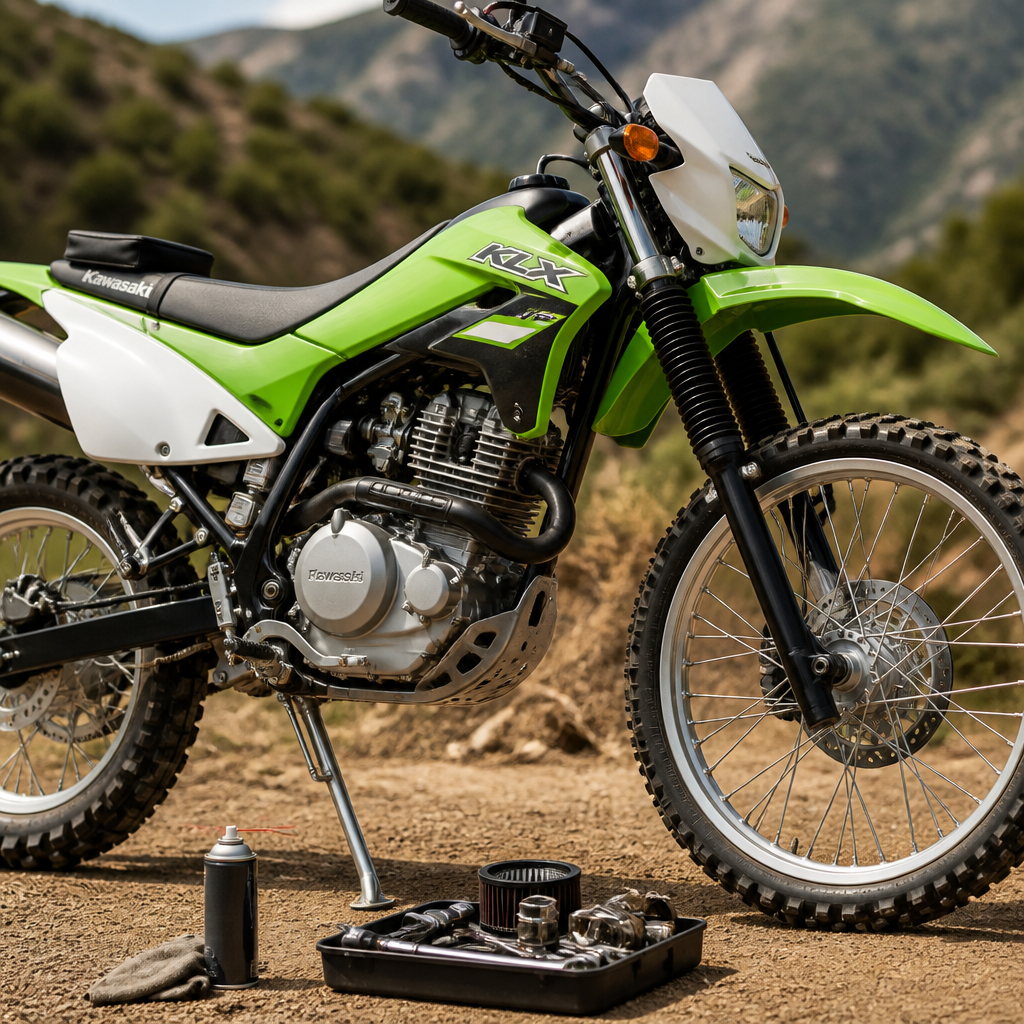
The Kawasaki KLX 230 Sherpa rewards owners who value durable design, predictable service intervals, and straightforward garage work. For the air-cooled 2026 model, simple maintenance is not a marketing slogan; it is a practical reality shaped by a single-cylinder engine, accessible chassis layout, and a parts ecosystem built around metric standards. When riders search for guidance on JIS fasteners, DCT maintenance terminology, and metric quirks, they are usually trying to avoid stripped screws, incorrect torque assumptions, and cross-platform confusion. This hub article explains those issues in plain language, then connects them to the specific needs of the KLX 230 Sherpa. If you maintain your own motorcycle, these details matter because small mistakes compound quickly: the wrong screwdriver damages a float bowl screw, a misread torque value snaps a case bolt, and a misunderstanding about transmission service can lead to maintenance myths spreading across owner forums.
Start with definitions. JIS refers to Japanese Industrial Standards, the specification behind many screw and fastener profiles found on Japanese motorcycles. They look similar to common Phillips screws, but they are not identical in fit or cam-out behavior. DCT usually means dual-clutch transmission service procedures seen on certain road and adventure motorcycles, especially from Honda. The KLX 230 Sherpa does not use a dual-clutch transmission, yet riders still encounter DCT guidance when searching broad maintenance topics, so this hub clarifies what applies and what does not. Metric quirks describe the practical oddities of working on motorcycles designed around millimeters, Newton-meters, and Japanese fastener conventions while many home mechanics still think in inches, foot-pounds, and SAE habits. Understanding those three areas makes service cleaner, safer, and faster.
I have spent years servicing small-displacement Japanese dual-sports, and the pattern is consistent: owners who learn the tool standards early spend less money fixing avoidable damage later. On the 2026 KLX 230 Sherpa, that means using proper JIS drivers on body and carburetion-related screws where applicable, relying on metric sockets and thread pitch gauges, and reading the service manual as a system instead of cherry-picking forum advice. Air cooling adds another maintenance advantage because there is no radiator, water pump, thermostat housing, or coolant hose network to inspect. The result is a machine that invites preventive maintenance. That simplicity is exactly why this model deserves a technical hub article: when the platform is uncomplicated, good habits have an outsized payoff.
Why the Air-Cooled 2026 KLX 230 Sherpa Is Mechanic-Friendly
The defining maintenance benefit of the air-cooled 2026 Kawasaki KLX 230 Sherpa is reduced system complexity. Air-cooled singles eliminate coolant changes, bleeding procedures, and leak tracing around seals and hose junctions. On a lightweight trail-oriented motorcycle, that means fewer periodic consumables and fewer failure points during backcountry use. In practical terms, your routine checklist centers on engine oil, air filtration, valve clearance inspection, chain and sprocket wear, brake fluid condition, wheel bearings, spokes, cables, battery health, and fastener security. That is a manageable list for a home mechanic with a metric tool roll, torque wrench, and service manual.
Another reason the bike is approachable is packaging. Kawasaki’s small dual-sports typically provide clear access to the chain adjusters, rear axle hardware, brake calipers, and most body fasteners without requiring major disassembly. On many larger adventure bikes, a basic valve inspection can start with fairings, tank trim, crash bars, and electronics connectors. The Sherpa format strips that burden away. Simple access does not remove the need for methodical work, but it lowers the barrier enough that owners are more likely to inspect wear items on schedule. Good maintenance begins with visibility. If you can see the part, you are more likely to catch a problem before it becomes expensive.
That mechanic-friendly design also supports parts standardization. Japanese trail bikes tend to use familiar metric sizes such as 8 mm, 10 mm, 12 mm, 14 mm, 17 mm, and 19 mm across many service points. Thread pitches commonly follow predictable metric patterns, though you should always verify before ordering replacements. When owners say a motorcycle is easy to work on, they often mean that routine tasks can be completed with a compact set of quality tools rather than specialty equipment. The KLX 230 Sherpa fits that description well, provided you respect the few standards that catch beginners off guard, especially JIS screw heads and metric torque values.
JIS Standard: The Fastener Detail That Prevents Expensive Damage
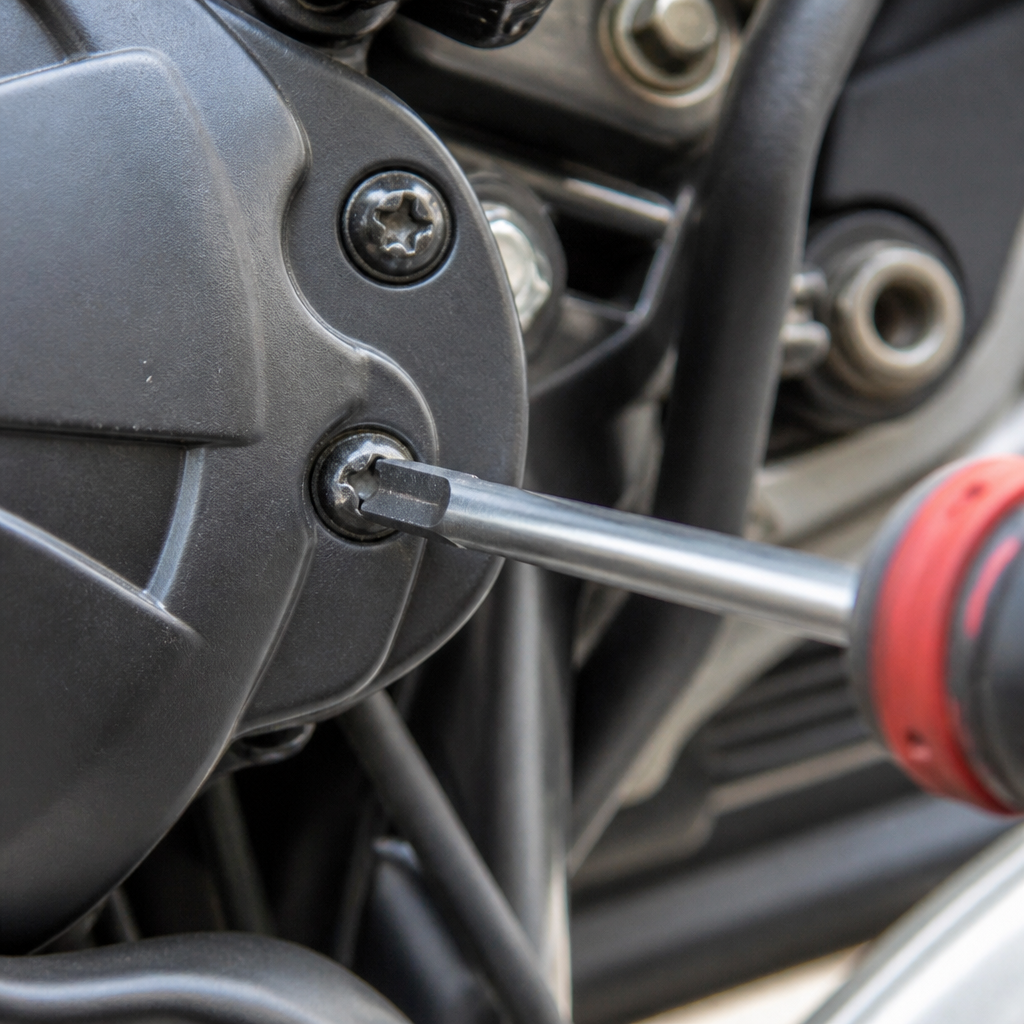
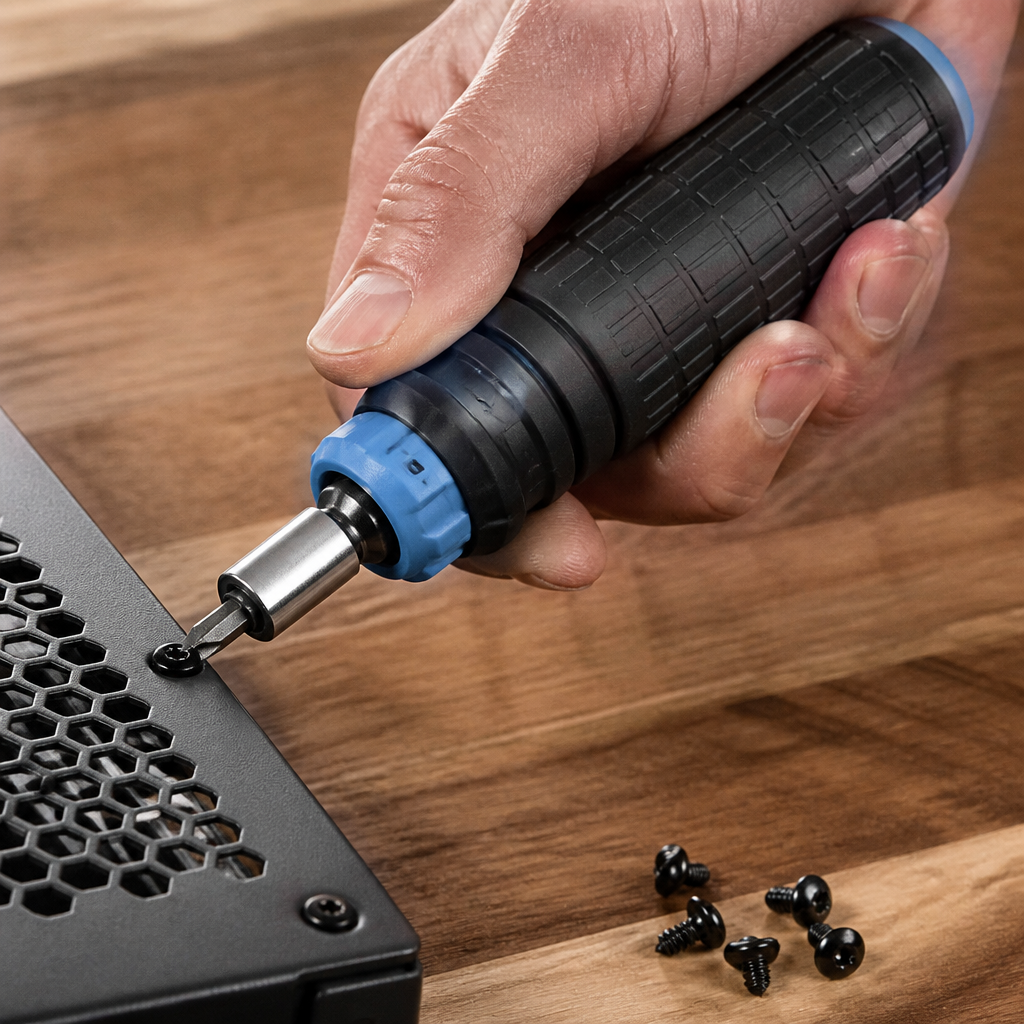
JIS hardware is one of the most misunderstood aspects of Japanese motorcycle maintenance. A JIS crosshead screw resembles a Phillips screw, but the geometry is different enough that using a standard Phillips driver often leads to cam-out, where the tool rides up and chews the recess. I have seen this repeatedly on carburetor covers, switchgear screws, master-cylinder caps, and older engine side covers. Owners assume the screw is soft; in many cases, the real problem is the wrong bit. A proper JIS driver or modern vessel-style bits designed for Japanese crosshead screws engage deeper and transmit torque more cleanly.
On the KLX 230 Sherpa, the exact mix of hex bolts, flange bolts, and crosshead screws can vary by component, but the rule remains the same: inspect the fastener before you touch it. If the recess looks shallow or the screwdriver fit feels vague, stop and switch tools. Brands such as Vessel, Hozan, and Moody offer Japanese-spec drivers that dramatically reduce fastener damage. An impact driver is also worth keeping in the workshop for stubborn case screws. Used correctly, a hand impact driver converts a hammer strike into turning force while keeping the bit seated. That is often the difference between a clean removal and an hour spent drilling out a ruined screw.
Owners should also understand where JIS knowledge overlaps with replacement decisions. If you remove an original crosshead screw from a maintenance-critical area and it is already scarred, replacing it with a stainless or zinc-plated socket-head cap screw can improve future service access. However, you should not casually substitute hardware without matching thread diameter, pitch, length, shoulder design, and strength class. Fastener upgrades are sensible when done carefully; random substitutions are not. The best practice is to document each original fastener, compare dimensions with calipers or a thread gauge, and confirm that the replacement will not bottom out or interfere with adjacent parts.
| Maintenance issue | Common mistake | Correct approach | Why it matters |
|---|---|---|---|
| JIS screws | Using a Phillips driver | Use a JIS-spec bit or driver | Prevents cam-out and stripped heads |
| Torque settings | Guessing by feel | Use a calibrated metric torque wrench | Avoids broken bolts and leaks |
| Transmission advice | Applying DCT procedures to this bike | Follow manual guidance for the manual gearbox | Prevents irrelevant service steps |
| Replacement bolts | Mixing SAE and metric hardware | Match metric diameter, pitch, and grade | Protects threads and clamping force |
DCT Maintenance: What Riders Need to Know, and What Does Not Apply Here
DCT maintenance appears in this hub because search behavior blurs model-specific and category-wide advice. Riders researching light adventure or trail motorcycles often see content about dual-clutch service and assume some of it applies universally. It does not. The 2026 Kawasaki KLX 230 Sherpa uses a conventional manual transmission and clutch, not a dual-clutch system. That means there are no clutch pack control actuators, no transmission control programming routines, and no DCT-specific adaptation procedures to perform. If a guide tells you to check shift logic calibration or service dedicated DCT filters, that guide is for another platform.
What matters instead is understanding why DCT discussions still belong in a technical encyclopedia hub. First, they teach riders to separate transmission type from engine architecture. Air-cooled versus liquid-cooled tells you about thermal management, not gear selection. Manual clutch versus dual-clutch tells you about driveline operation and service requirements, not whether the bike is simple or complex overall. Second, riders who own multiple machines often transfer maintenance assumptions from one model to another. I have met owners who maintain a Honda Africa Twin DCT and a small Japanese dual-sport in the same garage; unless they mentally reset for each bike, they can overcomplicate simple service on the lighter machine.
For the KLX 230 Sherpa, transmission maintenance is conventional. Keep the engine oil at the correct level and viscosity recommended by Kawasaki, because the wet clutch and gearbox share that oil supply. Monitor clutch free play, inspect the clutch cable for fraying or drag, and adjust lever feel before the engagement point becomes inconsistent. If shifting becomes notchy, do not leap to exotic diagnoses. Start with basics: oil condition, chain tension, lever adjustment, sprocket wear, and shift linkage cleanliness. On simple trail bikes, poor shift feel is more often linked to neglected fundamentals than to internal gearbox failure. Understanding that distinction saves money and prevents needless teardown.
Metric Quirks That Matter in Real Garage Work
Metric quirks are not mysterious engineering secrets; they are the collection of small measurement habits that trip up mechanics trained on mixed systems. The first quirk is torque notation. Japanese service manuals specify torque in Newton-meters, sometimes with kilogram-force meter equivalents, while many riders still think in foot-pounds or inch-pounds. Confusing those units is dangerous. A small cover bolt tightened to an incorrect foot-pound value can snap instantly. Use a torque wrench in the range appropriate for the fastener, and if the wrench reads in another unit, convert carefully using a reliable chart or digital tool from companies such as Snap-on, CDI, or Tekton.
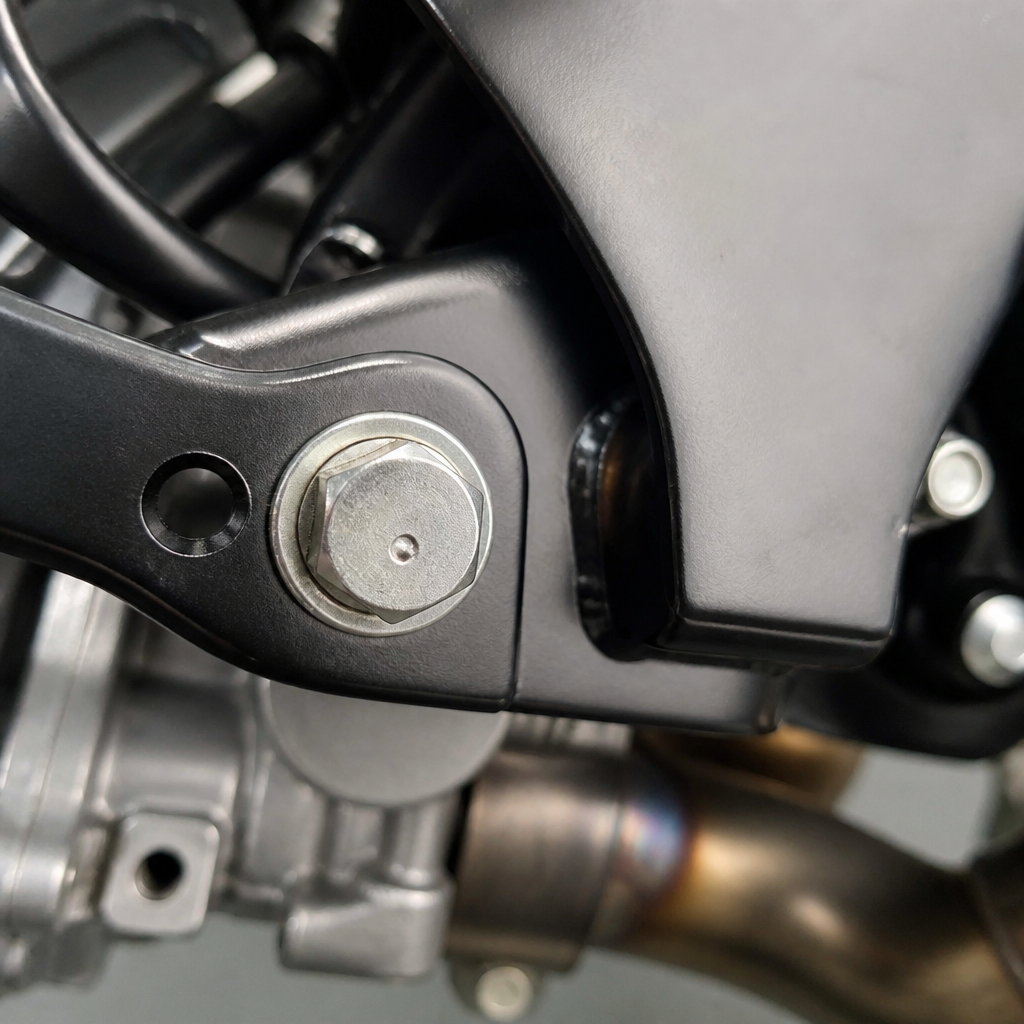
The second quirk is thread pitch. Metric bolts with the same diameter can have different pitches, and forcing the wrong one into aluminum engine cases is a classic home-garage mistake. M6 x 1.0 and M8 x 1.25 are common Japanese motorcycle sizes, but common does not mean universal. Verify every replacement. The third quirk is socket fit. An undersized or worn socket rounds flange bolts quickly, especially if dirt is packed around the head. Clean the fastener first, seat a six-point socket fully, and break it loose in a controlled line rather than at an angle. That advice sounds basic, but it is exactly how you preserve original hardware.
Metric quirks also influence consumables. Feeler gauges for valve clearance checks are often labeled in both millimeters and thousandths of an inch. On Japanese singles, use the millimeter specification from the manual as your primary reference. The same principle applies to chain slack and service limits on brake pads or discs. Measuring in the unit the manufacturer uses reduces conversion error and aligns with the tolerance stack the engineers intended. Good maintenance is often nothing more glamorous than speaking the motorcycle’s native measurement language consistently.
A Simple Maintenance Routine for the 2026 Sherpa
If you want a practical maintenance rhythm for the air-cooled 2026 KLX 230 Sherpa, build it around ride frequency and contamination exposure. After dusty rides, inspect and service the air filter sooner than the maximum interval. Dirt ingestion shortens engine life far faster than most riders expect. Check chain slack, lubrication, and alignment regularly, especially after wet or muddy use. An over-tight chain stresses countershaft bearings and suspension movement; a loose chain accelerates sprocket wear and can slap guides. Both problems are preventable with ten minutes of attention and accurate axle alignment marks confirmed by measurement rather than assumption.
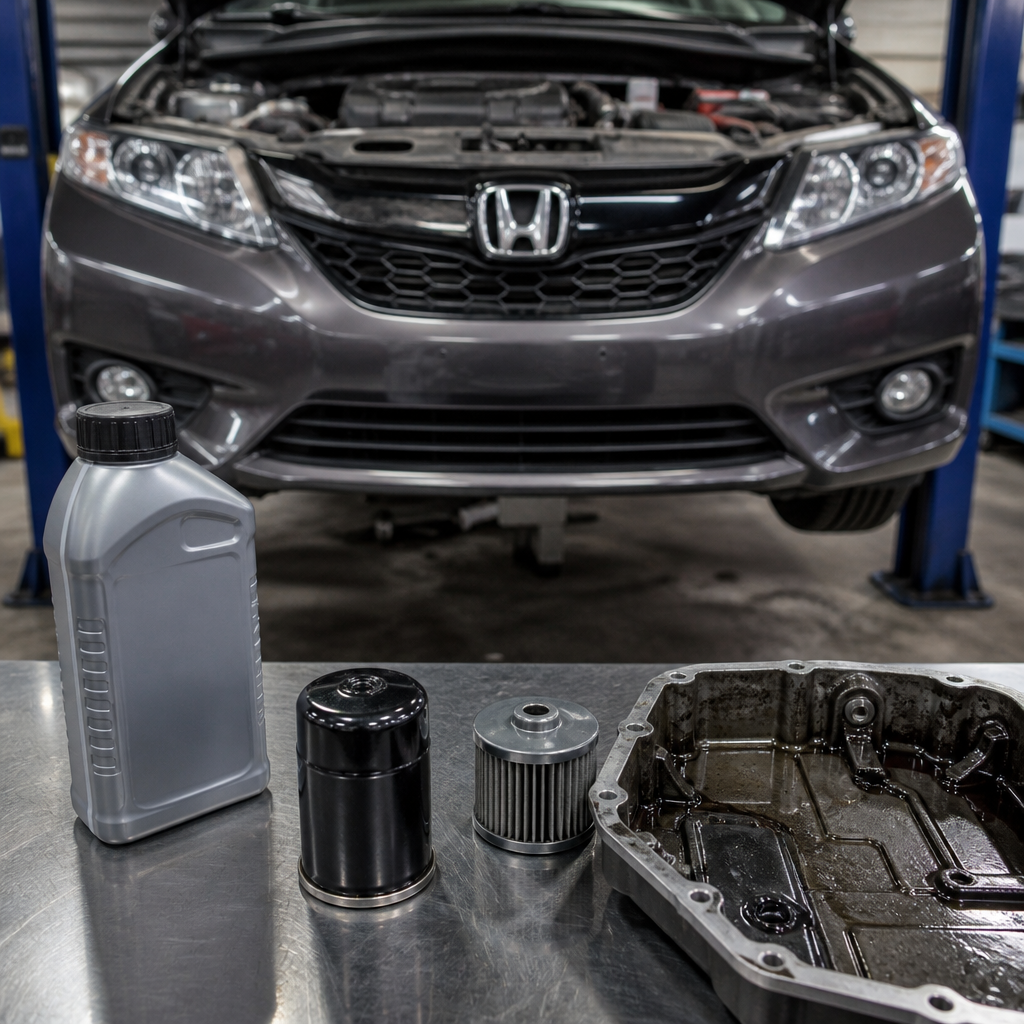
At oil-change time, treat the job as an inspection event rather than a fluid swap. Look for metallic debris on the drain plug if applicable, inspect the old oil for fuel smell or glitter, and confirm that the sealing washer is in serviceable condition. Use the oil grade and specification Kawasaki recommends, because the clutch and gearbox are sensitive to friction characteristics. During periodic checks, inspect spark plug color, battery terminals, brake hose condition, spoke tension, tire date codes, wheel trueness, and steering-head smoothness. None of these tasks are difficult, but together they form the maintenance baseline that keeps a trail bike trustworthy.
Finally, create your own service record. Write down dates, mileage, valve-clearance measurements, chain replacements, torque values for recurring jobs, and part numbers that fit correctly. This habit pays off when troubleshooting repeat issues and when ordering consumables. It also helps future buyers verify that the motorcycle was maintained by method rather than memory. Simple motorcycles respond exceptionally well to consistent care. The Kawasaki KLX 230 Sherpa is exactly that kind of machine: uncomplicated, durable, and best served by correct tools, metric discipline, and calm preventive maintenance.
The central lesson for maintaining the air-cooled 2026 Kawasaki KLX 230 Sherpa is that simplicity works only when the mechanic respects the standards behind it. Learn the JIS difference before you attack crosshead screws. Separate DCT-specific advice from the needs of this conventional manual-transmission motorcycle. Treat metric measurements, torque values, and thread pitches as nonnegotiable details rather than rough suggestions. Those three habits prevent most of the avoidable damage I see in home workshops, from stripped screw heads to ruined aluminum threads and misdiagnosed clutch complaints.
This hub also establishes how to think about the Sherpa within a broader technical encyclopedia. The bike is simple because its systems are fewer, not because accuracy matters less. Air cooling removes coolant service, but it does not excuse dirty air filters or neglected oil changes. Easy access makes inspections faster, but it does not replace a torque wrench, thread gauge, or quality JIS bits. The best maintenance results come from combining straightforward design with disciplined execution. That is why riders who invest in standards-based habits usually find that Japanese trail bikes deliver years of low-drama ownership.
If you use this article as your starting point, the next step is practical: build a Sherpa-ready toolkit, get the factory service manual, and document your first full inspection. Focus on fastener identification, fluid condition, chain setup, and baseline measurements. Once those fundamentals are under control, every later service becomes easier, quicker, and more accurate. The Kawasaki KLX 230 Sherpa does not ask for exotic maintenance. It asks for correct maintenance. Start there, and this lightweight air-cooled machine will reward you with reliability on the road, on the trail, and in the garage.
Frequently Asked Questions
What makes maintenance on the 2026 Kawasaki KLX 230 Sherpa especially simple compared with more complex dual-sport motorcycles?
The biggest reason is the bike’s overall mechanical simplicity. The 2026 Kawasaki KLX 230 Sherpa uses an air-cooled, single-cylinder engine, which removes an entire layer of cooling-system service that owners of liquid-cooled motorcycles have to manage. There is no radiator to inspect for leaks, no coolant to flush, no hoses to age out, and no water pump service to worry about. That immediately reduces both maintenance time and the number of failure points a home mechanic needs to monitor.
It also helps that the chassis layout is straightforward and accessible. On a bike designed around practical trail and light adventure use, common service areas are generally easier to reach than on larger, more tightly packaged machines. Tasks like checking the oil, cleaning the air filter, adjusting the chain, inspecting brake pad wear, and removing body panels for routine access are all more approachable when the motorcycle is not buried under layers of complex electronics, large fairings, or tightly packed plumbing.
Another factor is the predictable nature of the platform. A simple single-cylinder dual-sport tends to reward regular, basic upkeep rather than specialized intervention. If an owner stays consistent with oil changes, fastener checks, air filter service, chain maintenance, and valve inspection intervals, the bike usually responds with dependable performance and low drama. That is exactly why the KLX 230 Sherpa appeals to riders who want a durable machine they can maintain in their own garage with common metric tools, a service manual, and good habits rather than dealership-only equipment.
Why do riders keep mentioning JIS fasteners on Japanese motorcycles like the KLX 230 Sherpa, and how do you avoid stripping them?
This is one of the most important practical topics for owners of Japanese motorcycles. Many riders assume every cross-head screw is a standard Phillips screw, but on Japanese bikes, many of those fasteners are actually JIS-style, meaning Japanese Industrial Standard. They look similar at a glance, but the shape and engagement are different enough that using the wrong screwdriver can cause cam-out, where the driver slips under torque and damages the screw head.
On the KLX 230 Sherpa, that matters because routine service often involves removing covers, clamps, reservoir caps, or other hardware that may use JIS-type screws. If a rider reaches for a standard Phillips driver and applies pressure like they would on household hardware, the result can be a chewed-up fastener that becomes frustratingly difficult to remove. The stripped screw is not always caused by overtightening from the factory; often it is caused by using the wrong tool profile during the first service attempt.
The best prevention is simple: use proper JIS screwdrivers or high-quality bits specifically designed for Japanese motorcycle fasteners. Press firmly into the fastener before turning, keep the tool perfectly aligned, and break screws loose with controlled pressure rather than sudden twisting. If a screw seems stubborn, a hand impact driver can be extremely effective because it adds downward force while turning the fastener, reducing the chance of slippage. It is also smart to replace damaged or low-priority screws with quality hex-head or socket-head metric hardware where appropriate, but only if thread pitch, length, and load requirements match the original part. On a bike like the KLX 230 Sherpa, respecting JIS hardware is one of those small maintenance habits that pays off for years.
What does “metric quirks” really mean when maintaining the 2026 KLX 230 Sherpa, and what tools should a home mechanic have?
When riders talk about metric quirks, they usually mean the practical differences between motorcycle hardware and the assumptions many owners bring from working on cars, bicycles, or household equipment. The KLX 230 Sherpa is built around metric fasteners, metric thread pitches, and motorcycle-specific packaging, so success comes from treating it like a proper Japanese motorcycle rather than a generic machine. That means using the correct metric sockets and wrenches, understanding that fasteners with similar head sizes may still have different thread diameters or pitches, and never forcing mismatched hardware into aluminum engine cases or frame mounts.
A good starter tool kit for this bike should include quality metric combination wrenches, 1/4-inch and 3/8-inch drive metric socket sets, Allen keys or hex bits, JIS screwdrivers or bits, torque wrenches that cover low and mid-range fastener settings, needle-nose pliers, side cutters, and a chain adjustment setup that lets you work accurately and consistently. A feeler gauge set is also valuable if you plan to perform valve inspections, and a small pick set can help with clips, seals, and careful cleaning work. For electrical checks, a digital multimeter is a worthwhile addition even on a relatively simple motorcycle.
The key point is not owning a massive shop, but owning the right tools and using them carefully. Metric motorcycles reward precision. If a bolt feels wrong, starts to bind, or requires too much force too early, stop and verify the thread, angle, and specification. On the KLX 230 Sherpa, most maintenance is very approachable, but aluminum threads, small fasteners, and compact components still demand respect. The right metric tools, proper torque values, and patience are what keep “simple maintenance” truly simple.
Does the KLX 230 Sherpa have anything to do with DCT maintenance, and why do riders search for that term when looking up service information?
In this context, DCT usually creates confusion rather than providing useful guidance. DCT commonly refers to Dual Clutch Transmission systems found on certain motorcycles from other manufacturers, particularly models that use an automated shifting system with its own service procedures and terminology. The Kawasaki KLX 230 Sherpa is valued precisely because it stays simple and conventional, so riders researching this model should not expect DCT-related maintenance procedures to apply in the normal sense.
So why does the term appear in searches? Usually because riders are comparing bikes across categories, reading broad maintenance forums, or encountering generic motorcycle advice that is not written specifically for the KLX 230 Sherpa. Search habits often blend unrelated technologies together. Someone new to motorcycles may see “transmission service,” “clutch maintenance,” and “DCT fluid discussion” in the same browsing session and assume they all belong in the same maintenance plan. They do not.
For the KLX 230 Sherpa, the more relevant focus is conventional maintenance vocabulary: engine oil service, clutch cable free play if applicable, chain and sprocket wear, valve clearance checks, air filter cleaning, spark plug inspection, brake fluid service where specified, and fastener torque checks. If you see DCT advice while researching this bike, treat it as a signal to verify the source rather than as a useful instruction. The KLX 230 Sherpa’s appeal lies in its traditional mechanical design, and that is exactly what makes owner maintenance more predictable and far less intimidating.
What are the most important maintenance habits for long-term reliability on an air-cooled 2026 KLX 230 Sherpa?
If you want this motorcycle to stay reliable for the long haul, consistency matters more than complexity. Start with oil changes at the correct interval using the grade and specification recommended for the bike. On an air-cooled single-cylinder engine, clean oil is especially important because the engine depends on both lubrication quality and stable operating conditions to handle heat over time. You do not need to obsess over it, but you do need to stay disciplined. Check the oil level correctly, change it on schedule, and watch for contamination, metal debris, or signs of neglect.
Next, pay close attention to airflow and drive-line condition. Keep the air filter clean, especially if the bike sees dusty trails, gravel roads, or dry seasonal riding. A dirty filter can affect performance and accelerate engine wear. Chain care is equally important: inspect slack, keep the chain lubricated, monitor alignment when adjusting it, and replace chain and sprockets as a matched set when wear becomes significant. These are basic tasks, but on a dual-sport machine they have an outsized effect on both ride quality and component life.
It is also wise to develop a short pre-ride inspection routine. Check tire pressure, look over the tread and sidewalls, inspect brake feel, verify lights and controls, and give the bike a quick fastener scan, especially after rough off-road use. Air-cooled singles are often durable, but trail vibration and regular use can loosen things gradually if no one is paying attention. Finally, do not ignore valve inspection intervals just because the engine seems to be running fine. Valve clearances can tighten or drift subtly over time, and catching that early protects starting behavior, idle quality, and long-term engine health. On the KLX 230 Sherpa, the formula for reliability is refreshingly uncomplicated: follow the schedule, use the correct metric tools, avoid damaging JIS fasteners, and handle the little jobs before they become expensive ones.