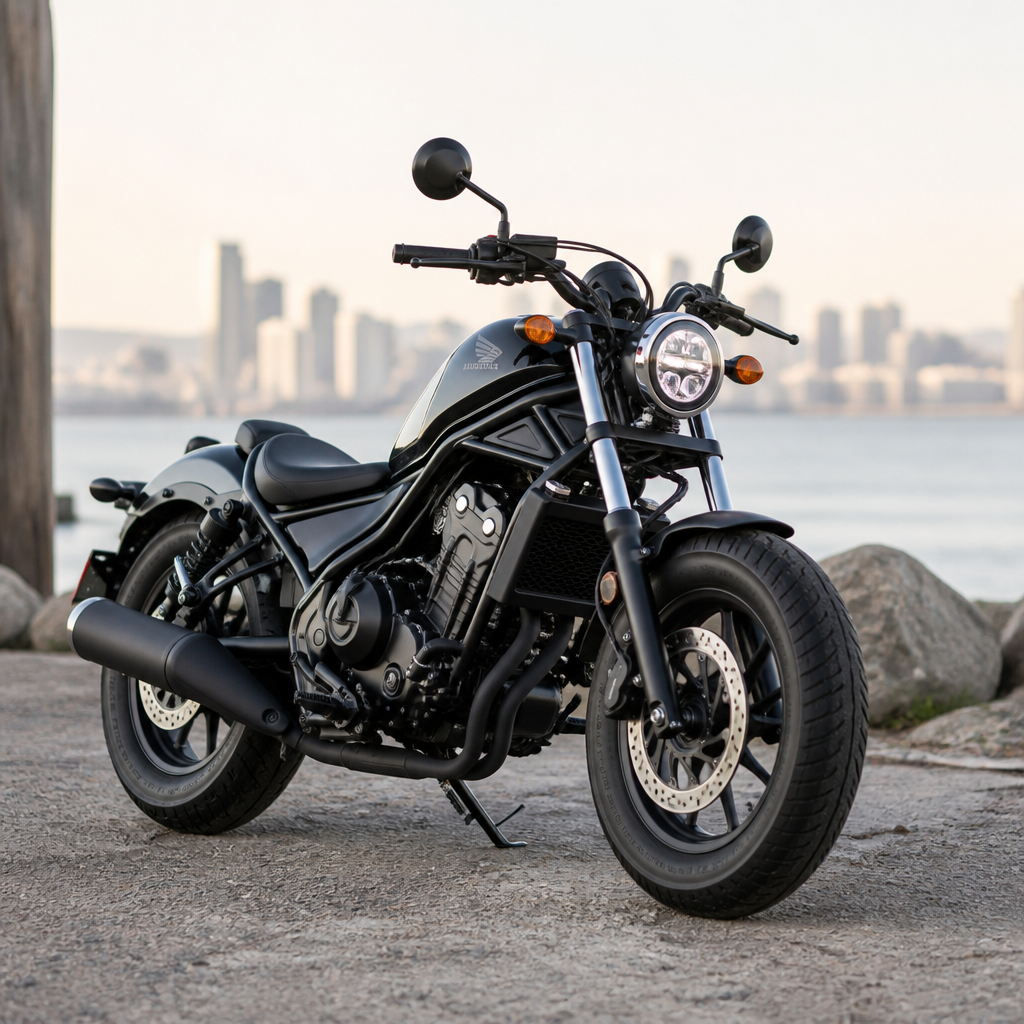
The Honda Rebel 500 remains the benchmark beginner motorcycle because its 471 cc parallel twin combines forgiving power delivery, low operating stress, and maintenance simplicity in a package that consistently survives new-rider mistakes. In workshops, training lots, and commuter parking garages, I have seen this engine absorb neglected chain adjustments, missed cleanings, cold starts, and clumsy shifts better than most lightweight singles or budget twins. That practical resilience matters more than brochure horsepower. For a first bike, reliability is not only about whether the engine starts. It means predictable fueling, durable fasteners, stable clutch behavior, easy parts sourcing, and service procedures that do not punish inexperience.
Understanding why the Rebel 500 earns that reputation requires more than saying Honda builds dependable bikes. The bike sits inside a broader metric-motorcycle maintenance ecosystem with its own rules: Japanese Industrial Standard screw heads, metric torque values, chain-driven final drive routines, and on some Honda models, dual-clutch transmission service logic. Even though the Rebel 500 itself is sold primarily with a conventional six-speed gearbox, riders shopping the brand often compare it with DCT-equipped Hondas such as the NC750X, Africa Twin, and Rebel 1100. That makes this article a useful hub for the whole maintenance and technical encyclopedia category. If you grasp the JIS standard, DCT maintenance principles, and the metric quirks that define Japanese motorcycles, you will maintain a Rebel 500 more accurately and make smarter decisions as you move up to larger machines.
Key terms matter here. A parallel twin is a two-cylinder engine with both cylinders side by side, sharing a common crankcase. JIS refers to the Japanese Industrial Standard used on many screws and service specifications, distinct from common Phillips hardware despite looking similar at first glance. DCT, or dual-clutch transmission, is Honda’s automated manual system using two clutches and electro-hydraulic control, not a scooter CVT. Metric quirks include fastener sizing in millimeters, torque specs in newton-meters, and tool expectations that differ from many older American bikes. The Rebel 500 sits at the center of these topics because it is simple enough for beginners, yet engineered with the same disciplined metric logic Honda applies across its lineup.
Reliability also matters because beginners learn through repetition, and repetition depends on a bike that is easy to keep on the road. A machine that strands a new rider after a dead battery, fouled plug, warped clutch, or mangled screw head often ends the riding habit early. The Rebel 500 lowers that risk. Its liquid-cooled twin is understressed, its fuel injection is mature, its service intervals are reasonable, and its consumables are widely available. More importantly, nearly every routine job teaches transferable metric-bike skills. Learn to remove a Rebel side cover without stripping a JIS screw, set chain slack correctly, and read a Honda service manual, and you have the foundation for maintaining a wide range of modern Japanese motorcycles.
Why the Rebel 500 Parallel Twin Lasts So Well
The Rebel 500 uses Honda’s 471 cc DOHC eight-valve parallel twin, shared in closely related form with the CB500F, CBR500R, and NX500 family. That matters because shared engines create a large reliability sample size. Across commuter fleets, riding schools, and private ownership, this engine has built a record for routinely exceeding high mileage with only scheduled service. The reason is mechanical conservatism. Honda did not tune this twin for class-leading peak power. Instead, it delivers usable midrange, modest compression, and excellent thermal management. The engine rarely feels stressed, even at freeway speeds, and that lower specific output generally reduces wear on pistons, rings, valvetrain components, and clutch assemblies.
In practical terms, the powerband is beginner-friendly because torque arrives smoothly and throttle response is easy to meter. Abrupt fueling causes stalls, jerky launches, and accidental wheelspin; the Rebel avoids that. The 180-degree crank character keeps vibration manageable without making the bike feel numb. I have found that riders who are still learning clutch control make fewer drivetrain mistakes on this platform than on peaky 300 cc twins or thumping singles with abrupt engine braking. Less abuse at low speed contributes directly to reliability because driveline shock loads, repeated stalls, and overheated clutch plates all shorten component life.
Cooling and fueling are equally important. The liquid-cooling system stabilizes engine temperature in stop-and-go traffic, where many beginner bikes live. Fuel injection is well sorted and starts cleanly in cold or humid weather, reducing the old carburetor problems of varnish, clogged jets, and choke misuse. Honda’s ECU mapping on the 500 platform has proven notably consistent over years of production. When these bikes do develop running issues, the cause is usually ordinary maintenance neglect, contaminated fuel, weak batteries, or damaged sensors rather than a systemic engine flaw.
The JIS Standard: The Fastener Detail That Prevents Expensive Damage
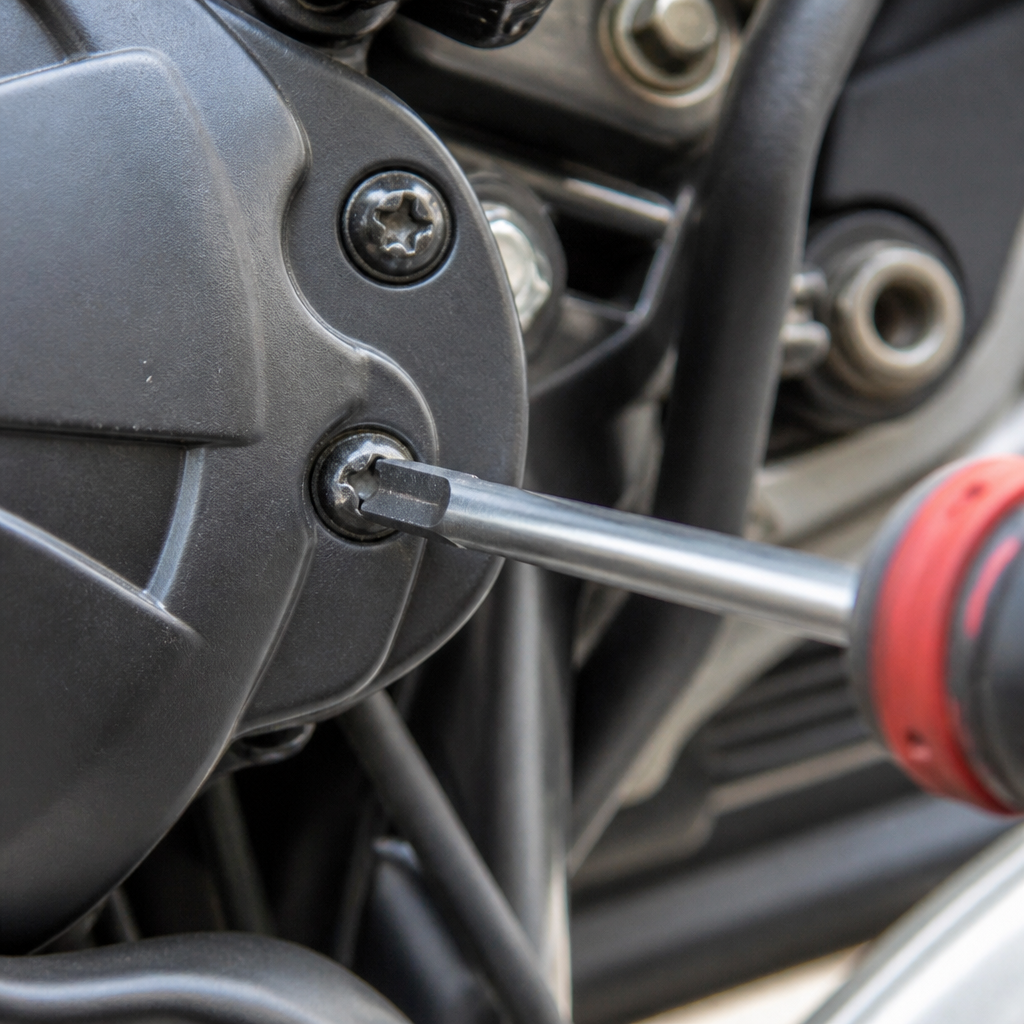
One of the most overlooked reliability topics on Japanese motorcycles is not the engine at all. It is the screw head standard. Many riders assume the cross-head screws on a Honda are Phillips. On older and some current Japanese hardware, they are often JIS, designed for different driver geometry and less intentional cam-out under torque. Use a Phillips screwdriver on a JIS screw, especially on master-cylinder covers or carburetor-era fittings, and you increase the chance of chewing the recess. I have repaired too many stripped float-bowl screws, switchgear screws, and reservoir caps caused by this single misunderstanding.
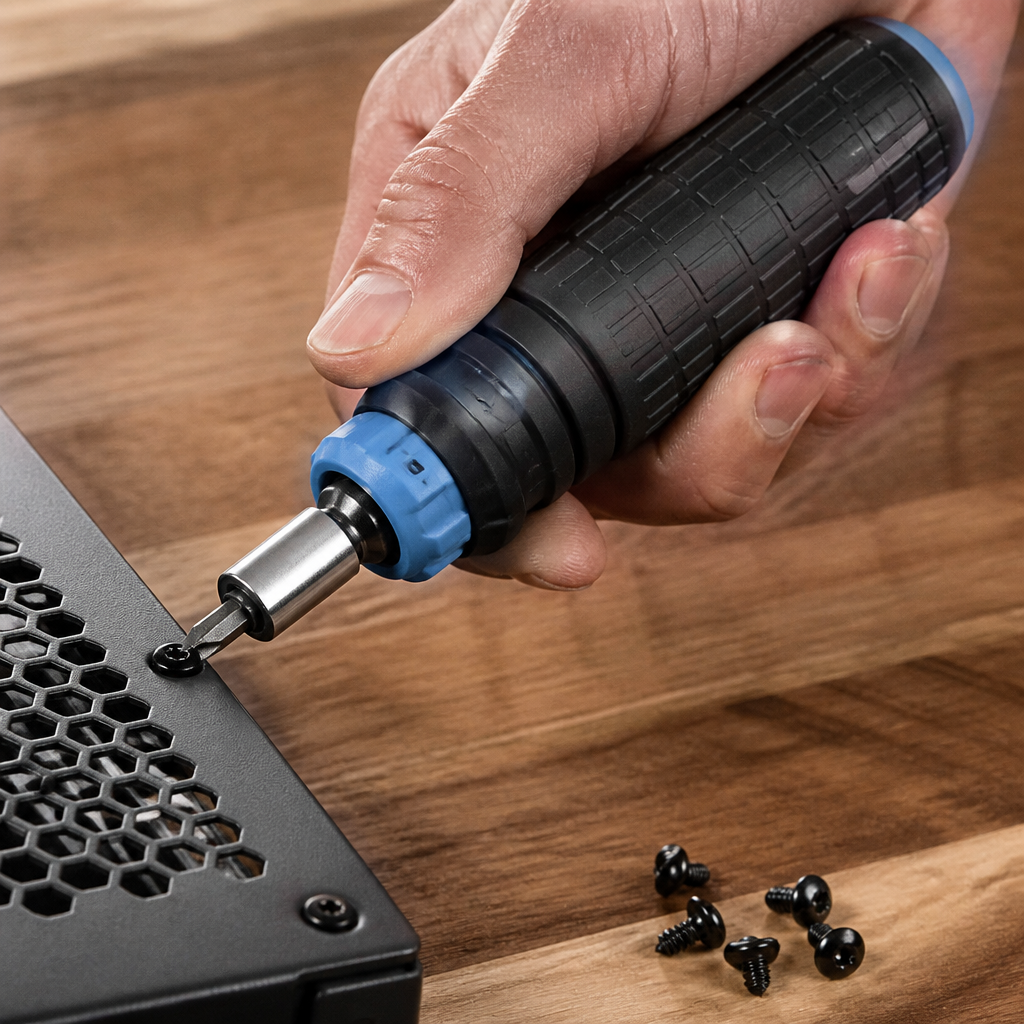
For Rebel 500 owners, JIS knowledge still matters even though modern bikes use many hex and socket fasteners. Japanese bikes retain cross-head hardware in electrical assemblies, trim pieces, and small fittings. The right tool seats deeper, transmits force more squarely, and reduces slip. Quality JIS-compatible drivers from Vessel, Hozan, or JIS-marked bits in an impact driver are worth buying early. If a screw is stubborn, downward pressure plus a hand impact driver usually works better than brute force. This is one of those small metric-bike habits that protects both parts and confidence.
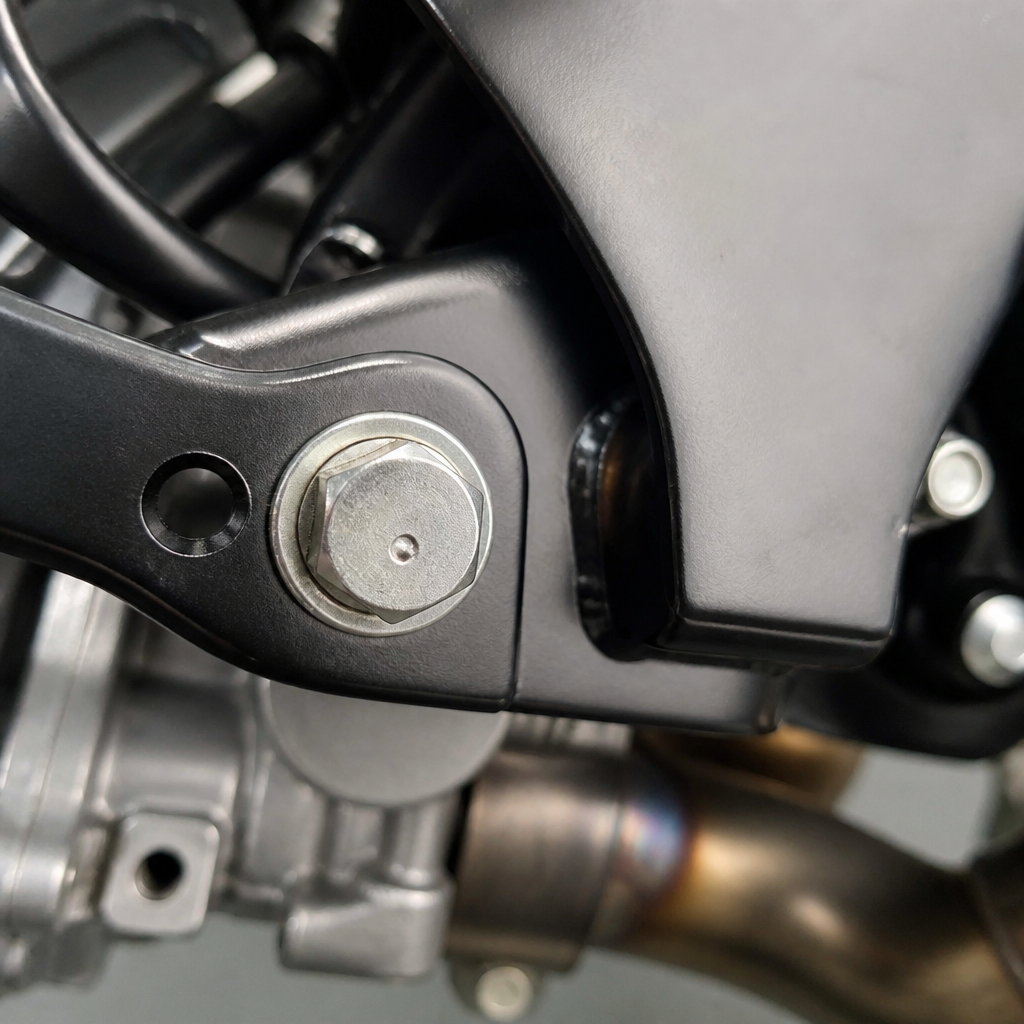
There is also a broader lesson. Japanese motorcycles are engineered around standardization and precision. Fastener head type, thread pitch, torque value, seal material, and service sequence all matter. Beginners often strip hardware not because motorcycles are fragile, but because they approach them with generic tools and automotive assumptions. The Rebel 500 rewards accurate work. Oil-change bolts, axle hardware, brake fasteners, and bodywork all come apart cleanly when the correct metric socket, extension length, and torque wrench are used. Reliability is preserved by preventing service damage.
Metric Quirks Every Rebel 500 Owner Should Learn Early
The phrase metric quirks sounds minor, but it describes the everyday details that separate smooth ownership from recurring frustration. First, Honda torque specifications are written in newton-meters, and converting loosely to foot-pounds invites mistakes on smaller fasteners. Second, thread pitches vary more than beginners expect. An M6 bolt is not just an M6 bolt; length, flange design, and pitch matter. Third, Japanese motorcycles often package components tightly, so the difference between a six-point socket and an adjustable wrench is the difference between proper service and rounded hardware.
Chain adjustment is the best example. On the Rebel 500, correct chain slack is essential for transmission output shaft health, rear suspension movement, and smooth shifting. Too tight is worse than slightly loose because the chain tightens through suspension travel. I routinely check slack at multiple wheel positions, verify alignment marks only as a rough guide, and then confirm axle torque with a calibrated wrench. Many beginners instead eyeball alignment, over-tighten the adjusters, and wonder why the bike feels harsh or notchy. This is not a Rebel defect; it is a metric-maintenance discipline issue.
Brake service is another area where exactness matters. Honda specifies fluid types, replacement intervals, and torque values for caliper bolts and banjo fittings for good reason. Threadlocker type, washer replacement, and cleanliness around ABS components are not optional details. Even battery terminals deserve attention: over-tightening small terminal screws can distort hardware, while under-tightening causes intermittent starting and heat. When owners say a Honda is reliable, much of what they are praising is a machine designed to respond well to precise routine service.
| Maintenance topic | Common beginner mistake | Correct metric-bike practice | Why it protects reliability |
|---|---|---|---|
| JIS screws | Using a Phillips driver | Use JIS or JIS-compatible bits with firm downward pressure | Prevents stripped heads and damaged housings |
| Chain adjustment | Setting chain too tight | Measure slack to spec, check multiple wheel positions, torque axle correctly | Reduces wear on sprockets, bearings, and output shaft |
| Oil changes | Guessing torque on drain bolt | Use correct crush washer and torque wrench in newton-meters | Avoids stripped threads and leaks |
| Brake service | Mixing procedures or hardware | Follow Honda fluid spec, torque values, and washer replacement guidance | Maintains braking performance and sealing integrity |
| Electrical work | Loose battery or accessory wiring | Secure terminals correctly and route add-ons cleanly | Prevents no-starts, blown fuses, and charging issues |
Where DCT Maintenance Fits Into a Rebel 500 Technical Hub
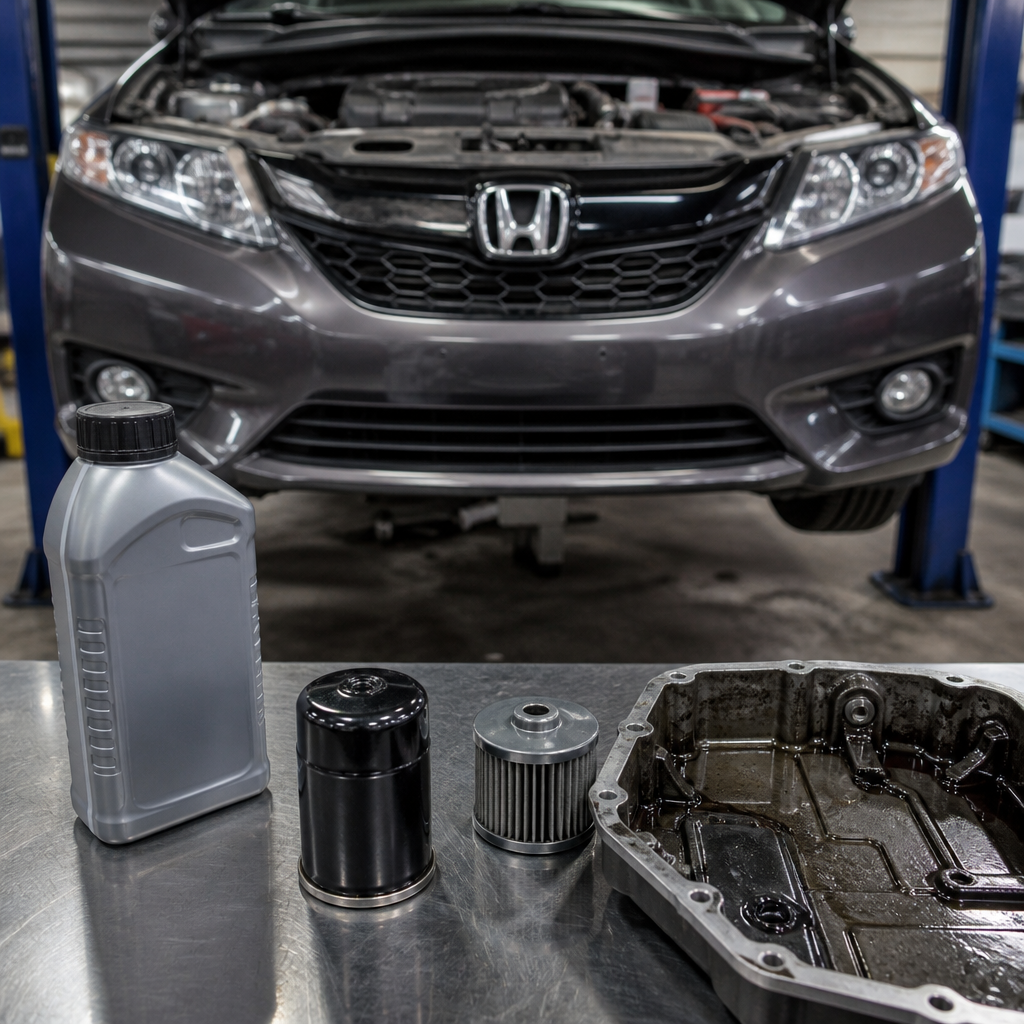
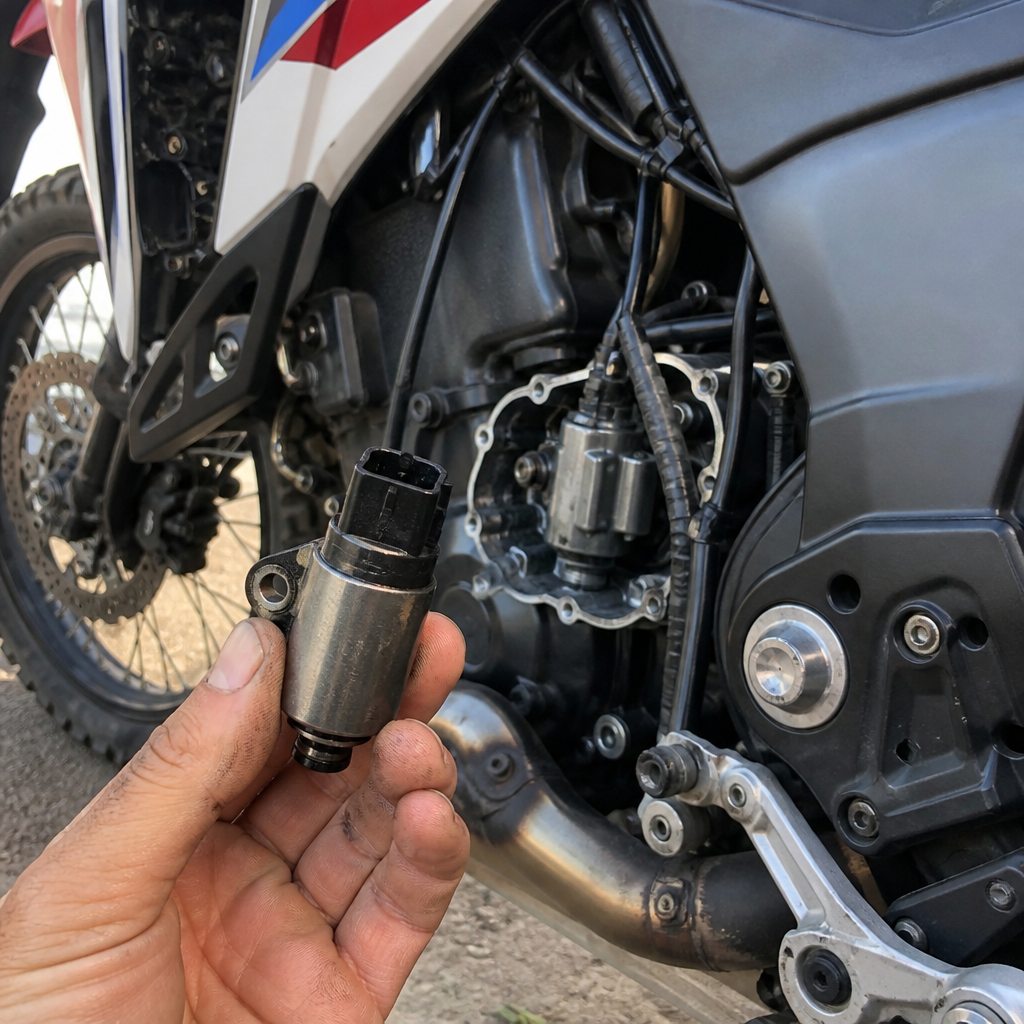
The Rebel 500 does not use Honda’s DCT, but this hub would be incomplete without explaining it because many riders cross-shop within Honda’s lineup. DCT maintenance differs from conventional manual-transmission service in ways that matter. Honda’s system uses two clutches, shift actuators, control solenoids, and programming that depend on clean oil of the correct specification. It is not maintenance-free automation. Owners must respect oil grade, change intervals, software updates when applicable, battery health, and diagnostic procedures. On DCT bikes, vague shifting behavior can come from low voltage, contaminated oil, adaptation needs, or sensor faults, not clutch-cable adjustment.
The useful lesson for Rebel 500 owners is philosophical: Honda transmissions reward correct fluid service and procedural discipline. On a manual Rebel, that means using the recommended motorcycle oil standard, keeping the clutch adjusted if applicable at the lever, and noticing changes in shift feel early. On a DCT Honda, it means understanding that clutch engagement is electronically managed and that shortcuts with oil or aftermarket electrical accessories can create real problems. I have seen DCT bikes behave poorly after owners installed weak batteries or ignored charging faults. Electronics cannot compensate forever for low system voltage.
If you plan to move from a Rebel 500 to a Rebel 1100 DCT or an NC750X DCT, learn the Honda service-manual mindset now. Read procedures fully before turning a bolt. Verify part numbers. Track torque values. Use clean funnels, measured drain pans, and fresh sealing washers. Those habits make conventional bikes easy and automated transmissions manageable. The headline is simple: DCT is durable when maintained correctly, but it is less tolerant of casual service than the already robust Rebel 500 six-speed.
Real-World Ownership: What Actually Fails, and What Usually Does Not
After years of observing Honda 500-series ownership, the pattern is consistent. Catastrophic engine failure is rare on stock, maintained bikes. What commonly causes downtime are consumables and peripheral issues: worn chains and sprockets, old batteries, bent levers after drops, neglected tires, dirty air filters, and corrosion in connectors on poorly stored machines. That distinction matters because it explains why the Rebel 500 feels so reliable in real life. Owners are usually dealing with ordinary wear, not design fragility.
There are tradeoffs. The rear suspension is basic, factory seats do not suit everyone, and low-slung ergonomics can limit cornering clearance for aggressive riders. None of those are reliability concerns, but they shape owner satisfaction. The parallel twin itself remains the star because it tolerates commuting, weekend riding, and periods of disuse better than many alternatives. Parts support is excellent, service information is abundant, and the bike’s popularity means common problems are documented clearly. For a beginner, that ecosystem is almost as important as the machine. A reliable bike with poor parts availability is less useful than a reliable bike every shop already understands.
The takeaway for this maintenance and technical encyclopedia hub is straightforward. The Honda Rebel 500 is still the most reliable beginner bike because the engine is mechanically conservative, the platform is mature, and the maintenance culture around Honda metric motorcycles is exceptionally well defined. Learn JIS hardware, respect metric torque and thread standards, understand how Honda approaches DCT service on related models, and the Rebel becomes more than a starter motorcycle. It becomes a training platform for a lifetime of competent ownership. Start with the service manual, a proper metric tool kit, and accurate habits, and this bike will return the favor for years.
Frequently Asked Questions
Why is the Honda Rebel 500 considered more reliable for beginners than many other small motorcycles?
The Rebel 500 earns that reputation because it combines a very understressed 471 cc parallel-twin engine with simple, proven engineering and a chassis that does not punish inexperience. For a new rider, reliability is not just about whether an engine can survive high mileage on paper. It is about how well the bike tolerates real beginner behavior: imperfect clutch work, awkward low-speed shifting, inconsistent maintenance habits, frequent cold starts, short commutes, and occasional drops or parking-lot mishaps. The Rebel 500 handles that kind of use better than many lightweight singles and bargain twins because the engine is tuned for smooth, usable torque instead of chasing maximum output, which means its internal components are generally operating under less stress in daily riding.
Another major factor is Honda’s long-standing reputation for conservative design. The Rebel 500’s twin is not an experimental platform. It is a mature engine architecture with a broad service history and a track record in multiple Honda models. That matters because widespread use tends to expose weaknesses early, and this engine has spent years proving it can take abuse without developing the common beginner-bike headaches such as excessive vibration, hard starting, fragile fueling, or rapid wear from constant stop-and-go riding. Put simply, the Rebel 500 is reliable not because it is exotic or overbuilt in one dramatic way, but because every part of the package feels engineered to work calmly, predictably, and repeatedly in the hands of riders who are still learning.
What makes the Rebel 500’s 471 cc parallel twin especially durable in everyday riding?
The durability of the Rebel 500’s engine comes from a combination of balanced power delivery, moderate output, liquid cooling, and low-drama day-to-day operation. This is an engine that makes enough power to be useful on city streets and highways, but not so much that it constantly strains itself or tempts a beginner into running it hard just to keep up with traffic. Because the motor delivers torque in a smooth, linear way, riders do not need to wring it out at every stoplight. That gentler operating pattern translates into lower thermal and mechanical stress over time, which is one of the quiet reasons these bikes age so well.
Liquid cooling also plays an important role. Beginner bikes are often subjected to a lot of low-speed operation, idling in traffic, repeated short trips, and hot restarts. A liquid-cooled twin is much better equipped to maintain stable temperatures through those conditions than a simpler air-cooled setup. Stable temperatures help preserve oil quality, reduce expansion-related wear, and improve long-term consistency. On top of that, the parallel-twin layout tends to be smoother than many single-cylinder alternatives, meaning less vibration transmitted through the machine. Lower vibration can reduce fatigue on fasteners, brackets, and ancillary components while also making the bike feel calmer and more refined to the rider. Over thousands of miles, those practical advantages add up to a motorcycle that often keeps starting, shifting, and commuting with very little drama.
Is the Honda Rebel 500 forgiving if a new rider is not perfect with maintenance?
Yes, and that is one of the biggest reasons it remains such a strong beginner recommendation. To be clear, no motorcycle should be neglected on purpose, and routine care still matters. But in the real world, many new riders miss a chain cleaning, postpone an adjustment, skip a wash, or go too long before scheduling basic service. The Rebel 500 has developed a reputation for tolerating that kind of imperfect ownership better than many entry-level bikes because the engine is not highly strung, the fueling is stable, and the overall platform is mechanically straightforward. It does not seem eager to punish small mistakes with immediate breakdowns.
That forgiving nature extends beyond the engine itself. The clutch take-up is manageable, the gearbox is generally cooperative, and the bike does not react harshly to clumsy shifts the way some peaky or less refined motorcycles can. New riders often stall, lug the engine occasionally, or deliver less-than-smooth inputs while learning throttle and clutch coordination. The Rebel 500 tends to absorb those moments without turning them into expensive consequences. That resilience is exactly what matters for a beginner bike. A machine that remains dependable despite imperfect habits gives a rider time to build skill and confidence, instead of teaching every lesson through mechanical frustration. In practical ownership terms, that means more riding, fewer surprise issues, and a better chance that the bike still feels trustworthy years after purchase.
How does the Rebel 500 compare with beginner singles and budget twins in long-term ownership?
Compared with many beginner-oriented singles, the Rebel 500 usually feels smoother, less buzzy at speed, and less stressed during sustained commuting or highway use. Single-cylinder bikes often have advantages in simplicity and low purchase price, but they can also produce more vibration, feel busier at higher speeds, and sometimes require the rider to use more revs or accept a narrower comfort zone. That does not automatically make singles unreliable, but for many owners, especially those mixing city riding with suburban or highway travel, the Rebel’s parallel twin offers a more relaxed long-term ownership experience. It feels like it is doing the job with less effort, and that perception often aligns with lower day-to-day wear stress.
Against some lower-cost twins, the Rebel 500 tends to stand out through overall refinement and consistency. Budget twins can look competitive on spec sheets, but long-term ownership often exposes the difference between a motorcycle designed to hit a price point and one designed to protect a reputation. The Honda usually wins on parts quality, fit and finish, drivetrain smoothness, and the predictable way it behaves after years of regular use. It also benefits from broad parts availability, widespread service familiarity, and strong resale demand. All of those factors contribute to reliability in the broader ownership sense. A reliable beginner bike is not only one that avoids engine failure; it is one that remains easy to service, easy to live with, and easy to trust even after the novelty wears off.
Does the Rebel 500’s reliability mean a beginner can keep it for years instead of outgrowing it quickly?
Absolutely. One reason the Rebel 500 has stayed relevant is that it does not behave like a disposable training bike. Its reliability gives it a long service life, but its engine character also gives it a long learning life. A true beginner can appreciate the low seat height, manageable power, and confidence-building manners, while a more experienced rider can still value its smooth twin-cylinder performance, light feel, and everyday usability. That balance is important because many riders discover that what they thought they wanted at the start is different from what they actually enjoy after a season or two. The Rebel 500 gives them room to grow without immediately feeling underpowered or mechanically flimsy.
Its longevity as an ownership choice is strengthened by the fact that the bike works well in several roles. It is easy to use for commuting, practical for casual weekend rides, friendly in traffic, and capable enough for moderate highway duty. When a motorcycle is both durable and versatile, owners are less likely to replace it simply because they have progressed past the beginner stage. Instead, they often keep it because it continues to do real-world riding tasks exceptionally well. That is ultimately why the Rebel 500’s reliability matters so much: it supports not just a smooth start in motorcycling, but a stable, low-stress ownership experience that can last for many years.