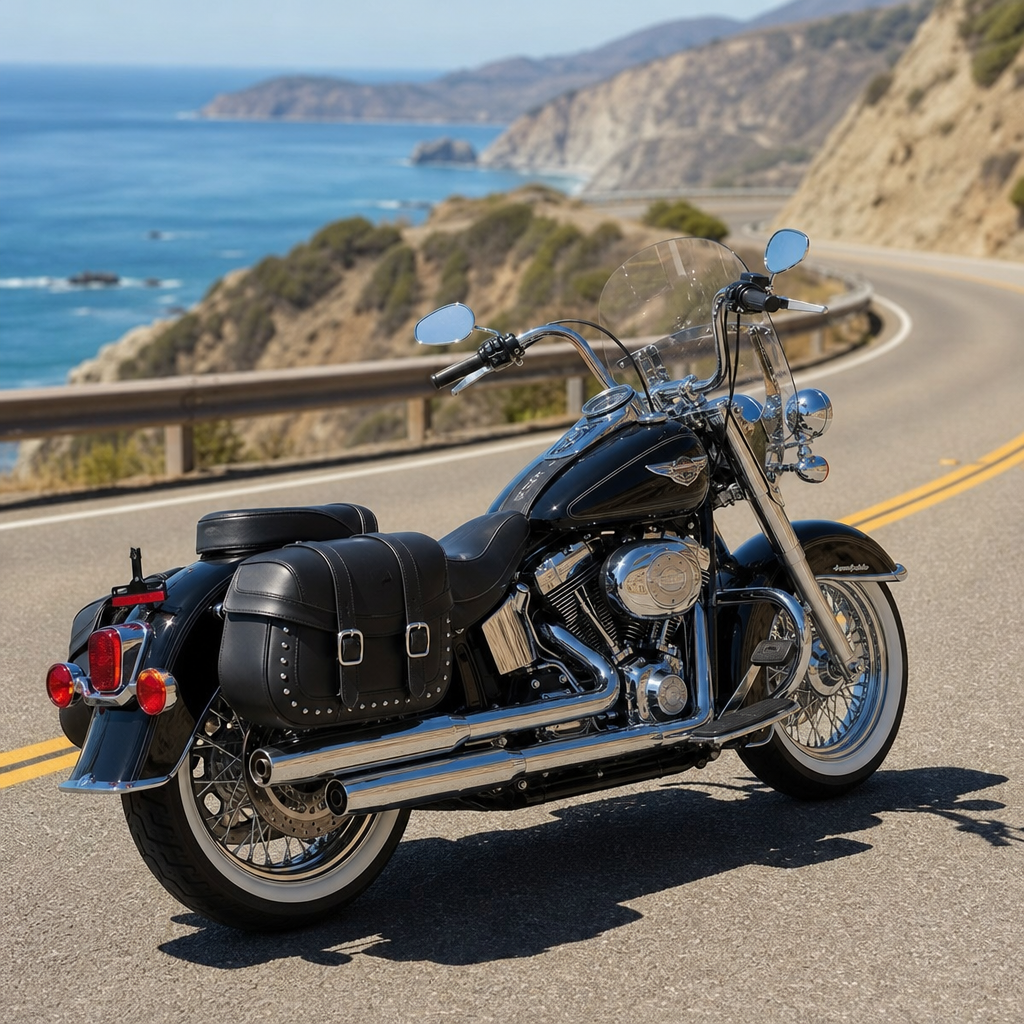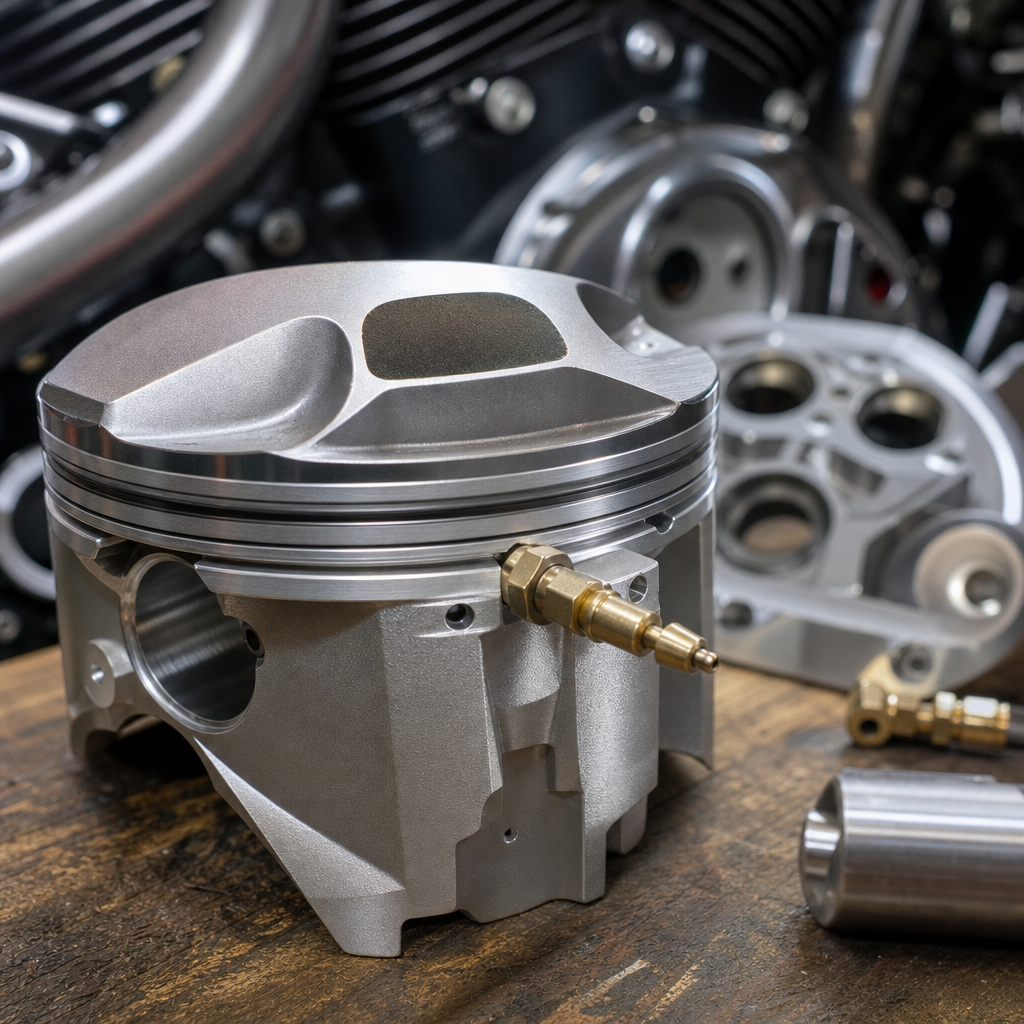
The CVO 121 HO piston cooling jet recipe for 2027 performance modification starts with a simple idea: keep the piston crown, ring pack, and pin bore cooler so the engine can support more cylinder pressure without losing durability. In Harley-Davidson terms, a piston cooling jet is a small oil squirter aimed at the underside of the piston, and on the 121 High Output Milwaukee-Eight platform it matters because heat management determines how far you can push ignition timing, compression, camshaft overlap, and sustained load before detonation or oil breakdown become the limiting factor. I have built and tuned air- and oil-cooled V-twins long enough to know that owners often chase dyno numbers first, then discover the real bottleneck is thermal control during long highway pulls, parade speeds, hot-weather touring, or repeated roll-on acceleration with luggage and a passenger. That is why this page sits at the center of model-specific ergonomics and performance recipes: performance on a Harley-Davidson is never just horsepower. The right setup balances engine protection, rider fit, gearing, fueling, clutch capacity, exhaust flow, and the way a specific CVO chassis carries speed over hours, not just one short pull.
For the 2027 conversation, think of a recipe as a matched package rather than a single part number. A useful recipe defines the target use case, required supporting parts, tuning strategy, likely tradeoffs, and rider comfort implications. On a CVO 121 HO, piston cooling jets belong in the “foundational reliability” layer, especially if the bike will see higher compression pistons, aggressive cams, sustained two-up touring, heavy accessory loads, or hotter climates. They are not a magic horsepower part by themselves. Their value is indirect but critical: cooler pistons reduce the chance of localized hot spots, help stabilize ring seal, and support repeatable combustion behavior. That gives the tuner more room to optimize spark and fuel, and it helps the rider keep performance consistent when the road, weather, and payload change. As the hub for Harley-Davidson model-specific ergonomics and performance recipes, this article explains where piston cooling jets fit, how they affect the 121 HO package, and how to connect engine choices with seat height, bar reach, floorboard position, wind protection, and everyday ride quality.
What the CVO 121 HO piston cooling jet recipe actually includes
A proper CVO 121 HO piston cooling jet recipe is a coordinated modification path built around heat control, oil supply, and calibration. At minimum, it includes correctly sized and aimed oil jets, verification of oil pressure at operating temperature, piston design compatible with underside oiling, ring package selection, and a tune that recognizes the engine’s improved detonation margin rather than simply adding fuel everywhere. On Milwaukee-Eight builds, I also treat the recipe as incomplete without checking piston-to-wall clearance, pin oiling strategy, crankcase breathing, and the oil cooler’s real-world performance at low speed. If the bike is destined for hard touring use, I add clutch evaluation and transmission gearing review because thermal stress rises quickly when a heavy bike is lugged in a tall gear.
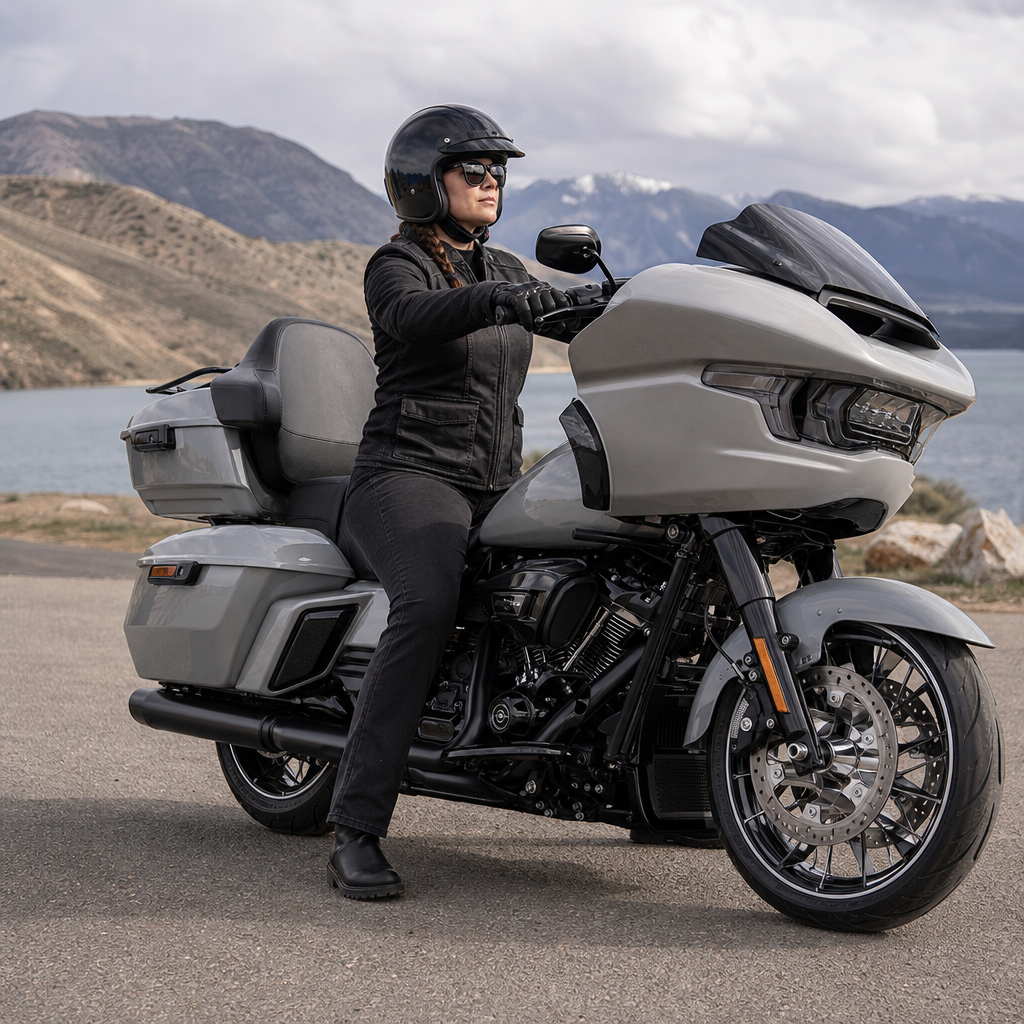
The key point is that a performance recipe must match how a rider uses a specific Harley-Davidson model. A rider on a CVO Road Glide running interstate miles in Arizona has different needs than someone with a lighter, shorter-trip pattern in coastal weather. The 121 HO engine can make excellent torque with moderate changes, but once you increase volumetric efficiency through cam timing, freer intake flow, and exhaust scavenging, combustion heat climbs. Piston cooling jets help by spraying oil at the hottest underside areas of the piston. That oil carries heat away into the sump and oil cooling circuit. In practical terms, the bike may hold power more consistently during back-to-back pulls and recover from heat soak faster after traffic.
| Recipe layer | Primary components | Main benefit | Typical tradeoff |
|---|---|---|---|
| Thermal foundation | Piston cooling jets, oil pressure verification, cooler efficiency check | Lower piston temperature and improved detonation margin | Added complexity and build cost |
| Airflow package | Camshaft, intake, exhaust, port match as needed | Higher torque and stronger top-end carry | Can increase heat and noise |
| Fuel and spark control | ECM calibration, wideband validation, knock-sensitive strategy | Safe power and repeatable drivability | Requires skilled tuning time |
| Driveline support | Clutch upgrade, gearing review, belt condition assessment | Transfers torque reliably under load | Higher lever effort or cost |
| Ergonomics package | Seat, bars, floorboards, windshield tuning, suspension sag | Rider control and endurance | May reduce one-size-fits-all appearance |
Why piston cooling jets matter on a 2027 performance build
Piston cooling jets matter because piston temperature controls how much abuse the engine can tolerate before ring stability, oil film, and combustion quality begin to suffer. The hottest part of a performance V-twin piston is the crown and the area around the top ring land. When those zones overheat, the engine becomes more sensitive to detonation and pre-ignition, especially under heavy load at low to mid rpm. Harley-Davidson touring engines spend a lot of time there: sixth-gear roll-ons, uphill two-up riding, and hot-weather cruising all create sustained pressure. In those conditions, a jet that continually sprays oil under the crown is doing real work, not just satisfying a spec sheet.
On the 121 HO specifically, the value increases when owners install performance cams or raise compression. More airflow means more trapped cylinder pressure when the tune is right. More trapped pressure usually means more heat. I have seen otherwise strong combinations lose consistency because the rider could feel the bike soften after sitting in traffic, then accelerate differently twenty minutes later. That inconsistency is often a thermal management story. Cooling jets will not fix poor calibration, but they widen the window in which a good calibration stays good. Builders in motorsports have used piston oilers for decades in turbocharged and high-specific-output engines for the same reason: repeatability under heat is a performance advantage.
There are limits. If the oiling system is marginal, adding demand without confirming pressure can create new problems. If the jet aim is wrong, the benefit drops. If the tune is overly aggressive, no oil squirter will save a bad timing map from destructive knock. The modification works best as part of a complete recipe, where oil viscosity, pump health, bearing clearances, and cooling airflow are treated as one system.
Building the full Harley-Davidson performance recipe around the 121 HO
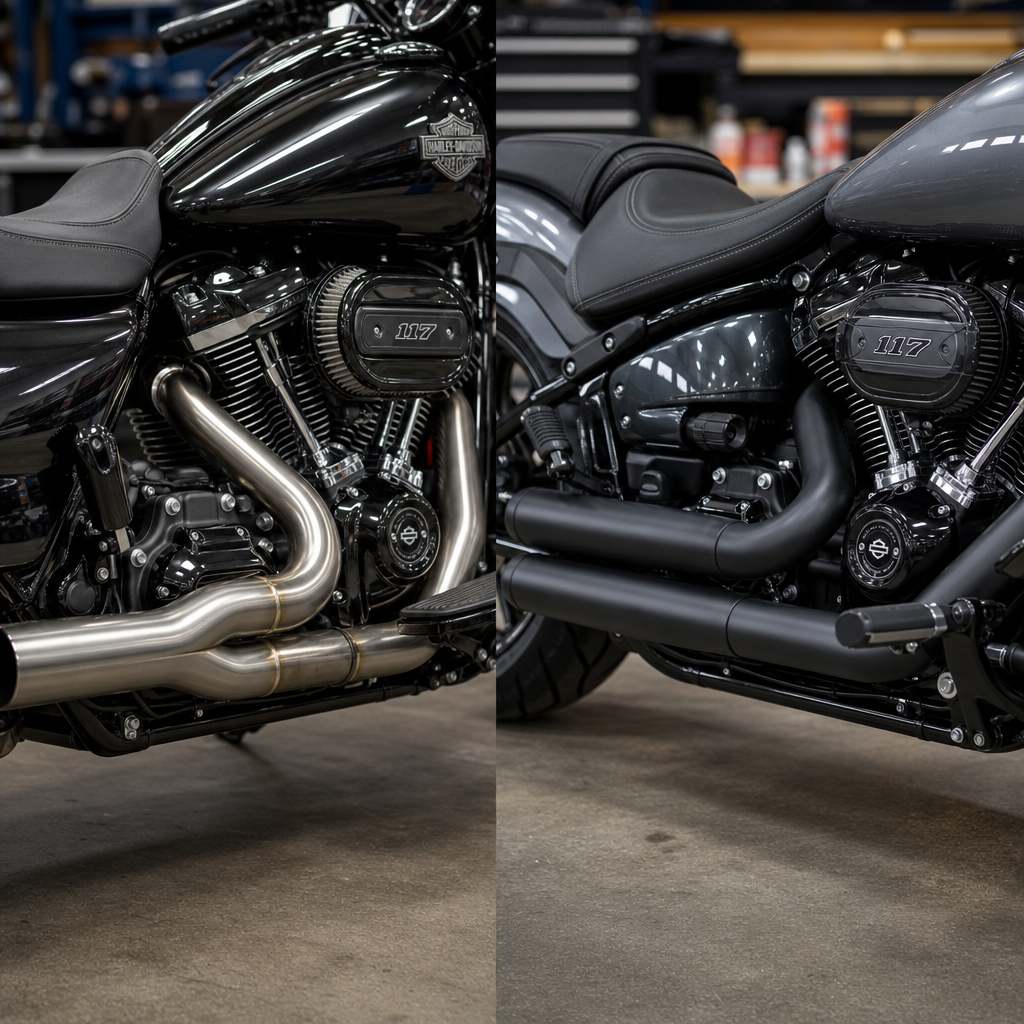
For most riders, the best 2027 performance modification plan begins with goals written in plain language: strong two-up passing power, cooler operation in summer traffic, smoother low-speed manners, or better high-speed stability with luggage. Once the goal is clear, the engine package can be built sensibly. A practical street-and-touring recipe for the CVO 121 HO often combines piston cooling jets with a torque-focused camshaft, a high-flow but correctly sealed intake, an exhaust that preserves midrange velocity, and a calibration validated on both a dynamometer and the road. Tools commonly used in this process include Dynojet Power Vision, wideband oxygen sensors, cylinder head temperature monitoring, and careful spark plug reading after loaded pulls.
Compression should be chosen with fuel quality in mind. Premium pump fuel availability varies by region, and a bike intended to cross states or provinces should not be tuned as if every stop offers ideal octane. This is where cooling jets help the package. They support durability and preserve tuning headroom, allowing a builder to choose an efficient, realistic setup rather than a fragile hero number. Supporting details matter: injector duty cycle must stay in a safe range, throttle body sizing should match expected airflow, and crankcase ventilation should not contaminate the intake charge enough to reduce octane tolerance. Good recipes are disciplined. They avoid mismatched parts chosen from catalog hype.
Within the broader Harley-Davidson subtopic of model-specific ergonomics and performance recipes, the engine package also influences chassis behavior. A stronger torque curve changes how often the rider shifts, how the bike responds mid-corner, and how much bracing force the rider uses on the bars. That means engine modifications should be paired with suspension setup, brake feel, and cockpit adjustments. More power without better control usually makes a touring bike less enjoyable, not more capable.
Model-specific ergonomics: how rider fit shapes usable performance
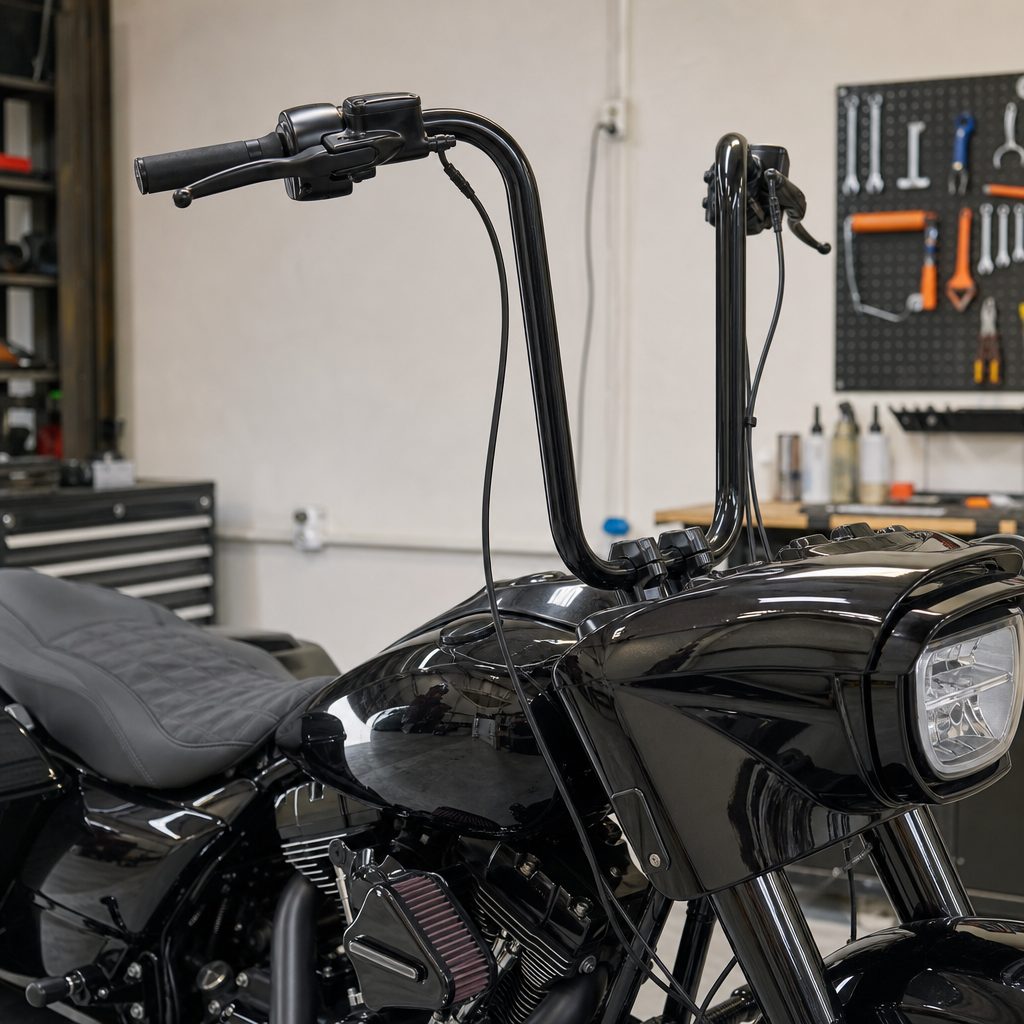
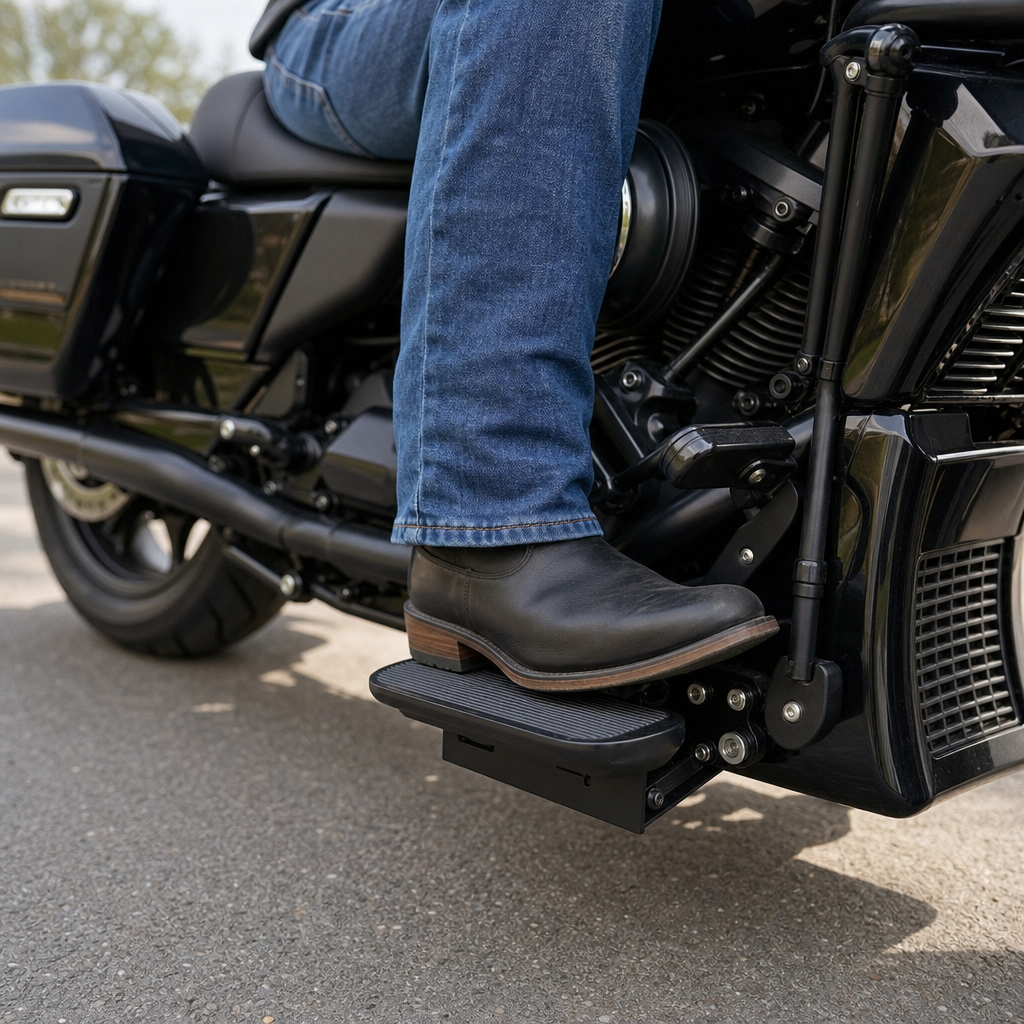
Ergonomics determines whether the performance recipe is usable over distance. On a CVO touring platform, rider triangle changes can transform the same engine build from tiring to effortless. Seat contour affects hip rotation and lower-back load. Handlebar pullback and rise alter wrist angle, steering leverage, and how much the rider fights wind at highway speed. Floorboard position governs knee bend and the ability to stand slightly over bumps. Windshield height changes helmet buffeting, which directly affects fatigue and concentration. I have seen riders spend thousands on engine work and then short-shift all day because their seating position made full-throttle control uncomfortable.
The hub value of this article is that it connects those pieces. A hotter cam or stronger roll-on power may require a firmer seat base to keep the rider planted. A passenger and tour pack add rear weight, so preload and damping need adjustment to preserve steering geometry. If power gains encourage more aggressive backroad riding, a narrower handlebar or different grip diameter may improve steering precision and reduce hand numbness. Even foot placement matters. On long rides, a rider who cannot vary leg position tends to tense the upper body, which makes throttle transitions rougher and can create the false impression that the tune is abrupt.
For Harley-Davidson owners researching model-specific ergonomics and performance recipes, the rule is simple: fit first, then evaluate power. A bike that keeps the rider relaxed can use all of its torque. A bike that forces constant correction wastes performance because the rider never fully commits to throttle, braking, or corner entry.
Common mistakes, validation steps, and the smartest next moves
The most common mistake with a piston cooling jet build is treating it as an isolated upgrade. Owners sometimes install thermal-control parts yet keep a generic map, an intake with poor filtration seal, or an exhaust that sacrifices midrange scavenging for sound. Another frequent error is ignoring oil temperature and pressure data. If a builder cannot tell you hot idle pressure, cruise pressure, and post-pull recovery behavior, the thermal recipe is not fully validated. I also advise against assuming every internet dyno chart reflects the same correction standard, fuel quality, gear, or ambient temperature. Numbers are useful only when the test method is clear.
Validation should include cold start behavior, hot restart behavior, steady-state cruising, low-rpm roll-on in top gear, repeated acceleration runs, and an extended ride in realistic traffic. Listen for knock activity, feel for clutch slip, inspect plugs, and review logs for air-fuel ratio and spark consistency. If the bike will tour, test it with the usual payload. A map that looks perfect on a solo dyno session can behave differently when saddlebags, passenger weight, and summer heat change load. Trusted standards from experienced tuners are boring for a reason: boring processes prevent expensive failures.
The takeaway for 2027 is straightforward. The CVO 121 HO piston cooling jet recipe is one of the smartest foundational modifications for riders who want reliable, repeatable performance from a Harley-Davidson touring engine. It supports more stable combustion, better heat control, and safer tuning margins, especially when paired with thoughtful airflow changes and realistic compression. As the hub for model-specific ergonomics and performance recipes, this page points to the bigger truth: the best Harley build is a complete system that matches engine output to rider fit, chassis control, and actual road use. Define your riding goal, choose parts that work together, and have the package measured, tuned, and tested by a builder who understands both performance and comfort.
Frequently Asked Questions
What is the purpose of a piston cooling jet recipe on a CVO 121 HO for a 2027 performance modification?
A piston cooling jet recipe is essentially a planned combination of oil jet sizing, oil supply strategy, piston design considerations, tuning targets, and thermal management choices intended to keep the underside of the piston cooler during high-load operation. On a CVO 121 HO Milwaukee-Eight, that matters because the piston crown, ring lands, wrist pin area, and upper cylinder environment all see more heat as cylinder pressure rises. Once you begin increasing compression, refining cam timing, improving cylinder filling, or adding more aggressive ignition targets, heat becomes one of the primary limits to reliability.
The real benefit is not just “cooler pistons” in a general sense. A proper piston cooling jet setup helps stabilize piston crown temperature, reduce the chance of ring land distress, protect oil film integrity around the pin bore, and slow down the heat-driven loss of ring seal that can happen when parts are pushed beyond their thermal comfort zone. In practical terms, that can support a more repeatable tune, better detonation resistance margin, and improved durability when the engine is worked hard for long periods rather than only making one short dyno pull.
For a 2027-style performance build, the phrase “recipe” is important because there is no single magic jet that fixes everything. The oil squirter has to be matched to the rest of the combination. Too little oil flow may leave the piston hotter than desired, while too much oil flow can affect oil system balance, windage, and overall thermal behavior elsewhere in the engine. The goal is a coordinated package that gives the CVO 121 HO more headroom to handle added stress without sacrificing the long-term durability expected from a premium touring or performance-oriented Harley-Davidson platform.
How do piston cooling jets help the 121 High Output Milwaukee-Eight handle more cylinder pressure and timing safely?
Piston cooling jets help by attacking one of the main consequences of making more power: increased combustion heat transfer into the piston assembly. As cylinder pressure rises, the piston crown absorbs more energy, the ring pack sees more heat, and the top end of the piston becomes more vulnerable to distortion, ring seal instability, and detonation-related stress. By spraying engine oil onto the underside of the piston, the jets remove heat directly from the crown and surrounding structure before that heat can accumulate to damaging levels.
This matters for tuning because a cooler piston generally gives the engine more thermal margin. When piston temperatures are better controlled, the ring pack tends to live in a more stable environment, which helps preserve sealing efficiency. Better thermal stability can also reduce the likelihood of hot spots contributing to knock sensitivity. That does not mean the jets eliminate detonation or allow reckless tuning, but they can support a safer window for ignition timing, compression ratio, and fueling changes when the rest of the build is correctly designed.
On a 121 HO platform, where performance modifications often include intake and exhaust improvements, camshaft changes, headwork, and calibration refinement, the cooling jets become part of the foundation rather than an afterthought. They support consistency under repeated heat cycles, heavy throttle use, highway load, and hot-weather operation. In other words, they help the engine survive not just peak power events, but real-world riding conditions where sustained heat load separates a strong build from a fragile one.
What components should be considered part of a complete CVO 121 HO piston cooling jet recipe?
A complete recipe should include far more than the jets themselves. First are the actual oil squirters: their flow rate, spray pattern, mounting location, and alignment to the underside of the piston. Those details determine whether the oil is effectively reaching the crown and pin area or merely adding oil volume without maximum cooling benefit. Next comes oil supply capacity, including pump performance, pressure characteristics, and the engine’s overall ability to feed the jets without compromising lubrication elsewhere.
The piston design must also be considered. Crown thickness, internal bracing, skirt profile, ring land geometry, and pin bore structure all influence how the piston handles heat and how effectively it can benefit from oil cooling. Ring package selection is equally important, since ring material, tension, and groove stability affect how the engine responds to elevated cylinder pressure. Cylinder finish, bore geometry, and piston-to-wall clearance also matter because thermal behavior changes significantly as the engine is pushed harder.
Beyond hardware, the tune is part of the recipe. Air-fuel ratio under load, ignition timing, torque management strategy, rev limit, and knock control approach all directly affect piston temperature. Camshaft selection influences dynamic cylinder pressure and exhaust heat behavior, so it belongs in the conversation too. Oil choice, oil temperature control, and rider use case complete the picture. A bike built for aggressive street riding, long-distance two-up touring, and repeated heat-soaked operation may need a different balance than one built primarily for occasional performance runs. The best recipe is always a system-level plan, not a single part number.
Are piston cooling jets alone enough to make a 2027 CVO 121 HO performance build reliable?
No, piston cooling jets are important, but they are only one part of a reliable performance strategy. They can reduce piston temperature and improve thermal stability, but they cannot compensate for an overly aggressive tune, poor fuel quality assumptions, improper compression ratio, inadequate piston clearance, weak ring package selection, or an oil system that is not designed to support the added demand. Reliability on the 121 HO platform comes from balancing combustion efficiency, airflow, mechanical stress, lubrication, and heat rejection across the whole engine.
For example, if a builder adds compression and timing without properly accounting for chamber shape, fuel octane, intake air temperature, and exhaust scavenging, the engine may still encounter knock or abnormal heat concentration even with upgraded oil squirters. Likewise, if the piston design is marginal for the intended load, the jets may help but not fully prevent ring land or crown-related issues under sustained abuse. The same is true if oil temperature remains excessively high overall, because the cooling medium itself becomes less effective as it gets hotter.
The smartest approach is to treat piston cooling jets as an enabler of durability rather than a substitute for sound engine design. When paired with a sensible compression target, a proven camshaft strategy, a conservative but optimized tune, quality machining, correct clearances, and a healthy oiling system, the jets can make a noticeable difference in how confidently the engine handles added performance. That is where they deliver the most value: as part of a disciplined, integrated build rather than as a standalone fix.
What are the most common mistakes to avoid when developing a piston cooling jet setup for the CVO 121 HO?
One of the biggest mistakes is focusing only on peak horsepower and ignoring sustained thermal load. A build may look excellent on a short dyno session yet still run into trouble on the road if piston crown temperatures, ring stability, and oil temperature climb during prolonged riding. Another common error is assuming that more oil flow is automatically better. Excessive jet flow can create trade-offs in oil pressure control, parasitic losses, and oil management elsewhere in the engine, so sizing has to be deliberate rather than guesswork.
Misalignment is another issue that gets overlooked. If the spray is not properly aimed at the underside of the piston crown and pin area, the theoretical benefit of the jet may not be realized in practice. Builders also make mistakes by neglecting the relationship between piston cooling and the rest of the combination. Compression ratio, combustion chamber quality, piston material, ring package, and tune calibration all influence whether the cooling jets are working within a stable system or trying to rescue an unstable one.
There is also the mistake of using generic assumptions instead of platform-specific testing. The 121 High Output Milwaukee-Eight has its own airflow characteristics, oiling behavior, packaging constraints, and thermal tendencies. What works on a different V-twin or even another Milwaukee-Eight combination may not be ideal here. Finally, many reliability problems come from weak validation: not checking oil pressure under real load, not monitoring temperature trends, not reading plugs and pistons carefully, and not reviewing the tune after heat-soak operation. A successful 2027 performance modification should be validated for repeatability, not just for a single impressive number.