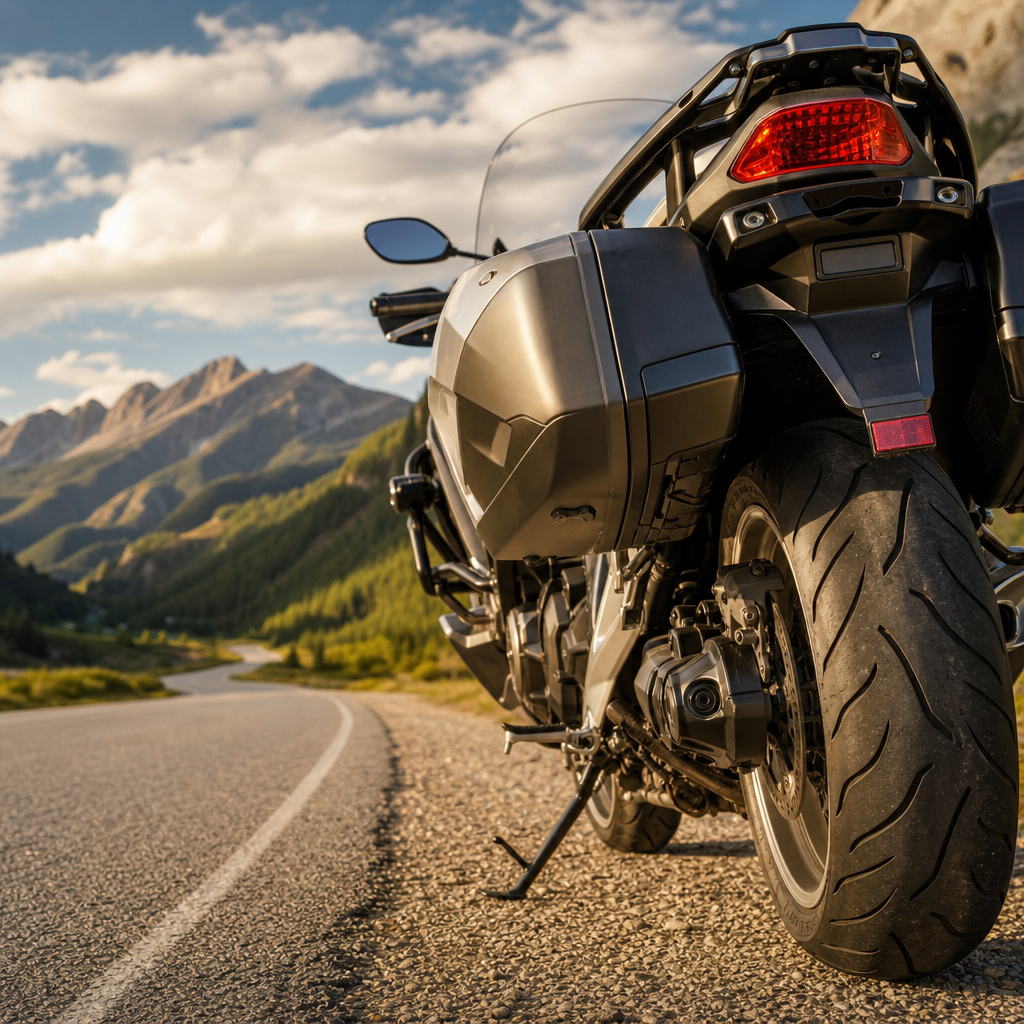
Long-distance touring tires determine whether a motorcycle feels planted and relaxed at highway speed or vague and fatiguing after a few hundred miles, so choosing the right set matters as much as suspension setup or luggage balance. In this guide to the best long-distance touring tires 2026, mileage and grip are compared with the priorities real riders care about: wet braking, heat stability, steering feel, load capacity, noise, and value over the full life of the tire. Touring tires are built for sustained road use, heavier machines, passengers, and luggage, which means their construction, tread pattern, and rubber compounds differ from sport or adventure options. Mileage refers to usable service life before the tread reaches replacement depth or performance drops off, while grip covers dry traction, wet confidence, braking stability, and cornering security. I have tested touring rubber on big baggers, sport-tourers, and heavyweight cruisers, and the same lesson repeats every season: the cheapest tire rarely costs the least per mile. Riders searching this topic usually ask three things first: which tire lasts longest, which tire grips best in rain, and which tire delivers the best balance for cross-country travel. Those questions matter because tire choice affects safety, comfort, fuel range, and trip planning. This hub article answers them directly while also serving as the main entry point for the broader Tires & Parts category, including tire construction, pressure management, wear diagnosis, wheel balancing, puncture repair, brake components, bearings, chains, belts, sprockets, and replacement intervals.
How to judge a touring tire before you buy
The best way to compare long-distance touring tires is to look beyond marketing labels and evaluate five technical factors: carcass construction, compound strategy, tread design, load and speed rating, and wear pattern over time. Modern premium touring tires commonly use multi-compound rubber, where a harder center supports highway mileage and softer shoulders improve corner grip. Radial construction dominates on modern touring and sport-touring machines because it reduces heat buildup and improves compliance, but many cruisers still use bias-ply fitments, so the correct choice starts with the motorcycle manufacturer’s approved sizes and construction type. Load index matters more than many riders realize. A fully loaded touring bike with passenger, top box, panniers, and gear can stress the rear tire significantly, especially in summer conditions. Match or exceed the original specification and confirm the speed symbol suits sustained interstate use.
Wet-weather confidence is often the separator between a good touring tire and a great one. Silica-rich compounds, high void ratio tread channels, and stable contact patches help the tire maintain grip on cold or soaked pavement. Steering feel also changes over the life of the tire. Some models begin neutral but develop a pronounced flat center section after thousands of highway miles, making turn-in slower and transitions heavier. Others preserve profile shape better and feel predictable deeper into their service life. In the workshop, I also watch for how easily a tire balances, whether it tends to cup on the front, and how sensitive it is to underinflation. Those details affect real ownership more than brochure claims. If you want the shortest answer, buy for your riding percentage: mostly interstate means prioritize wear stability and rain performance; mixed backroads and touring means choose a more responsive profile; heavy two-up travel demands the strongest load support and heat resistance.
Best long-distance touring tires 2026: top models compared
For 2026, the strongest field includes Michelin Road 6 GT, Bridgestone Battlax T32 GT, Metzeler Roadtec 02, Pirelli Angel GT II, Dunlop Roadsmart IV GT, and Continental RoadAttack 4 GT. On heavyweight cruisers and baggers, Michelin Commander III Touring, Dunlop American Elite, Metzeler ME888 Marathon Ultra, and Bridgestone Exedra Max remain key options depending on fitment. The reason these names dominate is simple: they have proven casing stability, wide fitment support, and consistent wet traction as the miles accumulate. In back-to-back road use, the Michelin Road 6 GT stands out for cold and wet grip, especially during early-morning starts and mountain rain. It also resists the abrupt performance drop some older sport-touring tires showed in the last third of tread life. Bridgestone’s T32 GT is one of the strongest performers for riders who want a planted front end and confident rain braking, though rear life can vary depending on torque and throttle habits.
Pirelli Angel GT II remains a favorite for riders who want touring mileage without giving up agile steering. It turns in a touch quicker than some mileage-focused rivals and works especially well on sport-tourers like the Yamaha FJR1300, Kawasaki Ninja 1000SX, and BMW R1250RS. Dunlop Roadsmart IV GT is an underrated all-rounder with strong dry stability and very respectable wet behavior. Continental RoadAttack 4 GT offers impressive warm-up and steering precision, making it ideal for riders who mix long travel days with technical roads. On full-dress touring bikes, Michelin Commander III Touring generally delivers strong longevity with better wet behavior than many old-school cruiser tires, while Dunlop American Elite has earned trust among Harley-Davidson touring owners for predictable wear and domestic fitment coverage. Metzeler ME888 Marathon Ultra can produce excellent mileage, but many riders trade some wet grip and steering sharpness for that endurance. That tradeoff is acceptable for straight-line highway touring, less so for aggressive all-weather riding.
| Tire model | Best for | Strength | Tradeoff |
|---|---|---|---|
| Michelin Road 6 GT | Wet-weather touring | Excellent rain grip and cold performance | Usually premium price |
| Bridgestone T32 GT | Balanced sport-touring | Stable front-end feel and braking confidence | Rear mileage varies by bike |
| Pirelli Angel GT II | Responsive handling | Quick steering with strong all-round grip | Not the absolute longest lasting |
| Dunlop Roadsmart IV GT | High-speed road use | Dry stability and consistent profile | Less lively than sportier options |
| Michelin Commander III Touring | Heavy cruiser mileage | Long life with solid wet performance | Cruiser-focused fitments only |
Mileage versus grip: what riders can realistically expect
No touring tire delivers maximum mileage and maximum grip at the same time. Rubber chemistry is always a compromise between wear resistance, traction, and heat management. In real use, premium sport-touring tires on heavy bikes often return roughly 6,000 to 12,000 miles from a rear and 9,000 to 15,000 from a front, while mileage-oriented cruiser tires can exceed those numbers if pressures stay correct and riding is mostly highway. The range is wide because machine weight, road texture, ambient temperature, suspension condition, and throttle style all matter. A BMW K1600GT ridden two-up across hot western states will consume a rear much faster than a solo Honda NT1100 ridden gently in cooler climates. Riders who compare mileage without describing bike, load, roads, and inflation are usually comparing unlike conditions.
Grip is equally contextual. A tire that feels excellent on a 550-pound sport-tourer may feel slower and less communicative on an 850-pound bagger. Wet grip tends to degrade before tread depth reaches legal minimum, especially if the center flattens or the rubber heat-cycles repeatedly over several seasons. That is why date code, storage conditions, and time in service matter alongside visible tread. In my experience, riders who chase ultimate mileage often accept more steering effort, longer wet stopping distances, and less confidence on grooved pavement or patched asphalt. Riders who prioritize grip usually replace tires earlier but arrive less fatigued because the bike tracks and turns with less correction. The smart target for long-distance travel is not the tire with the highest mileage claim; it is the tire that stays consistent for most of its lifespan. Consistency is what keeps a cross-country machine predictable when weather, road quality, and load change day by day.
Choosing by motorcycle type, load, and riding style
The right touring tire depends heavily on the motorcycle under it. Sport-tourers such as the BMW R1250RT, Yamaha Tracer 9 GT+, Suzuki GSX-S1000GX, and Kawasaki Concours 14 benefit from GT-spec radials designed for heavier loads and firmer carcass support. These tires control flex under hard braking and maintain shape during long high-speed runs with luggage. Standard sport-touring versions may fit dimensionally, but the GT construction often delivers better stability and wear on heavier machines. On full-dress touring motorcycles like the Honda Gold Wing and Harley-Davidson Road Glide, tire choice becomes even more load sensitive. A tire that works well solo can squirm when the bike is packed for a two-week trip. That is why checking manufacturer fitment charts from Michelin, Bridgestone, Metzeler, Dunlop, and Pirelli is not optional.
Riding style changes the recommendation further. If your touring is mostly interstate, choose a tire known for profile retention and center-wear control. If your route includes mountain passes, chipped rural pavement, and frequent rain, pick a model with stronger silica content and a more responsive shoulder compound. Heavier riders or frequent two-up travelers should inspect rear shock preload and damping at the same time they change tires; poor suspension can destroy a good rear tire by causing excess heat and irregular wear. This Tires & Parts hub also connects naturally to related maintenance topics. Tire life improves when wheel bearings spin smoothly, brakes release correctly, alignment is accurate, and final-drive components are healthy. A dragging caliper, cupped front from worn fork internals, or imbalanced wheel can make riders blame the wrong part. Tires never work in isolation, and the best results come from treating the wheel end as a system.
Pressure, maintenance, and replacement timing
If riders ask me for the single habit that extends touring tire life without compromising safety, the answer is pressure management. Check inflation cold with a quality gauge, use the motorcycle maker’s baseline recommendation, and adjust only when load or documented tire guidance justifies it. Underinflation is the fastest route to heat buildup, shoulder wear, sluggish steering, and casing stress. Overinflation can reduce contact patch compliance and accelerate center wear, especially on lighter bikes. Tire Pressure Monitoring Systems are helpful, but a handheld gauge remains the standard because sensors can drift. I recommend checking at least weekly on tour and every morning before a loaded travel day. Tread depth should be measured at several points, not guessed visually. Many touring riders replace the rear when wet performance declines even if legal tread remains, which is a sensible decision for safety.
Maintenance also includes balancing, valve stems, and age inspection. Replace rubber valve stems at tire change intervals, inspect metal stems for seal condition, and insist on correct dynamic balancing. Uneven wear patterns such as cupping, scalloping, or one-sided shoulder wear usually indicate a pressure, suspension, or alignment issue, not simply a bad tire. As a general rule, replace any tire with exposed cords, punctures outside repairable zones, sidewall damage, or persistent vibration after balancing. For touring motorcycles that sit through winter, avoid storing the bike on cold concrete with low pressure and direct sunlight exposure. Ultraviolet light, ozone, and static loading age rubber even when mileage is low. The practical takeaway is straightforward: the best long-distance touring tires 2026 can only deliver their designed mileage and grip when inflation, chassis condition, and replacement timing are managed with the same discipline as oil changes and brake service.
Final verdict for touring riders building a reliable setup
The best long-distance touring tire is the one that matches your motorcycle, your load, and your tolerance for the mileage-versus-grip tradeoff. For riders who want the most confidence in rain and cold mornings, Michelin Road 6 GT is the benchmark. For balanced sport-touring with secure braking feel, Bridgestone T32 GT and Dunlop Roadsmart IV GT are excellent choices. For riders who value lighter steering and backroad pace, Pirelli Angel GT II and Continental RoadAttack 4 GT deserve serious consideration. On heavy cruisers and baggers, Michelin Commander III Touring and Dunlop American Elite remain dependable picks, while mileage-focused riders may still prefer Metzeler ME888 Marathon Ultra if wet-weather aggression is not the priority.
As the central Tires & Parts hub within Garage & Gear, this page should help you narrow the tire category before you move deeper into related decisions on pressure, balancing, puncture repair, bearings, brakes, chains, belts, and replacement planning. The main benefit of choosing well is not just longer tread life; it is a calmer, safer motorcycle that stays predictable from day one to the final serviceable miles. Start with the correct fitment, compare how you actually ride, and inspect the rest of the wheel and chassis system at the same time. Then choose the tire built for your miles, not someone else’s marketing claim.
Frequently Asked Questions
What matters most when choosing the best long-distance touring tires in 2026?
The most important factors are not just headline mileage claims, but how consistently a tire performs across thousands of miles in real touring conditions. For most riders, that means balancing tread life with wet grip, highway stability, load support, heat management, and steering feel. A touring tire that lasts a very long time but becomes noisy, vague, or slippery in the rain halfway through its life is not necessarily a better value than a slightly shorter-lasting tire that stays predictable from the first trip to the last.
In 2026, the strongest long-distance touring tires are typically built around multi-compound tread designs, reinforced carcasses, and profiles intended to keep the bike planted when fully loaded with luggage or carrying a passenger. Wet braking is especially important, because touring often means riding through changing weather, cold morning pavement, and long stretches of standing water. Heat stability matters just as much on high-speed summer highway runs, where cheaper or older tire designs can feel greasy, squirmy, or less precise after hours of continuous use.
Riders should also pay attention to load index and speed rating, especially on heavier touring motorcycles, sport-tourers, and adventure-touring machines ridden mostly on pavement. Beyond that, steering effort and noise are often underrated. Some tires feel calm and neutral at interstate speeds but require more bar input in tighter roads, while others turn in quickly but can feel busier on long straight sections. The best choice depends on your motorcycle, typical load, climate, and whether your priority is maximum mileage, stronger all-weather grip, or the most relaxed highway character.
How many miles should I realistically expect from long-distance touring tires?
Realistic mileage varies widely by motorcycle type, rider habits, road surface, climate, and tire model, but many modern touring tires in 2026 can deliver anywhere from roughly 8,000 to 15,000 miles on a rear tire, with fronts often lasting longer. On lighter sport-touring motorcycles ridden smoothly and mostly on highways, some riders may see figures above that range. On heavier machines, especially those carrying luggage and a passenger, rear tire life can drop noticeably even with premium compounds designed for endurance.
It is important to remember that mileage claims are only meaningful when paired with retained performance. A tire may technically still have usable tread depth at high mileage, but if wet grip, braking confidence, and steering accuracy have deteriorated, many experienced riders replace it before the tread is completely gone. Touring riders should judge a tire by its full-life value: how well it rides, grips, and manages heat from the first few hundred miles to the final few thousand.
Your own riding style plays a major role. Aggressive throttle use, repeated hard braking, high ambient temperatures, rough chip-seal roads, and sustained high-speed interstate travel all accelerate wear. Tire pressure management also makes a major difference. Running pressures below the manufacturer’s recommendation can increase heat, speed up shoulder wear, and make the tire feel less stable under load. If your goal is getting the maximum safe life from a touring tire, maintaining correct pressure, keeping suspension properly set for luggage weight, and avoiding chronic overloading are just as important as the tire brand itself.
Are touring tires still good in the rain, or do high-mileage compounds sacrifice wet grip?
The best touring tires no longer force riders to choose between mileage and wet-weather confidence as sharply as they once did. Modern premium touring tires use advanced silica-rich compounds, water-evacuating tread patterns, and multi-compound construction to improve wet braking and cold-surface grip while still delivering strong wear life. In practical terms, that means many of the top long-distance touring tires in 2026 offer rain performance that is more than adequate for serious travel, including highway commuting, mountain weather changes, and long multiday trips through mixed conditions.
That said, not all high-mileage tires are equal. Some prioritize longevity so heavily that they feel firmer or less communicative on wet pavement, especially as they age. Others are designed to maintain a more rounded, confidence-inspiring feel in rain but may trade away a little ultimate mileage. This is why comparison tests that include wet braking, corner entry feel, and performance after several thousand miles are more useful than simple manufacturer marketing. A tire that starts out grippy in the rain but hardens or squares off quickly may not remain a strong touring choice over its full service life.
For riders who regularly cross climates, rain performance should rank near the top of the buying checklist. Wet grip affects not just emergency braking distances but also rider fatigue. A tire that tracks cleanly through standing water, resists tramlining, and communicates traction clearly lets you relax and ride smoothly in poor weather. That matters on day six of a trip just as much as it does during a sudden storm on the way home.
When should I replace a touring tire if it still has tread left?
Tread depth is only one part of the replacement decision. A touring tire should also be replaced when it shows signs of age-related hardening, uneven wear, cracking, cupping, puncture damage, or a noticeable decline in grip and stability. Many riders reach a point where the tire is technically legal but no longer performing at the level needed for safe, comfortable long-distance riding. If the bike starts feeling reluctant to turn, drifts in rain grooves, vibrates more than usual, or feels less planted during wet braking, the tire may be past its best even before the wear bars are flush.
Rear tires commonly square off from prolonged highway use, especially on long-distance touring machines. That flat center section can make transitions into corners feel abrupt and increase steering effort. Front tires may cup or scallop, which can introduce noise and vague handling. Both conditions increase fatigue on long rides because the bike stops feeling natural and settled. Since touring often involves carrying extra weight and traveling far from home, replacing a borderline tire before a major trip is usually the smarter decision.
Age also matters. Even if a tire has remaining tread, rubber changes over time from heat cycles, UV exposure, and storage conditions. A tire that has been mounted for years may no longer deliver the same wet grip or compliance as a fresh one. Riders should inspect the date code, look closely at the tread and sidewalls, and be honest about how the tire feels on the road. For touring use, confidence and predictability are part of the tire’s value, not optional extras.
Is it better to buy the longest-lasting touring tire, or the best overall balance of mileage and grip?
For most riders, the best overall balance is the smarter choice. The longest-lasting tire on paper is not automatically the best touring tire if it compromises wet braking, steering feel, road noise, or comfort. Long-distance riding is not just about extending replacement intervals; it is about arriving less fatigued, staying confident in bad weather, and having a tire that behaves consistently when the bike is loaded and the pavement quality changes. A tire that delivers slightly fewer miles but noticeably better grip and composure often provides better real-world value over the full ownership cycle.
Value should be calculated beyond purchase price and simple mileage figures. Consider how a tire performs in the conditions you actually ride: hot interstates, cold mornings, rain, mountain sweepers, two-up travel, and long days with luggage. Also factor in whether the tire maintains its manners deep into its lifespan. A tire that feels excellent for the first half and disappointing for the second half can cost more in rider confidence than it saves in tread life.
If your riding is primarily straight-line highway touring on a heavy machine, you may reasonably prioritize durability and load support. If your routes include frequent rain, technical roads, or a more spirited pace, then strong all-weather grip and neutral handling should carry more weight in the decision. The best long-distance touring tires in 2026 stand out because they do several things well at once: they wear evenly, remain stable under load, brake confidently in the wet, and keep the motorcycle feeling calm rather than cumbersome over very long days in the saddle.