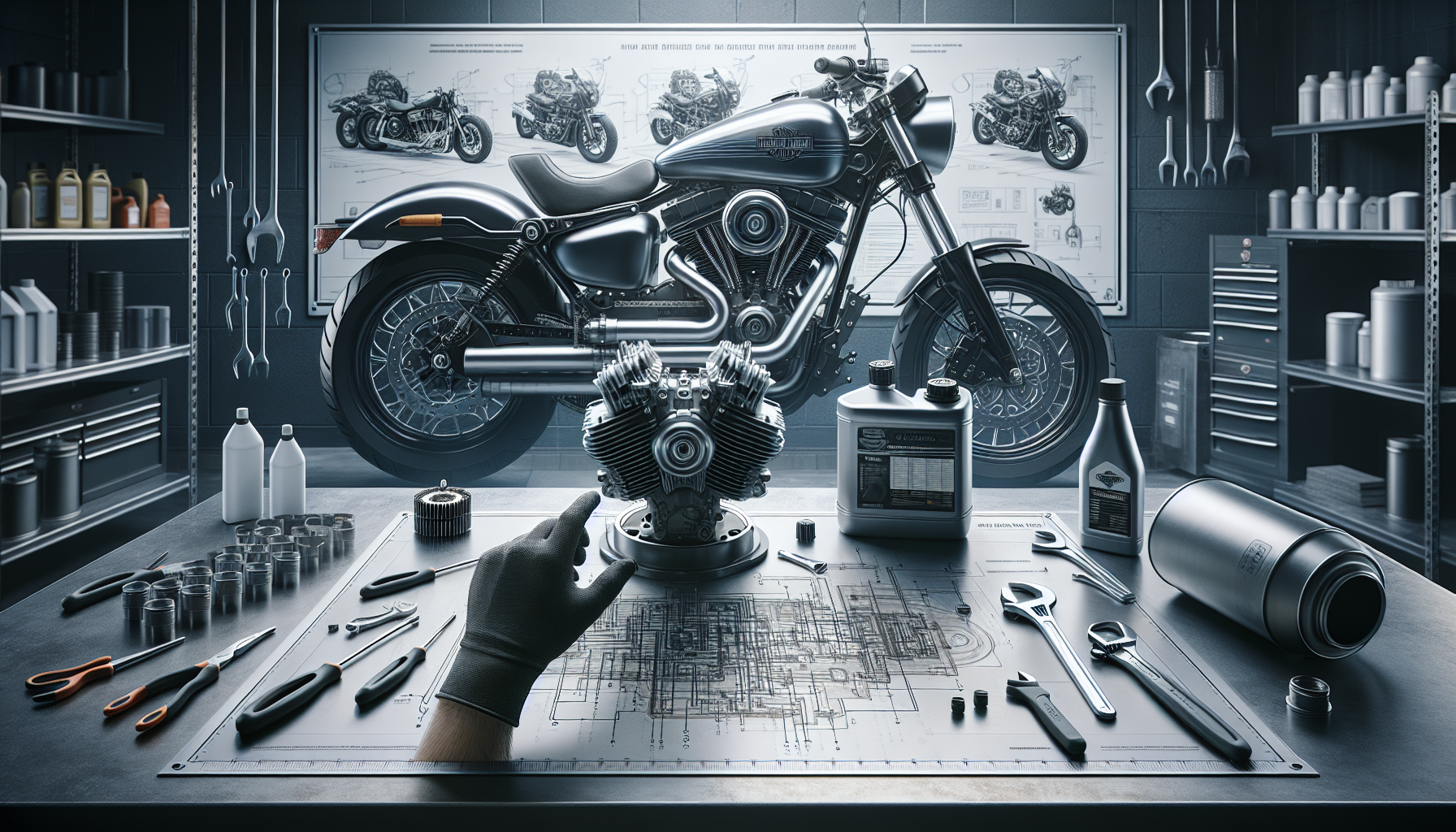
Electronic fuel injection has made 2020-2026 motorcycles cleaner, more efficient, and easier to live with, but when EFI problems appear, they can stop a ride faster than a dead battery. Troubleshooting common EFI issues on 2020-2026 motorcycles requires understanding how the system meters fuel, reads air, manages idle speed, and reacts to sensor inputs. On modern bikes, the ECU uses data from components such as the throttle position sensor, manifold absolute pressure sensor, intake air temperature sensor, engine coolant temperature sensor, oxygen sensor, crank position sensor, fuel pump, injector, and idle control strategy to calculate fueling. If one input becomes inaccurate, the result may be hard starting, hesitation, poor throttle response, stalling, surging, reduced power, or a check-engine light.
I have worked through these faults on commuter singles, middleweight twins, and ride-by-wire touring bikes, and the pattern is consistent: owners often replace expensive parts before confirming the basics. That is a mistake. The most effective motorcycle EFI troubleshooting process starts with voltage, grounds, fuel quality, air leaks, connector condition, and fault codes, then moves toward live data, fuel pressure, injector operation, and mechanical checks. This matters because the same symptom can have several causes. A hot-start problem may be low battery voltage, a weak fuel pump, heat-soaked fuel, a drifting sensor, or a valve-clearance issue that only shows up when the engine is warm.
As the maintenance hub for Garage & Gear, this guide explains the most common EFI faults found on 2020-2026 motorcycles, the tools that actually help, the tests worth doing first, and the limits of home diagnosis. It also points riders toward related maintenance work like battery care, air filter service, spark plug inspection, tank cleaning, throttle body synchronization where applicable, and wiring protection. If you want a clear process instead of random parts swapping, start here and work methodically.
How motorcycle EFI works and why diagnosis starts with inputs
A motorcycle EFI system has four core jobs: deliver fuel at the correct pressure, inject the right amount at the right time, maintain stable combustion through changing load and temperature, and keep emissions within target. On most 2020-2026 motorcycles, the ECU calculates injector pulse width using engine speed, throttle angle, manifold pressure or airflow estimation, and temperature corrections. Many bikes then fine-tune mixture in part-throttle operation with closed-loop feedback from an oxygen sensor. Ride-by-wire models add another layer, because the ECU also interprets rider demand, traction strategy, and throttle plate position.
That architecture means troubleshooting should begin with what the ECU sees. If battery voltage drops too low during cranking, sensor readings can become unstable and injector performance suffers. If a vacuum leak appears downstream of the throttle body, the ECU may underfuel because measured load no longer matches real airflow. If the coolant sensor falsely reports a warm engine on a cold morning, the ECU will not add enough enrichment for starting. This is why “it feels like a fuel problem” is not a diagnosis.
The most useful home tools are a factory service manual, a quality digital multimeter, a battery tester, a fuel pressure gauge if your model supports safe connection, contact cleaner made for electronics, a scan tool or manufacturer-specific diagnostic mode, and basic hand tools. On Yamaha, Honda, Kawasaki, Suzuki, KTM, BMW, Triumph, Harley-Davidson, and Indian models, the exact code-reading process varies, but every manufacturer provides a fault logic path in the service literature. Use that path. It saves time and prevents bad assumptions.
Common EFI symptoms and the most likely causes
Symptoms narrow the field, but only if you connect them to operating conditions. A bike that stumbles only under sudden throttle opening often points toward a lean transient condition, weak fuel delivery, or a throttle position signal problem. A bike that idles poorly yet runs cleanly at higher rpm may have carbon buildup around the throttle body, incorrect base idle adaptation, an air leak, or an idle actuator issue. A bike that cuts out after twenty minutes and restarts after cooling may have a failing crank position sensor, a fuel pump losing pressure when hot, or a venting issue in the tank.
| Symptom | Most likely causes | First checks |
|---|---|---|
| Hard cold start | Low battery voltage, coolant sensor error, stale fuel, weak spark, low fuel pressure | Battery test, codes, fuel age, live temperature reading |
| Hesitation off idle | Vacuum leak, dirty injector, TPS issue, throttle body deposits | Inspect boots, connectors, injector balance, TPS sweep |
| Surging at steady speed | Oxygen sensor fault, intake leak, chain lash mistaken for fueling, bad fuel | Codes, fuel trim behavior, intake inspection, driveline check |
| Stalling when hot | Crank sensor failure, fuel pump fade, charging issue, tight valves | Charging voltage, heat-related codes, fuel pressure hot, valve history |
| Poor fuel economy | Dragging brakes, rich mixture, sensor drift, clogged air filter | Mechanical drag, plugs, filter, O2 data if available |
Real-world examples help. On several 300cc to 500cc commuter and adventure models, riders report hunting idle after monsoon-season storage. In practice, the culprit is often moisture in connectors, low battery state of charge, or varnish from old ethanol fuel, not a failed ECU. On larger twins, abrupt on-off throttle can be normal calibration behavior rather than a fault, but if it worsens suddenly, inspect the throttle tube free play, chain slack, intake boots, and adaptation values before blaming mapping.
Start with power supply, battery health, and grounds
Modern EFI motorcycles are voltage sensitive. A battery can spin the starter and still be too weak for reliable EFI performance. During cranking, many systems need voltage to remain above roughly 9.6 volts, though the exact threshold depends on design. If voltage sags below that point, the ECU, coils, injectors, and sensors may not behave predictably. That can create intermittent no-starts, random fault codes, or rough running immediately after startup.
In the workshop, I test battery condition before touching fuel or sensors. Measure resting voltage after the battery has sat, then test cranking voltage and charging output. A healthy fully charged AGM battery usually rests around 12.7 to 12.8 volts. Lithium batteries vary by chemistry and management system, so use the manufacturer’s expected range. With the engine running, many motorcycles charge in the mid-13 to low-14 volt range depending on rpm and load. If charging voltage is low or unstable, investigate the regulator-rectifier, stator output, ground paths, and connectors before chasing EFI ghosts.
Ground faults are common and underdiagnosed. A corroded engine ground strap or loose frame ground can mimic sensor failure because the ECU loses a clean reference. On motorcycles used year-round, especially in wet or coastal climates, inspect battery terminals, main grounds, fuse box contacts, relay sockets, and harness bends near the steering head. Voltage drop testing under load is more meaningful than visual inspection alone. If you measure more than a small drop across a main ground path while cranking, repair that circuit first.
Fuel delivery problems: pump, pressure, injector, and fuel quality
When riders say “EFI issue,” they often mean fuel delivery, and sometimes they are right. The fuel pump must provide correct pressure and volume, the regulator must control that pressure, and the injector must atomize fuel consistently. On returnless systems common in later motorcycles, pressure control may be integrated into the pump module. A partially clogged pump strainer, contaminated fuel, or worn pump can produce classic symptoms: weak top-end power, lean surge, hard hot starts, or engine cutout under load.
Fuel quality deserves more attention than it gets. Ethanol-blended fuel absorbs moisture and degrades during storage. In as little as a few months, especially in a vented tank and warm climate, it can leave deposits that stick injector pintles and coat pump strainers. If a motorcycle sat unused over winter and now cranks normally but starts poorly, drain a sample and inspect for phase separation, water droplets, or dark varnish smell. On bikes with plastic tanks and in-tank pumps, contamination can circulate through the entire module.
Injector problems are often subtle. A completely dead injector may set a code, but partial restriction usually does not. Instead, you get a rough idle, mild hesitation, or one cylinder running hotter than the other. Listening with a mechanic’s stethoscope can confirm whether the injector clicks, but that does not prove flow quality. Professional cleaning and flow testing are worthwhile when symptoms persist without clear electronic faults. For direct diagnosis, compare plug appearance, header temperature trends, and if available, cylinder-specific trim data on advanced platforms.
Sensor faults, air leaks, and throttle body issues
Most EFI drivability complaints come from bad information rather than failed hardware. A throttle position sensor that has dead spots, a MAP sensor reading outside range, or an intake air temperature sensor contaminated by oil mist can all skew fueling. Manufacturers specify resistance, voltage, or frequency values for these sensors, and many service manuals include expected readings at known temperatures. Follow those specifications instead of internet guesses. Generic values are useful only for broad screening.
Vacuum leaks are especially common after maintenance. A slightly misseated intake boot, cracked vacuum cap, loose emissions hose, or hardened gasket can create a lean condition that mimics injector trouble. On speed-density systems using MAP input, unmetered air causes unstable idle and poor throttle pickup. Check clamps, boots, evap lines, pair-valve plumbing where fitted, and any hose disturbed during spark plug or air filter service. A smoke machine is ideal, but careful visual inspection and targeted spray testing can still reveal many leaks if done safely.
Throttle bodies also need attention. Carbon deposits around the throttle plate alter idle airflow, especially on bikes used for short trips. Some ECUs can adapt around minor buildup; others cannot. Cleaning should be done with the correct solvent and procedure, because forcing open electronic throttle plates or flooding sensors with cleaner can create new problems. On multi-cylinder bikes that still allow synchronization, imbalance between throttle bodies can feel exactly like fueling error. Always check whether synchronization is specified for your model before adjusting anything.
Intermittent faults, diagnostic codes, and when maintenance overlaps with repair
Intermittent EFI faults are the hardest to catch because the bike often behaves perfectly in the garage. Heat, vibration, and moisture are the usual triggers. Crank and cam position sensors may fail only when hot. Side-stand switch circuits, tip-over sensors, ignition relays, and harness connectors can interrupt operation in ways riders mistake for fueling. That is why recording the exact conditions matters: engine temperature, fuel level, rpm, gear, weather, road speed, and whether the dash showed a warning. Patterns reveal causes.
Diagnostic trouble codes are helpful, but they are not final proof. A code tells you what the ECU saw, not automatically what failed. For example, an oxygen sensor code may be caused by an exhaust leak, wiring damage, or a true sensor failure. A low-voltage code may be the battery, charging system, or a poor connection. Freeze-frame data, if available, adds context by showing rpm, load, and temperature at the moment of fault detection. Use codes to guide testing, not to skip it.
This is where routine maintenance becomes part of EFI troubleshooting. Neglected spark plugs, overdue valve-clearance inspection, clogged air filters, kinked tank vents, contaminated evaporative canisters, and even tight chains can influence how a rider perceives fueling. I have seen bikes booked for “EFI hesitation” that were fixed with fresh plugs and corrected valve lash, and others with “surging injection” that turned out to have severe chain snatch. Maintenance is not separate from diagnosis; on modern motorcycles, it is the foundation of diagnosis.
For that reason, this maintenance hub should connect riders to deeper guides on battery testing, charging-system checks, spark plug reading, air filter service intervals, fuel stabilizer use, injector cleaning, valve-clearance schedules, and connector protection. Building a maintenance baseline is the fastest route to solving EFI complaints and preventing repeat failures. If your 2020-2026 motorcycle shows hard starts, hesitation, surging, or unexplained stalling, begin with the basics, verify each input, and test before replacing parts. A disciplined process saves money, shortens downtime, and returns the precise throttle response modern EFI is designed to deliver.
Frequently Asked Questions
What are the most common signs of EFI trouble on a 2020-2026 motorcycle?
Modern motorcycle EFI systems usually give warning signs before a complete no-start or ride-ending failure. Common symptoms include hard starting, inconsistent idle, hesitation when opening the throttle, surging at steady speed, poor fuel economy, stalling when warm, and a noticeable loss of power under load. Some riders also notice a strong fuel smell, backfiring on deceleration, or an illuminated check engine or malfunction indicator light. Because 2020-2026 motorcycles rely on the ECU to constantly adjust fueling based on sensor input, even one faulty signal can create symptoms that feel mechanical but are actually electronic.
It is also important to pay attention to when the symptom occurs. A bike that starts cold but runs poorly hot may point toward a sensor drifting out of range with temperature, such as an engine temperature or intake air temperature sensor. A bike that idles fine but stumbles at mid-throttle may suggest throttle position sensor issues, vacuum leaks, fuel pressure problems, or injector performance faults. Intermittent cut-outs over bumps may indicate wiring, connector, grounding, or side-stand and safety circuit issues rather than the EFI hardware itself. In other words, the pattern matters as much as the symptom.
Before replacing parts, start with the basics. Confirm battery voltage is healthy, because modern ECUs, fuel pumps, and ignition systems can behave erratically when voltage drops. Check fuses, inspect sensor connectors for corrosion or looseness, look for damaged wiring near the steering head and under the tank, and make sure the air filter, fuel quality, and fuel delivery are all in good condition. Many apparent EFI problems are caused by low system voltage, contaminated fuel, a pinched line, or a poor ground. A systematic inspection usually saves time and prevents expensive guesswork.
Why does my fuel-injected motorcycle crank but not start, and how should I diagnose it?
A crank-no-start condition on an EFI motorcycle usually comes down to one of five categories: insufficient battery voltage, lack of fuel delivery, no injector pulse, no ignition spark, or incorrect sensor data preventing normal startup fueling. On 2020-2026 motorcycles, the ECU needs stable voltage and clean inputs to command the fuel pump, injectors, and ignition coils correctly. If the engine cranks strongly but never fires, begin by verifying battery condition with a meter rather than assuming the battery is good. Many bikes will crank with a weak battery but not provide enough voltage for proper ECU and fuel system operation.
Next, listen for the fuel pump prime when the key is switched on. If there is no pump sound, check the fuel pump fuse, relay, wiring, tip-over sensor status, kill switch position, and any immobilizer or key recognition issues. If the pump primes, confirm fuel is actually reaching the rail or injector at the correct pressure, because a weak pump, clogged filter, restricted line, or failing pressure regulator can still create a no-start. Then verify spark with the correct procedure and inspect the spark plug condition. A wet plug may indicate fuel is present but combustion is failing, while a dry plug may suggest lack of fuel delivery or injector control.
Sensor inputs matter too. If the crankshaft position sensor does not provide a valid signal, the ECU may not trigger spark or injectors at all. A severely inaccurate throttle position, MAP, or temperature sensor can also throw off startup fueling enough to prevent firing. If your motorcycle stores fault codes, use the manufacturer’s diagnostic mode or a compatible scan tool to check for them before replacing components. Stored and pending codes can point you toward sensor circuit faults, open circuits, shorted wiring, or implausible readings. The key is to test methodically: battery, fuel prime and pressure, spark, injector operation, then sensor and ECU inputs. That process isolates the real cause much faster than swapping random parts.
What causes rough idle, stalling, or hesitation on EFI motorcycles, and what should I check first?
Rough idle, warm stalling, and off-idle hesitation are among the most common EFI complaints on newer motorcycles, and they often trace back to air leaks, dirty throttle bodies, sensor drift, or inconsistent fuel delivery. The ECU calculates fueling using inputs from components such as the throttle position sensor, manifold absolute pressure sensor, intake air temperature sensor, engine temperature sensor, and oxygen sensor. If one of those signals is inaccurate, the fuel mixture can become too rich or too lean at the exact moment the bike needs precise control, especially during idle and light throttle transitions.
Start with the simplest and most common causes. Check for vacuum leaks around the intake boots, throttle body connections, vacuum caps, and emissions hoses. Even a small leak can upset MAP-based fueling calculations and create unstable idle or hanging revs. Inspect the throttle body and idle air passages for carbon buildup, because deposits can restrict airflow and interfere with idle control strategy. If the bike uses an idle air control valve or stepper motor, make sure it is functioning properly and not sticking. Also inspect the air filter and intake tract for restrictions or dislodged components.
Fuel quality and fuel pressure are equally important. Stale fuel, water contamination, varnish from storage, or partially clogged injectors can all cause lean hesitation and rough running. If the issue appears after seasonal storage or after fueling at an unfamiliar station, do not overlook bad fuel. On bikes with adaptive fueling, disconnecting or replacing components without completing the required idle relearn or ECU reset procedure can also cause odd low-speed behavior until the system recalibrates. Finally, verify charging system performance, because unstable voltage can affect injector pulse control and sensor readings. If the problem persists, compare live data values where possible and look for readings that do not make sense relative to engine temperature, throttle opening, and manifold load.
How do sensors like the TPS, MAP, and O2 sensor affect EFI performance, and how can I tell if one is failing?
EFI on 2020-2026 motorcycles depends on a network of sensors to tell the ECU what the engine is doing in real time. The throttle position sensor, or TPS, reports throttle angle and helps the ECU determine rider demand, acceleration enrichment, and deceleration strategy. The manifold absolute pressure, or MAP, sensor measures intake pressure and helps calculate engine load. The intake air temperature and engine temperature sensors allow the ECU to correct fueling for air density and engine warm-up conditions. The oxygen sensor monitors exhaust content so the ECU can fine-tune mixture during closed-loop operation, especially at cruising and emissions-sensitive conditions.
When one of these sensors starts to fail, symptoms can range from subtle to severe. A bad TPS may cause jerky throttle response, hanging idle, hesitation when rolling on the throttle, or abrupt engine braking transitions. A failing MAP sensor can create poor idle, stalling, surging, and an overall fueling strategy that seems confused because the ECU no longer has an accurate picture of engine load. A sluggish or contaminated O2 sensor may contribute to inconsistent cruise behavior, poor fuel economy, or repeated mixture correction that feels like light surging. Temperature sensors that read incorrectly can make a warm engine run too rich or a cold engine run too lean, causing hard starts and unstable idle.
The best way to confirm a sensor issue is through testing, not assumption. Check for stored codes first, but remember that a drifting sensor can still behave badly without setting a hard fault. Inspect connectors for bent pins, moisture intrusion, corrosion, and damaged locking tabs. Use service manual specifications to verify reference voltage, ground integrity, and output signal across the sensor’s operating range. If scan data is available, compare values to reality: a cold engine should not report fully warmed temperature, a closed throttle should not show an abnormal opening percentage, and MAP readings should change logically with engine load. Sensor diagnosis is about plausibility and consistency. If the values are unstable, out of range, or inconsistent with operating conditions, you likely have either a failing sensor or a wiring issue affecting the signal.
Can I troubleshoot EFI issues at home, or should I take my motorcycle to a professional?
Many EFI problems can absolutely be diagnosed at home, provided you approach the job methodically and have a few essential tools. A digital multimeter, a battery tester or load tester, a fuel pressure gauge if your model allows it, a basic code-reading method compatible with your motorcycle, and access to the service manual will handle a surprising number of issues. Home troubleshooting is especially appropriate for visual inspections, checking battery and charging voltage, verifying connector condition, inspecting grounds, looking for intake leaks, replacing contaminated fuel, cleaning accessible throttle body deposits, and confirming whether fault codes are present.
That said, modern 2020-2026 motorcycles can include ride-by-wire throttles, CAN bus communication, immobilizer systems, adaptive fueling, and model-specific calibration procedures that make deeper diagnosis more specialized. If the problem involves intermittent communication faults, ECU software updates, injector waveform testing, advanced sensor correlation checks, or component initialization procedures after repair, a professional shop with factory-level tools may be the smarter choice. The same is true if you suspect internal fuel pump failure, harness damage buried inside the loom, or a safety-related issue affecting throttle control systems.
A good rule is to handle the basics yourself and escalate when testing reaches the limits of your tools or experience. If you have confirmed battery health, checked the obvious mechanical and electrical causes