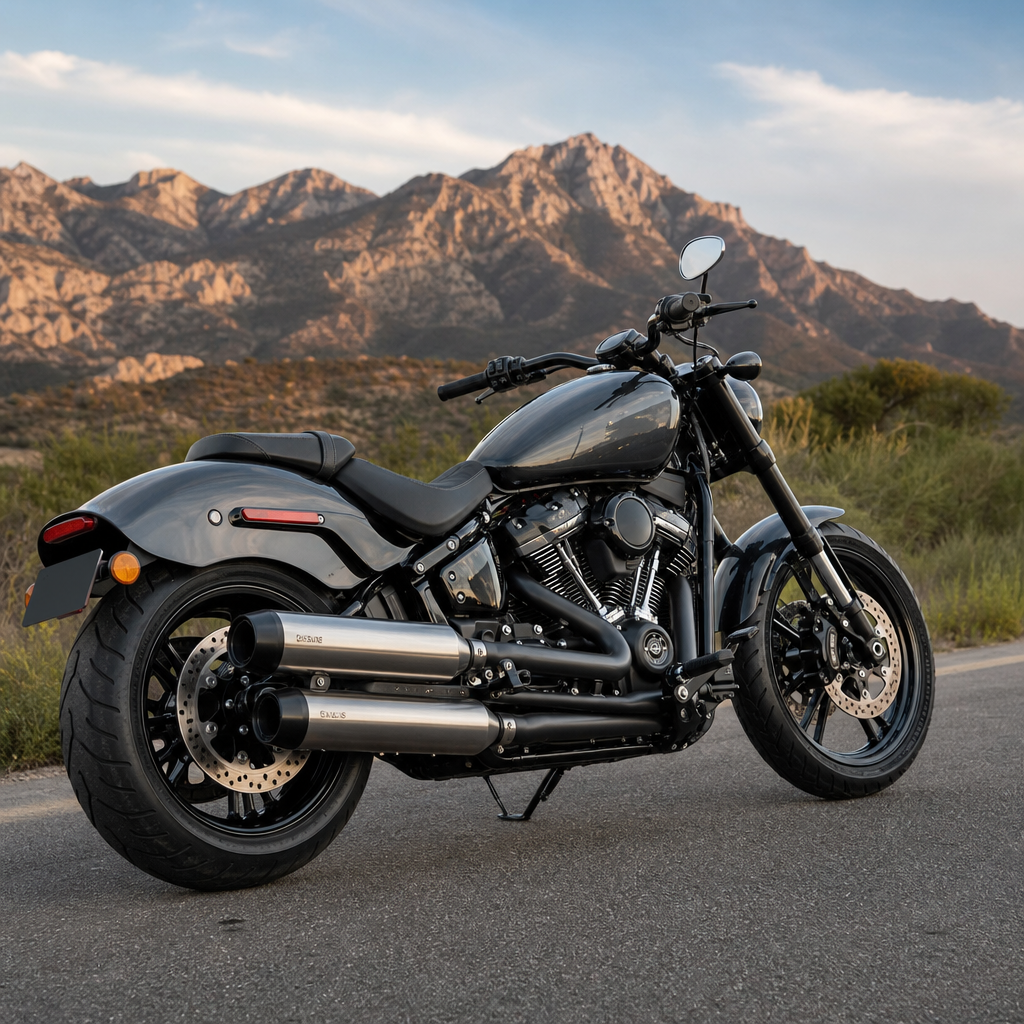
High-performance exhaust systems can transform a cruiser motorcycle more than almost any other bolt-on part, changing power delivery, sound character, heat management, appearance, and long-distance ride comfort in one upgrade. In the shop, I have seen riders buy pipes only for louder tone, then realize the best systems also improve throttle response, reduce weight, and sharpen the bike’s personality without sacrificing reliability. For 2026 cruisers, the market is especially strong because major brands now design around modern emissions hardware, ride-by-wire mapping, catalytic converters, and tighter packaging on baggers, softails, power cruisers, and V-twin touring models. That means choosing the right exhaust system is no longer just about chrome versus black or short shots versus full length. It requires understanding fitment, header diameter, muffler design, heat shielding, tuning support, and how the exhaust interacts with other core Tires & Parts decisions, including intake kits, fuel management, wheel and tire sizing, suspension load, and luggage clearance.
A high-performance exhaust system includes the headers, collector or crossover, mufflers, baffles, mounting hardware, and often oxygen sensor provisions. Some riders replace only slip-ons, while others install full systems for greater flow and larger performance gains. The reason this matters for cruisers is simple: these bikes are heavy, torque-driven machines that benefit from efficient scavenging and reduced backpressure, especially in roll-on acceleration from 2,500 to 4,500 rpm where street riders spend most of their time. The right system can make a loaded touring bike feel less strained on highway passes, help a muscular cruiser breathe better after a cam or intake upgrade, and deliver a deeper exhaust note without intolerable drone. This hub article covers the top five exhaust brands worth considering for 2026 cruisers, how they differ, and what to evaluate before buying so every related Tires & Parts decision starts from a stronger technical foundation.
How to choose a cruiser exhaust system in 2026
The best cruiser exhaust is the one that matches your engine setup, riding style, local noise rules, and tuning plan. Riders often start with sound, but performance depends on more specific factors. Header size affects gas velocity; oversized pipes can soften low-end torque on a near-stock engine, while undersized systems can choke a built motor at higher rpm. Muffler core design influences tone and flow. Stepped headers can broaden the torque curve by balancing exhaust velocity through changing pipe diameters. A crossover on dual systems may improve scavenging and smooth response. Material matters too: stainless steel resists corrosion better than mild steel, ceramic coating helps manage radiant heat, and quality heat shields prevent bluing and protect boots and passenger legs.
Fitment is equally important on 2026 cruisers because modern chassis packaging is tighter. Floorboards, forward controls, saddlebags, rear axle access, center stands on some platforms, and lean angle all affect exhaust choice. If you ride a bagger or tourer, confirm the system clears long-travel rear suspension movement under load. If you run wider rear tires or custom wheels, check sidewall and axle clearance. This is why exhaust selection belongs in a broader Tires & Parts plan rather than as an isolated purchase. A rider upgrading to high-mileage touring tires, stronger brake pads, and revised suspension should also think about exhaust weight savings, service access, and whether the mufflers interfere with panniers, crash bars, or hitch hardware.
Tuning support separates good systems from great ones. A freer-flowing exhaust on a fuel-injected cruiser may run acceptably with factory adaptation, but the strongest results usually come with a matched intake and recalibration through tools such as Dynojet Power Vision, Vance & Hines Fuelpak, Harley-Davidson Screamin’ Eagle Pro Street calibration where legal, or a dyno tune from an experienced shop. I have repeatedly seen riders disappointed with premium pipes when the real problem was no fueling adjustment and unrealistic expectations. Sound changed, but torque did not. When tuned correctly, a quality system improves response and rideability, not just volume.
Top 5 high-performance exhaust brands for 2026 cruisers
The brands below consistently stand out for engineering, fit, finish, support, and real-world results on cruiser platforms from Harley-Davidson, Indian, Honda, Yamaha, Kawasaki, and Triumph. Each serves a slightly different rider profile, so the strongest choice depends on whether you value peak power, deep touring tone, premium materials, or easy calibration.
| Brand | Best for | Typical strengths | Watchouts |
|---|---|---|---|
| Vance & Hines | Balanced street performance | Strong fitment range, deep sound, wide tuner support | Some louder models can drone on long highway rides |
| Bassani | Aggressive torque and hot-rod style | Stepped headers, strong midrange, distinctive tone | Finish selection and sound level vary by model |
| Rinehart Racing | Touring refinement | Excellent bagger sound, quality hardware, polished fit | Premium pricing on flagship systems |
| Freedom Performance | Value with real gains | Good power per dollar, broad cruiser coverage | Model-specific fitment details must be checked carefully |
| Akrapovič | Premium materials and engineering | Lightweight construction, precise welding, refined acoustics | Higher cost and more limited cruiser applications |
Vance & Hines remains one of the safest recommendations because it combines broad catalog coverage with proven calibration options and consistent manufacturing quality. On Harley touring and softail platforms, its systems are easy to source, relatively straightforward to install, and supported by abundant dyno data from independent tuners. Riders wanting a classic deep V-twin note without stepping into race-only territory often land here first. Bassani is the choice I point riders toward when they want harder-edged sound and notably strong midrange punch. Its stepped designs work especially well on performance-minded Milwaukee-Eight and Twin Cam builds, where preserving low-end torque while improving upper breathing matters. Rinehart Racing excels on baggers because it balances volume with a full, low-frequency tone that stays civilized for distance work. Freedom Performance offers strong value and has earned a place by delivering measurable gains at a lower price than some legacy brands. Akrapovič, while better known in sport and ADV circles, brings world-class stainless and titanium fabrication to select cruisers and appeals to riders who prioritize precision, low weight, and premium finish.
Brand-by-brand breakdown: strengths, character, and ideal use cases
Vance & Hines works best for riders who want an established ecosystem. In practical terms, that means clear instructions, readily available replacement parts, and tuner compatibility that local shops already understand. On a near-stock Harley Street Glide or Low Rider ST, a quality Vance & Hines system paired with intake and proper mapping typically delivers stronger roll-on acceleration and cleaner part-throttle behavior than stock, especially once heat-heavy restrictive factory mufflers are removed. The sound profile tends to be authoritative rather than ragged, which matters for riders spending full days on the highway.
Bassani suits the rider who wants the exhaust to feel like a performance statement. The company’s stepped headers and road-race-inspired collector thinking are not just cosmetic. On larger-displacement V-twins, they can preserve gas speed where a straight oversized pipe would flatten torque. I have seen Bassani systems wake up modified 114 and 117 cubic-inch builds that felt sleepy with generic slash-cut pipes. The tradeoff is that some setups are unapologetically loud, so riders in strict enforcement areas should verify insert and muffler options before ordering.
Rinehart Racing is a standout for touring riders because the brand understands how sound behaves around fairings, trunks, passenger seats, and loaded saddlebags. A bagger that sounds perfect on a short urban test ride can become tiring after three hours at 75 mph. Rinehart generally gets that balance right. The systems also tend to present well on premium builds where finish consistency matters as much as dyno numbers. Freedom Performance is ideal for riders who want a meaningful upgrade without entering the highest price tier. The brand’s better systems deliver real seat-of-the-pants gains, and on metric cruisers that is important because owners often have fewer premium aftermarket choices than Harley riders. Akrapovič is the premium engineering option. If weight reduction, weld quality, and corrosion resistance rank high, few competitors match it. On the right cruiser application, especially a performance-oriented power cruiser, the result feels OEM-plus rather than aftermarket for its own sake.
Performance, sound, and tuning: what changes after installation
Riders usually ask three direct questions: how much power will I gain, how will it sound, and do I need a tune. On a stock cruiser with only slip-ons, peak horsepower gains may be modest, often in the low single digits, but sound and throttle feel improve noticeably. A full system with matched intake and calibration can produce much stronger results, often adding meaningful midrange torque where real street riding happens. Cruisers are rarely ridden near redline, so the best exhaust is not the one with the biggest top-end number on a marketing chart. It is the one that improves drive out of corners, passing power with luggage, and smoothness in the rpm band you use every day.
Sound quality matters more than raw loudness. Deep, low-frequency tone with controlled crackle usually feels premium. Harsh rasp, metallic ringing, and highway drone get old quickly. Muffler packing, perforated core size, pipe length, and crossover design all shape the result. This is where established brands justify their prices. They spend time on acoustics, not just unrestricted flow. Tuning is the final step that ties everything together. Modern closed-loop fueling can compensate within limits, but once airflow changes substantially, recalibration protects rideability and engine temperature. A proper tune also helps prevent deceleration popping, surging, and flat spots. If you are building a complete Tires & Parts setup for touring or performance use, exhaust, intake, tires, brakes, and suspension should be chosen as a package. More torque without enough rear-tire grip or brake confidence creates an unbalanced motorcycle.
How exhaust fits into the broader Tires & Parts hub
Exhaust sits at the center of cruiser modification because it influences other component choices. Tires are the clearest example. A stronger torque hit from a tuned exhaust and intake setup can accelerate rear-tire wear, particularly on softer-compound cruiser radials such as Michelin Commander, Metzeler Cruisetec, or Dunlop American Elite alternatives depending on use case. Riders who upgrade for performance often discover their old tire choice was built for mileage, not grip, and the bike now overwhelms it in wet conditions or on rough exits. That is why this sub-pillar hub should connect readers to guides on cruiser tires, brake upgrades, suspension tuning, intake systems, and fuel-management tools.
Parts compatibility also matters during service. Some exhaust systems complicate oil changes, saddlebag removal, or rear axle access. Others run hotter near shock reservoirs or passenger pegs. On heavyweight cruisers, a lighter exhaust can slightly improve handling transitions, but the bigger gain usually comes from reducing heat soak and improving engine responsiveness. Riders should approach the purchase with the same discipline they would use for tires: confirm load expectations, riding environment, durability, legal compliance, and support after the sale. The best result comes from building a coherent machine, not collecting random premium parts. Start with your actual riding needs, compare systems honestly, and use this Garage & Gear hub to plan the next related upgrade with equal care.
For 2026 cruisers, the top five exhaust brands are Vance & Hines, Bassani, Rinehart Racing, Freedom Performance, and Akrapovič because each delivers a proven mix of fitment quality, performance potential, and brand-specific strengths. Vance & Hines is the balanced all-around choice, Bassani favors aggressive riders chasing torque and attitude, Rinehart Racing shines on baggers and long-haul touring builds, Freedom Performance offers strong value, and Akrapovič leads on materials and precision. The right pick depends on your engine state, preferred sound level, luggage and passenger needs, and whether you plan to add intake and tuning.
The larger lesson is that exhaust should never be treated as a cosmetic accessory alone. It is a functional Tires & Parts decision that affects fueling, heat, comfort, maintenance access, tire wear, and how the whole motorcycle performs under load. Riders who define their goals clearly and choose a system matched to the bike will get better results than those who buy only on volume or appearance. If you are building out your cruiser for the next season, use this hub as your starting point, then compare related guides on tires, brakes, suspension, and intake upgrades before you order parts.
Frequently Asked Questions
1. What should I look for in a high-performance exhaust system for a 2026 cruiser?
Start with the full picture, not just the sound clip. A strong exhaust for a 2026 cruiser should balance power gains, torque delivery, build quality, fitment, heat control, and everyday rideability. On a cruiser, low- and mid-range torque matter more than peak dyno numbers because that is where the bike spends most of its time on the street. The best systems improve throttle response when pulling away from a stop, rolling on out of corners, or passing at highway speed without making the engine feel soft down low.
Construction is equally important. Look for stainless steel, high-grade carbon fiber accents, or quality ceramic-coated finishes that hold up to heat cycles, weather, and long-distance riding. Weld quality, bracket strength, and how precisely the system fits the chassis all matter more than many riders expect. A poorly fitting exhaust can create rattles, alignment issues, or even long-term stress on mounts and headers.
It is also worth paying close attention to heat management and rider comfort. A well-designed system can reduce how much radiant heat reaches your right leg, saddlebags, or passenger area, which makes a real difference on cruisers ridden in summer traffic or on long tours. If you ride two-up or use hard luggage, make sure the exhaust routing and muffler length work with your setup.
Finally, think about tuning and legal compliance. Some high-performance exhaust systems deliver the best results only when paired with an ECU flash, tuner, or intake upgrade. Others are engineered to offer a noticeable improvement even on an otherwise stock bike. If emissions compliance or noise regulations matter in your area, that should be part of the buying decision from day one. In short, the right exhaust is the one that gives you stronger real-world performance, dependable durability, and a sound you can live with for every mile, not just for the first week.
2. Which exhaust brands are usually considered the top choices for 2026 cruisers?
For 2026 cruisers, the brands most often at the top of the conversation are the ones with a long track record in V-twin performance, consistent manufacturing quality, and broad bike-specific support. In most serious cruiser discussions, names like Vance & Hines, Rinehart Racing, Bassani Xhaust, Freedom Performance, and Cobra remain among the strongest contenders. Each brand tends to have its own personality, and that personality matters because cruiser riders are often choosing for feel and character as much as for horsepower.
Vance & Hines is widely respected for balancing performance, tuning compatibility, strong fitment, and a broad product lineup. Their systems often appeal to riders who want a proven option with clean styling and a refined but unmistakably aggressive sound. Rinehart Racing is a favorite for riders who want deep tone, premium finish quality, and a strong reputation in the V-twin world, especially for baggers and heavyweight cruisers. Bassani is frequently praised by riders looking for a more performance-oriented edge, especially when they want hard-hitting sound and strong scavenging-focused designs.
Freedom Performance has earned attention by offering bold sound, attractive finishes, and solid value, especially for riders who want a dramatic change in the bike’s personality without stepping into a fully custom exhaust budget. Cobra remains a dependable option for cruiser owners who prioritize easy fitment, polished appearance, and approachable street manners while still wanting a noticeable bump in performance and tone.
The truth is that no single brand is automatically “best” for every rider. The best brand for your 2026 cruiser depends on whether you prioritize low-end torque, maximum sound, reduced weight, premium materials, touring comfort, or a more balanced all-around package. A top-five list is useful, but the smartest way to use it is as a shortlist of trusted manufacturers, then narrow the choice based on your motorcycle model, riding style, and tolerance for sound and tuning complexity.
3. Will a high-performance exhaust really improve power and throttle response on a cruiser, or is it mostly about sound?
It can absolutely improve power and throttle response, but the size and shape of the gain depend on the exhaust design and how well it matches the engine. Sound is the most obvious change, so it gets the most attention, but in the shop the more meaningful improvement is often how the bike responds to the rider’s right hand. A properly engineered exhaust can reduce restriction, improve scavenging, and help the engine clear spent gases more efficiently. On a cruiser, that often translates into crisper roll-on acceleration, smoother mid-range pull, and a more eager feel when leaving a stop or climbing through the gears.
That said, not every aftermarket exhaust is a true performance upgrade. Some systems are designed primarily for appearance and volume, and while they may sound impressive, they can underdeliver in torque where cruisers need it most. Pipe diameter, collector design, baffle configuration, and muffler length all influence how the engine behaves. A well-developed 2-into-1 system, for example, often appeals to riders chasing stronger overall performance, while certain dual systems may preserve classic styling and sound but emphasize a different feel.
The biggest gains usually come when the exhaust is part of a complete combination. Pairing it with a freer-flowing intake and proper fueling adjustments through an ECU flash or tuner often unlocks the real benefit. Without tuning, some bikes will still improve, but others may run leaner, feel inconsistent, or fail to deliver the performance the rider expected. Modern cruisers are more sensitive to fueling and electronic management than many people realize.
So yes, a high-performance exhaust can be much more than a sound upgrade. On the right bike, with the right system, it can sharpen throttle response, trim weight, improve thermal comfort, and make the motorcycle feel more alive. The key is choosing a design that supports usable street torque rather than chasing noise alone.
4. Do I need a tune or ECU remap after installing an aftermarket exhaust on a 2026 cruiser?
In many cases, yes—or at least you should strongly consider it. Whether a tune is absolutely required depends on the specific motorcycle, the exhaust design, and whether you are also changing the intake. Slip-ons are sometimes installed without immediate tuning, especially if they retain much of the stock system’s flow characteristics. Even then, results vary by platform. A full system, especially one designed to move significantly more air, is much more likely to benefit from ECU recalibration.
The reason is simple: your engine’s fuel delivery and ignition strategy were developed around the stock exhaust. Change the way the bike breathes, and you can change the air-fuel balance, throttle behavior, and heat profile. On modern cruisers, that can affect everything from idle quality to part-throttle smoothness to engine temperature. Riders sometimes install pipes, love the sound, and then wonder why the bike pops on deceleration, feels abrupt in traffic, or seems hotter than expected. A proper tune often solves those issues while unlocking the performance they were hoping for in the first place.
A good tune can also protect reliability. Running too lean over time is not something you want on a cruiser built for long miles and hot-weather riding. With the right calibration, the bike typically runs smoother, responds more predictably, and makes better use of the exhaust upgrade. If you are investing in a premium system from one of the top brands, tuning is often the step that turns it from a cosmetic and acoustic mod into a complete performance package.
The best advice is to check the exhaust manufacturer’s guidance, your bike’s factory tuning strategy, and the recommendations of a reputable dyno shop or cruiser specialist. For many 2026 cruisers, especially newer electronically managed models, tuning is less of an optional extra and more of a smart finishing step.
5. How do I choose between a 2-into-1 system and dual exhausts for long-distance cruiser riding?
This is one of the most important decisions in cruiser exhaust shopping because the choice affects not just power, but comfort, appearance, weight, and how the bike fits your riding style. A 2-into-1 system is often the go-to choice for riders focused on outright performance. These systems are commonly designed to improve scavenging and broaden usable torque, which can make the bike feel stronger across the rev range. They also tend to save weight compared with larger dual setups, and that reduction can make the bike feel a little sharper and easier to manage.
For long-distance riders, a 2-into-1 can also offer practical advantages. Depending on routing, it may provide improved cornering clearance, better access around saddlebags, and in some cases more controlled heat distribution. Many experienced cruiser riders appreciate how a good 2-into-1 system delivers a purposeful, tuned feel rather than just a louder exhaust note. If your priority is ride performance, throttle response, and a more athletic character, this style is hard to ignore.
Dual exhausts, on the other hand, remain popular because they match the traditional cruiser look many riders want. They often preserve the visual symmetry of the bike and can produce the classic V-twin sound profile people associate with heavyweight cruisers. For some riders, that style and acoustic character are as important as dyno gains. A quality dual