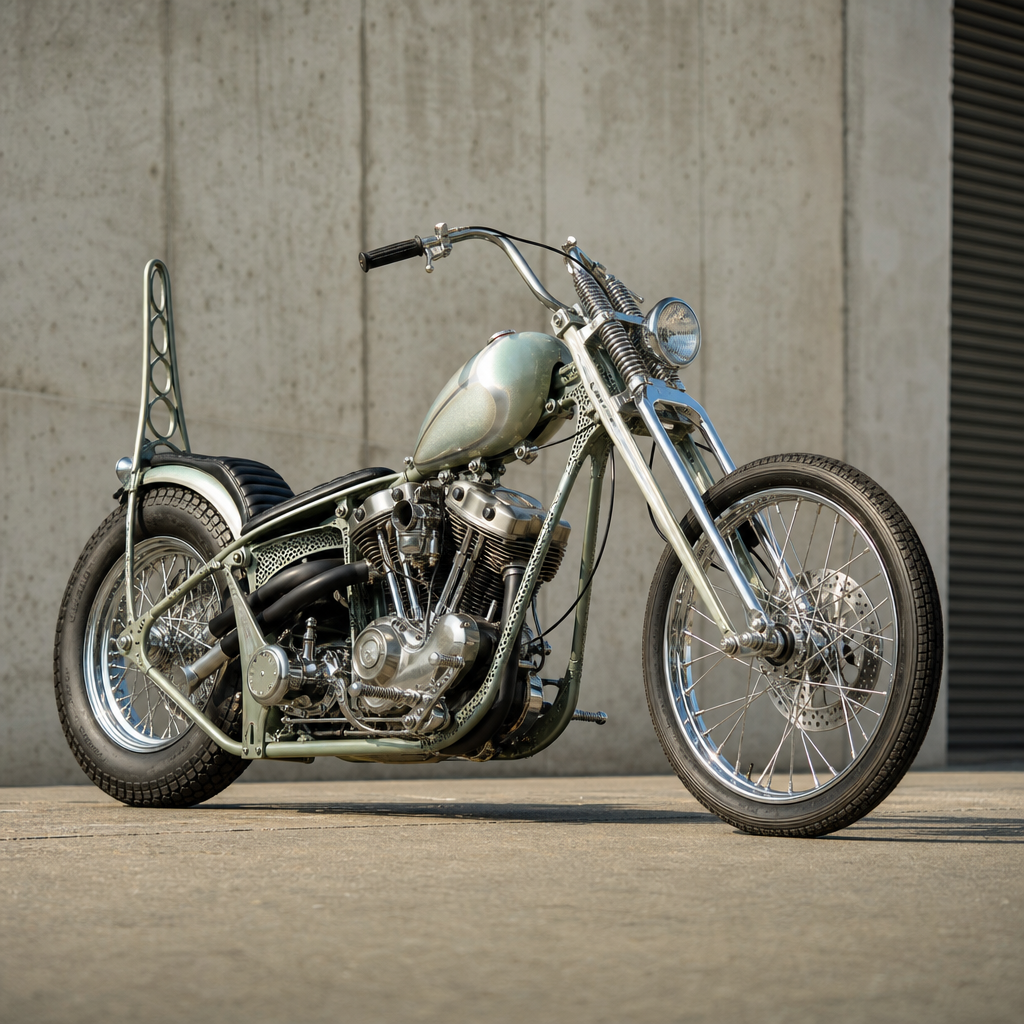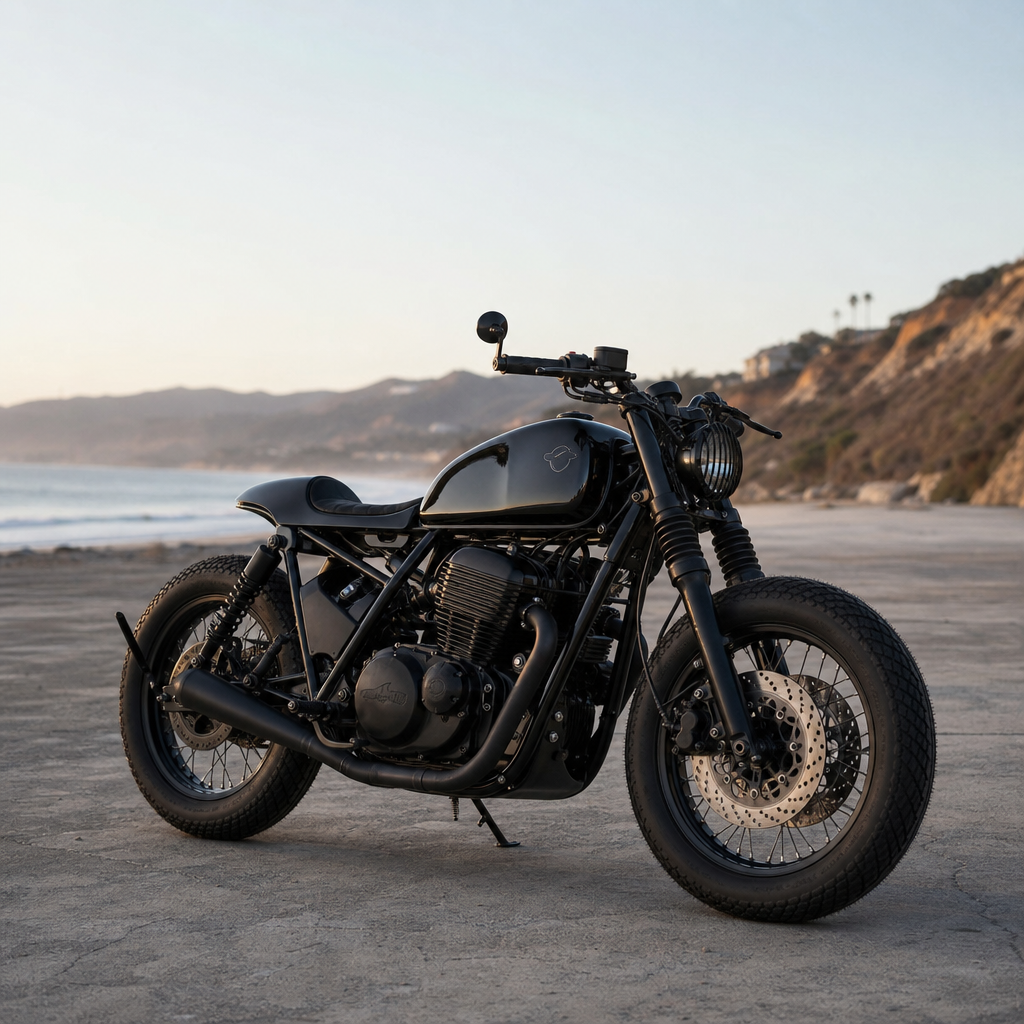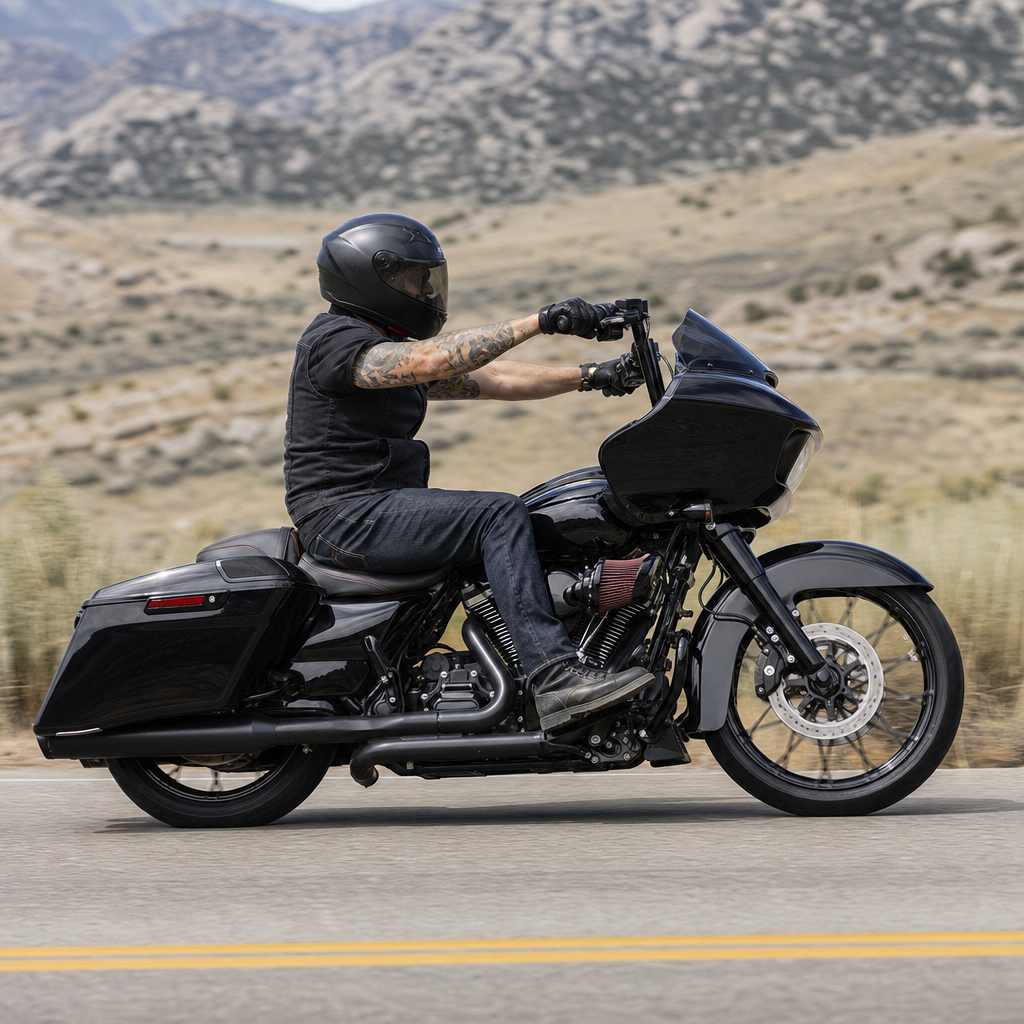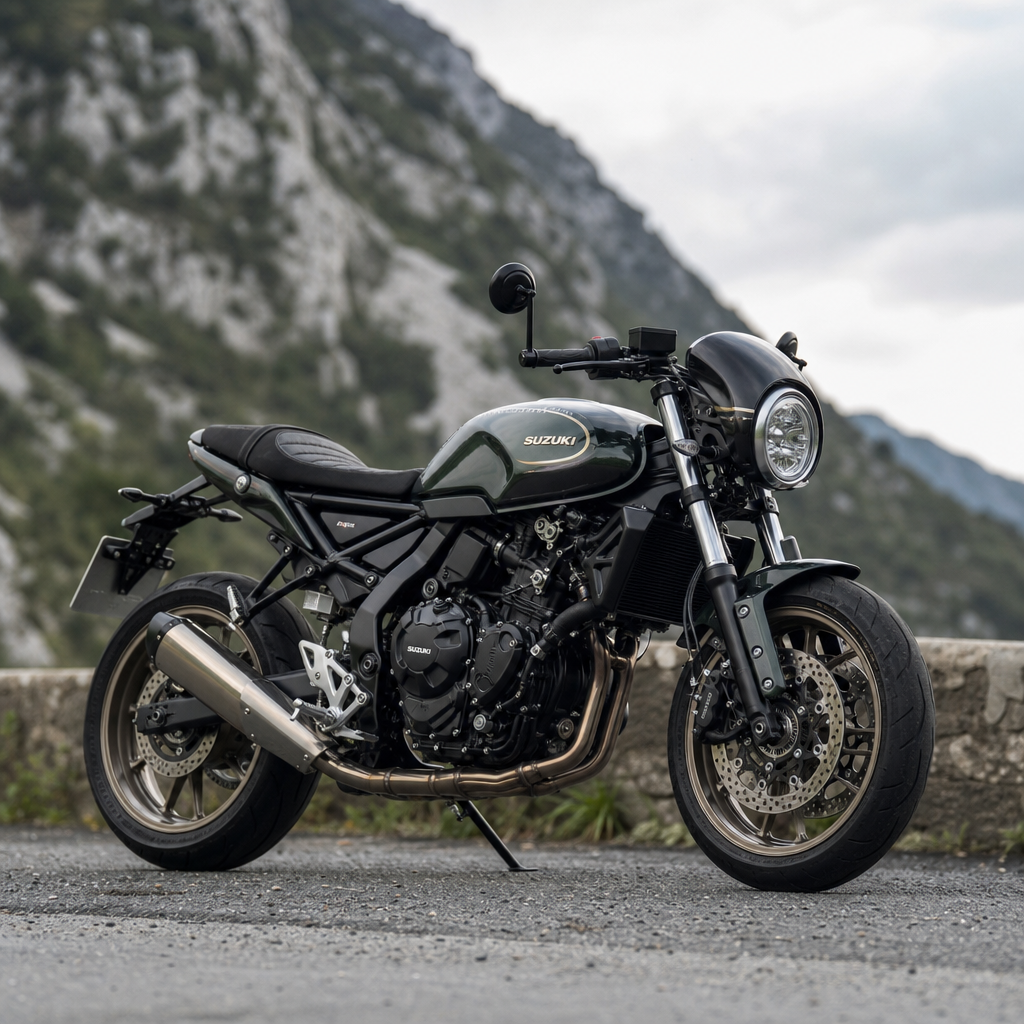
Arizona Bike Week 2026 puts riders in one of the most photogenic and punishing rally environments in the country, and nowhere captures that contrast better than Cave Creek. This hub article on rally calendars and logistics explains how to enjoy the event, move efficiently between venues, and avoid the mistakes that the Sonoran Desert exposes fast. By “surviving the desert sun,” riders usually mean more than preventing sunburn. They mean managing dehydration, heat load, fuel range, parking exposure, route timing, gear selection, lodging distance, and the small planning decisions that determine whether a day feels epic or exhausting.
I have worked desert rallies, regional motorcycle runs, and spring event logistics across Arizona, Nevada, and inland California, and Cave Creek always rewards preparation. The town sits north of Phoenix and acts as a natural gathering point for riders heading between official Arizona Bike Week activity, bars and music venues, scenic loops, and lodging spread across Scottsdale, Carefree, north Phoenix, and the Interstate 17 corridor. During rally week, conditions shift by the hour. A cool morning can become a hot afternoon with radiant pavement, dry wind, and packed parking lots with little shade. That is why a simple rally calendar is not enough. Riders need a logistics plan built around climate, traffic flow, and realistic riding stamina.
Arizona Bike Week itself is one of the largest motorcycle events in the Southwest, typically centered in early spring when daytime temperatures are workable but still serious. Cave Creek often becomes a satellite social base because it combines rider-friendly roads, classic saloons, day-trip access, and a strong motorcycle culture. For travelers, this creates two linked questions: when should you go, and how should you structure each day? The best answer balances event priorities with desert timing. You want concerts, vendor areas, scenic rides, and bar stops, but you also want to ride before peak afternoon heat, hydrate before you feel thirsty, and park where your bike, helmet, electronics, and body are not baking for hours.
This article serves as the hub for the broader rally calendars and logistics topic within The Open Road. It covers scheduling, route planning, lodging zones, hydration strategy, bike prep, packing, and on-the-ground decision making in plain terms. If you are building a full Arizona Bike Week 2026 plan around Cave Creek, start here. The goal is straightforward: arrive with a calendar, leave with a system, and turn a high-exposure desert rally into a controlled, memorable ride.
Understand the 2026 rally rhythm before you book anything
The most useful logistics habit is mapping the rally by time blocks rather than by wish list. Arizona Bike Week usually draws local riders, fly-and-ride travelers, vendor staff, and day visitors from across the Valley. That means weekday and weekend patterns differ. Midweek often offers easier parking, shorter lines, and more flexible restaurant timing. Friday and Saturday bring denser traffic around headline entertainment, larger bar crowds in Cave Creek, and more stop-and-go movement on approach roads. If your priority is social energy, peak days deliver it. If your priority is efficient riding and fewer delays, structure the trip around Tuesday through Thursday and treat the weekend as optional overflow.
When I build rally calendars, I divide each day into four operating windows: sunrise to 10 a.m., 10 a.m. to 1 p.m., 1 p.m. to 4 p.m., and after 4 p.m. In Cave Creek, that framework works because the first window is best for scenic riding and longer loops. The second is usable for lunch and relocation. The third is where heat accumulation, fatigue, and parking frustration often spike. The final window is ideal for social stops, music, and slower local riding. Riders who ignore this rhythm tend to stack too many outdoor tasks into the hottest stretch, then end up drained before the evening events they came to enjoy.
Book with geography in mind, not just room price. Cave Creek and Carefree place you near the atmosphere many riders want, but rooms can be limited and rates climb. North Scottsdale offers a useful balance of quality hotels, dining, and access to both Cave Creek and the main rally footprint. North Phoenix can save money while keeping reasonable reach. If you stay too far west or deep in central Phoenix, you may pay less nightly but lose hours over several days in urban transit, traffic lights, and fatigue. Time is a logistics cost, especially in heat.
Choose the right basecamp for Cave Creek access
Your lodging base determines fuel use, stress, and whether you can retreat from the sun quickly. For most riders, there are four practical zones: Cave Creek or Carefree for immersion, north Scottsdale for balance, north Phoenix for value, and outlying suburbs for budget overflow. Staying in Cave Creek sounds perfect, and for some riders it is, especially if nightlife and walkability matter. The tradeoff is price, booking pressure, and occasional noise. North Scottsdale is often the smartest all-around choice because it offers chain hotels, better room inventory, quick access to Loop 101 connections, and easier resupply for water, sunscreen, and pharmacy items.
Look beyond distance on the map. A hotel twenty miles away on fast roads can be easier than a hotel twelve miles away through event bottlenecks. I recommend checking not only mileage but left-turn intensity, likely signal density, and whether your route home after dark is simple when you are tired. Riders underestimate this constantly. After a concert or long day ride, the best hotel is the one you can reach with minimal cognitive load. Secure parking matters too. Covered parking is excellent but uncommon. At minimum, choose a property with well-lit parking and visible surveillance. Bring a compact bike cover if your machine will sit in direct afternoon sun.
| Base Area | Best For | Main Advantage | Primary Tradeoff |
|---|---|---|---|
| Cave Creek/Carefree | Atmosphere and walkable evenings | Closest to bars, local rides, rider scene | Higher rates, limited inventory |
| North Scottsdale | Balanced rally logistics | Good hotels, strong road access, resupply options | Less immersive than staying in town |
| North Phoenix | Value-conscious travelers | Lower rates and broad hotel selection | Longer rides to social hubs |
| Outer suburbs | Late planners | Availability when core zones sell out | Transit time and event fatigue |
Reserve early if you need specific amenities such as trailer parking, ground-floor access, or walkable food options. Those details sound minor until you arrive dehydrated and have to unload gear across a sprawling lot in direct sun. A smart basecamp reduces friction. At a desert rally, reducing friction is a survival skill.
Build daily ride plans around heat, not ambition
The desert punishes riders who plan as if they are touring in mild spring weather. Even when the air temperature looks manageable, direct sun, low humidity, blacktop radiation, and stoplight exposure raise the physical load quickly. In practical terms, this means your best miles come early. Use the coolest part of the day for longer scenic loops, photography stops, and technical roads. Save short hops, vendor browsing, indoor meals, or shaded patio time for early afternoon. Then return to social riding and nightlife after temperatures ease.
A strong Cave Creek day often looks like this: depart after sunrise, ride north or east on a scenic loop, stop for breakfast, refuel both bike and body, and return before the hottest period. Midday becomes maintenance time: water, electrolytes, chain check if needed, phone charging, and perhaps a short rest at the hotel. Late afternoon is your window for the Cave Creek scene, local dining, and any official rally activities that matter most. This pattern is not timid. It is what lets you sustain four or five quality days instead of burning out after one heroic overexposed ride.
Use named routes and landmarks when you plan. Riders commonly connect Cave Creek with Bartlett Lake approaches, Carefree Highway corridors, and north Valley scenic roads. The exact route matters less than understanding services. In Arizona, a beautiful road without easy water, shade, or fuel becomes a problem if traffic slows or someone in your group overheats. Always identify fuel stops, convenience stores, and bailout points before leaving. Navigation apps help, but do not depend on a single screen in high heat. Phones overheat on handlebars. Carry a backup charging method and know the broad route by memory.
Master hydration, sun exposure, and rider physiology
The most common desert-rally mistake is waiting to drink until you feel thirsty. Thirst is late. Start hydrated at breakfast, carry water on the bike, and keep electrolyte balance in mind. Plain water is essential, but on long, hot days you also lose sodium. Many experienced riders use a hydration pack plus an electrolyte drink at one or two planned stops. That approach works because it spreads intake across the day instead of depending on large, infrequent drinks. If your urine is dark, your mouth is dry, or you develop a headache, performance is already slipping.
Heat illness does not begin with collapse. Early signs include irritability, poor concentration, cramping, and unusual fatigue at routine stops. I have seen riders blame bad moods on traffic when the real issue was dehydration plus too much gear sitting in the sun. Arizona’s dry air can trick visitors because sweat evaporates quickly, so they feel less wet and assume they are fine. They are not. Evaporation cools you only while fluid reserves last. Once you fall behind, recovery takes time and shade.
Skin protection matters even for fully geared riders. UV exposure in spring Arizona is strong, and short gaps at the neck, wrists, and lower face add up over consecutive days. Use broad-spectrum sunscreen, lip balm with SPF, sunglasses or a quality visor, and lightweight base layers that move sweat. Mesh gear helps at speed, but in extreme dry heat too much airflow can accelerate dehydration by turning your body into a convection oven. The practical compromise is ventilated protective gear with moisture management underneath and planned cooling breaks rather than endless midday riding.
Prepare your motorcycle for desert rally conditions
Bike preparation for Arizona Bike Week should focus on heat resilience, stop-and-go durability, and parking exposure. Start with tires, battery health, coolant system if your bike is liquid-cooled, and oil condition. In rally traffic, engines idle longer and cooling systems work harder. Air-cooled bikes can handle Arizona, but riders need to be realistic about prolonged idling in packed zones. If traffic stalls and temperatures climb, move when possible, avoid unnecessary revving, and know your machine’s heat behavior. A bike that runs perfectly on open roads may complain in a congested lot entrance at 3 p.m.
Fuel planning matters more than many visitors expect. In the Phoenix metro area, stations are common, but rally movement often means detours, missed turns, and repeated short trips. Top off before evening social runs and before heading into less serviced scenic areas. Desert riding also increases the value of simple accessories: a small toolkit, tire repair kit, compact inflator, phone mount that manages vibration well, and a sun cover if you park outside for hours. Seats, grips, and tanks get brutally hot in direct sunlight. A cover protects comfort as much as cosmetics.
Pack for contact points. Bring a microfiber cloth for visor dust, chain lube if your bike needs it, and a way to secure jackets and helmets without leaving everything exposed. I also recommend a small insulated bottle or soft cooler for the hotel room so you can start each morning with cold water. That is not luxury. It is operational advantage.
Navigate Cave Creek traffic, parking, and event-day decision making
Cave Creek during rally periods can switch from relaxed to crowded quickly, especially near bars, live music venues, and popular intersections. The smartest tactic is timing your arrivals. If you want prime parking and easier photo opportunities, arrive earlier than the main social surge. If you only care about the evening scene, accept that close parking may be gone and build in extra walking time. Never count on finding shade. Assume direct sun, hot metal, and limited room to maneuver in some lots.
Parking strategy affects departure stress. I prefer spots that allow an easy exit over the closest possible location. Backing a hot bike uphill through foot traffic while dehydrated is a bad end to a good day. Watch surface conditions too. Some lots are dusty or uneven, and side stands can sink on softer edges. A small puck helps. So does a habit of scanning where sprinklers, drainage, or gravel might complicate departure after dark.
Group logistics deserve discipline. Set one regroup point, one fuel threshold, and one time at which the group stops making optional detours. Without those rules, afternoons unravel into text messages, dead phone batteries, and riders baking in parking lots while waiting for people who “are five minutes away.” Simple structure preserves freedom.
Use this hub to plan the rest of your rally travel
As the rally calendar approaches, use this page as the anchor for the wider planning set: route ideas, packing lists, hotel timing, event priorities, and regional transport choices. The core lesson for Arizona Bike Week 2026 in Cave Creek is simple. The desert sun is manageable when you respect timing, hydration, lodging geography, and bike prep together rather than as separate tasks. Riders who do that get better mornings, safer afternoons, and more energy for the experiences that make the trip worth taking.
Remember the hierarchy. First, protect the rider: water, electrolytes, sun coverage, and rest. Second, protect the schedule: stay where access is efficient, ride early, and avoid stacking major plans into the hottest hours. Third, protect the machine: inspect it before departure, fuel consistently, and park with heat in mind. Those three layers turn a crowded spring rally into a controlled travel operation instead of a series of preventable hassles.
If you are mapping your Arizona Bike Week trip now, start by locking your basecamp, then draft a realistic daily calendar around morning rides and evening social time. From there, build the rest of your rally logistics one decision at a time. Cave Creek will still give you the scenery, the soundtrack, and the rider culture you came for. Good planning just makes sure you are still feeling strong enough to enjoy all of it.
Frequently Asked Questions
What does “surviving the desert sun” at Arizona Bike Week 2026 really mean for riders in Cave Creek?
In Cave Creek, “surviving the desert sun” goes far beyond avoiding a bad sunburn. During Arizona Bike Week 2026, riders are dealing with a full desert-exposure equation: intense UV, very low humidity, reflective heat coming off asphalt and rock, long gaps between shade, and stop-and-go traffic that can raise both body temperature and engine temperature fast. The Sonoran Desert has a way of making small planning mistakes feel big in a hurry. A rider can feel fine in the morning, underestimate fluid needs by early afternoon, and end up fatigued, irritable, and less alert by the time they still need to navigate crowded roads and busy rally venues.
Practically speaking, surviving the desert sun means managing hydration before you feel thirsty, dressing for airflow without exposing too much skin, watching your bike’s heat behavior in slow traffic, and planning your day around the hottest hours rather than fighting through them. It also means thinking about fuel range, because heat, traffic, detours, and scenic side trips can change your normal mileage expectations. Parking exposure matters too. A bike left in direct sun can develop a scorching seat, hot controls, a heat-soaked tank, and electronics or luggage contents that become uncomfortable or even unsafe to handle. Riders who do best in Cave Creek usually treat the desert like a real riding condition, not just a backdrop. If you respect the climate, use timing to your advantage, and keep your body and machine ahead of the heat curve, the rally becomes much more enjoyable.
How should I hydrate and eat during Arizona Bike Week to avoid dehydration and heat exhaustion?
The best approach is to start hydrating before you ever roll into Cave Creek for the day. In desert conditions, thirst is a late signal, not an early one. Drink water consistently from the morning onward, and do not wait until you feel dry, lightheaded, or sluggish. At Arizona Bike Week, many riders benefit from carrying a hydration pack or keeping water immediately accessible so drinking becomes automatic at fuel stops, venue arrivals, and every time they gear up. If you are sweating heavily or spending long periods in direct sun, plain water should be paired with electrolytes so you are not just replacing fluid but also what your body is losing through perspiration.
Food matters just as much as water. Heavy, greasy meals can leave you feeling slower and hotter, especially in the afternoon. A smarter rally-day strategy is to eat lighter, more frequent meals that include sodium, complex carbohydrates, and some protein. Think simple, functional intake rather than one oversized meal. Fruit, salty snacks, wraps, sandwiches, and easy-to-digest meals often work better than huge portions. Alcohol also deserves respect here. Day drinking under desert sun can accelerate dehydration and impair judgment faster than many riders expect, especially if they have also been walking around hot lots or riding in layers. If you plan to drink, balance it carefully, do it after the riding portion of your day, and increase water intake accordingly.
It also helps to know the warning signs that you need to cool down immediately: headache, dizziness, chills despite the heat, unusual fatigue, cramps, nausea, or mental fog. If that happens, get into shade or air conditioning, remove excess layers, sip water with electrolytes, and do not push yourself back onto the bike until you have recovered. At Arizona Bike Week, disciplined hydration and sensible eating are not overcautious habits; they are core ride-planning tools.
What gear and clothing work best for riding in Cave Creek’s heat without giving up protection?
The goal is controlled ventilation, not maximum skin exposure. Many riders make the mistake of assuming that less clothing automatically means staying cooler, but in the desert, direct sun on bare skin can actually increase heat stress and accelerate dehydration. A better setup for Cave Creek is protective gear with breathable construction, zippered vents, and materials designed for warm-weather riding. A well-ventilated jacket, riding jeans or lightweight protective pants, full-finger gloves, and over-the-ankle boots still make sense, especially because rally traffic, unpredictable road surfaces, and congestion around event zones increase the value of staying protected.
Helmet choice matters too. A full-face or modular helmet with strong airflow management usually provides the best balance of protection and comfort. Good eye protection is essential because bright desert glare can create fatigue even when road conditions are otherwise easy. Many riders also benefit from moisture-wicking base layers instead of cotton. Cotton holds sweat, gets heavy, and can make heat feel worse over time. Technical base layers move moisture away from the body and can actually help you feel cooler under gear. Light-colored outer layers can also reduce heat absorption when you know you will be parked or walking around in direct sun.
Sun protection should be part of your riding kit, not an afterthought. Use sunscreen on any exposed skin, including the neck, wrists, and lower face if your helmet leaves those areas uncovered. A neck gaiter or lightweight buff can help with both sun and dust. For off-bike time at venues, a cap, sunglasses, and a spare lightweight shirt can make a major difference in comfort. The best gear strategy for Arizona Bike Week is not to strip down and hope for the best. It is to create a system that shields you from the sun, moves air efficiently, and still keeps you properly protected on the motorcycle.
How can I move efficiently between Arizona Bike Week venues and Cave Creek stops without wasting time, fuel, or energy?
Efficiency at Arizona Bike Week starts with realistic daily routing. Rally days often look simple on a map, but traffic, event congestion, scenic detours, and the pace of social stops can turn short mileage into long exposure. If Cave Creek is one of your anchors, plan your day in clusters rather than crisscrossing the region repeatedly. Group nearby stops together, identify the must-see venue first, and build in time for fuel, water, parking, and cooling breaks. The riders who enjoy the week most are usually the ones who stop trying to do everything and start prioritizing a few good runs and a few key event windows.
Fuel planning is especially important in the desert. Do not let your tank get too low just because the next stop “should” be close. Heat, traffic, idling, and route changes can cut into usable range. Top off earlier than you normally would, particularly before heading into busier zones or scenic stretches where services may not be immediately convenient. Navigation should also be settled before you leave a parking lot. In bright heat, stopping repeatedly to check directions is frustrating and wasteful, and every unnecessary stop adds to body heat and engine heat.
Timing can save more energy than speed. If possible, handle your more exposed rides in the morning, take a reset during the harshest afternoon period, and re-emerge later as temperatures start dropping. That mid-afternoon adjustment can improve comfort, alertness, and bike performance all at once. Also think strategically about parking. Shade is not just a luxury; it can make the difference between a comfortable restart and climbing onto a heat-soaked machine. If shade is limited, use a seat cover or at least be aware that metal, leather, and black surfaces can become painfully hot very quickly. Efficient movement during Arizona Bike Week is less about riding harder and more about reducing unnecessary miles, minimizing heat exposure, and making every stop count.
What are the most common mistakes riders make in Cave Creek during Arizona Bike Week, and how can I avoid them?
The most common mistake is treating the desert like a minor inconvenience instead of a primary riding condition. That mindset shows up in predictable ways: not drinking enough water early in the day, wearing casual clothes that expose too much skin, skipping electrolyte replacement, and staying out too long during peak heat just because the atmosphere is good. Another frequent mistake is underestimating how draining low-speed riding can be. Riders often think they are safe because they are not covering big miles, but crawling through traffic, sitting in hot lots, and repeatedly gearing up and down can create serious heat load even on a relatively short day.
A second big category of mistakes involves motorcycle logistics. Riders forget how much sun exposure affects the machine itself. Seats, grips, tanks, and helmets left in direct sunlight can become brutal to touch. Tire pressure and overall bike feel can change as temperatures climb. Air-cooled and heat-sensitive bikes may become noticeably less happy in stop-and-go conditions. Fuel planning errors are common too, especially among visitors who assume stations will always be as convenient as they are back home. In a rally environment, easy fuel can become delayed fuel, and delayed fuel becomes unnecessary stress.
The final mistake is failing to build recovery time into the day. Cave Creek can be visually spectacular and socially busy, which makes it easy to keep pushing from one stop to the next. But the riders who hold up best are the ones who pause on purpose. They cool off, refill water, reassess routes, and head back out before they are already depleted. To avoid the usual problems, use a simple checklist: hydrate before riding, carry water with you, top off fuel sooner than normal, wear ventilated protective gear, seek shade whenever possible, and schedule your day around the desert rather than against it. That approach does more than help you avoid trouble. It lets you enjoy Arizona Bike Week