Americade 2026: Touring the Adirondacks and Lake George is more than a rally preview; it is the practical planning guide riders need when a major motorcycle event meets one of the Northeast’s best touring regions. Americade, held in and around Lake George, New York, has long been known as a touring-focused gathering rather than a pure party rally, which changes how you should prepare. Riders come for guided rides, manufacturer demos, vendor displays, skills programs, and scenic loops through the Adirondacks, Vermont, and the Hudson Valley. That mix makes logistics central. A good trip depends on rally registration, lodging timing, route design, weather readiness, parking strategy, and an honest assessment of your bike, your stamina, and your budget.
In practical terms, rally calendars and logistics means aligning event dates, reservations, ride windows, traffic patterns, fuel stops, and maintenance schedules so the trip runs smoothly. I have planned multi-day motorcycle travel into Lake George during busy event weeks, and the biggest mistakes are rarely dramatic mechanical failures. They are simple planning misses: booking too far from the village without understanding shuttle time, underestimating June temperature swings in the Adirondacks, arriving on worn tires before mountain riding, or assuming every scenic road has frequent fuel and food. Because Americade 2026 will draw riders with different goals, this hub article explains the essentials and points you toward the broader planning questions that matter for any rally-centered motorcycle trip.
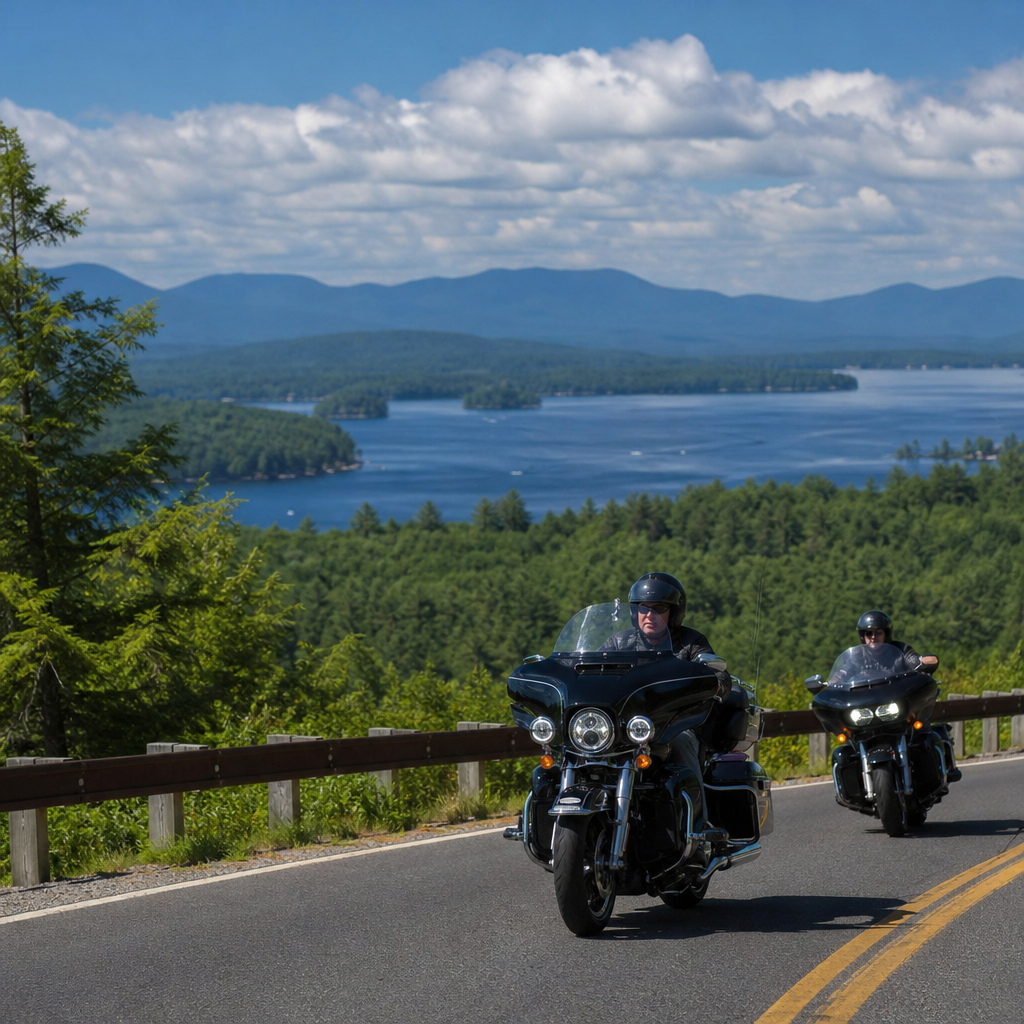
Lake George matters because it compresses several travel advantages into one destination. The village is built around tourism infrastructure, the roads radiating outward are genuinely scenic, and the surrounding region offers both easy waterfront cruising and demanding all-day touring. Riders can spend one day on Prospect Mountain-adjacent roads and another tracing longer arcs toward Ticonderoga, the High Peaks region, or southern Vermont. That flexibility is why Americade works as a hub for “The Open Road” travel planning. If you understand the calendar, local geography, and event rhythm, you can turn one rally registration into a full touring vacation while avoiding the common choke points that make first-time attendance stressful.
How Americade 2026 fits into a rally calendar
Most riders do not attend Americade in isolation. It often sits inside a larger riding season that includes spring service, early-summer weekends, and one or two destination rallies. That is why your first planning task is calendar placement. Confirm official event dates, identify your arrival and departure buffer days, and map whether this trip follows another rally or precedes a major maintenance interval. For touring riders, a one-day buffer before check-in is ideal. It gives time to recover from transit miles, solve registration issues, and inspect the motorcycle before joining long group rides or demo opportunities.
Americade’s format rewards staying several days instead of making a quick day trip. The reason is simple: event programming and regional riding compete for your time. If you schedule too tightly, you end up choosing between expo access and the roads you came to ride. A strong calendar plan separates administrative time from ride time. Arrival day should cover check-in, parking orientation, and a short local loop. Mid-event days should be built around one primary commitment each, such as a guided ride, demo session, or major Adirondack route. Departure day should avoid early pressure, especially if weather shifts overnight.
For riders managing multiple events across the season, Americade is best treated as a destination hub rather than a stopover. The region offers enough quality riding to justify four to six nights. If you are traveling with a club, designate one person to monitor schedule changes and another to handle route files and hotel confirmations. That division prevents the usual confusion when events adjust staging locations or weather alters ride plans.
Where to stay and how to book strategically
Lodging decisions shape the entire Americade experience. Staying in Lake George Village or within a short ride of the central event footprint reduces time lost to congestion, parking searches, and shuttle dependence. However, close-in lodging usually books early and can carry premium rates during event week. Properties farther north, south, or west may save money, but those savings disappear if every morning begins with slow traffic into town and every evening ends with a late return after dark on unfamiliar roads.
When I evaluate rally lodging, I prioritize four factors: distance to core venues, secure motorcycle parking, cancellation flexibility, and realistic access to fuel and breakfast. Riders often focus only on room price. That is a mistake. A motel with ground-floor parking, covered bike visibility from the room, and easy village access can be worth significantly more than a cheaper property twenty to thirty minutes away. If you trailer in, confirm trailer parking before booking. Many otherwise suitable properties cannot accommodate truck-and-trailer combinations during peak occupancy.
Vacation rentals can work well for groups, especially if the itinerary includes self-guided rides and evening route planning. They are less ideal for riders who want to walk to vendors or nightlife. Campgrounds appeal to budget travelers, but Adirondack weather can turn a low-cost plan into a fatigue problem if nights are damp and cool. Book early, read recent reviews carefully, and call directly to verify motorcycle-specific parking details rather than relying only on listing photos.
Route planning for Lake George and the Adirondacks
The best Americade trips mix event time with disciplined route planning. Lake George sits near a web of rewarding roads, but not every road fits every rider. Some visitors want relaxed shoreline cruising; others want long sweepers, elevation changes, and full-day scenic circuits. Build routes around ride duration, fuel range, traffic tolerance, and your group’s comfort with mountain roads. In this region, average speeds are lower than distance alone suggests, particularly in villages, tourist corridors, and areas with frequent overlooks or photo stops.
Core route planning should start with a simple framework: one local half-day loop, one classic full-day Adirondack ride, and one flexible weather backup route. The local loop helps you learn the area without committing a full day. A longer ride might include sections toward Bolton Landing, Warrensburg, Whitehall, Ticonderoga, or connections into Vermont by ferry or bridge depending on your schedule. Backup routes matter because early summer weather in upstate New York can shift quickly from bright, clear conditions to showers and fog in higher terrain.
Digital navigation helps, but do not rely on one app alone. Use a primary route planner such as REVER, Google Maps, or Garmin BaseCamp, then cross-check distances, closures, and fuel spacing. Cell service can weaken in parts of the Adirondacks, so downloaded offline maps are essential. Paper backups still help when groups split up or a phone mount fails. If your group includes less experienced touring riders, cap daily mileage conservatively. In the mountains, 180 enjoyable miles can be better than 300 rushed miles.
| Planning area | Best practice for Americade | Why it matters |
|---|---|---|
| Arrival timing | Reach Lake George one day before main activities | Reduces stress and leaves room for delays or registration issues |
| Lodging | Book near the event core with secure motorcycle parking | Saves time, simplifies evening access, improves bike security |
| Routing | Create local, full-day, and bad-weather alternatives | Keeps the trip productive despite changing conditions |
| Navigation | Use GPS plus offline maps and printed notes | Mountain coverage gaps can disrupt phone-only planning |
| Bike prep | Inspect tires, brakes, fluids, battery, and luggage mounts | Touring reliability matters more than cosmetic upgrades |
| Budget | Estimate lodging, fuel, meals, registration, and extras | Prevents underplanning during a high-demand week |
Motorcycle preparation before the rally
Mechanical readiness is not glamorous, but it has a bigger effect on trip quality than almost any accessory purchase. Before Americade 2026, inspect tires for remaining tread depth, sidewall damage, and age. In touring conditions, a tire that is technically legal but close to replacement can become a liability, especially if heavy rain appears or the trip includes several hundred transit miles each way. Check brake pad thickness, fluid levels, lights, charging performance, drive belt or chain condition, and suspension preload if carrying luggage or a passenger.
Battery condition deserves special attention. Rally trips often involve repeated starts, accessory use, and slower traffic where charging output may not fully offset demand from heated gear, GPS units, and phone charging. If the battery is several seasons old and has shown even minor hesitation, replace it before departure. Also inspect luggage mounts and passenger backrests. I have seen more rally downtime caused by loose hardware and overloaded packing than by catastrophic engine failure.
Pack a focused tool and repair kit: tire plug kit for tubeless tires, compact inflator, fuses, zip ties, tape, flashlight, nitrile gloves, and the specific hex or Torx bits your bike actually requires. Do not assume generic multi-tools fit modern motorcycles well. If your bike uses a keyless system, carry the backup procedure and spare battery for the fob if applicable. The goal is not to prepare for every imaginable breakdown; it is to solve the common roadside problems that can otherwise consume half a riding day.
Budgeting, registration, and on-site spending
Americade budgeting is easiest when broken into fixed and variable costs. Fixed costs include registration, lodging deposits, insurance, and major maintenance done before departure. Variable costs include fuel, meals, tolls, parking, souvenirs, and any paid rides or attractions you add once you arrive. Many riders underestimate food costs in tourist areas and overestimate how much cash they need for vendors. Most transactions are electronic now, but carrying a modest cash reserve remains smart for small businesses, tips, or areas with weak connectivity.
Register as soon as official event options are available if there are tiered packages, limited-capacity activities, or desired demos. Early registration is not only about price. It clarifies your trip structure. Once you commit to event days, it becomes easier to reserve lodging and build routes around fixed obligations. Review cancellation and transfer terms carefully. Flexible travel planning matters because weather, mechanical issues, and family obligations can affect a riding trip more than a conventional vacation.
Build your budget with realistic ranges rather than one perfect number. Fuel usage changes with group pace, luggage load, and how much time you spend idling in congested town traffic. Meal costs swing widely depending on whether you rely on restaurants, grocery stops, or lodging with kitchen access. A smart rule is to add a contingency line for repairs or weather purchases such as waterproof gloves, extra layers, or chain lube. That reserve turns surprises into inconveniences instead of trip-ending expenses.
Weather, safety, and riding conditions in the region
June riding around Lake George and the Adirondacks can be excellent, but it is rarely static. Mornings may start cool, afternoons can warm significantly, and pop-up rain is always possible. Near lakes and in higher terrain, conditions shift faster than many first-time visitors expect. Layering is the correct strategy: moisture-wicking base layer, insulating mid-layer if needed, and genuinely waterproof outer gear rather than water-resistant casual clothing. If you rely on a separate rain suit, test it before the trip. Old zippers and seam failures often show up only in sustained rain.
Road conditions vary from smooth scenic pavement to patched sections, frost-heave scars, and debris after storms. Shaded corners can stay damp longer than expected. Wildlife is a real concern at dawn and dusk, especially on quieter roads away from the village. If your group plans sunrise departures or evening returns, build extra caution into route timing. Rider fatigue also deserves attention. Long social evenings followed by ambitious mileage is a common rally mistake. Touring safety starts with sleep, hydration, and honest pace management.
For group rides, establish signals, fuel thresholds, and stop intervals before wheels roll. Do not assume everyone interprets hand signals, corner-marking, or staggered formation the same way. The safest groups are the ones that agree on procedures in the parking lot, not while moving. If weather deteriorates, shorten the route early. Turning a good day into a shorter day is better than pressing deeper into mountain roads after visibility and morale collapse.
Using this hub to plan broader rally travel
This hub sits inside a larger travel-and-logistics topic because Americade is an ideal case study for almost every rally planning question. The same framework applies whether you are heading to a small regional meet-up or a major multi-day event: lock in the calendar, book lodging with purpose, prep the bike around real mileage, build flexible routes, and budget for both planned and unplanned costs. Riders who use that sequence consistently have better trips because they reduce decision fatigue before departure.
As you expand your planning, think in connected modules. One module covers rally calendars: date tracking, seasonal spacing, and maintenance timing. Another covers lodging and transport: ride-in versus trailer-in choices, parking, security, and check-in strategy. A third covers touring execution: route files, weather contingencies, fuel planning, and group communication. Americade 2026 brings all three together because the event rewards both strong logistics and spontaneous scenic exploration.
The main takeaway is simple. Treat Americade 2026 not just as an event, but as a touring base for the Adirondacks and Lake George. When you plan it that way, the rally becomes easier, the riding gets better, and the entire trip delivers more value. Start now by confirming dates, reviewing your motorcycle’s service needs, and reserving lodging that fits how you actually want to experience Lake George. Good rally travel is rarely accidental; it is built mile by mile before the engine even starts.
Frequently Asked Questions
What makes Americade 2026 different from a typical motorcycle rally?
Americade 2026 stands apart because it is built around touring, rider education, and regional exploration rather than nonstop nightlife or a purely spectator-driven rally atmosphere. In Lake George and the surrounding Adirondacks, the event is designed for riders who want to spend their days on the road, test new motorcycles, improve their skills, and discover scenic routes that are genuinely worth riding. That touring-first identity affects everything from what to pack to how to schedule your days. Instead of planning only for concerts and parking your bike in one place, you should prepare for long saddle hours, changing mountain weather, route planning, fuel stops, and the logistics of moving through a very popular vacation region during a major event.
Another key difference is the range of structured activities available. Americade typically attracts riders for guided tours, self-guided scenic loops, manufacturer demo rides, vendor exhibits, seminars, and skills programs. That means many attendees are balancing event-based activities with independent rides into the Adirondack Park, along Lake George, or toward classic upstate New York touring roads. If you treat Americade like a generic rally, you may underuse what makes it valuable. The best approach is to think of it as a motorcycle touring hub: one part event, one part riding school, one part gear marketplace, and one part gateway to some of the Northeast’s best road riding.
When should I book lodging and make travel plans for Americade 2026?
You should make lodging and travel plans as early as possible, especially if you want to stay close to Lake George Village or near major Americade activity centers. The event draws a large number of riders, and Lake George is already a busy destination in riding season. Convenient hotels, motels, cabins, and lakeside properties can book up quickly, and waiting too long may leave you with higher prices, fewer choices, or accommodations significantly farther from the core event area. Early booking also gives you more control over practical details such as trailer parking, bike-friendly access, covered parking, breakfast options, and how easy it will be to get in and out during peak traffic hours.
Travel timing matters just as much as where you stay. If possible, plan your arrival to avoid the heaviest check-in and registration periods, and give yourself time to settle in before your first scheduled ride or demo. Riders towing bikes should also think ahead about trailer logistics, parking restrictions, and maneuvering in crowded areas. If you are riding in from another state or region, build flexibility into your trip for rain, cold mornings, road construction, and fatigue. In the Adirondacks, weather and road conditions can change quickly enough that a little scheduling margin can make the difference between a smooth arrival and a stressful start to the week.
What should riders pack for touring around Lake George and the Adirondacks during Americade?
Pack for variable riding conditions first, event convenience second. Even if the forecast looks favorable, the Adirondacks can bring cool mornings, warmer afternoons, fog, scattered rain, and temperature swings caused by elevation changes and lakeside weather patterns. A smart touring kit includes a quality rain layer, insulated or wind-blocking layer, ventilated riding gear, extra gloves if one pair gets wet, and clear as well as tinted eye protection if your helmet setup allows it. You should also bring basic hydration supplies, sunscreen, ear protection, and a compact way to carry small purchases or layers you remove during the day.
Beyond clothing, practical touring gear matters. Bring a phone mount or navigation solution you trust, charging cables, a power bank, basic tire and tool essentials, and any bike-specific items you know are hard to replace on short notice. If you plan to spend time at vendor displays or demo areas, comfortable walking shoes are also worth packing because you may be on your feet more than expected. Riders staying several days often benefit from having a simple evening setup as well, such as casual clothes, chain lube if applicable, cleaning wipes or microfiber cloths, and a small first-aid kit. Americade rewards riders who prepare like tourers, not just attendees.
Are guided rides and scenic loops worth doing, or should I plan my own Adirondack routes?
For most riders, the best answer is to do both. Guided rides can be extremely valuable because they remove route uncertainty, help you experience proven roads, and often include local knowledge you would not get from a map alone. That can be especially helpful if it is your first Americade or your first serious riding trip in the Adirondacks. Organized rides may offer a more relaxed way to discover overlooks, lunch stops, and regional points of interest without worrying as much about navigation, timing, or whether a road that looked good online is actually enjoyable on a motorcycle.
That said, self-guided touring is a major part of the Lake George and Adirondack appeal. Planning at least one or two independent loops gives you flexibility to ride at your own pace, stop for photos, linger in smaller towns, or adjust for weather and traffic. The smartest strategy is to use the event as a launching point: take advantage of one or two guided experiences for orientation, then build your own rides around your interests, whether that means lake views, mountain scenery, smoother sweepers, quieter roads, or destination stops. Just remember that scenic does not always mean fast. In this region, road quality, wildlife, tourist traffic, and changing weather should all factor into your route planning.
How can riders make the most of Americade 2026 without feeling rushed or overwhelmed?
The most effective way to enjoy Americade is to avoid trying to do everything. Because the event combines demos, seminars, vendors, skills programs, social gatherings, and exceptional nearby riding, it is easy to overbook yourself and end up spending too much time in lines, traffic, or parking searches. Start by deciding what matters most: perhaps demo rides, a specific scenic route, shopping for gear, or participating in a training session. Once you know your priorities, build your schedule around one or two anchor activities per day rather than stacking your itinerary from morning to night. That leaves room for delays, weather shifts, and the spontaneous discoveries that often become the best part of the trip.
It also helps to think in terms of energy management, not just time management. Touring in the Adirondacks can be physically and mentally demanding, especially if you are also navigating event crowds. Get early starts when possible, stay hydrated, refuel before you absolutely need to, and leave margin for slower traffic around Lake George. If you are riding with a group, agree on meeting points, communication expectations, and stop frequency in advance. Americade is most enjoyable when you use it as a well-organized basecamp rather than a checklist challenge. A balanced plan usually produces a better experience than a packed one, and it gives you more freedom to enjoy both the event itself and the surrounding roads that make this rally special.