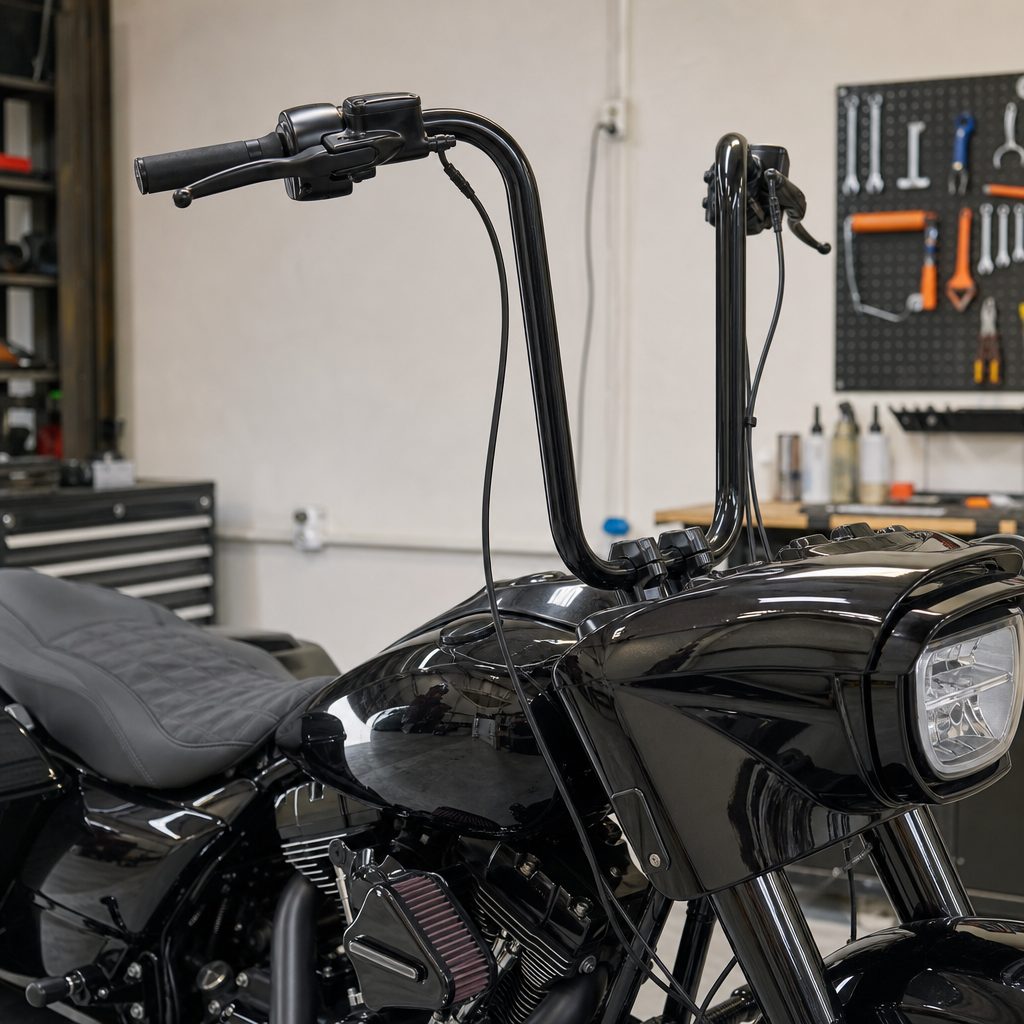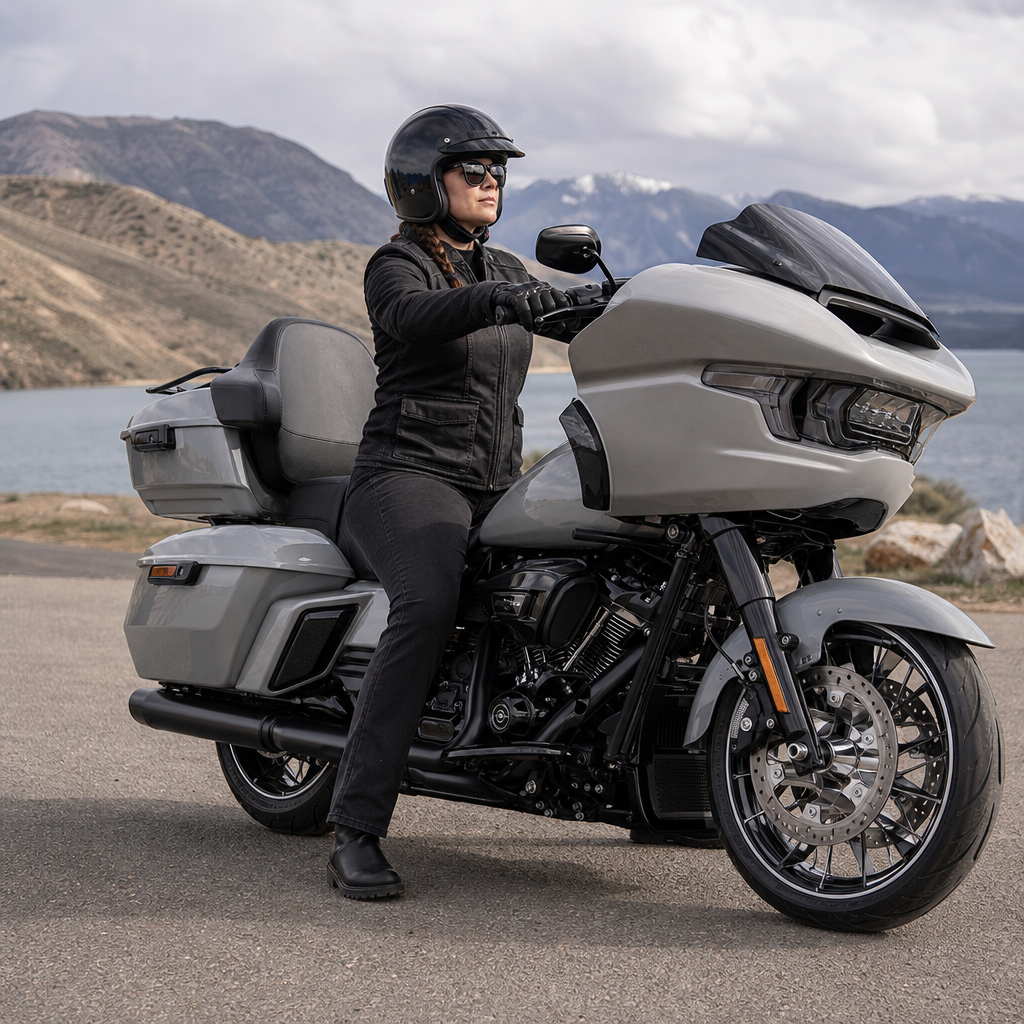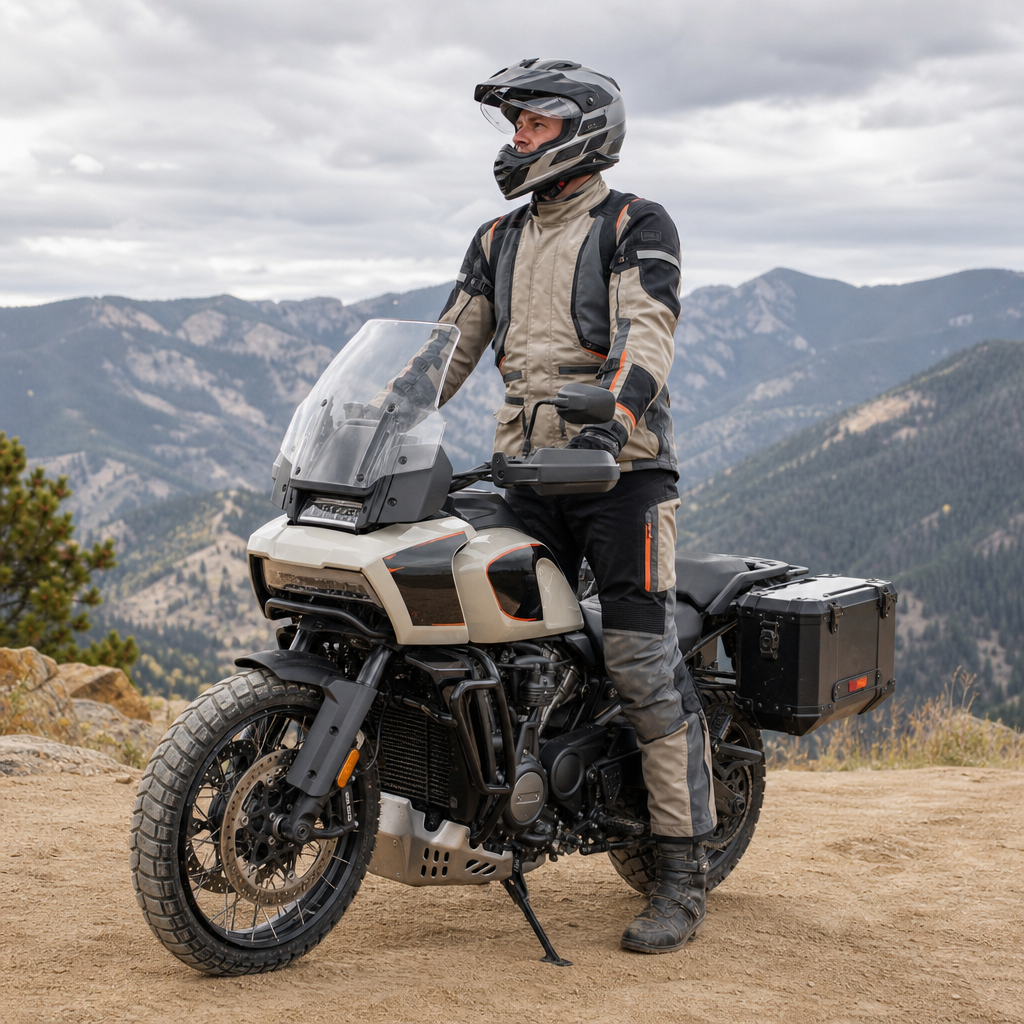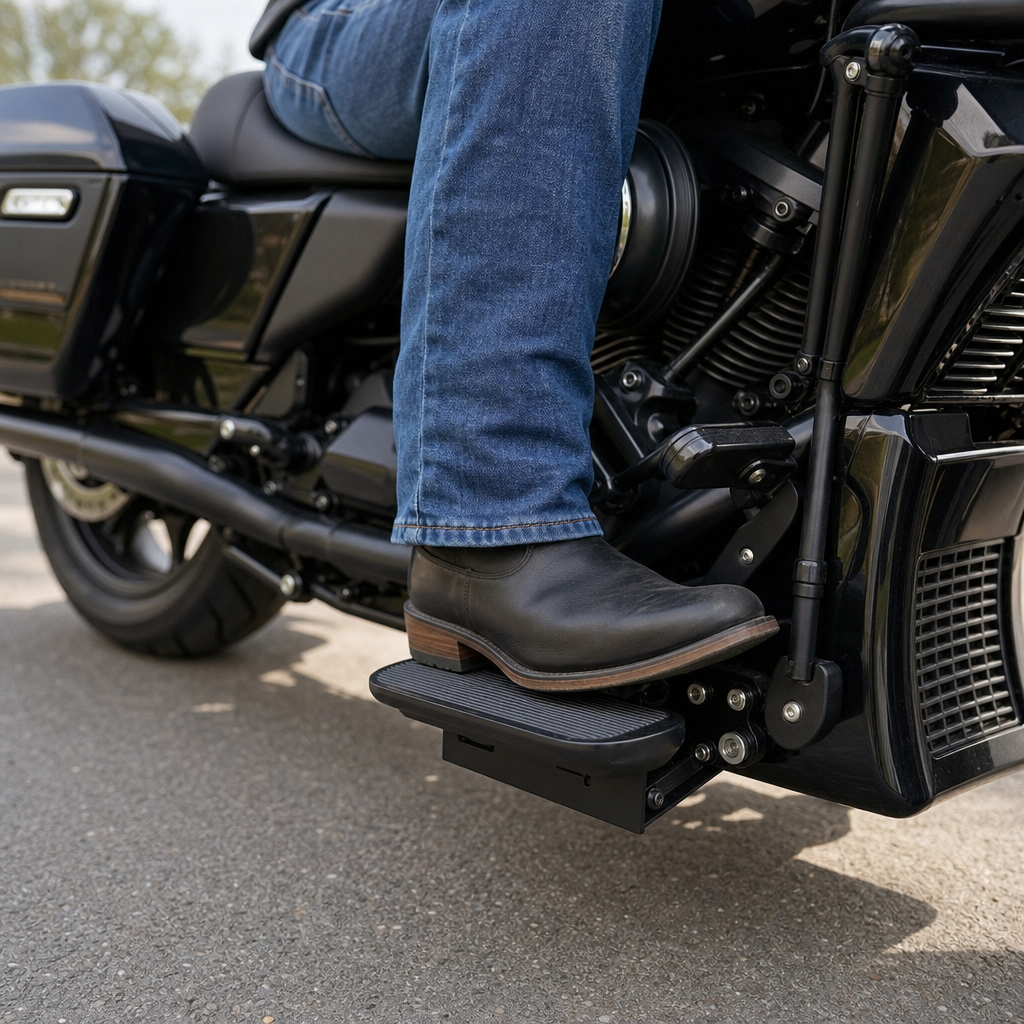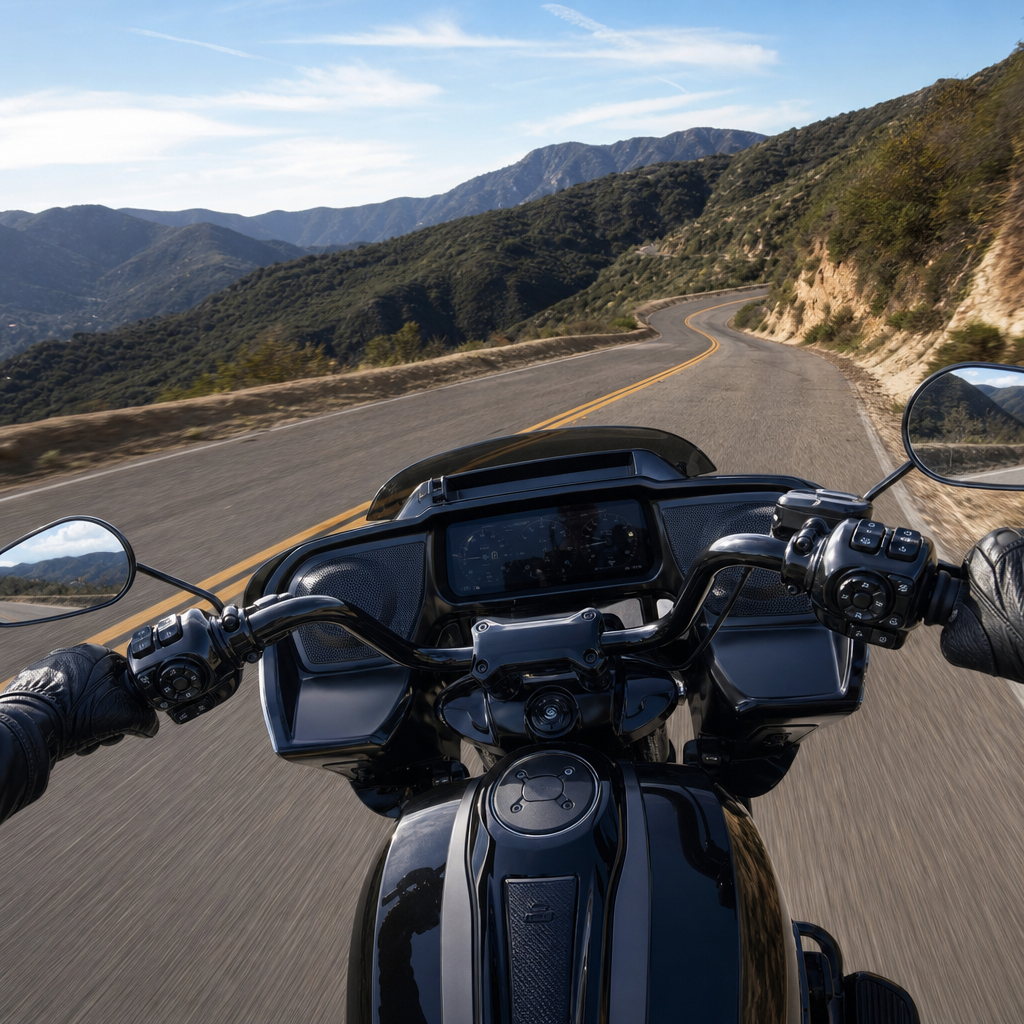
The 2026 CVO ST handlebar pullback sweet spot sits at the intersection of rider posture, steering leverage, wind management, and chassis feedback, and getting it right transforms the bike from merely fast into genuinely composed on a hard canyon pace. On Harley-Davidson’s performance bagger platform, “pullback” means the rearward sweep and effective reach of the handlebar relative to the seat and foot controls. For canyon riders, that measurement is not cosmetic. It dictates elbow bend, shoulder load, wrist angle, and how easily a rider can weight the front contact patch while trail braking into decreasing-radius turns. I have set up touring Harleys for long freeway slogs and for aggressive mountain routes, and the difference between a bar that is five millimeters too close and one that is ten millimeters too far forward is immediately obvious by the second technical descent. Small ergonomic changes alter confidence, stamina, and line accuracy more than most owners expect.
The 2026 CVO ST deserves this level of precision because it is not a standard dresser with a bigger engine. Its mission blends Milwaukee-Eight thrust, premium suspension, substantial fairing protection, and sport-oriented geometry in a package that can cover distance and still attack canyon switchbacks. That dual purpose creates a setup challenge. A touring-oriented bar position may feel relaxed at 75 mph yet leave the rider too upright and disconnected from the front end when corner entry speeds rise. A more aggressive setup may sharpen steering inputs but create numb hands, tight lats, or excessive wrist extension on longer rides. Finding the sweet spot means balancing comfort against control rather than chasing either extreme.
This hub article covers the model-specific ergonomics and performance recipes every 2026 CVO ST owner should understand before changing bars, risers, seat position, or control angle. It explains what handlebar pullback affects, how to measure your current position, what baseline dimensions usually work for spirited canyon riding, and how related components such as suspension sag, lever angle, and foot placement influence the result. It also frames the CVO ST within the broader Harley-Davidson ecosystem, because a setup that works on a Road Glide derivative, a Low Rider ST, or a Street Glide variant will not always translate directly here. Use this page as the central reference point for dialing in fit, then branch into your detailed bar, seat, suspension, and control-specific guides with a clearer understanding of the whole system.
Why Pullback Matters on the 2026 CVO ST
Handlebar pullback affects three measurable things first: torso angle, elbow flexion, and steering input range. On a performance bagger like the CVO ST, the ideal canyon posture usually places the rider in a slight forward hinge from the hips, with elbows bent roughly 15 to 25 degrees in neutral cruising and a touch more compression under braking. That posture lets your core support your upper body instead of dumping weight into your palms. It also keeps your shoulders low and relaxed, which matters because tense shoulders reduce fine steering correction at mid-corner.
In real use, too much pullback makes the rider sit back into the seat pocket and steer with the hands alone. The bike can feel lively at parking-lot speed yet vague when loading the front tire on corner entry. Too little pullback forces an overreach that locks the elbows, rotates the shoulders forward, and makes quick transitions between left and right slower than the chassis is capable of. On the CVO ST, where mass, power, and speed build quickly, the wrong bar position shows up first as delayed turn-in, mid-corner line drift, and fatigue in the neck and forearms.
Wind protection complicates the equation. Because the CVO ST fairing reduces chest pressure compared with a naked bike, riders can tolerate a slightly more forward position without feeling like they are doing a permanent push-up at highway speed. That is one reason a canyon-oriented setup on this model can be more aggressive than what many riders prefer on a conventional touring Harley. The fairing supports the choice, but only if the bar still allows full-lock maneuvering, clear gauge visibility, and clean wrist alignment.
How to Measure Your Current Ergonomic Baseline
Before changing parts, document the stock setup in repeatable numbers. Measure horizontal reach from the seat reference point to the center of each grip, vertical rise from the top of the tank console or triple-clamp plane to the grip centerline, and total width from grip end to grip end. Then photograph your neutral riding position from the side while wearing your normal jacket and boots. I use this process on every fitment job because rider memory is unreliable; what feels “about the same” can differ by 20 millimeters.
Also record elbow angle, wrist extension, and where your shoulder blades sit when you lightly rest your fingers on the levers. If your wrists are cocked upward, your brake modulation will suffer on bumpy surfaces. If your elbows are nearly straight, the bars are too far away for technical riding. If your shoulders hunch toward your ears, the bars may be too high, too wide, or both. The CVO ST responds best when these measurements are taken after setting suspension sag correctly, because a rear ride-height change subtly alters reach and torso angle.
Use named tools, not guesswork. A digital angle finder, a tape measure, a plumb bob, and smartphone video are enough for most owners. For riders who want more precision, motion analysis apps such as Hudl Technique or Coach’s Eye can make joint-angle comparisons easier. If you already use a service manual torque chart and mark fastener positions before adjustment, you are approaching this the right way. Ergonomics should be tuned with the same discipline used for suspension clickers or tire pressures.
The Canyon Sweet Spot: Practical Setup Targets
For most average-height riders on the 2026 CVO ST, the canyon sweet spot is not an extreme club-style reach or a deep touring sweep. It is usually a moderate pullback that brings the grips close enough to maintain bent elbows while preserving a slight forward torso bias. In workshop terms, the target often ends up feeling one step more aggressive than factory-comfortable and one step less aggressive than a dedicated performance custom. That middle ground gives leverage without disconnecting the rider from the chassis.
A useful starting point is to aim for neutral wrists when covering the front brake, shoulders relaxed, and the ability to hinge forward under braking without sliding into the bar. When I test setups on mountain roads, the right position makes it easy to countersteer with light pressure rather than a full-arm shove. You should be able to weight the outside peg, keep your chest quiet, and still make a line correction with fingertips. If you need to push your lower back into the seat to hold yourself in place, the bars are likely too close. If you brace on the grips during every downhill hairpin, they are too far away.
| Setup Variable | Too Much Pullback | Balanced Sweet Spot | Too Little Pullback |
|---|---|---|---|
| Elbow bend | Compressed, tucked in | Relaxed 15–25 degrees | Nearly locked |
| Front-end feel | Light, vague on entry | Connected, predictable | Heavy, tiring |
| Wrist angle | Often over-rotated inward | Straight while covering levers | Extended upward |
| Transition speed | Can feel twitchy then lazy | Quick with control | Delayed side-to-side |
| Long-ride comfort | Back pressure, cramped shoulders | Sustainable for mixed riding | Neck, forearm, hand fatigue |
These targets are only a beginning because rider morphology changes everything. A rider with long femurs and short arms may need more pullback even at the same height as another rider. Seat shape matters too. If the seat pocket holds you rearward, your effective reach increases. That is why bar setup must be treated as one recipe within a broader model-specific ergonomics system, not as a standalone accessory decision.
How Pullback Interacts With Seat, Controls, and Suspension
On the CVO ST, the handlebar cannot be tuned intelligently without considering the seat, floorboards or pegs, brake and clutch lever angle, and suspension attitude. Start with the seat because it fixes the rider’s pelvic position. A flatter, more performance-oriented seat can move the hips forward and reduce the amount of bar pullback needed. A deep touring bucket can do the opposite, effectively demanding either more sweep or taller risers to keep the rider from overreaching.
Control angle comes next. The front brake lever should align with the rider’s forearm during active braking, not just during static showroom posture. In practice, that often means rotating the controls slightly downward from where many dealers leave them. The clutch side should mirror that logic to keep wrist extension low. I have seen riders blame the handlebar when the real problem was a lever set too high, forcing the wrists into a strained position every time they covered the controls entering a corner.
Suspension geometry also changes ergonomic perception. Increased rear preload or a taller shock steepens the bike’s attitude, shifts rider weight slightly forward, and can make a previously ideal bar feel closer. Softer rear sag does the reverse, lengthening the sensation of reach and reducing front-end feedback. On performance baggers, Öhlins, Screamin’ Eagle, and premium aftermarket shock setups commonly raise expectations for steering response, but that sharper chassis only delivers fully when the rider triangle matches it. Bars, seat, pegs, and suspension are a linked system.
Common Fitment Paths and Real-World Tradeoffs
Most 2026 CVO ST owners will arrive at one of three fitment paths. The first is keeping the stock bar shape and making micro-adjustments in rotation, control angle, and seat choice. This is the lowest-risk path and often enough for riders who split time between commuting, touring, and weekend mountain routes. The second is choosing a bar with slightly reduced pullback or altered wrist angle while preserving cable and fairing compatibility. This is usually the best route for riders chasing better front-end connection without turning the bike into a single-purpose build.
The third path is a larger ergonomic conversion involving different riser height, a flatter seat, revised peg position, and often brake line or wiring changes. That can work brilliantly for experienced riders with a clear performance target, but it brings costs and compromises. Full-lock clearance, mirror sightlines, heated grip wiring, and fairing interference become serious concerns on modern Harley-Davidson platforms. An aggressive setup that looks right on social media may produce poor lever access or hand contact with the inner fairing at lock, and those are unacceptable on a heavy motorcycle used in real traffic.
My recommendation for canyon-focused owners is conservative iteration. Change one variable at a time, test on the same road loop, and note braking comfort, turn-in effort, and fatigue after at least ninety minutes. Use a familiar sequence with uphill and downhill sections. If line accuracy improves but your neck tightens on the highway return, you may be very close and only need a small control-angle change instead of a different bar. This method is slower than buying a dramatic setup once, but it is how accurate performance ergonomics are built.
Building Your CVO ST Ergonomics Recipe Hub
As the hub for model-specific ergonomics and performance recipes, this page should point owners toward a structured setup process for the 2026 CVO ST. Start with body dimensions and riding use case. Then move into baseline measurements, seat position, suspension sag, lever angle, and finally handlebar pullback. From there, branch into narrower topics such as bar width for lane filtering versus leverage, grip diameter for hand fatigue, and shock preload recipes for solo canyon riding compared with two-up sport touring.
The key is to treat fitment data as transferable knowledge within the Harley-Davidson category while still respecting model differences. A Low Rider ST recipe might favor a slightly different torso angle because of mid controls and chassis feel. A Road Glide performance build may tolerate a different bar width due to fairing packaging and rider expectations. The CVO ST sits in its own lane: fast, stable, and fairing-protected, yet still heavy enough that poor ergonomics punish the rider quickly when roads get technical.
Done correctly, the sweet spot for 2026 CVO ST handlebar pullback gives you three benefits at once: better steering precision, lower fatigue, and stronger confidence on demanding canyon roads. Measure before modifying, tune the whole rider triangle instead of one part, and validate changes on real rides. If you are building your Harley-Davidson setup library, use this article as the foundation, then map your next adjustments with the same discipline you would apply to suspension or braking upgrades.
Frequently Asked Questions
What does handlebar pullback actually change on a 2026 CVO ST during aggressive canyon riding?
Handlebar pullback changes far more than comfort. On the 2026 CVO ST, it directly affects your upper-body posture, how much leverage you have at turn-in, how clearly you feel what the front tire is doing, and how stable you remain when the pace picks up through linked corners. In practical terms, pullback is the rearward sweep and effective reach of the bar relative to the seat and floorboards or foot controls. If the bars are too far away, you end up reaching, locking your elbows, loading your shoulders, and hanging on the grips for support. That makes steering inputs slower and less precise, especially when you need quick transitions. If the bars are too close, your elbows can become cramped, your torso gets crowded, and steering can feel twitchy because small arm movements create larger-than-intended inputs.
The sweet spot is where your elbows stay slightly bent, your shoulders remain relaxed, and your hands naturally fall onto the grips without you having to lean or shrug forward. That position lets you support your body with your core and lower body instead of your wrists. It also improves chassis communication. A well-set pullback helps you sense front-end load as you trail brake into a corner, hold a clean line mid-turn, and pick the bike up smoothly on exit. On a performance bagger like the CVO ST, that matters because the bike rewards calm, deliberate inputs. The right pullback doesn’t just make the cockpit feel better. It gives you cleaner steering, better wind management, and more confidence to ride hard without fighting the motorcycle.
How can I tell if my CVO ST’s handlebar pullback is too much or too little?
There are several reliable signs, and most show up quickly once you ride the bike hard on technical roads. If the pullback is too little, the bars sit effectively too far away. You may feel like you are reaching for the grips, especially at corner entry or when braking downhill. Your elbows may straighten, your shoulders may tense up, and you might feel pressure in your palms because you are using the bars to hold your torso in place. In canyon riding, that usually shows up as vague turn-in, delayed transitions, and a tendency to push the bike rather than guide it. Riders often describe this setup as stable on the highway but disconnected in the tight stuff.
If the pullback is too much, the bars come too close to your body. That can make the cockpit feel compact, but not necessarily in a good way. Your elbows may tuck in excessively, your wrists may bend at awkward angles, and you may feel crowded during countersteering inputs. On corner entry, the bike can feel nervous because your steering inputs become overly sensitive. Mid-corner, you may notice that it is harder to relax your upper body and let the chassis settle. In some cases, too much pullback can also interfere with clean lock-to-lock movement or create odd wrist angles that lead to hand fatigue over a long ride.
The best test is dynamic rather than static. Sit on the bike in your normal riding gear, then ride a familiar route with fast sweepers, a few tighter bends, and some braking zones. Pay attention to four things: whether your elbows stay softly bent, whether your shoulders remain loose, whether you can countersteer decisively without overcorrecting, and whether your wrists stay neutral. If the bars disappear beneath you and the bike tracks naturally with minimal effort, you are close. If you are constantly adjusting your grip, rolling your shoulders, or feeling either stretched out or cramped, your pullback likely needs refinement.
What is the ideal riding position for finding the handlebar pullback sweet spot on a performance bagger?
The ideal position is one that balances control, support, and freedom of movement. For a hard canyon pace on the 2026 CVO ST, you want a slight forward athletic bias, not a cruiser slouch and not a sportbike crouch. Your torso should have a mild forward hinge from the hips so the wind can help support you at speed, but not so much that you are dumping body weight into your hands. Your elbows should maintain a natural bend, your shoulders should stay down and relaxed, and your wrists should sit close to neutral rather than kinked upward or inward. That creates a posture where you can make quick steering inputs while still letting the front suspension and tire communicate clearly.
Lower-body support matters just as much. The best pullback setting works with the relationship between the seat, the foot controls, and your core. You should feel anchored by your lower body so you are not bracing against the bars under braking or when the road gets rough. When that foundation is in place, your hands can stay light on the grips, which is critical for keeping the chassis calm in bumpy corners and off-camber transitions. Good pullback allows you to steer with intent rather than tension.
Another overlooked factor is wind management. On a bike like the CVO ST, speed changes how your position feels. A setup that feels perfect in the garage may prove too long or too short once wind pressure builds. The right sweet spot usually lets the wind carry some of your upper body at canyon speeds without pulling you away from the bars or forcing you to cling to them. In other words, the ideal position is not simply where the bars feel reachable at a stop. It is where your entire body remains balanced, mobile, and composed while braking, turning, and accelerating on real roads.
Should I prioritize comfort or front-end feedback when adjusting handlebar pullback for canyon use?
You should prioritize control first, but true control and true comfort are not opposites. In fact, for canyon riding they often overlap. A handlebar setup that gives excellent front-end feedback usually feels more comfortable over a real ride because your body is not wasting energy compensating for poor ergonomics. The mistake many riders make is defining comfort as the most upright or most relaxed-feeling position in the driveway. For spirited riding, that can be misleading. A very rearward, ultra-easy reach may feel pleasant at a standstill, but it can reduce steering precision, crowd your arms, and make the bike feel less settled when corner speed rises.
Front-end feedback should be a major priority because it tells you how much grip the front tire has, how the chassis is loading under braking, and whether the bike is following your intended line. But feedback is only useful if you are in a posture that lets you interpret it cleanly. If your wrists are overloaded, your shoulders are tight, or your elbows are locked, your body becomes noise in the system. That is why the goal is not maximum weight on the front or minimum reach to the bars. The goal is a neutral, athletic position where you can stay relaxed while still feeling connected.
Think of the sweet spot as “active comfort.” You should finish a demanding canyon ride feeling like the bike worked with you, not like you wrestled it. If you have to choose between a setup that feels plush in a parking lot and one that keeps your elbows bent, your hands light, and your steering accurate in fast transitions, choose the latter. Usually, after a few rides, that setup ends up being the more comfortable one anyway because it reduces fatigue in the hands, neck, shoulders, and lower back.
What is the best process for dialing in the right handlebar pullback on a 2026 CVO ST?
The best process is methodical, incremental, and based on repeatable test rides. Start by establishing a baseline with the bike on level ground. Sit in your normal boots, jacket, and helmet, place your feet where they naturally ride, close your eyes, and reach for the grips. When you open your eyes, note whether your hands landed naturally or whether you had to reach, shrug, or tuck excessively. Check for a slight elbow bend, relaxed shoulders, and neutral wrists. That gives you a starting point, but the real tuning happens on the road.
Make small changes only. A modest adjustment in rotation or effective reach can produce a noticeable difference once you are riding aggressively. After each change, ride the same stretch of road if possible and evaluate the same criteria every time: braking support, ease of turn-in, stability mid-corner, transition speed in left-right combinations, and upper-body fatigue after 20 to 30 minutes. If the bike asks less from your hands and more naturally follows your line, you are moving in the right direction. If it feels calmer but slower to respond, or quicker to turn but harder to settle, you may have gone past the ideal point.
It also helps to separate fit issues from technique issues. If you are death-gripping the bars, no pullback setting will fully solve the problem. But if your technique is solid and the bike still feels reluctant or nervous, the cockpit may be contributing. Riders should also remember that seat shape, suspension setup, and even glove bulk influence perceived reach and leverage. That is why the final decision should be made after a full ride, not a short spin around the block. The right handlebar pullback on the 2026 CVO ST is the setting that leaves you balanced under braking, precise at turn-in, calm over imperfect pavement, and fresh enough to keep riding hard long after the road gets interesting.