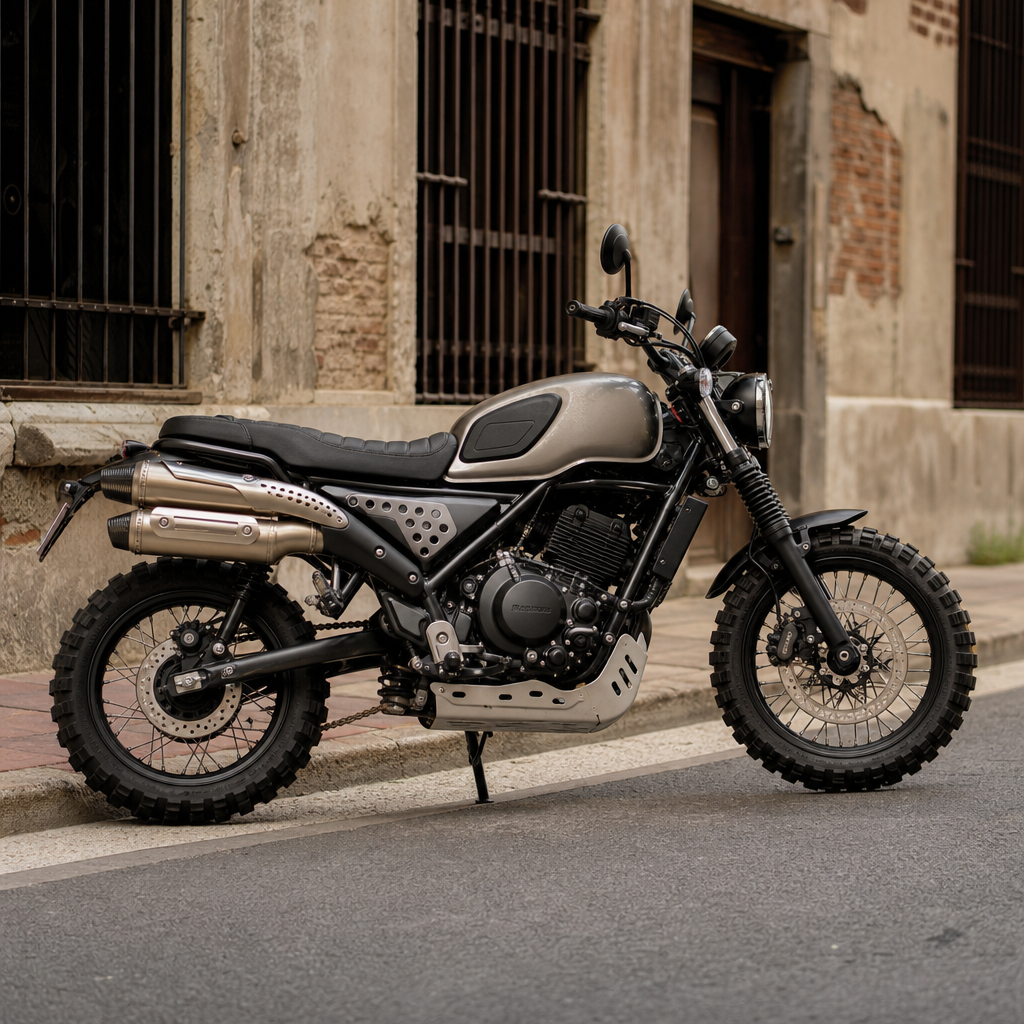
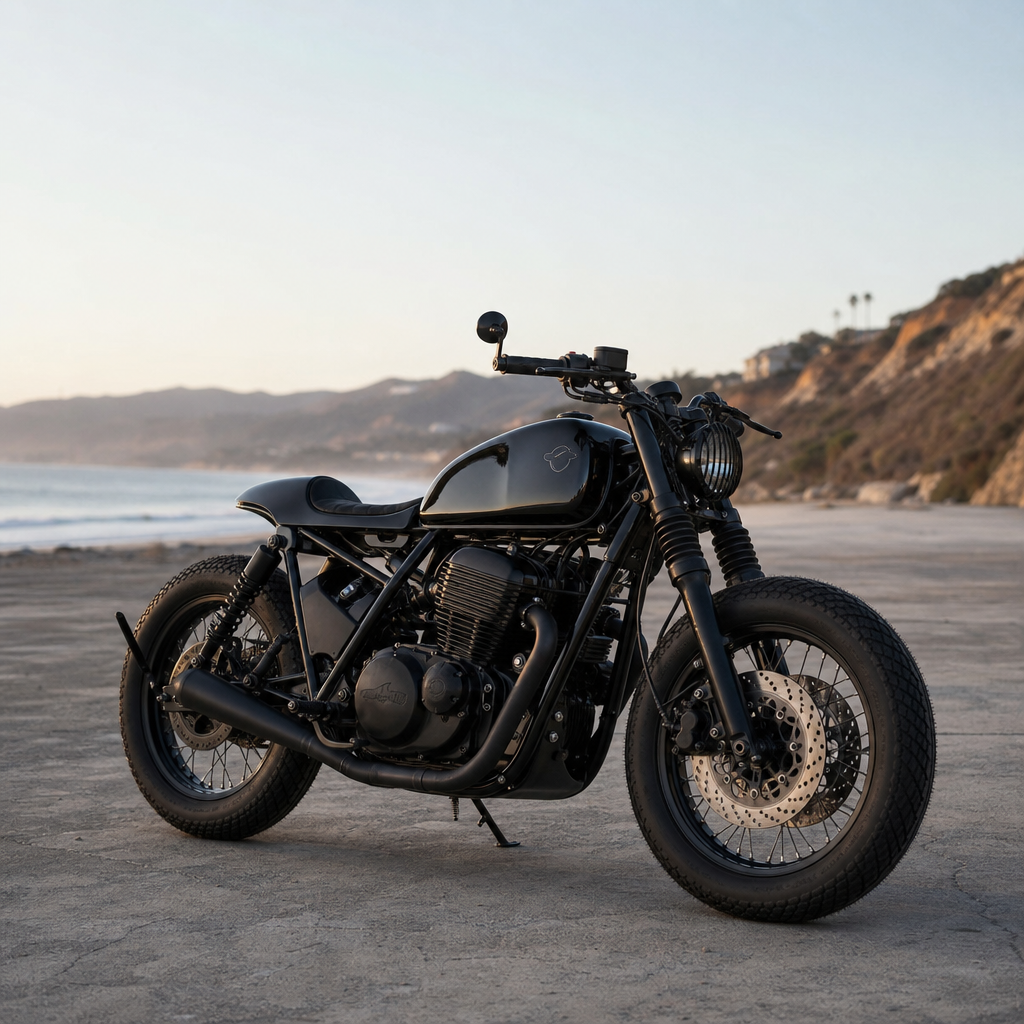
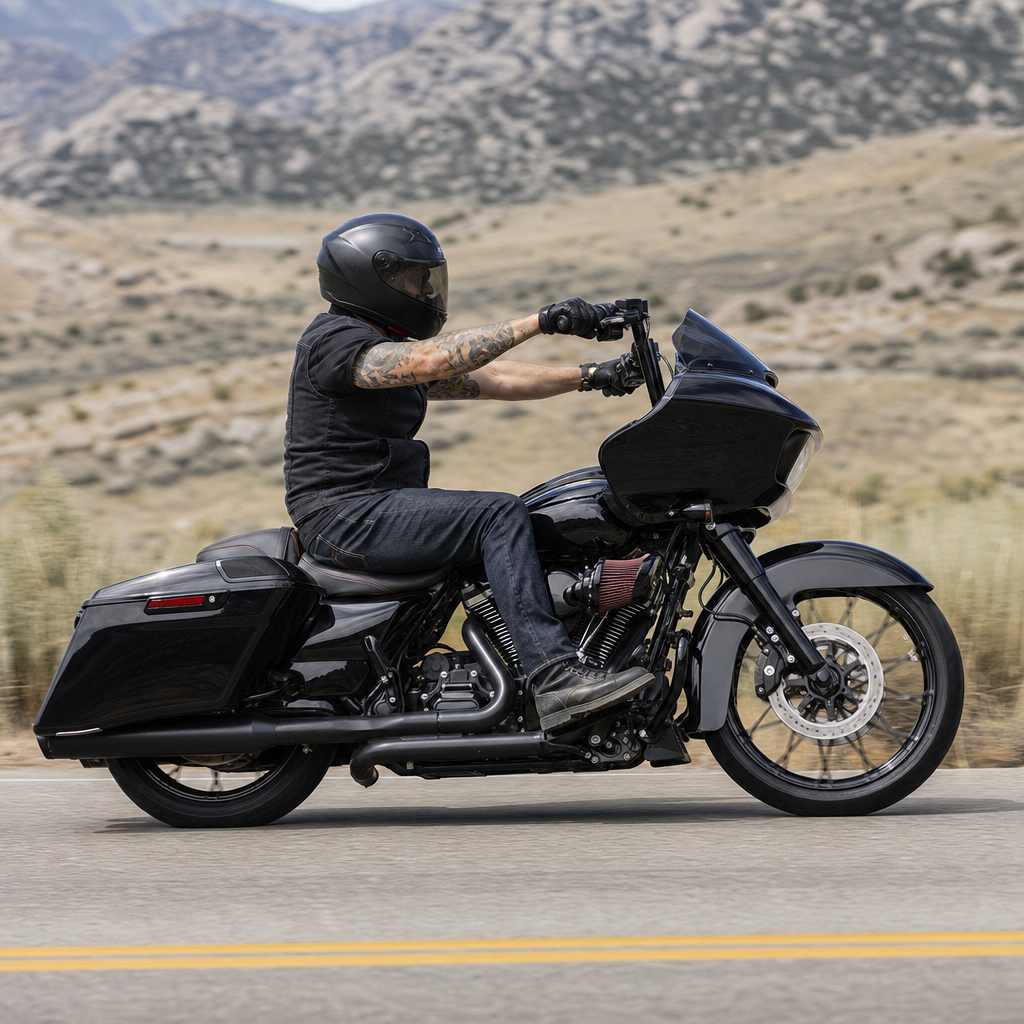
Utah rewards riders who want dramatic scenery without sacrificing practical stopovers, and Galaxy of Hatch Diner & Motel near Bryce Canyon stands out as a clear example of a biker-friendly base camp. In the broader landscape of state-by-state biker stops, this property represents more than a themed overnight: it shows how bars, lodgings, roadside diners, and memorable landmarks combine to shape a route that feels built for motorcycles. For trip planners, “biker stop” means a place that serves riders well on three levels at once: easy access, useful amenities, and a setting worth the detour. In southern Utah, where distances stretch, fuel planning matters, weather can change quickly, and tourism traffic swells around national parks, those basics become decisive.
I have planned and ridden enough Western road trips to know that a good motorcycle stop is never judged by décor alone. Riders remember secure parking, late check-in, hot coffee before sunrise, proximity to sweeping roads, and whether the staff understands helmets, wet gear, and the reality of arriving dusty after a long day. Galaxy of Hatch Diner & Motel succeeds because it fits that practical checklist while also leaning into a Harley-oriented visual identity that gives the stay personality. As a hub article, this guide uses the Utah stop as the anchor for understanding how to evaluate biker bars, motorcycle lodging, and road landmarks across every state, especially for travelers building larger open-road itineraries.
Hatch is a small town on Utah State Route 89, positioned between larger gateway communities and within reach of Bryce Canyon National Park, Red Canyon, Kodachrome Basin State Park, and Scenic Byway 12. That location matters. A motorcycle lodging hub works best when it reduces friction between daily ride segments and amplifies access to iconic roads. In plain terms, riders can sleep in Hatch, ride light into Bryce Canyon in the morning, loop through photogenic high-desert country during the day, then return for a straightforward meal and rest without battling bigger-town congestion. The result is efficient trip design, which is one of the most underrated advantages in motorcycle travel.
The Harley theme also deserves definition. The point is not corporate affiliation or museum-level branding; it is the familiar visual language of Americana, chrome nostalgia, route culture, and rider identity. When used well, that theme tells guests immediately that motorcycles are expected, not treated as an inconvenience. In a state like Utah, where the star attractions are geological landmarks rather than nightlife districts, themed motels and diners often carry more weight than a standalone biker bar. They become social nodes, orientation points, and practical anchors for route planning. That is why Galaxy of Hatch deserves attention within any serious guide to biker stops by state.
Why Galaxy of Hatch Works as a Utah Biker Stop
Galaxy of Hatch Diner & Motel succeeds first because of function. Riders on touring bikes, cruisers, ADV machines, and even compact sport-tourers need uncomplicated ingress and egress, visible parking, and rooms close enough to the bike for peace of mind. Small roadside motels outperform many resort properties on this front because they are built around direct-access parking rather than enclosed lobbies and distant garages. For motorcyclists carrying luggage systems, cameras, layers, and tools, that layout saves time and reduces hassle at both check-in and departure.
The diner component matters just as much. Motorcycle travel runs on timing: fuel stops, daylight windows, weather breaks, and meal availability. An attached or adjacent diner can eliminate an extra ride after dark and gives travelers a predictable place to eat before or after visiting Bryce Canyon. In my experience, these combined-use properties are especially valuable in rural tourism corridors because they cut down on uncertainty. If a storm rolls through or temperatures drop sharply at elevation, having food and lodging in one place becomes more than convenient; it becomes part of sound travel logistics.
The Harley-inspired atmosphere adds a layer of emotional fit. Riders often choose places that reflect road culture without requiring a big event weekend or a noisy party scene. That distinction is important. Not every motorcycle traveler is seeking a rally environment. Many want a photogenic stop, staff who welcome riders, and a setting that complements the machine and the landscape. Galaxy of Hatch appears strongest in that middle ground: accessible, thematic, and useful for couples, solo travelers, and small groups crossing southern Utah.
Another reason this stop works is its position outside the most crowded lodging pockets near major parks. Bryce Canyon visitation regularly pushes traffic into peak-season bottlenecks, especially around sunrise, sunset, and holiday weekends. Staying in Hatch can be a strategic compromise between proximity and breathing room. You remain close enough for easy park access while avoiding some of the pricing pressure and congestion associated with tighter gateway zones. For riders balancing budget, comfort, and ride quality, that is often the better trade.
Riding Bryce Canyon Country: Roads, Elevation, and Timing
The roads around Hatch explain why this Utah property belongs in a state-by-state biker stops hub. Utah State Route 89 is a key north-south connector for riders moving between Zion country, Bryce Canyon, Panguitch, Kanab, and points beyond. Nearby Utah Scenic Byway 12 is widely regarded as one of America’s premier drives, linking Bryce Canyon country with Escalante, Boulder, and Torrey through a sequence of red rock, slickrock domes, forested uplands, and exposed ridge riding. For motorcyclists, that combination delivers exactly what makes a destination stop meaningful: the overnight stay is inseparable from the quality of the road leaving its parking lot.
Elevation is the factor many first-time riders underestimate. Bryce Canyon’s rim sits around 8,000 to 9,000 feet, and temperatures can swing hard between afternoon and dawn. Even in warmer months, an early park entry can feel cold enough to require insulated gloves or a heated layer. Afternoon thunderstorms are common in the broader Intermountain West, and shoulder seasons may bring frost or even snow at higher points. A biker-friendly lodging base near Bryce Canyon must therefore support quick starts, easy gear management, and realistic day planning. The best strategy is usually an early scenic ride, a midday break, and a flexible return window.
Fuel and distance planning also shape the ride. Southern Utah has enough services for comfortable touring, but riders should never assume station density matches urban corridors. A practical rule is to top off before entering long scenic segments, especially if your itinerary includes Byway 12, Kodachrome Basin side trips, or photography detours that stretch the day. Cell coverage can be inconsistent in portions of canyon country, so offline maps from Google Maps, REVER, or onX Offroad add a useful safety margin. Those details are small until they are not, which is why experienced riders treat them as route essentials, not afterthoughts.
| Ride Factor | What to Expect Near Hatch and Bryce Canyon | Why It Matters to Riders |
|---|---|---|
| Road Type | Two-lane scenic highways, park roads, elevation changes, long sweepers | Ideal for relaxed touring and photography-focused loops |
| Weather | Cold mornings, summer storms, rapid temperature shifts | Requires layered gear and flexible departure times |
| Traffic | Tourist peaks near Bryce entrances and viewpoints | Early starts reduce congestion and improve parking |
| Fuel Access | Available in corridor towns, less frequent on scenic segments | Top off before longer loops and remote detours |
| Best Use of Hatch | Base camp for Bryce, Red Canyon, and Byway 12 day rides | Simplifies logistics while keeping iconic roads close |
Bars, Lodging, and Landmarks: How to Evaluate a Biker Stop in Any State
This Utah example helps define a repeatable method for reviewing biker stops nationwide. Start with lodging, because where the bike sleeps often determines whether the stop is genuinely rider-friendly. Look for ground-level access, visible parking, room-to-bike proximity, flexible check-in, and enough local dining options that you are not forced into a long night ride. Extras such as covered parking, hose access, guest laundry, and a staff attitude that welcomes late arrivals can elevate a property from acceptable to memorable. Themed décor is a bonus; practical design is the core requirement.
Next, assess bars and social stops through a rider’s lens rather than a nightlife lens. A good biker bar is not merely loud or decorated with license plates. It provides dependable hours, safe parking, clear local reputation, and a location that fits the route. In dense rally destinations like Sturgis, Daytona, or Laconia, bars may be the headline attraction. In scenic states such as Utah, Arizona, Montana, or Wyoming, the best “bar stop” may be a low-key roadhouse or grill near a landmark road, where riders can trade route advice and eat well before getting back in the saddle.
Landmarks complete the triangle. Riders often build a day around a natural feature, historic bridge, national park, overlook, or famous stretch of pavement rather than around a hotel itself. The strongest state-by-state biker stop guides connect all three elements: where to stay, where to eat or socialize, and what defining landmark justifies the route. In Utah, Bryce Canyon, Red Canyon arches, and Scenic Byway 12 are those landmarks. In other states, the equivalents might be Beartooth Highway in Montana, Tail of the Dragon in Tennessee and North Carolina, Going-to-the-Sun Road in Montana, or Route 66 relics across the Southwest.
Finally, consider trip intent. Some riders want a one-night transit stop. Others want a two- or three-night base for loops. A property like Galaxy of Hatch is strongest as a scenic base camp because it sits near multiple attractions and supports repeat departures without repacking every hour of the day. That distinction should guide how sub-pillar articles are organized: by state, yes, but also by stop type, including transit overnights, destination lodgings, iconic bars, and landmark-centered route bases.
Building a State-by-State Biker Stops Hub from the Utah Model
If this page functions as the hub for “State-by-State Biker Stops: Bars, Lodging, and Landmarks,” the Utah entry sets the editorial standard. Each future state article should identify one or more anchor properties or venues, then explain the surrounding roads, nearby attractions, seasonal constraints, and rider-specific amenities in plain terms. Readers do not just need lists; they need route logic. A good hub tells them why a stop belongs on the map, what kind of rider it suits, how much time to allow, and what tradeoffs to expect.
For example, a state guide for Colorado should distinguish between high-elevation touring bases near Million Dollar Highway and urban motorcycle-friendly hotels in Denver. An Arizona page should separate Route 66 nostalgia stops from Sedona-area scenic lodging and from practical overnights for riders entering the Grand Canyon region. A Wisconsin page should treat tavern culture differently from Black Hills-bound transit motels. Organizing by rider use case makes the content more useful than generic roundups and helps travelers connect one state’s stop to the next day’s destination.
The Utah model also reminds editors to include seasonality and geography, not just style. A biker stop that is excellent in May may be risky or inconvenient in October, depending on snow, leaf-season crowding, or reduced operating hours. In Bryce Canyon country, altitude changes the equation. In the Gulf Coast, heat and thunderstorms may be the primary issue. In New England, short daylight windows can matter more than mileage. A state-by-state hub gains authority when each article treats these regional realities as core facts rather than footnotes.
Most important, every sub-article should answer the practical questions riders ask first: Can I park safely? Is there food nearby? What road makes this stop special? How far is the nearest fuel? Is it worth one night or several? Galaxy of Hatch Diner & Motel near Bryce Canyon provides a strong benchmark because the answer to those questions is coherent. The lodging is useful, the diner reduces friction, the Harley-inspired theme signals rider comfort, and the surrounding landscape delivers on the promise of the open road.
Conclusion
Galaxy of Hatch Diner & Motel earns its place in a serious Utah biker stops guide because it combines the essentials that matter most to motorcycle travelers: practical lodging, on-site dining, rider-friendly character, and immediate access to exceptional scenery. Near Bryce Canyon, those strengths are amplified by geography. Hatch sits in a corridor that makes it easy to ride iconic park roads, explore Red Canyon, connect to Scenic Byway 12, and return to a straightforward base without unnecessary complexity. For riders, that is the difference between a stop that is merely themed and a stop that genuinely improves the trip.
As the hub for state-by-state biker stops, this article also establishes the broader framework readers can use everywhere else. The best biker bars, lodgings, and landmarks are not random attractions; they form a usable network. Evaluate each stop by parking, food access, road quality, landmark value, seasonal timing, and how well it supports the kind of ride you are actually taking. When those elements align, the destination becomes more than a pin on a map. It becomes part of the story you tell after the helmet comes off.
If you are mapping a Utah motorcycle trip, put Hatch on the shortlist and use it as a model for choosing stops in every other state: ride-worthy roads, easy logistics, and a place that understands why the journey matters. Then build your next route one smart stop at a time.
Frequently Asked Questions
Why is Galaxy of Hatch Diner & Motel considered a strong biker-friendly stop near Bryce Canyon?
Galaxy of Hatch Diner & Motel stands out because it delivers the combination most riders are actually looking for on a Utah route: scenic access, practical convenience, and a memorable motorcycle atmosphere. Located in Hatch near Bryce Canyon, it gives travelers a base camp that feels relevant to the ride rather than just a generic overnight stay. For bikers, that matters. A true motorcycle stop is not only about where you sleep, but how easily the property fits into the rhythm of a road trip that includes long scenic stretches, weather shifts, fuel planning, and the need for comfortable resets between riding days.
The Harley-inspired theme adds personality without replacing function. Riders often appreciate places that acknowledge motorcycle culture, but the best stops also make the logistics easy. A diner-and-motel setup supports that perfectly by keeping food, lodging, and downtime close together. Instead of checking into a room and then riding back out in search of a meal, guests can settle in, eat, regroup, and prepare for the next day’s route. In southern Utah, where distances can feel larger and scenic riding often takes priority over city convenience, that kind of efficiency makes a difference.
Its appeal also comes from context. Near Bryce Canyon, riders are not simply passing through a roadside town; they are traveling in one of the most visually dramatic regions in the state. That means a stop like Galaxy of Hatch becomes part of the larger experience of the route. It supports riders who want access to iconic landscapes while still staying somewhere with character. In that sense, it represents what many motorcyclists mean by a biker-friendly base camp: a place that understands the ride is the main event, and the stopover should strengthen it rather than interrupt it.
How does staying in Hatch help riders explore Bryce Canyon and the surrounding scenic roads?
Hatch works well for riders because it sits in a useful position for exploring Bryce Canyon and nearby southern Utah roads without requiring the congestion, expense, or limited flexibility that can come with staying directly inside a major park area. For motorcycle travelers, that matters a lot. A good overnight stop should make it easy to reach marquee destinations while also allowing access to lesser-known stretches of road that turn a trip into a full riding experience rather than a single sightseeing stop.
From Hatch, riders can use the motel as a launch point for Bryce Canyon visits while still keeping the day adaptable. Some may want an early ride into the park to catch morning light and cooler temperatures. Others may prefer to combine Bryce Canyon with surrounding highways, overlooks, and connecting routes through open country. Staying nearby instead of in a busier hub can make departures and returns simpler, especially for riders who value a lower-stress start and finish to the day. It also helps with practical concerns such as parking, packing, and avoiding repeated relocation during a multi-day loop.
Another advantage is that towns like Hatch often fit the tempo of motorcycle travel better than more crowded tourist centers. Riders can refuel themselves, review maps, check conditions, and talk with fellow travelers in a setting that feels more relaxed and roadside-oriented. That atmosphere complements Utah touring, where many of the best memories come not only from a national park entrance sign but from the connecting roads, changing elevations, and small-town stops in between. Used that way, Hatch becomes more than a place to sleep. It becomes a strategic point in a scenic riding itinerary.
What makes a diner-and-motel combination especially valuable for motorcycle trip planning in Utah?
For riders, a diner-and-motel combination is one of the most practical formats a stop can offer, especially in a state like Utah where scenic routes often cover long distances and services can be spread out. On a motorcycle trip, convenience carries more weight than it does in ordinary car travel. After hours in the saddle, many riders want a smooth transition from parking the bike to getting food, resting, and preparing for the next leg of the journey. When lodging and dining are effectively bundled in one stop, that process becomes much easier and more predictable.
That convenience is not just about comfort; it supports route efficiency. Riders often have to think ahead about fuel, weather, daylight, and the distance to the next reliable services. A property that provides both a room and a meal reduces uncertainty at the end of the day. It also minimizes unnecessary backtracking. In destination areas near parks and scenic byways, local dining hours or availability may vary, so being able to count on a nearby meal can be a significant benefit. This is particularly useful for travelers arriving later than expected after a long day of sightseeing or riding through changing conditions.
There is also a social advantage. Diners have long been part of American road culture, and for motorcycle travelers they often serve as informal planning rooms where the next day’s route gets discussed over coffee or breakfast. That setting can be as important as the room itself. Riders compare roads, ask about conditions, and share local tips. In that way, a diner-and-motel property contributes to the broader biker-stop identity of a route. It becomes part of the journey’s infrastructure, offering not just services but a familiar and welcoming rhythm that suits life on the road.
Is Galaxy of Hatch Diner & Motel mainly for Harley riders, or can any motorcycle traveler enjoy it?
Any motorcycle traveler can enjoy it. While the Harley-themed identity gives the property a distinct personality and will naturally appeal to fans of that brand and style, the broader value of the stop is not limited to Harley riders. What makes a location biker-friendly is not the badge on the tank but how well it serves people traveling by motorcycle. Riders of touring bikes, cruisers, standards, adventure bikes, sport-touring machines, and even small displacement road trip setups all benefit from the same fundamentals: accessible lodging, easy meals, a comfortable stopover, and proximity to worthwhile roads and attractions.
In practice, Harley theming tends to signal an appreciation for motorcycle culture in general. It suggests that the property understands what riders are looking for in a stop: a place with personality, visual interest, and a sense that motorcycles are part of the intended guest experience rather than an afterthought. Even riders who do not identify with Harley specifically often enjoy themed roadside properties because they help turn a practical overnight into a memorable part of the route. That is especially true in a region like Bryce Canyon country, where many travelers are intentionally building a road trip around distinctive places rather than choosing standardized chain accommodations.
So while Harley enthusiasts may feel an immediate connection to the styling and branding, the stop’s real strength is broader. It fits the needs of riders who want scenic access, convenience, and a location that feels aligned with the spirit of motorcycle travel. If the goal is a memorable Utah riding base camp near major natural landmarks, the appeal extends well beyond one brand community.
How should riders include Galaxy of Hatch Diner & Motel in a larger Utah motorcycle itinerary?
The best way to include Galaxy of Hatch Diner & Motel in a Utah motorcycle itinerary is to think of it as a base camp within a bigger scenic network rather than as a one-night stop with no surrounding strategy. Southern Utah rewards riders who connect major landmarks with thoughtfully chosen overnight locations, and Hatch fits that model well. Instead of trying to rush through Bryce Canyon and continue immediately to the next destination, many riders will get more out of the region by stopping here, unloading the pressure of a rigid schedule, and using the area as a platform for one or more focused riding days.
That approach gives the trip more depth. Riders can pair a Bryce Canyon visit with nearby scenic roads, return for a relaxed meal, and then head out the next morning without having to repack everything at dawn. It also makes the itinerary more resilient. Weather, road conditions, traffic near attractions, and simple fatigue can all change plans quickly on a motorcycle trip. A dependable stop with food and lodging in one place gives travelers flexibility to adjust without losing momentum. In a state known for dramatic elevation changes and distance between major points of interest, that kind of buffer is valuable.
From a route-building perspective, properties like this help shape what a satisfying motorcycle journey looks like. The strongest itineraries are not just strings of famous overlooks; they are balanced combinations of scenic riding, manageable daily mileage, recognizable local character, and practical overnight stops. Galaxy of Hatch contributes to that balance. It represents the kind of roadside anchor that helps transform a Utah ride from a checklist of destinations into a coherent touring experience designed around how motorcyclists actually travel.