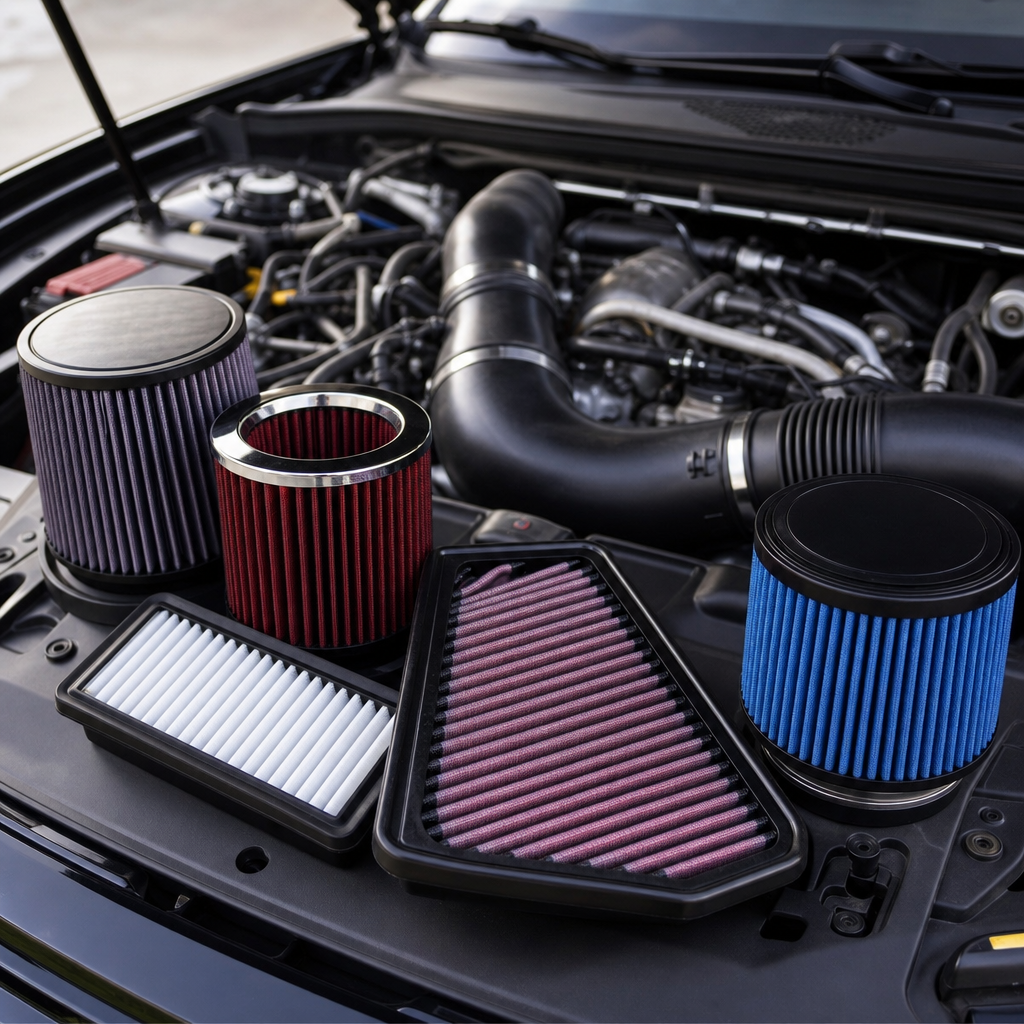
Choosing the best performance air filter is one of the simplest ways to sharpen throttle response, improve intake efficiency, and build a stronger foundation for every other upgrade in your Garage & Gear setup. In the Tires & Parts category, air filters often get overshadowed by wheels, brake kits, suspension parts, and tire compounds, yet they directly influence how quickly an engine breathes when you tip into the accelerator. A performance air filter replaces the restrictive factory element with a design that increases airflow while still trapping harmful contaminants. That sounds straightforward, but the real-world result depends on filter media, sealing quality, maintenance needs, vehicle use, and how the filter integrates with the stock airbox or intake system. After testing filters on daily drivers, tow rigs, and lightly modified street cars, I have found that the right choice can make a vehicle feel more eager, especially in the first part of pedal travel where drivers notice responsiveness most.
Throttle response refers to how quickly the engine reacts to accelerator input. It is not the same as peak horsepower. A vehicle can post the same dyno number with two filters and still feel different from the driver’s seat because intake restriction, airflow stability, and ECU adaptation affect transient response. For that reason, this Tires & Parts hub article covers more than a simple ranked list. It explains what makes a filter effective, where each option fits, how to avoid common buying mistakes, and how air filtration connects to related maintenance items like mass airflow sensors, intake tubes, turbo plumbing, and even tire choice when putting added responsiveness to use. If you are building a complete Garage & Gear plan, this article serves as the starting point for the wider Tires & Parts ecosystem.
Why performance air filters matter in the Tires & Parts category
An engine is an air pump, so intake efficiency matters just as much as spark quality or fuel delivery. Factory filters are designed around long service intervals, broad climate tolerance, low induction noise, and low warranty risk. Those are sensible priorities, but they often leave some airflow on the table. A well-made performance air filter reduces pressure drop across the element, allowing the engine to draw air more easily. On naturally aspirated engines, that can improve tip-in feel and midrange willingness. On turbocharged engines, it can help the compressor reach target airflow with slightly less effort, which may improve spool characteristics and reduce the sense of lag. The gains are usually modest in stock form, but the drivability improvement can be noticeable.
Within Tires & Parts, the air filter belongs in the same decision chain as intake systems, exhaust upgrades, spark plugs, and ECU tuning. If a reader is researching high-performance tires, lightweight wheels, or brake upgrades, they are usually also interested in how the powertrain responds under load. That is why this hub should connect conceptually to supporting articles on cold air intakes, panel filter versus cone filter setups, MAF sensor cleaning, turbo inlet upgrades, tire load ratings, wheel offset basics, and routine service intervals. The point is not to treat the air filter as a miracle part. The point is to place it correctly inside a broader performance and maintenance strategy where small improvements add up to a car that feels cleaner, sharper, and easier to mod intelligently.
How to choose the right performance air filter
The best performance air filter for increased throttle response depends on five criteria: filtration efficiency, airflow, fitment, maintenance burden, and operating environment. Filtration efficiency is critical because ingesting fine dust shortens engine life. ISO 5011 testing is commonly referenced in the filtration world because it evaluates initial efficiency, cumulative efficiency, and restriction under controlled conditions. Not every aftermarket brand publishes full ISO data, but serious manufacturers discuss micron capture, sealing design, and service intervals in concrete terms. Airflow matters, yet chasing maximum flow without considering dirt retention is a mistake, especially for daily-driven vehicles in dusty regions.
Fitment is equally important. A high-flow panel filter that seals perfectly in the factory airbox will usually outperform a cheaper cone filter that leaves even a slight gap at the flange. I have seen drivability complaints traced to nothing more than poor seating or a warped gasket. Maintenance burden is another deciding factor. Oiled cotton gauze filters can flow very well and last a long time if cleaned and re-oiled correctly, but over-oiling can contaminate a mass airflow sensor. Dry synthetic filters are easier for many owners because servicing is less error-prone. Operating environment closes the loop. A weekend street car in a clean suburb can use a more aggressive filter choice than a truck driven on gravel roads, construction sites, or desert trails.
| Filter | Media Type | Best For | Main Strength | Watch-Out |
|---|---|---|---|---|
| K&N High-Flow Air Filter | Oiled cotton gauze | Street performance builds | Strong airflow and wide fitment support | Requires careful oiling after service |
| aFe Power Pro 5R / Pro Dry S | Oiled cotton or dry synthetic | Drivers wanting option flexibility | Good balance of flow and filtration choices | Must select the right media for conditions |
| BMC Performance Air Filter | Oiled cotton | European cars and premium applications | Excellent construction and sealing | Usually priced higher |
| AEM Dryflow | Dry synthetic | Daily drivers with MAF sensors | Low-maintenance service routine | May not appeal to users who prefer washable oiled media feel |
| Green Filter | Oiled cotton | Enthusiasts seeking handmade style quality | Strong flange design and reusable build | Availability is narrower by application |
Top 5 best performance air filters for increased throttle response
1. K&N High-Flow Air Filter. K&N remains the most recognized name in reusable performance filtration, and that reputation comes from broad vehicle coverage and consistently strong real-world results. On stock and lightly modified cars, K&N panel filters often deliver the exact improvement most drivers want: better pedal immediacy without changing the factory intake layout. The oiled cotton gauze construction allows good airflow, and replacement elements exist for thousands of applications. In my experience, K&N works especially well on naturally aspirated sedans, small crossovers, and older trucks where the stock paper element is fairly restrictive. The tradeoff is maintenance discipline. Apply too much oil after cleaning and you can create MAF contamination issues, especially on sensitive late-model systems.
2. aFe Power Pro 5R and Pro Dry S. aFe earns a place near the top because it gives buyers a meaningful choice in media. The Pro 5R is an oiled filter aimed at maximum flow, while the Pro Dry S uses dry synthetic media for easier servicing and cleaner MAF compatibility. That flexibility matters because not every build has the same goals. I have installed Pro Dry S filters on turbo street cars where owners wanted dependable maintenance and crisp response without worrying about oil migration. I have used the 5R on more aggressively modified applications where airflow took priority. aFe also tends to build rigid frames and well-formed sealing surfaces, which helps preserve gains that would otherwise be lost through poor fitment.
3. BMC Performance Air Filter. BMC is a strong choice for drivers who want premium construction and excellent consistency. It is particularly common in European performance circles, where fit, finish, and repeatable quality matter. The brand’s molded rubber frame and multi-layer cotton media usually fit factory airboxes very precisely. On BMW, Volkswagen, Audi, Alfa Romeo, and certain Mercedes applications, I have seen BMC filters provide smoother part-throttle behavior with no drama during installation. They are not cheap, but the build quality supports the price. For owners who value a refined upgrade rather than the lowest initial cost, BMC is often the right answer.
4. AEM Dryflow. AEM Dryflow filters are among the safest recommendations for daily drivers because dry synthetic media removes the biggest maintenance risk associated with reusable filters: over-oiling. If your vehicle uses a mass airflow sensor and you want a set-it-up, clean-it-periodically solution, Dryflow is hard to beat. The throttle response improvement is typically subtle but clean, especially on modern engines with tightly calibrated airflow models. These filters also suit owners who commute year-round in mixed weather because servicing is simple and predictable. If a customer asks me for a practical performance air filter that will not create avoidable sensor headaches, AEM Dryflow is usually on the shortlist.
5. Green Filter. Green Filter has a loyal enthusiast following because of its sturdy build and strong sealing characteristics. Many applications use a deep, durable base and flange design that inspires confidence during installation, especially on custom intake setups. That makes Green Filter valuable not only for direct replacement panel filters but also for cone filter systems where clamp security matters. On lightly tuned import and domestic builds, Green filters have delivered the quick-revving character many owners expect from an intake upgrade. The downside is that catalog coverage is not as universal as K&N, and some buyers will need to verify dimensions carefully for custom applications.
Real-world results, maintenance, and common mistakes
How much throttle response improvement should you expect? In most cases, think in terms of drivability rather than dramatic power. A panel filter alone rarely transforms a vehicle, but it can remove a small layer of hesitation, especially if the old filter was dirty. On turbo cars, results are more noticeable when paired with a freer-flowing turbo inlet or intake tube. On naturally aspirated engines, the effect is often strongest at moderate RPM and quick pedal inputs. If you want larger gains, the filter should be part of a system that includes intake tract optimization, proper tire selection for traction, and maintenance items that restore lost performance, such as spark plugs, throttle body cleaning, and fresh fuel system components.
The biggest mistake owners make is buying for airflow alone. The second is servicing reusable filters incorrectly. Follow the manufacturer’s cleaning interval, let the media dry fully, and use only the recommended cleaner and oil quantity if the filter is oiled. Another common issue is failing to inspect the airbox for leaves, broken clips, or warped lids. Even the best performance air filter cannot work properly if unfiltered air bypasses the seal. It is also wise to inspect the MAF sensor when changing filters, especially if the vehicle already shows rough idle, lean codes, or inconsistent throttle behavior. In the broader Tires & Parts hub, this is where air filtration intersects with preventive maintenance: small details protect both performance and engine longevity.
How this hub connects to the rest of Garage & Gear
Tires & Parts is not a random collection of products. It is a system where each component influences how the vehicle feels and performs. A better air filter can sharpen response, but the benefit becomes more useful when matched with quality tires that convert power cleanly, brake pads that handle repeated stops, and suspension components that keep the chassis composed during quick transitions. For readers building out a complete Garage & Gear plan, the natural next topics include summer versus all-season tire selection, wheel weight and offset, brake rotor types, performance spark plugs, cold air intake design, and MAF-safe filter maintenance. Those articles deepen the path started here.
The central takeaway is simple: the best performance air filter is the one that improves airflow without compromising filtration, seals properly in your specific application, and matches your willingness to maintain it. K&N leads for broad support and proven street performance. aFe stands out for media choice. BMC delivers premium fit and finish. AEM Dryflow is the easiest low-risk option for modern daily drivers. Green Filter remains an enthusiast favorite for solid construction and custom-fit confidence. Pick based on vehicle use, climate, and maintenance habits rather than marketing claims, and you will get the throttle response improvement you actually feel. Use this Tires & Parts hub as your launch point, then continue through the related Garage & Gear guides to build a smarter, better-balanced performance setup.
Frequently Asked Questions
1. How does a performance air filter improve throttle response?
A performance air filter helps throttle response by reducing intake restriction and allowing the engine to draw in air more easily when you press the accelerator. In simple terms, the engine does not have to work as hard to inhale, so it can react faster to throttle input. That quicker airflow can make the vehicle feel more eager off the line, more responsive during mid-range acceleration, and smoother when transitioning from light throttle to heavier load.
Factory filters are typically designed with a strong emphasis on cost control, noise reduction, and long service intervals. They usually do a good job of protecting the engine, but they are not always optimized for airflow. A well-designed performance air filter uses improved filter media and construction to strike a better balance between filtration and intake efficiency. The result is often a sharper, more immediate feel rather than a dramatic horsepower transformation.
It is important to keep expectations realistic. On a stock daily driver, the biggest difference is usually in responsiveness and drivability, not massive peak power gains. Performance air filters work especially well as a foundational upgrade because they complement other modifications such as intake systems, exhaust upgrades, tuning, and throttle calibration changes. If you want a simple, affordable part that can make the engine feel more alert without major installation work, a quality performance air filter is one of the most practical places to start.
2. Are reusable performance air filters better than disposable paper filters?
Reusable performance air filters can be a better long-term choice, but the answer depends on your priorities. Reusable filters, often made from oiled cotton gauze or synthetic media, are popular because they are designed to be cleaned and reinstalled instead of thrown away. That makes them appealing for drivers who want lower replacement costs over time, less waste, and a filter that supports improved airflow compared with many standard paper elements.
Disposable paper filters still have advantages. They are convenient, require no cleaning kit, and are often extremely effective at trapping contaminants. For owners who want simple maintenance and do not care as much about maximizing intake flow, a quality paper filter can still be a solid option. However, if your goal is increased throttle response and better intake efficiency, a premium reusable performance filter is usually the stronger fit.
The key is buying from a reputable brand and maintaining the filter correctly. An over-oiled filter can sometimes cause issues on vehicles with sensitive mass airflow sensors, while a neglected reusable filter can lose effectiveness if it becomes overly dirty. On the other hand, a properly serviced reusable filter can deliver consistent performance for years. For many enthusiasts, that combination of airflow, value, and serviceability makes reusable filters the preferred upgrade.
3. Will a performance air filter increase horsepower, or is the benefit mostly throttle feel?
In most cases, the benefit is primarily improved throttle feel, though modest horsepower gains are possible under the right conditions. A performance air filter can help the engine breathe more efficiently, especially at higher RPM or under heavier acceleration, and that may free up a small amount of power. The exact gain depends on the vehicle, engine design, condition of the existing filter, and whether the stock intake was especially restrictive to begin with.
On many modern vehicles, the difference on a dyno may be relatively small with the filter alone. That does not mean the upgrade is not worthwhile. Drivers often notice improved responsiveness before they notice any change in peak output. The engine may feel less sluggish when rolling into the throttle, and that can translate into a more engaging driving experience in everyday traffic, on back roads, or during highway merging.
Performance air filters tend to show their value most clearly as part of a larger upgrade strategy. When paired with a freer-flowing intake, less restrictive exhaust components, and a tune that takes advantage of improved airflow, the filter becomes part of a system that can produce more meaningful gains. Think of it less as a magic horsepower part and more as a smart supporting modification that improves efficiency, responsiveness, and the overall effectiveness of future upgrades.
4. What should I look for when choosing the best performance air filter for my vehicle?
Start with fitment. The best performance air filter is one that is specifically designed for your exact year, make, model, and engine configuration. Even a high-quality filter is a poor choice if it does not seal properly in the airbox. A secure seal is critical because unfiltered air bypassing the element can expose the engine to dust and debris, which defeats the purpose of the upgrade.
Next, consider filter media and maintenance style. Oiled cotton filters are widely used in the performance market because they support strong airflow and can be reused many times, but they require proper cleaning and careful re-oiling. Dry synthetic filters are often preferred by owners who want easier maintenance and less concern about sensor contamination. Both can work well, so the better option depends on how hands-on you want to be with upkeep.
Build quality matters just as much as airflow claims. Look for durable end caps, consistent pleat spacing, a sturdy frame, and a proven reputation from a trusted brand. It is also wise to consider real-world use. A street-driven daily in a dusty environment may benefit from a filter that prioritizes excellent filtration efficiency, while a weekend performance build may lean more heavily toward maximum airflow. The ideal air filter balances responsiveness, engine protection, maintenance demands, and long-term value rather than chasing marketing numbers alone.
5. How often should a performance air filter be cleaned or replaced?
Service intervals vary by filter type, driving conditions, and manufacturer recommendations, so there is no single mileage number that fits every vehicle. A reusable performance air filter should usually be inspected regularly and cleaned when there is visible dirt buildup or when the manufacturer’s service interval is reached. Vehicles driven on dusty roads, in construction zones, in desert climates, or in frequent stop-and-go traffic may need attention much sooner than cars used mostly on clean highways.
It is important not to clean a reusable filter too often just because you want to be proactive. Some filters perform best when they are not freshly over-serviced, and unnecessary cleaning can shorten their lifespan if done aggressively. Follow the brand’s instructions closely, use the correct cleaning solution, allow the filter to dry fully if required, and apply oil only if the filter design calls for it. Rushing the process or using the wrong products can reduce performance and potentially create drivability issues.
If you use a disposable high-flow filter, replacement is the better route once it becomes loaded with debris. In either case, routine inspection is the smartest habit. Check the filter during oil changes or other regular maintenance, especially if you are chasing consistent throttle response. A clean, properly installed air filter helps preserve the gains you expect from the upgrade while also protecting the engine, which is ultimately the most important part of any Garage & Gear performance setup.