A motorcycle helmet is the single most important piece of protective gear a rider owns, and in 2026 the best motorcycle helmets are no longer judged by crash protection alone. Riders now expect a helmet to manage impact energy, reduce wind noise, stay stable at highway speed, control heat, work with comm systems, and remain comfortable through full-day rides. After years of testing helmets on commutes, press launches, and long touring loops, I have learned that the “best” helmet depends on riding style, head shape, and the standards that matter in your market. This hub for Protective Gear under Garage & Gear explains what to look for and highlights ten standout lids worth serious consideration.
Key terms matter because helmet marketing often obscures what buyers actually need. Safety usually refers to certification and impact management. In the United States, DOT FMVSS 218 is the legal baseline, while Europe uses ECE 22.06, a newer test protocol with more impact points, rotational assessments, and accessory evaluation. FIM homologation sits above street standards for elite racing. Noise describes how much wind roar reaches your ears; even a premium full-face helmet will not replace earplugs, but shell shape, neck roll design, visor seal, and bike windshield height all affect the result. Comfort includes fit, weight balance, liner quality, ventilation, eyewear compatibility, and pressure points that appear after an hour, not five minutes in a showroom.
This article matters because riders shopping for motorcycle helmets in 2026 face a crowded market filled with carbon shells, modular mechanisms, emergency cheek pad systems, integrated sun visors, and brand claims about aerodynamics. Some features help. Others add cost or compromise. A quiet touring helmet can feel heavy off the bike but disappear once airflow supports it. A race helmet may test brilliantly at speed yet become tiring in city traffic because of aggressive neck roll pressure and reduced peripheral convenience. Good helmet buying is not about chasing the highest price. It is about matching construction, standards, and ergonomics to how you actually ride. Use this page as your protective gear hub, then branch into deeper guides on helmet fit, ear protection, armored jackets, gloves, boots, and airbag systems.
How to choose the best motorcycle helmet in 2026
If you want a direct answer, choose a full-face helmet carrying ECE 22.06 or FIM approval from a major manufacturer, prioritize head-shape match over brand loyalty, and budget for earplugs and a Pinlock insert. That formula solves most real-world problems. In my own fitting sessions, the biggest mistake riders make is confusing “snug” with “painful.” A proper helmet should feel evenly firm around the crown and cheeks, with no hot spots on the forehead or temples. It should not rotate easily when the chin bar is moved by hand. Cheek pads usually break in; shell shape does not.
Helmet materials affect feel more than many buyers realize. Polycarbonate helmets usually cost less and can perform very well, but they are often heavier. Fiberglass composite shells tend to offer a strong balance of cost, weight, and impact management. Carbon fiber reduces weight and often improves perceived quality, though not every carbon helmet is quieter or safer than a well-engineered composite model. What matters most is the complete system: shell stiffness, EPS density zones, liner shape, visor sealing, and retention hardware. Reputable brands such as Shoei, Arai, AGV, Schuberth, HJC, Bell, Shark, Nolan, and LS2 earn trust because their design consistency is measurable across generations.
Noise is where fit and bike setup intersect. A helmet that is whisper-quiet on a naked bike can become loud behind a turbulent mid-height touring screen. Vent placement, spoiler profile, and base seal all matter, but so do your shoulder width and riding posture. On recent test rides, I have seen riders blame a helmet for booming that was actually created by windshield buffeting. The practical rule is simple: wear filtered earplugs on every ride over neighborhood speed, then evaluate the helmet’s remaining high-frequency hiss, seal quality, and low-frequency resonance. Comfort also includes shield operation with gloves, vent controls you can identify by touch, and enough chin space that your lips are not brushing the breath guard.
Top 10 best motorcycle helmets of 2026
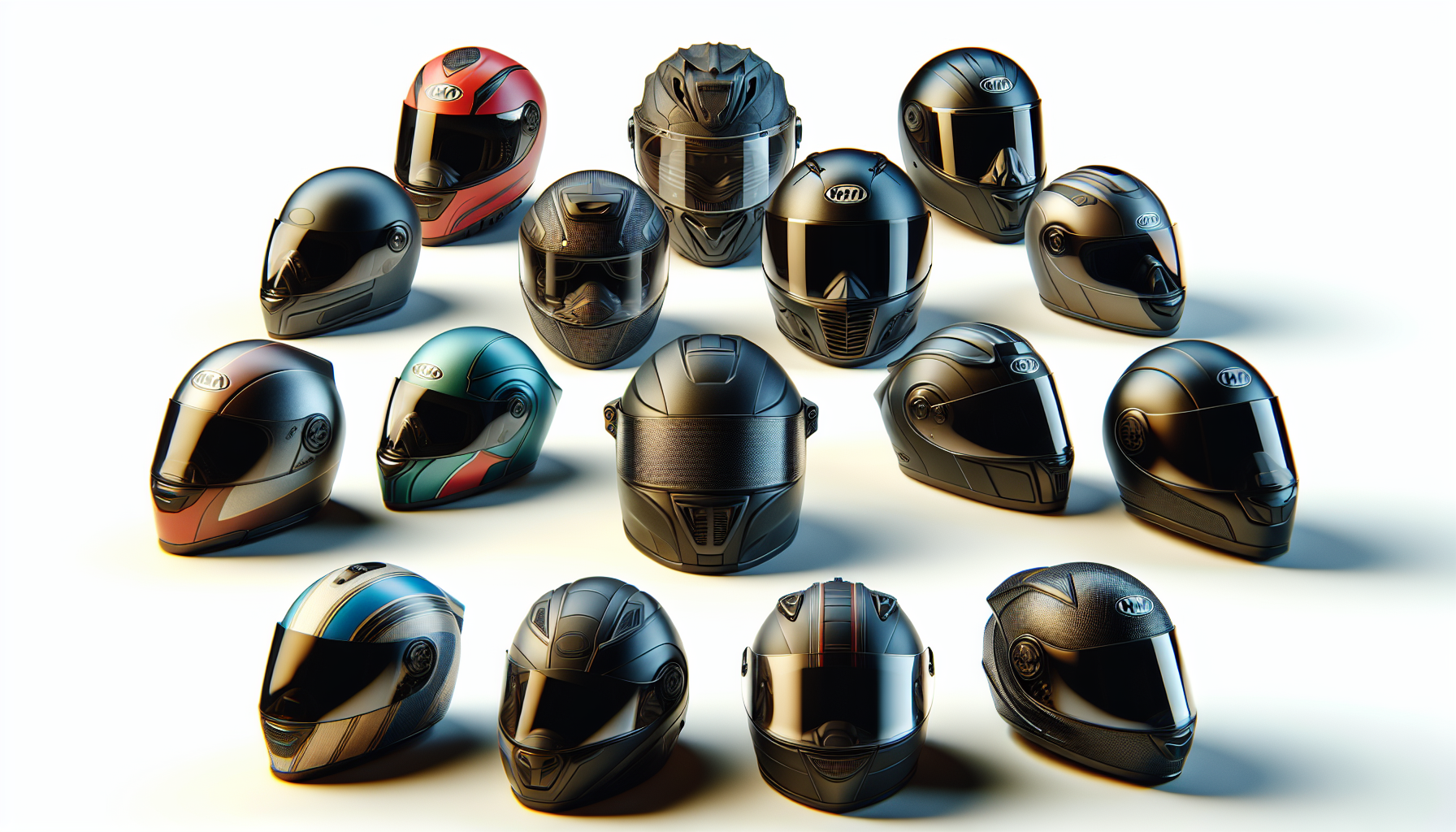
The ten helmets below stand out because each does something exceptionally well in safety, noise control, comfort, or value. There is no single winner for every rider, but there are clear leaders by use case. Prices vary by graphics and market, so treat them as category indicators rather than exact figures.
| Helmet | Best for | Key strengths | Main tradeoff |
|---|---|---|---|
| Shoei RF-1400 | All-around street riding | Excellent aerodynamics, strong sealing, refined fit and finish | No internal sun visor |
| Arai Contour-X | Premium road comfort | Superb shell shape options, top-tier liner quality, stable airflow | Higher price, louder than the quietest touring lids |
| Schuberth C5 | Touring and modular convenience | Quiet for a flip-up, integrated comms pathway, strong weather sealing | Heavier than a comparable full-face |
| AGV K6 S | Lightweight sport-touring | Low weight, broad field of view, versatile road manners | Can transmit more wind noise on some bikes |
| HJC RPHA 1N | Track and aggressive sport riding | FIM homologation, race ventilation, excellent high-speed stability | Less convenient for daily commuting |
| Shoei Neotec 3 | Premium commuting and touring | Modular practicality, polished visor system, balanced comfort | Expensive, not as light as sport-focused helmets |
| Bell Race Star Flex DLX | Sport riders wanting advanced impact management | Flexible liner concept, Panovision viewport, race-ready fit | Noise and ventilation can feel aggressive on long highway slogs |
| Shark Spartan RS | Value-conscious performance | ECE 22.06 certification, good aerodynamics, solid pricing | Interior refinement trails the class leaders |
| Nolan N100-6 | Practical modular value | User-friendly mechanism, eyewear compatibility, touring features | Bulkier shell profile |
| LS2 Vector II | Budget street use | Strong feature set for the money, Pinlock-ready shield, approachable fit | More road noise and less premium trim |
The Shoei RF-1400 remains a benchmark because it balances nearly everything. It is aerodynamic without being twitchy, quiet without feeling overly sealed, and comfortable across a wide range of street bikes. The Arai Contour-X is the helmet I recommend to riders who struggle with generic interior shapes and want premium long-distance comfort; Arai’s shell philosophy and replaceable pad tuning still make a real difference in fit. If you need a modular, Schuberth’s C5 and Shoei’s Neotec 3 lead the class, with the C5 prioritizing quietness and the Neotec 3 delivering an especially polished day-to-day user experience.
For riders who care about low weight, the AGV K6 S is compelling because it feels less fatiguing during shoulder checks and urban stop-start use. Track riders or owners of superbikes should look hard at the HJC RPHA 1N and Bell Race Star Flex DLX. Both are designed around high-speed airflow and race posture, not coffee-stop convenience. The Shark Spartan RS is a strong example of how the latest safety standards are filtering into mid-priced gear, while Nolan and LS2 continue to matter because protective gear should not become financially inaccessible. A properly fitted mid-range helmet certified to a modern standard is better than a premium helmet that does not match your head.
Safety standards, impact protection, and what the labels really mean
The best quick answer on safety is this: modern certification matters, but fit matters just as much. ECE 22.06 is currently the most useful street benchmark because it evaluates more realistic impact scenarios than older protocols and includes rotational considerations. DOT is required in the U.S., but by itself it is less discriminating for buyers comparing premium helmets. Snell M2025, where available, can indicate a high-performance test philosophy, though some riders prefer helmets tuned to broader lower-energy impact management. FIM certification is the gold standard for professional racing use, but many excellent street helmets will never carry it because they target touring features rather than circuit regulations.
Impact protection is not one thing. A helmet manages energy through shell deformation, liner crushing, friction reduction, and controlled retention. Systems such as Mips, Bell Flex, or brand-specific slip-plane designs aim to reduce rotational acceleration, which is relevant in oblique impacts. Emergency cheek pad removal helps first responders remove the helmet with less neck movement. Double D-ring closures remain the racing standard because of simplicity and security, while high-quality micrometric systems are perfectly practical for many street riders. Replace your helmet after a significant impact, and be cautious about buying used unless you know its history completely. EPS can be compromised without obvious external damage.
Age and care also affect protection. Most manufacturers recommend replacement around five years from first use, though storage conditions matter. Sweat, UV exposure, hair products, and repeated compression gradually degrade interiors and can alter fit. Clean removable liners gently, avoid harsh solvents on shells or shields, and inspect visor pivots, chin strap stitching, and vent hardware. Riders often ask whether expensive helmets are always safer. My answer is no. They are often lighter, quieter, and more refined, but safety depends on standards, engineering quality, and fit. The safest helmet is one that meets a credible standard and stays correctly positioned on your head in a crash.
Noise, ventilation, and long-ride comfort
Noise fatigue is one of the least appreciated motorcycle safety issues because it builds slowly. Sustained wind noise can increase stress, reduce concentration, and contribute to hearing damage. In practical testing, the quietest motorcycle helmets usually share four traits: a stable shell profile, a tight visor seal, a substantial neck roll, and controlled vent shapes that do not whistle. Schuberth has long focused on aeroacoustics, and Shoei’s upper-tier road helmets remain leaders in this area, but no helmet is silent. Earplugs are non-negotiable. I recommend filtered plugs for commuting and either custom-molded or high-quality foam plugs for sustained highway riding.
Ventilation is a tradeoff. Large intake ports and race-sized exhaust channels move heat effectively, but every opening is a potential path for noise and water ingress. That is why track helmets often feel louder than touring models. Climate and bike type matter as much as brand choice. On a faired sport-tourer, moderate venting plus a Pinlock anti-fog insert usually gives the best all-season result. On a naked bike in summer, stronger chin and crown flow can be worth extra noise. Comfort over distance also depends on weight distribution. A heavier helmet with excellent aerodynamic balance can produce less neck fatigue than a lighter helmet that lifts or oscillates at speed.
Interior quality is where premium helmets justify cost over time. Multi-density cheek pads, moisture-managing fabric, eyeglass channels, and precise crown shaping reduce the small irritations that become major distractions after three hours. Riders with beards should pay attention to chin curtain design and airflow management around the lower opening. Glasses wearers should test insertion with the helmet fully fastened, not just sitting loose on the head. If you ride in rain, prioritize shield detents, glove-friendly visor tabs, and seals that prevent misting around the top edge. These details sound minor until you ride home at night in bad weather and realize they are what separate pleasant gear from frustrating gear.
Building a complete protective gear setup around your helmet
A motorcycle helmet is the anchor of protective gear, but it works best as part of a system. Start with ear protection because even the best motorcycle helmets cannot eliminate damaging wind noise. Add a CE-rated jacket and pants with armor that stays aligned when you move, proper motorcycle gloves that protect the scaphoid and knuckles, and over-the-ankle boots with crush resistance and torsional support. For riders covering serious miles or riding in dense traffic, airbag vests from Alpinestars, Dainese, Helite, or Klim have become one of the biggest real-world safety upgrades available outside the helmet itself.
This hub article is designed to connect the full Protective Gear topic. Your next reads should include how to measure head shape and helmet fit, whether modular helmets are as safe as full-face models, the best motorcycle earplugs for wind noise, how to choose armored jackets for hot weather, and when to replace gloves or boots after a crash. Protective gear buying works best when every item supports the others. A quiet helmet helps you hear traffic cues. A well-cut jacket collar reduces turbulence into the helmet. Slim glove cuffs prevent pressure under the chin strap. Good gear feels integrated, not pieced together.
The key takeaway is straightforward: the top 10 best motorcycle helmets of 2026 prove that safety, noise control, and comfort can coexist, but only if you buy for your actual use case and insist on proper fit. Start with a modern safety standard, choose the helmet that matches your head shape, wear earplugs, and build the rest of your protective gear around that foundation. If you are shopping now, shortlist three models from this guide, try each one on for at least fifteen minutes, and use this Garage & Gear hub to plan the rest of your riding protection with the same discipline.
Frequently Asked Questions
What should I look for in the best motorcycle helmet in 2026?
The best motorcycle helmet in 2026 should balance safety, noise control, comfort, ventilation, and real-world usability rather than focusing on one headline feature alone. Safety still comes first, so start by checking for current certification standards such as DOT and, ideally, ECE 22.06, which is one of the most demanding modern testing protocols for impact performance. Beyond the sticker, look at shell construction, EPS liner design, and features meant to manage both direct and rotational impacts. Many premium helmets now use advanced composites, multi-density liners, and more carefully tuned shell shapes to improve protection without adding unnecessary weight.
After safety, pay close attention to fit. A helmet can have excellent lab performance and still be the wrong choice if it creates pressure points, lifts at speed, or allows too much movement around the cheeks and crown. Interior shape matters just as much as size, and different brands tend to suit different head profiles. Noise is another major factor for everyday riding. A well-designed neck roll, tighter visor seal, stable shell, and clean aerodynamics can make a dramatic difference in fatigue on long highway rides. Ventilation should also match your riding conditions. A sport rider in hot weather may prioritize airflow, while a touring rider may accept slightly less ventilation in exchange for lower noise and better weather sealing.
Finally, think about practical details that affect daily use: visor clarity, Pinlock readiness, sun visor performance, intercom speaker pockets, easy strap operation with gloves, washable liners, and overall build quality. The “best” helmet is the one that fits your riding style, climate, bike type, and head shape while delivering confidence every time you fasten it.
How important is helmet noise, and can a quieter helmet really reduce rider fatigue?
Helmet noise is extremely important, and yes, a quieter helmet can absolutely reduce rider fatigue over the course of a day. Wind noise is one of the biggest sources of exhaustion on a motorcycle, especially during longer freeway rides. Even if a helmet feels comfortable in the showroom, excessive turbulence and low-frequency booming at speed can wear you down mentally and physically. Riders often underestimate how much constant wind noise affects concentration, hearing comfort, and the ability to enjoy a ride.
A quiet helmet typically gets there through aerodynamic stability, a tight visor seal, controlled vent design, a well-shaped shell, and a snug neck roll that limits air intrusion from below. The motorcycle itself also plays a big role. A helmet that is whisper-quiet behind a large touring windscreen may become much louder on a naked bike with clean airflow hitting the helmet directly. Rider height, seating position, and even shoulder width can change how turbulent the air feels around the helmet. That is why no single noise ranking tells the whole story.
It is also important to be realistic: no motorcycle helmet is truly silent. The goal is reduced turbulence, less whistling, and more stable airflow, not total quiet. Even with a premium touring helmet, wearing quality earplugs remains one of the smartest choices a rider can make. Earplugs protect hearing, cut fatigue, and often improve the clarity of music and intercom audio by reducing harsh wind frequencies. In practical terms, a quieter helmet paired with proper hearing protection can make long rides significantly more comfortable and safer because you arrive less drained and more alert.
Are more expensive motorcycle helmets actually safer, or just more comfortable and refined?
A higher price does not automatically guarantee that a motorcycle helmet is safer, but expensive helmets often deliver a broader range of benefits that can improve the overall riding experience. Every helmet sold for road use should meet at least the required legal safety standard in its market, and many mid-priced helmets now offer excellent protective performance. That means a reasonably priced helmet can still be a very safe choice if it fits correctly and carries respected certifications.
Where premium helmets tend to justify their cost is in refinement. You often get lighter shell materials, more advanced aerodynamics, better optical quality in the visor, improved sealing against rain and wind, more effective ventilation, superior liner materials, and better long-distance comfort. Premium brands also tend to spend more on shell shaping, interior ergonomics, and noise management, all of which matter a great deal once you move beyond short rides. These differences may not show up clearly in a quick try-on at a store, but they become obvious after several hours in the saddle.
That said, fit remains more important than price. A $900 helmet that does not match your head shape is a worse choice than a $300 helmet that fits properly and stays stable at speed. For many riders, the sweet spot is in the upper mid-range, where you get modern safety standards, very good comfort, and strong feature sets without paying the premium for the lightest materials or the quietest aero tuning. So the honest answer is that expensive helmets are not necessarily safer by default, but they are often quieter, more comfortable, better finished, and easier to live with day after day.
Which helmet type is best for safety, comfort, and everyday riding: full-face, modular, or open-face?
For the best all-around combination of safety, weather protection, noise control, and stability, a full-face helmet remains the benchmark for most riders. A good full-face design offers continuous coverage around the chin bar, face, and jaw area while usually delivering the best aerodynamics and the lowest wind noise. That makes it an excellent choice for sport riding, commuting, touring, and any rider who spends meaningful time at highway speed. If maximum protection and broad versatility are your priorities, a full-face helmet is still the safest default recommendation.
Modular helmets have improved enormously and are now a serious option for riders who value convenience without giving up too much in performance. They are especially popular with touring and commuting riders because the flip-up front makes fueling, talking, and quick stops much easier. Many 2026 modular helmets are quieter, lighter, and more secure than older designs, and some meet demanding current safety standards in both closed and open configurations where approved. The tradeoff is that modular helmets are usually a bit heavier and sometimes slightly noisier than the best full-face models, though the gap has narrowed considerably.
Open-face helmets offer excellent visibility and an airy feel, which some urban and cruiser riders enjoy, but they provide less facial and chin protection than full-face or modular designs. For that reason, they are harder to recommend as the best all-around option for riders who care most about protection. In real-world buying terms, the right choice depends on your priorities. If you want the strongest blend of safety and quiet, choose full-face. If you ride long distances and value convenience, a high-quality modular can be the smartest everyday helmet. Open-face works best when comfort, style, and low-speed city use matter more than maximum coverage.
How should a motorcycle helmet fit, and when is it time to replace one?
A motorcycle helmet should feel snug all the way around the head without creating sharp pressure points or hot spots. When new, the cheek pads should hold your cheeks firmly enough that speaking feels slightly compressed, and the crown should make even contact around your head. If you grab the chin bar or sides of the helmet and move it, your skin should move with the liner rather than the helmet sliding independently. There should be no painful pressure on the forehead, no obvious looseness at the temples, and no excessive lift when you turn your head at speed. A proper fit often feels a little tighter than first-time buyers expect because liners break in over time.
Helmet shape is critical. Some brands fit long-oval heads better, while others suit intermediate-oval or rounder profiles. A helmet that is technically the right size can still be wrong if the internal shape does not match your head. This is why trying on multiple models is so important. Wear a candidate helmet for at least 15 to 30 minutes if possible. Pressure points often show up only after a bit of time. If you wear glasses, use an intercom, or ride in mixed weather, test those details too. Comfort on a five-minute fitting bench does not always translate to comfort on a six-hour ride.
As for replacement, a helmet should be replaced immediately after a significant impact, even if there is no visible exterior damage, because the energy-absorbing liner may be compromised. It is also smart to replace a helmet when the fit becomes noticeably looser, the liner is degraded, the retention system is worn, the shell or visor mechanism is damaged, or the manufacturer’s recommended service life has been reached. Many riders use five to seven years as a practical guideline depending on use, storage, sweat exposure, and overall condition. If a helmet no longer fits securely, has been dropped hard, or simply shows enough wear that you doubt it, that is your sign to retire it and move on.