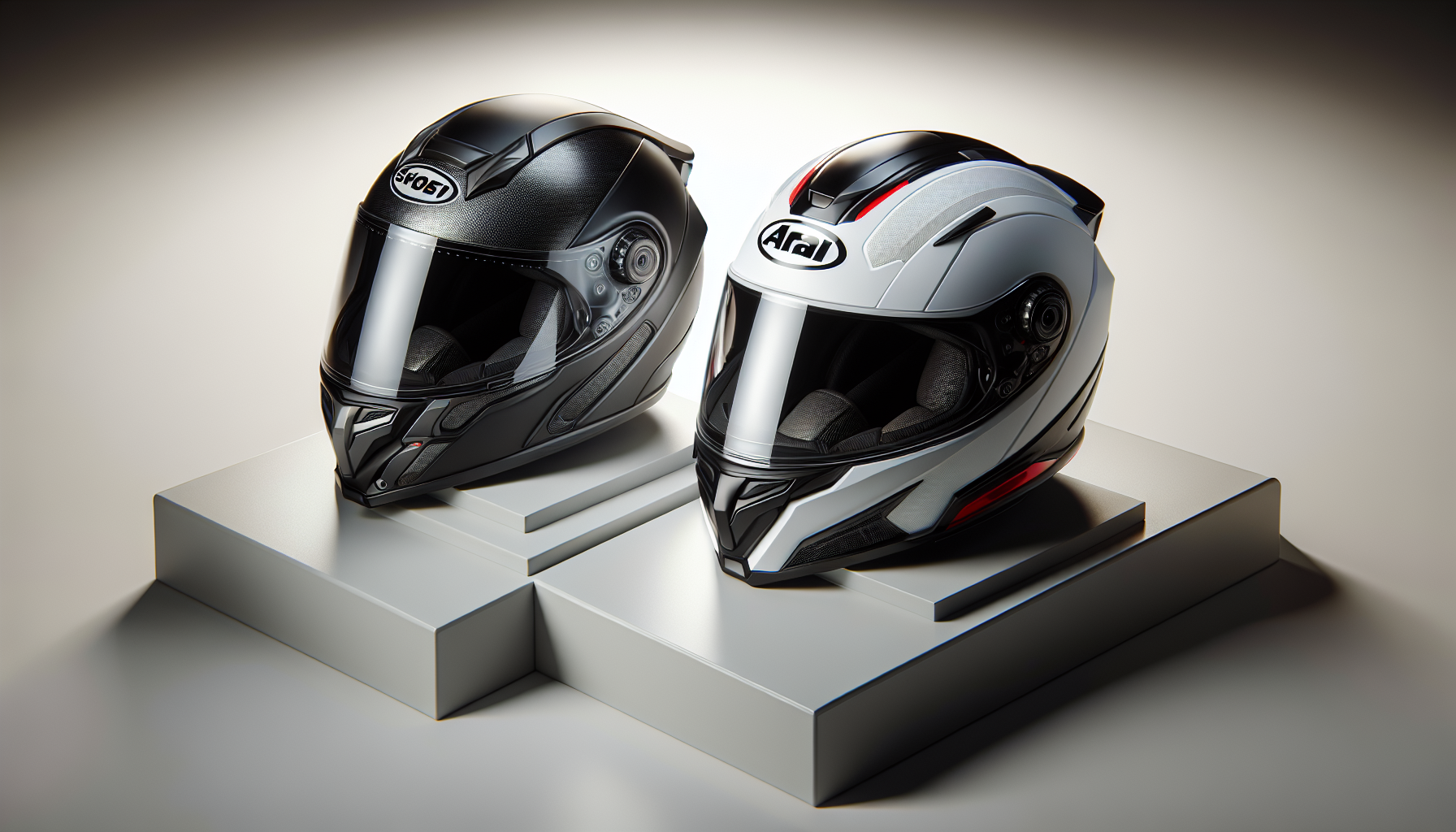
The Shoei NXR2 and Arai Ram-X sit at the top of the 2026 road helmet market because they solve the same problem in different ways: giving street riders premium protection, stable aerodynamics, and day-long comfort without forcing track-focused compromises. In practical terms, a road helmet must manage impact energy, resist penetration, stay secure at speed, limit fatigue from noise and buffeting, and remain comfortable in changing weather. When riders compare Shoei NXR2 vs. Arai Ram-X, they are really comparing two philosophies of protective gear: tuned precision versus hand-finished adaptability.
I have fitted, tested, and recommended helmets for commuters, weekend sport riders, and touring clients long enough to know that the “best” helmet is rarely the one with the loudest marketing. It is the one that matches the rider’s head shape, riding position, daily mileage, visor needs, and tolerance for weight and wind noise. That is why this comparison matters. Protective gear is not an accessory category; it is the foundation of the entire Garage & Gear conversation. Gloves, jackets, back protectors, airbag vests, boots, and armored jeans all matter, but the helmet remains the single most critical purchase because it protects the brain, face, jaw, and sensory focus needed to avoid a crash in the first place.
For 2026 buyers, the key terms are straightforward. Shell construction refers to the outer structure, usually composite fiberglass, organic fiber, or advanced matrix laminates designed to spread and manage impact loads. EPS density means the energy-absorbing liner inside the shell, often tuned in multiple zones. Fit shape describes the internal geometry that determines pressure points and long-term comfort. Homologation means the safety standard a helmet is certified to meet, with ECE 22.06 now setting a more demanding baseline for many road markets. Ventilation, aero stability, field of view, visor sealing, and intercom compatibility are equally important because a safe helmet only works well if you actually wear it correctly on every ride.
This hub article compares the Shoei NXR2 and Arai Ram-X in depth while also framing how to evaluate protective gear as a category. If you are building out a complete rider kit, this is the logical starting point.
Shell design, safety standards, and what really protects you
Both helmets belong to the premium full-face road segment, and both are engineered around modern certification requirements, but they approach impact management differently. Shoei builds the NXR2 with a multi-ply Advanced Integrated Matrix shell, a composite design intended to balance rigidity, controlled flex, and low mass. Arai uses its own laminate-heavy shell philosophy, centered on a very strong outer shell and the company’s long-standing emphasis on a smooth, round exterior profile designed to glance off obstacles rather than catch on them. In workshop terms, Shoei feels highly optimized and industrially precise; Arai feels deeply artisanal, with finishing details that reflect hand assembly and inspection.
For most buyers, the practical takeaway is this: both are premium protective gear choices, and neither should be reduced to a simple “safer” label without context. ECE 22.06 compliance matters because it broadens test conditions beyond the older regime, including more demanding rotational and accessory-related scenarios. However, certification is the floor, not the full story. Real-world protection is influenced by shell shape, EPS tuning, retention system security, and, most of all, fit. A helmet that creates forehead pressure after twenty minutes or lifts at motorway speed encourages misuse. A perfectly certified helmet worn loose, tilted back, or unfastened is a failed piece of protective gear.
Where the two differ most is philosophy. Shoei’s NXR2 feels like a modern road-sport helmet built to satisfy a broad range of riders with minimal drama: excellent sealing, strong optical quality, reliable vent controls, and a compact shell. Arai’s Ram-X feels more bespoke, particularly for riders who value the brand’s shell shape logic, emergency liner serviceability, and traditional premium craftsmanship. Riders moving from midrange helmets often notice that both brands reduce high-frequency vibration and pressure-point fatigue, but they may also discover that one shape simply disappears on the head while the other does not. That fit distinction is more important than brochure language.
Fit, head shape, and long-ride comfort
Helmet fit decides whether premium protective gear remains protective after the first month. The Shoei NXR2 typically suits intermediate oval heads well, with a secure wrap around the crown and cheeks that settles slightly as the pads bed in. The Arai Ram-X also sits in the premium road-sport category, but depending on regional interior options and pad configuration, it often appeals to riders who need more fine-tuning through replaceable cheek pads, crown pads, and peel-away adjustment layers. Arai has long excelled at micro-customization, and that matters more than many first-time buyers realize.
On the road, comfort is not just softness. It is pressure distribution, jaw stability, seal consistency around the visor, and the way the helmet behaves after three hours in mixed wind. I have seen riders reject technically excellent helmets because a hotspot on the forehead became intolerable after a single weekend trip. I have also seen skeptical buyers become loyal to a model after a proper fitting session showed them that a firmer initial fit prevents movement, noise, and distraction later. The right helmet should feel evenly snug, resist rolling off when the chin strap is fastened, and avoid isolated pain points.
If you wear glasses, use in-ear hearing protection, or plan to fit a comms unit, comfort testing becomes even more important. Shoei generally integrates cleanly with communication systems and tends to offer a tidy user experience for riders who commute and tour. Arai often rewards riders willing to spend extra time dialing in interior pad combinations. Neither approach is better in the abstract. Shoei is often easier to live with immediately. Arai often wins over riders who prioritize tailored fit above plug-and-play convenience.
Noise control, aerodynamics, and ventilation on real roads
Road helmets are judged every day by forces no lab can fully reproduce: side gusts, dirty air behind vans, shoulder checks at speed, winter crosswinds, and long motorway stretches where noise becomes cumulative fatigue. In these conditions, the Shoei NXR2 usually impresses with strong aerodynamic neutrality. It remains stable in a tucked sport posture and also behaves predictably on naked bikes where clean airflow is rare. Its sealing quality around the visor and neck roll contributes to the perception of refinement, especially when paired with quality earplugs, which every rider should treat as standard protective gear for hearing preservation.
The Arai Ram-X counters with excellent ventilation character and a shell profile that many riders describe as calm and balanced in moving air. Arai vents often flow plenty of air, but real-world noise levels depend heavily on bike screen height, rider shoulder width, and head position. A helmet that seems quiet on a faired sport-tourer may sound very different on an upright roadster. That is why blanket claims about the “quietest helmet” should always be treated cautiously. In my experience, Shoei often has the edge in overall sealing and out-of-the-box hush, while Arai frequently feels airy, planted, and confidence-inspiring in changing wind.
Ventilation itself is a safety issue, not a luxury feature. Overheating reduces concentration, increases irritation, and can fog judgment during urban riding. Both helmets ventilate well enough for year-round road use, but riders in very hot climates may prefer the Arai’s direct feeling of airflow, while those prioritizing all-weather composure may lean toward the Shoei. If you ride at dawn, through rain, or in traffic-heavy summer conditions, visor anti-fog performance and vent usability with gloved hands should be part of your buying decision.
Visor systems, field of view, and daily usability
Premium road helmets live or die by the details riders touch every day. The Shoei NXR2 features a visor system that feels mechanically precise, with positive detents, a dependable seal, and strong optical clarity. The model’s race-derived DNA shows in how securely the shield closes and how stable it remains at speed. Pinlock readiness and smooth visor actuation matter because fogging and fiddly operation quickly turn an expensive helmet into a frustration. Shoei generally scores highly here, especially for commuters who open and close the visor repeatedly in traffic or changing weather.
Arai’s visor and shield mechanisms often require a bit more familiarization, but they reward careful users with excellent visibility and dependable weather performance. One of Arai’s long-standing strengths is field of view. A wide, natural visual aperture reduces shoulder-check strain and makes urban scanning easier, which is a real safety advantage. Riders who spend time filtering through traffic, reading junctions, or riding technical B-roads often appreciate this more than they expected. Daily usability also includes liner removal, emergency cheek pad release, vent cleaning, and replacement part availability. Here, both brands are strong, though Arai’s parts ecosystem and repair-minded philosophy appeal particularly to riders who keep helmets meticulously maintained.
| Category | Shoei NXR2 | Arai Ram-X |
|---|---|---|
| Fit tendency | Intermediate oval, secure sport-road feel | Highly tunable interior, shape-sensitive comfort |
| Noise and sealing | Usually quieter, excellent visor seal | Depends more on bike airflow, airy character |
| Ventilation | Balanced, controlled, all-weather friendly | Strong perceived airflow in warm conditions |
| Usability | Easy visor action, comms-friendly setup | Superb visibility, extensive fit customization |
| Best for | Riders wanting refined do-it-all road performance | Riders prioritizing fit tailoring and Arai shell philosophy |
How these helmets fit into a complete protective gear strategy
A protective gear hub should not treat the helmet as an isolated purchase. The Shoei NXR2 and Arai Ram-X are best understood as anchor products within a broader system. A premium helmet pairs most effectively with CE-rated gloves that preserve dexterity, a jacket and trousers with verified abrasion resistance, boots with ankle bracing, and ideally a back protector or airbag solution. In crash analysis, injuries rarely occur in a single neat zone. Riders who spend heavily on a helmet but ignore hand, foot, or torso protection are still underprepared.
There is also a budgeting lesson here. If your total gear budget is fixed, buying one flagship helmet and compromising severely on the rest of your kit may not be optimal. A sensible setup might combine one of these helmets with mid-to-premium gloves, a textile or leather jacket carrying current impact armor, riding jeans or laminated trousers suited to your climate, and boots that can handle crush and twist loads. For urban riders, reflective detailing and wet-weather practicality may matter more than track-style sliders. For weekend canyon or A-road riders, secure gauntlet gloves and a snug, stable helmet matter more than gadget-heavy features.
This is why “Protective Gear” works as a hub topic under Garage & Gear. Once a rider understands how to judge a helmet, they can apply the same logic elsewhere: certified performance first, fit second, environment-specific function third, styling last. That decision order consistently produces better outcomes.
Which helmet should you buy in 2026?
Choose the Shoei NXR2 if you want a highly refined premium road helmet with excellent all-round manners, especially if you value low fatigue, clean visor operation, strong sealing, and easy day-to-day ownership. It is one of the easiest top-tier helmets to recommend because it tends to satisfy a wide span of riders, from commuters on middleweight nakeds to sport-touring owners covering serious mileage. If you are building a versatile protective gear setup and want minimal surprises, the NXR2 is a safe choice.
Choose the Arai Ram-X if your priority is achieving a near-custom fit, maximizing field of view, and buying into Arai’s distinctive shell and energy-management philosophy. Riders loyal to Arai are rarely paying only for a badge. They are usually responding to a fit profile and road feel they cannot replicate elsewhere. If the Ram-X matches your head correctly, it can feel exceptional for long days and highly reassuring in mixed conditions.
The most honest answer is that fit should make the final decision. Try both for at least fifteen to twenty minutes each, with the strap fastened, while simulating real use with glasses or earplugs if relevant. Check forehead pressure, cheek compression, crown stability, and whether the helmet rotates when you move your jaw. If one disappears and the other nags, your answer is already clear. For 2026, both helmets deserve their place among the best road helmets available. Use this article as your starting point, then build the rest of your protective gear kit with the same discipline: buy certified, buy for fit, and buy for the riding you actually do.
Frequently Asked Questions
1. What is the main difference between the Shoei NXR2 and the Arai Ram-X for everyday road riding?
The biggest difference is in how each helmet approaches premium road performance. The Shoei NXR2 is often seen as the more streamlined, sport-road option. It tends to emphasize a compact shell shape, clean aerodynamics, controlled ventilation, and a very refined feel at speed. That makes it especially appealing to riders who want a helmet that feels light, stable, and precise on everything from fast A-roads to motorway commuting and weekend back-road riding.
The Arai Ram-X, by contrast, typically reflects Arai’s long-standing philosophy of prioritizing shell design, impact management, and an exceptionally plush, carefully shaped interior. It still delivers the high-end road features riders expect in 2026, but the feel can be slightly different: many riders describe Arai helmets as having a more enveloping fit, a very premium liner finish, and a shell design that focuses on glancing-off energy management as much as outright comfort and stability.
In real-world use, neither helmet is “better” in a universal sense. The NXR2 may appeal more to riders who like a sharper, more athletic road helmet with excellent aerodynamic discipline and a race-bred edge that still works beautifully on the street. The Ram-X may suit riders who prioritize all-day comfort, a distinctive fit shape, and Arai’s reputation for meticulous hand-finished build quality and shell philosophy. For everyday road riding, your decision will likely come down to fit, noise tolerance, riding posture, and whether you prefer Shoei’s more modern-sport feel or Arai’s more traditional premium road comfort approach.
2. Which helmet offers better safety and protection: the Shoei NXR2 or the Arai Ram-X?
Both are top-tier helmets, so the honest answer is that both offer excellent protection when they fit correctly and are worn properly. At this level, you are not choosing between “safe” and “unsafe.” You are comparing two premium interpretations of road-helmet safety. Both models are designed to meet demanding certification standards, manage impact energy effectively, resist penetration, and stay secure under real riding conditions.
Shoei’s approach with the NXR2 is typically associated with advanced shell construction, carefully tuned EPS liner density, and a design intended to balance impact absorption, structural strength, and a low-drag, stable road profile. Shoei is also known for tight manufacturing consistency, strong visor sealing, and dependable retention system quality, all of which matter because safety is not just about crash energy; it is also about the helmet remaining secure, distraction-free, and confidence-inspiring on the road.
Arai, on the other hand, has built its reputation around shell shape and the idea of maximizing the helmet’s ability to glance off obstacles and spread impact forces efficiently. That philosophy influences everything from shell curvature to external hardware design. The Ram-X is therefore likely to appeal to riders who value Arai’s long-established engineering principles and the brand’s very deliberate focus on shell integrity and impact behavior.
For most riders, the more important factor than brand-versus-brand safety theory is fit. A premium helmet that matches your head shape correctly will stay stable, keep the EPS in the right position, reduce fatigue, and deliver its protective performance more effectively. If the NXR2 fits your head shape better than the Ram-X, then it is the better safety choice for you. The same is true in reverse. A proper fit, correct fastening, and timely replacement after damage or age are what turn a premium helmet into a truly protective one.
3. Is the Shoei NXR2 or the Arai Ram-X quieter and more comfortable for long rides?
Noise and comfort are two of the most important factors for road riders because they directly affect fatigue. A helmet can have excellent safety credentials, but if it creates wind roar, pressure points, or turbulence after an hour on the motorway, it becomes much less enjoyable to live with. In this comparison, the Shoei NXR2 is often favored by riders looking for a controlled, polished aerodynamic experience. Its shell profile, visor sealing, and neck-roll design generally contribute to good high-speed composure, and that often translates into lower perceived noise in clean airflow.
That said, “quieter” is never a fixed number. Helmet noise depends heavily on bike type, windscreen height, riding posture, shoulder width, and even jacket collar design. On a naked bike, one rider may find the NXR2 calmer in turbulent air, while another on a sports-tourer may prefer how the Arai Ram-X manages airflow around the shell. The Ram-X may feel slightly different in turbulence, but Arai helmets are often praised for long-distance wearability, premium liner materials, and a stable, secure fit that reduces pressure hot spots over a full day in the saddle.
Comfort is also closely linked to internal shape. Shoei and Arai do not fit identically, and this is where long-ride satisfaction is decided. If the Shoei shape matches your head, the NXR2 can feel almost effortless for hours, with balanced pressure distribution and a very planted feel. If the Arai shape suits you better, the Ram-X may feel more naturally supportive and less tiring over an extended tour. In other words, the quieter helmet on paper is not always the more comfortable helmet on your head.
For serious distance riding, the ideal approach is to try both helmets on for at least 15 to 20 minutes, simulate your riding posture, and pay attention to forehead pressure, cheek compression, ear clearance, and how the crown feels over time. Also remember that even the best road helmet should be paired with quality earplugs, because reducing long-term wind-noise exposure is essential for hearing protection and fatigue reduction.
4. How do the Shoei NXR2 and Arai Ram-X compare for ventilation, weather protection, and year-round use?
Both helmets are designed for serious road use, so both aim to balance airflow with weather control rather than simply maximizing raw ventilation. That distinction matters. A great road helmet must be comfortable in warm weather, but it also needs to remain usable in cold mornings, wet commutes, and long mixed-condition rides. The Shoei NXR2 generally stands out for delivering a very well-managed ventilation package: intake and exhaust ports are typically positioned to move air efficiently without creating excessive drag or instability, and Shoei’s visor and seal quality are usually strong points in bad weather.
The Arai Ram-X is also built with premium ventilation in mind, but its airflow character may feel a little different depending on the shell and vent design. Arai often focuses on creating usable, controlled airflow that works in real road conditions, not just in ideal test scenarios. Riders who spend long days in mixed climates may appreciate how a helmet like the Ram-X combines a premium interior, effective vent tuning, and strong all-day wearability. In practical terms, both helmets should perform at a very high level for year-round road riding, but they may deliver airflow and weather sealing with slightly different priorities.
For cooler or wet-weather use, visor sealing, anti-fog capability, and ease of vent operation with gloves matter just as much as outright airflow. Shoei often earns praise for practical everyday details such as visor mechanism smoothness and reliable closure feel. Arai’s premium finish and liner quality can also make the helmet feel exceptionally reassuring in variable weather, especially when you are dealing with long hours on the road rather than short, fair-weather blasts.
If you ride through all four seasons, the better helmet is the one that gives you enough summer airflow while still feeling sealed, stable, and easy to manage in rain and cold. For many riders, the NXR2 may edge ahead in terms of that sleek, efficient all-weather road balance. For others, the Ram-X may win because its interior comfort and fit quality make changing weather less tiring to endure. As with many premium helmet comparisons, the real answer depends on your bike, your climate, and how your head shape interacts with each shell and liner design.
5. Which helmet is the better value in 2026: Shoei NXR2 or Arai Ram-X?
Value at this level is about much more than purchase price. The Shoei NXR2 and Arai Ram-X are both premium 2026 road helmets, so buyers are paying for advanced shell construction, sophisticated impact management, quality liners, strong ventilation design, premium visor systems, and brand-level engineering credibility. The better value is therefore the helmet that delivers the best combination of fit, comfort, features, and long-term satisfaction for your type of riding.
The Shoei NXR2 may represent stronger value for riders who want a highly refined, road-focused helmet with a sporty feel, excellent aerodynamic stability, and a polished everyday user experience. If it fits you well, it can feel like a helmet that justifies its price every time you ride, especially if your priorities include low fatigue, clean airflow, and versatile use across commuting, weekend rides, and fast road work.
The Arai Ram-X may be the better value for riders who place enormous weight on Arai’s shell philosophy, fit character, hand-finished premium feel, and long-distance comfort. Some riders are willing to pay more for a helmet that simply feels “right” from the first minute and remains