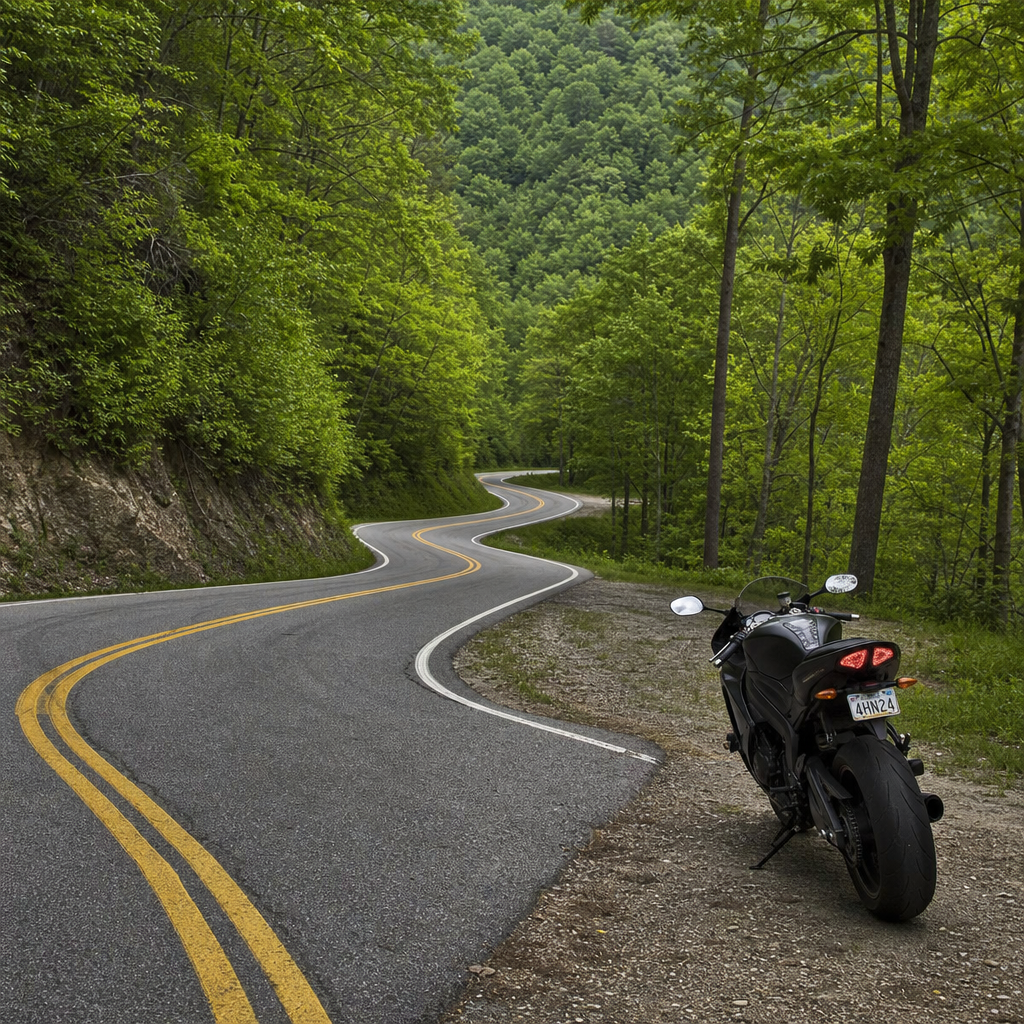
The Tail of the Dragon is America’s most famous short motorcycle and sports car route because it compresses 318 curves into 11 relentless miles on US 129 at the Tennessee–North Carolina line. For riders planning 2026 trips, that reputation is deserved, but the road’s real value is not just the curve count. It is a complete route-guide experience: precision pavement, dense Appalachian forest, organized photo services, nearby scenic loops, and a riding culture built around skill rather than speed. I have ridden and mapped technical mountain roads across the Southeast, and the Dragon stands apart because every mile demands attention, body position, throttle discipline, and line selection. A route guide to the Tail of the Dragon therefore needs to answer practical questions clearly: where it is, when to go, what to ride, how to stay safe, what else to do nearby, and why 2026 is an ideal time to visit. This hub does that while pointing riders toward the larger “The Open Road” planning mindset: choose the right season, build your base camp, connect signature roads, and treat the ride as a regional tour, not a single pass. If you want one destination that blends challenge, scenery, community, and repeat value, the Tail of the Dragon deserves a top spot on your 2026 route list.
What the Tail of the Dragon actually is
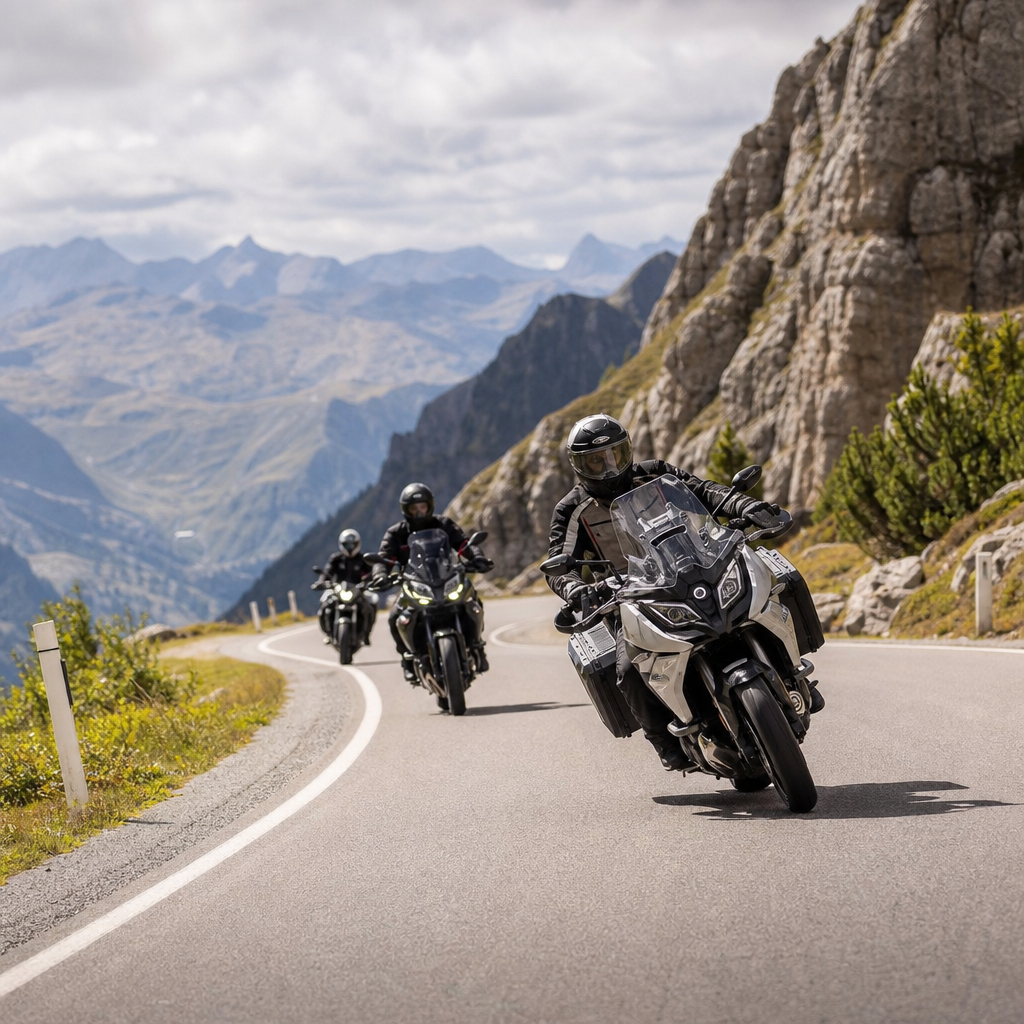
The Tail of the Dragon refers specifically to the 11-mile section of US 129 between Deals Gap, North Carolina, and Tabcat Bridge near Chilhowee Lake in Tennessee. The headline number, 318 curves, is not marketing fluff; it reflects the road’s tightly packed sequence of switchbacks, decreasing-radius turns, quick transitions, and elevation changes. Unlike a long parkway where riders settle into a rhythm, the Dragon rarely gives you a mental break. That concentration is why experienced riders respect it and why beginners sometimes misunderstand it. This is not a sightseeing cruise first and a technical road second. It is a technical road first, with scenery around it.
For route-guide purposes, the Dragon sits inside a broader network of premier roads. The Cherohala Skyway, Foothills Parkway, Moonshiner 28, the Blue Ridge Parkway, and Great Smoky Mountains National Park roads are all within reach. In practice, most successful trips use the Dragon as the anchor ride and then add these surrounding routes to create a two-day, three-day, or weeklong loop. That hub-and-spoke planning approach matters because the Dragon itself is short. Even with photo stops and regrouping, one pass is quick. The best trips turn that short stretch into the centerpiece of a deeper Appalachian itinerary.
Why riders keep coming back in 2026
The most direct answer is simple: no other US road offers this density of corners with the same level of recognition, support infrastructure, and ride culture. Riders return because the route rewards improvement. On your first run, you focus on survival basics: looking through turns, keeping smooth inputs, and staying in your lane. On later runs, you start refining braking markers, entry speed, body placement, and vision habits. The road becomes a benchmark for your riding discipline. That repeatability is rare.
For 2026 specifically, the Dragon remains attractive because the surrounding region continues to support motorcycle tourism strongly. Riders can base themselves near Robbinsville, Deals Gap, Maryville, or Townsend and access multiple signature roads without constant hotel changes. Digital trip planning is also easier now. Services like Google Maps, Rever, Butler Maps, OnX Offroad for regional navigation context, and state transportation alerts make it easier to monitor closures, weather, and traffic patterns before committing to a route. Better planning does not make the road easier, but it makes the trip more efficient and safer.
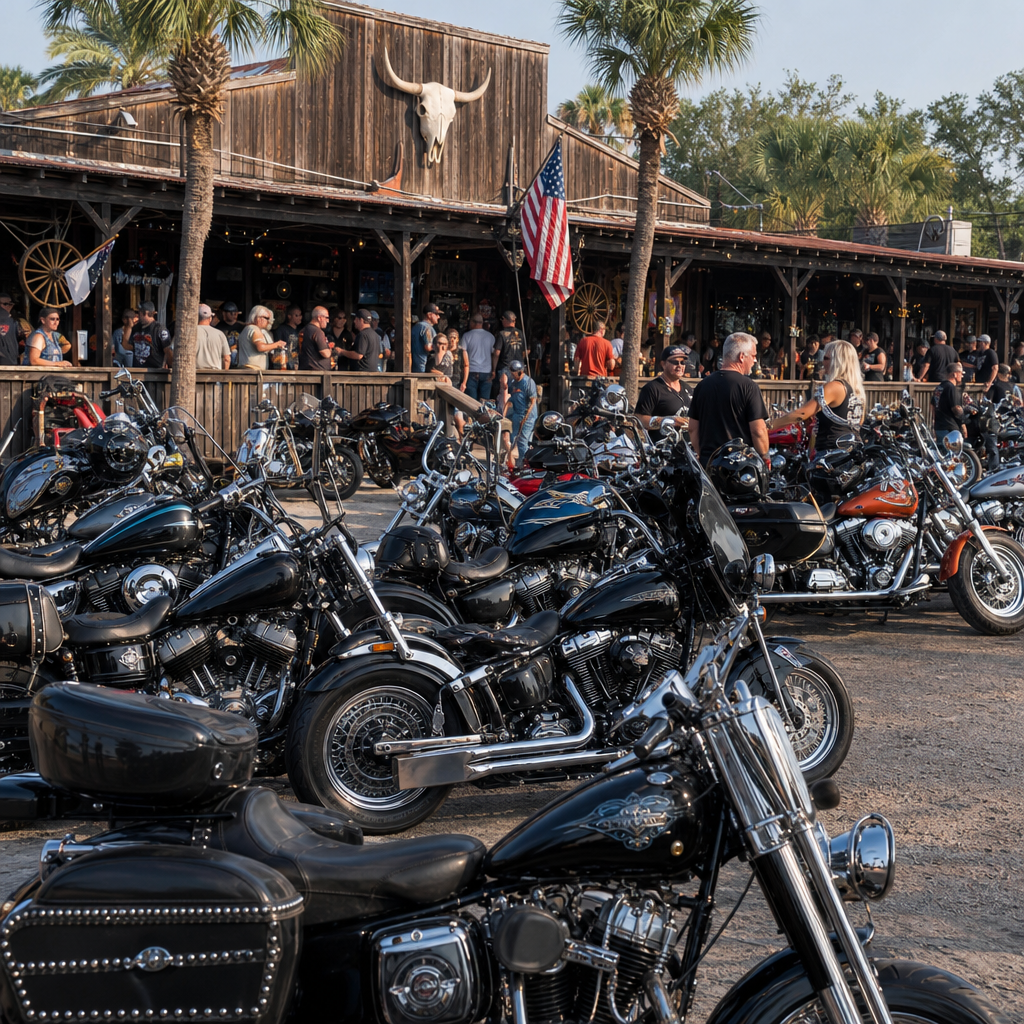
Another reason to visit in 2026 is that riders increasingly want destination roads with built-in community. The Dragon delivers that through overlook pull-offs, resort lodging, photo vendors such as Killboy and 129Slayer, and the simple energy of meeting other riders at the crossroads. You are not riding in isolation. You are participating in a known motorcycling ritual, and that shared experience adds value beyond the asphalt itself.
When to ride and what conditions to expect
The best time to ride the Tail of the Dragon is typically weekday mornings from late spring through early fall, with important caveats. Spring brings cooler temperatures, fresh greenery, and lighter traffic outside holiday windows, but rain, fog, pollen, and storm debris are common. Summer gives longer days and dependable services, yet it also attracts vacation traffic, sport riders, cruisers, photographers, and law enforcement attention. Fall offers excellent temperatures and foliage, but leaf season can be crowded and fallen leaves can reduce traction in shaded corners. Winter is the least predictable: ice, salt, and temporary closures can turn a technical road into a bad decision quickly.
My strongest advice is to prioritize timing over bravado. Ride early, avoid weekends if possible, and check the National Weather Service forecast for Deals Gap, Robbinsville, and Maryville, not just one town. Mountain microclimates matter. A route can be dry on one side and damp on the other. Also check Tennessee and North Carolina transportation updates for maintenance activity or incident reports. The Dragon is famous enough that congestion itself becomes a hazard; if traffic is stacked with cruisers, rental slingshots, photographers’ stop-and-go clusters, and impatient sport riders, the smart move may be to pivot to the Cherohala Skyway and come back later.
How to ride the Dragon safely and enjoyably
The safest way to ride the Tail of the Dragon is also the fastest way to build confidence: stay fully within your lane, ride below your sightline, and ignore anyone else’s pace. Most crashes here come from classic errors, not mystery hazards. Riders target-fixate, enter too hot, cross the double yellow, or panic-brake while leaned over. Cars and trucks make parallel mistakes, especially with overwide vehicles cutting corners. The cure is disciplined technique. Set entry speed before the turn, keep your eyes up, delay apexes on blind corners, and roll on smoothly once you can see your exit. If that sounds basic, good. Basic technique prevents Dragon headlines.
Gear matters too. A full-face helmet meeting current DOT and ideally ECE standards, abrasion-resistant jacket and pants, gloves, and over-the-ankle boots should be considered minimum equipment. Tire condition is critical. Squared-off touring tires, old rubber, or incorrect pressures make the road much less forgiving. Brakes should be fresh, suspension set for your load, and mirrors adjusted before your first pass so you are not fidgeting mid-run.
| Ride factor | Best practice | Why it matters on the Dragon |
|---|---|---|
| Timing | Weekday morning start | Less traffic, cooler pavement, fewer distractions |
| Lane discipline | Never cross centerline | Oncoming vehicles often appear suddenly in blind turns |
| Speed management | Slow entry, smooth exit | Decreasing-radius corners punish hot entries |
| Bike setup | Check tires, brakes, suspension | Mechanical weaknesses show up quickly in repeated turns |
| Mindset | Ride your own ride | Peer pressure causes many avoidable mistakes |
If you are new to technical mountain roads, consider warming up elsewhere first. The Foothills Parkway offers scenic sweepers with less intensity. The Cherohala Skyway gives you elevation, scenery, and rhythm without the Dragon’s nonstop corner density. Building up to the Dragon is not a sign of weakness; it is how skilled riders stay around long enough to enjoy it for decades.
Best bikes, vehicles, and rider profiles for this route
Almost any street-legal motorcycle can ride the Dragon, but not every machine suits it equally well. Middleweight sportbikes, naked bikes, sport-tourers, and well-sorted standard motorcycles usually feel ideal because they combine flickability, braking performance, and manageable power. Large touring bikes can handle the route, and many do, but they demand sharper low-speed technique and stronger visual discipline in tight sections. Cruisers with limited cornering clearance can still enjoy the ride if the pace is modest and the rider avoids trying to match sportbike lines. Adventure bikes are surprisingly competent when equipped with road-focused tires and firm suspension settings. Extremely wide vehicles, trailers, and inexperienced drivers in oversized machines are poor matches.
Rider profile matters more than platform. A calm intermediate rider on a modest SV650, MT-07, or BMW F 900 R will usually have a better, safer day than an ego-driven rider on a literbike. The Dragon rewards restraint, not horsepower. For pillion travel, communication and smoothness are essential. Passengers should know to stay aligned with the rider and avoid sudden shifts in body position. If either rider or passenger is anxious, choose a gentler route first and return later.
Where to stay, stop, and build a full route-guide itinerary
Deals Gap Motorcycle Resort is the iconic base because it places you directly at the road, with quick access to food, fuel planning, souvenirs, and rider conversation. Robbinsville is often the smarter logistical choice for longer stays because it connects easily to the Cherohala Skyway, Moonshiner 28, Joyce Kilmer area roads, and regional lodging. Maryville and Townsend on the Tennessee side work well for riders who also want the Foothills Parkway, Cades Cove access, and easier urban services. The right base depends on your trip style: pure Dragon immersion, broader route sampling, or mixed riding and tourism.
A practical three-day plan looks like this. Day one: arrive, check bike setup, and do one conservative Dragon pass in late afternoon only if conditions are clear. Day two: ride the Dragon early, then connect to the Cherohala Skyway for a contrasting high-elevation sweep. Day three: choose Foothills Parkway and Townsend for scenery, or Moonshiner 28 for another technical challenge. That itinerary turns one famous road into a proper route-guide weekend.
This hub also points naturally to supporting articles under “The Open Road”: a dedicated Tail of the Dragon safety guide, a Cherohala Skyway route guide, a Robbinsville basecamp itinerary, a motorcycle packing checklist for Appalachian weather, and a comparison of the Southeast’s best technical riding roads. Linking those resources around this page helps riders move from inspiration to concrete planning.
Common mistakes, enforcement realities, and final planning tips
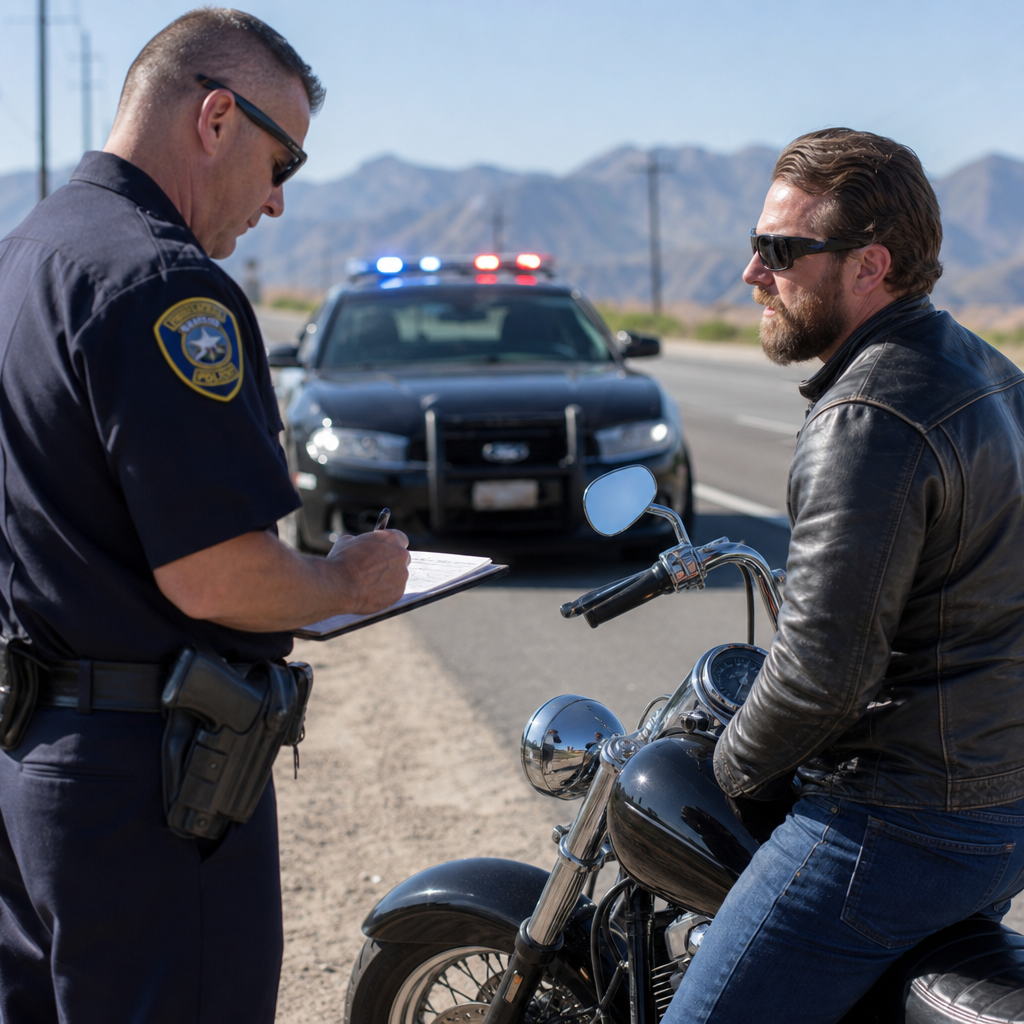
The biggest planning mistake is treating the Dragon like a stunt venue. It is a public highway with active enforcement, commercial traffic, changing road conditions, and real injury risk. Tennessee and North Carolina authorities monitor the area, especially during peak periods. Noise complaints, reckless riding, and centerline violations attract attention quickly. Another common mistake is underestimating fatigue. Riders will make several passes because the road is short, but repeated high-concentration runs can dull judgment. Take breaks, hydrate, and stop while you still feel sharp.
Photography is part of the culture, but do not ride for the camera. Services like Killboy and 129Slayer capture action shots at known corners, and buying a few images is a fun souvenir. Problems start when riders fixate on performing for the lens. Chasing a dramatic lean angle often leads to poor body position, rushed entries, or centerline drift. Let the photos reflect good technique rather than forcing a moment.
Fuel and connectivity also deserve planning. Cell coverage can be inconsistent, and some riders rely too heavily on streaming navigation. Download offline maps, tell someone your route, and top off before exploring the wider area. In mountain riding, a small logistics oversight can become a large inconvenience.
The Tail of the Dragon earns its legend because it delivers a concentrated, technical, and highly repeatable riding experience unlike anything else in the United States. Its 318 curves are the headline, but the deeper reason to ride it in 2026 is the complete route-guide value around those curves: strong basecamp options, nearby companion roads, established rider services, and a culture that rewards skillful preparation. Approach it with respect, and it becomes far more than a bucket-list photo stop. It becomes a benchmark ride that sharpens technique and opens the door to a wider Appalachian tour.
If you are building your next “The Open Road” trip, use this page as your route-guide hub. Start with the Dragon, add the Cherohala Skyway and Foothills Parkway, choose a sensible base, and plan around weather and weekday timing. Then ride the road cleanly, safely, and at your own pace. The curves will still be there, and ridden the right way, every one of them is worth the trip.
Frequently Asked Questions
Why is the Tail of the Dragon so famous if it is only 11 miles long?
The Tail of the Dragon is famous because it delivers a level of concentration, rhythm, and technical riding intensity that most roads cannot match, regardless of length. In just 11 miles on US 129, riders and drivers encounter 318 curves packed tightly through the mountains at the Tennessee–North Carolina line. That density creates a route that feels purpose-built for precision. There are very few long straights, very little downtime, and almost no chance to relax mentally, which is exactly why enthusiasts from across the country put it on their bucket lists.
Its reputation also goes beyond the numbers. The pavement quality is typically one of the biggest draws, because smooth, predictable surface conditions allow experienced riders to focus on line choice, braking discipline, throttle control, and corner sequencing. Add in the thick Appalachian forest, the steep terrain, and the sense of entering a road designed around skill rather than scenery alone, and the experience becomes much more memorable than a standard mountain ride. For 2026 trip planning, that is the key point: the Dragon is not simply a short road with lots of bends; it is a concentrated technical experience supported by a long-standing enthusiast culture, roadside stops, photo services, and nearby loop rides that can turn one pass into an entire riding vacation.
Is the Tail of the Dragon worth riding in 2026, or has it become too crowded and overhyped?
Yes, it is still worth riding in 2026, but it is worth riding for the right reasons. If someone arrives expecting an empty private racetrack, they may leave disappointed. The Dragon is a public road, and its fame means there will always be a mix of motorcycles, sports cars, cruisers, touring riders, photographers, sightseers, and law enforcement presence depending on the day and season. What makes it worthwhile is not the fantasy of unlimited speed. It is the quality of the ride when approached with realistic expectations and solid planning.
The road remains one of the most concentrated technical riding routes in America, and its value has actually grown because the surrounding experience is so complete. Riders can make multiple runs, study their technique, review professional action photos, and then branch out onto other regional roads such as the Cherohala Skyway, Foothills Parkway, Moonshiner 28, and other Appalachian loops. That means a 2026 Dragon trip can deliver much more than one famous stretch of asphalt. It becomes a multi-day route guide through some of the best motorcycle terrain in the eastern United States.
Crowds are manageable if you choose your timing carefully. Early mornings, weekdays, and shoulder-season dates are usually better than peak holiday periods or busy weekend afternoons. Riders who understand that the Dragon is best enjoyed as a precision challenge rather than a speed contest usually come away impressed. In that sense, the road is not overhyped; it is often misunderstood. Its real appeal is how much rider engagement it demands in such a short distance.
What makes the Tail of the Dragon different from other great motorcycle roads in the Appalachians?
The biggest difference is intensity. Many Appalachian roads are beautiful, fast-flowing, and scenic, but the Tail of the Dragon is uniquely compressed. Other roads may offer broad sweepers, overlooks, elevation changes, and long-distance touring appeal. The Dragon gives you almost uninterrupted technical input. It rewards riders who can link corner after corner with consistency, restraint, and smooth control. There is very little room for laziness, overconfidence, or distraction, which is why so many experienced riders view it as a benchmark road.
Another major difference is the supporting culture around the route. The Tail of the Dragon is not just a road on a map; it is an established destination. Riders will find dedicated gathering points, route discussions, merch stops, local accommodations geared toward motorsports travelers, and professional photographers capturing runs through signature corners. That ecosystem gives the road a sense of occasion. You are not simply passing through; you are participating in a long-running enthusiast tradition.
It also stands apart because of the forested setting. The dense tree cover and enclosed mountain environment create a tunnel-like riding atmosphere that heightens focus. Instead of opening up into constant panoramic views, much of the route keeps your attention locked on pavement, turn entry, and corner exit. That changes the psychology of the ride. It feels immersive and demanding, not casual. For 2026 travelers comparing it with roads like the Blue Ridge Parkway or Cherohala Skyway, the simplest distinction is this: those roads can be majestic and relaxing, while the Dragon is compact, relentless, and skill-centered.
When is the best time to ride the Tail of the Dragon in 2026, and how should riders prepare?
The best time to ride the Tail of the Dragon in 2026 depends on what kind of experience you want, but in general, weekday mornings in spring and fall offer the best balance of comfortable temperatures, lighter traffic, and strong road conditions. Summer can be enjoyable, especially early in the day, but it may bring heavier crowds, more tourist traffic, and hotter conditions. Peak leaf season can be beautiful, yet it also attracts more visitors. If your priority is cleaner runs and fewer interruptions, avoid major holiday weekends and consider targeting midweek dates.
Preparation matters because the Dragon is physically and mentally demanding despite its short length. Riders should arrive with a well-maintained motorcycle, especially good tires, solid brakes, correct suspension setup, and nothing loose on the bike. Full protective gear is strongly recommended, including a quality helmet, armored jacket and pants, gloves, and over-the-ankle boots. Hydration and fatigue management also matter more than many visitors expect. Riders often make multiple passes, and repeated high-focus runs can wear you down quickly even if each one lasts only a short time.
It is equally important to prepare your mindset. The Dragon should be ridden smoothly, not aggressively. Stay in your lane, look through corners, leave margin for mistakes, and resist the temptation to chase faster riders or prove something to photographers. Treat the first run as a reconnaissance pass, especially if you have never been there before. Learn the rhythm, note changing light conditions under the trees, and get comfortable with the corner cadence. In 2026, the smartest approach will still be the timeless one: arrive early, ride within your limits, and build the day around quality passes rather than maximum intensity.
Can the Tail of the Dragon be part of a bigger motorcycle trip, or is it just a one-road destination?
It absolutely works best as part of a bigger motorcycle trip. While the Dragon itself is iconic, most riders get the most value by using it as the centerpiece of a larger route through eastern Tennessee and western North Carolina. That is where the road’s true 2026 appeal becomes clear. You can ride the Dragon for its technical challenge, then connect it with nearby scenic and sporting roads that offer a completely different flavor. This gives you variety and prevents the trip from feeling repetitive.
Popular pairings include the Cherohala Skyway for long, sweeping mountain views and higher-speed elevation changes, the Foothills Parkway for scenic cruising, and Moonshiner 28 for another excellent mix of curves and Appalachian atmosphere. Depending on your basecamp, you can also explore the Great Smoky Mountains region, small mountain towns, river valleys, and multiple state-line loops without needing huge transit days. That makes the area ideal for long weekends as well as full week-long riding vacations.
Another advantage of building a broader trip is that it lets you experience the Dragon under better conditions. Instead of feeling pressure to “get your money’s worth” from one road, you can ride it early, come back later, or skip a crowded period and explore elsewhere until conditions improve. That flexibility leads to a better overall experience. In practical terms, the Tail of the Dragon is not just a one-road destination; it is one of the strongest anchors for a complete Appalachian motorcycle itinerary centered on skill, scenery, and memorable road variety.