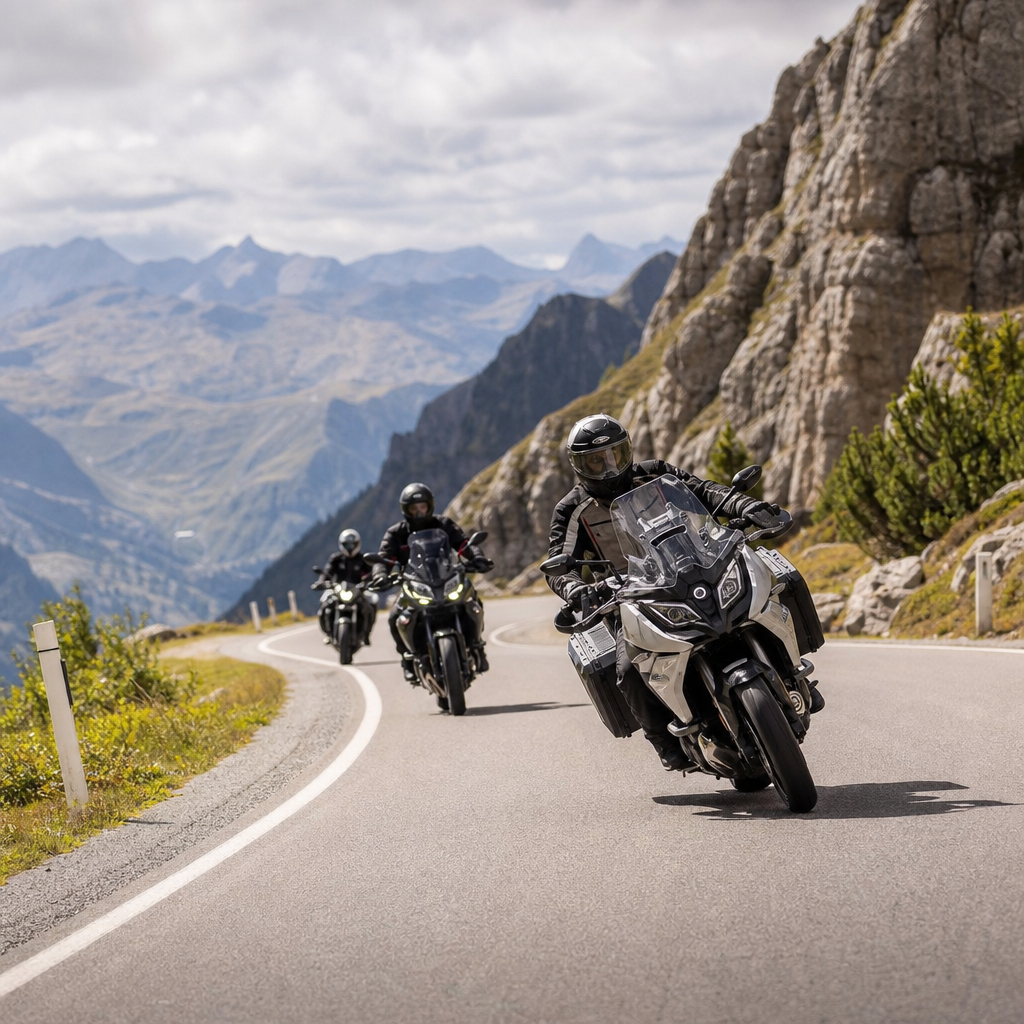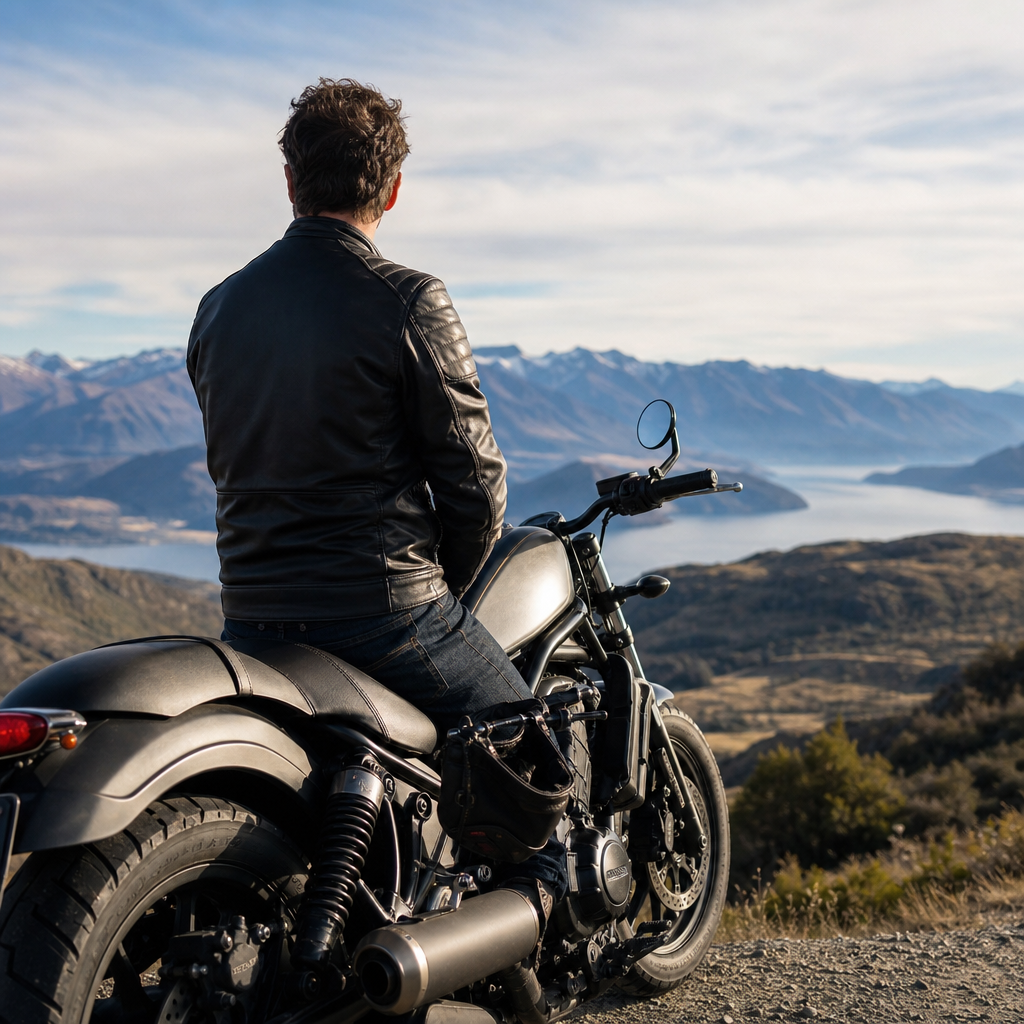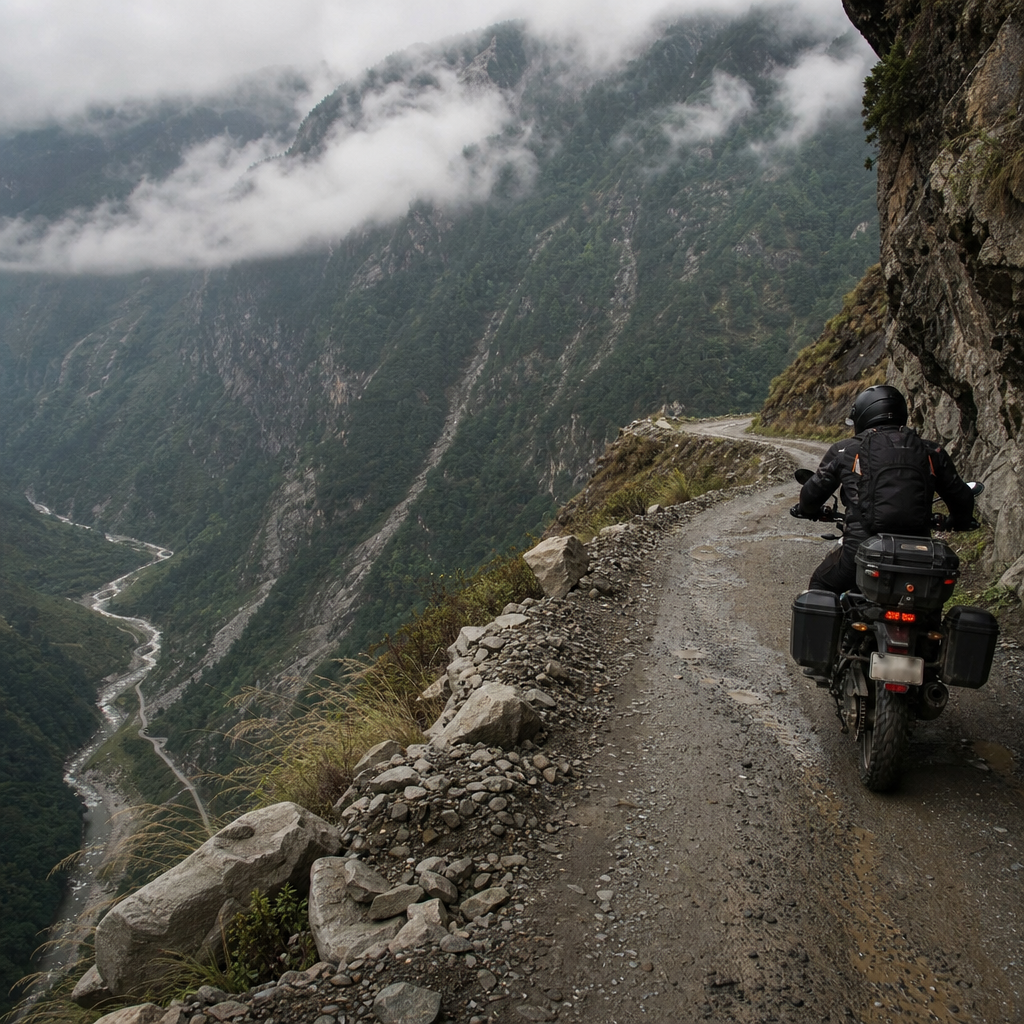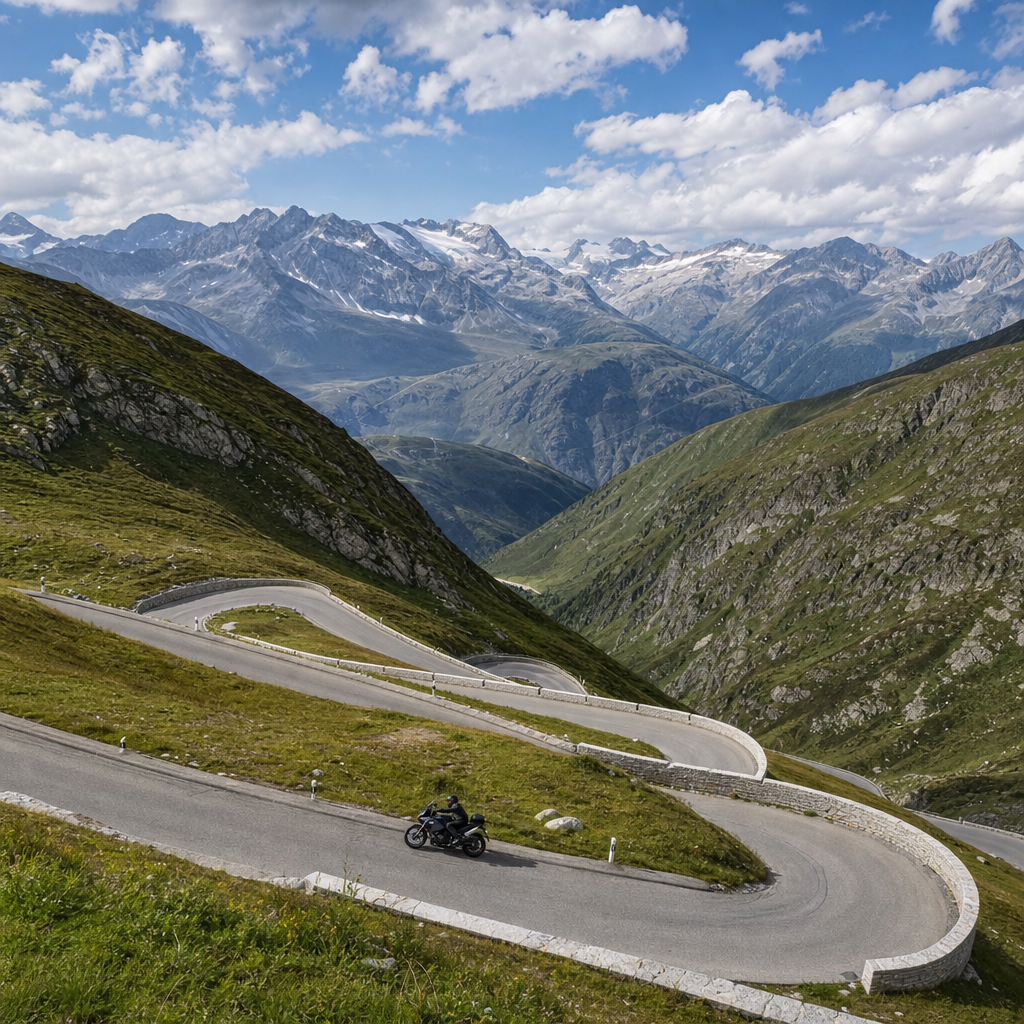
Riding the Alps is one of the purest expressions of motorcycle travel: long ascents, engineered switchbacks, sharp weather changes, and villages that feel built around the rhythm of the road. In this guide to the best mountain passes in Italy, France, and Switzerland, “mountain pass” means a road crossing through high terrain that links valleys, regions, and cultures, often with dramatic elevation gain and a distinct riding character. Some passes are famous because they are historic trade routes, some because the tarmac is beautifully cambered, and some because every rider eventually wants a photo at the summit sign. As the route-guide hub for The Open Road, this article is designed to help you choose where to ride, how to connect the classics into a larger itinerary, and what tradeoffs matter most in the Alps.
The Alps matter because nowhere else in Europe combines road density, border-crossing variety, and scenery at this level. In a single week, you can move from Italian espresso stops and tight Dolomite hairpins to broad French sweepers and ultra-precise Swiss engineering. Riders usually ask the same practical questions first: which passes are best for a first trip, which are most technical, when they open, how crowded they get, and how to build a route that is memorable without becoming exhausting. Those are the right questions. Alpine riding rewards planning more than bravado. Weather can close a high pass even in summer, traffic can turn a legendary road into a slow crawl, and altitude changes can make a short day feel surprisingly demanding. The strongest route guides balance iconic names with realistic pacing, fuel strategy, and overnight stops.
From experience, the best Alpine tours are not built by stacking the highest roads on a map. They are built by matching road character to rider goals. A solo sport-touring rider may want Stelvio for its sheer concentration of hairpins, then prefer the flowing rhythm of Umbrail and Ofenpass the next day. A couple on an adventure bike may enjoy Col du Galibier for the scale of the landscape, then choose quieter connectors through the Maurienne or Queyras instead of chasing every famous summit. Good route planning starts with categories: iconic bucket-list passes, technical challenge roads, scenic all-rounders, and strategic connectors that make a region rideable. Once you think in those terms, Italy, France, and Switzerland stop being three separate destinations and become one integrated Alpine playground.
What Makes a Great Alpine Motorcycle Route
The best mountain passes in the Alps are not always the highest or most photographed. A great riding road combines surface quality, sightlines, corner variety, traffic patterns, and the quality of the approach roads before and after the summit. On a motorcycle, the pass itself may last only thirty minutes; the surrounding valley roads often determine whether the day feels fluid or frustrating. I judge Alpine passes on six practical factors: consistency of pavement, corner sequence, exposure to tourist traffic, overtaking opportunities, weather resilience, and how easily the pass links to another worthwhile road. This matters because many first-time visitors overrate one iconic summit and underrate the full-day loop.
Road design varies sharply by country. Italy often delivers dramatic, narrow climbs with stacked hairpins and intense visual theater, especially in the Dolomites and on Stelvio’s eastern approach. France excels at long, confidence-building lines, broad curves, and altitude combined with space, particularly on routes such as Iseran, Galibier, and the high roads around Briançon. Switzerland is usually the most disciplined and consistent: excellent surfaces, clear markings, and efficient routing, but also strict speed enforcement and higher costs. None is universally “best.” The right choice depends on whether you want technical repetition, high-speed flow within legal limits, photography stops, or a base for multi-pass touring.
Seasonality is decisive. Most major high Alpine passes open between late May and early July depending on snowfall, avalanche risk, and snow-clearing schedules. Stelvio and Iseran can open late after heavy winters. September is often the sweet spot: roads are usually fully open, temperatures are stable, and school-holiday traffic has eased. July and August offer the highest reliability for access but also the most congestion, especially around famous passes, resort towns, and campervan corridors. Morning starts are not optional in peak season. If you reach a marquee pass by 8:30 a.m., you ride it; if you arrive at noon, you manage traffic.
Italy: Stelvio, Gavia, Pordoi, and the Dolomite Network
Italy gives riders the most theatrical mountain-road experiences in the Alps. The headline name is Passo dello Stelvio, at 2,757 meters one of Europe’s highest paved passes and still a benchmark because of its famous eastern wall of tightly stacked hairpins. Every rider should understand what Stelvio is and is not. It is not the smoothest, fastest, or quietest road in the Alps. It is a landmark ride defined by repetition, gradient, and atmosphere. On a clear weekday morning, it feels legendary. At midday in August, with bicycles, buses, and heavy tourist traffic, it can feel slow and overhyped. The smart way to ride it is to approach early from Bormio or the Prato side, avoid weekends when possible, and pair it with Umbrail Pass into Switzerland for a stronger loop than a simple up-and-back.
Passo di Gavia offers a very different Italian challenge. Narrower, rougher in places, and more exposed to weather, Gavia feels more serious than its altitude alone suggests. It is less about postcard hairpins and more about concentration. Riders on large touring bikes need to be comfortable with tighter lane discipline and occasional uneven surfaces, but the reward is an unforgettable sense of remoteness. Nearby, the Sella Ronda area in the Dolomites creates perhaps the best cluster of linked day rides in Italy. Passo Pordoi, Sella, Gardena, and Campolongo can be combined in a compact loop with excellent scenery and frequent services. These roads are less intimidating than Stelvio yet often more satisfying for a full day because they connect so naturally.
The Dolomites also work exceptionally well for a hub-and-spoke trip. Base yourself in Cortina d’Ampezzo, Corvara, Canazei, or Arabba and you can ride multiple passes without changing hotels each night. That matters more than many riders realize. Alpine touring becomes tiring when you pack daily, navigate urban traffic, and constantly adjust to new accommodation logistics. A three-night base in the Dolomites lets you ride Passo Falzarego, Valparola, Giau, Pordoi, and Sella with minimal administrative friction. For this sub-pillar’s route-guide structure, Italy is best treated as two distinct riding regions: western high-altitude icons around Stelvio and Bormio, and the denser, more accessible pass network of the Dolomites.
France: High Altitude, Big Landscapes, and the Best Flow
France is where many experienced riders find the most complete Alpine road days. Col de l’Iseran, the highest paved pass in France at 2,764 meters, combines altitude with broad sightlines and a feeling of scale that photographs rarely capture. It is rarely as technically intense as Stelvio, but it is often more enjoyable at a sustained rhythm. Col du Galibier, especially when linked with Col du Télégraphe, is another classic because it delivers progression: valley build-up, historical cycling significance, and then a summit approach that feels expansive rather than claustrophobic. The road invites smooth riding instead of constant first-gear work. For many sport-touring riders, that translates into greater satisfaction over a full week.
French Alpine route planning is also helped by geography. Briançon is one of the best rider bases in Europe because it sits near Izoard, Galibier, Montgenèvre, Lautaret, and access toward the southern Alps. The Route des Grandes Alpes provides a useful spine from Lake Geneva to the Mediterranean, linking major passes such as Colombière, Aravis, Roselend, Iseran, Galibier, and Bonnette. It is not a single road but a curated route concept, and that distinction matters. You should use it as a framework, not a rulebook. Some of the best days come from stepping off the main line to avoid traffic or to reach quieter roads in the Vercors, Queyras, or Mercantour.
If you want one French pass that consistently exceeds expectations, choose Col d’Izoard. It is not the highest, but the Casse Déserte landscape near the summit gives it an almost lunar identity, and the road itself offers a strong blend of cornering and views. Farther south, Col de la Bonette and the loop around the Cime de la Bonette are often marketed as Europe’s highest roads. The precise title depends on definitions, but the practical point is simpler: this area offers altitude, emptier roads, and a drier climate that extends the riding season. For route-guide readers building a first French Alps itinerary, the winning formula is usually one or two big-name passes per day, linked by overlooked connectors rather than a nonstop checklist of summits.
Switzerland: Precision, Scenery, and Multi-Pass Efficiency
Switzerland is the most efficient country in the Alps for linking major passes into compact, high-quality loops. Furka, Grimsel, and Susten form the classic trilogy, and they deserve their reputation because they offer three distinct road personalities within manageable distance. Furka is famous for its views, old Belvédère Hotel viewpoint, and cinematic reputation. Grimsel feels more open and engineered, with reservoirs and a more austere high-mountain atmosphere. Susten often has the best overall pavement flow, with tunnels, smooth arcs, and a polished riding feel that rewards clean technique. In one day, a rider can experience all three without the trip feeling forced, which is one reason Switzerland remains such a strong choice for short tours.
Other standout Swiss passes include Albula, Julier, Flüela, Oberalp, and Ofenpass. Albula is visually rich and less aggressively touristed than the headline trio. Julier is a practical connector that rides better than many expect. Ofenpass, in the southeast near the Swiss National Park, is one of the best roads for maintaining steady rhythm through forest and open sections; it pairs naturally with Stelvio or Umbrail on cross-border itineraries. The tradeoff in Switzerland is straightforward: fuel, food, and lodging usually cost more, and speed limits are enforced seriously. Fines can be severe. The best way to enjoy Swiss passes is to reset expectations. This is not the place for trying to “make time.” It is the place for precise, scenic, low-stress riding on exceptionally well-maintained roads.
| Pass | Country | Best For | Main Caution | Ideal Pairing |
|---|---|---|---|---|
| Stelvio | Italy | Iconic hairpins | Heavy midday traffic | Umbrail, Ofenpass |
| Gavia | Italy | Remote challenge | Narrow sections | Bormio loop |
| Galibier | France | Flow and altitude | Weather exposure | Télégraphe, Izoard |
| Iseran | France | Big-scale scenery | Late opening years | Roselend, Maurienne |
| Furka | Switzerland | Classic views | Tourist congestion | Grimsel, Susten |
| Susten | Switzerland | Best pavement rhythm | Variable mountain weather | Furka, Oberalp |
How to Build a Route Guide That Actually Works
A strong Alps route guide starts with daily range, not ambition. On paper, 250 kilometers in the mountains can look easy. In reality, 250 kilometers with four major passes, photo stops, weather shifts, and village traffic can be a full day, especially on a loaded touring bike or in mixed-skill groups. For most riders, 180 to 260 kilometers is the sweet spot for a pass-heavy day. Beyond that, fatigue rises and decision quality drops. I plan around summit timing, fuel windows, and bailout options first, then layer in scenic detours. Mapping tools like Google Maps are useful for overview, but they often underestimate pass closures and overestimate average speed. Kurviger, Calimoto, and MyRoute-app are better for motorcycle shaping; official cantonal, departmental, and regional road websites are better for closure status.
Use riding bases strategically. Bormio works for Stelvio, Gavia, and Swiss links. Andermatt is outstanding for central Switzerland. Briançon anchors the French high Alps. Corvara or Canazei unlock the Dolomites. With those bases, you can build loops instead of point-to-point slogs. Also think about road direction. Some passes are more satisfying one way than the other because of corner visibility, hairpin sequence, or scenery reveal. Stelvio’s Prato side is famous for the stacked ascent; Furka is arguably more dramatic from west to east; Galibier’s approach from the Maurienne via Télégraphe creates better narrative build. Route quality improves when you think in terms of how roads unfold, not just where they are on the map.
Finally, build contingency into every Alpine itinerary. Keep one lower-altitude alternative route per day in your notes. A closed tunnel, afternoon thunderstorm, rockfall, or cycling event can force a change with little warning. The riders who enjoy the Alps most are not the ones who cling to an overplanned checklist; they are the ones who know the region well enough to pivot without losing the day. That is why this hub exists within Route Guides: each pass is only truly useful when placed in a wider network of alternatives, overnight bases, and realistic daily loops.
Practical Riding Tips: Safety, Gear, Timing, and Local Rules
Alpine safety starts before the engine does. Tires need enough life for cold mornings and hot descents, brake fluid should be fresh, and chain tension matters more than riders sometimes assume because repeated elevation changes load the drivetrain differently across a long tour. Layering is essential even in midsummer. A valley can be 28°C while a summit sits at 7°C with fog and crosswind. Heated grips are not luxury kit in the Alps; they extend concentration. So does hydration. Riders often stop for coffee and photos but forget water, then wonder why focus falls away during late-afternoon descents.
Traffic behavior changes by country and by road type. In Italy, expect assertive overtakes and tighter village spacing. In France, expect bicycles on major cols, especially near famous Tour de France climbs. In Switzerland, expect disciplined traffic and strict compliance environments, including cameras and serious penalties. Noise regulations are also becoming more visible in parts of the Alps, with some regions scrutinizing loud exhausts. Respect local communities. The future of Alpine motorcycling depends partly on riders treating mountain villages as places where people live, not just scenic backdrops between hairpins.
The simplest rule for timing is this: start early, stop often, and descend before fatigue becomes noticeable. Morning roads are clearer, cooler, and psychologically easier. If the weather forecast suggests afternoon storms, believe it. Mountain weather builds quickly. On wet descents, use engine braking smoothly, avoid target fixation on hairpin exits, and remember that painted lines, drain covers, and polished apexes can become slick before the rest of the road. If you are planning your first Alps trip, pick one region and ride it deeply rather than trying to “do” Italy, France, and Switzerland in a rushed six days.
The best mountain passes in Italy, France, and Switzerland reward riders who combine curiosity with discipline. Italy delivers spectacle and drama, from Stelvio’s stacked hairpins to the compact brilliance of the Dolomites. France offers the broadest sense of flow and landscape, with Galibier, Iseran, and Izoard standing out as all-day experiences rather than isolated summit ticks. Switzerland provides unmatched multi-pass efficiency, immaculate surfaces, and loops around Furka, Grimsel, and Susten that are ideal for short, high-quality tours. None of these countries is better in every way. Each excels in a different riding language, and the smartest route planning uses those strengths instead of forcing a one-size-fits-all itinerary.
For Route Guides within The Open Road, the real lesson is that Alpine riding is not about collecting famous names. It is about building days that work: right season, right base, right road order, and enough flexibility to adapt when weather or traffic shifts. Start with a region, choose two or three anchor passes, connect them with roads that suit your pace, and leave room for stops that are memorable for reasons no map can predict. Use this hub as your planning foundation, then dive deeper into individual pass guides, regional loop articles, and packing advice before your trip. The Alps will always offer another road tomorrow; the best ride is the one you still have energy to enjoy today.
Frequently Asked Questions
What makes an Alpine mountain pass so special for motorcycle riders?
An Alpine mountain pass combines everything riders tend to love in one stretch of road: sustained elevation gain, tightly engineered switchbacks, changing pavement textures, dramatic scenery, and a strong sense of journey from one valley or region to another. Unlike a scenic overlook road that simply climbs and descends, a true mountain pass feels purposeful. It connects places, cultures, and landscapes, often following routes that were once used for trade, military movement, or seasonal travel. That history gives many of the great passes in Italy, France, and Switzerland a character that goes beyond the riding itself.
From a riding perspective, the appeal is in the constant variation. A pass may begin in a forested valley, rise into open meadows, then break above the tree line into rock, snowbanks, and broad views. Corners can range from first-gear hairpins to fast, flowing sweepers, and weather can shift from sunny and warm to cold, wet, and foggy within a short distance. That means Alpine riding rewards attention, technique, and adaptability. It is not only about speed or lean angle; it is about reading the road, managing braking on long descents, and enjoying the rhythm of climbing and crossing high terrain.
There is also a cultural dimension that sets the Alps apart. In a single day, you can cross linguistic and culinary boundaries as easily as physical ones, moving between Italian, French, and Swiss regions with noticeably different villages, road styles, architecture, and riding etiquette. Stops for coffee, lunch, fuel, or a photo become part of the experience rather than interruptions. That combination of technical roads, big landscapes, and real regional identity is what makes Alpine passes some of the most memorable motorcycle routes in Europe.
Which mountain passes are considered must-ride routes in Italy, France, and Switzerland?
There is no single definitive list, but several passes consistently stand out for their road design, scenery, and riding reputation. In Italy, the Stelvio Pass is the most famous, largely because of its stacked hairpins and unmistakable high-altitude drama. It is iconic, busy, and highly photogenic, especially on the eastern side. The Gavia Pass offers a more rugged and atmospheric ride, while the Sella group roads in the Dolomites deliver a superb combination of technical riding and spectacular mountain scenery. Passes such as Pordoi, Gardena, Campolongo, and Sella can be linked into loops that feel purpose-built for motorcyclists.
In France, the Col de l’Iseran is one of the headline routes because of its altitude and open alpine character. The Col du Galibier is another classic, well known for its sweeping views and Tour de France heritage. The Col de la Bonette is especially appealing to riders who want a feeling of remoteness and high-mountain exposure, while the Route des Grandes Alpes ties many of France’s best-known passes into a larger touring framework. French passes often balance flowing road design with broad mountain scenery, making them especially satisfying for riders who enjoy maintaining rhythm rather than tackling endless hairpins.
In Switzerland, the Furka Pass, Grimsel Pass, and Susten Pass form one of the best three-pass combinations anywhere in the Alps. They are close enough to link easily, yet each has a distinct character. Furka is dramatic and historic, Grimsel feels stark and elemental, and Susten is admired for its smooth curves and refined engineering. Other excellent Swiss options include the Gotthard Pass, especially if you want to experience the old cobbled Tremola road, and passes such as Albula, Julier, and Flüela for riders exploring Graubünden. Ultimately, the best pass depends on what you value most: iconic status, technical challenge, scenery, road quality, or the ability to combine multiple crossings into one outstanding day.
When is the best time to ride the Alpine passes, and how much does weather affect the trip?
The best time to ride the Alps is generally from late June through September, though exact timing varies by elevation, snowfall, and annual road maintenance. Higher passes can remain closed well into late spring or even early summer, and some may receive fresh snow surprisingly early in autumn. July and early September are often excellent choices for balancing road access with relatively stable conditions. August offers the broadest access to high routes, but it can also bring heavier tourist traffic, more cyclists, and busier towns. If your goal is to ride famous passes with fewer crowds, late June after openings stabilize or early September after the peak holiday period can be especially rewarding.
Weather matters enormously in the Alps because conditions change quickly with altitude. A valley can be warm enough for vented gear while the summit is cold, windy, and wet. Fog, rain, and even sleet can appear with little warning, and those changes affect visibility, traction, and comfort. On steep descents and hairpin-heavy roads, poor weather is not just inconvenient; it can significantly increase fatigue and risk. That is why smart Alpine riders plan flexible days, check local road and weather updates each morning, and expect to add or remove layers multiple times during a ride.
It is also important to understand that weather influences enjoyment as much as safety. The same pass can feel exhilarating on a clear day and stressful in heavy cloud. If you have only a few riding days, avoid overcommitting to a rigid route. Give yourself alternatives at lower elevations and enough time to stop when conditions deteriorate. The Alps reward patience. Waiting out a storm with coffee in a village often leads to a far better afternoon ride than pressing on into cold rain over an exposed summit.
How should riders prepare their motorcycle and gear for an Alpine pass tour?
Preparation starts with the motorcycle’s basic mechanical condition. Brakes need to be strong and predictable because long descents and repeated hairpins place continuous demands on them. Tires should have plenty of tread and be suitable for changing temperatures and occasional wet pavement. Suspension setup matters more than many riders expect, especially if the bike is loaded with luggage or carrying a passenger. A chain in good condition, correct tire pressures, and a healthy cooling system are all worth confirming before entering the mountains. If your bike struggles at very low speed or with tight turning circles, practice slow-speed control in advance, because some Alpine hairpins are sharper and steeper than they look in photos.
Gear should be built around layering and weather flexibility. Even in summer, a proper waterproof outer layer, insulated mid-layer, and reliable gloves are important. Many riders discover that cold hands and damp clothing create fatigue faster than the roads themselves. Ear protection, clear visor options for low-light or foggy conditions, and anti-fog solutions are also useful. If you are riding for several days, pack for rapid changes rather than just average temperatures. In the Alps, “pleasantly warm” and “surprisingly cold” can happen on the same route within an hour.
Navigation and timing deserve equal attention. Fuel stations are common enough in many areas, but not every pass has services near the top, and small mountain stations may keep limited hours. It is wise to refuel earlier than necessary and avoid assuming the next village will have everything you need. Download offline maps, carry basic tools, and keep documents accessible if you are crossing national borders. Most importantly, prepare mentally for a style of riding that values smoothness over aggression. Alpine passes are best enjoyed when you ride well within your limits, stay alert for cyclists and buses, and treat each summit crossing as a full experience rather than a box to tick.
Are Alpine mountain passes difficult or dangerous for less experienced riders?
They can be demanding, but they are not automatically unsuitable for less experienced riders. The key issue is not whether a rider is a beginner in the broad sense; it is whether they are comfortable with slow-speed control, steep grades, variable traction, and sustained concentration. Many Alpine roads are well paved and carefully engineered, which helps, but the riding environment still introduces challenges that can catch people off guard. Tight uphill hairpins, narrow sections, touring traffic, cyclists, changing weather, and the pressure of riding famous roads can all raise the difficulty level. A rider who is calm, smooth, and willing to take their time will usually have a much better experience than someone with more confidence than technique.
The biggest risks tend to come from rushing, target fixation in hairpins, and poor lane discipline. On some passes, larger vehicles may use more of the road, and riders who cut corners can easily create dangerous situations. Descents are another common source of mistakes because fatigue builds gradually and riders may overuse brakes or carry too much speed into tightening turns. Add rain, gravel washed into bends, or reduced visibility, and a straightforward road can become far more serious. That is why experienced Alpine riders often emphasize pacing, observation, and consistency rather than outright pace.
For less experienced riders, the best strategy is to choose a manageable daily distance, ride during daylight and decent weather, and avoid stacking too many famous passes into one day. Start with roads known for good surfaces and predictable layouts, take frequent breaks, and do not hesitate to turn around or alter the route if conditions feel wrong. Riding the Alps is not about proving anything. With realistic planning and a disciplined approach, even riders with moderate experience can enjoy these routes safely and come away with a much stronger sense of skill, confidence, and respect