America’s most famous motorcycle hangouts are more than scenic stops or bars with parking lots full of chrome; they are pilgrimage sites where riders gather to trade route advice, compare machines, remember lost friends, and feel part of a culture larger than any single trip. In the “Community & Stories” corner of The Open Road, these destinations matter because they turn motorcycling from a private hobby into a shared tradition. A motorcycle hangout can be a rally town, a legendary roadhouse, a café at a mountain pass, or a stretch of Main Street that has become shorthand for freedom on two wheels. What makes a place famous is not only the road leading to it, but the stories repeated there year after year.
I have spent years riding to these places, and the pattern is consistent: the best hangouts combine an iconic approach road, visible rider history, dependable amenities, and a welcoming social ritual. Riders want somewhere worth the miles, somewhere they can arrive dusty, park among every style of bike from full-dress touring rigs to stripped-down customs, and immediately have something to talk about. In 2026, that matters even more. Rising travel costs push riders to choose trips carefully, weather volatility makes route planning more deliberate, and digital maps have made hidden gems easier to find but harder to keep authentic. The hangouts that endure do so because they still deliver community, not just content.
This hub article maps the major motorcycle gathering points in America and explains why they remain central to rider culture. It also helps readers decide which sites fit their style, whether they prefer massive rally energy, all-day mountain riding, small-town road food, or historic biker institutions. If you are planning a 2026 pilgrimage, the key questions are simple: which places are genuinely iconic, what should you expect when you arrive, and how can you ride there respectfully and safely? The answers below cover the best-known destinations, the culture around them, and the practical details that turn a famous stop into a memorable experience.
What Makes a Motorcycle Hangout a True Pilgrimage Site
A true motorcycle pilgrimage site has four traits. First, it sits on or near a road riders already dream about: Tail of the Dragon, the Black Hills loop system, the Pacific Coast Highway, Route 66, or the Texas Hill Country. Second, it has repeat visitation. One crowded weekend does not create a legend; decades of return trips do. Third, it supports rider behavior in practical ways, with visible parking, fuel nearby, food, restrooms, weather shelter, and enough local tolerance to keep the atmosphere relaxed. Fourth, it carries narrative weight. Riders know the name before they get there.
That narrative weight is why Sturgis is not just another rally town and why Deals Gap is not just another mountain store. At these places, people arrive expecting to participate in history. Some collect patches. Some photograph odometers at milestone rides. Some come because a parent or riding mentor talked about the site for years. Others come after seeing the same destination appear in route guides, owner forums, magazine features, and ride videos. The strongest hangouts work across generations because they can satisfy a first-time visitor and a rider on their tenth return.
There is also a difference between a scenic stop and a community anchor. Scenic stops impress you; community anchors absorb you. When you pull into a place like the Buffalo Chip area during rally week, the town of Sturgis itself, the Dragon’s parking lot at Deals Gap, or a long-running desert bar in Arizona, the social function is obvious. People are not simply consuming a view. They are meeting, swapping maintenance stories, giving tire advice, warning about gravel in a decreasing-radius corner, and comparing where to ride next. That exchange is why these destinations sit at the center of Community & Stories.
Sturgis and the Black Hills: America’s Largest Motorcycle Gathering
No American motorcycle pilgrimage list begins anywhere except Sturgis, South Dakota. The Sturgis Motorcycle Rally, founded in 1938 by the Jackpine Gypsies, is the country’s most famous rider gathering and one of the world’s best-known motorcycle events. In modern years, attendance has often reached hundreds of thousands across the rally period, depending on weather, programming, and travel conditions. Yet Sturgis is bigger than a rally number. It is a whole riding ecosystem built around the Black Hills, where roads such as Needles Highway, Iron Mountain Road, Spearfish Canyon Scenic Byway, and Vanocker Canyon create days of riding that justify the trip even outside peak event dates.
What makes Sturgis special in practical terms is density. You can spend a morning on granite-lined curves in Custer State Park, an afternoon walking vendor rows, and an evening listening to stories in a campground that feels like a temporary city. Main Street itself is a symbol, but experienced riders know the broader region is the real draw. Deadwood, Keystone, Hill City, and Spearfish all feed the experience. In 2026, riders planning Sturgis should book lodging early, expect dynamic pricing, and understand that traffic management and enforcement vary sharply between high-volume rally days and shoulder periods.
Sturgis also illustrates a key truth about famous hangouts: spectacle and substance can coexist. Yes, there is merchandising, noise, and occasional excess. There is also serious route quality, deep historical continuity, and an unmatched cross-section of American motorcycling. Adventure riders, V-twin loyalists, sport-touring riders, vintage owners, and first-time cross-country travelers all show up. For a hub page, Sturgis matters because nearly every subtopic in Community & Stories connects back to it: ride planning, group travel, rally etiquette, roadside friendships, and the rituals that turn a trip into a personal legend.
Deals Gap and the Tail of the Dragon: Where the Road Is the Social Magnet
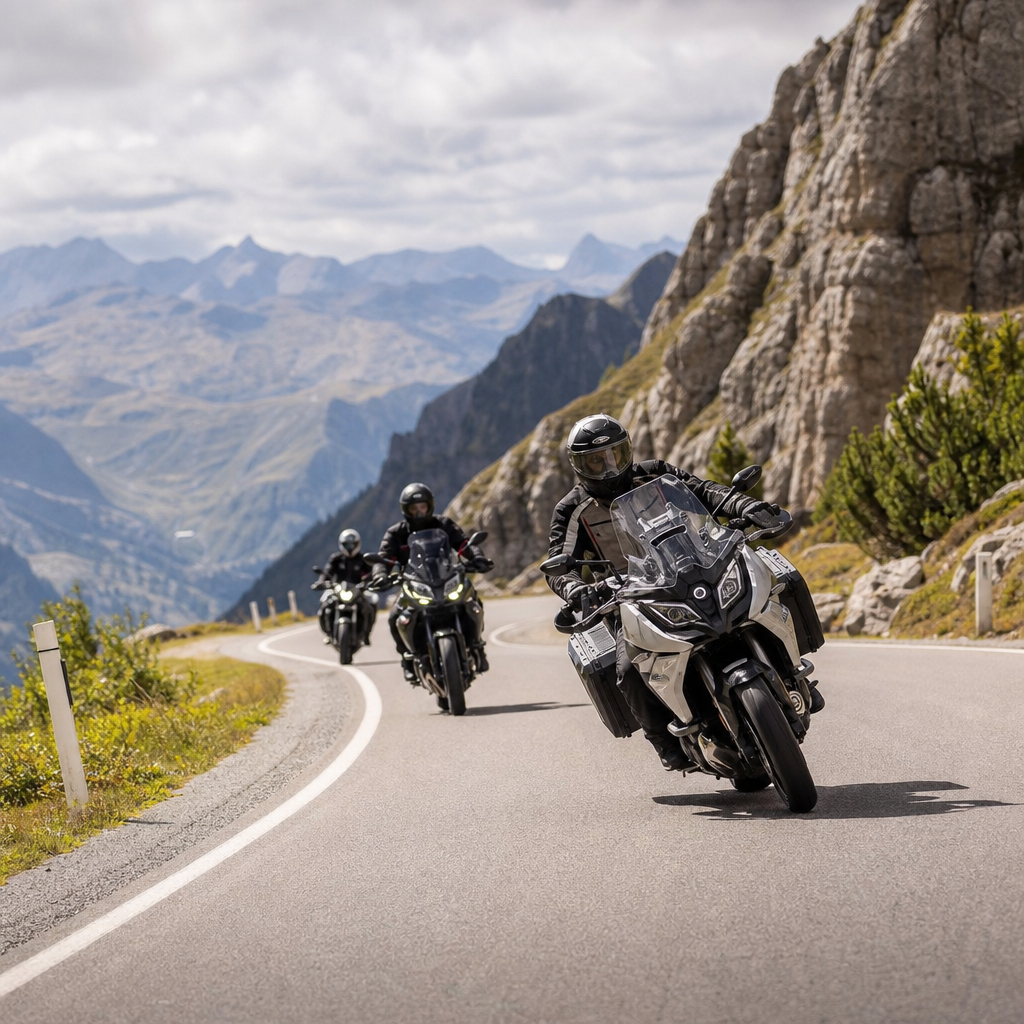
Deals Gap, on the North Carolina–Tennessee border, is a pilgrimage site built around precision riding. The Tail of the Dragon’s 318 curves in 11 miles have made it one of the most cited motorcycle roads in the United States. The road itself is why people come, but the hangout culture forms at the gateways: Deals Gap Motorcycle Resort, nearby overlooks, photo pull-offs, and connecting roads such as the Cherohala Skyway, Moonshiner 28, and the Foothills Parkway. Riders gather not just to boast about corner counts, but to decompress, review close calls, and compare line choice, suspension setup, and traffic timing.
What I have seen repeatedly at Deals Gap is a level of conversation that is more technical than at many other famous stops. Riders talk about trail braking, surface temperature, sight lines, and fatigue. That matters because the Dragon has a serious risk profile. Local authorities, rider coaches, and experienced regulars all emphasize the same rule: ride your own pace. The destination’s fame can tempt riders to overreach, especially when photographers and crowds make every pass feel performative. The smartest visitors treat the area as a multi-road riding base, not a single check-box run.
| Hangout | Best Known For | Ideal Rider Type | Best Timing for 2026 |
|---|---|---|---|
| Sturgis, South Dakota | Mass rally culture and Black Hills loops | Touring, cruiser, rally riders | Rally week or late summer shoulder season |
| Deals Gap, NC/TN | Technical mountain riding | Sport, naked, sport-touring riders | Weekdays in spring or fall |
| Laconia, New Hampshire | Historic rally and New England riding | Touring, cruiser, heritage-focused riders | Rally period in June |
| Myrtle Beach area, South Carolina | Bike week atmosphere and coastal riding | Cruiser and casual touring riders | Spring events, avoiding peak congestion days |
| Oatman, Arizona | Route 66 history and desert stop culture | Road-trip and heritage riders | Cooler months and shoulder season mornings |
The social scene at Deals Gap is unusually democratic because the road is the celebrity, not any one brand. You will see superbikes, Gold Wings, baggers, middleweight standards, and rental Harleys parked together. That mix creates useful conversations. A rider on a loaded touring machine learns from a local on a lightweight naked bike; a first-time visitor gets warned about centerline crossings and decreasing-radius turns. As a pilgrimage site, Deals Gap proves that a motorcycle hangout does not need a massive event calendar. A great road, a recognizable base, and a constant flow of riders are enough.
Laconia, Daytona, and Myrtle Beach: East Coast Rally Geography
The East Coast has several motorcycle gathering zones with distinct personalities, and understanding those differences helps riders pick the right pilgrimage. Laconia Motorcycle Week in New Hampshire, established in 1923, is often described as the oldest national motorcycle rally in the United States. Its appeal is heritage plus terrain. The Lakes Region, the White Mountains, and routes through central New England give the event a riding depth that many first-timers underestimate. Weirs Beach acts as a focal point, but the real experience includes day rides, dealer events, smaller meetups, and a broader regional flow of riders moving between towns.
Daytona Bike Week in Florida is different. It is larger in footprint, more commercial, and more intertwined with motorsport identity because of Daytona International Speedway. Main Street has symbolic pull, but many riders spread out to Ormond Beach, New Smyrna, DeLand, and the Loop. Daytona works best for riders who want event density and warm-weather timing at the start of the season. Myrtle Beach Bike Week, though smaller and more fragmented than in its peak years, still functions as a recognizable coastal pilgrimage point, especially for riders in the Southeast who want an oceanfront ride culture with easy access roads, beach-town lodging, and a social-first atmosphere.
These East Coast hangouts show how motorcycle communities adapt to regulation, tourism pressure, and shifting travel patterns. Some towns tighten enforcement or reshape event zones. Others lean into the visitor economy. Riders should check local rules, noise restrictions, and parking policies before arriving. The culture is still there, but it rewards informed planning. For 2026 travel, Laconia stands out for riders who value history and scenery, Daytona for scale and preseason energy, and Myrtle Beach for a more relaxed social ride experience anchored in longstanding bike-week tradition.
Route 66 Stops, Desert Bars, and the Mythic Southwest
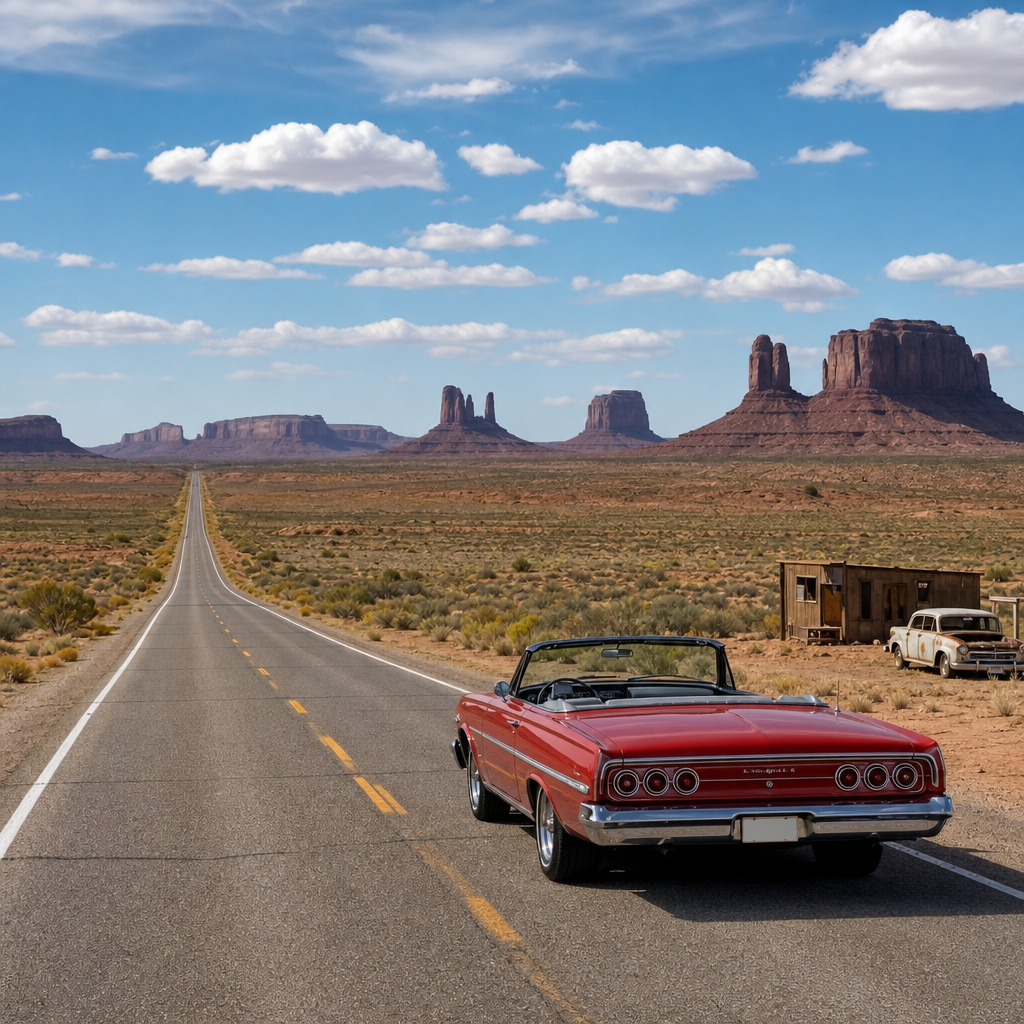
If Sturgis is the giant and Deals Gap is the technician’s shrine, the Southwest offers the strongest myth-making. Route 66 remains a motorcycle storytelling machine, and towns such as Oatman, Arizona, and Seligman continue to attract riders because they connect the ride to the wider American road imagination. Oatman, with its burros, weathered storefronts, and dramatic approach on old Route 66 through the Black Mountains, can feel touristy, but that does not erase its value as a motorcycle stop. Riders go there to touch an idea of the open road that predates modern touring apps and algorithmic travel lists.
Arizona’s desert bar culture adds another layer. Places such as the historic Rock Springs Café corridor, Tortilla Flat in the Superstition Mountains orbit, and long-running biker-friendly bars around Cave Creek and beyond have become social magnets because desert riding naturally concentrates people at fuel, shade, food, and water stops. In the Southwest, the environment shapes the hangout. Riders talk less about knee-down lines and more about heat management, hydration, elevation swings, monsoon timing, and tire wear on abrasive pavement. That practical exchange is part of the culture.
The broader lesson is that famous hangouts do not all look alike. Some are urban-adjacent nightlife zones. Some are mountain resorts. Some are almost stage sets for road mythology. The Southwest’s best motorcycle hangouts succeed because they pair hard-edged landscape with memorable hospitality. In 2026, that region remains a prime pilgrimage choice for spring and fall travelers, especially riders building longer itineraries that connect Route 66 nostalgia, canyon-country scenery, and old-road Americana into a single trip.
How to Choose the Right 2026 Pilgrimage and Ride It Well
The right motorcycle pilgrimage site depends on what kind of belonging you want. If you want maximum scale and a full-spectrum rider census, go to Sturgis. If you want road-focused intensity, pick Deals Gap and build in the Cherohala and surrounding mountain routes. If history matters most, Laconia belongs high on the list. If you want warm-weather event energy, Daytona is the clear candidate. If your idea of motorcycling is tied to old highways, weathered signs, and long-distance reflection, the Route 66 and Southwest circuit will likely feel most meaningful.
Plan with discipline. Book lodging early for rally towns, especially if you need secure parking. Check state DOT alerts, wildfire maps in the West, and National Weather Service forecasts for mountain regions. Use tools such as Rever, Harley-Davidson Ride Planner, Calimoto, or Garmin BaseCamp to map fuel spacing and alternates. Inspect tires, brakes, charging systems, and cooling components before departure. Wear real protective gear even when the destination culture skews casual. The riders who enjoy famous hangouts most are usually the ones who arrive rested, hydrated, and open to conversation rather than trying to prove something in the last fifty miles.
Respect is the final rule. Support local businesses that actually serve riders, keep noise under control in lodging areas, tip staff well during high-volume events, and do not treat small towns like disposable backdrops. The best motorcycle hangouts in America remain famous because communities have tolerated and, in many cases, welcomed generations of riders. If you want these pilgrimage sites to stay vibrant in 2026 and beyond, ride in a way that leaves the next visitor with the same chance to feel that rare moment every motorcyclist remembers: shutting off the engine, hearing another bike roll in beside you, and knowing immediately you belong. Start planning your route, pick the place that matches your story, and make the trip.
Frequently Asked Questions
What makes a motorcycle hangout a true pilgrimage site instead of just a popular stop?
A true motorcycle pilgrimage site has meaning that goes far beyond convenience, good food, or a full parking lot. These places become important because riders return to them year after year, tell stories about them across generations, and treat them as landmarks within the culture itself. A legendary hangout might be a rally town that draws thousands during a major event, a historic roadhouse where riders have gathered for decades, or a scenic stop that became famous because it sits on an unforgettable stretch of road. What separates it from an ordinary destination is the shared emotional value attached to it. Riders go there not only to arrive, but to participate in a tradition.
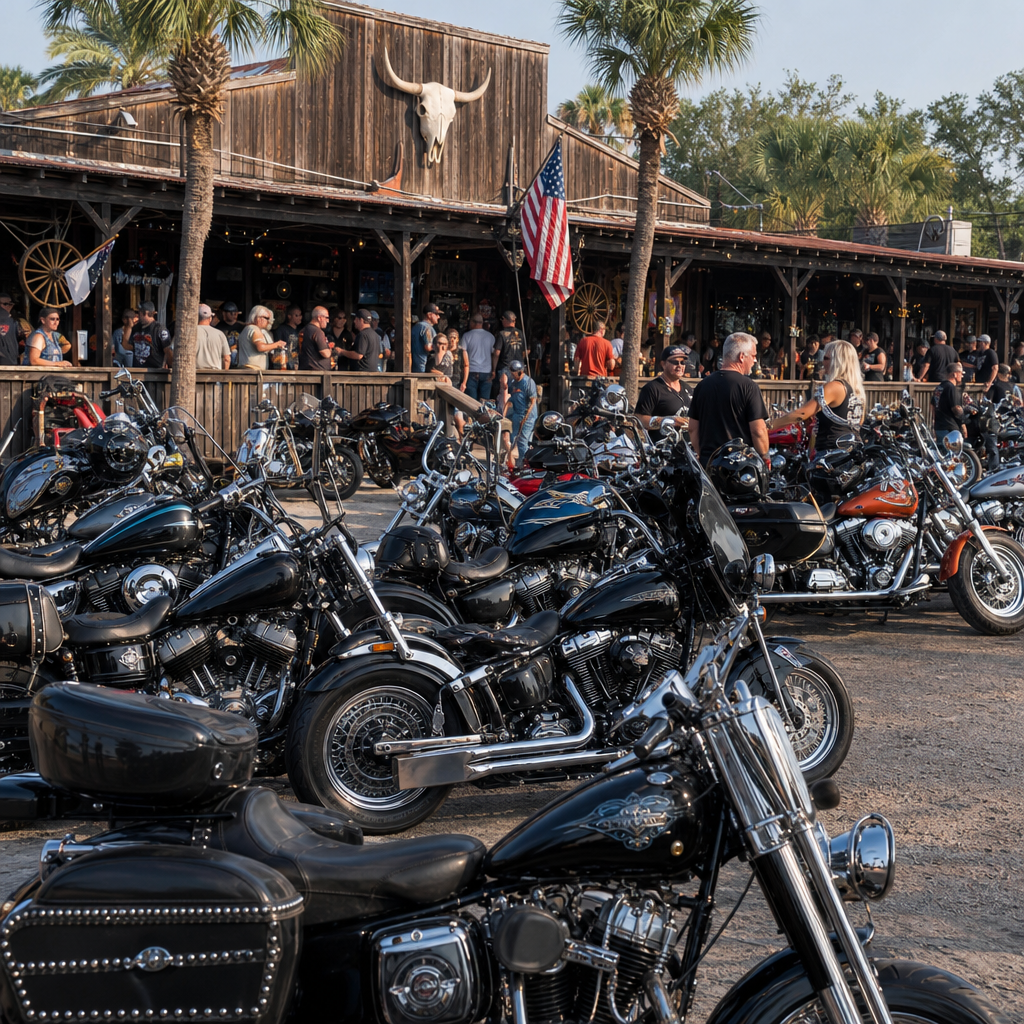
That tradition usually includes a few recognizable elements: storytelling, machine appreciation, route swapping, memorializing lost friends, and welcoming newcomers into the fold. At the most famous hangouts in America, you can often see every layer of the riding community in one place, from lifelong touring veterans to first-time rally attendees. The setting matters, but the human connection matters more. A pilgrimage site gives riders a feeling that they are stepping into a larger narrative, one that existed before their trip and will continue after it. That sense of continuity is exactly why places like Sturgis, Daytona, Laconia, Maggie Valley, and iconic highway roadhouses keep their reputations year after year.
Which kinds of motorcycle hangouts are considered the most famous in America in 2026?
In 2026, America’s most famous motorcycle hangouts generally fall into a few major categories. First are the rally destinations: towns and regions that become global meeting points for riders during signature events. Sturgis, South Dakota, remains one of the clearest examples, with its blend of Black Hills riding, rally history, and near-mythic status in biker culture. Daytona Beach, Florida, is another classic pilgrimage site because it combines beach-town energy, race heritage, bike shows, vendor culture, and a long-established spring and fall rally identity. Laconia, New Hampshire, continues to stand out as one of the oldest and most historically significant motorcycle gathering points in the country.
Second are the legendary roads and the businesses attached to them. The Tail of the Dragon area at Deals Gap, for example, is not simply famous because of its curves, but because riders from around the country treat the ride itself, the overlook stops, and the surrounding lodges and stores as part of a rite of passage. The same is true for famous stretches tied to the Blue Ridge Parkway, Route 66, and the Pacific Coast Highway, where the road and the hangouts along it reinforce each other. Third are historic bars, diners, campgrounds, and biker-friendly lodges that have become institutions through consistency and lore. Some are nationally known names; others are regional legends that carry enormous weight among riders who value authenticity over scale. By 2026, the most respected hangouts are still the places where history, road quality, community, and repeat visitation all intersect.
Why do riders keep returning to these famous motorcycle hangouts year after year?
Riders return because these places deliver something that is difficult to recreate elsewhere: a reliable feeling of belonging. Motorcycling can be deeply personal and solitary on the road, but the best hangouts remind riders that they are part of a broader brotherhood and sisterhood. Returning to the same destination each year creates continuity. You reconnect with people you only see at rallies, revisit roads that challenged or inspired you, and mark the passage of time through shared rituals. For many riders, these annual trips become milestones tied to friendship, recovery, remembrance, retirement, or family tradition.
There is also a powerful practical dimension. Famous hangouts become trusted gathering points because riders know they will find knowledgeable people, useful route advice, parts and gear vendors, mechanics, and conversations that can improve the rest of their trip. But the emotional draw is even stronger. These sites often become places where riders honor absent friends, celebrate long miles, and tell stories that grow richer every year. A well-known motorcycle hangout creates a memory loop: the ride there is exciting, the experience itself is meaningful, and the return home leaves the rider already planning the next visit. That is why pilgrimage sites endure even as trends, brands, and social media platforms change around them.
How should riders prepare for visiting major motorcycle pilgrimage sites in 2026?
Preparation starts with understanding that the most famous motorcycle hangouts are not casual coffee stops during peak periods. They can involve heavy traffic, changing weather, high lodging demand, crowded fuel stations, and long days in the saddle. Riders should begin by researching the specific destination’s seasonal rhythm. Rally towns often have dates when accommodation books out months in advance, while mountain or desert hangouts may require more attention to temperature swings, road conditions, and daylight hours. Route planning matters, but so does flexibility. The smartest approach is to map the main destination, identify alternate roads, reserve lodging early if needed, and keep backup fuel, weather, and rest options in mind.
Mechanical readiness is just as important. Before heading to a high-profile motorcycle destination in 2026, riders should inspect tires, brakes, fluids, battery condition, lights, luggage security, and communication gear. If the trip includes famous technical roads such as those found in mountain regions, honest self-assessment is essential; not every celebrated route should be ridden aggressively, and the goal is to enjoy the experience safely, not prove something in traffic. It also helps to prepare for the social side of the trip. Bring cash where appropriate, be respectful when photographing other people’s bikes, know local laws, and remember that these sites remain popular because riders protect their culture. Good etiquette, sound trip planning, and a reliable machine do more than make the visit smoother; they help preserve the destination for everyone else.
Are these motorcycle hangouts still relevant in 2026 for younger riders and people new to motorcycle culture?
Yes, absolutely. In fact, one reason these places continue to matter is that they give newer riders a real-world entry point into the culture that no algorithm can fully replace. Online communities are useful for planning routes, learning about gear, and finding events, but they cannot reproduce the atmosphere of arriving at a place where hundreds or thousands of motorcycles represent decades of personal history and different styles of riding. For younger riders, newer touring riders, adventure riders, sport-touring fans, and even people crossing over from custom or performance scenes, these hangouts offer a chance to see how broad American motorcycling really is. They reveal that the culture includes many tribes, but also many shared values: independence, craftsmanship, resilience, curiosity, and mutual respect on the road.
For new riders especially, famous hangouts can be educational in the best sense of the word. You can learn how experienced travelers pack, what routes locals recommend, which modifications actually help on long trips, and how riding etiquette works in practice. You also discover that the legends surrounding these places are not only about chrome, noise, or nostalgia. They are about continuity and human connection. In 2026, the most famous motorcycle hangouts remain relevant because they keep converting interest into belonging. They show newcomers that motorcycling is not just about the machine beneath you, but also about the stories, places, and people that give the ride lasting meaning.