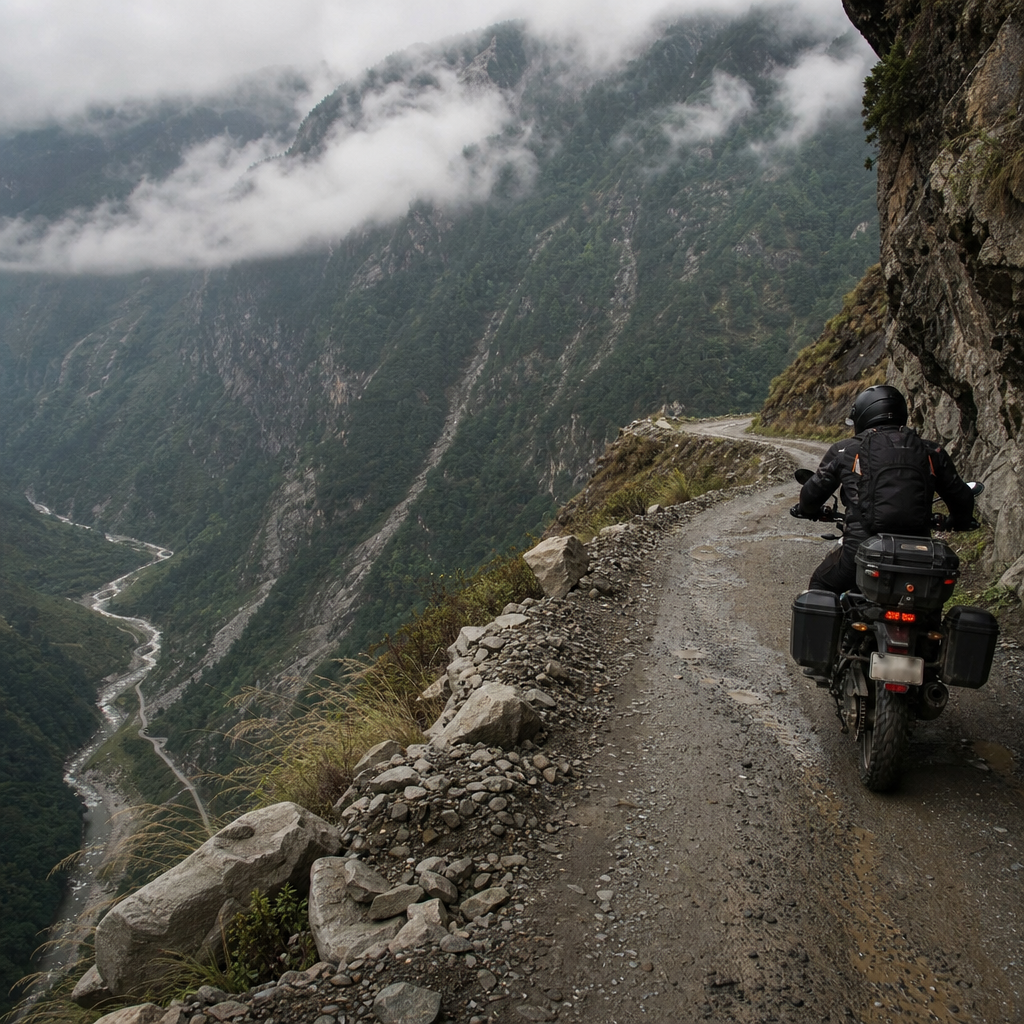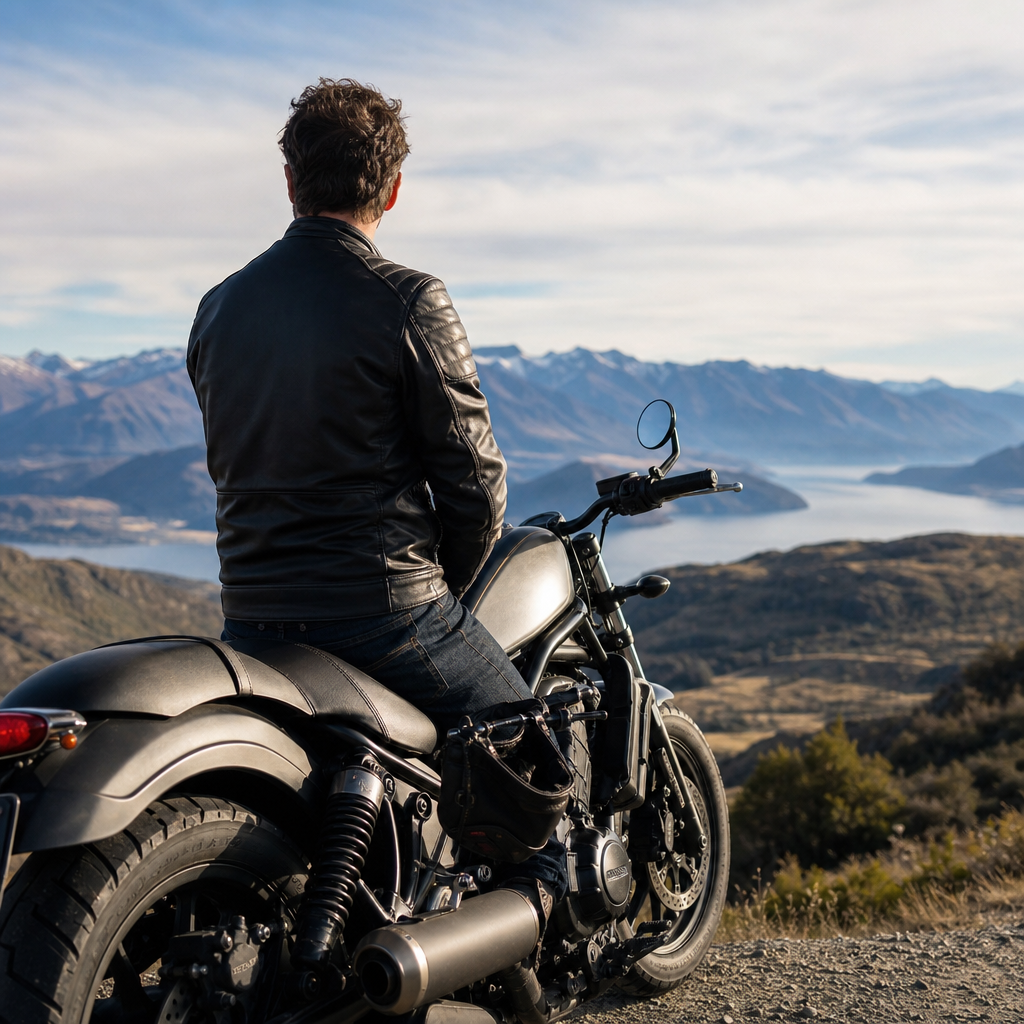
Motorcycling can improve mental health in ways that riders have described for decades, and modern research increasingly supports what the riding community calls “wind therapy.” The phrase refers to the mood-lifting, stress-reducing, and mentally clarifying effects many people experience when they ride a motorcycle. It is not a medical diagnosis or a formal clinical treatment, but it captures a real pattern: focused riding can calm an overloaded mind, strengthen social connection, and create a sense of freedom that many riders struggle to find elsewhere.
In practice, wind therapy blends several mental health drivers at once. Riding demands sustained attention, physical coordination, and situational awareness, which can interrupt repetitive negative thinking. It also places people outdoors, often in daylight and changing landscapes, both of which are associated with better mood and lower stress. Just as important, motorcycling creates community. Group rides, charity events, mentoring relationships, touring clubs, and local meetups give riders a network of shared stories and mutual support. For a sub-pillar focused on community and stories within The Open Road, that social dimension matters as much as the machine.
I have seen this firsthand in conversations with commuters, long-distance tourers, veterans, new riders, and people returning to bikes after burnout or grief. Their stories differ, but the pattern is consistent: riding gives structure to difficult days, creates small goals, and opens the door to relationships that feel genuine. Understanding why this happens requires looking at the science of attention, stress physiology, exercise, identity, and belonging. It also requires honesty about the limits. Motorcycling can support mental health, but it is not a substitute for therapy, medication, crisis care, or safe riding habits. The value of wind therapy is strongest when it is understood clearly and practiced responsibly.
What “Wind Therapy” Really Means
Wind therapy means the psychological relief riders feel from the combined sensory, cognitive, and emotional experience of motorcycling. The term is informal, yet its components are well established. Riding requires active concentration, smooth motor control, hazard scanning, and rapid decision-making. That level of engagement can pull attention away from rumination, the repetitive thought pattern strongly associated with anxiety and depression. Many riders describe this as “the only time my brain gets quiet,” which matches the idea that demanding tasks can narrow mental bandwidth and reduce intrusive thinking.
There is also a flow-state element. Psychologist Mihaly Csikszentmihalyi defined flow as deep absorption in a challenging activity where skill and demand are closely matched. Riding often fits that model. On a familiar route in good conditions, a rider balances throttle, braking, body position, lane placement, and constant prediction of traffic behavior. The task is neither passive nor chaotic. When it is handled within the rider’s ability, it can produce calm alertness rather than mental fatigue.
Wind therapy also includes symbolic meaning. Motorcycles are tied to autonomy, mastery, and identity. For some riders, the act of gearing up, checking tire pressure, and choosing a route becomes a ritual that restores a sense of control. That matters because perceived control is linked to resilience under stress. In mental health terms, the benefit is not mystical. It comes from attention control, sensory engagement, outdoor exposure, achievable challenge, and the story riders tell themselves about competence and freedom.
The Science Behind Stress Relief on a Motorcycle
The strongest scientific case for motorcycle mental health benefits comes from how riding affects stress and attention. A frequently cited UCLA study conducted with the Semel Institute and sponsored by Harley-Davidson found that riding increased sensory focus and produced hormonal changes associated with reduced stress compared with passive rest. Riders showed higher levels of alertness than during rest and changes in biomarkers that suggested lower stress. No single study settles the question, and sponsored research should always be read carefully, but the findings align with what attention science would predict.
When you ride, your brain is continuously filtering moving information: road surface, sight lines, mirrors, intersections, engine feedback, and weather. That controlled cognitive load can act like a reset. It interrupts multitasking, smartphone checking, and background worry. In clinical language, this resembles attentional redirection. It does not erase problems, but it can reduce the intensity of stress in the moment and make thoughts feel more manageable afterward.
Riding also includes light physical exertion. Even on a touring bike, the body is stabilizing against wind, absorbing vibration, supporting posture, and making fine motor adjustments. Low to moderate physical activity is associated with improved mood, partly through endorphin release, improved circulation, and regulation of the stress response. Add fresh air, sunlight, and a break from enclosed environments, and the cumulative effect can be meaningful. Many riders tell me a 40-minute ride after work changes the tone of the entire evening more reliably than sitting on the couch scrolling through news feeds.
Why Community Matters as Much as the Ride
If this hub page is about community and stories, the key point is simple: motorcycling helps mental health not only because people ride, but because people ride together. Social support is one of the clearest protective factors in mental well-being. Stronger social ties are linked to lower rates of depression, better stress regulation, and greater resilience during loss or life transitions. Motorcycle culture, at its best, creates exactly the kind of repeated contact that turns acquaintances into trusted peers.
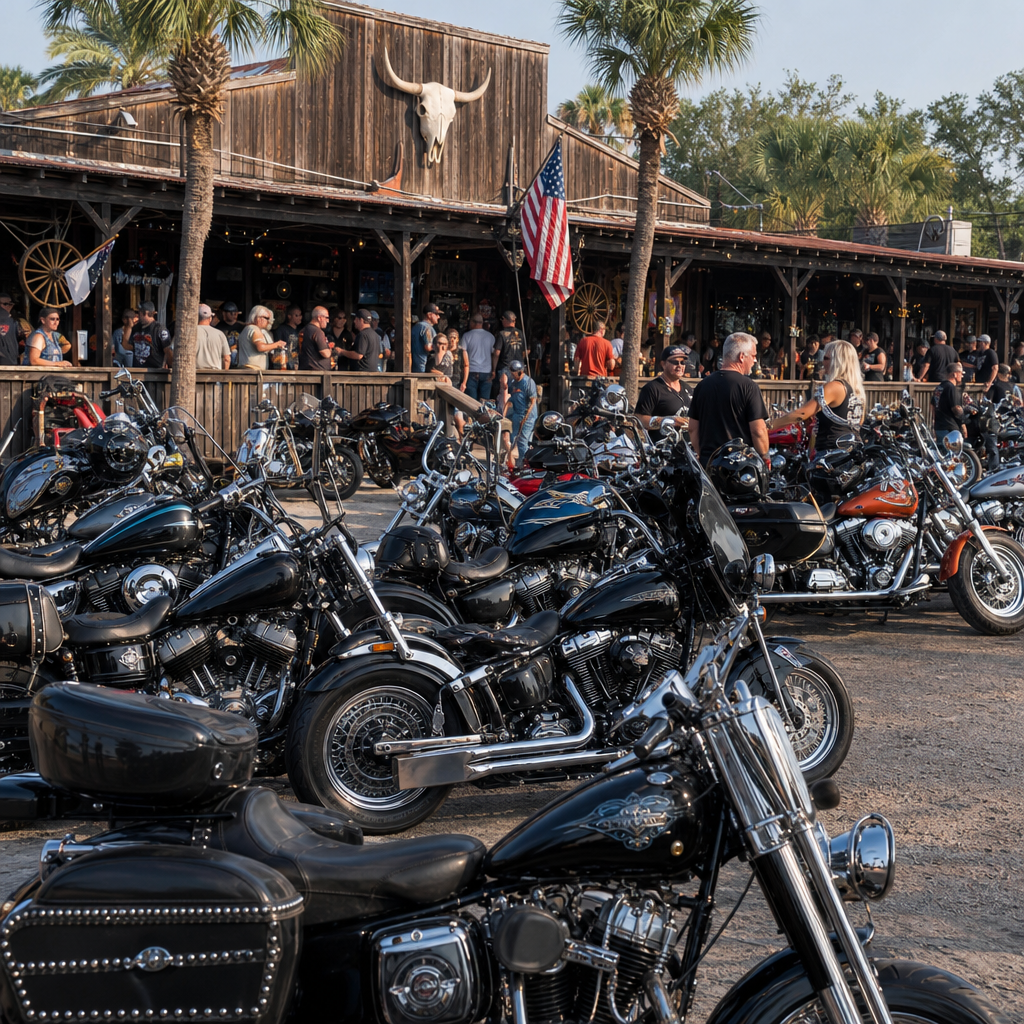
Local groups provide structure many adults otherwise lack. Weekly bike nights, Sunday breakfast rides, maintenance workshops, and seasonal charity runs create recurring events with low social friction. You do not need a polished introduction when the obvious conversation starter is parked beside you. Questions about tires, routes, helmets, suspension setup, or the best local roads open into discussions about work, family, health, and life changes. I have watched riders who arrived withdrawn become regulars because motorcycles gave them a reason to show up before they were ready to talk openly.
Shared identity also reduces isolation. A rider who feels out of place at work or disconnected at home may still feel understood in a garage or at a meetup. That sense of belonging matters. Belonging is not abstract; it is built through repeated acts of recognition, advice, and mutual aid. Someone helps you diagnose a charging issue, lends a torque wrench, texts to check whether you got home in the rain, or invites you on a beginner-friendly route. Those small interactions create real emotional safety over time.
Stories, Rituals, and the Mental Health Value of Meaning
Motorcycle culture runs on stories. Riders swap tales about first bikes, breakdowns, road trips, near misses, mentors, and the routes that changed them. These stories are more than entertainment. In psychology, narrative helps people organize experience and assign meaning to difficult periods. When someone says a bike “got me through divorce” or “gave me a reason to get out of bed after retirement,” they are building a coherent account of recovery and identity.
Rituals strengthen that process. Pre-ride checks, coffee stops, route planning, post-ride debriefs, and annual trips create predictable rhythms. Predictability can calm the nervous system, especially for people dealing with stress, grief, or burnout. The ritual does not need to be grand. A simple Saturday morning loop with the same small group can become an anchor point in a chaotic month.
Community storytelling also normalizes vulnerability. In many riding circles, conversations begin with machines but end with people admitting they needed the ride because work was crushing them, they were caring for a sick parent, or they were struggling after military service. The motorcycle becomes a bridge that makes emotional disclosure easier. That is one reason peer-based communities can be powerful complements to formal care.
| Community format | How it supports mental health | Example in real riding life |
|---|---|---|
| Weekly local meetup | Creates routine and reduces isolation | Riders meet every Thursday, building steady friendships over time |
| Group ride | Combines outdoor activity, focus, and social bonding | A Sunday ride gives newer members confidence and a shared memory |
| Charity run | Adds purpose and prosocial motivation | Participants raise money for veterans, children’s hospitals, or local families |
| Mentoring relationship | Builds competence and trust | An experienced rider coaches a beginner on gear, braking, and road strategy |
| Online rider forum | Extends support between rides | Members share route advice, recovery stories, and check in after accidents |
Who Benefits Most and What the Limits Are
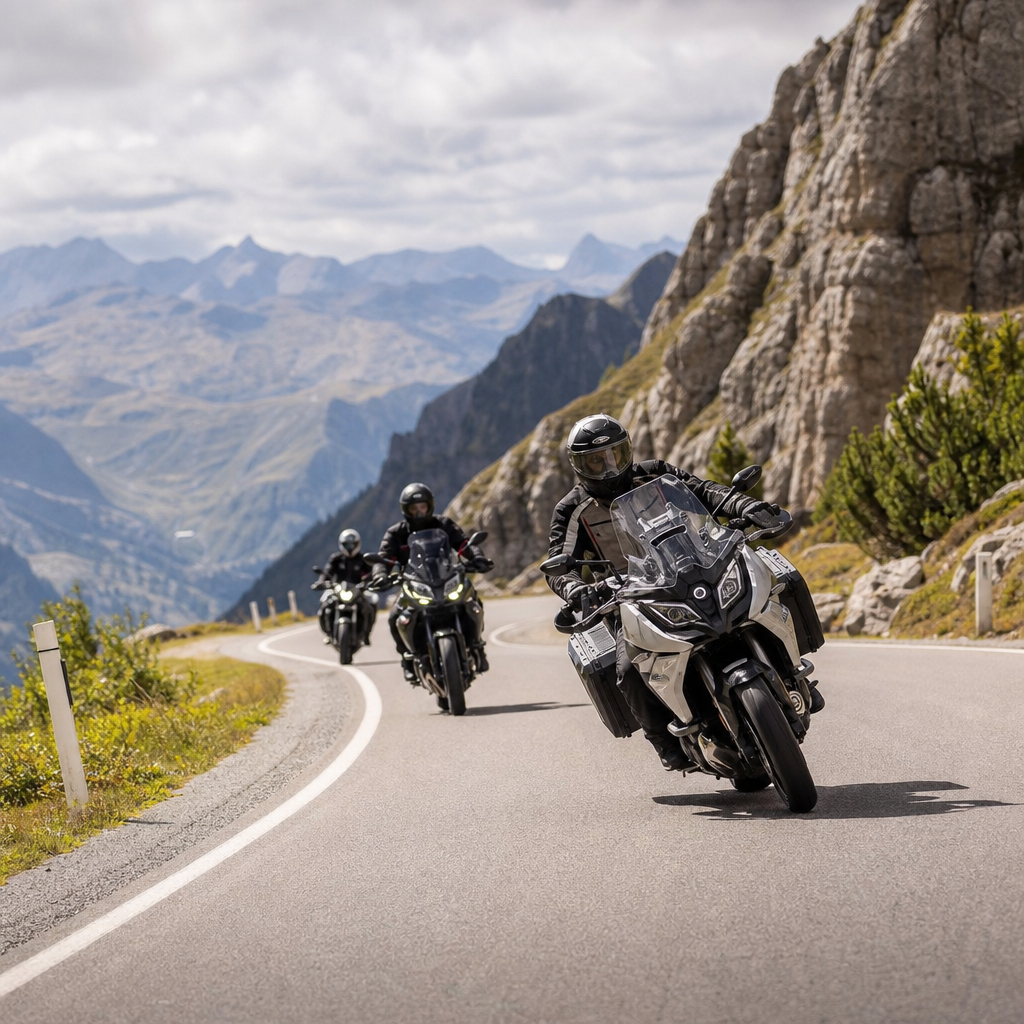
Not every rider experiences wind therapy in the same way. People dealing with high work stress, loneliness, life transition, or mild to moderate anxiety often report the clearest benefits because riding adds both focus and social contact. Veterans’ riding groups, women’s rider networks, and clubs for older adults often describe motorcycles as tools for rebuilding confidence and connection after identity shifts. Commuters may benefit from a short daily reset, while tourers often describe a deeper decompression that comes from hours of sustained attention and scenic immersion.
But there are limits, and they matter. Motorcycling is not inherently calming for everyone. New riders may feel overstimulated at first. Heavy traffic, poor weather, excessive speed, lack of training, or social pressure from faster riders can turn a potentially therapeutic ride into a stressful one. Riders with trauma histories may find certain environments activating rather than soothing. That is why context matters more than slogans.
There is also a basic safety truth: risk changes the equation. The mental health benefits of riding increase when riders wear proper gear, stay within their skill level, maintain their motorcycles, and complete recognized training such as courses from the Motorcycle Safety Foundation or equivalent national programs. Confidence built on skill is calming. False confidence is not. If someone is using riding to cope with severe depression, panic, substance misuse, or suicidal thinking, the right response is professional care first, with riding only as a supportive activity when it is safe.
How to Use Motorcycling Intentionally for Better Mental Health
The riders who gain the most from wind therapy usually treat it as a practice, not just a hobby. Start by matching the ride to the mental state you want. If you need decompression, choose a familiar route with lower traffic and enough time that you are not rushing. If you need connection, join a small group known for inclusive pacing and clear communication. If you need confidence, work on one skill at a time in a parking lot or through advanced training rather than chasing bigger bikes or longer miles.
Build routines around the ride. A short pre-ride check using T-CLOCS principles, a phone on do-not-disturb, and a clear ride objective can make the experience more restorative. During the ride, focus on deliberate scanning, breathing, and smooth inputs. Afterward, note what changed. Did your shoulders drop? Did your thoughts slow down? Did talking to other riders help more than the ride itself? That reflection turns a vague good feeling into something repeatable.
For community, choose spaces that reward support over ego. Healthy motorcycle communities welcome beginners, talk openly about safety, and respect different riding styles. They organize charity events, mentorship, and no-pressure social rides. If your current group encourages risk, mocks caution, or treats vulnerability as weakness, it will undermine the very mental health benefits you are seeking. The best riding communities make people feel steadier, not smaller.
Wind therapy is real in the sense that motorcycling can measurably and meaningfully improve how many people feel, think, and connect. The mechanism is not mysterious. Riding demands focused attention, offers outdoor exposure and light physical activity, creates rituals, and builds belonging through shared stories and repeated contact. Those factors are all linked to better mental well-being. That is why motorcycles occupy such a powerful place in the community and stories side of The Open Road: they do more than move people across distance. They often help people move through hard seasons of life.
The most reliable benefits come from intentional riding. Skill development, protective gear, reasonable pacing, and the right group culture turn a ride from simple recreation into a durable mental health support. Riders who understand this tend to create habits that last: regular meetups, mentoring, scenic solo loops, and service-oriented events that connect purpose with pleasure. They do not claim motorcycles solve everything. They recognize that riding works best as one part of a broader mental health toolkit that may also include therapy, exercise, sleep, and strong relationships.
If you ride already, think about what part helps most: the focus, the ritual, the friendships, or the stories you carry home. If you are considering riding, start with training and a community that values safety and inclusion. Then use the road with intention. Done well, motorcycling can offer something increasingly rare: a practical, repeatable way to feel present, connected, and mentally lighter.
Frequently Asked Questions
What is “wind therapy,” and why do so many riders say motorcycling helps their mental health?
“Wind therapy” is the informal term riders use to describe the mental and emotional reset they often experience on a motorcycle. It is not a medical diagnosis, a licensed therapy modality, or a replacement for professional mental health care. Instead, it refers to a recognizable pattern: many riders report that time on the road helps them feel calmer, more focused, less mentally cluttered, and more emotionally balanced. The reason this idea has lasted for decades is simple—people consistently describe similar benefits, even across different ages, riding styles, and experience levels.
Part of the effect comes from the way riding demands full attention. On a motorcycle, you are scanning traffic, reading road surfaces, managing speed, cornering, and staying aware of your environment. That level of active engagement can interrupt repetitive worry and overthinking. In psychological terms, it can resemble a state of deep concentration, where mental energy is directed into the present moment rather than into stress loops about the past or future. For many people, that shift alone feels deeply restorative.
There is also a physical component. Riding combines movement, outdoor exposure, changing scenery, and sensory stimulation in a way that can feel energizing without being chaotic. When done safely, that combination may help reduce stress and improve mood, similar to the emotional lift people get from other immersive activities. In addition, motorcycling often gives riders a sense of competence, autonomy, and identity—three factors strongly associated with well-being. Even a short ride can feel like reclaiming mental space, which is why so many motorcyclists describe it as one of the most reliable ways to reset their head.
Is there any science behind the idea that motorcycle riding can reduce stress and improve mood?
Yes, there is growing scientific support for the idea, even if the phrase “wind therapy” itself is informal. Research into focused recreational activities, attention, stress reduction, outdoor exposure, and social connection helps explain why riding may have measurable mental health benefits. Some motorcycle-specific studies and rider surveys have found that riders often report lower stress, improved mood, increased alertness, and a stronger sense of well-being after riding. While this does not mean riding is a universal solution or a medical treatment, it does suggest that the benefits many riders describe are not purely anecdotal.
One key explanation is attentional absorption. Riding requires concentration, quick decision-making, and constant situational awareness. That can reduce mental rumination, which is a major contributor to anxiety and stress. In many ways, the brain is being pulled into the present moment. This kind of mental engagement can create a state similar to mindfulness, where a person is less consumed by internal noise because they are fully involved in what they are doing right now.
Another important factor is the relationship between stress physiology and enjoyable challenge. Activities that are stimulating but manageable can help regulate mood and improve a sense of control. Riding also frequently takes place outdoors, and exposure to natural light, fresh air, and changing environments has been associated with emotional benefits. Add in the social side of riding—group rides, shared identity, community support, and a sense of belonging—and the picture becomes even stronger. The science does not say motorcycles cure mental health conditions, but it increasingly supports the idea that riding can be a meaningful, mood-supportive activity for many people.
How does riding a motorcycle compare to mindfulness or meditation for mental clarity?
Motorcycling and mindfulness are not the same thing, but they can overlap in important ways. Traditional mindfulness and meditation usually involve intentional stillness, breath awareness, and observing thoughts without reacting to them. Motorcycle riding is active, dynamic, and externally focused. However, many riders experience a similar outcome: they become absorbed in the present moment, their mental chatter quiets down, and their attention narrows to what is directly in front of them.
This happens because riding leaves very little room for distraction. A rider has to stay engaged with speed, balance, road conditions, traffic patterns, weather, and body position. That kind of total involvement can create a “flow” state, where the brain is fully occupied with a meaningful task. Flow is often associated with reduced self-consciousness, improved mood, and a feeling that time has either slowed down or passed quickly. For someone whose mind is usually overloaded, that shift can feel incredibly clarifying.
That said, riding should not be viewed as a substitute for mindfulness training, meditation, therapy, or medical care when those are needed. It is better understood as a different pathway to mental presence. For some people, sitting quietly and meditating feels difficult or inaccessible, while a focused ride naturally produces a calming, grounded effect. In that sense, riding can function as a form of moving mental reset. It may complement other wellness practices very well, especially when riders approach it deliberately, safely, and with awareness of why it helps them feel more centered.
Can motorcycling help with anxiety, depression, or burnout, or is that an exaggeration?
Motorcycling may help some people manage symptoms related to anxiety, depression, or burnout, but it is important to be accurate and responsible about what that means. Riding is not a cure, and “wind therapy” should not be presented as a replacement for evidence-based treatment. However, for many riders, it can be a powerful supportive habit that improves mood, reduces stress, interrupts mental fatigue, and restores a sense of energy and focus. Those benefits are real, even if they vary from person to person.
For anxiety, one of the biggest advantages of riding is attentional redirection. When a person is caught in worry or mental overanalysis, riding can demand enough concentration to break that cycle temporarily. For burnout, a ride can create separation from work, routine, and digital overload. It provides a concrete experience of freedom, agency, and reset, which many people find psychologically valuable. For low mood or depression, riding may help by adding structure, sensory stimulation, outdoor time, purposeful activity, and social contact—each of which can support emotional health.
Still, there are limits. If someone has severe anxiety, depression, trauma symptoms, panic attacks, or any mental health condition that affects concentration, sleep, judgment, or reaction time, safety becomes a major consideration. In those cases, it is wise to talk with a qualified health professional and make thoughtful decisions about when and how to ride. Motorcycling can be part of a broader self-care strategy, but it works best when viewed as one tool among many. The healthiest perspective is that riding may meaningfully support mental wellness, while professional help remains essential whenever symptoms are serious, persistent, or worsening.
What are the safest and most effective ways to use motorcycle riding as a mental wellness habit?
The most effective way to use riding for mental wellness is to treat it as a purposeful, safety-first practice rather than an escape fueled by impulsiveness. The goal is not to ride recklessly to “blow off steam,” but to create conditions where the ride genuinely helps regulate stress and improve clarity. That starts with basic preparation: ride well-rested, wear proper protective gear, avoid alcohol or substances, check your motorcycle, and choose routes that match your skill level and mental state. A calm, controlled ride is far more likely to be beneficial than an aggressive one.
It also helps to be intentional. Many riders find that shorter, regular rides are just as restorative as long trips. You might use riding as a transition after a stressful workday, a weekend reset, or a screen-free break that lets your mind settle. Scenic routes, lower-traffic roads, and rides through natural environments may be especially helpful because they combine focus with sensory relief. Some riders also benefit from riding alone for quiet mental space, while others feel better riding with trusted friends and enjoying the social connection that comes with the motorcycle community.
Finally, pay attention to your emotional state before and after the ride. If riding consistently leaves you calmer, clearer, and more grounded, that is useful information. If you notice that you are using riding only when emotionally dysregulated, overly angry, or mentally distracted, it may be better to pause and reset before getting on the bike. The healthiest version of wind therapy is reflective, safe, and balanced. Used that way, motorcycling can become a meaningful mental wellness ritual—one that supports mood, focus, and resilience while fitting into a larger lifestyle that includes rest, relationships, and, when needed, professional care.