Stories from the road are more than travel memories; they are living proof that motorcycles create community, sharpen judgment, and turn ordinary highways into defining chapters. In 2026, riders documented epic rides across deserts, mountain passes, coastal roads, and crowded city corridors, and the strongest stories shared a common thread: the road mattered, but the people, preparation, and meaning behind each mile mattered more. For a hub page under The Open Road, Community & Stories covers the human side of riding culture, from solo endurance runs to charity rides, group tours, campfire traditions, and the digital networks that now shape how motorcyclists meet, plan, and remember their journeys.
When riders talk about an epic ride, they rarely mean speed alone. An epic ride usually combines distance, terrain, weather, logistics, emotional stakes, and the relationships formed along the way. A 300-mile mountain loop can feel more monumental than a cross-state sprint if it includes a first alpine pass, a mechanical setback solved at a rural gas station, and a shared meal with strangers who become future riding partners. In my experience covering organized tours, owner meetups, and independent route planning, the stories that endure are the ones with texture: the ferry crossing before sunrise, the rain line visible over the ridge, the old diner where five brands of bikes were parked side by side.
This matters because modern motorcycling is increasingly shaped by information overload. Riders can access GPX tracks, weather overlays, helmet intercoms, satellite communicators, and local recommendations within minutes, yet many still struggle to find stories that are useful, trustworthy, and grounded in real conditions. A strong community hub solves that problem. It brings together ride reports, practical advice, rider profiles, route ideas, safety lessons, and event culture in one place. It also helps new riders understand the unwritten rules of the road community: how to join a group ride without disrupting it, how to tell a useful trip story, and how to learn from another rider’s mistakes without repeating them.
The most epic rides of 2026 also reflect a broader shift in motorcycle culture. More mixed-surface touring appeared in ride reports. More women-led group rides gained visibility. More regional communities organized around skill building, not just weekend meetups. More riders documented accessible adventures close to home instead of chasing only famous bucket-list routes. As a result, Community & Stories is not just entertainment. It is a practical gateway into the riding world, and it helps readers discover related route guides, gear breakdowns, event calendars, and rider interviews throughout The Open Road.
What Made the Most Epic Rides of 2026 Stand Out
The defining rides of 2026 stood out because they combined challenge with narrative clarity. Riders remembered exact moments: crossing Beartooth Pass after a weather delay, descending into Utah canyon country as temperatures climbed 25 degrees in two hours, or navigating a night arrival in Nova Scotia after a missed ferry connection. These stories worked because they answered the questions every rider asks: What route did you take? What bike were you on? What went wrong? What would you do differently? The best ride reports gave those answers clearly, often with fuel stops, timing notes, packing choices, and honest reflections about fatigue.
Several ride patterns emerged again and again. Long-weekend loops became more popular than month-long odysseys because they fit work schedules while still delivering a sense of expedition. Shoulder-season rides in April, May, September, and October generated especially memorable stories because riders faced real weather decisions instead of predictable summer conditions. Small-group rides of three to six bikes also outperformed larger packs in story quality. They moved faster, stopped with less chaos, and allowed each rider to have an actual experience rather than just following taillights through traffic.
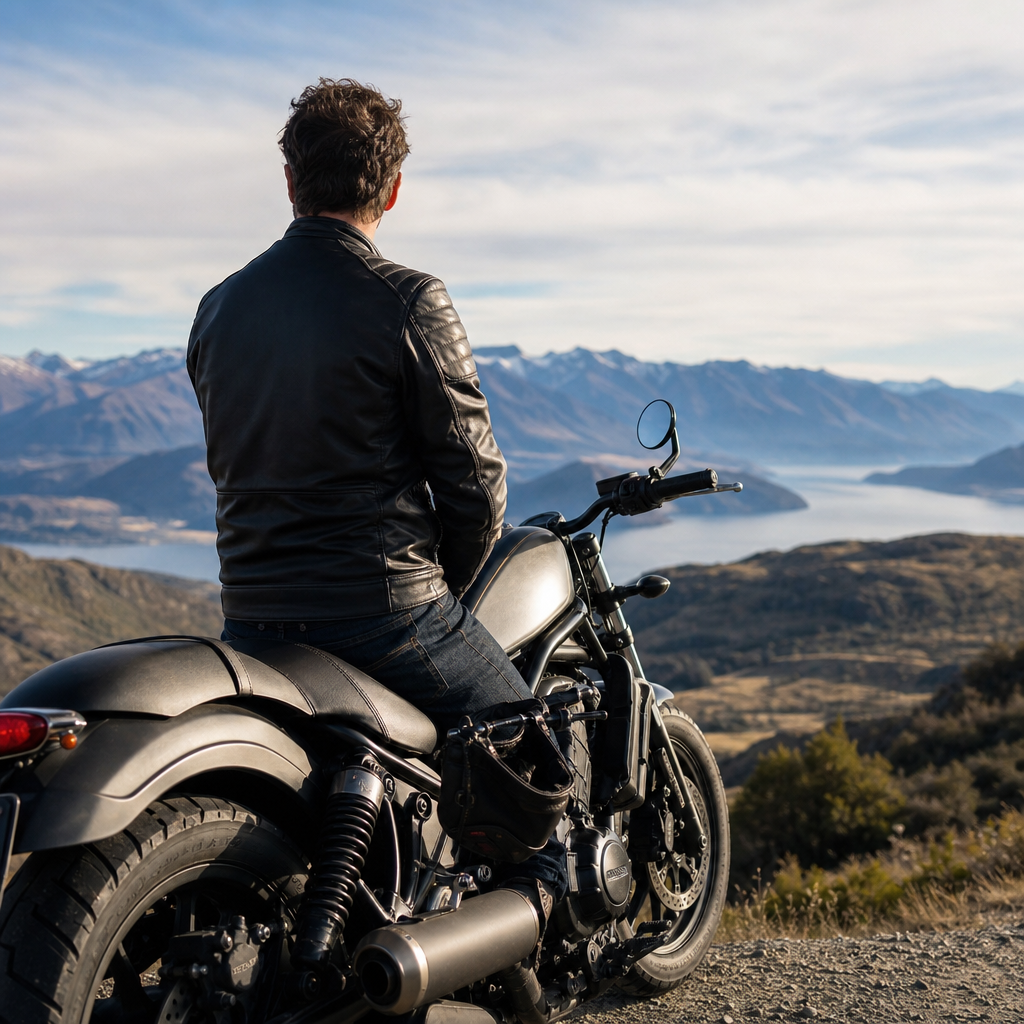
Another reason these rides felt epic was contrast. A route that linked urban launch points to remote terrain gave riders a stronger sense of transition. Leaving Chicago before dawn and reaching the Driftless Area by breakfast, or departing Los Angeles and ending the day under desert stars near Joshua Tree, created an emotional arc that pure mileage never can. The strongest stories used these contrasts well, showing how roads, light, elevation, and local culture changed over a single day. That is why memorable motorcycling stories are built, not merely recorded.
The Routes Riders Talked About All Year
Some roads generated stories because they are famous; others because riders discovered new ways to connect them. In North America, the Blue Ridge Parkway remained a staple, but the more interesting 2026 reports linked it with lesser-known connectors through western North Carolina and southwest Virginia to avoid congestion and add technical variety. Out West, U.S. 550 through Colorado kept its reputation for dramatic exposure and unforgettable scenery, yet riders who paired it with slower detours through the San Juans told richer stories than those who simply blasted through for photos.
In Europe, the Dolomites again dominated conversation, especially among sport-touring riders, but many of the most useful stories came from those who rode just outside the marquee passes and documented lodging logistics, weekday traffic windows, and wet-weather alternatives. In the United Kingdom, Scotland’s North Coast routes remained popular, though the best reports focused on timing, fuel planning, and tourist traffic management rather than postcard imagery. Australia’s Great Alpine Road and New Zealand’s South Island loops also appeared frequently because they combine changing conditions with strong local rider hospitality.
What riders consistently valued was not novelty for its own sake, but route structure. A great route offers rhythm: technical sections, recovery stretches, reliable fuel, memorable food stops, and overnight points worth reaching. The most useful community stories explained that rhythm in plain language. They noted where afternoon crosswinds intensified, where cell service faded, and where road surfaces shifted from smooth sweepers to frost-heaved patches. That level of detail turns inspiration into a plan.
| Ride Type | Why Riders Called It Epic | Best Story Angle | Common Planning Lesson |
|---|---|---|---|
| Mountain pass loop | Rapid elevation change, weather shifts, technical corners | Decision-making under changing conditions | Start early and monitor closures hourly |
| Coastal multi-day tour | Big scenery, variable wind, ferry or lodging logistics | How timing shapes the whole experience | Book key overnight stops before peak weekends |
| Desert crossing | Isolation, temperature extremes, fuel spacing | Preparation versus overconfidence | Carry water and confirm operating hours |
| Urban-to-rural weekend ride | Strong contrast and easy access for new travelers | Transformation within a short timeframe | Use secondary roads instead of direct highways |
Community Is What Turns a Ride Into a Story
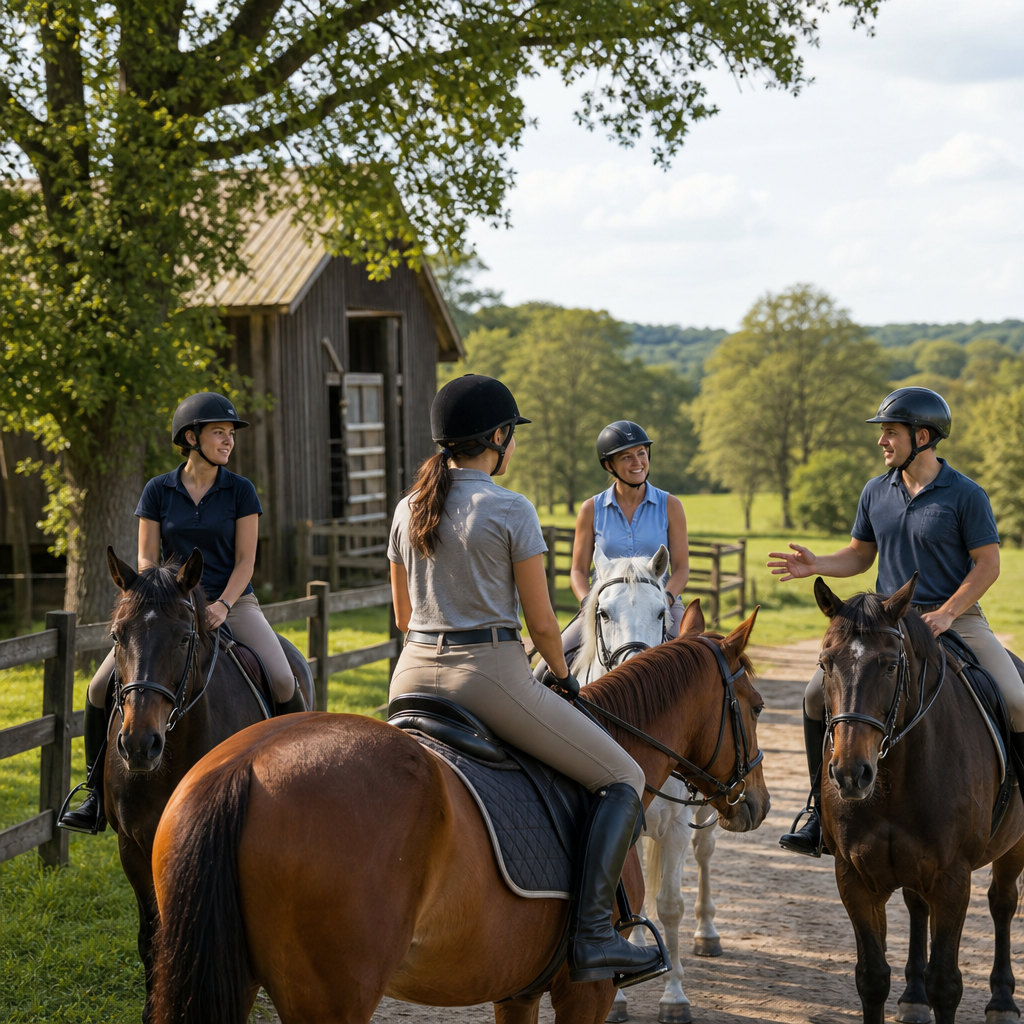
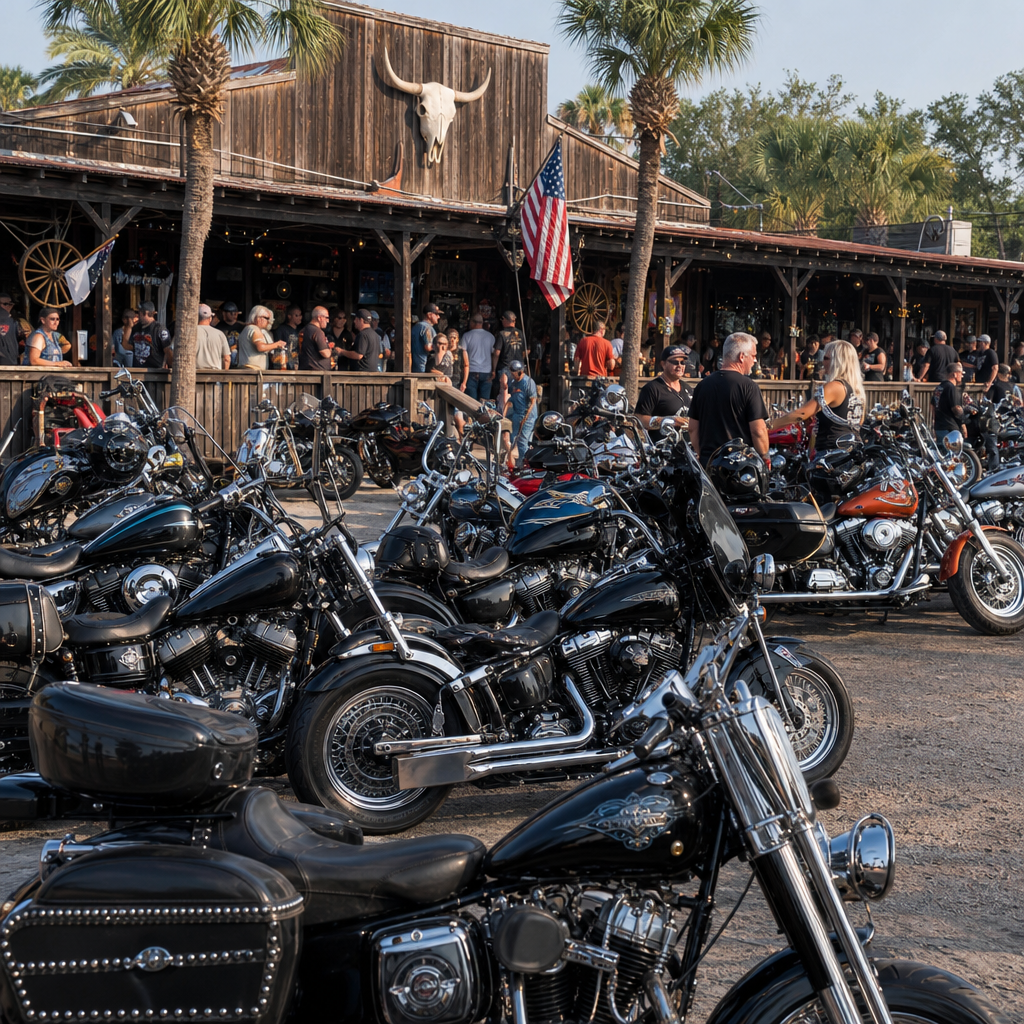
A route becomes a story when it passes through people. In 2026, some of the most widely shared ride accounts were not solo conquests but group experiences shaped by mentorship, generosity, and shared problem solving. I saw this repeatedly at regional meetups where experienced riders quietly coached newer members on staggered formation, corner entry discipline, and fuel-stop etiquette before anyone started their engines. Those instructions rarely make social media highlight reels, yet they are what allow a ride to unfold smoothly enough for the meaningful moments to happen.
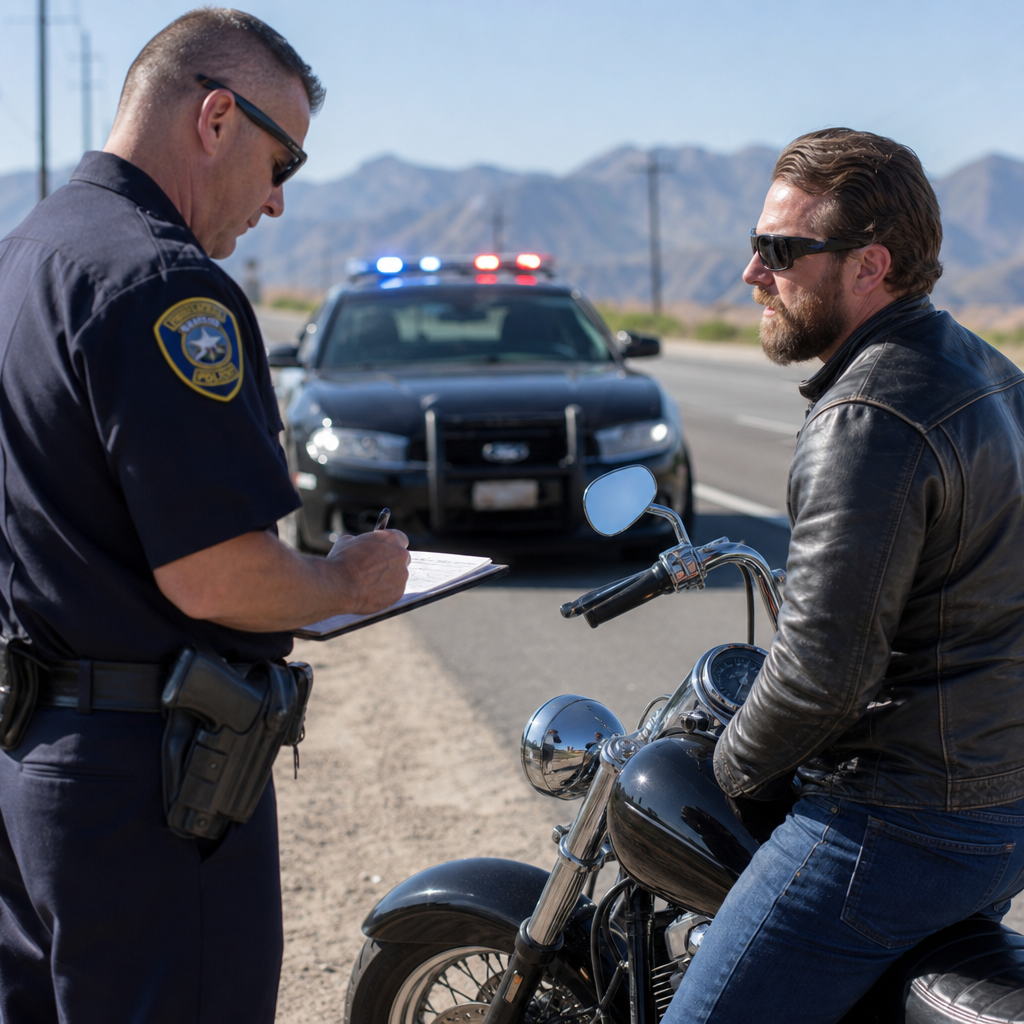
Community also shows up in recovery. Riders remember the couple who offered tools outside a motel in Wyoming, the local club member who recommended a safer detour around construction, or the cafe owner who stayed open fifteen minutes late because six soaked riders rolled in after a storm delay. These details matter because they reveal what motorcycling culture actually looks like on the ground. It is less about slogans and more about practical respect: checking whether the last rider made the light, sharing route files, waiting at turns, and being honest when someone looks too tired to continue safely.
The best Community & Stories pages should therefore connect readers to more than inspiration. They should point toward group-riding guides, regional club directories, event roundups, rider interviews, and first-person trip reports organized by style, skill level, and geography. A new rider looking for community should be able to move from an epic story to a beginner-friendly overnight loop, then to a packing list, then to a guide on ride pacing. That internal structure helps stories serve a real purpose.
How Riders Captured and Shared Their 2026 Journeys
The storytelling tools of 2026 changed the quality of ride documentation. Action cameras remained popular, but many riders produced better stories by relying less on constant footage and more on selective evidence: a track log from REVER or Garmin Tread, three photos that showed changing conditions, a screenshot of radar history, and a short written reflection recorded while details were fresh. This created more credible, more readable ride reports. Endless helmet-cam footage rarely explains why a day mattered; a precise account of why a rider turned back at a pass often does.
Intercom systems such as Cardo Packtalk and Sena Mesh also influenced how stories were told. Riders could capture immediate impressions, route corrections, and weather calls in real time, then use those details to reconstruct events accurately later. Meanwhile, satellite messengers such as Garmin inReach became part of the story itself on remote rides, especially in the West and in northern regions where service gaps remain normal. Readers trust reports more when the writer names the tools used and the limits encountered.
Good sharing also means useful structure. The most valuable ride stories usually include a route summary, bike setup, weather conditions, road quality, standout moments, mistakes, and lessons learned. That format respects the reader. It also creates a reusable archive for the wider community, which is exactly what a sub-pillar hub should support through linked stories, route categories, and destination collections.
The Practical Lessons Hidden Inside Every Great Ride Report
Epic rides are entertaining, but their deeper value lies in pattern recognition. Across hundreds of 2026 stories, the same lessons kept surfacing. Riders underestimated hydration in dry climates, overestimated fuel availability in rural corridors, and misjudged how much slower a scenic route becomes when every overlook, repair zone, and photo stop adds ten minutes. These are not dramatic errors, but they compound. A delayed lunch becomes a rushed final hour, and a rushed final hour is where avoidable mistakes happen.
The stories worth saving were honest about this. They explained how tire choice affected confidence on patched pavement, why visor management matters when riding from cold morning valleys into sunlit afternoon glare, and how group composition determines pace more than engine size. A strong rider on a middleweight standard often keeps a group smoother than an aggressive rider on a superbike because consistency is more valuable than bursts of speed. That is a lesson experienced ride leaders understand immediately.
Another recurring lesson was restraint. Turning around before black ice, stopping early because crosswinds became tiring, or splitting a planned 500-mile day into two shorter stages is not failure. It is mature trip management. The best 2026 ride stories normalized that mindset. They showed that judgment, not bravado, is what makes a ride genuinely epic and safely repeatable.
Building a Living Hub for Community & Stories
As a hub within The Open Road, Community & Stories should function like a map of rider experience. It should organize content by ride type, destination, season, and rider goal. One reader may want first-person long-distance touring accounts. Another may be looking for women-led community rides, charity events, local meetups, or two-up travel stories. A useful hub acknowledges all of those entry points and makes discovery easy. It also benefits from recurring features such as rider spotlights, best-of-the-month ride reports, event recaps, and practical storytelling guides.
Editorially, the strongest hubs balance aspiration with utility. Publish the unforgettable Alaska run, but also publish the one-night Appalachian shakedown trip that taught a new rider how to pack, pace, and reroute around storms. Feature the transcontinental charity ride, but also the neighborhood memorial ride that shows how motorcycles build local bonds. Those stories are part of the same ecosystem. Together, they reflect what community actually means: not a single type of rider, but a shared practice of showing up, learning, and passing knowledge forward.
If you are building your own place in that ecosystem, start by reading deeply, riding attentively, and documenting honestly. Use this Community & Stories hub as your launch point into route guides, event coverage, rider profiles, and planning resources across The Open Road. The most epic rides of 2026 were memorable because riders turned miles into meaning. Your next story can do the same if you prepare well, stay curious, and share what you learn with the next rider down the road.
Frequently Asked Questions
What made the most epic motorcycle rides of 2026 stand out from ordinary road trips?
The most memorable rides of 2026 stood out because they offered far more than scenic mileage or impressive route maps. Riders consistently described these journeys as meaningful experiences shaped by challenge, connection, preparation, and perspective. Whether the road led through remote desert stretches, winding mountain passes, dramatic coastal highways, or dense urban corridors, the stories that resonated most were the ones where every mile carried emotional weight. These were not simply trips from one destination to another; they were moments of growth, problem-solving, and shared experience that stayed with riders long after the engines cooled.
What separated an epic ride from an ordinary one was often the combination of environment and response. A sudden weather shift, a mechanical issue handled calmly on the shoulder, a sunrise after a difficult overnight push, or a conversation at a fuel stop with another rider could transform a routine route into something unforgettable. In many of the strongest 2026 stories, the road itself was only part of the equation. The people encountered along the way, the judgment required in changing conditions, and the intention behind the trip gave each ride depth and meaning.
Another defining factor was that riders returned from these journeys with more than photos. They came back with clearer confidence, stronger riding habits, new friendships, and a renewed respect for the communities that shape motorcycling culture. The best road stories from 2026 remind us that epic rides are not measured only by distance, difficulty, or fame of the route. They are measured by how deeply they affect the rider and how powerfully they express what it means to be part of life on two wheels.
Why do stories from the road matter so much in motorcycle culture?
Stories from the road matter because they preserve the human side of motorcycling. A motorcycle can symbolize freedom, skill, independence, and adventure, but those ideas become real through lived experience and shared storytelling. When riders talk about long desert runs, fog-covered mountain descents, late-night city crossings, or chance meetings at roadside diners, they are doing more than recounting events. They are passing along values, lessons, warnings, humor, and identity. In that sense, road stories are a living archive of motorcycle culture.
These stories also strengthen community. Riders often come from different backgrounds, regions, and riding styles, yet they recognize one another through common experiences: planning routes, managing fatigue, respecting conditions, adapting to the unexpected, and finding meaning in motion. In 2026, many of the most compelling ride accounts reflected this shared understanding. A story about a solo trip often became a story about the strangers who helped, the local communities that welcomed a traveler, or the group ride bonds that formed under demanding conditions. That exchange of experience creates trust and connection across the broader riding world.
Just as importantly, road stories help newer riders learn in ways that feel practical and memorable. Technical advice is essential, but stories give context to that advice. A rider is more likely to remember the importance of hydration, pacing, route research, and weather awareness when those lessons are tied to a real experience. This is why stories remain central to The Open Road, Community & Stories coverage: they capture not just where riders went, but what the journey taught them and why it still matters.
How did riders prepare for the most challenging and rewarding rides of 2026?
The strongest ride stories of 2026 made one point very clear: preparation was not separate from the adventure; it was part of it. Riders who took on demanding routes across deserts, elevation-heavy mountain roads, exposed coastal stretches, or unpredictable urban traffic corridors rarely relied on enthusiasm alone. They prepared their motorcycles carefully, studied route conditions, built in flexibility, and thought realistically about their own endurance and skill level. That preparation often made the difference between a stressful trip and a transformative one.
Mechanical readiness was a major theme. Riders checked tires, brakes, fluid levels, chain or belt condition, battery health, lighting, and luggage security before leaving. On longer or more remote rides, many also carried basic tools, tire repair supplies, first-aid kits, weather layers, hydration systems, and backup charging options for communication and navigation devices. These details may seem routine, but they repeatedly showed up in 2026 ride accounts as the reason a difficult day stayed manageable instead of becoming a trip-ending problem.
Mental preparation mattered just as much. Experienced riders approached epic routes with respect rather than ego. They planned fuel stops, watched weather patterns, accounted for altitude and temperature swings, and understood that a smart turnaround is sometimes the best decision a rider can make. Group riders also emphasized communication, ride pacing, and realistic expectations among all participants. The most rewarding stories were rarely about reckless risk. They were about thoughtful planning meeting real-world unpredictability, with riders using skill and judgment to keep moving safely and confidently.
What kinds of routes defined the most unforgettable motorcycle stories of 2026?
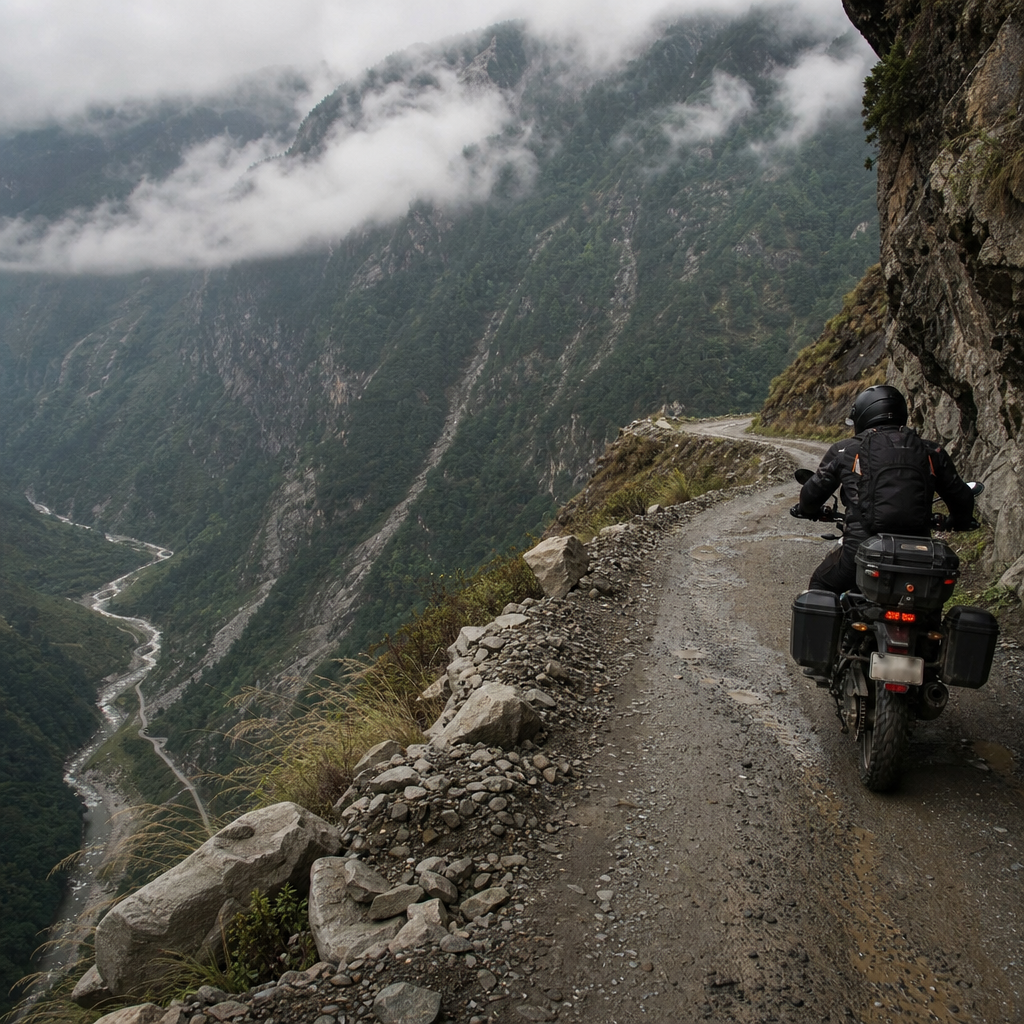
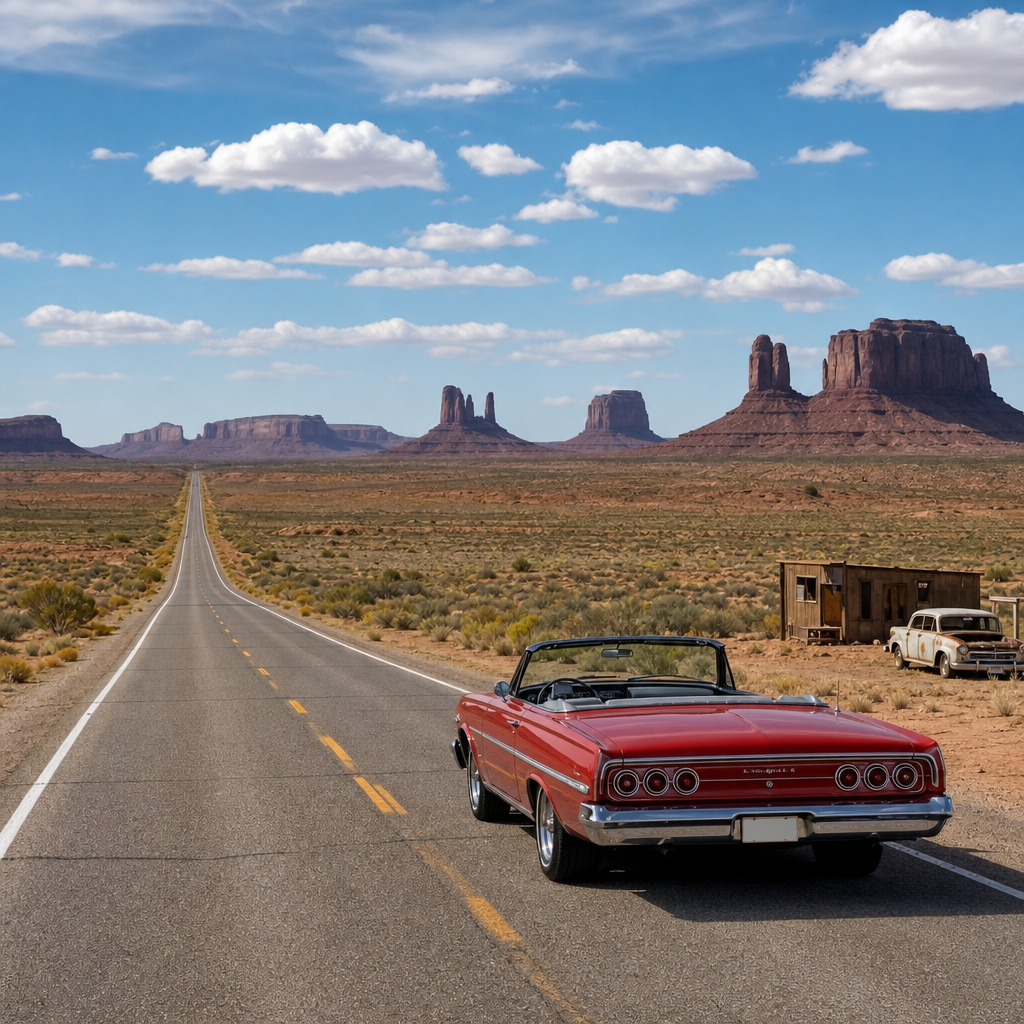
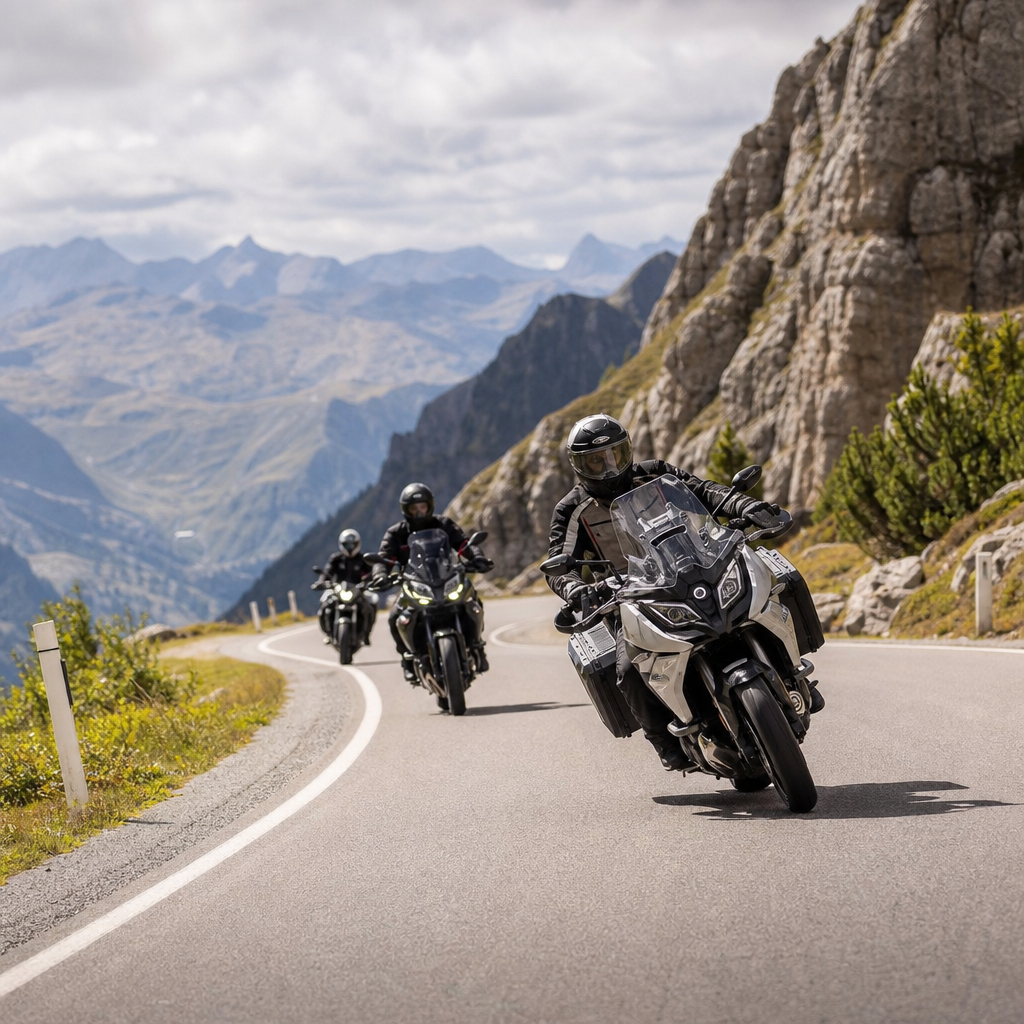
The unforgettable rides of 2026 came from a wide range of terrain, but four route types appeared again and again: deserts, mountain passes, coastal roads, and city corridors. Each offered a distinct kind of challenge and emotion. Desert rides delivered isolation, vast horizons, and a heightened awareness of machine reliability and personal endurance. Mountain routes demanded focus, technical precision, and constant adaptation to elevation, weather, and visibility. Coastal roads brought dramatic scenery, changing winds, and a rhythm that often felt reflective or restorative. Urban rides, while less romanticized in traditional touring narratives, proved just as powerful by highlighting alertness, timing, and the pulse of local culture.
What made these routes unforgettable was not simply their visual appeal. It was how they changed the rider’s state of mind. A mountain pass could humble even a seasoned motorcyclist. A desert crossing could sharpen respect for planning and self-reliance. A coastal ride could turn into a deeply personal journey marked by silence, memory, or reset. A city run at the right hour could reveal a completely different kind of mastery, where awareness, timing, and calm decision-making become the true measures of skill. In 2026, the best stories made it clear that no single route type owns the idea of an epic ride.
Many of the most compelling stories also blended route types into a single journey. A rider might leave crowded streets at dawn, climb into mountain weather by midday, and finish along an open coastline before nightfall. That variety created a sense of progression and narrative that made the ride feel like a complete chapter rather than a single highlight. For readers and riders alike, these accounts reinforce an important truth: unforgettable roads are not just famous roads. They are roads that demand attention, reward presence, and leave behind a lasting sense of having truly traveled.
What can readers learn from the epic ride stories collected under The Open Road, Community & Stories?
Readers can learn that the best motorcycle stories are about far more than adventure for its own sake. They show how riding builds judgment, deepens resilience, and creates community across distances and differences. Again and again, 2026 ride stories demonstrated that memorable journeys are shaped by decisions made before, during, and after the ride: how riders prepare, how they respond under pressure, how they treat fellow travelers, and how they reflect on the meaning of the trip once it is over. These stories are entertaining, but they are also instructive.
They teach practical lessons in a natural way. Readers pick up the importance of route planning, weather awareness, mechanical readiness, stamina management, and adaptability. They also see that strong riders are not defined by speed or bravado, but by consistency, awareness, and respect for the road. In group narratives, readers learn about communication and trust. In solo narratives, they see the value of patience, humility, and self-reliance. Across both, one lesson remains constant: every ride becomes better when the rider stays engaged, prepared, and open to the people and places encountered along the way.
Most importantly, these stories remind readers why motorcycling continues to matter on a human level. The road has a way of clarifying what is essential. It strips away distraction and asks for attention, discipline, and presence. That is why stories from the road continue to resonate so strongly. They are not just records of movement; they are records of transformation. For a hub page under The Open Road, Community & Stories, that perspective is central. The ride matters, the route matters, but the meaning riders make from those miles is what turns a journey into a story worth sharing.