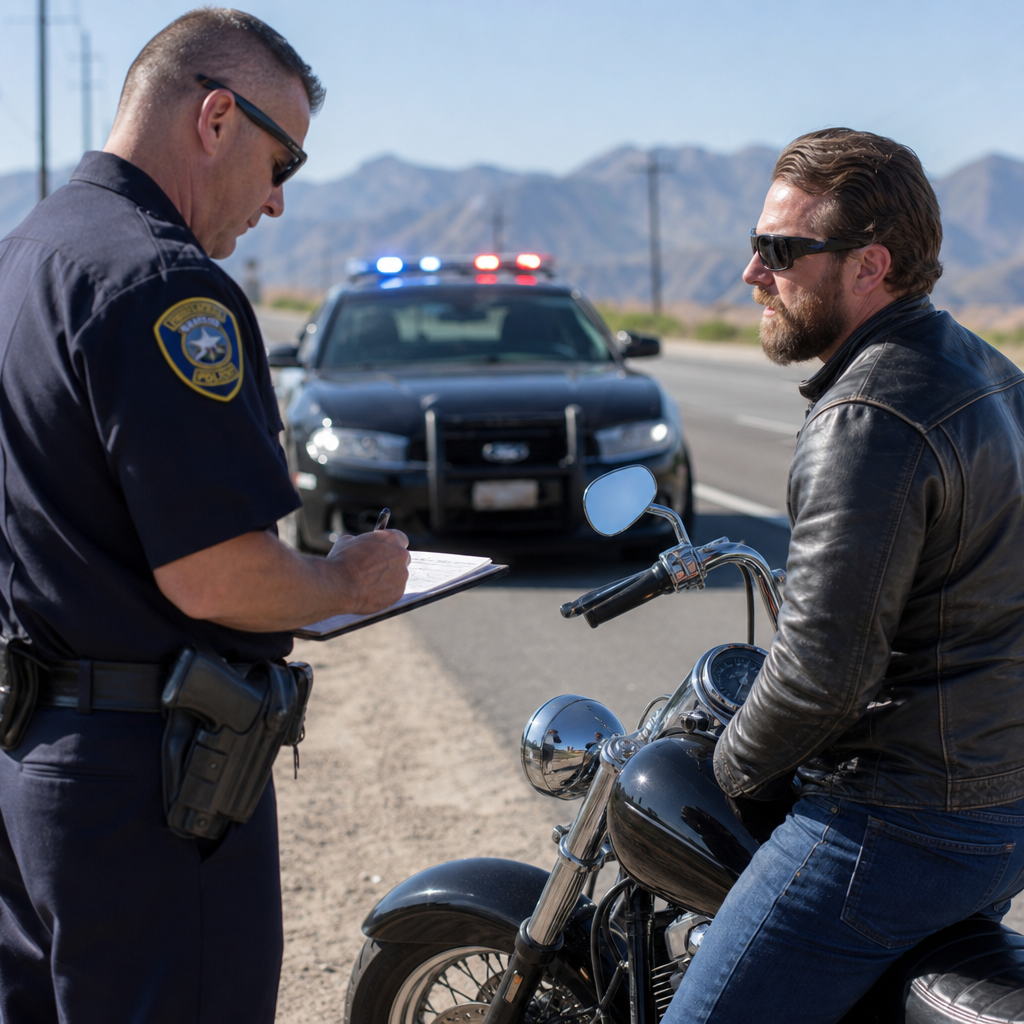
Motorcyclists have the same core legal rights as any other road user, yet in practice they often face a different reality: selective traffic stops, assumptions about risk, unequal treatment after crashes, and confusion about what the law actually protects. In 2026, understanding the legal rights of motorcyclists means knowing far more than speed limits and helmet rules. It includes constitutional protections during police encounters, insurance rights after a collision, anti-discrimination principles, evidentiary standards in court, and the practical ways rider communities document patterns of profiling and bias.
This guide explains those rights in plain language and places them in the broader world of community and stories, because rider law is not only about statutes on a page. It is also about how laws are applied to real people: commuters on scooters, touring couples crossing state lines, veterans riding in charity events, club members traveling in groups, delivery riders working under app pressure, and younger riders who are stopped simply because an officer associates motorcycles with crime. A motorcyclist, for legal purposes, is a licensed operator or passenger on a motor-driven cycle, motorcycle, scooter, or similar two-wheeled vehicle as defined by state law. Profiling, in this context, means law enforcement or other actors treating a rider as suspicious based on appearance, motorcycle type, group affiliation, race, age, clothing, or culture rather than specific conduct.
I have worked with traffic-code interpretation, post-crash documentation, and rider education content long enough to see the same pattern repeat: when riders know the rules before a stop, a crash, or a citation, outcomes improve. When they do not, myths fill the gap. Some believe motorcycles have fewer rights because they are considered inherently dangerous; that is false. Others assume all rider profiling is illegal in every form; the truth is more nuanced, because lawful observation can become unlawful only when it crosses into unequal enforcement, unsupported detention, or discriminatory treatment. This matters because motorcycles remain overrepresented in traffic fatalities, and that reality can shape policing, legislation, and insurance behavior in ways that help safety in some contexts while harming fairness in others. A strong legal guide must address both.
Traffic laws every motorcyclist should understand in 2026
The first legal principle is simple: motorcyclists are entitled to equal use of public roads unless a law specifically limits that use. State vehicle codes generally classify motorcycles as full vehicles, not second-tier users. That means riders have the right to a lane, the right to make lawful turns, the right to use highways unless prohibited by equipment or engine class, and the right to be free from harassment by other drivers who try to crowd them out of a lane. In most jurisdictions, a motorcycle is legally entitled to the entire lane width. A passenger vehicle may not share that lane side-by-side unless a statute expressly allows coordinated riding, and even then the law usually applies only to motorcycles riding together.
Helmet requirements, eye protection rules, lighting standards, muffler laws, passenger restrictions, and licensing rules vary sharply by state. As of 2026, universal helmet laws still exist in some states, while others require helmets only for riders below a certain age or experience threshold. The legal takeaway is that crossing state lines can instantly change your compliance obligations. I advise riders to treat interstate travel like an equipment audit. Confirm endorsement status, registration, insurance minimums, plate visibility, exhaust compliance, and whether handlebar height, turn signals, or mirrors meet the destination state’s code. These details matter because many traffic stops begin with visible equipment issues, and a lawful stop can open the door to broader investigation.
Lane splitting and lane filtering remain among the most misunderstood motorcycle laws. Lane splitting generally means riding between lanes of moving traffic; lane filtering usually means moving between stopped or slow vehicles toward the front at an intersection. Some states expressly permit one or both, others prohibit them, and many leave room for inconsistent interpretation. Riders should not rely on folklore or forum posts. Check the current state code and highway patrol guidance, because enforcement often depends on speed differential, traffic conditions, and whether the maneuver is defined by statute or merely tolerated. A legal gray area is still a risky place to build a defense.
Modified bikes present another recurring issue. Custom lighting, plate brackets, ape hangers, tinted visors, and aftermarket exhausts can attract officer attention. That does not mean customization is unlawful, but any modification that obscures required identification, affects safe operation, exceeds sound limits, or violates equipment standards can justify a citation. The best practice is keeping manufacturer documentation, receipts, and inspection records. In disputes over whether a modification is legal, paperwork often matters as much as the bike itself.
Police stops, searches, and the constitutional rights riders keep on the roadside
A motorcycle stop is still a seizure under the Fourth Amendment, which means an officer needs lawful justification such as observed traffic violations, reasonable suspicion of criminal activity, or a checkpoint operating under valid legal standards. Riders do not give up constitutional protections because they wear a patch, ride a cruiser, travel in a group, or fit a stereotype. During a stop, an officer may request license, registration, and proof of insurance. In most states, the rider must identify themselves and produce required documents. Beyond that, rights depend on context.
If an officer asks to search saddlebags, a backpack, or the motorcycle itself, a rider can refuse consent unless the officer has another legal basis. Those bases may include probable cause, plain view evidence, a lawful arrest, inventory procedures after impoundment, or specific safety-related actions. I consistently tell riders to use calm, precise language: “I do not consent to any searches.” That statement preserves the issue without escalating the encounter. Never physically resist. If a search occurs anyway, the legality can be challenged later through counsel, body-camera review, dispatch records, and suppression motions.
Questions about clubs and associations are also common. Membership in a lawful riding organization, advocacy group, or motorcycle club is not probable cause. Clothing, insignia, or group travel may trigger attention, but they do not erase free association rights. Problems arise when officers extend a stop without facts connecting a rider to a specific offense. Courts look closely at duration and scope. A brake-light stop should not automatically become a fishing expedition into unrelated criminal allegations absent articulable reasons.
Phones and helmet cameras now play a major evidentiary role. In 2026, many riders record every trip using action cameras or integrated dash systems. In most states, recording police in public is protected so long as the rider does not interfere. Audio-recording rules differ, especially in two-party consent jurisdictions, so know local law. Video can resolve contested accusations about reckless riding, lane position, or an officer’s statement. It can also support a profiling claim by showing tone, selective questioning, or detention length.
Motorcycle profiling: what it is, how it appears, and when it becomes legally actionable
Motorcycle profiling occurs when enforcement action is driven primarily by identity markers associated with riding rather than specific conduct. Typical indicators include repeated stops of riders leaving the same event without individualized violations, photographing lawful gatherings for intelligence purposes, questioning riders about affiliations during ordinary equipment stops, or assigning suspicion based on patches, race, age, motorcycle style, or travel in formation. The concept gained wider visibility through advocacy by organizations such as the American Motorcyclist Association and state motorcyclist rights groups that documented patterns around rallies, club events, and roadside inspections.
Not every unpleasant stop is illegal profiling. Officers may monitor large events, enforce loud-exhaust laws, or stop riders for observable violations. The legal line is crossed when treatment becomes discriminatory, unsupported by individualized suspicion, retaliatory, or inconsistent with how similarly situated drivers are treated. Equal protection claims are difficult because they require evidence of differential treatment and discriminatory intent or pattern. Civil rights actions under 42 U.S.C. § 1983 can arise when officials violate constitutional rights under color of law, but successful cases depend on documentation, comparators, and a clear factual record.
In practical terms, riders should think like documentarians. Record the date, location, agency, badge numbers, stated reason for stop, whether consent was requested, whether others were stopped, and whether citations were actually issued. Save event flyers, GPS logs, camera footage, witness names, and repair receipts if a search caused damage. When a pattern affects many riders, community reporting becomes powerful. A single stop can be dismissed as anecdotal; twenty stops with the same features can become evidence.
| Situation | Possible legal issue | Best immediate response |
|---|---|---|
| Stopped for “club attire” with no clear violation | Unsupported detention or selective enforcement | Ask politely for the legal reason for the stop and document details afterward |
| Asked to consent to bag search during minor equipment stop | Voluntary consent search risk | State clearly that you do not consent, then comply with lawful orders |
| Rally attendees repeatedly inspected while cars pass freely | Pattern evidence of profiling | Collect names, dates, citations, and video across multiple riders |
| Officer extends stop into gang questioning without facts | Scope and duration challenge | Do not argue roadside; preserve video and contact counsel later |
Crash rights, insurance disputes, and the bias riders face after collisions
After a crash, a motorcyclist has the same right as any injured person to emergency care, police response, evidence preservation, and access to insurance benefits under applicable law. Yet bias appears quickly. I have seen adjusters describe a rider as “risk accepting” before liability was even analyzed. That framing matters because insurers, defense lawyers, and sometimes jurors may assume the motorcyclist caused the crash simply by choosing to ride. Good legal practice counters that assumption with facts: lane position, conspicuity, speed data, helmet-cam footage, event data recorder information from other vehicles, skid measurements, and witness statements collected early.
Negligence rules differ by state. Some use pure comparative negligence, allowing recovery reduced by the rider’s share of fault. Others use modified comparative negligence, barring recovery once the rider reaches 50 or 51 percent fault. A few still apply contributory negligence in narrow forms. These rules are decisive in left-turn crashes, lane-change impacts, and rear-end collisions where the other driver claims, “I never saw the motorcycle.” Failure to see a motorcycle is not a defense to negligence. Drivers have a duty to maintain proper lookout.
Helmet use can influence damages arguments. In states with helmet laws, noncompliance may support citations and can affect injury claims if the injury relates to head trauma. In states without universal helmet requirements, the issue is more contested, but defense counsel may still try to argue comparative fault. Riders should understand that legality and civil impact are related but not identical. The strongest response is medical evidence tying injuries to crash mechanics rather than speculation.
Uninsured and underinsured motorist coverage is especially important for riders because severe injuries can exceed minimum liability limits. Medical payments coverage, accessory coverage for custom parts, and agreed-value policies for rare bikes also deserve close review. The legal right here is contractual: if the policy promises a benefit, the insurer must evaluate the claim in good faith. Unreasonable delay, lowball valuation, or failure to investigate can trigger bad-faith exposure in some states.
Community protection, advocacy networks, and how rider stories shape the law
Community and stories are not side issues in motorcycle law; they are how legal change often starts. Training organizations, state motorcyclist rights associations, civil liberties groups, and local riding communities create the record that legislators and courts eventually notice. When riders share verified accounts of discriminatory stops, unsafe roadway design, or insurance abuse, they convert isolated frustration into patterns that can support hearings, policy revisions, and appellate arguments. That is why this topic serves as a hub within The Open Road. Every related article on roadside encounters, crash evidence, interstate travel, club rights, or rider memorial events connects back to the same question: how do riders protect one another through knowledge and documentation?
Effective advocacy is disciplined. The most credible communities keep incident logs, compare state statutes, preserve public-record requests, and avoid exaggeration. They cite training standards from the Motorcycle Safety Foundation, traffic engineering guidance from the Federal Highway Administration, and constitutional principles developed in reported cases. They also tell human stories carefully. A commuting nurse stopped three times in one month because her sport bike “looked fast” illustrates selective enforcement differently than a large rally sweep. A Black rider questioned about gang ties during a routine plate stop raises overlapping concerns of racial and motorcycle profiling. A veteran’s charity ride delayed by blanket document inspections shows how broad administrative practices can burden lawful assembly.
For individual riders, the practical lesson is to build a legal readiness habit. Keep digital copies of your documents, maintain your bike to code, use a camera if lawful, write down stop details while fresh, and connect with a reputable local rider-rights group before you need one. If a stop, crash, or citation feels improper, consult a lawyer who actually handles motorcycle cases, not just general traffic tickets. Specialized knowledge matters because motorcycle dynamics, rider visibility, and cultural bias all affect how facts are interpreted. Knowing your rights is valuable; proving what happened is what protects those rights.
Motorcyclists do not need special rights to be treated fairly. They need the same constitutional, traffic, insurance, and civil protections to be applied consistently, without stereotypes filling factual gaps. In 2026, the riders best positioned to defend themselves are the ones who combine legal knowledge with community memory: they know the statute, preserve the footage, compare notes after an event, and challenge unfair treatment with evidence instead of anger. That approach works whether the issue is lane-use law, a roadside search, a profiling pattern, or a disputed crash claim.
The main benefit of understanding the legal rights of motorcyclists is practical control. A rider who knows what an officer may ask, when consent can be refused, how state traffic laws differ, and how post-crash bias enters an insurance file is harder to intimidate and easier to protect. That knowledge also strengthens the broader riding community, because every well-documented encounter helps the next rider. If you want to go deeper, use this hub as your starting point: review the connected articles in The Open Road, update your state-law checklist, and share accurate rider stories that turn experience into protection.
Frequently Asked Questions
Do motorcyclists have the same legal rights as other drivers during traffic stops in 2026?
Yes. In 2026, motorcyclists have the same core constitutional and legal protections as any other motorist during a traffic stop. A rider can be stopped only when an officer has a lawful basis, such as probable cause for a traffic violation or reasonable suspicion that a law has been broken. Riding a motorcycle, wearing certain clothing, belonging to a motorcycle club, or simply fitting an officer’s stereotype is not, by itself, a lawful reason for a stop. During the encounter, a motorcyclist is generally required to provide a valid driver’s license with the proper motorcycle endorsement, vehicle registration, and proof of insurance where state law requires it. Beyond that, riders still retain important rights, including the right to remain silent on potentially incriminating questions and the right to decline consent to a search in many circumstances.
What matters in practice is understanding the difference between compliance and surrendering rights. A rider should stay calm, keep hands visible, follow lawful commands, and avoid physical resistance, even if the stop seems unfair or pretextual. At the same time, the rider may ask whether they are free to leave, may decline to answer investigative questions unrelated to identification and licensing, and may clearly state, “I do not consent to any search.” If a search happens anyway, that objection can later matter in court. If a stop appears to be based on profiling, selective enforcement, or retaliation, documentation becomes critical. The rider should note the officer’s name, badge number, agency, patrol car information, time, location, statements made, and whether body camera or dash camera footage may exist. These details can support a later complaint, suppression motion, civil rights claim, or defense against an unjust citation.
What legal protections do motorcyclists have against profiling or discriminatory enforcement?
Motorcyclists are protected by the same constitutional guarantees against discriminatory law enforcement that apply to everyone else. In general, police may not target riders based on stereotypes about bikers, appearance, race, ethnicity, club affiliation, style of motorcycle, or assumptions that motorcyclists are reckless by nature. Equal protection principles, Fourth Amendment protections against unreasonable searches and seizures, and broader civil rights laws all help limit selective enforcement. That said, profiling claims can be legally complex. It is often not enough to show that a stop felt unfair; the key issue is whether a rider was treated differently because of an unlawful motive rather than because of a specific, legitimate traffic or public safety concern.
For that reason, evidence is everything. Riders who believe they were profiled should preserve citations, warnings, audio or video recordings where legal, helmet cam footage, witness names, and photographs of the scene. It can also help to document patterns, such as repeated stops without tickets, comments about biker image or club patches, or significantly different treatment compared with nearby drivers who committed similar conduct. In some cases, public records requests, agency complaint procedures, and attorney-led investigations can reveal broader enforcement patterns. A profiling complaint may lead to internal review, dismissal of charges, exclusion of evidence, or even a civil action, depending on the facts. The law does not give motorcyclists fewer rights because they are riders, and any enforcement decision rooted in bias rather than law can be challenged through the proper legal channels.
What rights does a motorcyclist have after a crash when insurance companies try to shift blame?
After a collision, a motorcyclist has the right to pursue the same insurance benefits and injury compensation available to any other injured road user, including payment for medical expenses, lost income, property damage, pain and suffering where allowed, and other covered losses. Riders are not legally less credible simply because they were on a motorcycle. Yet in real-world claims, insurers sometimes rely on bias, suggesting that the rider must have been speeding, lane splitting unlawfully, weaving, or “taking the risk” by riding at all. Those assumptions do not determine legal fault. Liability still depends on evidence: traffic laws, crash reconstruction, witness accounts, roadway conditions, vehicle damage, surveillance footage, electronic data, and medical records.
Motorcyclists have the right to challenge unfair fault assessments and low settlement offers. That includes obtaining the police report, correcting inaccuracies, preserving the bike for inspection, collecting photographs of gear and injuries, securing independent repair estimates, and consulting an attorney before giving a recorded statement if liability is disputed or injuries are serious. In many states, comparative negligence rules may reduce compensation if a rider is found partially at fault, but they do not automatically erase a claim. Helmet use, protective gear, licensing status, and visibility issues may become disputed issues depending on the jurisdiction, but insurers still must evaluate the case under actual law and evidence, not stereotypes. If an adjuster treats the rider unfairly, delays the claim unreasonably, misrepresents coverage, or refuses to investigate properly, there may be additional remedies through insurance regulation, arbitration, litigation, or bad-faith claims where recognized by state law.
Can police search a motorcycle, saddlebags, backpack, or phone during a stop without permission?
Not automatically. In 2026, a motorcycle stop does not erase a rider’s Fourth Amendment rights. Police generally need legal justification to search a motorcycle, a rider’s bags, or digital devices. Consent is one basis, which is why riders should understand that they can often refuse consent by saying so clearly and calmly. There are, however, several exceptions that may allow a search without consent, including probable cause to believe evidence of a crime is present, a search incident to a lawful arrest within recognized limits, concern for officer safety during a weapons pat-down, inventory procedures following lawful impoundment, and certain emergency circumstances. The exact scope of a lawful search depends heavily on the facts and on current federal and state law.
Phones receive especially strong legal protection. In most situations, police cannot search the contents of a cellphone during a roadside stop without a warrant, even if they have possession of the device, unless a recognized exception applies. Physical containers are treated differently, but they are still not open for unrestricted inspection just because the vehicle is a motorcycle. A rider who wants to protect their rights should avoid arguing on the roadside, should not physically block a search, and should state, “I do not consent to this search.” If an officer searches anyway, the legality can be challenged afterward by an attorney. If evidence was found unlawfully, a court may suppress it, and any resulting prosecution could be weakened or dismissed. The most important point is that motorcyclists do not give up privacy rights simply because their vehicle is smaller, more exposed, or easier to visually inspect from the outside.
When should a motorcyclist speak with a lawyer about traffic charges, profiling, or crash-related rights?
A motorcyclist should consider speaking with a lawyer as early as possible whenever the situation involves more than a routine, uncontested citation. That includes serious traffic charges, reckless driving allegations, license suspension risks, searches, arrests, repeated stops that suggest profiling, significant injuries, disputed fault after a crash, uninsured or underinsured motorist issues, or any case where an officer’s report appears inaccurate or biased. Early legal advice can prevent mistakes that are hard to undo later, such as giving a damaging recorded statement, accepting fault informally, missing evidence preservation opportunities, or overlooking filing deadlines. In injury matters, prompt counsel can also help secure surveillance footage, black-box data, witness statements, scene evidence, and medical documentation before they disappear.
Legal counsel is particularly important when a rider believes their treatment reflects systemic bias rather than a one-time misunderstanding. An attorney can evaluate whether the issue is best handled through a traffic defense strategy, an administrative complaint, an insurance dispute, a public records request, or a civil rights claim. They can also assess state-specific issues, since motorcycle laws vary widely on helmets, lane filtering or lane splitting, equipment requirements, insurance systems, fault rules, and damage caps. Even when a rider ultimately chooses not to pursue formal action, a consultation can clarify what rights exist, what evidence matters, and what deadlines apply. In short, if the stakes involve money, liberty, a license, a criminal record, or discriminatory treatment, getting legal guidance early is usually the smartest move.