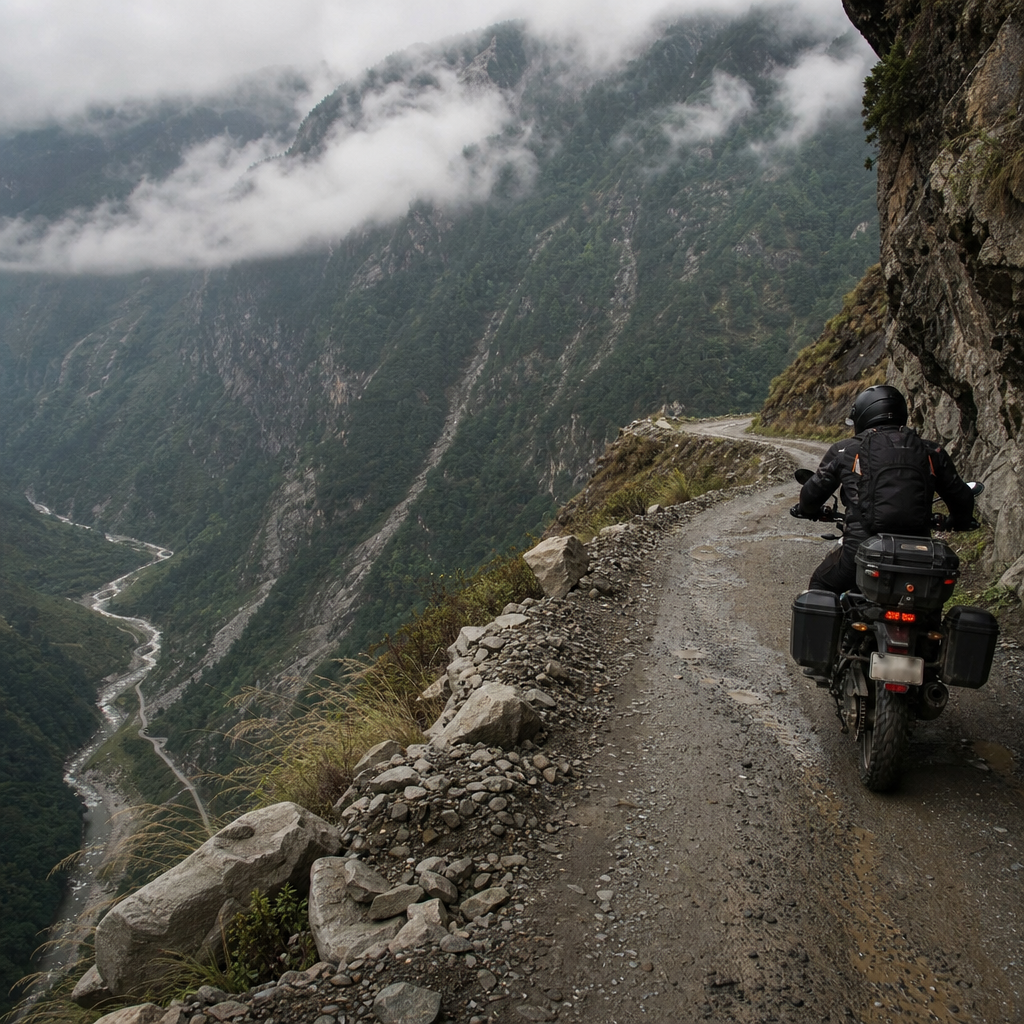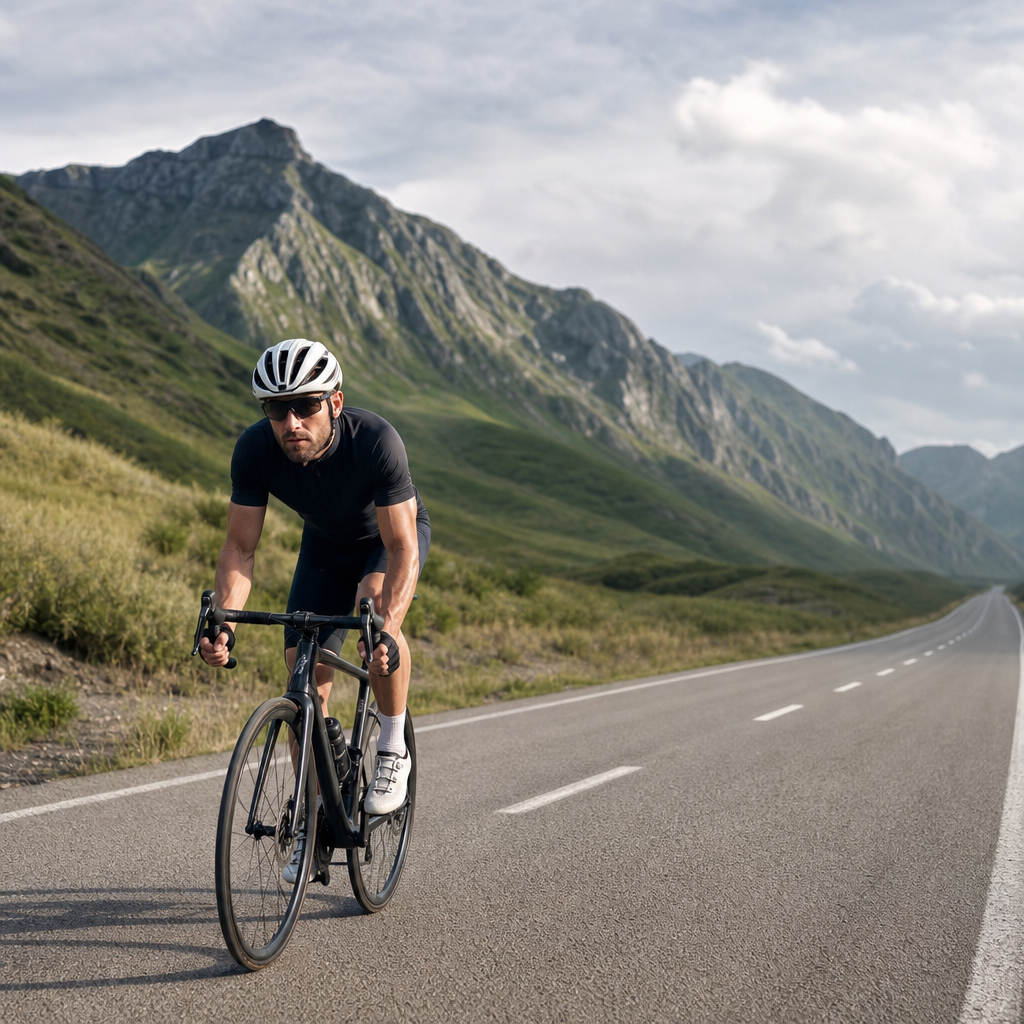
Long-distance riding is as much a psychological test as a physical one, and any rider who has spent ten hours in the saddle knows that fatigue and focus determine safety long before horsepower or gear choices do. In the context of motorcycle touring, endurance events, and multi-day adventure travel, the mental game refers to the set of cognitive and emotional skills that help a rider stay alert, regulate stress, judge risk accurately, and keep making sound decisions as miles accumulate. Fatigue is not just feeling tired; it includes slower reaction time, narrowed attention, poor memory, irritability, and overconfidence. Focus is not simply “paying attention”; it is the disciplined ability to scan, prioritize threats, monitor body signals, and reset concentration after monotony, bad weather, traffic, or setbacks.
I have seen strong riders come apart mentally on otherwise manageable routes because they treated endurance as a matter of toughness instead of systems. The opposite is also true: average riders often perform exceptionally well when they pace themselves, eat properly, hydrate early, and use deliberate attention habits. That is why this topic matters within Safety & Skills. Most serious incidents on long rides are not caused by a dramatic mechanical failure. They come from ordinary errors made late in the day: missing a decreasing-radius turn, target-fixating on gravel, drifting in lane position, forgetting to cancel a signal, or pressing on despite obvious warning signs. Understanding the mental side of long-distance riding helps riders stay safer, enjoy the trip more, and build repeatable habits that support every other road skill.
This hub article covers the core mental skills behind safe endurance riding and frames the broader Safety & Skills topic for The Open Road. It explains how fatigue develops, what breaks concentration, how stress changes judgment, and which routines work before, during, and after a ride. It also connects related subjects riders should study in more detail, including route planning, weather strategy, hazard scanning, protective gear, night riding, group riding, and recovery between days. If you want to ride farther with more control and less risk, mastering the mental game is the foundation.
Why Mental Endurance Is a Core Riding Skill
Mental endurance is the ability to sustain accurate perception and disciplined decision-making over time. On a motorcycle, that capacity matters because riding is a continuous chain of micro-judgments: speed selection, line choice, following distance, traction assessment, escape route planning, and prediction of other road users. The human brain does not perform those tasks equally well at hour one and hour nine. According to transportation safety research, sleep loss and prolonged wakefulness impair reaction time and attention in ways comparable to alcohol impairment. Riders do not need to be falling asleep to be unsafe; even moderate fatigue reduces scanning quality and increases “looked but failed to see” errors.
Experienced tourers often describe the first sign of trouble not as drowsiness but as shrinking bandwidth. You stop checking mirrors as often. You roll into corners without setting entry speed early enough. You fixate on the car ahead rather than reading the whole scene. These are mental failures before they become riding errors. That is why advanced rider training emphasizes margin management: keeping enough time, space, traction, and emotional reserve to absorb surprises. The mental side of long-distance riding is really margin management under fatigue. Riders who understand that principle make better choices about pace, breaks, weather avoidance, and whether to stop for the night.
As the hub for Safety & Skills, this page points to the wider system. Hazard perception training teaches riders where to look and how to predict conflict points. Cornering technique reduces workload in technical sections because good visual habits and smooth controls conserve attention. Gear selection matters because cold, heat, noise, and pain all increase cognitive load. Navigation planning matters because missed turns and last-minute lane changes spike stress. Even bike setup matters: buffeting, poor ergonomics, and excessive vibration drain concentration hour after hour. Safe long-distance riding is never one trick. It is a stack of small, disciplined choices that protect mental performance.
How Fatigue Builds on a Long Ride
Fatigue develops from several sources at once, and riders are safer when they identify each one clearly. Sleep debt is the biggest factor. If you start a ride after a short night, caffeine may mask sleepiness for a while, but it does not restore judgment or reaction speed. Circadian timing matters too. Many riders feel a strong dip in alertness during mid-afternoon and again late at night, even if they are motivated. Physical strain adds another layer. Wind pressure, core tension, helmet noise, dehydration, and temperature extremes steadily consume energy. Cognitive fatigue comes from traffic density, navigation demands, and constant threat assessment. Emotional fatigue arrives through frustration, schedule pressure, isolation, or conflict inside a riding group.
In practice, these factors compound. A rider who slept six hours, skipped breakfast, pushes through crosswinds, and rides into urban traffic at the end of the day is not dealing with one fatigue problem but four. I have watched riders insist they were “fine” while missing obvious signs: wandering speed, delayed downshifts, clumsy parking-lot control, and irritability over trivial delays. That pattern is common because fatigue weakens self-assessment. The more tired you become, the less accurately you judge how tired you are. This is one reason endurance organizations and advanced instructors stress objective routines instead of feelings alone.
| Fatigue source | Common signs on the bike | Practical countermeasure |
|---|---|---|
| Sleep debt | Heavy eyelids, missed signs, slow reactions | Sleep 7 to 9 hours before departure; stop if drowsy |
| Dehydration | Headache, irritability, poor concentration | Drink small amounts regularly, not just at fuel stops |
| Low blood sugar | Shakiness, indecision, sudden mood drop | Eat light meals and steady snacks with protein and carbs |
| Heat or cold stress | Mental fog, muscle tension, tunnel vision | Use venting, layers, cooling gear, and earlier stops |
| Monotony | Daydreaming, fixed gaze, poor mirror checks | Change posture, run a scan routine, take short breaks |
The practical takeaway is simple: fatigue is predictable, measurable, and manageable when riders treat it as an operational risk rather than a character test. The best long-distance riders do not “beat” fatigue through grit. They reduce it at the source and respond early when the signs appear.
Protecting Focus Mile After Mile
Focus on a motorcycle is not intense staring; it is controlled situational awareness. A focused rider keeps eyes moving, reads surface conditions, tracks mirrors, anticipates intersection threats, and maintains an escape route. Long-distance riding makes this harder because monotony encourages mental drift. The brain naturally looks for efficiency, and when the road seems repetitive it starts filling gaps with autopilot. That is exactly when riders miss a shredded truck tire, a patch of diesel, or a car entering from a rural driveway.
The most effective method I have used is a repeatable scan routine. Every few seconds, refresh the near zone, far zone, mirrors, instruments, and shoulder areas where relevant. In traffic, identify the vehicle most likely to cause a problem and the space you will use if it does. On open highways, scan for changes in pavement color, shadows that may hide debris, crosswind clues in trees and flags, and wildlife signs near dawn and dusk. This structure keeps the mind active without creating tension. It also prevents target fixation because attention is distributed deliberately instead of locking onto a single object.
Self-talk can help if used correctly. Short cues such as “eyes up,” “smooth entry,” “space left,” or “reset” keep the brain anchored to riding tasks. What does not help is emotional commentary about delays, weather, or other drivers. That kind of internal noise burns energy and narrows attention. Riders who maintain focus for long days usually have calm internal processes, clean routines, and realistic pace expectations. They are not fighting the ride; they are managing it.
Managing Stress, Emotion, and Decision Quality
Stress changes riding behavior faster than many people realize. Under pressure, riders often speed up, follow too closely, pass with less margin, and commit to plans that no longer fit conditions. A delayed arrival, a wrong turn, or a storm cell ahead can trigger goal fixation, the tendency to keep pushing toward the original plan even when risk has clearly changed. In aviation and expedition travel, this is a recognized decision trap. It appears in motorcycling when riders continue into fatigue, darkness, or worsening weather because they “just want to get there.”
The antidote is pre-commitment. Before the ride, set clear rules: maximum hours in the saddle, latest acceptable arrival time, weather thresholds, and non-negotiable stop triggers such as repeated missed cues, head nodding, or emotional agitation. I recommend riders decide these limits when they are calm, not while bargaining with themselves at a gas station 300 miles from home. Good decisions on long rides are rarely heroic. They are boring, conservative, and made early.
Group riding adds another emotional layer. Riders may push beyond their comfort zone to avoid holding others up or looking inexperienced. That is a major safety problem. A competent group sets stagger and spacing rules clearly, uses simple communication plans, and normalizes separate stops or route splits. The safest long-distance groups are not the fastest; they are the ones that remove social pressure from decision-making. Each rider keeps authority over pace, rest, and weather tolerance.
Practical Routines Before, During, and After the Ride
The mental game starts before the engine does. The night before, protect sleep, reduce alcohol, charge communication and navigation devices, and lay out gear so departure is calm. Review the route, but avoid overpacking the schedule. Build time for fuel, food, weather delays, and unplanned stops. Mechanical confidence also helps attention. Check tires, chain or belt condition, lights, fluid levels, and luggage security. A machine problem you suspect but ignore will sit in the back of your mind and drain focus all day.
During the ride, use timed or distance-based checkpoints. Many experienced riders evaluate themselves at every fuel stop: hydration status, food intake, soreness, alertness, weather changes, and route progress. This is also the right time to clean a visor, adjust layers, and ask a hard question: am I still riding proactively, or am I just enduring? The answer matters. Once you slip into survival mode, your safety margin is already shrinking. Short breaks are usually more effective than pushing to a dramatic collapse. Even five minutes off the bike can restore circulation, vision comfort, and mental sharpness.
Nutrition should support stable energy, not spikes and crashes. Heavy meals increase sleepiness because digestion diverts blood flow and encourages lethargy. Better choices include fruit, nuts, yogurt, jerky, sandwiches, or rice-based meals in moderate portions. Hydration systems make a measurable difference because riders drink more consistently when water is available without unpacking. After the ride, recovery matters if you are riding again the next day. Stretch, eat, rehydrate, inspect the bike, and reduce blue-light exposure before sleep. Multi-day safety depends on recovery quality as much as daytime skill.
Building the Full Safety & Skills System
Long-distance riding rewards a systems mindset. Mental endurance improves when every linked skill is strengthened. Route planning reduces cognitive overload by limiting surprise construction zones, confusing urban interchanges, and fuel anxiety in remote areas. Weather planning prevents the exhausting stress of reacting late to heat domes, mountain cold, or thunderstorm lines. Defensive riding technique sharpens hazard detection at intersections, ramps, and merge points where many conflicts begin. Night riding skills matter because visibility drops, wildlife risk rises, and fatigue intensifies after dark. Protective gear is not only crash equipment; helmets with lower noise, jackets with proper venting, and gloves that preserve dexterity all help concentration.
This hub should lead riders to those related subjects because no single article can replace deliberate practice. Training from recognized programs, parking-lot drills, braking refreshers, cornering clinics, and real route debriefs all sharpen the judgment required on long days. Technology can help, but only when used carefully. GPS units, rider-assistance systems, and communication headsets reduce workload in some situations, yet too many alerts or conversations can become distractions. The standard is simple: if a tool improves awareness and reduces cognitive strain, keep it; if it fragments attention, simplify.
The mental game of long-distance riding comes down to honesty and discipline. Honest riders admit when fatigue is building, when mood is affecting judgment, and when conditions have changed enough to require a new plan. Disciplined riders act on that information early. They sleep before big miles, scan methodically, fuel and hydrate before they feel weak, and stop before errors stack up. That approach is the central benefit of strong Safety & Skills habits: more control, more enjoyment, and far less unnecessary risk on the open road. Use this hub as your starting point, then keep building the connected skills that make endurance riding truly safe.
Frequently Asked Questions
Why is the mental side of long-distance riding just as important as physical endurance?
The mental side of long-distance riding matters because the brain is ultimately what keeps a rider safe, adaptive, and in control when the body starts to tire. On a motorcycle, every mile requires constant attention: scanning traffic, reading road surfaces, judging weather changes, managing speed, and anticipating the behavior of other drivers. Physical stamina helps you stay in the saddle, but mental stamina determines whether you continue making clear, accurate decisions late in the day. A rider can have a comfortable bike, good gear, and plenty of experience, yet still become vulnerable if focus slips, risk perception narrows, or frustration starts shaping decisions.
As hours pass, cognitive fatigue tends to show up before many riders fully recognize it. Reaction times slow, concentration becomes more fragile, and routine tasks begin to require more effort. Riders may miss subtle hazards, overlook mirrors, drift in lane position, or delay braking and throttle inputs by fractions of a second that matter. Mental fatigue also affects judgment. It can create false confidence, encourage “just push through” thinking, or make a rider underestimate deteriorating conditions because stopping feels inconvenient. That is why experienced tourers and endurance riders often treat attention management, emotional control, and honest self-assessment as core skills rather than optional extras.
In practical terms, the mental game is what helps a rider stay calm in traffic, avoid tunnel vision in bad weather, and keep making disciplined choices deep into a long day. It supports patience, situational awareness, and realistic self-monitoring. In that sense, physical endurance gets you farther, but mental endurance gets you there safely.
What are the earliest signs of mental fatigue during a long motorcycle ride?
The earliest signs of mental fatigue are often subtle, which is why they are easy to dismiss. Many riders expect fatigue to feel dramatic, but it often begins as a slight drop in sharpness rather than obvious exhaustion. You may notice that your mind wanders more often, that you have to remind yourself to scan mirrors, or that you replay the same thought repeatedly instead of actively processing the road. Another common sign is missing small pieces of information: a speed limit change, a vehicle entering from a side road, a gusty crosswind, or a rough patch of pavement that you would normally register without effort.
Emotional changes can also be early warning signs. Riders experiencing mental fatigue may become unusually irritable, impatient, or overconfident. Traffic starts to feel more aggravating, simple delays seem larger than they are, and the urge to “make up time” becomes stronger. Others experience the opposite: passivity, indecision, or a sense of mental dullness that makes them less proactive. Both patterns are risky because they interfere with hazard perception and timely decision-making.
There are also behavioral clues. If you catch yourself staring instead of scanning, forgetting the last few miles, tightening your grip without reason, slouching, or failing to adjust speed smoothly, fatigue may already be affecting performance. Repeated yawning, heavy blinking, difficulty maintaining a consistent line through corners, and delayed responses to ordinary traffic events are more advanced indicators that a break is needed. The key is to recognize that fatigue is not just sleepiness. It is a decline in mental quality, and by the time it feels severe, it has usually been affecting your riding for a while.
How can riders maintain focus and avoid decision fatigue over long hours in the saddle?
Maintaining focus on a long ride starts with reducing the number of unnecessary decisions you have to make while tired. Good long-distance riders do as much thinking as possible before the wheels turn. That means planning fuel intervals, hydration access, food stops, route options, weather layers, and realistic end-of-day mileage in advance. Pre-planning does not remove all uncertainty, but it reduces the mental load of constantly improvising. When the brain is less cluttered with logistics, it has more capacity for situational awareness and safer riding decisions.
During the ride, active attention management helps prevent focus from fading into passive road hypnosis. Many experienced riders use a deliberate mental routine: mirror check, far scan, near scan, lane position, surface condition, escape routes, traffic behavior, and body tension. Rotating through simple awareness cues keeps the mind engaged without creating distraction. Breaking the day into smaller segments also helps. Instead of thinking about the entire distance ahead, focus on reaching the next fuel stop, rest break, or route checkpoint. Smaller goals reduce psychological drag and make it easier to stay disciplined.
Physical habits support mental clarity as well. Consistent hydration, moderate meals, and regular short breaks are far more effective than trying to recover once fatigue becomes obvious. Dehydration and heavy eating can both reduce alertness. So can overheating, poor ventilation, and accumulated discomfort from posture or gear fit. Even a five- to ten-minute stop to walk, stretch, and reset your eyes can improve concentration significantly. Some riders also benefit from changing one manageable variable when attention dips, such as opening a visor vent, adjusting seating position, or briefly reviewing the ride plan at the next stop to restore a sense of control.
Most importantly, avoid relying on willpower alone. Focus is a limited resource, not a personality trait. The smartest approach is to build systems that preserve it: realistic pacing, structured breaks, simplified choices, and a riding routine that keeps the brain actively engaged with the environment.
What is the best way to handle stress, boredom, and emotional swings on multi-hour or multi-day rides?
The best way to handle stress, boredom, and emotional swings on long rides is to treat them as normal performance factors rather than personal weaknesses. Long-distance riding exposes you to monotony, delays, weather shifts, physical discomfort, navigation surprises, and the cumulative strain of sustained vigilance. That combination can create a wide range of emotional responses, from restlessness and frustration to self-doubt and overexcitement. The goal is not to eliminate emotion, but to keep it from quietly steering your judgment.
When stress rises, the first step is to identify what is actually causing it. Sometimes the problem is external, such as traffic density or worsening weather. Other times it is internal, like hunger, dehydration, tension, or the pressure of trying to stay on an unrealistic schedule. Once you identify the source, you can respond more effectively. If conditions are demanding, slow down and widen your margins. If your route or timing is creating pressure, revise the plan rather than forcing the ride to match the original expectation. Experienced riders understand that flexibility is not failure; it is one of the foundations of safe endurance riding.
Boredom deserves respect too, because it can lead to inattention just as surely as stress can. Repetitive highway miles can encourage mental drift, especially when traffic is light and conditions are stable. The solution is not to seek excitement, but to re-engage your awareness. Use structured scanning, pay attention to body position and breathing, review your next checkpoint, and remain mentally active with the riding environment. The moment boredom turns into automatic, disconnected riding, your margin for error shrinks.
Across multi-day travel, emotional management also means not carrying one bad hour into the rest of the trip. A missed turn, hard rain, poor sleep, or a frustrating traffic stretch should not become the emotional lens for the next 300 miles. Reset often. Eat, hydrate, stop, breathe, and reassess. The riders who handle long-distance travel best are usually not the toughest in a dramatic sense; they are the most adaptable, self-aware, and willing to make calm adjustments before stress becomes a safety issue.
When should a rider stop for rest instead of trying to push through fatigue?
A rider should stop for rest the moment fatigue begins to affect awareness, judgment, or riding quality in a noticeable way. Waiting for overwhelming exhaustion is a mistake, because meaningful impairment usually begins earlier than people want to admit. If you are missing traffic cues, struggling to stay mentally engaged, repeatedly correcting your lane position, feeling unusually impatient, or having trouble remembering the last several miles, those are strong signs that continuing without a break is a poor decision. On a motorcycle, there is very little buffer for reduced cognitive performance.
One of the most dangerous habits in long-distance riding is bargaining with fatigue. Riders tell themselves they are only thirty minutes from the next town, only one fuel stop from the destination, or experienced enough to manage it. That kind of thinking is exactly what fatigue tends to distort. It narrows perspective and makes short-term convenience feel more important than overall safety. A better standard is simple: if your riding is no longer consistently sharp, stop before the situation becomes urgent.
The type of stop matters too. Sometimes a brief break to hydrate, stretch, and walk around is enough to restore alertness if fatigue is mild and situational. But if you are fighting drowsiness, having repeated attention lapses, or feeling mentally detached from the ride, you need meaningful rest, not just a quick pause beside the bike. That may mean a longer stop, food, a reset of the day’s plan, or ending the riding day early. On multi-day trips, riders should also understand that accumulated sleep debt cannot be solved with determination. If recovery is inadequate night after night, performance continues to degrade even if motivation remains high.
The most skilled long-distance riders are not the ones