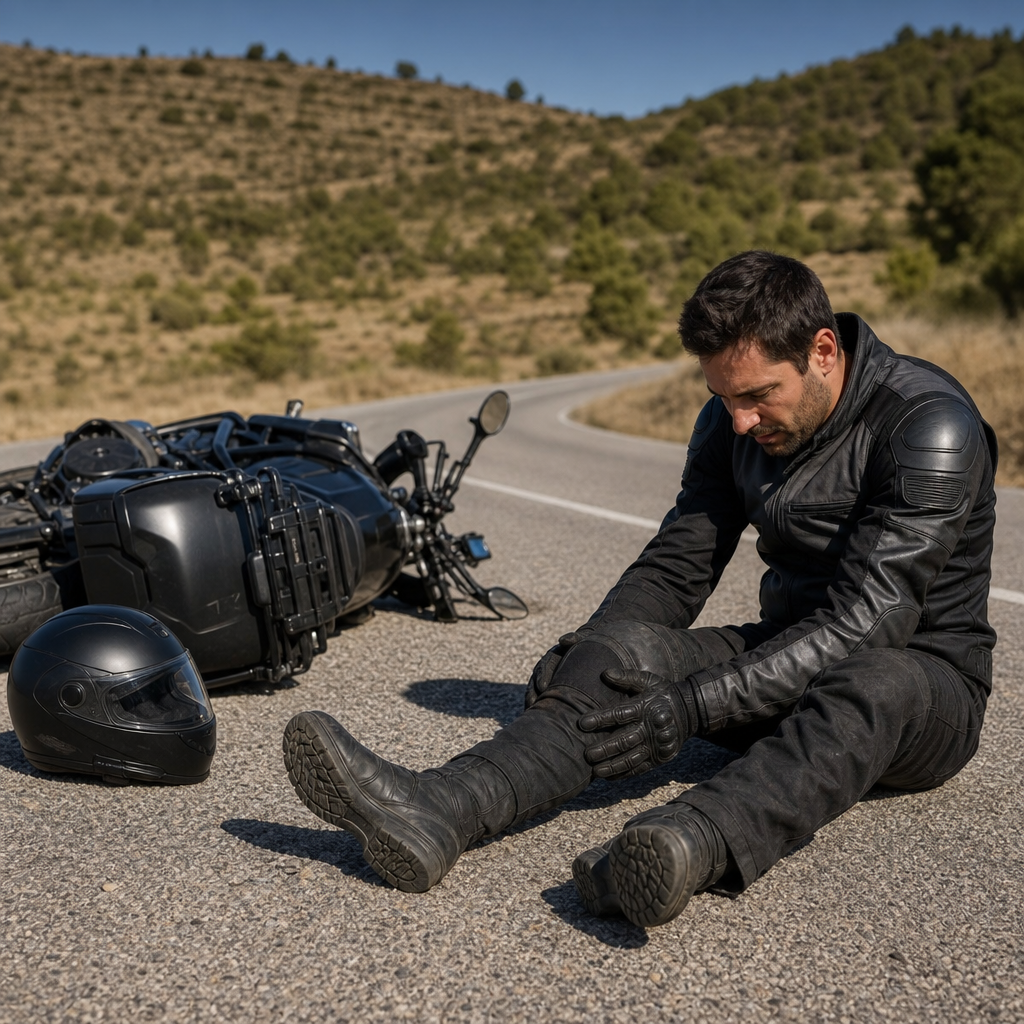
A crash on a motorcycle, scooter, bicycle, or any two-wheeled machine unfolds in seconds, but what you do in the minutes after impact can shape your injuries, legal protection, insurance outcome, and long-term confidence. Post-crash protocol means the exact sequence of actions to take after you go down: protect life first, prevent a second collision, assess injuries, contact emergency services, document the scene, exchange information, preserve evidence, and follow through with medical and mechanical checks. I have taught riders this process in parking-lot drills and reviewed enough incident reports to know one pattern clearly: panic causes preventable mistakes. A repeatable system reduces chaos. This Safety & Skills hub brings the full process together so riders know what to do on the roadside, what to avoid saying, what photos matter, when to move the bike, and how to recover physically and mentally afterward.
Step One: Secure the scene and stop the danger
The first priority after any crash is preventing additional harm. If you are conscious, take one breath and look for immediate threats: oncoming traffic, leaking fuel, fire, unstable terrain, blind corners, or other riders sliding in behind you. If you can move without increasing injury, get yourself out of the travel lane. If you cannot move, stay as still as possible and signal for help. On a motorcycle, hit the engine kill switch if reachable and safe. Turn off ignition sources. If the bike is on its side and fuel is dripping, keep bystanders from smoking or approaching with flares. On group rides, the lead uninjured rider should create a safety buffer upstream of the crash, not crowd around the patient. High-visibility vests, hazard flashers, and a parked support vehicle placed well back from the scene can reduce the risk of a second impact.
Do not yank off a helmet just because someone is shouting. Cervical spine precautions matter. In first-aid training used by EMS and trauma responders, helmet removal is generally reserved for airway compromise, ineffective breathing, active vomiting, or when proper access is essential for lifesaving care. If the rider is breathing normally and the helmet is stable, leave it on until trained responders arrive. The same principle applies to moving an injured person: only move them if they are in immediate danger, such as fire or an active traffic lane. Many riders worsen injuries by trying to stand up too quickly. Adrenaline can mask fractures, internal bleeding, or concussion symptoms for several minutes.
Step Two: Check yourself and others using a simple triage order
Once the scene is safer, do a rapid injury assessment. Start with airway, breathing, and circulation. Can the injured rider speak? Is breathing labored, noisy, absent, or very fast? Is there severe external bleeding? Direct pressure controls most limb bleeding. If a tourniquet is needed for life-threatening extremity bleeding, place it high and tight above the wound and note the time. Then assess disability: level of consciousness, confusion, unequal pupils, weakness, numbness, and neck or back pain. Finally, check exposure issues such as hidden bleeding under riding gear, deformity, road rash, or chest trauma. In plain terms, you are answering three questions fast: are they breathing, are they bleeding badly, and can they think clearly?
Concussion deserves special attention because it is common after going down, even at modest speed. Warning signs include headache, nausea, dizziness, memory gaps, light sensitivity, balance problems, unusual irritability, and delayed responses. A rider who says, “I’m fine,” but cannot explain where they are or what happened is not fine. Shock is another hidden threat. Pale skin, clamminess, weakness, rapid pulse, and anxiety can appear even when bleeding is not obvious. Keep the person warm with a jacket or blanket, reassure them, and monitor changes until EMS arrives. If you ride regularly, carry a compact trauma kit with nitrile gloves, compressed gauze, pressure dressing, tourniquet, chest seals, and emergency contact information. Training from organizations such as the Red Cross, St John Ambulance, or a Stop the Bleed program makes that kit far more useful.
Step Three: Call emergency services and communicate clearly
If anyone has head injury symptoms, loss of consciousness, suspected fracture, chest pain, trouble breathing, major bleeding, or has been struck by another vehicle, call emergency services immediately. Give the dispatcher the exact location first because phones disconnect and roadside landmarks can be confusing. Use mile markers, route numbers, GPS pins, nearby intersections, or map app coordinates. Then report the number of injured people, whether anyone is unconscious, whether traffic is blocked, and whether hazards such as fuel or fire are present. A clear call sounds like this: “Single motorcycle crash, one rider down, conscious but confused, possible leg fracture, blocking part of the right lane on Highway 12 eastbound at mile marker 18.”
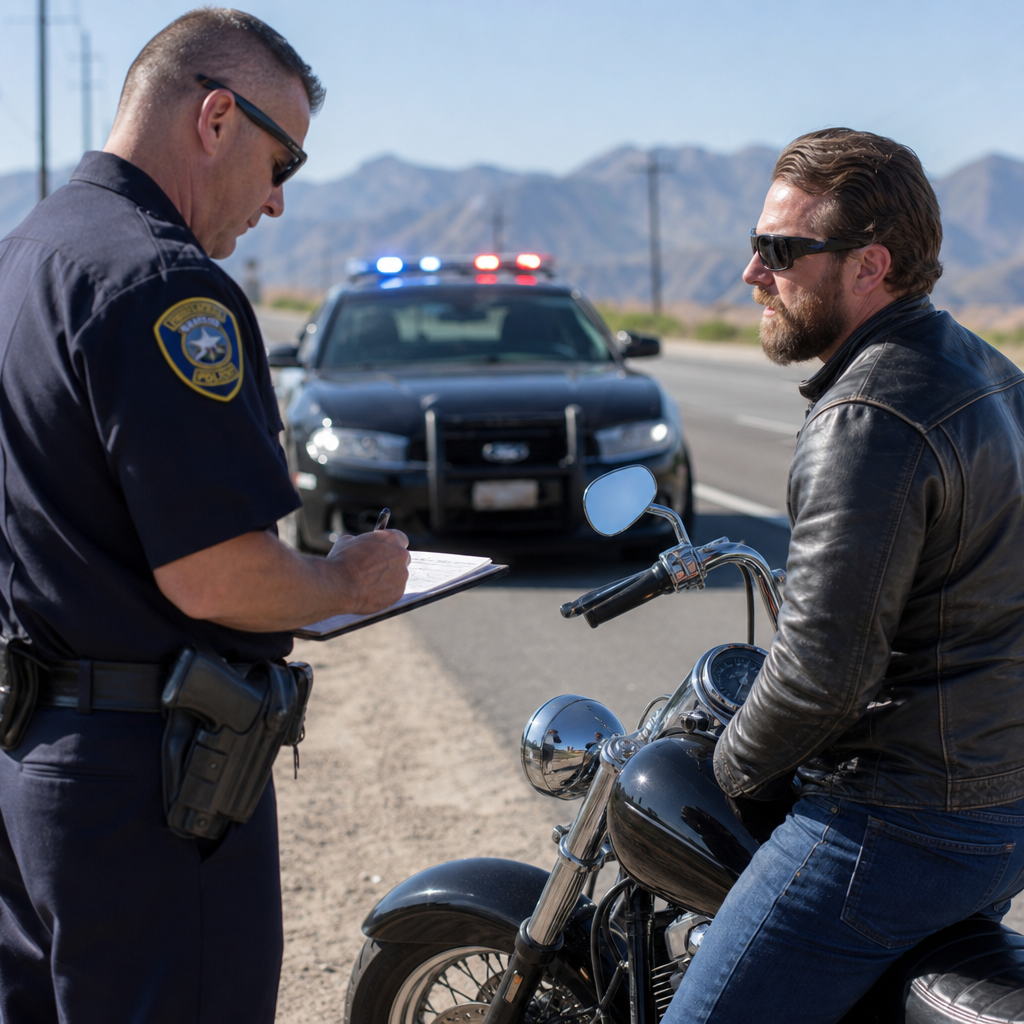
When police respond, stick to facts. Describe direction of travel, lane position, road conditions, visibility, and what you directly observed. Avoid guessing speed, assigning blame on scene, or filling gaps in memory. I have seen riders unintentionally damage their own claims by apologizing reflexively or speculating while concussed. “I don’t know” is a valid answer when you do not know. If there are witnesses, ask them to stay for officers or at least provide names and contact details. In many jurisdictions, a police report is essential for insurance and injury documentation, especially when another vehicle is involved, damage exceeds reporting thresholds, or public property was struck.
Step Four: Document the crash thoroughly before evidence disappears
Roadside evidence fades quickly. Vehicles move, skid marks shorten under traffic, weather changes, and memories drift. If you are physically able, use your phone to photograph the entire scene before the bike is moved, unless leaving it in place creates immediate danger. Take wide shots showing road layout, lane markings, traffic signs, sight lines, and final rest positions. Then take medium shots of the bike, the other vehicle, debris field, skid marks, fluid spills, guardrails, and damaged gear. Finish with close-ups of VIN plate, license plates, impact points, tire condition, and any road defect such as gravel, potholes, diesel spill, or broken pavement. Photograph your injuries as soon as practical and again over the next several days as bruising evolves.
Collect key information in a consistent order: date, time, weather, traffic density, names of involved parties, driver license numbers where lawful, vehicle registrations, insurance policy details, witness contacts, and responding officer names and badge numbers. Save dashcam or helmet-cam footage immediately and back it up to cloud storage. If your bike has GPS ride data or an app-linked logger, preserve that too. Modern claims often turn on digital evidence. The following table shows the minimum information worth capturing at the scene and why each item matters later.
| What to capture | Examples | Why it matters |
|---|---|---|
| Scene overview photos | Intersections, lanes, signs, sight lines, lighting | Shows how the crash environment influenced visibility and positioning |
| Vehicle and bike damage | Impact points, scraped cases, bent controls, deployed airbags | Helps reconstruct direction of force and supports repair valuations |
| Road condition evidence | Gravel, potholes, oil, standing water, worn markings | Documents contributing hazards before they are cleaned or disturbed |
| Identity and insurance details | Driver license, plate, registration, insurer name, policy number | Essential for claims, liability review, and legal follow-up |
| Witness information | Names, phone numbers, brief account notes | Independent testimony can confirm signals, lane changes, or right of way |
| Injury and gear photos | Helmet damage, torn jacket, bruises, boots, gloves | Connects mechanism of injury to bodily harm and protective equipment performance |
Step Five: Handle the bike, gear, and transport decisions correctly
A motorcycle that looks rideable after a spill may still be unsafe. Before anyone restarts it, check for leaking fuel, cracked engine cases, damaged brake lines, bent bars, broken levers, loose axles, chain derailment, wheel damage, and fork misalignment. If the bike took a side impact, inspect foot controls, radiator, frame spars, subframe, and swingarm. If the front end hit hard enough to pinch the bars or crack a fender, assume hidden damage until a qualified technician inspects it. A low-speed bicycle crash deserves the same caution with carbon components; bars, stems, forks, and seatposts can fail later if fibers are compromised. If there is any doubt, arrange transport rather than riding home.
Protective gear is evidence and equipment, not trash. Keep the helmet even if it is clearly done. Many manufacturers and insurers require inspection photos, and some brands offer crash replacement discounts. A helmet that sustained impact should be replaced according to the manufacturer’s guidance because EPS liner compression can be invisible. Jackets, gloves, boots, back protectors, and airbag vests should also be photographed before cleaning or repair. If you use an electronic airbag system from Alpinestars, Dainese, Helite, or In&motion, follow the brand’s post-deployment inspection process exactly. The mechanical side of recovery matters because secondary failures after a crash can be worse than the original incident.
Step Six: Navigate insurance, medical follow-up, and legal risk
Report the crash to your insurer promptly and stick to documented facts. Provide photos, police report number, witness contacts, and medical visit records. If another party is involved, their insurer may contact you quickly for a recorded statement. You are generally better served by reviewing the facts first, especially if you were injured. Medical evaluation is not optional after a meaningful impact. Emergency departments and urgent care clinics routinely detect fractures, pulmonary contusions, concussions, and internal injuries that riders underestimate. Soft-tissue injuries also need documentation because they can interfere with work and riding for weeks. Follow-up matters: if symptoms worsen, return for reassessment, because delayed pain after a crash is common.
There are legal and practical traps to avoid. Do not repair or dispose of the bike before the insurer or investigator has inspected it. Do not post detailed blame narratives on social media. Do not hand over original camera cards without making copies. Keep a simple recovery file with receipts, towing invoices, repair estimates, rental costs, missed work records, and a symptom diary. In many cases, this organized record is what separates a clean claim from a prolonged dispute. If fault is contested, serious injury occurred, or a roadway defect contributed, consult a qualified attorney in your jurisdiction. That is not about being aggressive; it is about preserving your rights while facts are still fresh.
Step Seven: Learn from the incident and rebuild skill safely
Every crash should produce a debrief. The goal is not self-blame; it is accurate pattern recognition. Ask what failed first: perception, space management, traction judgment, speed selection, braking, body position, line choice, or another road user’s violation. Use a structured review borrowed from rider coaching and accident investigation. Separate controllable factors from uncontrollable ones. For example, gravel around a blind downhill corner may be outside your control, but entry speed, visual strategy, and lane placement are still yours. If a driver turned across your path, your braking distance, conspicuity, and escape route planning still deserve analysis. Good riders improve fastest when they examine uncomfortable details honestly.
Confidence should be rebuilt deliberately. Start with medical clearance and a machine inspection. Then return to low-stakes practice: smooth braking, swerves, U-turns, corner entry speed, vision drills, and emergency stops on clean pavement. Formal training helps. Motorcyclists benefit from programs such as the MSF, IAM RoadSmart, RoSPA, California Superbike School, police-style roadcraft coaching, or advanced off-road schools depending on discipline. Cyclists benefit from skills clinics focused on braking modulation, scanning, group riding etiquette, and hazard anticipation. The larger lesson of post-crash protocol is simple: skill and safety do not end at impact. They continue through first aid, evidence preservation, mechanical judgment, and reflective learning. Save this hub, review it before your next ride, and build your own crash checklist now, before you ever need it.
Frequently Asked Questions
What should I do first immediately after a motorcycle, scooter, or bicycle crash?
Your first priority is life and safety, not the vehicle, not traffic, and not fault. If you are conscious, take one controlled breath and do a quick self-check before trying to stand. Look for severe bleeding, head impact, neck or back pain, dizziness, confusion, numbness, trouble breathing, or obvious limb deformity. If you suspect a head, neck, or spinal injury, stay as still as possible and wait for trained help unless remaining where you are creates a greater danger, such as oncoming traffic, fire, or leaking fuel. If you can move safely, get yourself out of the travel lane and to a protected area nearby. Then prevent a second collision by making yourself visible, warning approaching traffic if possible, and keeping bystanders from moving you unnecessarily.
Once immediate danger is controlled, call 911 or local emergency services. Give your exact location, describe the crash, state whether anyone is injured, and mention hazards like blocked lanes, fuel spills, or unconscious riders. If another person is hurt, do not remove their helmet unless they are not breathing and you are trained to do so. Even if you feel “mostly fine,” do not assume you escaped injury. Adrenaline can mask pain for minutes or hours. The best post-crash protocol starts with a simple order: protect life, get out of danger, call for help, and avoid making the situation worse.
Should I move after a crash, or stay where I am until help arrives?
The answer depends on the risks around you and the injuries you may have. If you are lying in a traffic lane, near a blind curve, in a fire zone, or next to leaking gasoline, moving to safety may be necessary. But if you struck your head, feel neck or back pain, cannot feel part of your body, or are disoriented, uncontrolled movement can worsen a serious injury. In general, move only as much as needed to escape immediate danger, and then stop. If you can walk, do it slowly and deliberately. If you cannot bear weight, feel unstable, or notice intense pain, stay down and signal for help.
The same caution applies to others. Bystanders often mean well, but pulling an injured rider upright or removing a helmet too quickly can cause more harm. Unless there is an urgent threat like fire or traffic impact, an injured person should be stabilized and monitored until emergency responders arrive. If someone is unconscious, not breathing, or bleeding heavily, provide aid within your level of training and follow emergency dispatcher instructions. A good rule is this: move to avoid immediate death or further impact, but do not make sudden, unnecessary movements that could turn a survivable injury into a more serious one.
What information should I collect at the scene for insurance and legal protection?
Documentation matters because the crash scene starts disappearing almost immediately. Vehicles get moved, weather changes, witnesses leave, and memories become less reliable within hours. If you are physically able, take wide and close-up photos of the entire scene: your bike or scooter, the other vehicle, road position, skid marks, debris, traffic signs, lane markings, weather conditions, damage points, visible injuries, and anything that may have contributed to the crash such as potholes, gravel, oil, poor lighting, or obstructed sight lines. Capture multiple angles and include identifying details like license plates, company logos, and intersection signs.
Exchange essential information with everyone involved: full names, phone numbers, addresses, driver’s license numbers, license plate numbers, insurance companies, policy numbers, and vehicle descriptions. If police respond, get the officer’s name, badge number, agency, and report number. If there are witnesses, ask for their names and contact details and, if they are willing, a brief summary of what they saw. Keep your statements factual and concise. Do not argue about fault, apologize in a way that sounds like admitting liability, or speculate about speed, injuries, or what “must have happened.” After the scene, write down your own account while it is fresh: direction of travel, lane position, speed estimate, traffic signals, what you saw before impact, and what you felt physically right afterward. This kind of evidence can strongly affect insurance decisions and any later legal claim.
Why do I need medical attention even if I think I’m okay after going down?
Because “I feel okay” right after a crash is not a reliable medical test. Adrenaline and shock can hide symptoms of concussion, internal bleeding, fractures, soft-tissue injuries, organ trauma, and joint damage. Riders and cyclists often discover hours later that they cannot turn their neck, put weight on a wrist, think clearly, or remember the moments before impact. A prompt medical evaluation creates two forms of protection: it helps catch injuries before they worsen, and it creates a documented timeline connecting those injuries to the crash. That documentation can become critical if symptoms build over the next several days.
Seek emergency care immediately for loss of consciousness, vomiting, severe headache, confusion, chest pain, trouble breathing, heavy bleeding, abdominal pain, vision changes, weakness, numbness, or any sign of head, neck, or spinal injury. Even with less dramatic symptoms, schedule follow-up care as soon as possible. Tell the provider exactly how the crash happened, what body parts struck the ground or another object, what gear you were wearing, and what symptoms you noticed at the scene. Follow instructions carefully, attend rechecks, and keep records of every visit, diagnosis, prescription, referral, and work restriction. In post-crash protocol, medical follow-through is not optional housekeeping; it is a central part of protecting both your health and your case.
What should I do in the hours and days after the crash to protect my recovery, bike, and claim?
Once you leave the scene, the next phase is follow-through. Notify your insurance company promptly and stick to clear, factual information. If another insurer contacts you, be cautious about giving recorded statements before you fully understand your injuries and the facts. Save everything related to the crash: photos, damaged gear, helmet, clothing, repair estimates, towing receipts, medical records, medication costs, and notes about missed work or reduced activity. Do not clean, repair, discard, or alter the bike or gear until they have been thoroughly photographed and, if necessary, inspected. Your damaged helmet, jacket, gloves, and vehicle components can become important evidence showing impact severity and crash mechanics.
Just as important, monitor your physical and emotional recovery. Keep a daily log of pain levels, mobility limits, sleep problems, headaches, anxiety, and anything you can no longer do normally. That record helps doctors understand your progress and helps demonstrate the real effect of the crash. Arrange a mechanical inspection before riding again, even if the machine looks mostly intact. Hidden issues such as bent forks, wheel damage, brake problems, misalignment, or frame stress can make a second crash more likely. Finally, give yourself permission to rebuild confidence gradually. Many riders are eager to “get back on” immediately, but smart recovery means respecting both the machine and your body. The best long-term post-crash protocol is consistent: document thoroughly, treat medically, preserve evidence, inspect mechanically, and return to riding only when both you and the bike are genuinely ready.