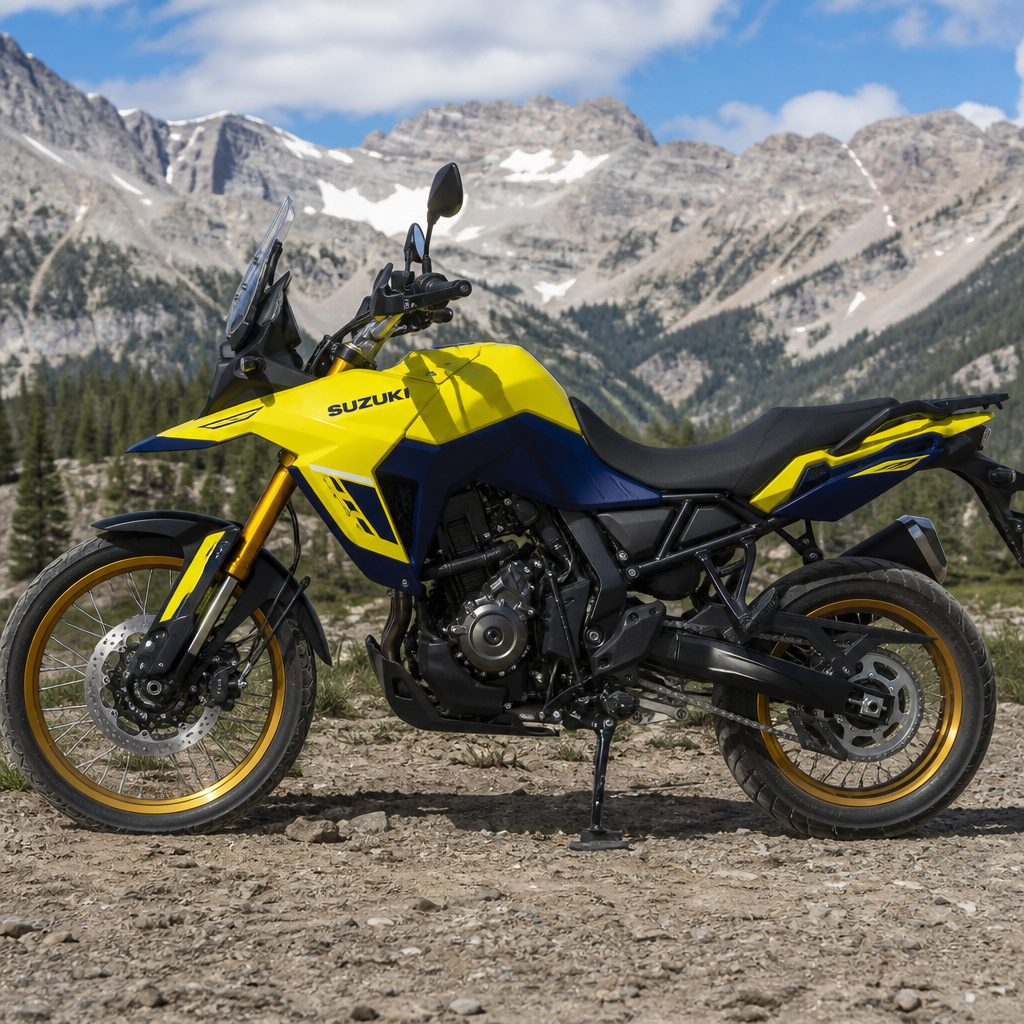
Suzuki’s Cross Balancer System is one of the defining engineering features behind the 2026 V-Strom 800DE, and understanding it is essential if you want to maintain this motorcycle correctly, diagnose vibration complaints, and make informed service decisions across the broader world of metric-bike ownership. In practical terms, the system uses two balancer shafts arranged at ninety degrees to the crankshaft to reduce unwanted engine vibration without dulling the parallel-twin character riders expect. That matters because the 776 cc DOHC twin in the V-Strom 800DE is designed to deliver strong low and midrange torque, long-distance comfort, and off-pavement durability, all while meeting modern emissions and reliability targets.
Maintenance on a bike like this does not happen in isolation. Owners quickly run into related technical topics: Japanese Industrial Standards fasteners, metric thread conventions, torque practices, electrical connectors, and the growing number of motorcycles that use dual-clutch transmissions. Even though the V-Strom 800DE itself does not use a DCT, this hub must address DCT maintenance because many metric-bike riders own multiple machines, compare service procedures across brands, and make tooling choices that span their whole garage. I have seen this firsthand in mixed-brand shops, where a simple balancer inspection on a Suzuki turns into a discussion about JIS screwdrivers for carb tops, clutch fill procedures on a Honda DCT, and why a 6 mm flange bolt on one Japanese bike should never be treated like generic hardware-store metric fastener stock.
To maintain the 2026 V-Strom 800DE well, you need a working definition of three things. First, the Cross Balancer System: Suzuki’s compact dual-balancer layout that controls reciprocating vibration and contributes to packaging efficiency. Second, the JIS standard: the Japanese specification family that historically shaped screw heads, driver geometry, and many service expectations on Japanese motorcycles. Third, metric quirks: the real-world differences in pitch, flange design, torque values, seal materials, and tool fit that catch even experienced technicians when they assume all metric components behave the same. This article serves as the hub for that entire subtopic by explaining how those ideas connect, what to inspect on the V-Strom 800DE, and where owners should be especially precise.
The reason this subject deserves depth is simple: modern adventure motorcycles are durable, but they are not forgiving of careless maintenance. A vibration issue can be caused by chain tension, skid plate resonance, engine mounting torque, worn tires, ECU-driven idle compensation, or internal balancing components. A stripped JIS crosshead can turn a ten-minute bodywork job into an extraction project. A poorly planned fluid service on a dual-clutch bike can create shift quality complaints that owners mistakenly blame on software. When you understand the standards and systems involved, you save time, avoid damage, and preserve the riding qualities the machine was engineered to deliver.
How Suzuki’s Cross Balancer System Works on the 2026 V-Strom 800DE
The V-Strom 800DE’s 776 cc parallel twin uses a 270-degree crankshaft, a layout chosen because it gives traction-friendly power pulses and a V-twin-like feel, but it also creates vibration characteristics that have to be managed carefully. Suzuki’s answer is the Cross Balancer System, which places two balancer shafts at ninety degrees to the crankshaft. Compared with conventional fore-and-aft balancer arrangements, this design helps shorten the engine front to rear while still countering primary shaking forces effectively. Packaging matters on an adventure bike because engineers need room for intake routing, cooling, exhaust placement, suspension travel, and a chassis that can survive off-road impacts.
From a maintenance perspective, the key point is that the balancer system is not a routine adjustment item like chain slack or valve clearance. Under normal ownership, you are not “tuning” the balancers. You are protecting the conditions that let the system work as intended: correct oil level and viscosity, proper service intervals, intact engine mounts, secure exhaust brackets, healthy driveline components, and no internal damage caused by lubrication neglect or contamination. When owners report excessive vibration, I start with the external basics before suspecting internal balancer trouble, because real failures in balancer assemblies are much less common than installation errors, accessory resonance, or neglected wear items.
Typical vibration diagnosis on the 800DE should follow engine-speed and road-speed logic. If vibration changes with rpm in neutral, investigate engine-related sources. If it changes with vehicle speed regardless of gear, inspect tires, wheel balance, chain condition, sprocket wear, and wheel bearings. If a buzz appears only after crash-bar or skid-plate installation, look for harmonic resonance caused by accessory mounting preload. On parallel twins, riders also misread normal character as a defect. The useful standard is comparison: bar-end feel, footpeg buzz, mirror clarity, and tank resonance should be judged against a well-maintained example, not against a four-cylinder touring bike.
For the 2026 V-Strom 800DE specifically, preserving the engine’s intended smoothness means respecting warm-up behavior, idle quality, and software-controlled fueling. A rough cold start that disappears fully at temperature is usually not a balancer issue. A new metallic rattle at a narrow rpm band, however, justifies closer inspection of skid plates, centerstand stops if fitted, chain rollers, and heat shields before moving deeper. Internal balancing components rarely announce themselves subtly; when they fail, symptoms tend to be persistent and severe. That distinction helps owners avoid expensive guesswork.
What Maintenance Actually Protects the Balancer System
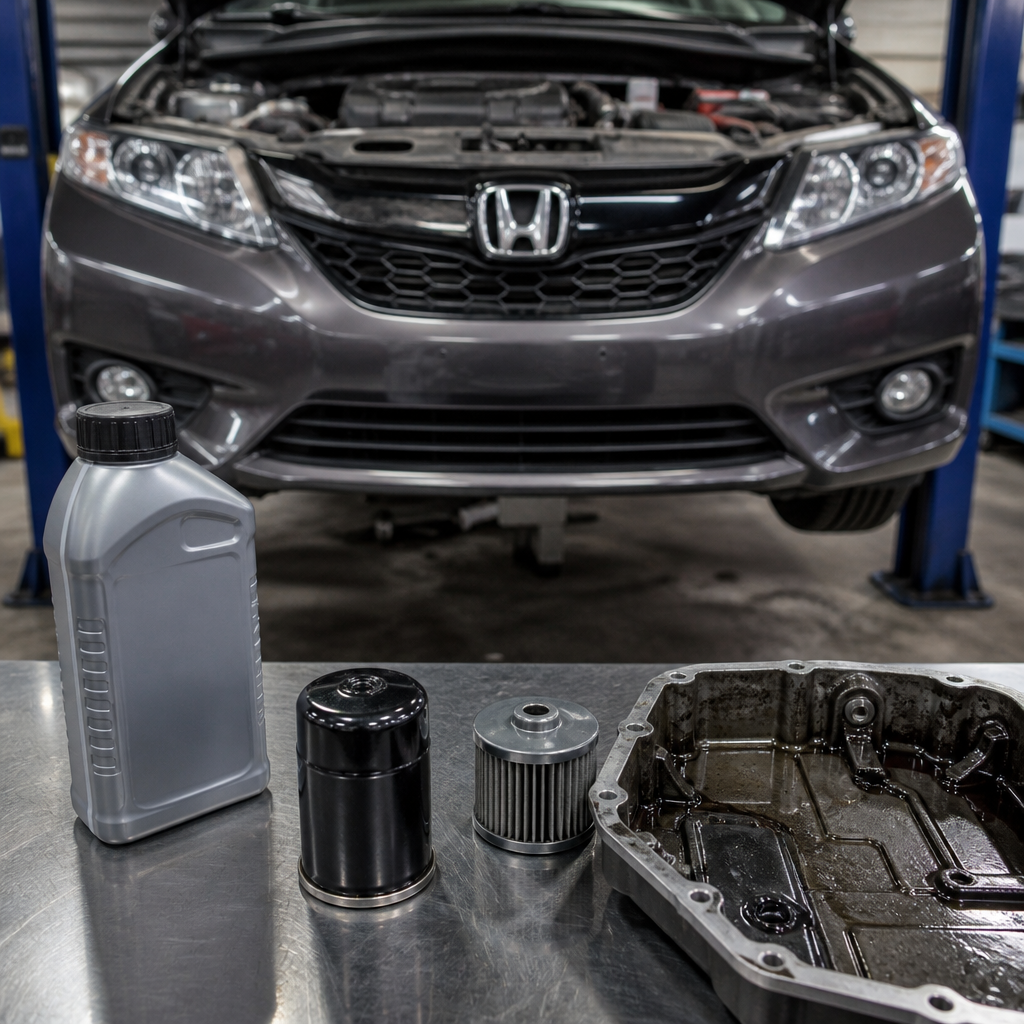
The balancer shafts depend on lubrication quality and stable engine internals, so oil service is the first line of defense. Use the viscosity and specification Suzuki calls for, change oil and filter at the correct interval, and shorten intervals if the bike sees heavy dust, repeated short-trip heat cycles, or sustained low-speed off-road use. Adventure bikes contaminate oil differently than highway commuters because clutch heat, idle time, and ingestion risk are higher. I have opened engines that looked “mysteriously rough” and found the true cause was extended oil use combined with abrasive contamination from neglected air filtration and off-road riding.
Airbox sealing and intake service matter more than many owners realize. Fine dust passing the filter does not just wear rings; it also accelerates contamination throughout the engine. The V-Strom 800DE is marketed for gravel and trail travel, so filter inspection frequency should follow riding conditions, not only the calendar. Check sealing surfaces, drain points, and intake tract cleanliness. If throttle response degrades along with an increase in perceived harshness, intake contamination can be part of the story, especially when fueling becomes uneven cylinder to cylinder.
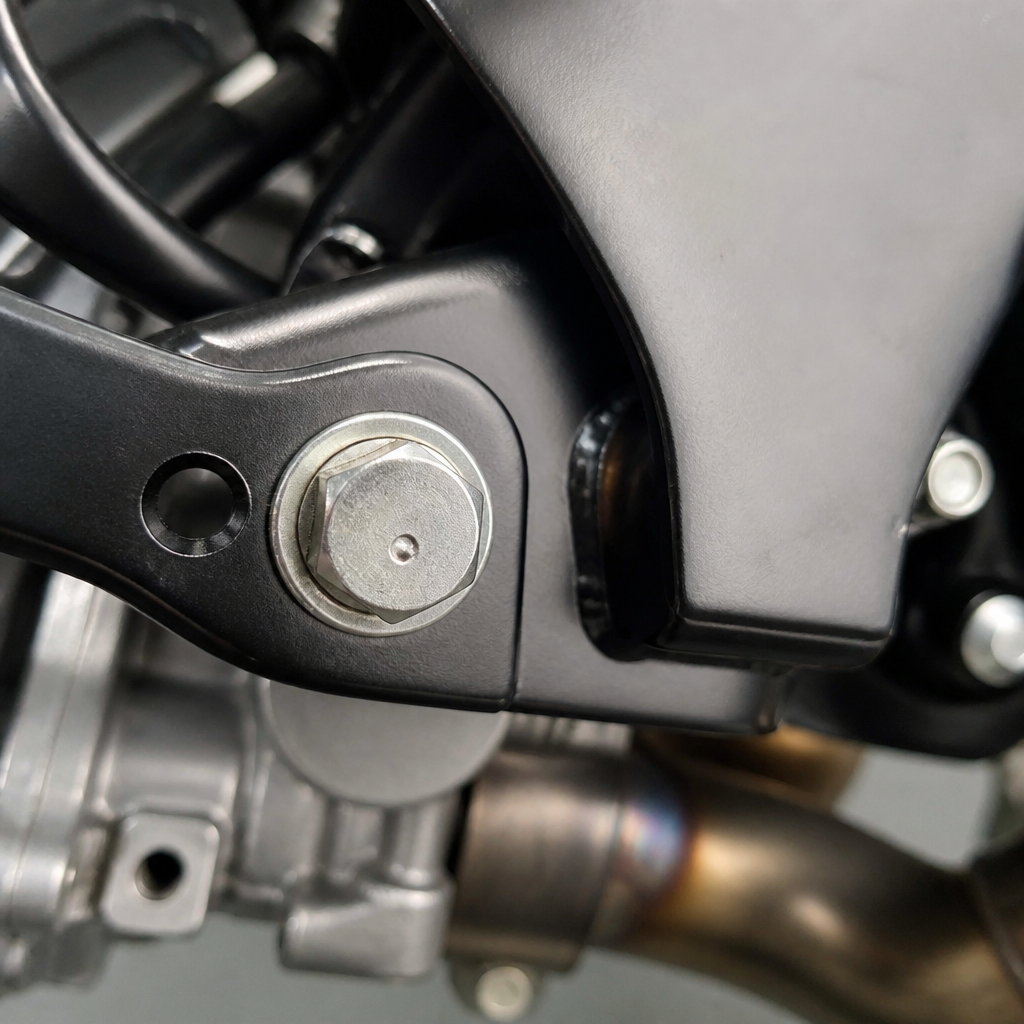
Engine mounting torque is another overlooked factor. Modern motorcycles use the engine as a stressed member, and mount fastener torque affects how vibration moves into the frame. Loose, overtorqued, or improperly sequenced mounts can create a harshness complaint that owners blame on engine internals. Use the service manual sequence, torque values, and thread-prep instructions exactly. Do not substitute generic anti-seize or threadlocker unless the manual specifies it, because friction changes alter clamp load. On metric motorcycles, correct clamping force is the target; torque is only the proxy.
Chain adjustment directly affects perceived smoothness too. The 800DE’s long-travel suspension means slack must be measured exactly as specified, at the bike condition Suzuki defines. Overtight chains transmit driveline lash and bearing loads that riders feel as vibration through pegs and seat. Too loose, and you get snatch, slap, and resonance. Tire pressure, wheel balance, and tire construction also shape rider perception. Block-pattern adventure tires can create frequencies that mimic mechanical roughness, especially on fresh pavement between 45 and 70 mph.
The JIS Standard and Why It Still Matters in a Metric Motorcycle Garage
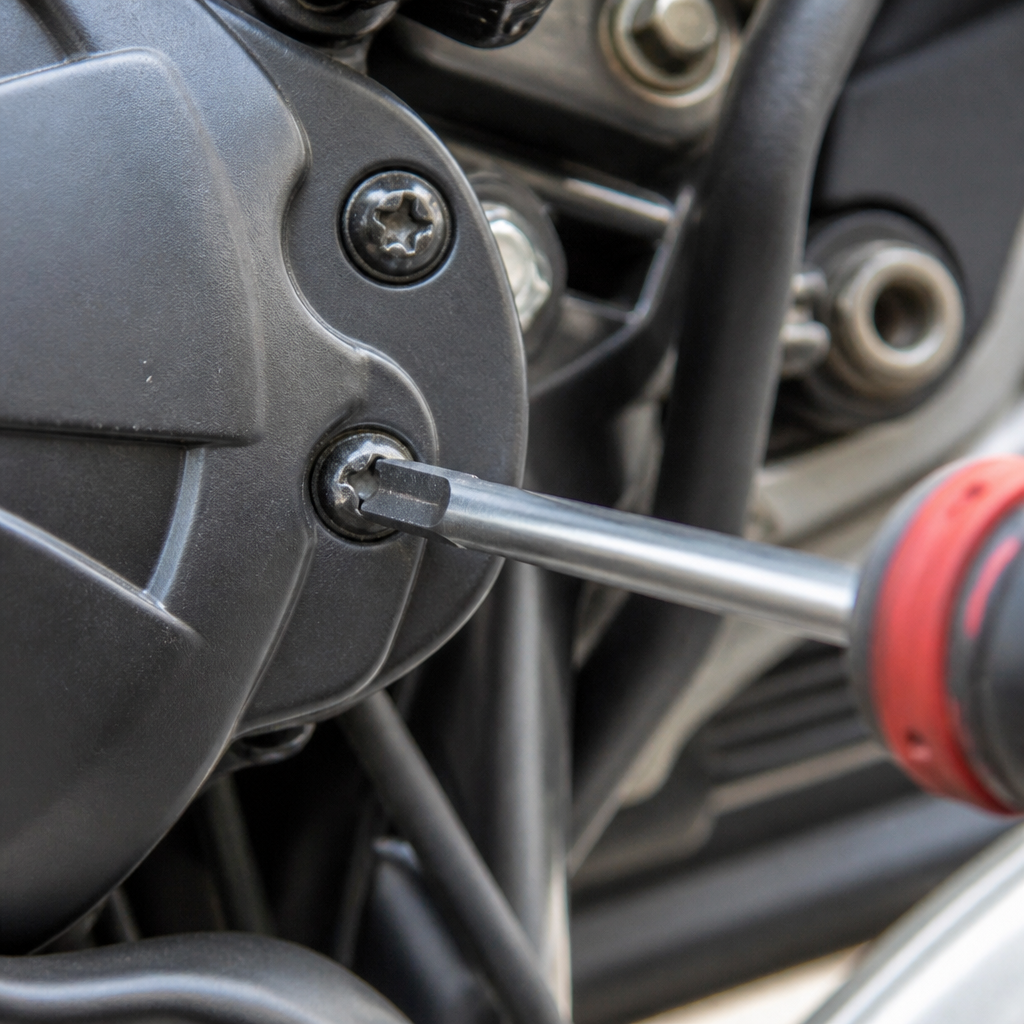
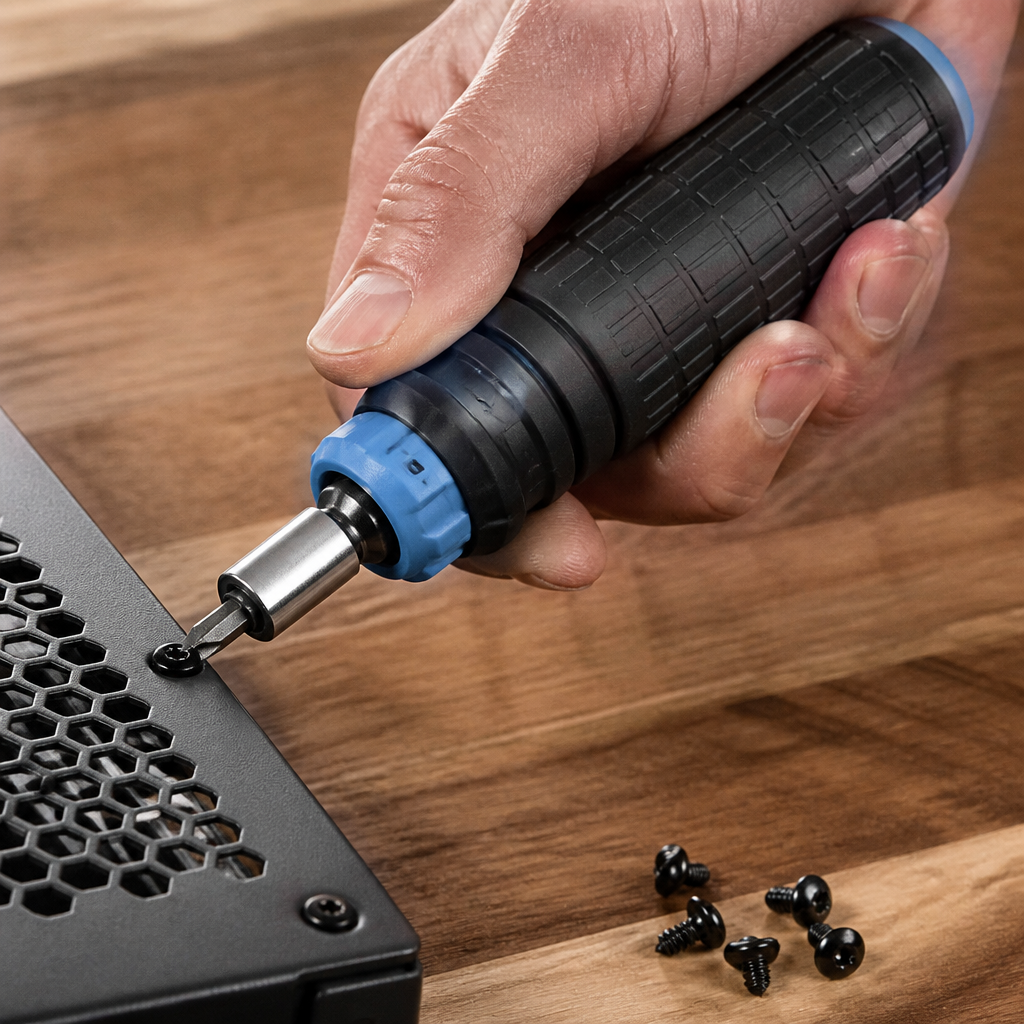
JIS matters because many Japanese motorcycles, tools, and service assumptions were built around it, especially for crosshead screws. The classic mistake is using a Phillips driver on a JIS screw. Phillips was designed to cam out under high torque; JIS crosshead geometry allows more positive engagement. On older Japanese bikes, that difference is obvious on carburetor screws, switch housings, master cylinder lids, and body fasteners. On newer machines, Torx, hex socket, and flange bolts are more common, but JIS awareness still saves parts and time when you encounter legacy hardware, aftermarket components sourced from Japan, or electrical assemblies built around Japanese manufacturing norms.
In my own workflow, a proper JIS driver set earns its place next to 1/4-inch torque wrenches and quality hex bits. Brands like Vessel and Hozan remain trusted because tip geometry is consistent and steel quality is good. If a screw seems seized, the right sequence is penetrating oil if appropriate, firm axial pressure, correct driver fit, and then an impact driver if the part and access allow it. Grabbing the nearest Phillips bit rounds the recess, distorts the head, and creates unnecessary drilling work. That is not a cosmetic issue; it changes labor time and increases the chance of damaging housings.
The JIS discussion also leads to broader metric discipline. Japanese motorcycles frequently use flange bolts, shouldered fasteners, and specific pitch combinations that are easy to mix up on the bench. An M6 x 1.0 flange bolt from a fairing bracket is not interchangeable with a random zinc-plated M6 from a parts drawer if length, shoulder, grade, and head flange diameter differ. Reusing the correct hardware matters because clamping area, corrosion resistance, and installed stack height were engineered for that joint. This is one of the core metric quirks: same nominal diameter does not mean same functional fastener.
DCT Maintenance as a Related Metric-Bike Standard
Dual-clutch transmission maintenance belongs in this hub because it represents the same kind of precision mindset required for the V-Strom 800DE, even though Suzuki does not fit DCT to this model. On Honda platforms such as the Africa Twin, Gold Wing, NC750X, and Rebel 1100, DCT service depends on exact fluid specification, update-aware procedures, and clean adaptation behavior after maintenance. Riders moving between Japanese brands often assume transmission service is universal; it is not. Wet-clutch fluid shear stability, hydraulic control circuits, shift calibration, and filter service intervals all matter.
The most common DCT mistake is treating it like a conventional manual gearbox with any motorcycle oil that seems close enough. DCT units rely on hydraulic control and clutch behavior that can change noticeably with incorrect viscosity or additive chemistry. Follow the manufacturer’s approved oil specification and replacement interval, and where the platform uses a dedicated filter or screen service, do not skip it. Battery condition matters as well because low system voltage can affect shift actuation and generate drivability complaints that are electrical, not mechanical.
For a multi-bike owner building a metric maintenance program, the value of learning DCT service is transferable. It teaches fluid discipline, scan-tool awareness, service bulletin checking, and post-service verification riding. Those habits improve work on the V-Strom too. A technician who confirms fan cycling, charging voltage, clutch take-up feel, and fault-code status after every major service will catch developing issues sooner than someone who only changes parts. Good maintenance is a method, not a collection of isolated tasks.
| Topic | What to check | Why it matters |
|---|---|---|
| Cross Balancer System | Oil quality, mount torque, abnormal rpm-based vibration | Protects internal components and avoids false diagnoses |
| JIS hardware | Correct driver type, screw condition, fastener reuse | Prevents stripped heads and damaged housings |
| DCT service | Specified oil, filters, battery health, adaptation behavior | Maintains shift quality and hydraulic control |
| Metric quirks | Thread pitch, flange dimensions, torque sequence | Ensures proper clamp load and parts compatibility |
Metric Quirks That Change Real Maintenance Outcomes
Metric quirks are the details that separate clean service work from expensive rework. Thread pitch is the first example. Many Japanese bikes use fine distinctions in pitch across similar-looking bolts, and forcing the wrong fastener can damage aluminum cases quickly. Torque values are another trap because small-diameter fasteners in aluminum often require surprisingly low figures. A 6 mm case bolt does not need “shop tight.” It needs a calibrated torque wrench, clean threads, and attention to gasket compression. Over-tightening is one of the most common causes of avoidable motorcycle damage.
Electrical service has its own metric-bike quirks. Japanese motorcycles often use sealed connector systems with terminal locks that punish impatience. Pulling on wires instead of releasing secondary locks creates intermittent faults that are hard to trace later. Use terminal tools, dielectric practices only where appropriate, and voltage-drop testing instead of guesswork. On CAN-integrated modern bikes, accessory installation mistakes can create noise, drain, or communication issues that riders misinterpret as ECU failure.
Fastener coatings and corrosion behavior also differ. Adventure bikes see water, dust, salts, and thermal cycling, so galvanic corrosion appears where accessories mix stainless hardware with aluminum brackets or frames. Anti-seize can help in the right locations, but it changes torque-tension relationship. If you use it where the service information assumes dry threads, reduce torque according to sound engineering practice or, better, follow the manufacturer’s specified compound and value. Precision here is what keeps a simple service from becoming a broken-bolt extraction months later.
Building a Smart Maintenance Plan for the 2026 V-Strom 800DE
A smart plan for the 2026 V-Strom 800DE starts with the factory schedule, then adjusts for use case. Riders doing long pavement miles can usually follow standard intervals closely. Riders in dust, mud, water crossings, or frequent low-speed technical terrain should inspect earlier and more often. Prioritize engine oil and filter, air filter condition, chain and sprockets, cooling system level, brake fluid age, spoke tension if applicable to your wheel setup, wheel bearings, and fastener checks on protection accessories. Record what you find each time. Trends matter more than single snapshots.
For vibration-related peace of mind, create a baseline ride after every major service. Note idle feel, mirror clarity at 4,000 to 5,000 rpm, throttle smoothness, and any new resonance through the bars or pegs. If a change appears, inspect recent work first. Most post-service complaints come from something disturbed during maintenance, not spontaneous internal failure. That disciplined approach is the real benefit of understanding Suzuki’s Cross Balancer System, JIS standards, DCT maintenance principles, and metric quirks together: you stop guessing and start diagnosing with structure.
The key takeaway is straightforward. The Cross Balancer System helps the 2026 V-Strom 800DE deliver character without excessive vibration, but it can only perform properly when the surrounding maintenance is precise. Correct oil service, air filtration, chain setup, engine mounting torque, and accessory installation do more to preserve smoothness than chasing unlikely internal faults. At the same time, a serious metric-bike owner needs broader literacy: use proper JIS tools, respect Japanese fastener design, understand that DCT service requires exact procedures, and never assume one metric motorcycle behaves exactly like another.
This hub exists to make that complexity manageable. Treat it as your reference point for vibration diagnosis, Japanese hardware handling, transmission-service comparisons, and workshop best practices across metric machines. If you want your V-Strom 800DE to stay smooth, reliable, and easy to service for years, start with the manual, invest in the right tools, document your work, and inspect with intention every time you put the bike on the stand.
Frequently Asked Questions
What is Suzuki’s Cross Balancer System on the 2026 V-Strom 800DE, and why does it matter for maintenance?
Suzuki’s Cross Balancer System is a vibration-management design built into the 776cc parallel-twin engine used in the 2026 V-Strom 800DE. Instead of relying on a single balance shaft, Suzuki uses two balancer shafts positioned at ninety degrees to the crankshaft. That layout helps cancel out unwanted engine vibration more effectively while still preserving the lively, mechanical feel riders expect from a parallel twin. In other words, the system is not there to make the motorcycle feel numb; it is there to reduce harshness, improve rider comfort, and allow the engine to remain smooth across a broad rpm range.
From a maintenance standpoint, this matters because the Cross Balancer System is not an add-on part you service in isolation very often. It is integrated into the engine’s overall design, so its condition depends heavily on correct oil quality, proper oil change intervals, clean lubrication passages, accurate fastener torque, and attention to any abnormal engine noise or vibration patterns. If maintenance is neglected, problems that first seem like “just vibration” can actually be tied to lubrication issues, wear in related rotating components, or assembly errors after internal engine work.
It also matters diagnostically. Owners sometimes assume any vibration means the balancing system has failed, but that is rarely the first conclusion a technician should reach. Tire condition, chain adjustment, sprocket wear, skid plate resonance, loose engine mounts, handguard contact, or uneven throttle-body operation can all create sensations that feel like engine roughness. Understanding the Cross Balancer System helps you separate normal parallel-twin character from actual abnormal vibration, which leads to smarter troubleshooting and fewer unnecessary repairs.
What kind of vibration is normal on the V-Strom 800DE, and how can I tell the difference between normal engine character and a real problem?
Some vibration is completely normal, even with an advanced balancing system. The 2026 V-Strom 800DE is designed to feel refined, but not artificially sterile. You should expect some pulse through the bars, pegs, and seat at certain rpm ranges, especially under load or when riding at steady highway speeds where any twin-cylinder engine naturally develops a repeating vibration signature. The Cross Balancer System reduces the harsh, fatiguing frequencies that would otherwise make the bike feel coarse, but it does not erase all mechanical feedback.
The key is consistency. Normal vibration is usually predictable: it appears in a certain rpm band, feels familiar ride after ride, and does not suddenly get worse. A problem, by contrast, often shows up as a change. That may mean a new buzzing sensation at a speed where the bike used to feel smooth, a sudden increase in handlebar tingle, a metallic rattling sound that appears with rising rpm, or a roughness that grows progressively over time. Abrupt changes are the biggest red flag.
Pay attention to when and where the vibration occurs. If the sensation appears only at road speed but not when revving the engine in neutral, look beyond the balancer system toward wheels, tires, chain and sprockets, wheel bearings, or driveline alignment. If the vibration happens stationary when engine speed rises, then the cause may be engine-related, but even then it could involve spark plugs, fueling, throttle synchronization, mounting points, exhaust contact, or accessory resonance before it points to an internal balancing issue. For owners, the most useful habit is to monitor trends rather than chase every small pulse the motorcycle transmits. The V-Strom 800DE should feel smooth for its class, but not disconnected from the combustion process.
Does the Cross Balancer System require routine service, adjustment, or inspection during normal ownership?
Under normal ownership, the Cross Balancer System itself typically does not require frequent direct adjustment as part of basic scheduled maintenance. It is an internal engine system designed to operate reliably when the motorcycle is maintained according to Suzuki’s service intervals. That means the real maintenance priority is supporting the system indirectly through disciplined engine care: using the correct oil viscosity and specification, changing the oil and filter on time, monitoring oil level carefully, and addressing any signs of contamination or overheating immediately.
What technicians look for during routine service is not usually “balancer adjustment” in the way you might adjust a chain or valve cable. Instead, they watch for symptoms that suggest something in the rotating assembly deserves deeper inspection. Unusual knocking, persistent mechanical whine, vibration changes after an engine repair, metal debris in drained oil, or abnormal findings during clutch-side or lower-engine service can all justify closer attention to balancer-related components. If the engine has been opened for major internal work, precise alignment and reassembly become critical because any error in timing or positioning of internal components can compromise smoothness.
For most riders, the best preventive strategy is straightforward: keep the lubrication system healthy, avoid extending service intervals, use quality filters, and do not ignore early symptoms. If the motorcycle is used hard off-road, ridden in very dusty conditions, or subjected to repeated high-load riding in extreme heat, maintenance discipline becomes even more important. The Cross Balancer System is robust, but like any internal engine design, it depends on the health of the entire engine environment to keep performing as intended.
If my 2026 V-Strom 800DE develops unusual vibration, what should I check before assuming there is an internal balancer problem?
Before suspecting an internal issue with the Cross Balancer System, start with the external and high-probability causes. On an adventure motorcycle like the V-Strom 800DE, accessories and chassis components often create or amplify vibrations. Check engine mounting hardware for correct torque, inspect crash bars and skid plates for resonance or contact, make sure handguards are not touching levers or bar-end weights awkwardly, and confirm that luggage racks, auxiliary lights, and other bolt-on parts are secure. Many riders are surprised by how often a simple mounting issue feels like engine roughness.
Next, inspect the drivetrain. Chain tension that is too tight or too loose can create vibration and harshness, especially under acceleration or deceleration. Worn sprocket teeth, dry chain links, poor rear-wheel alignment, and neglected cush-drive components can all transmit unwanted feedback through the chassis. Tire wear patterns, low tire pressure, wheel balance problems, and dented rims are also common sources of vibration that riders initially blame on the engine.
Then consider tune-related causes. Spark plugs in poor condition, contaminated fuel, injector issues, intake leaks, or uneven combustion between cylinders can make the engine feel rougher than normal. If idle quality has changed, throttle response feels uneven, fuel economy has dropped, or the exhaust note sounds irregular, it makes sense to investigate combustion and fueling before looking deep into the balancing system. A technician may also evaluate clutch components, primary drive noises, and other rotating parts that can mimic internal balancer trouble.
Only after those areas have been ruled out should attention turn seriously toward internal engine diagnosis. At that stage, factors such as lubrication history, previous engine disassembly, internal wear, or timing-related assembly errors become more relevant. Internal balancer problems are usually not the first failure point, but they do require professional evaluation if all simpler causes have been eliminated and the vibration pattern clearly points to the engine itself.
Why is understanding the Cross Balancer System useful for owners of other metric bikes, not just the 2026 V-Strom 800DE?
Understanding Suzuki’s Cross Balancer System gives you a broader mechanical framework for evaluating engine smoothness, maintenance priorities, and service decisions across many modern metric motorcycles. Different manufacturers solve vibration in different ways. Some use one balancer shaft, some use two, some rely more heavily on engine-mount strategy, and some accept more raw engine character as part of the bike’s personality. By learning how Suzuki addresses parallel-twin vibration on the V-Strom 800DE, you become better at comparing designs and recognizing what is normal versus what is excessive on other bikes.
This is especially useful when shopping, troubleshooting, or talking with technicians. Riders often describe every unwanted sensation simply as “engine vibration,” but the actual source may come from engine architecture, crank configuration, fueling quality, frame resonance, final drive condition, or accessories. Knowing that the V-Strom’s twin-balancer arrangement is specifically engineered to manage certain vibration forces helps you ask sharper questions. Has the bike’s feel changed from baseline? Is the vibration speed-related or rpm-related? Did it appear after installing aftermarket parts? Has recent service altered engine mount torque or driveline alignment? Those are the kinds of questions that lead to accurate diagnosis on any metric machine.
It also reinforces a bigger maintenance lesson: sophisticated engineering does not eliminate the need for fundamentals. Whether you own a Suzuki, Yamaha, Honda, Kawasaki, or another metric brand, smoothness and reliability still depend on clean oil, correct service intervals, proper assembly practices, and attention to small warning signs before they become expensive problems. The Cross Balancer System is a great example of advanced motorcycle engineering, but it works best when paired with disciplined, informed ownership.