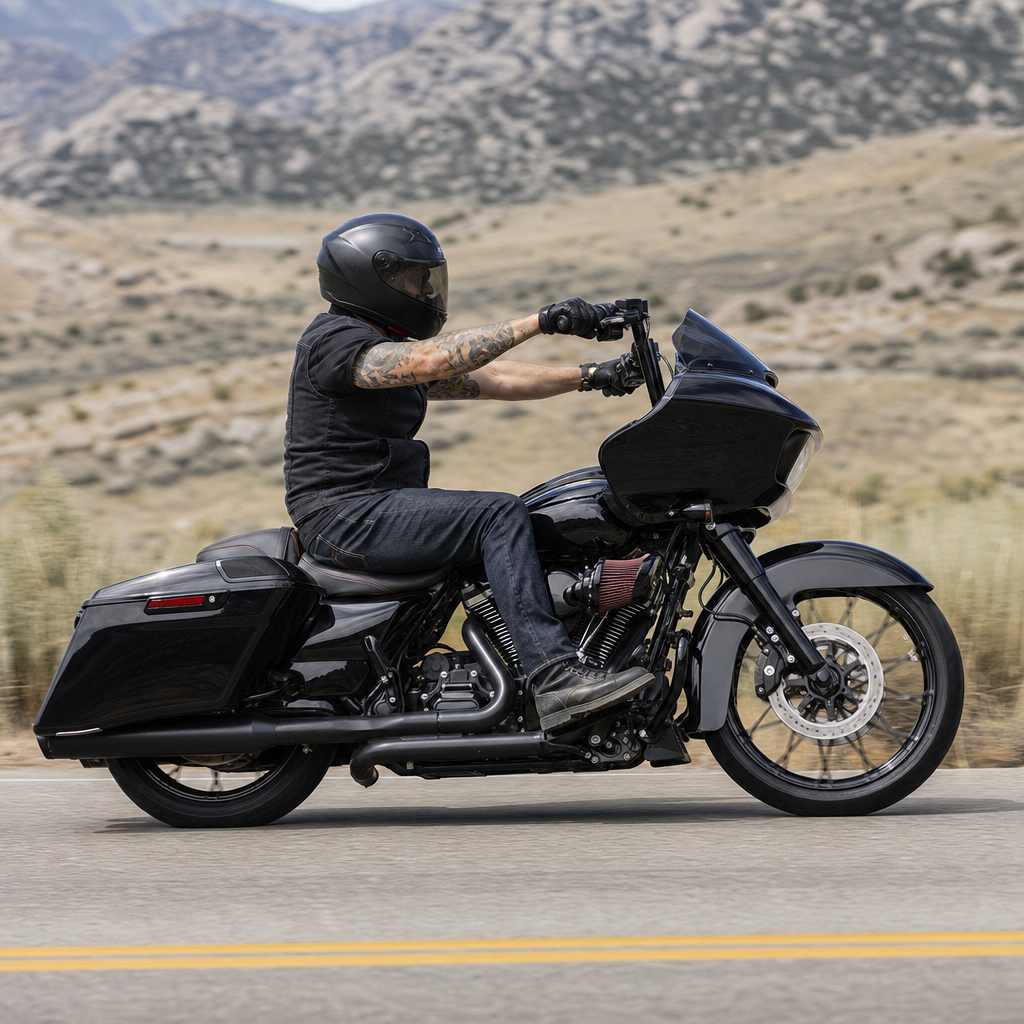
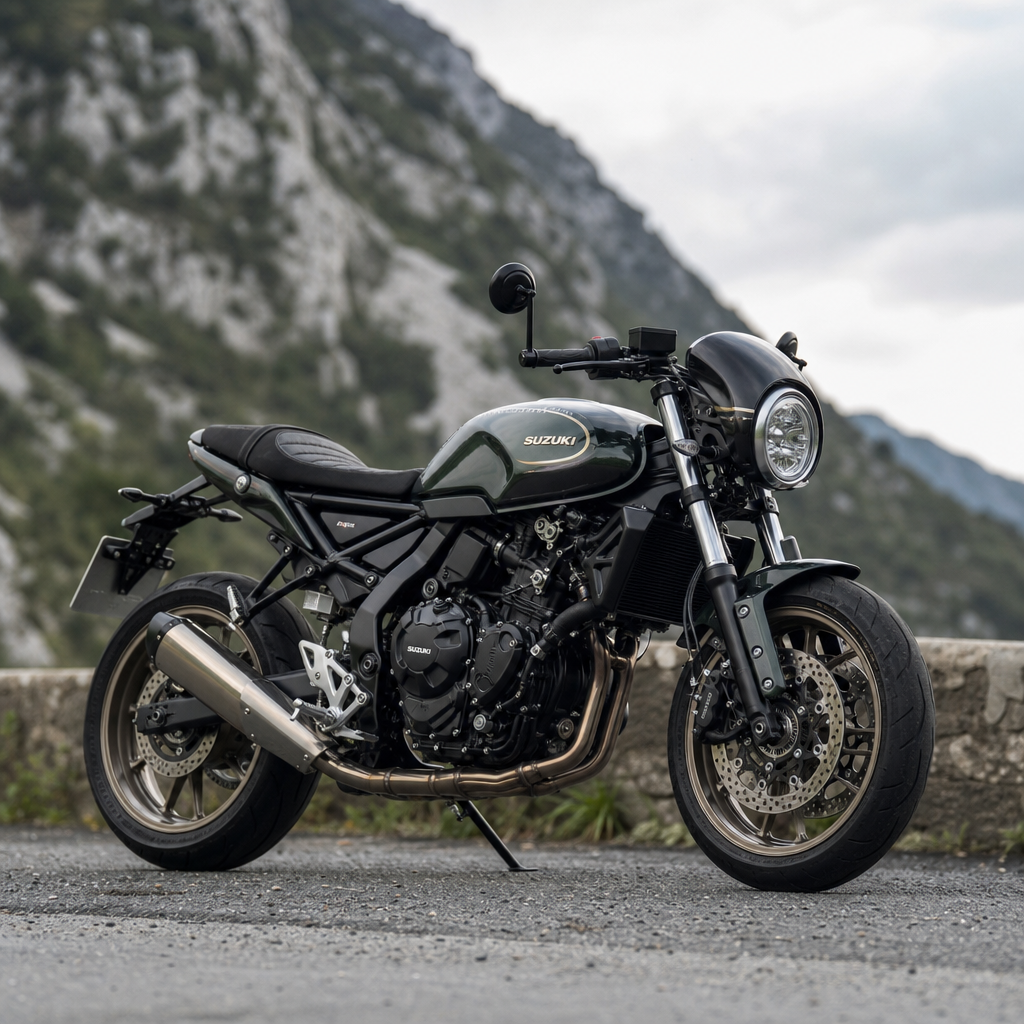
South Dakota holds a special place on any serious rider’s map because it combines one of America’s biggest motorcycle gatherings with year-round roads, iconic roadside culture, and a bar scene shaped by equal parts legend and logistics. In that landscape, the comparison between the Full Throttle Saloon and the Original Broken Spoke is more than a simple question of which stop pours colder beer or books louder bands. It is a useful lens for understanding how biker stops work across the state: where riders gather, how towns absorb rally traffic, what kinds of lodging make sense for different budgets, and which landmarks deserve a detour even when the engines cool down. For travelers building a South Dakota motorcycle route, these two names represent different versions of the same promise—community, convenience, and a strong sense of place.
When riders talk about biker stops, they usually mean three connected categories. First are bars and music venues that act as social anchors, especially during rally week. Second are lodging options such as campgrounds, cabins, motels, and RV parks that keep riders close to the action or place them on quieter scenic routes. Third are landmarks, from Needles Highway to Mount Rushmore, that turn a bar-centered trip into a complete Black Hills ride. As someone who has planned rally-week routes, worked around event traffic windows, and compared stay options from Sturgis to Custer, I can say the smartest trips balance all three. The bar may get the headline, but the quality of the ride depends just as much on distance, parking, road access, weather exposure, and re-entry time after large events let out.
This hub article covers South Dakota’s key biker-stop ecosystem through the high-profile contrast of the Full Throttle Saloon versus the Original Broken Spoke, then expands outward into lodging strategy, must-ride roads, practical planning, and route logic. If you want one page that explains where to stop, where to sleep, what to see, and how to connect those choices into a functional motorcycle itinerary, this is that page.
Full Throttle Saloon vs. the Original Broken Spoke: what is the difference?
The clearest answer is that the Full Throttle Saloon is the larger spectacle-driven destination, while the Original Broken Spoke is typically valued for a more classic rally-bar feel tied closely to Sturgis nightlife and rider foot traffic. The Full Throttle brand is nationally recognized because it evolved into a major entertainment complex associated with big stages, vendor activity, bike shows, and rally-scale production. During the Sturgis Motorcycle Rally, it functions less like a neighborhood bar and more like a temporary entertainment district built for crowds. Riders choose it when they want headline energy, broad programming, and a one-stop social environment.
The Original Broken Spoke, by contrast, fits more naturally into the tradition of the biker bar as a familiar gathering point. The appeal is usually accessibility, barroom atmosphere, and the sense that the motorcycles outside matter as much as the show schedule inside. That distinction matters because not every rider wants the same night. Some groups want major concerts, extensive grounds, and a packed event calendar. Others want to park, walk in, grab food and drinks, and spend the evening in a setting that feels closer to a classic rally stop than a mega-venue.
In practical terms, neither is “better” in all situations. The better stop depends on your timing, your lodging base, your tolerance for crowds, and whether your trip centers on nightlife or riding mileage. If you are in the Black Hills for scenic loops and only one big evening out, the Full Throttle can justify making that one night a production. If you are staying closer to Sturgis proper and want a repeatable, lower-friction hangout, the Original Broken Spoke often makes more sense.
How these venues fit the wider South Dakota biker-stop scene
South Dakota biker travel revolves around event concentration and geographic spread. Sturgis is the nucleus, but rider behavior extends across Deadwood, Spearfish, Rapid City, Hill City, Keystone, Custer, and the state park corridors in between. That means biker stops are not isolated destinations. They are nodes inside a larger operating network shaped by fuel access, law enforcement presence, shoulder conditions, weather shifts, and tourist traffic. A rider comparing bars should also ask: How far is the stop from my bed? Can I exit easily after peak traffic? Is the next morning’s route north, south, or through the central hills?
The Full Throttle and the Original Broken Spoke both benefit from proximity to rally demand, but they serve different trip architectures. The Full Throttle often works best as a destination evening where the venue itself is the reason for the ride. The Original Broken Spoke can fit more smoothly into a night spent circulating between downtown Sturgis-adjacent stops. In route planning terms, one is often a commit-and-stay choice; the other can be a stop within a broader evening loop.
That distinction mirrors the state’s wider biker-stop mix. Some South Dakota stops are primary destinations, such as Iron Mountain Road, Needles Highway, Spearfish Canyon Scenic Byway, or Deadwood’s historic core. Others are support stops: gas stations with easy trailer access, camp stores, coffee spots before an early departure, and diners that can seat six riders without a long wait. The best hub pages for South Dakota need to cover both categories because riders do not travel through the state as conventional tourists. They travel in timed sequences built around weather, daylight, and social plans.
Best lodging strategies for rally riders and scenic-tour riders
Choosing lodging in South Dakota starts with an honest assessment of your riding style. Rally-focused riders usually prioritize proximity to Sturgis, easy parking, and late-night flexibility. Scenic-tour riders often prefer the Black Hills towns that provide quieter nights and faster morning access to scenic roads. I have seen riders overpay for a famous address when what they really needed was a bed south of the traffic choke points. I have also seen groups save money on remote lodging only to spend the difference in time, fuel, and frustration when they tried to reach concerts or vendor zones during rally week.
Campgrounds remain central to biker culture in South Dakota because they support group travel, flexible arrivals, and social atmosphere. Large rally campgrounds near Sturgis can include showers, entertainment, food vendors, and shuttle options, but noise and dust are real tradeoffs. Cabins appeal to small groups that want security and weather protection without fully disconnecting from the rally environment. Motels in Rapid City, Spearfish, and Deadwood often suit riders who want reliable climate control and a reset from late-night noise. Vacation rentals can work for longer stays, especially when groups want kitchen access and secure gear storage, but they require careful review of parking surfaces, trailer space, and local event restrictions.
| Base Area | Best For | Main Advantage | Main Tradeoff |
|---|---|---|---|
| Sturgis | Nightlife-first rally trips | Closest access to major bars and vendors | Higher congestion and noise |
| Deadwood | Historic atmosphere and evening walkability | Dining, gaming, and scenic access | Steeper roads and limited event-week inventory |
| Rapid City | Value-conscious riders and mixed travel groups | Broader hotel supply and services | Longer ride to core rally nightlife |
| Hill City/Keystone/Custer | Scenic touring | Fast access to key Black Hills routes | Less convenient for late nights in Sturgis |
The smartest booking rule is simple: match your overnight base to your primary purpose, not your secondary wish list. If your trip is about concerts and bar-hopping, stay close. If your trip is about sunrise rides through granite tunnels and canyon roads, sleep where the pavement starts getting good at 7 a.m.
Bars, food stops, and social anchors beyond the headline comparison
A South Dakota biker itinerary should never depend on one venue alone. Rally-week conditions change quickly, lines build unexpectedly, and sometimes the best evening is the one that happens at the stop you did not originally circle. That is why this hub category—bars, lodging, and landmarks—needs range. In Sturgis and the northern hills, riders often layer their nights with a combination of saloons, roadhouses, breweries, and casual grills. Deadwood adds historic architecture and a denser evening district, making it a useful alternative when the main rally core feels too compressed.
Food quality matters more than travel writers often admit. Riders need places that serve quickly, offer hydration, and handle helmet-and-jacket traffic without friction. Breakfast spots around Rapid City, Hill City, and Spearfish can shape the whole day because an early start is the best defense against weather and crowd buildup. In my experience, the most useful biker stops are not always the most famous ones. They are the places with consistent service, visible parking, straightforward menus, and staff who understand that a group of riders may need separate checks, extra water, and a fast turnaround before afternoon storms develop over the hills.
For that reason, the Full Throttle versus Original Broken Spoke discussion works best as an entry point, not an endpoint. It introduces the question of atmosphere, but riders still need a bench of secondary options. A strong South Dakota plan includes one marquee night, one flexible backup district, and a list of practical food and fuel stops for each route segment.
Landmarks and rides that turn a bar stop into a full South Dakota motorcycle trip
The Black Hills region rewards riders who think beyond nightlife. Spearfish Canyon Scenic Byway delivers limestone walls, creek-side scenery, and a cooler microclimate that can be a relief in hotter afternoon windows. Needles Highway is famous for tight turns, granite spires, and narrow tunnels; it is one of the most photogenic rides in the state, but it demands patience because traffic can be slow and sightlines can tighten quickly. Iron Mountain Road adds pigtail bridges and framed views toward Mount Rushmore, turning route design into part of the attraction. Wildlife Loop Road in Custer State Park offers bison, pronghorn, and open-range character, though riders should keep speeds measured because animal movement is unpredictable.
Mount Rushmore remains a major draw, but many motorcyclists pair it with Crazy Horse Memorial, Sylvan Lake, or the historic streets of Deadwood to avoid making the day feel too stop-and-go. Badlands National Park, while farther from the Black Hills hub, is a worthy extension for riders with an extra day. The terrain shifts dramatically, and the open views contrast sharply with the forested curves of the hills. For logistics, these landmarks matter because they influence where you should fuel, when you should depart, and whether a night at the Full Throttle or the Original Broken Spoke fits the next morning’s mileage.
A practical example: if you end a late night in Sturgis, a long sunrise push to the southern hills may sound romantic but often produces a rushed, tired ride. A better plan is to split the trip—north on your social night, south on your scenic day—and choose lodging accordingly.
How to build a state-by-state biker-stop plan from this South Dakota hub
South Dakota works as a model for the broader “biker stops” travel category because it forces every planning question into the open. Do you choose iconic bars or road quality? Downtown access or campfire culture? Landmark density or nightlife recovery time? The best state-by-state hub pages answer those questions with repeatable criteria. Start with anchor venues such as the Full Throttle Saloon and the Original Broken Spoke. Add lodging clusters by trip style. Layer in major rides and landmarks. Then identify support services—fuel corridors, repair shops, weather risks, and daypart traffic patterns.
This framework scales well to other states. In Tennessee, the rider might compare destination bars around the Smokies and pair them with mountain cabins. In Arizona, the comparison might center on route towns along historic highways. In South Dakota, however, the concentration of rally culture makes the system especially visible. That is why this page serves as a sub-pillar hub: it helps readers move from one famous comparison to a complete motorcycle travel plan.
For internal trip planning, break South Dakota into four zones: Sturgis rally core, northern hills and canyon rides, central Black Hills monument corridor, and outer extension routes such as the Badlands. Once you know your zone for each day, your choices about bars, lodging, and landmarks become far easier and far less expensive.
South Dakota proves that a memorable biker trip is built, not improvised. The Full Throttle Saloon and the Original Broken Spoke both matter because they represent two authentic ways to experience the state’s riding culture: one through large-scale entertainment, the other through a more traditional bar-stop rhythm. The right choice depends on what kind of rider you are on that trip, not on a universal ranking. Some nights call for lights, music, and a sprawling rally venue. Other nights call for a dependable bar, easy parking, and a shorter ride back to bed.
The bigger lesson is that biker travel in South Dakota works best when bars, lodging, and landmarks are planned together. Stay close to your priority, ride the Black Hills with realistic timing, and give equal weight to food, fuel, parking, and fatigue. Use Sturgis for energy, Deadwood for history, the southern hills for scenery, and the wider region for contrast. If you are building a state-by-state list of biker stops, let South Dakota be your benchmark for how to organize it: compare the signature venues, map the overnight bases, and connect every social stop to a great road. Start your route there, and the rest of the open road gets easier to plan.
Frequently Asked Questions
What is the main difference between the Full Throttle Saloon and the Original Broken Spoke in South Dakota?
The biggest difference is scale, purpose, and the kind of experience each place is built to deliver. The Full Throttle Saloon is widely associated with high-energy rally culture, large crowds, major live entertainment, and the kind of destination atmosphere that turns a biker stop into an event in its own right. It is the sort of place riders often visit when they want the spectacle: big stages, a packed schedule, a recognizable name, and a scene that feels tied directly to the intensity of Sturgis and the Black Hills rally environment.
The Original Broken Spoke, by contrast, is usually discussed in a more classic biker-bar context. While still part of the broader rider culture that defines western South Dakota, it tends to represent a more grounded roadside experience built around camaraderie, drinks, conversation, and the social rhythm of people who are traveling by motorcycle rather than simply attending a giant attraction. In practical terms, that means the comparison is not just about which place is “better.” It is about what kind of stop a rider wants at a specific moment: a full-scale entertainment venue or a more traditional biker hangout with a different pace and feel.
That distinction matters because South Dakota’s motorcycle identity is not one-dimensional. The state supports everything from once-a-year rally blowouts to scenic touring, local bar culture, highway pit stops, and legendary gathering points that mean different things to different riders. When people compare the Full Throttle Saloon and the Original Broken Spoke, they are really comparing two ways biker hospitality shows up in South Dakota: one amplified and event-driven, the other more rooted in classic stop-in, park-the-bike, and stay-awhile culture.
Why do riders compare these two places so often when talking about South Dakota biker culture?
Riders compare them because both names carry symbolic weight beyond food, drinks, or entertainment. In South Dakota, biker stops are not just businesses; they are landmarks within a larger travel ritual. A rider heading into the Black Hills, rolling through Sturgis during rally season, or mapping a broader state trip is often looking for more than a menu. They are looking for atmosphere, reputation, crowd type, convenience, and a sense of whether a place feels like a true part of the riding tradition.
The Full Throttle Saloon comes up in those conversations because it has become one of the most visible names associated with the rally circuit. It represents the large-format side of motorcycle culture, where venue size, live music, vendor activity, and sheer foot traffic all contribute to the experience. The Original Broken Spoke, meanwhile, enters the conversation as a counterpoint: a reminder that South Dakota biker culture also includes smaller-scale authenticity, established bar traditions, and the enduring appeal of places where the social connection matters as much as the production value.
That comparison helps explain a larger truth about the state. South Dakota attracts riders not only because of the Sturgis Motorcycle Rally, but because the infrastructure around riding is unusually layered. There are scenic roads, long-haul routes, local watering holes, nationally known venues, and seasonal hotspots that all interact. Comparing the Full Throttle Saloon and the Original Broken Spoke gives riders an easy shorthand for discussing what kind of South Dakota experience they want: headline energy, old-school atmosphere, or some combination of both.
Which is better for Rally Week: the Full Throttle Saloon or the Original Broken Spoke?
For Rally Week, the answer depends entirely on what kind of day or night you are trying to have. If you want maximum rally intensity, the Full Throttle Saloon is often the stronger fit. During major motorcycle gatherings, places like Full Throttle become magnets for riders who want big entertainment, dense crowds, live performances, and an environment that feels inseparable from the larger event. It is ideal for people who want to be in the thick of the action and experience a venue that is built to absorb and amplify rally traffic.
If, however, your idea of a great Rally Week stop includes a little more breathing room, a more traditional biker-bar mood, or a place where conversation and lingering matter as much as the entertainment lineup, the Original Broken Spoke may be more appealing. Not every rider wants every stop to feel like a full production. After long hours on the road, many riders value places where they can settle in, cool down, trade route stories, and enjoy the social side of the rally without the same level of sensory overload.
In reality, experienced riders often do not choose just one style for the entire trip. They mix them. A South Dakota rally itinerary might include a high-profile venue one night and a more relaxed, classic biker stop the next afternoon. That is one of the state’s strengths. During Rally Week, “better” is less about declaring a universal winner and more about matching the stop to the moment: full-throttle entertainment when you want the big scene, and a more traditional bar setting when you want the culture without quite as much chaos.
How do location, access, and logistics affect the choice between these two biker stops?
Logistics are a bigger part of biker-bar decisions in South Dakota than many non-riders realize. A great stop is not judged only by atmosphere; it is also judged by how well it fits into the day’s route, how manageable the parking is, how easy it is to enter and leave during heavy traffic, and whether the stop works for the size and style of your group. During peak riding season, especially around Sturgis, even a legendary venue can feel less convenient if the roads are crowded, the timing is wrong, or your crew is trying to cover a lot of ground before dark.
The Full Throttle Saloon tends to be evaluated with those practical considerations in mind because larger venues bring larger traffic patterns. That can be a plus if you are specifically seeking the center of the action, but it can also mean more planning. Riders may need to think about arrival times, peak hours, event schedules, and how much of the day they want to devote to one stop. For some, that commitment is part of the attraction. For others, especially those focused on scenic miles through the Black Hills, Needles Highway, Iron Mountain Road, or Spearfish Canyon, the decision may come down to whether a major venue fits smoothly into the ride.
The Original Broken Spoke often enters the conversation as a different kind of logistical choice. Traditional biker bars can feel easier to approach as spontaneous stops, especially for riders who want flexibility. If your day is built around roaming, taking photos, hopping between small towns, and following good weather, a place with a more straightforward roadside-bar appeal can be especially attractive. In South Dakota, where wind, distance, traffic surges, and seasonal conditions all affect ride planning, logistics are never secondary. They are part of the overall experience, and they often determine whether a stop feels legendary or exhausting.
What does the Full Throttle Saloon vs. Original Broken Spoke comparison reveal about riding in South Dakota overall?
It reveals that South Dakota is one of the few places where motorcycle travel operates on multiple levels at once. The state is famous for a major rally, but its appeal goes well beyond one event. Riders come for the Black Hills, for the open-road feeling, for the concentration of biker-friendly businesses, and for the culture built around people arriving on two wheels rather than just passing through in cars. The comparison between the Full Throttle Saloon and the Original Broken Spoke highlights that dual identity: South Dakota is both a spectacle destination and a working rider’s state.
On one side, you have the large, recognizable venue model, where a stop becomes a centerpiece of the trip. On the other, you have the enduring appeal of the classic biker bar, where the value comes from atmosphere, familiarity, road-tested hospitality, and the social bond between travelers. South Dakota supports both because its rider traffic is unusually diverse. Some visitors plan months around rally dates and entertainment schedules. Others ride the region more casually, exploring scenic loops, stopping where the lot looks full of bikes, and judging a place by whether it feels genuine.
That is why this comparison matters. It helps explain that the state’s motorcycle culture is not defined by a single bar, a single event, or a single type of rider. Instead, South Dakota works because it offers a full ecosystem: iconic names, local institutions, practical roadside stops, destination venues, and roads that connect them all. Whether a rider prefers the energy associated with the Full Throttle Saloon or the traditional feel associated with the Original Broken Spoke, the real takeaway is the same: South Dakota remains one of America’s most complete motorcycle travel experiences because it makes room for both.