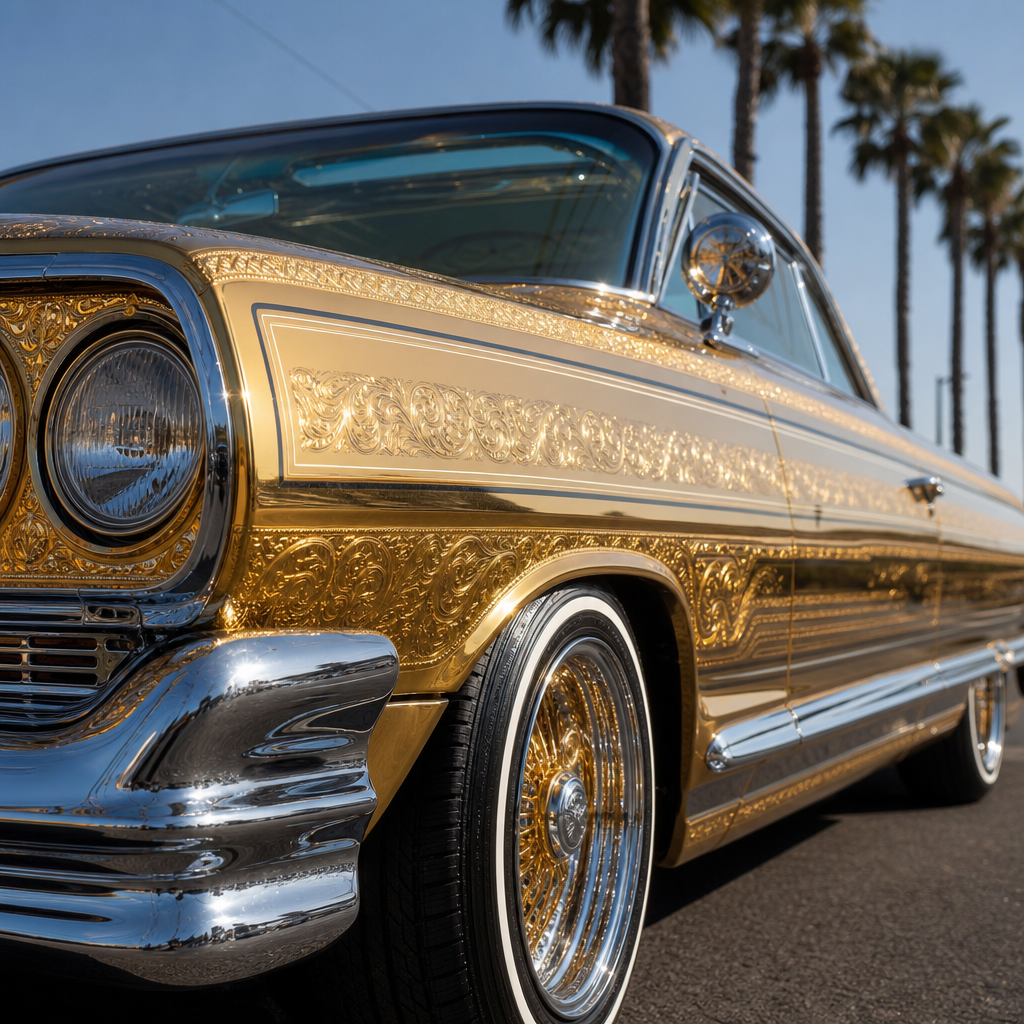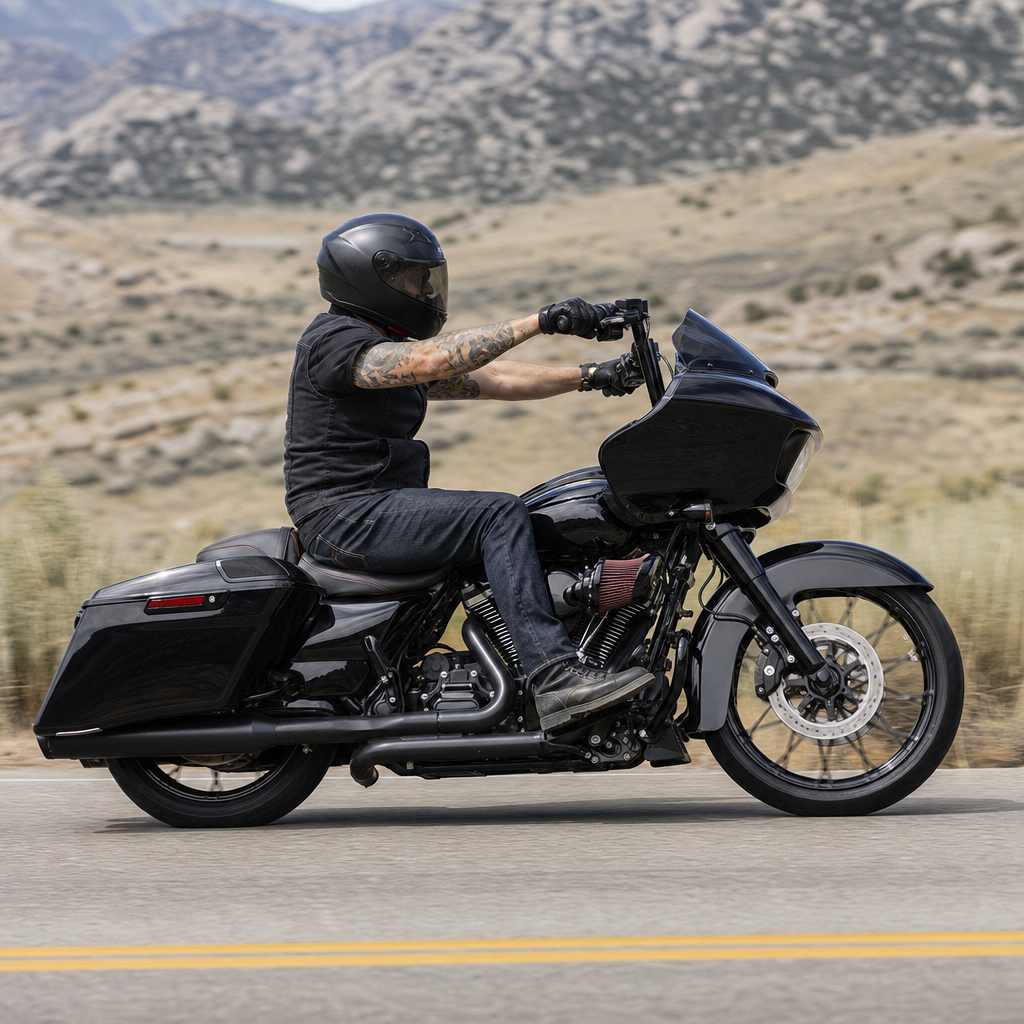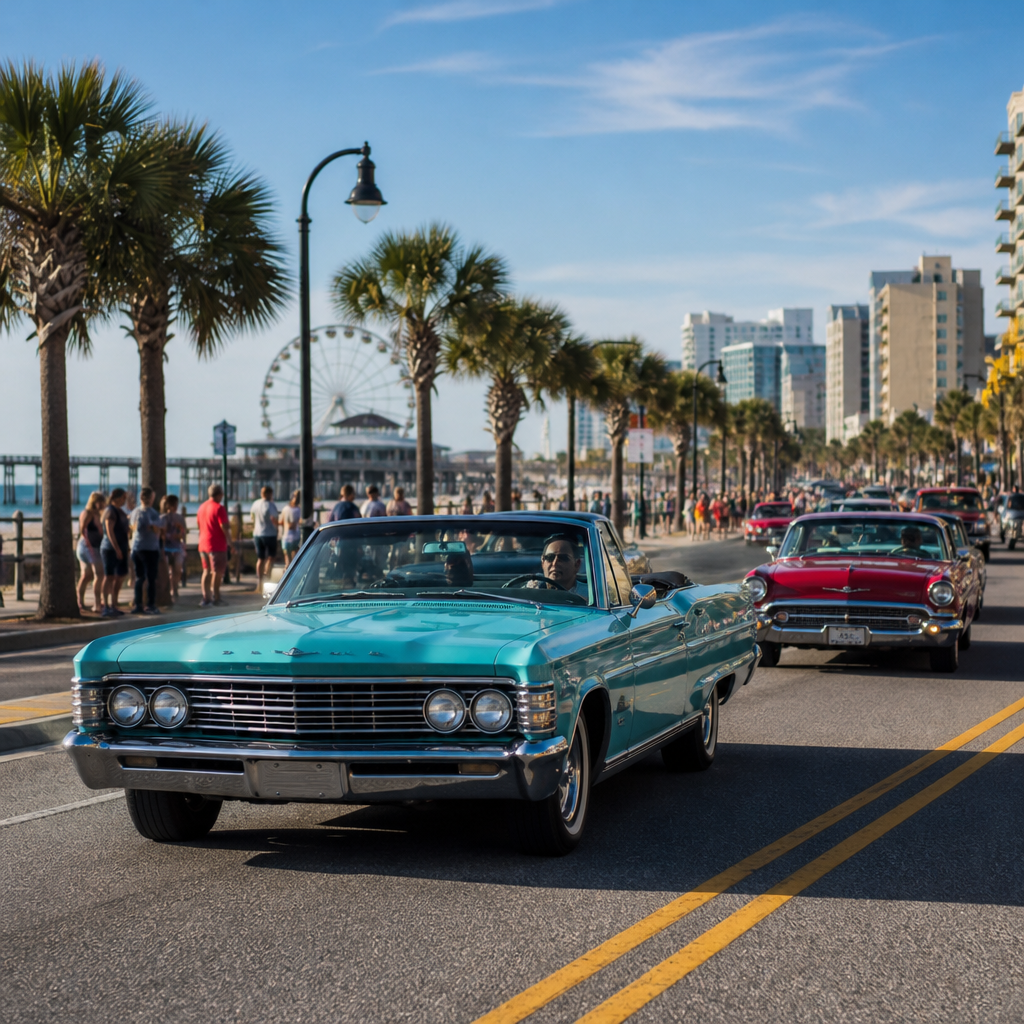
Myrtle Beach Spring Rally 2026 brings together two priorities every rider feels immediately: the draw of oceanfront cruising and the practical challenge of moving thousands of motorcycles, trailers, vendors, and visitors through one of the Southeast’s busiest spring tourism corridors. For riders planning a first trip or organizers building a repeatable system, rally logistics means far more than picking dates and booking a room. It includes route timing, trailer parking, vendor access, swap meet flow, weather contingencies, fuel planning, traffic controls, and the local rules that shape where bikes can gather. As a hub for rally calendars and logistics, this guide explains how to think about the event as both a riding experience and an operations puzzle. I have planned motorcycle event travel across coastal markets with similar constraints, and Myrtle Beach stands out because beach tourism, spring weather, and regional ride-in traffic all peak at once. That combination creates opportunity, but it also punishes vague planning.
The term spring rally generally refers to the cluster of motorcycle-focused travel days, dealer promotions, group rides, bike nights, and vendor activations that surround the larger Myrtle Beach riding season in May. Swap meet logistics refers to the system that allows private sellers, parts vendors, and buyers to move inventory efficiently: load-in windows, booth spacing, cash handling, security, and parking access all matter. Rally calendar planning means mapping fixed anchors such as venue dates, local ordinances, police traffic management, hotel minimum stays, and nearby event competition. For this hub page, the goal is straightforward: help riders, vendors, and trip planners understand what must be scheduled early, what can stay flexible, and how to avoid the mistakes that make an easy coastal motorcycle trip feel chaotic. The result is better riding time, lower costs, and fewer last-minute surprises when Myrtle Beach Spring Rally 2026 arrives.
Why Myrtle Beach Spring Rally 2026 Requires a Calendar-First Plan
Myrtle Beach is not an isolated fairground event where everyone enters one gate, parks in one field, and leaves at sunset. It is a distributed rally environment spread across coastal roads, hospitality corridors, entertainment districts, vendor lots, and nearby communities. That structure changes how calendar planning works. Instead of asking only, “What day does the rally start?” smart travelers ask five better questions: when will regional traffic crest, when do hotel prices jump, when are major vendor lots busiest, when do weather patterns typically interrupt riding, and when do local enforcement priorities intensify. In practice, the busiest travel windows usually build before headline weekend dates, especially as riders from the Carolinas, Georgia, Florida, Tennessee, and the Mid-Atlantic arrive in waves. If you wait to build your itinerary until the final week, your lodging choices narrow, trailer parking becomes scarce, and route efficiency drops.
A reliable rally calendar should include more than official event dates. Build a planning grid with arrival day, first ride day, major shopping day, swap meet day, weather backup day, and departure day. I recommend treating the first full day as an orientation day rather than a packed riding day. Use it to confirm parking rules, inspect vendor layouts, identify fuel stops, and test timing on links such as Kings Highway, Ocean Boulevard access points, and connectors toward Murrells Inlet or North Myrtle Beach. That approach reduces friction later, because the Myrtle Beach market operates like a tourism ecosystem. Restaurant wait times, beach traffic, and hotel ingress all affect motorcycle movement. A calendar-first plan creates realistic expectations and helps riders preserve the main value of the trip: time in the saddle instead of time idling in congestion.
Arrival, Lodging, and Trailer Strategy for Coastal Rally Travel
Most preventable rally problems begin with arrival assumptions. Riders often book the cheapest available room without checking whether the property allows trailer parking, late-night reentry, bike washing, or overflow vehicle staging. In Myrtle Beach, those details matter because many hotels were designed for general tourism, not motorcycle groups towing enclosed trailers or carrying parts-haul vehicles. Before booking, confirm three items directly with the property: maximum trailer length accepted, whether parking passes are limited to one vehicle per room, and whether security patrols cover outer lots overnight. A listing that says “parking available” may still fail a rally traveler if turning radiuses are too tight or if trailers must be unhooked and stored off-site. Oceanfront convenience is attractive, but inland properties near arterial roads often perform better for riders who want easier exits and lower parking stress.
Arrival timing matters almost as much as lodging choice. Midday check-in on a peak Friday can trap you in beach turnover traffic, while an early weekday arrival usually gives you more room to unload, inspect the bike, and settle in before roads clog. Vendors should arrive even earlier. Anyone hauling canopies, display racks, or used parts inventory needs time for setup, weatherproofing, and booth organization before retail hours begin. Group travelers should assign one lead contact to handle the property while others stage motorcycles out of the main entrance lane. This sounds basic, but it prevents one of the most common bottlenecks I see: six riders standing at a front desk while their trucks block incoming guests. Efficient arrival is not glamorous, yet it shapes the rest of the trip by preserving energy, reducing conflict with property staff, and keeping your first evening free for scouting and coastal cruising.
Swap Meet Logistics: Load-In, Selling, Buying, and Inventory Flow
A successful swap meet visit starts before anyone unfolds a table. Sellers should sort inventory into four categories: high-demand fast movers such as take-off handlebars or mirrors, heavy parts that require vehicle access, niche components that need clear labeling, and low-value bundle items priced to clear. This simple classification speeds booth setup and buyer decisions. In rally settings, poor presentation costs money because shoppers are moving quickly between lots and often carrying cash with a fixed spending limit. Use weather-resistant tags, publish prices clearly, and keep fitment notes visible. If a part fits Twin Cam touring models from a known year range, say so. If a helmet is display only or a pipe set lacks baffles, say that too. Clarity is a sales tool and a trust tool.
Buyers should treat the swap meet like a timed logistics run, not a casual wander. Bring a measurement tape, bike model notes, photos of your current setup, and tie-downs or a bungee cargo net if you expect to carry smaller items back on the motorcycle. For larger parts, establish a handoff plan. Some venues permit temporary pickup zones; others require walking purchases back to distant parking. Cash still matters at swap meets, but digital payment use has expanded, so phone charging and signal quality matter for both sides. Weather is another major variable. Coastal wind can turn a disorganized booth into a mess in minutes, and afternoon rain can damage unprotected electrical items or paper documentation. The best swap meet operators use weighted tent legs, waterproof bins, and one visible checkout area that reduces confusion. In a crowded rally, the vendors who sell smoothly are usually the ones who planned movement, labeling, and weather response before the first customer arrived.
| Logistics Task | Rider Priority | Vendor Priority | Best Timing |
|---|---|---|---|
| Hotel and trailer parking confirmation | Prevent towing and space issues | Ensure load-in vehicle access | 30 to 60 days before arrival |
| Primary route mapping | Avoid peak congestion corridors | Estimate booth supply runs | 14 days before arrival |
| Weather backup planning | Shift ride windows safely | Protect inventory and displays | 72 hours before each travel day |
| Swap meet cash and payment setup | Budget purchases | Speed transactions and reduce loss | Night before market day |
| Departure loading sequence | Pack gear without lot delays | Break down booths efficiently | Final evening or early departure day |
Best Coastal Cruising Routes and Timing Around the Rally
The riding draw of Myrtle Beach Spring Rally 2026 is obvious: salt air, flat coastal roads, easy access to seafood towns, and a mix of scenic cruising and social stop points. The mistake is assuming every attractive road will stay attractive at every hour. Ocean-adjacent corridors can become stop-and-go quickly, particularly where tourism traffic, pedestrians, golf cart crossings, and event parking all mix together. For smoother riding, break the region into route types. First are showcase strips where the goal is visibility and atmosphere more than uninterrupted speed. Second are connector routes used to move efficiently between lodging, vendor areas, and dinner stops. Third are longer scenic loops that reward early departures, such as runs south toward Murrells Inlet, Pawleys Island approaches, or inland detours that let you re-enter the beach later in the day.
The best operating principle is to cruise showcase roads early or late and use connectors during off-peak midday windows only when necessary. Sunrise rides are especially effective in coastal rally markets because temperatures are moderate, traffic is lighter, and parking at breakfast stops is easier. Evening rides work too, but they come with denser foot traffic and more enforcement attention in popular entertainment zones. Group riders should set explicit regroup points instead of trying to hold one tight formation through congested lights. That reduces risky lane changes and lets experienced locals move at a calm pace. Fuel strategy matters as well. Never assume the station closest to a headline venue will be convenient. During peak rally hours, a station with wide access half a mile farther away may save twenty minutes and a lot of frustration. Good coastal cruising is not just about scenery; it is about riding at the right time on the right road for the purpose you actually have.
Traffic Management, Safety, and Local Rule Awareness
Myrtle Beach rally planning works best when riders acknowledge a simple truth: local traffic systems are built for mixed public use, not for unlimited motorcycle congregation. That means local ordinances, lane-use rules, noise enforcement, parking restrictions, and event-specific policing can influence the rally experience as much as any concert or vendor lineup. Riders should verify current regulations before travel, especially if they remember rules from older rally years. Municipal policies can change, and neighboring jurisdictions may handle motorcycles differently. The safest assumption is that visible enforcement will increase in high-density tourism areas, at night, and on roads with prior complaints tied to noise or stunt behavior. Respectful riding is not just good manners; it protects access for everyone and reduces the chance that a simple scenic pass becomes an expensive citation.
On the safety side, coastal spring weather introduces special risks. Sudden showers can leave roads oily after long dry periods, crosswinds can push unloaded touring bikes or bikes with tall fairings, and afternoon heat combined with stop-and-go traffic can wear down riders faster than they expect. I advise every group to use a daily brief that covers route length, fuel interval, hydration plan, and one weather trigger for change. For example, if radar shows a storm line forming inland at 3:00 p.m., move the long loop to the morning and keep the afternoon flexible for indoor shopping or swap meet browsing. Also remember basic parking discipline. Backing a fully loaded bike uphill in a crowded gravel overflow lot is avoidable if you choose your spot carefully on arrival. Small decisions like that often determine whether the trip stays smooth or turns stressful.
How This Hub Supports Rally Calendars and Logistics Planning
As a sub-pillar hub for The Open Road, this page should function like a planning map for everything connected to rally calendars and logistics. Use it as your starting framework, then branch into itinerary building, packing plans, regional route research, weather monitoring, and event-day operations. The key takeaway is that Myrtle Beach Spring Rally 2026 rewards structure. Riders who define arrival windows, trailer strategy, swap meet goals, and cruise timing early get more enjoyment from the same destination. Vendors who plan booth flow, payment readiness, and weather protection convert more foot traffic into actual sales. Groups that understand local rules and traffic patterns spend less time correcting preventable mistakes.
If you are building your trip now, start with dates, parking, and route timing before you chase entertainment plans. Then create a simple checklist for lodging, load-in, ride windows, shopping targets, and departure logistics. That one step will make coastal cruising easier and swap meet days more productive. Use this hub as your reference point, and turn Myrtle Beach Spring Rally 2026 into a trip that runs as well operationally as it looks on the road.
Frequently Asked Questions
What makes Myrtle Beach Spring Rally 2026 different from a typical motorcycle event, especially for riders focused on both cruising and logistics?
Myrtle Beach Spring Rally 2026 stands out because it combines two very different experiences in one destination. On one hand, riders come for the classic coastal atmosphere: ocean views, warm spring weather, long stretches of scenic road, and the energy of being surrounded by thousands of other motorcycles. On the other hand, the event unfolds inside one of the Southeast’s busiest tourism corridors, where beach traffic, hotel turnover, delivery schedules, vendor setups, and local parking limitations all affect how smoothly the rally operates. That means success at this rally is not just about choosing the right bike route. It is also about understanding how to move through a crowded resort region efficiently.
For first-time attendees, that difference matters immediately. A beach rally may look relaxed from the outside, but traffic patterns can shift quickly during peak arrival windows, especially near oceanfront lodging zones, major intersections, vendor sites, and swap meet areas. Riders who plan only for scenic cruising often find themselves spending too much time in congestion, circling for parking, or backtracking between lodging and event stops. Experienced attendees usually approach the rally with a layered plan: when to ride for pleasure, when to handle errands, when to relocate trailers or support vehicles, and which time blocks are best for vendor visits or swap meet browsing.
For organizers, vendors, and repeat visitors, the rally is even more operationally complex. Vendor access windows, trailer staging, unloading procedures, customer parking flow, and emergency access routes all need to function alongside the normal demands of spring tourism. In practical terms, Myrtle Beach Spring Rally 2026 is as much a logistics exercise as it is a riding event. Riders who treat it that way usually get a better experience, because they spend less time reacting to crowds and more time enjoying the parts of the rally that brought them there in the first place.
When is the best time to cruise the Myrtle Beach area during Spring Rally 2026 without getting stuck in the heaviest traffic?
The best time to cruise is usually early in the day, especially just after sunrise through the late morning hours. During that window, roads are generally less congested, temperatures are comfortable, and you can enjoy coastal routes before the main wave of rally traffic, beach tourism traffic, and local midday activity build together. Riders who want the most relaxed experience often leave lodging early, fuel up before crowds form, and complete their main scenic ride before lunch. This approach also gives you flexibility later in the day, when roads near popular attractions, oceanfront strips, restaurants, and vendor areas tend to become much slower.
Mid-afternoon and early evening are often the most challenging periods for movement. This is when day riders are repositioning, hotel guests are checking in, restaurant traffic increases, and vendor or swap meet visits overlap with leisure cruising. In a destination like Myrtle Beach, even roads that seem manageable at one hour can become bottlenecks a short time later. That is why timing matters just as much as route selection. If your priority is a scenic coastal ride, try to separate it from your shopping, meetup, or event attendance schedule instead of combining everything into one long loop during the busiest part of the day.
It is also smart to build your schedule around transition points. For example, if you know you want to visit a vendor area or swap meet, consider riding early, returning before peak congestion, and then walking or making a short local trip later. If you are staying farther inland, you may also benefit from entering busier zones before traffic stacks up and exiting before dinner-time backups begin. The general rule is simple: use mornings for movement, use crowded afternoon periods for stationary activities, and avoid treating prime tourist hours as the ideal time for open-road cruising.
How should riders handle trailer parking and support vehicle logistics during Myrtle Beach Spring Rally 2026?
Trailer parking is one of the most important details to solve before arrival. Many riders focus on hotels, ride routes, and event schedules, but trailer storage can become the issue that shapes the entire trip. In a high-demand coastal market during rally week, not every hotel, condo, or rental property can comfortably accommodate truck-and-trailer combinations, especially oversized setups. Some properties technically allow trailer parking but offer limited maneuvering space, restricted overflow areas, or arrival windows that become difficult once traffic builds. That is why riders should confirm parking specifics directly with the property instead of relying only on a booking description.
The most effective strategy is to think in terms of staging. If you are towing motorcycles in, determine where the trailer will go after unloading, whether it can remain on-site, whether it needs to be moved to overflow parking, and how easy it will be to retrieve when it is time to leave. The same goes for support vehicles. A truck that is useful during arrival may become a burden if it occupies limited space close to the main rider flow. In some cases, keeping the trailer at a designated overflow location and using bikes for daily transportation creates a much smoother experience than trying to reposition the tow vehicle repeatedly around rally traffic.
Groups should be even more deliberate. If multiple bikes arrive with several trucks and trailers, coordinate who needs direct access and who can consolidate equipment. Reducing the number of parked support vehicles can make lodging access easier and improve departure timing at the end of the rally. Vendors and swap meet sellers should go one step further by planning unloading order, hand-cart access, security for stored inventory, and backup options if primary parking fills earlier than expected. In short, trailer logistics should be treated like part of the event plan, not an afterthought. Riders who solve parking before they arrive save themselves significant time, stress, and unnecessary movement through already crowded rally corridors.
What is the smartest way to approach vendor areas and swap meet logistics at Myrtle Beach Spring Rally 2026?
The smartest approach is to treat vendor areas and swap meet visits as their own mission rather than trying to squeeze them into a casual ride window. These spaces are often some of the most congested parts of any rally because they attract buyers, browsers, parts hunters, builders, and spectators all at once. Add trucks, trailers, setup crews, restocking activity, and pedestrians moving unpredictably, and the result is a very different environment from scenic cruising. Riders who arrive with a plan usually get much better results, whether they are shopping for hard-to-find components or simply trying to enjoy the atmosphere without wasting half the day in slow-moving traffic.
If you are shopping, go early and prioritize what matters most. Swap meet inventory can change quickly, especially for used parts, vintage components, rare accessories, or model-specific items. Bring measurements, part numbers, photos, and a clear sense of what fits your motorcycle. That reduces guesswork and helps you make faster decisions in crowded aisles. It is also wise to think ahead about transport. A small item can go in a saddlebag, but larger parts, apparel bundles, or bulky purchases may require a return trip to your lodging or support vehicle. Planning that in advance keeps a great find from turning into a hassle.
If you are selling or working a booth, logistics become even more important. You will want to know your load-in procedure, approved setup times, vehicle removal requirements, and any rules for replenishment during show hours. It helps to separate display stock from reserve stock, use clear signage, and keep payment handling efficient during peak foot traffic. Weather protection also matters in spring, especially in a coastal setting where sun, wind, and occasional rain can affect merchandise and customer comfort. Whether you are buying or selling, the key principle is the same: vendor and swap meet areas reward preparation. The more organized your timing, parking, inventory, and carrying plan are, the more productive and enjoyable your visit will be.
What should first-time attendees do to build a smooth, repeatable plan for Myrtle Beach Spring Rally 2026?
First-time attendees should start by building the trip in layers instead of treating it like a spontaneous beach ride. Begin with the fixed elements: where you are staying, where you can park a truck or trailer, what days and times you expect the heaviest movement, and which rally activities matter most to you. Once those are set, map your daily pattern around them. That means deciding when you will ride, when you will shop, when you will eat, when you will refuel, and when you will avoid moving altogether. A repeatable rally plan is not rigid, but it does give you structure so you are not making every decision in the middle of congestion.
It is also important to divide goals into primary and secondary priorities. If your main reason for attending is coastal cruising, protect the best riding hours for that. If your focus is the swap meet, vendor networking, or sourcing parts, give those activities dedicated time blocks and avoid scheduling them during your longest rides. Many first-time visitors overload each day and end up losing time in transitions. A better method is to cluster activities by geography and timing. For example, handle one zone in the morning, return to lodging to reset, and then attend a nearby evening destination rather than crossing the area multiple times.
Finally, make notes that will help you next year. Record where parking was easiest, which roads moved best at certain times, which vendor areas were worth the trip, and what arrival or departure choices saved time. Repeat attendees often look calm because