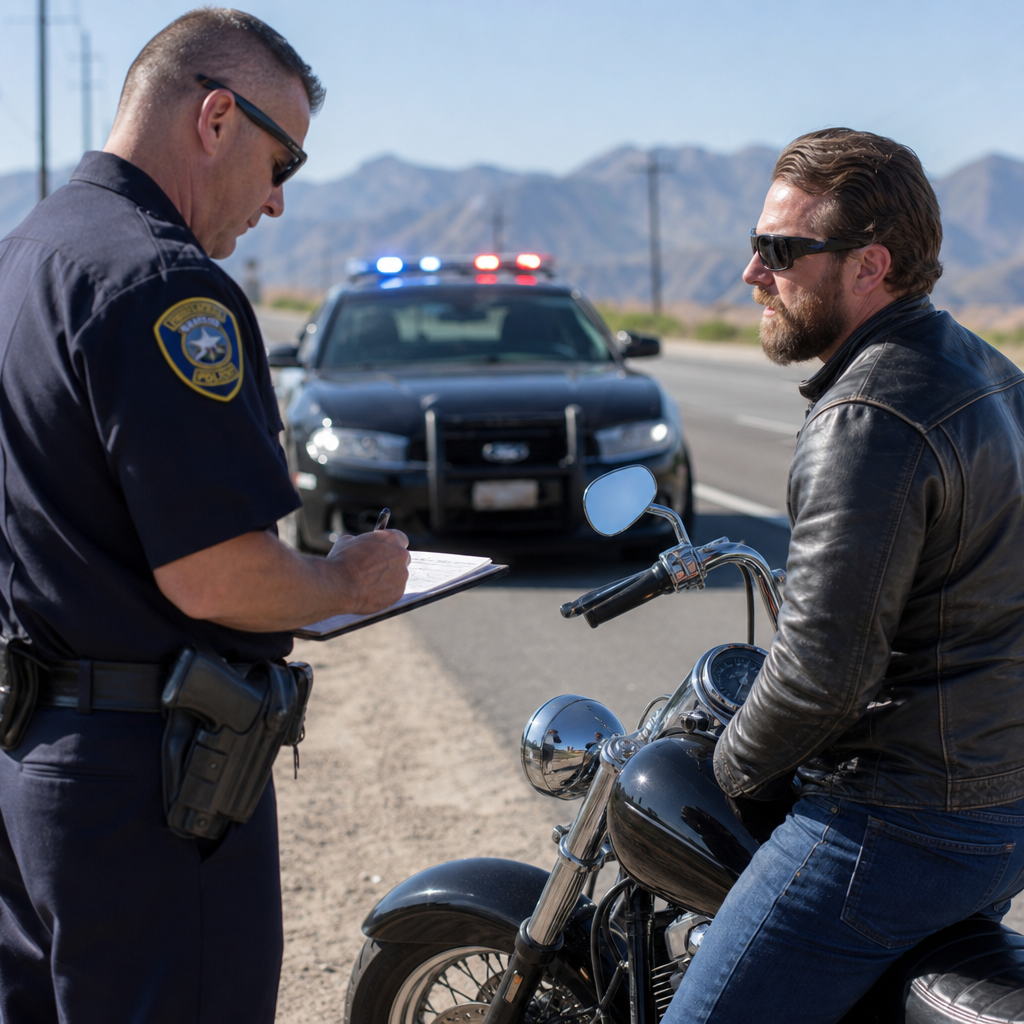
Motorcycle insurance in 2026 is no longer just about meeting state minimums; it is about identifying the coverage gaps that can turn one crash, theft, or liability claim into a major financial setback. Riders often assume a standard policy protects the bike, the body, the gear, and the legal risk, but that assumption is where trouble starts. A coverage gap is the difference between what a rider believes is insured and what the policy actually pays after deductibles, exclusions, limits, depreciation, and fault rules are applied. In practical terms, it can mean discovering that a custom exhaust is uninsured, a passenger injury exceeds bodily injury limits, or a totaled motorcycle is valued thousands below the loan balance.
Within the broader world of The Open Road, Safety & Skills sits at the center of motorcycle insurance decisions because insurers price risk based on rider behavior, training, storage, mileage, and machine type. I have reviewed dozens of motorcycle declarations pages and claim summaries, and the same pattern keeps appearing: the largest losses usually come from details riders skipped during quote comparison. Safety and skill are not abstract topics here. They affect premium cost, claim outcomes, underwriting eligibility, and whether a rider can recover financially after a crash. In 2026, with higher repair costs, more connected motorcycles, pricier protective equipment, and persistent uninsured driver exposure, understanding these gaps is essential for every commuter, tourer, cruiser owner, sport rider, and first-time buyer.
This hub article explains the major protection gaps riders need to watch, how safety habits and training can reduce both risk and premium, and where to go deeper across the Safety & Skills cluster. If you want to understand liability limits, uninsured motorist coverage, medical payments, accessory protection, roadside assistance, trip interruption, and the effect of rider education on policy pricing, start here. The goal is simple: help you build motorcycle insurance that matches how you actually ride, not how an insurer’s default quote assumes you ride.
Why motorcycle insurance gaps are widening in 2026
Motorcycle insurance gaps are getting worse because motorcycles, parts, and medical care all cost more than they did even a few years ago. OEM fairings, LED lighting modules, radar-based rider aids, TFT displays, and advanced braking components have raised average repair bills. A low-speed drop that once meant a lever and mirror replacement can now involve expensive painted panels, sensors, and recalibration work. Labor rates have also increased, especially in metro areas where certified powersports shops are booked weeks out. When riders carry low physical damage limits or high deductibles without a realistic emergency fund, those cost increases become uninsured losses.
Liability exposure has grown as well. A serious injury claim can exceed state minimum limits almost immediately. In many states, required minimums remain far below what a hospital stay, surgery, lost wages, and legal defense can cost. Riders who carry only minimum liability to save money are effectively self-insuring the amount above the policy limit. That is one of the most dangerous gaps in any motorcycle policy. Safety & Skills content matters here because the strongest way to protect premium and claim history is to lower crash probability through training, hazard awareness, speed management, and sober riding habits.
Another 2026 issue is mismatch between use and classification. Riders who say they use the bike for pleasure but actually commute daily, deliver goods, or travel long distances can trigger claim disputes. Storage declarations matter too. A bike kept in a locked garage generally presents lower theft risk than one parked outside overnight, and insurers rate accordingly. If the policy reflects one reality and the claim reveals another, delays or denials become more likely.
The most common coverage gaps riders miss
The biggest gap is liability underinsurance. Bodily injury and property damage liability pay for harm you cause to others, not for your own bike. Many riders know they need liability but underestimate the limit required. A practical floor for many households is at least 100/300/100, meaning $100,000 bodily injury per person, $300,000 per accident, and $100,000 property damage. Riders with assets, higher income, or regular passengers often need more, especially when umbrella compatibility is part of the plan.
The second gap is uninsured and underinsured motorist protection. Motorcyclists are especially vulnerable when struck by drivers with little or no insurance because injuries can be severe even when the bike itself is repairable. In many claim files, this coverage is the difference between manageable recovery and years of uncompensated loss. It can cover bodily injury and, in some states or endorsements, property damage. Policy language varies, so riders need to confirm exactly what applies and whether stacking is allowed.
Comprehensive and collision are another source of confusion. Collision covers damage from impact, regardless of fault, while comprehensive generally covers theft, vandalism, fire, weather, animal strikes, and other non-collision loss. The gap appears when riders drop one or both on a financed motorcycle, assume accessories are included, or fail to account for actual cash value settlement. Actual cash value usually means depreciation applies. If your bike is financed and market value falls below the loan balance, you may still owe money after a total loss unless you have loan or lease payoff protection.
Medical payments and personal injury protection are often overlooked because riders assume health insurance makes them unnecessary. In practice, these coverages can help with deductibles, copays, ambulance charges, or immediate medical expenses after a crash. Health plans may have network restrictions, high out-of-pocket maximums, or exclusions for certain services. Medical payments coverage is often inexpensive, and on a motorcycle, even a minor crash can produce meaningful medical bills.
Accessory and gear coverage is another frequent blind spot. Saddlebags, top cases, crash bars, upgraded seats, GPS units, heated gear controllers, cameras, custom paint, performance parts, and riding apparel may not be fully covered under the base policy. I regularly see riders add several thousand dollars in modifications while leaving accessory limits unchanged. They discover the gap only after theft or a total loss.
| Coverage area | What riders assume | What often happens | Better approach |
|---|---|---|---|
| Liability | State minimum is enough | Injury claim exceeds limits | Raise limits to match real exposure |
| Uninsured motorist | Other driver will pay | At-fault driver has little insurance | Add high UM/UIM limits |
| Collision/comprehensive | Bike value will be covered | Actual cash value is lower than expected | Review valuation and consider loan payoff |
| Accessories and gear | Everything on the bike is included | Custom parts exceed sublimits | Schedule accessories and confirm gear coverage |
| Medical payments | Health insurance handles all costs | Deductibles and emergency charges remain | Add med pay based on out-of-pocket risk |
How Safety & Skills affect premiums and claims
Insurers do not just insure motorcycles; they insure rider behavior translated into data points. Completing an approved rider course, such as one aligned with Motorcycle Safety Foundation standards where recognized, can reduce premiums with many carriers. More important, training improves braking technique, corner entry judgment, swerving skill, and visual scanning, all of which reduce crash frequency. A rider who practices emergency stops and intersection strategy is less likely to generate the kinds of loss that raise rates for years.
Claims outcomes are shaped by skill too. Consider a common urban scenario: a left-turning car violates your right of way. A trained rider may reduce impact speed significantly through maximum straight-line braking and lane positioning. Lower speed can mean lower medical severity, less property damage, and stronger evidence that the rider acted prudently. That matters when adjusters evaluate comparative negligence. Helmet use, armored gear, and visible lighting also influence injury severity and, in some jurisdictions, claim arguments around damages.
For this Safety & Skills hub, riders should think in linked topics. Training lowers risk. Risk affects premiums. Premium pressure pushes riders toward lower limits. Lower limits create coverage gaps. The best insurance strategy therefore starts before the quote screen: choose ongoing training, realistic speed discipline, secure storage, anti-theft devices, routine maintenance, and accurate annual mileage estimates. Those habits create better options across the policy.
Policy details that matter more than most riders realize
Deductibles deserve careful attention. A high deductible lowers premium, but it only works if you can comfortably pay it after a loss. On motorcycles, cosmetic damage adds up fast, and many riders postpone repairs when deductibles are unrealistic. That can create safety issues if damaged controls, lights, tires, or protective components are involved. Match your deductible to your emergency fund, not to the lowest quote result.
Settlement method is equally important. Most standard policies pay actual cash value, not replacement cost. Some carriers offer total loss replacement for newer bikes, agreed value for certain custom or collector machines, or better accessory endorsements. If you own a limited-production bike, a heavily modified adventure motorcycle, or a touring machine loaded with electronics and luggage systems, ask exactly how valuation works and whether receipts or photos are required.
Read exclusions closely. Track days, timed events, commercial use, racing instruction, and delivery activity are commonly excluded. So are intentional acts, wear and tear, mechanical failure, and certain storage-related theft scenarios if keys were left with the bike. Another surprise is permissive use. If a friend borrows your motorcycle and crashes, the policy may respond differently than you expect, and some insurers are much stricter than auto carriers about listed operators.
Roadside assistance and trip interruption can be worthwhile for touring riders, but limits matter. Towing a large touring motorcycle from a remote highway to a qualified dealer can be expensive. Trip interruption benefits can help with lodging, meals, and transportation after a covered loss away from home, yet riders often discover the daily cap is modest. These are useful coverages, just not unlimited ones.
Choosing coverage that fits the way you ride
A commuter needs a different motorcycle insurance structure than a weekend canyon rider or a cross-country tourer. Commuters face higher frequency exposure: rush-hour congestion, distracted drivers, bad weather, and regular parking in public places. They usually need stronger uninsured motorist limits, theft awareness, and accurate use classification. Touring riders often need higher accessory coverage, roadside assistance, trip interruption, and confirmation that luggage, helmets, and riding gear are included. Sport riders may pay more for collision and liability because of performance class, making discipline and training discounts even more valuable.
New riders should resist the temptation to buy only the cheapest legal policy. Inexperience already increases loss frequency, and financing adds loan balance risk. A better approach is to buy a manageable motorcycle, complete formal training, raise liability and UM/UIM limits, and protect against physical damage if the bike would be hard to replace from savings. Experienced riders with paid-off motorcycles sometimes choose to drop collision on older bikes, which can be reasonable if the bike’s market value is low and they can absorb a total loss. The key is making that decision consciously rather than by default.
Use annual policy reviews to keep pace with changes. Added accessories, a new garage, lower mileage, another household driver, a move to a different ZIP code, or completion of an advanced course can all change premium and protection needs. Document modifications with receipts and current photos. If your insurer offers telematics or riding-behavior programs, review the privacy tradeoffs and the exact rating methodology before enrolling.
How to audit your motorcycle policy for gaps
Start with the declarations page. Confirm named insureds, garaging address, vehicle identification number, annual mileage, use classification, deductibles, and every limit. Then compare those numbers with your real-world exposure. Could you pay the deductible tomorrow? Would your liability limits protect savings and future wages? If the bike were totaled, would the settlement satisfy the loan? Are accessories and riding gear listed at realistic values?
Next, ask direct questions. Does uninsured motorist include underinsured drivers? Is guest passenger liability automatic? Are OEM parts covered, or can aftermarket parts be used in repairs? Does accessory coverage include installed electronics and luggage? Is roadside towing motorcycle-specific? How is a total loss valued? Are safety course discounts applied automatically or only on request? These are not minor details; they determine whether the policy performs when you need it.
Finally, compare at least three quotes on equal limits and endorsements. Many riders compare premiums without matching coverage, which produces a false result. A cheaper quote with lower UM/UIM limits, higher deductibles, no accessory endorsement, and no trip interruption is not the same policy at a better price. For Safety & Skills readers building out the full subtopic hub, this is the practical takeaway: safer riding reduces claims, and informed policy design closes the financial gaps that skill alone cannot prevent.
Motorcycle insurance in 2026 demands more attention because the biggest risks are often hidden in ordinary policy language. Coverage gaps appear when liability limits are too low, uninsured motorist protection is missing, accessory values are outdated, deductibles are unrealistic, or riders assume health insurance and standard physical damage coverage will solve every problem. They will not. The riders who recover best after a loss are usually the ones who matched coverage to actual riding habits, documented their bikes properly, and reviewed their policies before a claim forced the issue.
For the Safety & Skills hub under The Open Road, the lesson is clear: better riding skill and better insurance design work together. Training, hazard awareness, secure storage, accurate disclosures, and routine policy audits create a stronger protection system than any single endorsement alone. If you use this page as your starting point, move next into deeper guides on rider training, protective gear, crash avoidance, theft prevention, roadside preparedness, and policy comparison. Then review your current motorcycle insurance line by line and close the gaps before your next ride.
Frequently Asked Questions
1. What is a motorcycle insurance coverage gap in 2026, and why does it matter so much?
A motorcycle insurance coverage gap is the difference between what you think your policy will pay and what it actually pays after deductibles, exclusions, sublimits, depreciation, and policy conditions are applied. In 2026, this matters more than ever because motorcycles, replacement parts, medical costs, and liability claims are all more expensive than they were just a few years ago. Many riders still buy insurance with the assumption that “full coverage” means everything is protected, but that phrase is not a formal insurance term. In practice, a policy may include liability, collision, and comprehensive coverage while still leaving major gaps related to riding gear, custom parts, passenger injuries, transport trailers, OEM replacement parts, or lost value after a crash.
These gaps become painfully clear only after a claim. For example, your insurer may pay the actual cash value of the motorcycle rather than the amount you still owe on a loan, leaving you responsible for the remaining balance. A stolen bike claim may be covered, but expensive accessories such as upgraded exhaust systems, navigation equipment, saddlebags, or security systems may have limited protection unless they were specifically scheduled or endorsed. Even medical and liability protections can be thinner than riders expect if policy limits are low or if the claim exceeds state minimum requirements. The bottom line is simple: the biggest insurance mistake in 2026 is not always being uninsured, but being underinsured in ways you do not discover until the loss has already happened.
2. Doesn’t full coverage protect my motorcycle, my gear, and my medical bills automatically?
No, and this is one of the most common misconceptions riders have. When people say “full coverage,” they usually mean a combination of liability, collision, and comprehensive insurance. That can be a strong foundation, but it does not automatically cover every financial risk tied to owning and riding a motorcycle. Liability generally pays for damage or injuries you cause to others, collision helps with repairs to your own bike after an accident, and comprehensive usually addresses non-collision losses such as theft, vandalism, fire, or weather damage. However, each of those coverages comes with limits, deductibles, and exclusions, and none of them guarantees broad protection for gear, custom equipment, passengers, or your own medical treatment.
For example, helmets, jackets, gloves, boots, and airbag vests may have little or no coverage unless your insurer offers accessory or safety apparel protection. Similarly, aftermarket upgrades are often covered only up to a small built-in limit, if they are covered at all. Medical costs are another major blind spot. Depending on your state and policy, your injuries may be handled through med-pay, personal injury protection, health insurance, or uninsured/underinsured motorist bodily injury coverage, and each one works differently. If you finance your motorcycle, “full coverage” also does not necessarily solve the problem of loan payoff if the bike is totaled and the settlement is lower than your outstanding balance. Riders should think beyond the label and review exactly what the policy says about parts, apparel, passengers, medical bills, and payout methods.
3. How does depreciation create a coverage gap after a motorcycle is stolen or totaled?
Depreciation is one of the most overlooked sources of financial loss in a motorcycle insurance claim. Most standard policies settle total losses based on actual cash value, which generally means the market value of the motorcycle at the time of the loss, not what you originally paid for it and not necessarily what it costs to buy a comparable replacement today. In 2026, with higher bike prices and continued volatility in parts and replacement costs, this gap can be substantial. If your motorcycle is stolen or declared a total loss after a crash, the insurer may subtract depreciation for age, mileage, wear, prior damage, and market conditions before issuing payment.
This becomes especially problematic for riders with loans or leases. If you owe more on the bike than the insurer pays, you may have to cover the difference out of pocket unless you have loan/lease payoff coverage, often called gap coverage. Depreciation also affects accessories and riding gear if they are insured at all. A five-year-old helmet or jacket may not be reimbursed at replacement cost, and aftermarket parts may receive only limited value unless specifically endorsed. Some insurers offer replacement cost coverage for newer motorcycles or OEM parts endorsements that reduce this gap, but these features are not standard across all policies. The practical takeaway is that riders should ask not just whether theft or total loss is covered, but how the payout is calculated, whether depreciation applies, and whether additional endorsements are available to preserve more of the bike’s real-world value.
4. What kinds of coverage do riders often need in 2026 beyond basic liability and collision?
In 2026, many riders need a broader insurance package than basic state-minimum liability and standard physical damage coverage. Uninsured and underinsured motorist coverage is one of the most important additions because motorcycle riders are especially vulnerable to severe injuries when hit by drivers who carry little or no insurance. Medical payments coverage or personal injury protection, where available, can also be valuable for handling immediate treatment costs regardless of fault. If you have a loan or lease, gap or loan/lease payoff coverage can prevent you from being stuck with debt after a total loss. For riders with customized bikes, accessory coverage or a custom parts and equipment endorsement is often essential, particularly if the motorcycle has upgraded wheels, lighting, performance parts, fairings, luggage systems, or electronics.
Other important protections may include roadside assistance, trip interruption coverage, OEM parts endorsements, transport trailer coverage, and coverage for riding apparel. Passenger liability and passenger injury-related protections deserve special attention if you regularly ride two-up, because not every policy addresses passenger-related losses the way riders assume. If you use your motorcycle for business-related activities, delivery work, content creation, or organized riding events, you should also confirm whether your policy excludes those uses. For higher-net-worth riders, umbrella liability insurance may help extend protection above the limits of the motorcycle policy, though coordination between policies matters. The right insurance setup in 2026 depends on how you ride, what your bike is worth, what modifications you have added, and how much financial risk you could realistically absorb on your own after a serious claim.
5. How can I identify and fix motorcycle insurance coverage gaps before I have to file a claim?
The best way to identify coverage gaps is to review your policy line by line with a focus on what is excluded, capped, or subject to depreciation. Start by checking your liability limits and asking whether they would realistically cover a major injury claim, property damage claim, or lawsuit. Then review collision and comprehensive deductibles, how total-loss value is determined, and whether custom parts, accessories, gear, and OEM replacement parts are covered. If you have a loan, confirm whether your policy includes loan/lease payoff coverage. If you frequently ride with a passenger, verify how passenger injuries are handled. You should also look at uninsured/underinsured motorist coverage, med-pay or PIP options, towing, rental reimbursement or transportation expense coverage, and any exclusions for racing, track days, commercial use, or out-of-state riding.
It also helps to make an inventory of your motorcycle and related equipment. Save receipts, take photos of modifications, document serial numbers, and keep records of expensive riding gear. That documentation can make a major difference during claims handling. From there, compare your current policy with updated quotes from other carriers, because the insurer that was cheapest last year may no longer offer the best protection for your needs in 2026. Ask direct questions: Is the settlement actual cash value or replacement cost? Are aftermarket parts automatically included? Are accessories covered up to a fixed amount? What happens if the bike is totaled and I still owe money? A strong annual insurance review is one of the smartest financial habits a rider can build. Coverage gaps are often preventable, but only if you look for them before the accident, theft, or liability claim exposes them.