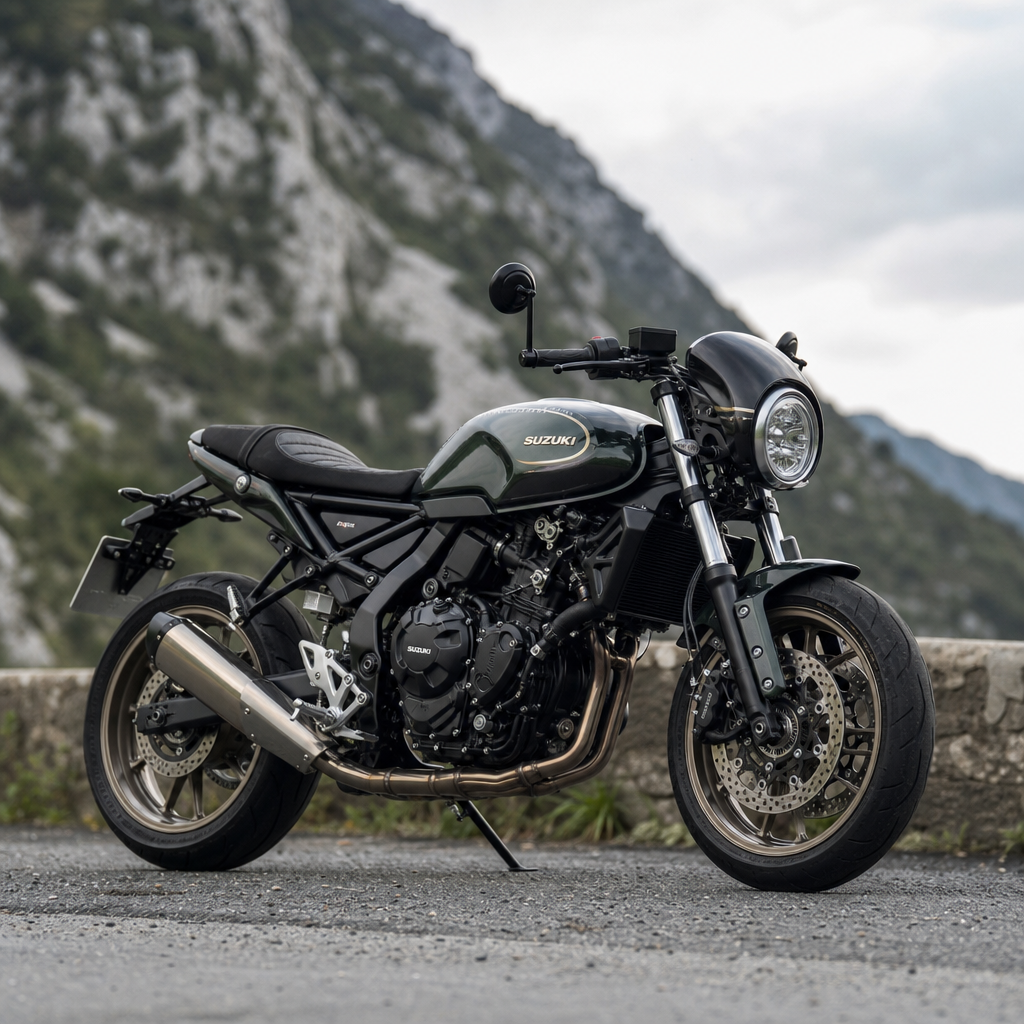
Lockhart Basin on the Utah Backcountry Discovery Route is the section riders mention in the same tone used for difficult mountain passes, because it combines heat, remoteness, ledges, deep sand, navigation pressure, and repeated opportunities to damage a bike far from help. In plain terms, Lockhart Basin is the technical stretch between the Moab area and the southern continuation toward Monticello that turns an otherwise manageable dual-sport trip into a serious expedition. For riders planning the UTBDR, especially on loaded adventure motorcycles, this segment is the filter that exposes weak packing choices, poor line selection, bad hydration habits, and unrealistic schedules.
I have prepped bikes and riders for this terrain, and the same pattern repeats every season: people overestimate traction, underestimate fatigue, and treat Lockhart like a scenic connector instead of a self-rescue environment. That is why this hub matters. It is not just a route note for one famous obstacle field; it is the technical prep framework for the entire advanced UTBDR conversation heading into 2026 and 2027. If you understand how to survive Lockhart Basin, you understand the standards your body, your bike, your tools, and your decision-making must meet for every hard BDR section that follows.
Surviving does not mean riding fast or cleaning every ledge. It means reaching the exit without injury, without abandoning gear, and without turning a small mechanical issue into an extraction. Technical prep refers to the practical systems behind that outcome: route research, current-condition verification, heat management, bike setup, tire and suspension choices, recovery techniques, group spacing, and bailout criteria. The 2026 and 2027 updates matter because more riders are arriving with larger bikes, more electronic rider aids, heavier luggage systems, and stronger expectations shaped by polished route videos that rarely show the cumulative toll of ten hard miles in triple-digit desert temperatures.
This article serves as the hub for ADV and BDR technical prep under The Open Road, with Lockhart Basin as the benchmark case. It explains what makes this section hard, how to choose the right machine and setup, what changed in current route planning, and how to build a realistic survival plan before your front tire drops into the first rock step.
Why Lockhart Basin Is the Hardest UTBDR Section
Lockhart Basin is difficult because it layers multiple stressors at once rather than relying on one dramatic obstacle. The trail includes off-camber slickrock, stair-step ledges, loose rock climbs, sand washes, abrupt direction changes, and enough exposure to punish a rushed correction. None of those features are unusual in southern Utah by themselves. The problem is the density. On a loaded ADV bike, each obstacle costs energy, clutch control, and concentration, and there are very few truly easy miles where a rider can reset physically or mentally.
The route also punishes mistakes in a specific way: low-speed falls become expensive. A tip-over on a ledge can bend a brake pedal, crack a handguard mount, pinch a clutch perch, or trap a leg under luggage. In summer conditions, every recovery effort elevates heart rate and drains water. Riders who could comfortably handle one hard hill near home often unravel here because they are repeating high-effort maneuvers for hours under heat stress. That is why experienced BDR riders describe Lockhart Basin as a systems test, not just a technical trail.
Navigation adds another layer. Even with GPX tracks, route finding is not passive in rock country. Lines split, cairns move, and visual terrain can make legal route corridors look less obvious than illegal or deeply rutted alternatives. Missing the clean line on a big bike can force a stop in the worst possible place, usually mid-obstacle with poor footing. Once a rider loses momentum there, the challenge becomes half trials skill and half recovery drill.
Bike Choice, Setup, and Luggage for 2026 and 2027
The best bike for Lockhart Basin is still a lighter machine with enough fuel range to complete the section comfortably, but many riders will continue arriving on midsize and liter-class adventure bikes in 2026 and 2027. That reality makes setup more important than brand loyalty. A well-prepped KTM 890 Adventure R, Yamaha Ténéré 700, Husqvarna Norden 901 Expedition, Honda Africa Twin, or BMW F 900 GS can finish the section. A poorly packed version of the same motorcycle can turn it into a survival exercise.
Weight is the first variable to control. Hard panniers remain the wrong choice for most riders here because they increase injury risk in falls and widen the bike in rocky squeezes. Soft luggage with a narrow profile is safer and easier to manage. Keep heavy items low and centered: tools, tubes, tire irons, pump, and water should not sit high on a tail rack. Every extra ten pounds is noticeable during repeated dab-and-throttle corrections.
Protection matters, but bolt-on armor is not a substitute for line choice. Prioritize a stout skid plate, handguards with full metal backbones, radiator protection appropriate to your model, and folding or reinforced levers. For tires, true 50/50 patterns are a compromise that feels expensive in Lockhart. More aggressive options such as the Motoz Tractionator Desert H/T, Dunlop D606 rear paired with a Pirelli Scorpion Rally or Motoz Dual Venture front, or similar rally-oriented combinations provide a measurable traction and puncture advantage. Tubeless bikes should still carry plugs, a pump, and a contingency for sidewall damage. Tube-type bikes need front and rear tubes even if you plan to stuff a 21-inch tube into the rear as an emergency measure.
| Prep Area | Best Practice | Why It Matters in Lockhart Basin |
|---|---|---|
| Luggage | Soft bags, minimal rack weight, no oversized duffel | Reduces crash damage, fatigue, and bike pendulum effect on ledges |
| Tires | Aggressive DOT knobbies with fresh tread | Improves drive in sand and braking control on loose rock descents |
| Suspension | Set sag for loaded weight, add compression support if available | Prevents harsh bottoming and keeps chassis stable over steps |
| Protection | Skid plate, handguards, lever protection, radiator guards | Limits ride-ending damage from low-speed impacts |
| Controls | Adjust levers and pedal position for standing use | Improves clutch modulation and rear brake access in technical sections |
| Recovery Kit | Compact tow strap, tools, inflation kit, spare master link | Supports self-rescue when a bike cannot clear an obstacle cleanly |
Electronic aids deserve deliberate setup. Traction control that works well on gravel roads can interrupt drive on ledges. ABS settings should be understood before the trail starts, not during a downhill rock chute. Riders using ride modes on bikes such as the 890 Adventure R or Africa Twin should test off-road throttle maps and rear ABS deactivation in practice conditions first. In 2026 and 2027, more bikes will ship with sophisticated rider aids, but software does not replace body position, clutch finesse, or commitment at the lip of a rock step.
Rider Skills, Physical Prep, and Recovery Strategy
The minimum skill set for Lockhart Basin is not advanced speed; it is slow-speed control under fatigue. Riders need to stand comfortably for long periods, feather the clutch without cooking it, loft the front wheel modestly over ledges, restart on uneven inclines, and pivot a loaded bike without panic. If any of those tasks are still inconsistent at home, this section is not the place to learn them live.
The best training block for a 2026 or 2027 UTBDR attempt is simple and specific. Spend weeks practicing figure eights while standing, clutch-throttle balance at walking pace, front-wheel placement onto curbs or low logs, downhill braking on loose surfaces, and dead-engine bike repositioning. Add strength work that supports repeated lifts and awkward catches: loaded carries, step-ups, rows, and core anti-rotation exercises deliver more value than generic endurance alone. Cardio matters, but desert technical riding is often a sequence of anaerobic efforts separated by tense recovery periods.
Hydration and cooling strategy are survival tools, not comfort accessories. In hot months, riders should start hydrated, carry more water than they think they need, and use electrolytes rather than water alone. A hydration bladder plus reserve bottles is standard. I also recommend a hard stop every hour for a quick systems check: drink, breathe, evaluate route pace, and look at the next rider. If someone stops answering clearly, misses obvious lines, or starts rushing obstacles after repeated drops, that is an operational warning, not a personality quirk.
Recovery strategy should be discussed before entering the section. Decide who leads, who spots difficult ledges, how to handle a blocked obstacle, and when to unload bikes for a technical push. On large ADV machines, there is no shame in walking a line first, stacking flat rocks where legal and necessary for safety, or using a tow assist for a short ledge if the alternative is repeated whiskey-throttle crashes. The goal is preservation of rider and machine, not ego.
Navigation, Conditions, and 2026/2027 Route Planning Updates
For current planning, riders should assume that conditions can change from the official map release to the week of travel. Monsoon erosion, maintenance activity, temporary closures, wildfire restrictions, and county-level road work can all alter a day plan. For 2026 and 2027, the smartest approach is layered navigation: official BDR resources, current GPX files, offline maps in tools such as Gaia GPS or onX Offroad, and local condition checks from BLM field offices, county notices, and recent rider reports. One source is never enough for a high-consequence section.
Schedule design is where many Lockhart failures begin. Riders try to combine too much mileage with the technical core, arrive late in the day, and enter the hard section already depleted. Build the day around Lockhart, not around wishful camp plans. Start early, fuel before committing, and preserve a daylight buffer for delays. In practice, a group of mixed skill levels on loaded bikes will move much slower than route overviews suggest. That is normal.
Weather windows matter even outside peak heat. Rain can transform traction and route consequences quickly. Slickrock often grips well when merely damp, but clay approaches, sandy washes, and ledge transitions can become far less predictable. Flash flood logic applies to drainages even if the storm is distant. Wind can also increase fatigue by forcing repeated corrections on exposed sections and making communication harder between riders.
As a hub page for ADV and BDR technical prep, this is the planning standard to carry into every linked topic: use official route information first, verify local conditions second, model realistic pace third, and create a bailout threshold before the ride. For Lockhart Basin, that threshold may be heat, injury, repeated bike damage, loss of daylight margin, or a rider whose confidence has collapsed. Turning around early is a strategy; pressing on blindly is how recoverable problems become emergencies.
How to Ride Lockhart Basin Safely on a Loaded ADV Bike
On the trail, survival comes down to repeatable technique. Stand early, look farther ahead than feels natural, and keep the bike moving with controlled momentum instead of panic acceleration. Most failed ledge attempts start with a rider staring at the front fender, chopping throttle at the lip, and then trying to save the stall with a burst of power. The better pattern is slower approach, deliberate line choice, light front wheel, and steady drive as the rear contacts the step.
In sand, the temptation is to sit and paddle. On a heavy ADV bike, that usually increases front-end wandering. Weight the pegs, stay loose at the bars, and let the bike hunt slightly while maintaining enough momentum to avoid trenching the front tire. In rock gardens, the opposite mistake appears: too much speed and not enough precision. Slow enough to place the front tire, but do not stop where restarting will be harder than continuing.
When a rider falls, the group should switch immediately from commentary to process. Kill the engine, assess the rider, then assess the bike. Check for fuel leaks, control damage, bent discs, trapped luggage, and radiator impact before restarting. Mechanical sympathy matters. A bike that can still move is not necessarily healthy enough to continue at full pace. Clutches, cooling systems, and rear tires take a beating in this section.
The biggest mental advantage comes from treating each obstacle as an isolated task. Riders spiral when they think about the next ten miles while still halfway through the current ledge. Breathe, solve one problem, then reset. That discipline is how experienced BDR riders keep Lockhart from becoming chaos.
Lockhart Basin is the hardest UTBDR section because it exposes every weak link at once: skill, bike setup, packing discipline, hydration, navigation, and judgment. Riders who survive it consistently do not rely on bravado. They prepare aggressively, travel lighter, run appropriate tires, verify current conditions, and build a day plan with enough margin to absorb mistakes. Most important, they understand that a loaded adventure bike in desert rock country must be managed deliberately, not muscled through on hope.
For 2026 and 2027, that lesson becomes even more relevant as bigger bikes, more electronics, and more first-time BDR riders enter advanced terrain. Use Lockhart Basin as your benchmark for all ADV and BDR technical prep. If your machine, body, and plan are ready for this section, the rest of your route decisions become clearer and safer. Review your setup now, trim weight, practice slow-speed control, and check current UTBDR conditions before you commit to the hardest miles on the map.
Frequently Asked Questions
Why is Lockhart Basin considered the hardest section of the Utah BDR?
Lockhart Basin earns that reputation because it stacks multiple problems on top of each other instead of presenting just one type of challenge. Riders are not dealing with a single difficult hill climb or a short rocky obstacle. They are managing extended exposure to ledges, stair-step rock, loose climbs, deep sand, off-camber sections, route-finding stress, and intense heat, often all in the same day. That combination turns mistakes into bigger consequences. A poor line choice can lead to a dropped bike, a bent lever, a puncture, or simple exhaustion, and every one of those problems is harder to solve when there is little shade, limited traffic, and a long distance to assistance.
Another reason the section feels so serious is that there is very little rhythm. Many BDR segments allow a rider to settle in, relax, and make steady progress. Lockhart Basin repeatedly interrupts momentum. You may ride a sandy wash, then immediately face rocky ledges, then navigate a confusing junction, then handle another technical climb while already tired. That constant demand on attention wears riders down mentally as much as physically. It is also one of those places where a bike that feels manageable on easier backcountry roads can suddenly feel heavy, tall, and unforgiving. For loaded adventure bikes in particular, the difficulty is magnified because every tip-over costs energy and every obstacle takes more commitment.
In plain terms, Lockhart Basin is difficult not because it is impossible, but because it punishes weak preparation. Riders who arrive late in the day, under-hydrated, over-packed, under-skilled, or riding beyond their ability often find out quickly why this section is mentioned with the same respect people give major technical passes. It is survivable and even enjoyable for well-prepared riders, but it should be approached as a serious expedition segment, not just another scenic connector on the route.
What kind of bike, setup, and tire choice works best for surviving Lockhart Basin?
The best bike for Lockhart Basin is one that you can confidently pick up, turn around, and control at low speed in rough terrain. Lighter dual-sport and middleweight adventure bikes generally give riders a significant advantage because this section rewards balance, precision, and repeated recovery from mistakes. That does not mean larger adventure bikes cannot make it through, but they raise the physical and technical demands considerably, especially when fully loaded. If you are on a heavier machine, every pound you can remove matters. This is one of the worst places to carry unnecessary luggage, duplicate gear, or extra weight mounted high on the bike.
Setup matters almost as much as bike choice. Protective equipment is not optional here. A sturdy skid plate, hand guards, radiator protection if applicable, and solid tires with heavy-duty tubes or a dependable tubeless repair strategy can make the difference between continuing and ending the ride. Suspension should be in good condition and adjusted for the real weight of the rider plus luggage. A bike that wallows in sand or bottoms harshly on ledges becomes harder to place and easier to damage. Controls should be positioned for standing comfort, because many riders will spend a lot of time on the pegs through the technical sections.
Tires should lean aggressively toward off-road performance. Lockhart Basin is not the place to show up on worn 50/50 tires and hope momentum fixes everything. Riders generally do best with fresh knobby or dirt-biased adventure tires that can bite into sand, hold on slickrock, and absorb impacts without instantly tearing apart. Tire pressure should be chosen carefully based on bike weight, terrain, and whether you are running tubes, tubeless, or a mousse system. Lower pressures can improve traction and comfort, but they also increase the risk of pinch flats or rim damage if you strike ledges too hard. The key is balance: enough compliance for traction, enough support for the repeated hits. Before entering Lockhart Basin, your bike should feel simple, tight, and trail-ready, not overloaded and optimized for highway miles.
How much water, fuel, food, and emergency gear should riders carry through Lockhart Basin?
Riders should plan for delay, not best-case timing. That means carrying enough water, calories, and emergency supplies to spend far longer in the basin than intended. In hot conditions, many experienced riders will carry at least several liters of water per person, with more if temperatures are high or if the group includes less experienced riders. A hydration pack is helpful because it encourages constant drinking while riding, but it should be backed up with reserve water stored on the bike. Heat, exertion, and stress can drain riders faster than expected, especially when picking up a loaded motorcycle multiple times in direct sun.
Fuel planning should also be conservative. Lockhart Basin is not difficult because of huge mileage alone; it becomes difficult because technical terrain destroys average speed. Fuel consumption rises when bikes spend long periods in low gears, spinning in sand, idling during regrouping, or making repeated attempts at obstacles. Riders should know their realistic off-road range, not their ideal highway range. If your margin is thin, carry extra fuel. Running low in a remote technical section adds pressure that leads to bad decisions. It is far better to carry a little more fuel than to ride the entire basin worried about every mile.
Food should be simple, compact, and immediately usable. Riders often do better with salty snacks, quick carbohydrates, and foods they can eat during short breaks rather than depending on a big meal. Emergency gear should include at minimum first-aid basics, flat repair tools and supplies, a pump or inflation system, chain tools if relevant, basic hand tools, a tow strap, navigation backup, and a communication plan. Ideally, at least one rider in the group carries a satellite communicator or emergency beacon because cell coverage is unreliable. A lightweight shade option, emergency bivy, or extra layer can also be smart because “desert” does not guarantee comfort if an injury or mechanical forces an unplanned overnight stay. The guiding principle is simple: carry what you need to be self-sufficient when the day stops going according to plan.
What riding strategy gives you the best chance of getting through Lockhart Basin safely?
The smartest strategy is to treat Lockhart Basin as a technical objective, not a casual transit section. Start early, when temperatures are lower and your energy is highest. Go in with a realistic mileage plan so you are not rushing to beat daylight after fatigue sets in. Many riders get in trouble because they arrive already tired from a long previous day or because they underestimate how slowly progress can happen once the terrain becomes consistently technical. If you can enter the section fresh, hydrated, and mentally focused, your odds improve dramatically.
On the bike, prioritize smoothness over speed. Momentum matters in sand and on some climbs, but uncontrolled momentum is exactly how bikes get damaged on ledges and rocky step-ups. Stand when terrain allows, look far ahead, keep your grip relaxed, and avoid charging blind into obstacles. When a line is not obvious, stop and inspect. Walking a difficult feature for thirty seconds is usually smarter than spending fifteen minutes recovering from a crash. Riders should be especially disciplined about group spacing. In technical terrain, bunching up increases pressure and reduces reaction time. Give each rider enough room to focus, and use clear regroup points where the route is obvious.
It also helps to manage your energy proactively. Drink before you feel thirsty, snack before you feel depleted, and take short resets before frustration builds. Technical mistakes multiply when riders are tired, overheated, or emotionally rushed. If someone in the group is struggling, address it early by reducing luggage, coaching lines, or even turning back if necessary. There is no prize for forcing a rider beyond their limit in a place where the consequences of a fall or breakdown can become serious. The most successful Lockhart Basin riders are rarely the fastest or most aggressive; they are usually the ones who remain patient, methodical, and willing to make conservative decisions all day long.
Should beginners or heavily loaded adventure riders attempt Lockhart Basin, and when is it smarter to bypass it?
For true beginners, Lockhart Basin is generally not the ideal place to learn. The problem is not simply that the terrain is hard. It is that the terrain is hard in a remote setting where poor technique becomes expensive and fatigue arrives quickly. Riders who are still developing basic sand control, clutch-throttle coordination on ledges, obstacle line choice, and low-speed balance will likely find the section overwhelming, especially on a loaded machine. There is a major difference between practicing difficult terrain near town or near help and committing to a long technical section where self-recovery is part of the expectation.
Heavily loaded adventure riders should be equally honest with themselves. If you are carrying camping gear, extra fuel, tools, food, and travel equipment for a multi-day BDR, your bike behaves very differently than it does on a day ride. Top-heavy weight affects turning, braking, balance, and recovery after a mistake. If you are already questioning whether you can handle repeated ledges and sand on that setup, that hesitation is useful information. Many wise riders either stage gear elsewhere, lighten the bike substantially, ride with stronger partners, or choose a bypass. There is no shame in preserving the trip instead of forcing the hardest section and risking injury or a mechanical that ends the entire route.
A bypass is the smart call