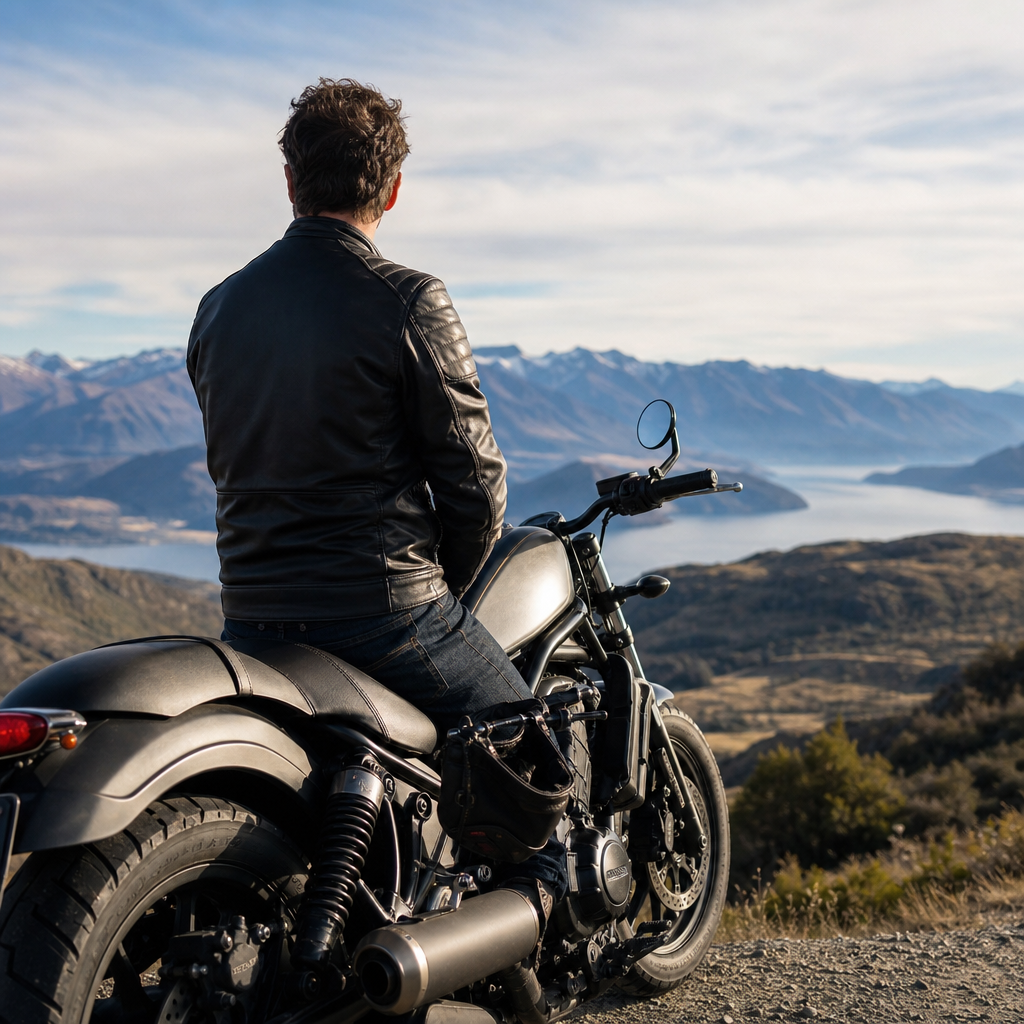
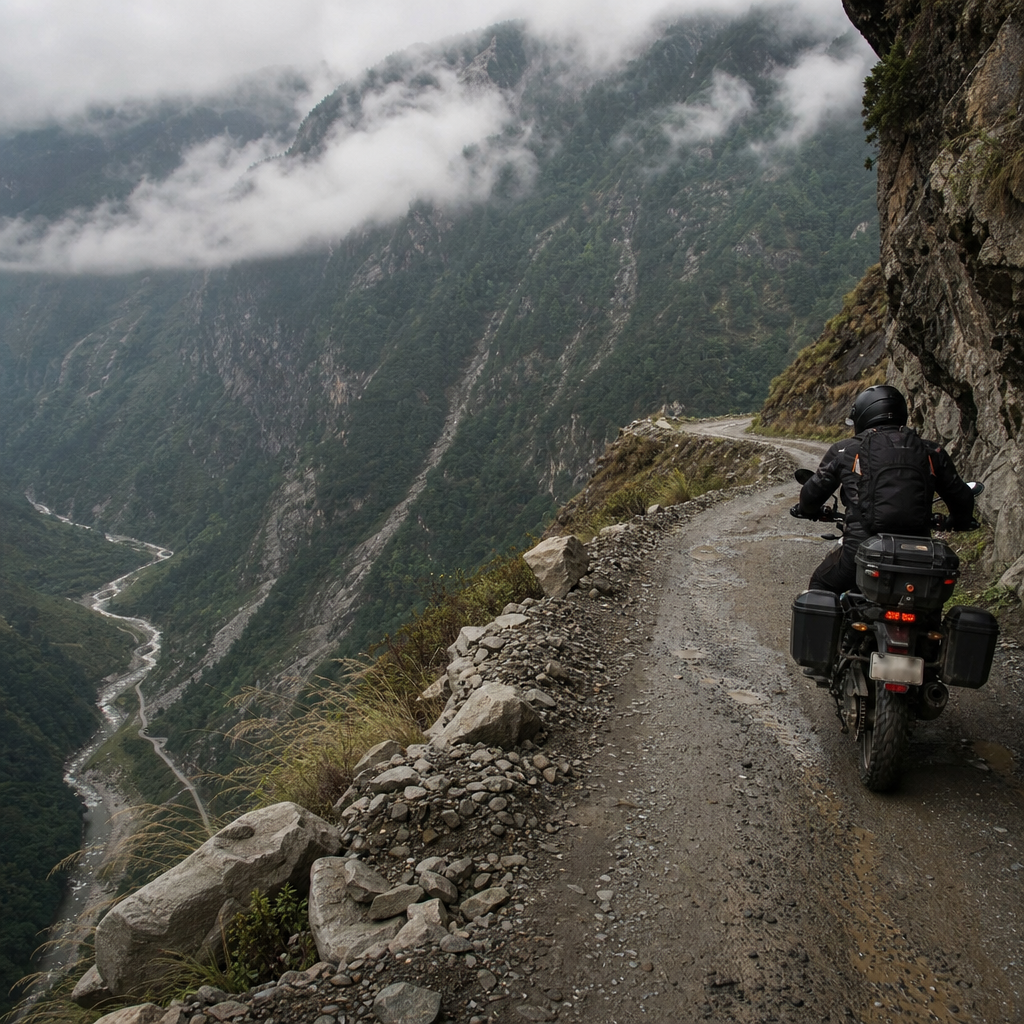
The Scottish Highlands reward cyclists with a rare combination of scale, silence, and story. Mountains rise straight from sea lochs, single-track roads thread through glens shaped by ice, and small villages still function as practical waypoints rather than curated attractions. For riders planning a multi-day trip, the region offers one of Britain’s strongest combinations of scenery, low traffic outside peak corridors, and route variety. A seven-day cycling itinerary in the Scottish Highlands can include coastal riding, moorland climbs, ferry links, rail access, and manageable daily distances without feeling rushed.
In practical terms, the Highlands cover the large northern mainland area of Scotland, including classic touring regions such as Lochaber, Wester Ross, Sutherland, and the Cairngorm approaches. Two-wheel travel here usually means either road cycling, bikepacking, or light touring on a road-oriented gravel bike. Weather, road surface, remoteness, and elevation matter more than pure mileage. I have planned and ridden Highland routes in both shoulder season and summer, and the biggest mistake first-time visitors make is assuming a 60-mile day will feel ordinary. In the Highlands, wind direction, passing place etiquette, food stops, and daylight hours often determine whether a route feels smooth or draining.
This guide is designed as a route hub for the broader Route Guides section of The Open Road. It lays out a realistic 7-day itinerary, explains how to choose the right bike and daily distances, and shows where this route connects to more specialized rides such as island loops, gravel alternatives, beginner-friendly rail-based tours, and advanced mountain days. If you are searching for the best Scottish Highlands cycling route, a one-week Highlands bike tour, or a practical bikepacking itinerary in Scotland, this article gives you the structure to start planning with confidence.
The itinerary below follows a proven west-to-north arc beginning in Fort William and finishing in Inverness. That direction works well because Fort William is easy to reach by train, the opening days build gradually, and the final approach into Inverness offers strong transport links if weather changes or mechanical issues force adjustments. Daily distances are ambitious but achievable for reasonably fit riders carrying light luggage. The route prioritizes scenic roads and useful services over ticking off every famous pass.
Why the Scottish Highlands work so well for a week-long cycling trip
A good Highlands cycling itinerary balances spectacle with logistics. The area is not densely populated, yet it remains unusually workable for independent touring because villages often cluster around lochs, junctions, and harbors where riders naturally need supplies. On this route, places such as Fort Augustus, Kyle of Lochalsh, Gairloch, Ullapool, and Lairg serve as natural reset points. Most have lodging, hot food, and basic resupply. That matters because remote beauty becomes less enjoyable if every day ends with a frantic search for calories or shelter.
Road character is another reason the Highlands excel. Riders encounter A-roads, B-roads, and single-track sections with passing places. Many visitors avoid A-roads automatically, but that is too simplistic. Some trunk roads, especially near pinch points, are poor for cycling, while others have wide sightlines and tolerable traffic. Meanwhile, some celebrated single-track roads are peaceful but slower than expected because of rough surfaces, steep ramps, and photo-stop traffic. The best route guide does not romanticize every lane; it tells you where progress is easy and where patience is required.
Seasonal timing shapes the experience. May and early June usually offer the strongest mix of long daylight, fresh green landscapes, and relatively dry spells. July and August bring the warmest conditions and busiest tourism period, along with midges in still, damp weather. September can be excellent for color and thinner traffic, though Atlantic systems become more disruptive. Whatever month you choose, the Scottish Highlands demand layered clothing, waterproofs that actually perform, and a plan for strong crosswinds.
The 7-day route at a glance
This itinerary covers roughly 430 to 500 miles depending on optional spurs and overnight choices. It is best suited to experienced leisure riders, touring cyclists, and bikepackers comfortable with repeated climbing. A compact road setup or gravel bike with 32mm to 40mm tires is ideal. Disc brakes are strongly recommended for wet descents. Daily mileage assumes an early start, regular café and photo stops, and enough flexibility to respond to weather.
| Day | Route | Approx. Distance | Why it matters |
|---|---|---|---|
| 1 | Fort William to Fort Augustus | 50-65 miles | Settles you into Highland riding using the Great Glen corridor |
| 2 | Fort Augustus to Kyle of Lochalsh via Loch Cluanie | 70-80 miles | Big mountain scenery and a classic long-road touring day |
| 3 | Kyle of Lochalsh to Gairloch via Lochcarron and Torridon | 55-70 miles | One of the most dramatic coastal-mountain combinations in Britain |
| 4 | Gairloch to Ullapool | 55-65 miles | Remote coastline, open moor, and excellent sense of space |
| 5 | Ullapool to Durness area | 70-85 miles | A true expedition-feeling stage through the far northwest |
| 6 | Durness area to Lairg or Bonar Bridge | 65-85 miles | Fast northern roads and a transition from wild coast to interior glens |
| 7 | Lairg or Bonar Bridge to Inverness | 60-75 miles | Completes the traverse with smoother rolling terrain and rail links |
Day-by-day planning: where to ride, sleep, and pace your effort
Day 1 from Fort William to Fort Augustus is a sensible opener because it gives you route rhythm without overwhelming climbing. Many riders use sections of the Great Glen corridor, combining quieter roads and traffic-free canal-side stretches where appropriate. If you arrive by train on the Caledonian Sleeper or via Glasgow and want a shorter first day, overnight in Spean Bridge and extend later. Fort Augustus is more than a convenient stop: it has groceries, lodging, and canal locks that make a good rest point after travel.
Day 2 is one of the signature touring stages. From Fort Augustus, you head toward Invergarry and then west through Glen Shiel or adjacent roads depending on your preferred line. Loch Cluanie and the Five Sisters backdrop give this day its scale. Services are sparse, so carry enough food. I advise treating this as a steady endurance day rather than chasing average speed. Kyle of Lochalsh works well as an overnight because it has rail access, mechanics in the wider area, and straightforward accommodation options.
Day 3 toward Gairloch is visually dense. The route through Lochcarron and Torridon places you beside some of the Highlands’ most recognizable peaks, including Liathach and Beinn Eighe. This is where weather can transform the day completely. In sun, it feels almost cinematic. In rain and wind, it becomes serious mountain riding with long exposed sections. Shieldaig is a useful café stop when open, and Kinlochewe is critical for resupply before the final push west.
Day 4 from Gairloch to Ullapool often surprises riders because it looks moderate on paper but feels committing. The road rises and falls constantly, and the landscape becomes increasingly open. Gruinard Bay and the approach past Little Loch Broom provide classic northwest vistas. Ullapool is one of the best overnight stops on the entire route because it combines harbor atmosphere with proper services, including supermarkets, bakeries, outdoor shops, and ferry connections.
Day 5 is the biggest wilderness-feeling stage. Riding north from Ullapool toward Kylesku and the Durness area places you in classic far northwest terrain: long sightlines, bare slopes, minimal tree cover, and roads that seem to have been laid for cyclists despite the distance between settlements. Plan food carefully. Achiltibuie and Drumbeg are beautiful but hillier and slower if you choose the coastal variant. Riders wanting efficiency should stay on the main northbound line and save energy for the final coastal run.
Day 6 turns east and southeast toward Lairg or Bonar Bridge. This section can be dramatically easier or harder depending on wind. With a tailwind, it is fast and morale-boosting; with a headwind, it becomes a test of patience. The scenery shifts from ocean drama to moor and loch interior, which some riders find less spectacular but more meditative. Lairg is especially practical as an overnight because it has a station, shops, and lodging.
Day 7 into Inverness is a fitting finish. Compared with earlier stages, roads generally feel more connected to settled Scotland, yet the ride still includes broad views and satisfying mileage. Depending on your chosen line, you may pass through Ardgay, Bonar Bridge, Dingwall, or the Beauly corridor. Inverness is the natural end point because it offers bike shops, rail connections south, airport access, and enough accommodation to absorb delayed arrivals.
Bike choice, safety, and what to pack for Highland conditions
The right bike for a Scottish Highlands cycling trip is usually an endurance road bike or gravel bike geared for repeated climbing and rough chipseal. I recommend a sub-1:1 climbing gear if you are carrying luggage. A 50/34 chainset with an 11-34 cassette works for fit riders; many touring cyclists will be happier with lower gravel gearing. Tires in the 32mm to 38mm range strike the best balance between speed and comfort. You do not need a mountain bike for this itinerary, but you do need stable handling in crosswinds and dependable braking in the wet.
Pack for volatility, not averages. Even in summer, descents after rain can feel cold. A reliable waterproof jacket, waterproof shorts or overtrousers, full-finger gloves, a warm layer, and oversocks are not overkill. Midges are a real issue at campsites and still evenings near water, so include repellent and a head net if camping. Front and rear lights are essential for murky weather, not just darkness. Carry a proper roadside repair kit: spare tubes even if tubeless, plugs, chain link, brake pads, and a mini pump that can seat a tire well enough to continue.
Navigation should be redundant. Use a dedicated GPS unit if possible, but preload routes on your phone and carry a power bank. In several parts of the northwest, mobile signal is weak or absent. Water access is usually manageable, yet shop spacing can be long, so start remote days with full bottles and emergency food. The Highlands are safe in the sense that crime is rarely the main risk; exposure, fatigue, and poor decision-making are the real hazards.
How this route guide connects to your wider Highlands planning
As a hub for Route Guides, this itinerary should help you branch into more focused rides. If you want a gentler first Highlands tour, use the Great Glen and Cairngorm rail corridors for shorter daily distances and more bailout options. If your priority is coast, build separate guides around Skye, the Outer Hebrides, or the Argyll islands, where ferries become part of the rhythm. If you prefer mixed terrain, add estate roads and legal access tracks around Aviemore, Laggan, or Perthshire for a gravel-led variation.
There are also important tradeoffs to understand. The famous North Coast 500 overlaps parts of this itinerary and has boosted route awareness, but it has also increased summer traffic on some narrow roads. That does not make the route unsuitable for cycling; it means timing and road position matter. Starting early, avoiding peak campervan movement windows, and treating passing places correctly make a noticeable difference. The strongest route plans in the Highlands are flexible, weather-aware, and honest about rider ability.
Exploring the Scottish Highlands on two wheels is not just about scenery; it is about moving through a landscape at the right speed to notice its structure. Over seven days, this itinerary links glens, sea lochs, mountain passes, harbors, and moorland in a way no car journey can match. It gives you demanding but realistic daily stages, dependable overnight anchors, and enough variation to feel like a true traverse rather than a collection of disconnected rides.
If you remember three things, make them these. First, plan around weather, daylight, and services, not optimistic mileage. Second, choose a bike and gearing that keep you comfortable when conditions turn. Third, use this route as a hub, then adapt it to your priorities, whether that means more coast, easier logistics, or extra gravel. Start mapping your dates, book the key overnight stops early, and build your own Highlands ride from this foundation.
Frequently Asked Questions
Is a 7-day cycling itinerary enough time to properly experience the Scottish Highlands?
Yes, seven days is enough to experience the Highlands in a meaningful way, provided the route is planned with realistic daily distances and enough flexibility for weather, climbing, and sightseeing. The region looks compact on a map, but Highland roads often demand more time than riders expect because gradients, wind exposure, single-track sections, and frequent photo stops all slow progress. A well-designed week-long itinerary works best when it balances riding days with natural pause points in villages, coastal viewpoints, historic sites, and short walks. Rather than trying to cover the entire Highlands, most cyclists get more out of focusing on one connected loop or corridor, such as a route linking Inverness, the west coast, Torridon, Applecross, Fort William, or the Cairngorms, depending on fitness and riding style.
For many riders, a seven-day tour hits the sweet spot between challenge and enjoyment. It is long enough to settle into a rhythm, adapt to the terrain, and move beyond the “tick-list” mindset that can affect shorter trips. Over a week, cyclists can experience the Highlands as they are best understood: not just as dramatic scenery, but as a living landscape of remote communities, old military roads, lochs, glens, and weather systems that shape each day differently. If the goal is to combine strong mileage with a genuine sense of place, seven days is entirely workable. The key is to avoid overloading the itinerary. In the Highlands, a slightly shorter route with time to absorb the surroundings is almost always more rewarding than a longer route ridden under pressure.
What level of fitness and cycling experience do you need for a Highland bike tour?
You do not need to be an elite cyclist to enjoy a seven-day Highland itinerary, but you do need a solid foundation of endurance, confidence on varied road surfaces, and the ability to ride several consecutive days. Most routes in the Highlands involve repeated climbing rather than one constant ascent, and the cumulative effect can be demanding. Even when daily mileage appears moderate, headwinds, narrow roads, rougher tarmac, and long gradual drags can make stages feel harder than their distance suggests. Riders should ideally be comfortable cycling for four to six hours in a day, managing food and hydration on the move, and pacing themselves over a full week rather than treating each day as a one-off challenge.
Experience matters as much as raw fitness. Cyclists should be prepared for changeable weather, remote stretches with limited services, and occasional navigation decisions in areas where mobile signal may be unreliable. Comfort descending on winding roads, sharing space on single-track routes, and handling a loaded touring bike or bikepacking setup all add to the experience. That said, the Highlands are accessible to a broad range of riders if the itinerary is matched to ability. Stronger cyclists may choose bigger mountain passes and longer days, while recreational riders can build a memorable trip around shorter stages, e-bikes, strategic overnight stops, and support from rail links or luggage transfer services. The smartest approach is honesty: choose a route that leaves room for weather, fatigue, and unplanned stops, and the tour becomes much more enjoyable.
What type of bike is best for cycling the Scottish Highlands?
The best bike for a Highland tour depends on the exact route, but for most seven-day itineraries, an endurance road bike, gravel bike, or touring bike with sensible gearing is ideal. Much of the Highlands can be ridden on paved roads, including many famously scenic sections, but road quality varies from smooth stretches to coarse, patched, weathered surfaces that reward wider tyres and stable handling. A gravel bike is often the most versatile option because it combines comfort, climbing-friendly gearing, and the ability to cope with rough tarmac, cattle grids, roadside debris, and occasional detours onto hard-packed paths or old estate roads. An endurance road bike with 28mm to 32mm tyres also works very well for riders keeping largely to paved routes.
Gearing is more important than speed-focused equipment. Highland climbs are rarely about absolute altitude alone; they can be steep, exposed, and made harder by wind or fatigue late in the day. Compact or sub-compact chainsets and wide-range cassettes are strongly recommended, especially for loaded touring. Disc brakes are useful in wet conditions and on long descents, though well-maintained rim brakes can still be sufficient if the rider is experienced. Luggage choice matters too. Bikepacking bags suit riders who want a lighter, more agile setup on narrower roads, while panniers can be practical for those carrying more clothing and supplies. Whatever the bike, reliability is critical. Before setting off, check tyres, drivetrain, brake pads, and spare parts carefully, because bike shops can be few and far between once you are deep into the Highlands.
How should cyclists prepare for Highland weather and changing road conditions?
Preparation for Highland riding starts with accepting that weather is not a side issue; it is one of the main forces shaping the trip. Conditions can shift quickly from bright sun to cold rain, low cloud, and strong crosswinds, sometimes within a single morning. Even in late spring or summer, exposed descents and coastal stretches can feel surprisingly cold, while warm periods can still bring intense sun and dehydration risk. The most effective strategy is layering. Riders should carry a breathable waterproof jacket, insulating mid-layer, full-finger gloves, overshoes or waterproof socks if conditions warrant them, and clothing that dries quickly. A spare set of essentials kept in a dry bag can make a huge difference at the end of a wet day.
Road conditions also require attention. Single-track roads with passing places are common in parts of the Highlands, and cyclists need to ride predictably, stay aware of traffic, and use passing places courteously without blocking them during breaks. Surfaces may include rough chipseal, potholes after winter damage, gravel washed onto corners, and slippery sections in rain. Descents demand caution, especially where sheep, deer, or touring vehicles may appear unexpectedly. It is wise to download offline maps, carry lights even in longer daylight months, and keep enough food and water for longer gaps between services. Checking forecasts daily is essential, but so is reading the landscape and having a backup plan. If a pass is clouded in, winds become severe, or fatigue builds, the best riders adapt early rather than forcing the original plan. In the Highlands, sensible flexibility is part of good preparation, not a compromise.
Where should you stay and what logistical details matter most on a 7-day Highlands cycling trip?
Accommodation strategy can make or break a Highland bike tour. Because villages are spread out and lodging in popular areas can book up early, especially from late spring through early autumn, it is usually best to reserve key overnight stops in advance. Cyclists typically choose from guesthouses, B&Bs, small inns, hostels, campsites, and occasional bothies or bunkhouses, depending on budget and comfort level. Many riders find that mixing accommodation types works well: perhaps a campsite or hostel on one night, then a more comfortable inn or B&B after a long or wet stage. When booking, it is worth checking whether the property offers secure bike storage, drying space for wet kit, early breakfast options, and nearby food in the evening, since some remote stops have limited dining choices.
The most important logistical details are often simple but easy to overlook. Daily resupply needs planning because cafés, shops, and water points may be sparse outside larger settlements. Train links can help with arrival and departure, particularly via Inverness, Fort William, Aviemore, or other regional hubs, but bike space on trains often needs advance reservation. Mobile signal is inconsistent in some glens and coastal areas, so route details, booking confirmations, and emergency contacts should be available offline. Riders should also carry basic repair tools, spare tubes, a pump, and a chain link, as even minor mechanical issues become more serious when the next village is many miles away. Finally, build margin into the itinerary. A trip across the Highlands is more enjoyable when each stage allows for weather delays, café stops, viewpoint pauses, and the occasional irresistible detour. Good logistics do not make the adventure less authentic; they make it smoother, safer, and far more enjoyable.