Australia’s Great Ocean Road remains one of the world’s defining coastal rides, and in 2026 it deserves to be approached as more than a scenic detour. For motorcyclists, it is a complete route system: a linked sequence of ocean views, rainforest curves, surf towns, heritage stops, inland connectors, and practical riding decisions that can make or break a trip. This hub article covers the Great Ocean Road as a route guide first and a travelogue second, combining firsthand riding perspective with planning detail so you can use it as the central starting point for deeper trip research across “The Open Road” collection.
The Great Ocean Road officially runs roughly 240 kilometers from Torquay to Allansford in Victoria, though most riders fold it into a larger loop beginning and ending in Melbourne. Built by returned servicemen and dedicated as a memorial to soldiers killed in World War I, the road is both engineering landmark and living tourist route. Key places include Bells Beach, Anglesea, Lorne, Apollo Bay, Cape Otway, Port Campbell, and the Twelve Apostles precinct. For riders, the real appeal lies in variety: tight cliffside corners near Lorne, sweeping sections above the Southern Ocean, cool forest air in the Otways, and open agricultural country beyond the famous limestone coast.
A motorcycle travelogue matters here because the Great Ocean Road is often misunderstood by first-time visitors. Many expect uninterrupted fast riding, but the route is busiest in towns, heavily monitored in peak periods, and shaped by weather, wildlife, caravans, and constant sightseeing traffic. A good guide must answer practical questions directly: when should you ride, how many days do you need, what bike works best, where are the fuel gaps, which detours justify the time, and how do you avoid turning an iconic ride into a tiring stop-start convoy? Those are the questions experienced riders ask, and they are the questions this hub is built to answer.
In my own route planning for Victoria, the Great Ocean Road consistently works best when treated as a flexible corridor rather than a single out-and-back attraction. The headline ocean section is only part of the story. The stronger itinerary combines the coastal ride with inland roads through the Otways, selected lookouts instead of every signed stop, and overnight choices that let you experience dawn or dusk outside the day-tripper rush. That approach improves safety, photography, and enjoyment, while also revealing why this route remains a benchmark for motorcycle touring in Australia.
What Makes the Great Ocean Road a Premier Motorcycle Route
The Great Ocean Road is ideal for motorcycle touring because it layers riding quality, scenery, and accessible services in a compact distance. From Melbourne, you can reach Torquay in under two hours, making the route achievable as a weekend, four-day escape, or one-week regional tour. Unlike remote adventure routes, it offers frequent accommodation, sealed roads, food stops, mobile coverage in many areas, and clear tourism infrastructure. That lowers the logistical barrier without reducing the sense of journey.
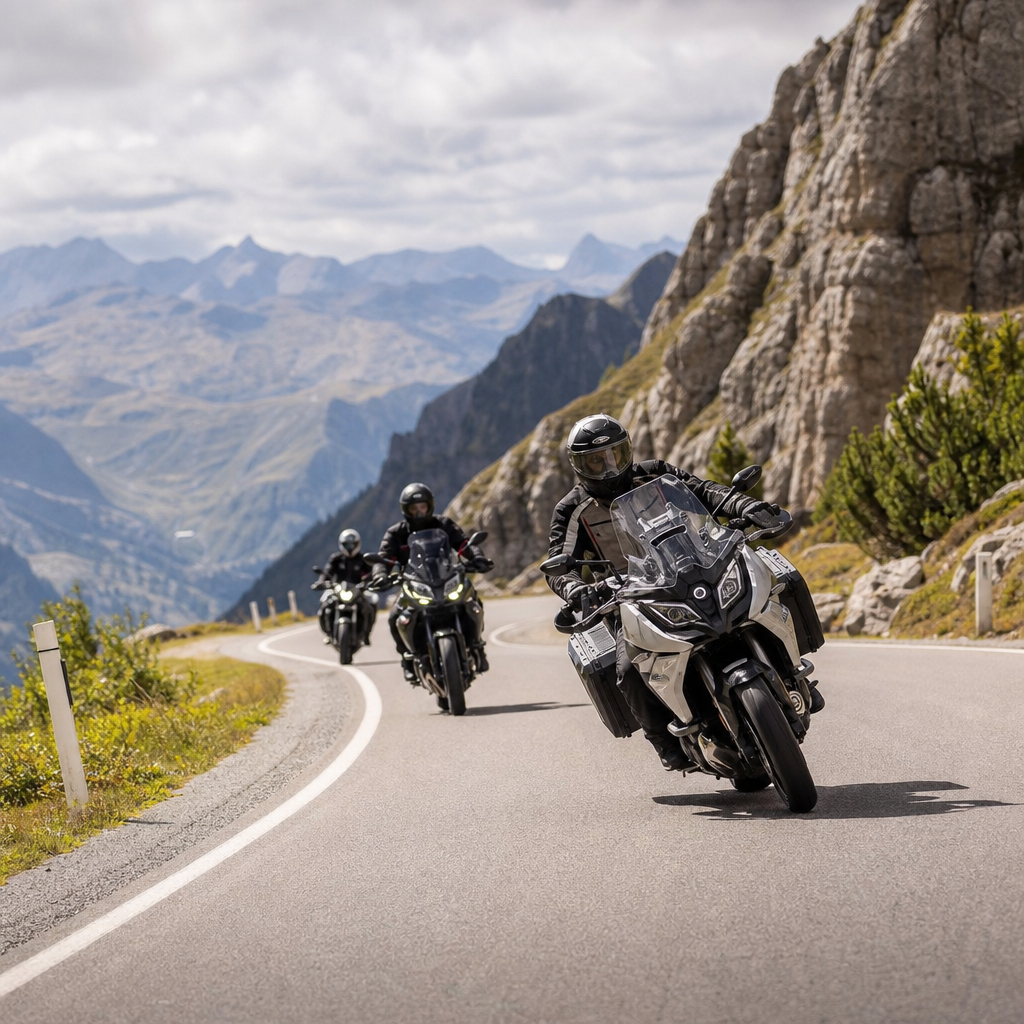
Road character changes noticeably across the route. Torquay to Lorne mixes sea views and moderate curves, but traffic can be dense. Lorne to Apollo Bay is the classic rider’s section, with cambered bends, cliff-edge perspectives, and a rhythm that rewards smooth throttle control rather than speed. Apollo Bay to Port Campbell feels broader and more stop-driven, especially if you include Cape Otway and the shipwreck coast lookouts. Beyond Port Campbell toward Warrnambool and Allansford, the ride becomes less dramatic visually, yet often calmer and faster flowing.
For 2026 travelers, the route’s appeal is strengthened by its compatibility with multiple riding styles. Sport-touring riders can focus on cornering sections and inland loops. Cruiser riders can settle into scenic pacing and town-to-town days. Adventure-touring riders on bikes like the Yamaha Ténéré 700, BMW F 900 GS, or Suzuki V-Strom 800 can use the sealed highway as a backbone while adding gravel diversions in the Otways where conditions permit. Even two-up touring works well here because distances between key stops are manageable.
The route also performs well as a hub topic because it branches naturally into specialized guides. Riders often need separate planning resources for motorcycle packing, wet-weather coastal riding, Melbourne departure logistics, Otway Forest side roads, lighthouse detours, and accommodation strategies for peak summer dates. This article connects those needs into one framework so route planning starts with the overall map, not a scattered list of attractions.
Best Direction, Timing, and Seasonal Strategy for 2026
The best direction for most riders is east to west, starting in Torquay and finishing near Allansford or Warrnambool. Riding westbound keeps the ocean on your left, which improves access to many lookouts and pull-offs and reduces awkward turns across traffic. It also aligns with the emotional flow of the route: surf coast first, rainforest middle, major limestone formations later. If you are building a loop back to Melbourne, returning inland through Colac, Camperdown, or the Princes Highway prevents repetition and saves time.
Timing matters more than many visitors expect. Summer brings long daylight and warm temperatures but also the heaviest traffic, packed parking areas, and more enforcement. Shoulder seasons, especially March to April and late October to early December, are usually the best balance for motorcyclists. You get milder winds, fewer caravans than in January, and enough daylight for lookout stops. Winter can be beautiful and dramatically empty, but rain bands, cold surfaces under forest cover, and reduced visibility demand a higher skill margin.
Daily timing is equally important. The road is best ridden early. Leaving Melbourne at dawn can place you south of Geelong before suburban traffic builds, then into the cleaner run toward Anglesea and Lorne before tourist traffic thickens. Late afternoon can also be rewarding west of Apollo Bay, but low sun and wildlife movement increase risk. Kangaroos, wallabies, and smaller animals are a genuine hazard in dawn and dusk periods, especially in forested sections and inland connectors.
For 2026, riders should also factor in roadworks, seasonal closures, and cliff instability checks. Victoria’s coastal roads occasionally face landslip repairs and storm recovery works. Before departure, confirm conditions through VicTraffic, Parks Victoria notices, and local shire updates. A route that looks simple on a map can become significantly slower if a single-lane stop-go section adds repeated delays through holiday traffic.
The Core Route Guide: Stage-by-Stage Riding Plan
A practical Great Ocean Road motorcycle itinerary breaks into manageable stages rather than one uninterrupted sightseeing push. The table below shows the route structure I recommend most often for riders who want scenery, comfort, and enough time off the bike to actually absorb the coast.
| Stage | Key Stops | Riding Character | Recommended Time |
|---|---|---|---|
| Melbourne to Torquay | Geelong bypass, Torquay foreshore | Transit section, urban edge to open road | 1.5 to 2 hours |
| Torquay to Lorne | Bells Beach, Anglesea, Aireys Inlet, Split Point Lighthouse | Scenic warm-up, moderate curves, town traffic | 2 to 4 hours with stops |
| Lorne to Apollo Bay | Kennet River, Wye River, Cape Patton lookout | Best cornering rhythm, cliffside ocean views | 1.5 to 3 hours with stops |
| Apollo Bay to Port Campbell | Cape Otway detour, Gibson Steps, Twelve Apostles | Mixed forest and coast, stop-heavy sightseeing | 4 to 6 hours with detours |
| Port Campbell to Warrnambool/Allansford | Loch Ard Gorge, The Grotto, Bay of Islands | More open road, fewer technical sections | 2 to 3 hours with stops |
| Return inland to Melbourne | Camperdown, Colac, Winchelsea | Efficient farm-country run | 3.5 to 4.5 hours |
If you only have one day, ride Melbourne to Apollo Bay or Port Campbell and accept that it will be a sampler, not a full travel experience. Two days is the minimum for most riders. Day one should cover Melbourne to Apollo Bay or Port Campbell with measured stops; day two finishes the western highlights and returns inland. Three to four days is the sweet spot. It allows one overnight in Lorne or Apollo Bay and another near Port Campbell or Warrnambool, which separates the high-traffic central coast from the major geological sights.
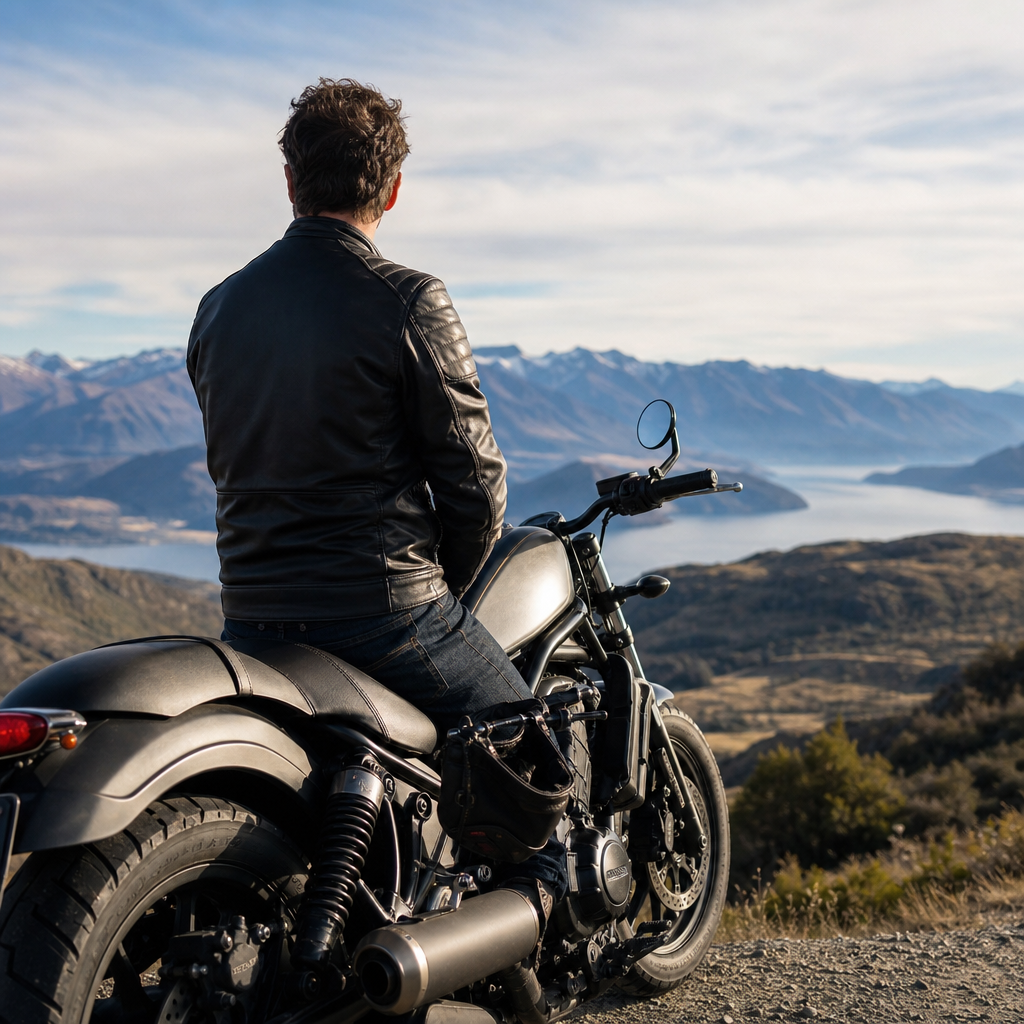
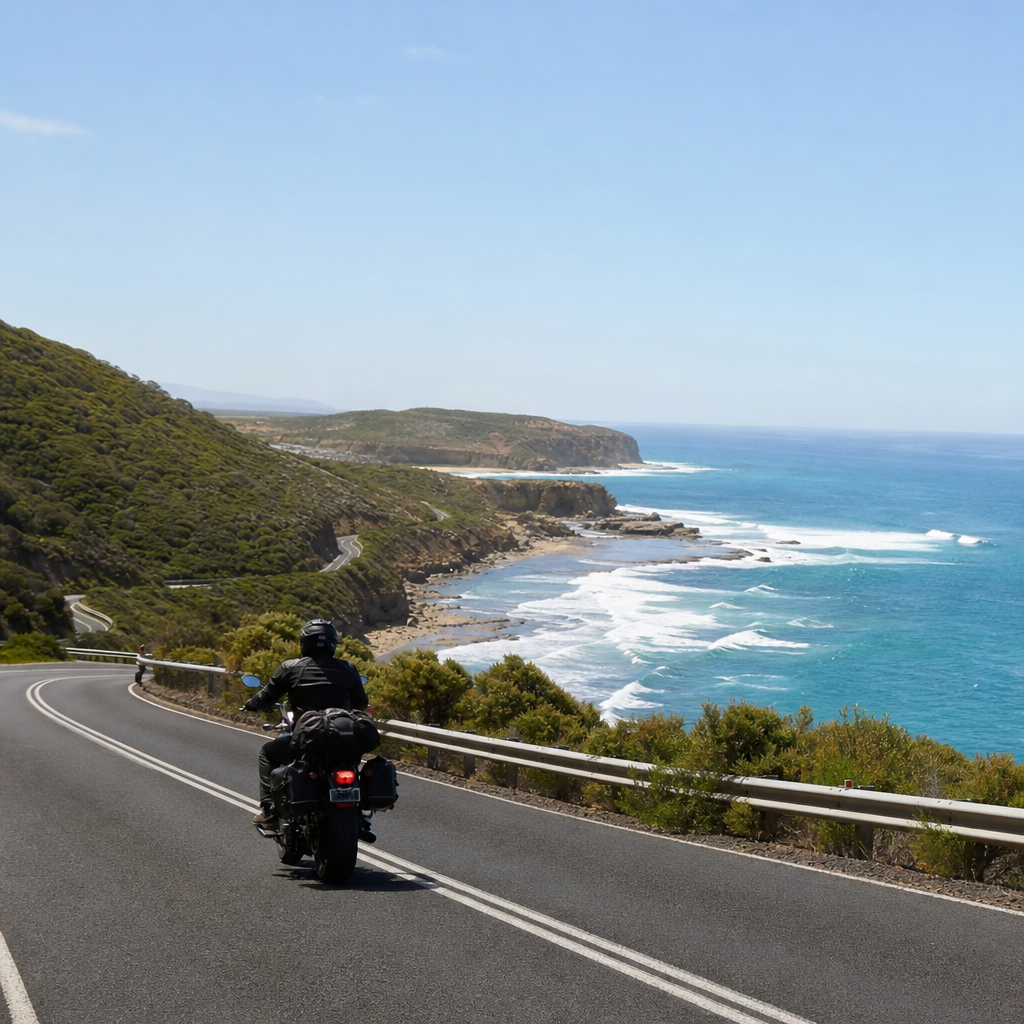
As a travelogue, the emotional peak often comes between Lorne and Apollo Bay. The road presses close to the ocean, then slips into pockets of shade and eucalyptus scent before reopening to blue water and white surf lines. Near Kennet River, riders pull over for koala spotting in the trees, though you should park carefully and never stop unpredictably on blind bends. Cape Patton delivers one of the route’s classic panoramic outlooks, and on a clear day it encapsulates why this road belongs on every serious rider’s list.
Motorcycle Setup, Safety, and Roadcraft on the Coast
The best motorcycle for the Great Ocean Road is not the fastest one; it is the one you can ride smoothly for long hours while dealing with changing grip, traffic compression, and frequent stops. Midweight sport-tourers such as the Yamaha Tracer 9, Kawasaki Ninja 1000SX, BMW F 900 XR, and Suzuki GSX-S1000GX are excellent fits. So are classics like the Honda CB500X and Triumph Tiger Sport 660 for riders prioritizing comfort and economy. Large touring bikes work, but repeated lookout parking and town traffic can make them feel cumbersome.
Tyres matter. This route combines polished town surfaces, patched corners, damp forest shade, and wind-blown debris. Sport-touring tyres with strong wet performance are more useful than aggressive track-oriented rubber. I advise checking pressures each morning, especially if temperatures swing sharply. Coastal weather changes quickly, and underinflated tyres make a loaded bike feel vague through the faster sweepers west of Lorne.
Roadcraft on the Great Ocean Road is about restraint. The common mistakes are entering scenic bends too fast because the surface appears clean, fixating on ocean views instead of line choice, and bunching up behind slower traffic until frustration leads to poor overtakes. Safe progress comes from widening your visual scan, setting entry speed early, and waiting patiently for legal passing zones. On busy days, average speed is governed more by villages, campervans, and photo stops than by your cornering ability.
Essential kit includes a clear visor or anti-fog insert, waterproof outer layer, chain lube if you are touring farther, a puncture repair kit, and offline navigation. Mobile signal can fade in pockets, and weather apps are only useful when you can load them. Fuel is generally available in major towns, but riders should still use Apollo Bay, Port Campbell, and Warrnambool strategically rather than assuming the next station will be open late.
Where to Stop, Sleep, and Add Smart Detours
Not every signed attraction deserves equal time. The most valuable stops for riders are those that either deepen the landscape experience or break the day at the right interval. Bells Beach matters because it anchors the surfing heritage of the surf coast. Split Point Lighthouse above Aireys Inlet offers strong visual contrast and a short leg stretch. Lorne is useful for coffee, fuel, and a waterfront reset, though it can be crowded. Apollo Bay is one of the best overnight bases because it balances services, beach atmosphere, and access to both the coastal road and Otway hinterland.
Cape Otway Lightstation is the most worthwhile major detour if you want history and a sense of isolation. The access road is sealed, the site carries maritime significance, and in the right weather the approach feels distinctly different from the busier coast highway. In the Port Campbell National Park area, prioritize Loch Ard Gorge and Gibson Steps alongside the Twelve Apostles. The Apostles are iconic, but the surrounding formations often leave the stronger impression because you can better read the geology and violence of the Southern Ocean.
Accommodation depends on riding style. Riders chasing convenience should book motels or holiday apartments in Lorne, Apollo Bay, Port Campbell, or Warrnambool. Those wanting a quieter experience can use farm stays inland near the Otways. In peak school holiday periods, booking well ahead is essential, particularly if you need secure parking or ground-floor access for luggage. For budget-minded travelers, holiday parks with cabins can be practical, but confirm drying space for wet gear before arrival.
Smart detours include inland loops through Great Otway National Park, the Otway Fly precinct area, and selected backroads toward Forrest for riders wanting forest scenery and fewer buses. However, treat detours carefully after rain. Leaf litter, mossy edges, and fallen branches are more common inland than on the main tourist route. The reward is lower traffic and a richer sense of southwest Victoria beyond the postcard coast.
How This Hub Supports the Wider Route Guides Topic
As a sub-pillar hub within “The Open Road,” this page should be your anchor for every Great Ocean Road planning decision. Use it to identify the route shape, then branch into narrower guides based on your needs: one-day itineraries from Melbourne, multi-day coastal loops, Otway side roads, motorcycle packing for variable weather, best fuel and food stops, and seasonal riding calendars. That structure mirrors how experienced riders actually plan trips, beginning with the spine route before drilling into gear, timing, accommodation, and road conditions.
The Great Ocean Road also serves as an ideal benchmark for comparing other route guides across Australia and beyond. It teaches core touring lessons clearly: iconic roads are often best enjoyed slowly, famous viewpoints need selective timing, and the strongest motorcycle days combine headline attractions with less obvious connectors. If you understand how to plan this road properly, you can apply the same method to Tasmania’s east coast, New Zealand’s South Island loops, California Highway 1, or the Cabot Trail.
The key takeaway is simple. Australia’s Great Ocean Road is not just a scenic highway; it is a layered motorcycle journey that rewards preparation, timing, and measured expectations. Ride east to west, start early, allow at least two days if possible, respect weather and wildlife, and choose stops with purpose instead of chasing every signboard. Use this hub as your planning base, then build the version of the ride that fits your bike, pace, and appetite for detours. If you are mapping your 2026 calendar now, put the Great Ocean Road near the top and start assembling the rest of your route guides from here.
Frequently Asked Questions
What makes the Great Ocean Road such a standout motorcycle ride in 2026?
The Great Ocean Road stands out because it delivers far more than a single scenic strip of asphalt. For riders in 2026, it works best as a complete coastal route system that combines cliffside ocean views, tight and flowing bends, temperate rainforest sections, historic townships, and practical inland alternatives. That variety is what elevates it from a famous tourist drive to a genuinely rewarding motorcycle journey. One hour can place you beside sweeping beaches and sea stacks, while the next takes you into shaded forest roads where the pace changes and the riding becomes more technical and immersive.
Another reason it remains exceptional is that the route rewards both short-form and long-form travel. A rider with one day can focus on iconic stretches between Torquay, Lorne, Apollo Bay, and the Twelve Apostles, but someone with several days can connect the coast with inland detours through the Otways, heritage stops, food regions, and quieter secondary roads. That flexibility matters in 2026 because many riders are planning around weather variability, seasonal traffic surges, and a growing preference for slower, more experience-driven touring rather than simply checking landmarks off a list.
There is also a strong emotional dimension to the ride. The road has a rhythm: open ocean exposure, sudden elevation changes, pockets of dense greenery, then small towns that invite a stop before the next leg. For motorcyclists, that rhythm creates a real sense of progression and engagement. It is not just pretty to look at; it asks you to read the road, manage your pace, choose your stops well, and adapt to changing conditions. That blend of scenery and rider involvement is exactly why the Great Ocean Road continues to earn its reputation as one of the world’s defining coastal motorcycle routes.
When is the best time to ride the Great Ocean Road, and what conditions should motorcyclists expect?
The best time to ride the Great Ocean Road generally falls in the shoulder seasons, especially spring and autumn, when the balance between weather, daylight, and traffic is most favorable. In those periods, riders often get cooler but comfortable temperatures, clearer air, greener landscapes, and fewer peak-holiday crowds than in the height of summer. For a motorcycle trip, that combination is ideal because it improves both safety and enjoyment. You are more likely to find space to ride smoothly, pull over at lookouts without major congestion, and move through the towns without losing too much time in traffic.
Summer can still be excellent, but it requires more planning. Roads and attractions become busier, parking fills faster, and coastal towns attract large numbers of day-trippers, campers, and international visitors. That means riders need to start early, stay patient, and treat the route less like a fast-moving ride and more like a shared public corridor. In winter, the road is often quieter and atmospheric, which many experienced riders enjoy, but conditions become more serious. Cold temperatures, strong coastal winds, rain, slick surfaces under tree cover, and reduced visibility can all raise the difficulty level, especially in the Otway sections.
In practical terms, motorcyclists should expect rapid changes in conditions at any time of year. A sunny morning near Anglesea can turn cool and damp by the time you pass through rainforest zones, and headwinds or crosswinds can appear abruptly on exposed coastal stretches. Wildlife risk also increases around dawn and dusk, particularly in less built-up sections and on inland connectors. For 2026, the smartest approach is to monitor local forecasts town by town rather than relying on a single regional summary, build flexibility into the itinerary, and carry riding gear suitable for temperature swings and wet conditions even if the day begins clear.
How many days should riders allow, and what is the best way to structure a Great Ocean Road motorcycle itinerary?
If the goal is to truly experience the Great Ocean Road rather than simply complete it, two to four days is the sweet spot for most motorcyclists. A single-day run is possible, but it compresses the route into a long, stop-start ride that often feels rushed, particularly once traffic, photo stops, meals, and lookout delays are factored in. Riders who try to do everything in one push often come away having seen the landmarks without properly enjoying the motorcycle aspect of the trip. The road deserves time because its best qualities are not limited to one famous viewpoint; they are spread across the entire sequence of coast, forest, towns, and side roads.
A strong two-day structure might begin around Torquay or nearby, follow the coast through Anglesea and Lorne, then overnight around Apollo Bay or the Otways. The second day can cover the western highlights such as the Twelve Apostles, Loch Ard Gorge, and Port Campbell, with the option of finishing farther west or looping inland. Three days opens the route properly. That extra day allows for slower riding, café and fuel stops without pressure, time to explore inland roads through the Otway hinterland, and room to adapt if weather or traffic interferes with the original plan. Four days or more turns the journey into a fuller touring circuit, letting you combine the Great Ocean Road with hinterland connectors, regional food stops, and less-trafficked alternatives.
The best itinerary structure depends on your riding style. If you enjoy early starts and quiet roads, plan the famous sections for morning and leave the busier sightseeing stops for later. If your focus is photography and landscape experience, build in generous pause time at lookouts and walking areas. If you prefer riding flow over crowds, use inland diversions strategically and rejoin the coast where it suits. The key is to treat the route as modular. Rather than asking how quickly you can cover it, ask which segments you want to savor, which towns make the best overnight bases, and where alternate roads can improve the overall ride.
What are the most important practical riding tips for fuel, traffic, road safety, and bike preparation?
The most important practical tip is simple: plan like a touring rider, not like a casual sightseer. Fuel should never be left to chance, especially if you intend to combine the main coastal road with inland loops or minor roads in less populated areas. The major towns provide reasonable support, but service availability can vary by hour, season, and location, so it is smart to top up earlier than necessary rather than stretch range for convenience. The same goes for food, water, and phone battery. Mobile coverage can be inconsistent in some sections, and relying entirely on live navigation is not always ideal.
Traffic management is another major factor. The Great Ocean Road is famous enough that riders share it with rental cars, tour coaches, caravans, cyclists, and drivers who may brake unpredictably for wildlife or scenic pull-offs. That means your pace should remain conservative, especially near blind corners, lookout entrances, and town approaches. Overtaking opportunities can be limited and should be treated carefully. The best strategy is to leave early, keep a smooth rhythm, and avoid any temptation to “make up time” in crowded sections. On a road like this, consistency and awareness matter far more than speed.
For safety, watch for changing surfaces, damp patches under tree cover, road debris after wind or rain, and the constant possibility of wildlife. Coastal weather can shift quickly, and even a dry day may include misty stretches or greasy corners in shaded areas. Prepare the bike accordingly. Tires should be in excellent condition, brakes should be strong and predictable, chain and controls should be checked before departure, and luggage should be secure without affecting handling. Riders should also think in layers: vented gear may be comfortable at the coast, but inland forest sections can feel dramatically cooler. A well-prepared motorcycle and rider make the difference between a relaxed tour and a tiring, avoidable struggle.
Which stops and side trips are most worthwhile for riders who want more than the standard tourist experience?
The classic highlights absolutely deserve their place. Lorne, Apollo Bay, the Otway sections, the Twelve Apostles, Loch Ard Gorge, and Port Campbell remain core stops because they combine scenery, access, and a sense of the region’s identity. But riders looking for more than the standard checklist should pay equal attention to the transitions between those landmarks and the smaller places that shape the route’s personality. Surf towns, forest detours, heritage points, and inland connectors often provide the most memorable moments because they slow the trip down and reveal how varied the region really is.
One of the most rewarding approaches is to combine the headline coastal attractions with selective inland riding through the Otways. Those roads can offer a different texture altogether: denser vegetation, cooler air, more technical corners, and less tourist pressure. Depending on your route, you may find that these inland sections become the riding highlight, even if the coast remains the visual centerpiece. Historic and cultural stops also add depth. Memorial arches, small museums, old town centers, and story-rich viewpoints help place the road in context as a human-built route with engineering and wartime heritage, not just a scenic ribbon by the sea.
For a more rounded motorcycle travelogue, prioritize stops that serve different purposes. Include one or two major lookouts for the dramatic coastal panorama, one surf-town stop for atmosphere and local food, one rainforest or hinterland section for riding contrast, and one heritage location that explains the road’s past. That mix creates a richer narrative than a string of crowded photo points. The Great