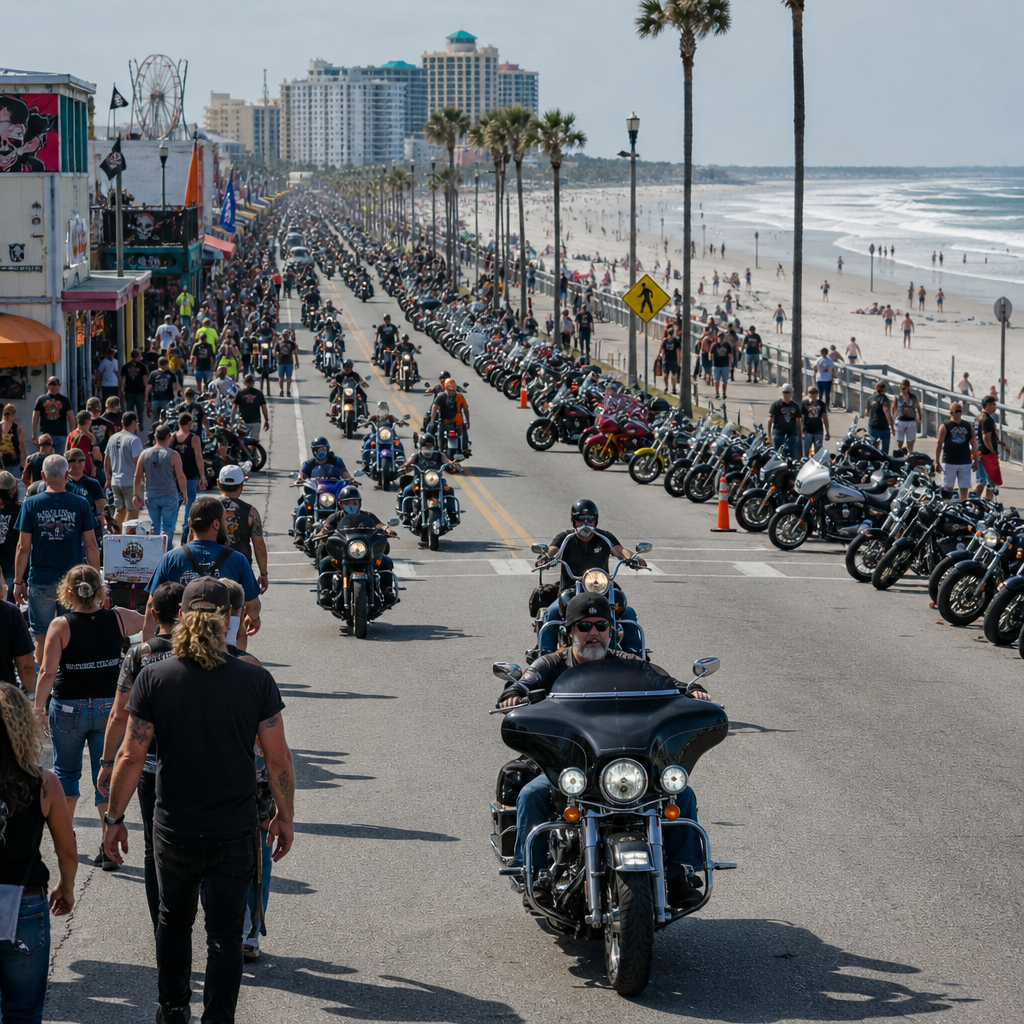
Daytona Bike Week 2026 marks the 85th anniversary of America’s best-known motorcycle rally, and a master calendar is the most useful planning tool any rider, passenger, vendor, or first-time visitor can have. In practical terms, a master calendar is a single planning page that combines official event timing, venue geography, traffic patterns, lodging windows, parking realities, and the rhythm of the rally day by day. For a travel and logistics hub, that matters because Daytona Bike Week is not one event held in one fenced lot. It is a region-wide series of races, concerts, bike shows, charity rides, dealer activations, bar events, scenic routes, and vendor marketplaces spread across Daytona Beach, Ormond Beach, Main Street, Beach Street, Daytona International Speedway, and Volusia County. After years of covering motorcycle events and building rider itineraries, I have learned that the difference between a smooth trip and a frustrating one is rarely enthusiasm. It is calendar discipline, route awareness, and realistic timing between venues.
For 2026, the anniversary angle raises the stakes. Milestone years pull larger crowds, generate more brand activity, and compress room inventory earlier than usual. Riders who normally book six weeks out often discover that premium hotels near the beach, trailer-friendly campgrounds, and condo rentals with motorcycle parking were taken months earlier. The same pattern affects restaurant waits, rideshare availability, and entry lines at headline attractions. A strong Daytona Bike Week 2026 plan therefore starts with definitions and scope. The rally traditionally spans ten days in early March, though many attendees arrive before opening weekend and leave after the official close. The event ecosystem includes sanctioned programming, venue-hosted entertainment, and informal traditions that repeat every year even when schedules shift. Understanding that layered structure helps readers decide what kind of calendar they need: a race-first schedule, a party-first schedule, a sightseeing plan, or a balanced itinerary.
This hub is built to answer the questions people actually ask before they commit: when to arrive, where to stay, how to move around, what to prioritize, and how to avoid wasting hours in traffic. It also serves as the organizing center for deeper rally calendar and logistics coverage across The Open Road. If you are comparing arrival days, building a Main Street versus Speedway strategy, deciding whether to trailer or ride in, or planning around weather, this guide gives you the framework. Exact 2026 event times should always be verified with official Daytona Bike Week organizers, Daytona International Speedway, venues, and promoters once final schedules are published. What does not change is the logistics logic. Crowds stack on the first Friday through first Sunday, then reset slightly midweek, then surge again on the closing weekend. If you know that flow in advance, you can turn a chaotic mega-rally into a manageable, memorable trip.
How the Daytona Bike Week 2026 calendar is structured
The smartest way to read the Daytona Bike Week 2026 calendar is by dividing it into five layers: pre-arrival, opening surge, weekday core, final weekend push, and departure. Pre-arrival covers the last two days before the official start, when veteran attendees check into hotels, unload trailers, and make their first scouting runs through the beachside and Speedway districts. This is often the easiest time to handle registration, vendor browsing, or route familiarization because streets are active but not yet saturated. Opening surge begins on the first Friday and typically peaks through Sunday. During those days, bars and dealerships schedule headline bands, the Speedway area sees heavy vendor and spectator traffic, and Main Street reaches its most intense pedestrian density. Weekday core runs Monday through Thursday, when serious riders often schedule scenic loops, museum visits, shopping, demo rides, and destination lunches. Final weekend push brings another pronounced wave as regional riders roll in for a shorter trip before everyone funnels out on Sunday morning and Monday checkout.
That structure matters because Daytona is spread out. Main Street is iconic, but it is only one slice of the experience. Beach Street attracts custom bike fans, downtown walkers, and riders who want a slightly different pace. The Speedway district functions like a rally city within the rally, with major manufacturers, swap-meet energy, and broad parking capacity. Destination venues outside the core, including well-known bars and scenic corridors toward Ormond Beach and the Loop, require extra ride time that expands fast once traffic thickens. A calendar without geography is incomplete. If you schedule a noon stop at the Speedway, a midafternoon charity ride staging area on the beachside, and a 5 p.m. table reservation near Main Street, you may create an impossible day. In real planning work, I pad every cross-town move during peak Bike Week hours because congestion, signal timing, and parking searches can turn a fifteen-minute map estimate into fifty minutes.
| Rally phase | Typical crowd level | Best priorities | Logistics note |
|---|---|---|---|
| Pre-arrival | Moderate | Check-in, scouting, early shopping | Best time for parking orientation and grocery runs |
| Opening weekend | Very high | Headline events, people-watching, nightlife | Allow major buffers between venues |
| Monday to Thursday | High but manageable | Scenic rides, demos, museums, day trips | Ideal window for structured itineraries |
| Closing weekend | Very high | Final concerts, shows, last purchases | Expect renewed hotel and road pressure |
| Departure | Heavy outbound | Checkout, loading, fuel, weather review | Leave early to avoid bottlenecks |
For hub-page purposes, this calendar framework supports every supporting article in the rally logistics cluster. A hotel guide fits into the pre-arrival layer. A traffic and parking guide belongs to opening and closing weekend analysis. A scenic rides article lives in the weekday core section. A packing and weather page supports all five layers. By treating the 2026 anniversary event as a sequence rather than a blur, readers can click deeper into the exact logistics problem they need to solve.
Where to stay, where to park, and how to move efficiently
Lodging determines almost every other Bike Week decision, so it belongs near the top of the master calendar. Beachfront hotels place you close to Main Street culture, but they also expose you to denser local traffic, higher rates, and tighter parking layouts. Speedway-area hotels simplify access to vendor zones and major arterials such as Interstate 95 and U.S. 92, yet they can feel removed from late-night beachside activity. Ormond Beach, Port Orange, New Smyrna Beach, and inland options offer tradeoffs in cost and breathing room, but they require disciplined timing to avoid repetitive cross-town slogs. When I plan travel for riders hauling trailers, I prioritize three filters before nightly price: motorcycle-friendly parking, trailer policy, and exit ease during checkout hours. A cheap room loses value fast if management restricts trailer placement or if your only exit dumps you into a choke point every morning.
Parking strategy should be chosen before arrival, not improvised after you hit congestion. If your trip focuses on Main Street nightlife, assume that close-in parking will fill early and that walking a bit farther is often the faster option. If you want a Speedway-heavy trip, use that district as a long-block base and avoid unnecessary midafternoon moves. Riders attending multiple zones in one day should think in parking anchors rather than constant relocation. In plain terms, pick one district for several hours, complete everything there, then move once. Frequent short hops feel efficient on paper but usually multiply delays. Also remember that surface type matters. Gravel lots, grass overflow fields, and uneven shoulders can be awkward for heavy touring motorcycles, especially after rain. A small puck for side stands is not a gimmick at Bike Week; it prevents tip-overs on soft ground.
Transportation choices extend beyond the motorcycle itself. Some visitors trailer in to protect vacation days, preserve tire life, or hedge against forecast uncertainty. Others ride the entire distance for the full pilgrimage experience. Neither approach is more authentic; the right answer depends on mileage, fatigue tolerance, and return-to-work timing. For local movement, walking is underrated. On the busiest nights, boots beat handlebars once you are near the core. Rideshares can help with dinner plans or group coordination, but surge pricing and pickup delays should be expected. If you are traveling with a mixed group of riders and non-riders, establish clear rally points and time windows. Cell service can become unreliable in dense crowds, and exhausted people make poor improvisers. A written plan saved offline, with addresses and venue names, still outperforms vague text chains.
Building your day-by-day itinerary around real rally behavior
A useful master calendar is not just a list of events. It is a realistic sequence based on how people actually behave at Daytona Bike Week. Mornings are best for breakfast rides, museum visits, merchandise shopping, and photo stops because roads are calmer and people are still staging their day. Midday is ideal for the Speedway, dealer campuses, and scheduled demos because official programming tends to be most structured then. Late afternoon is the transition period when riders decide whether to stay mobile for a sunset route or settle into one district for dinner and nightlife. Evenings belong to entertainment, socializing, and iconic walking corridors where bikes crawl as much as they ride. If you try to reverse that flow by doing shopping at 8 p.m. or hunting a quiet scenic route from 5 p.m. to 7 p.m. near the busiest zones, you will usually fight the crowd instead of using it.
For first-time attendees, I recommend a layered itinerary: one must-do anchor event each day, one flexible secondary activity, and one optional evening plan. This format keeps the calendar from collapsing when weather changes, a friend arrives late, or parking takes longer than expected. A race fan might anchor one day around Daytona International Speedway programming, add a Beach Street walk as the secondary item, and keep Main Street open as the optional night stop. A custom-bike enthusiast could center on a judged show, then add vendor time and a scenic loop north. A couple mixing rally culture with vacation pacing may spend a morning on the coast, do a midday lunch ride, rest during the hottest part of the day, and reenter the rally after dark. Good planning recognizes stamina. Ten straight hours in rally traffic, noise, and sun can drain even experienced riders.
The 85th anniversary status makes selective planning even more important because commemorative displays, branded activations, and special appearances are likely to create temporary spikes around featured venues. Watch for one-time attractions that justify early arrival, and do not assume you can “circle back later” during a marquee weekend slot. In major rallies, later often means never. At the same time, leave room for serendipity. Some of the best Daytona moments come from an unplanned detour to a small live-music stop, a conversation in a parking lot, or an extra hour spent watching rare builds roll through downtown. The calendar should create freedom, not overmanagement. The test of a good Bike Week schedule is simple: it protects the essentials while preserving enough margin to enjoy what you did not know you would find.
Weather, safety, and contingency planning for an anniversary crowd
March in Daytona Beach usually offers attractive riding weather, but conditions can change quickly. Mornings may begin cool, afternoons can warm considerably, and coastal wind affects comfort and fatigue more than many visitors expect. Rain is not constant, yet even short showers can transform traffic behavior, reduce traction on painted surfaces, and complicate parking in grass lots. Pack as though one day will be forty-five degrees at breakfast and another will feel muggy by lunch. Layering solves more problems than bringing one heavy jacket. Clear eye protection for night riding, a compact rain layer, ear protection, hydration capacity, and sunscreen all belong in the rally kit. Riders who ignore hydration often blame fatigue on traffic when the real problem is hours of sun, salt air, and caffeine with not enough water.
Safety at Daytona Bike Week is mostly about judgment, spacing, and patience. The event draws highly experienced riders, casual vacation riders, spectators unfamiliar with motorcycle movement, and a wide range of machines from heavy baggers to performance bikes. That mix creates unpredictable pace changes. Intersections near popular venues demand full attention even at walking speed. Night riding in packed districts is less about technical skill than composure; keeping a smooth clutch hand and resisting crowd pressure prevents many low-speed mistakes. Alcohol management is equally straightforward: if the evening centers on drinking, stop riding before the first drink and organize the return in advance. Florida enforcement is active, and the bigger issue is risk, not citation.
Contingency planning is where experienced event travel separates itself from hopeful travel. Have a bad-weather day plan, a mechanical issue plan, and a medical plan. Save addresses for urgent care, your dealership brand’s nearest service points, and your lodging front desk. Carry basic tools, a tire inflation method, and roadside-assistance details. If traveling in a group, designate a lead and sweep for major rides and agree on regroup points instead of trying to maintain a tight pack through urban traffic. These habits are simple, but they prevent small problems from becoming trip-ending disruptions during one of the busiest motorcycle weeks in the country.
How this hub connects the full rally calendar and logistics topic
As the sub-pillar hub for Rally Calendars and Logistics under The Open Road, this page is designed to connect every planning question back to a usable Daytona Bike Week 2026 framework. Readers typically do not need “event information” in the abstract. They need linked decisions: when to arrive if they want lower room rates, where to stay if they plan to split time between Main Street and the Speedway, what day works best for a scenic ride, and how much buffer to leave before a ticketed attraction. That is why this hub should sit above more detailed articles on Daytona lodging zones, parking and traffic tactics, best scenic rides during Bike Week, what to pack for Florida rally weather, first-timer mistakes, trailer logistics, and sample two-day, four-day, and full-ten-day itineraries.
The core takeaway is clear. Daytona Bike Week 2026 will reward riders who plan early, anchor each day around geography, and treat the anniversary crowd as a reason to simplify rather than overbook. Use the master calendar to map phases of the rally, reserve lodging as soon as official dates and personal leave are confirmed, and verify final event schedules with organizers before departure. If you build around realistic transit times, weather flexibility, and one district at a time, the 85th anniversary becomes easier to enjoy and easier to remember. Start your planning now, then use the supporting guides in The Open Road to turn this master calendar into a complete Daytona trip.
Frequently Asked Questions
What is a Daytona Bike Week 2026 master calendar, and why is it so important for the 85th anniversary event?
A Daytona Bike Week 2026 master calendar is a single planning resource that pulls together the moving parts of the rally into one usable view. Instead of forcing riders and visitors to jump between venue pages, social updates, lodging sites, traffic advisories, and event flyers, a true master calendar organizes official event times, daily schedules, venue locations, likely crowd surges, parking options, and route planning into one place. For the 85th anniversary, that kind of coordination matters even more because milestone years usually attract heavier attendance, more special programming, and more overlap between headline events and local activity throughout the Daytona Beach area.
What makes the calendar so useful is that Daytona Bike Week is not just one event at one address. It spreads across multiple venues, corridors, bars, dealerships, scenic rides, and destination zones, each with its own pace and peak times. A rider may want to attend a morning manufacturer demo, an afternoon ride, and an evening concert, but that only works if they understand travel time, congestion windows, where to park, and when popular roads begin to back up. A master calendar turns those separate considerations into a realistic day plan.
It is also valuable for different types of attendees. First-time visitors use it to understand the flow of the rally. Returning riders use it to avoid wasted time and identify the best windows for favorite stops. Vendors use it to anticipate foot traffic and staffing needs. Passengers and group trip planners use it to balance major attractions with meal breaks, hotel check-in timing, and less hectic periods. In short, the master calendar is not just a list of happenings. It is the most practical tool for navigating Bike Week efficiently, safely, and with far less guesswork.
What information should be included in a complete Daytona Bike Week 2026 master calendar?
A complete master calendar should go far beyond basic event listings. At minimum, it should include official event names, dates, start times, end times when available, and exact venue information. It should also note whether an activity is ticketed, free to attend, outdoors, family-friendly, limited-capacity, or likely to reach peak crowds quickly. That gives readers the core information they need before they even begin planning routes.
Just as important, the calendar should include geographic and logistical context. That means identifying where key venues sit in relation to one another, how long it typically takes to move between major rally areas, which roads are likely to be congested at certain hours, and where parking is realistic versus merely advertised. It helps tremendously when the calendar flags common choke points, ideal arrival windows, and whether a stop works better as a morning destination, midday stop, or evening anchor event.
A strong Daytona Bike Week planning calendar should also include lodging-related guidance. During a major rally, the timing of hotel check-in, check-out, peak booking windows, and distance from event clusters can shape the entire trip. Visitors want to know not only what is happening, but whether they can actually make it from their room to a venue without burning an hour in traffic. If the calendar includes neighborhood-level guidance, nearby landmarks, and suggestions for grouping nearby events on the same day, it becomes much more actionable.
Finally, the best calendars reflect the daily rhythm of the rally. Some events are best experienced early before crowds swell. Others come alive later in the day. A useful 85th anniversary Bike Week calendar should help readers understand those patterns, not just record times on a chart. That combination of schedule, geography, and real-world movement is what separates a genuine master calendar from a simple events page.
How can riders and visitors use the master calendar to plan each day of Daytona Bike Week 2026 more efficiently?
The smartest way to use a master calendar is to build each day around one or two priority events, then use location and timing to fill in the rest. Start by identifying the event or destination you care about most for that day, whether that is a ride, a vendor marketplace, a bike show, a concert, or a specific venue atmosphere. Once that anchor is in place, the calendar can help you select nearby stops that make sense geographically rather than zigzagging across the region and losing valuable time in traffic.
Efficiency also comes from understanding timing windows. If a calendar shows that a popular corridor gets noticeably busier by late morning or that evening entertainment creates parking pressure near a certain venue, you can plan your arrival earlier and avoid frustration. Riders who use the calendar well often group activities by zone, keeping one day centered around one cluster of venues and another day focused elsewhere. That lowers stress, reduces unnecessary miles in stop-and-go conditions, and leaves more time to actually enjoy the rally.
The calendar is equally useful for pacing. Daytona Bike Week can quickly become overwhelming if every day is packed from sunrise to late night. A well-built plan leaves room for meals, fuel stops, weather changes, and the simple reality that large events rarely move exactly on schedule. Passengers, groups, and first-timers benefit especially from setting a few non-negotiables and treating the rest of the day as flexible. A master calendar makes that easier because it shows alternatives nearby if one venue is too crowded or one event runs long.
For multi-day visitors, the calendar can also help divide the trip into heavy and light days. One day might be built around maximum activity, while another focuses on scenic riding, shopping, or slower exploration. That balance keeps the experience enjoyable and helps travelers avoid burnout. In practical terms, the master calendar is not just about seeing more. It is about seeing the right things at the right times with fewer logistical headaches.
When should you start planning for Daytona Bike Week 2026, and what booking decisions should happen early?
Planning should start as early as possible, especially for an anniversary year. Milestone editions of major rallies tend to draw extra interest from returning attendees, bucket-list travelers, vendors, and media, which can tighten lodging availability and put pressure on preferred locations. Even if every event detail is not yet published, early planning allows travelers to secure the essentials first: accommodations, trip dates, transportation strategy, and the overall structure of the visit.
Lodging is usually the first major decision that should happen early. Visitors should think carefully about whether they want to stay close to high-energy rally zones, slightly outside the busiest areas for easier parking and quieter nights, or in a location that offers better access to the specific venues they care about most. A master calendar is especially helpful here because it shows whether convenience to one venue comes at the cost of long travel times to everything else. Waiting too long can mean paying more, staying farther away, or settling for a location that complicates every day of the trip.
Travel logistics should also be addressed early. That includes confirming arrival and departure dates, planning trailer or tow vehicle parking if needed, understanding motorcycle parking expectations, and accounting for how local traffic patterns may affect check-in and checkout timing. For groups, early planning matters even more because coordinating several riders, room preferences, and daily priorities gets harder as availability shrinks.
Event-specific decisions should follow as official schedules become available. Once times, venues, and special anniversary features are published, the master calendar can help refine each day. But by then, the travelers who planned early will already have the most important pieces locked in. That is the ideal approach: reserve the core trip framework early, then use the evolving calendar to sharpen the details as Daytona Bike Week 2026 gets closer.
What are the biggest mistakes first-time Daytona Bike Week visitors make, and how does a master calendar help avoid them?
The biggest mistake first-time visitors make is underestimating the scale and complexity of Bike Week. Many assume they can improvise everything once they arrive, only to discover that travel between venues takes longer than expected, parking fills up, traffic ebbs and flows by time of day, and multiple interesting events overlap. Without a planning tool, that often leads to missed experiences, rushed decisions, and too much time spent riding from one crowded location to another without a clear strategy.
Another common mistake is building an unrealistic schedule. First-timers sometimes stack too many must-see stops into one day without considering distance, crowd levels, meal breaks, weather, or the fact that some venues are best enjoyed when you are not racing the clock. A master calendar solves that by making the day visible as a whole. It helps visitors see where events are clustered, how long transitions may take, and which stops naturally pair together. That leads to better pacing and a more enjoyable experience.
Visitors also often book lodging without understanding how location affects the trip. A cheaper room can become expensive in time, fuel, and frustration if it is poorly positioned for the events you want most. A master calendar adds context by showing where the action is concentrated and how daily movement really works. That can change a booking decision in a very practical way.
Finally, many first-timers fail to leave room for flexibility. Large rallies have a rhythm of their own, and plans sometimes change because of weather, crowding, or simply discovering a stop worth lingering at longer than expected. A strong master calendar prevents overplanning while still providing structure. It lets you prepare intelligently without locking yourself into a stressful minute-by-minute itinerary. For first-time attendees