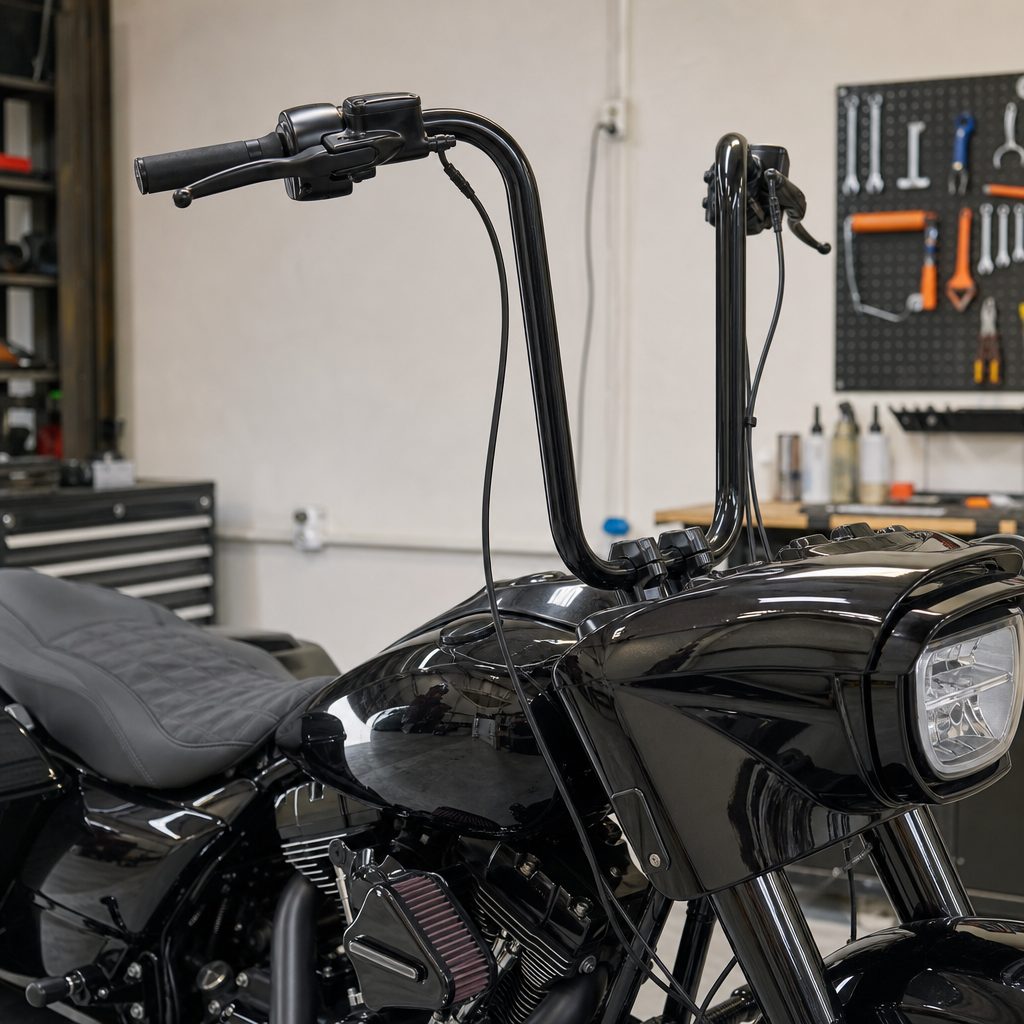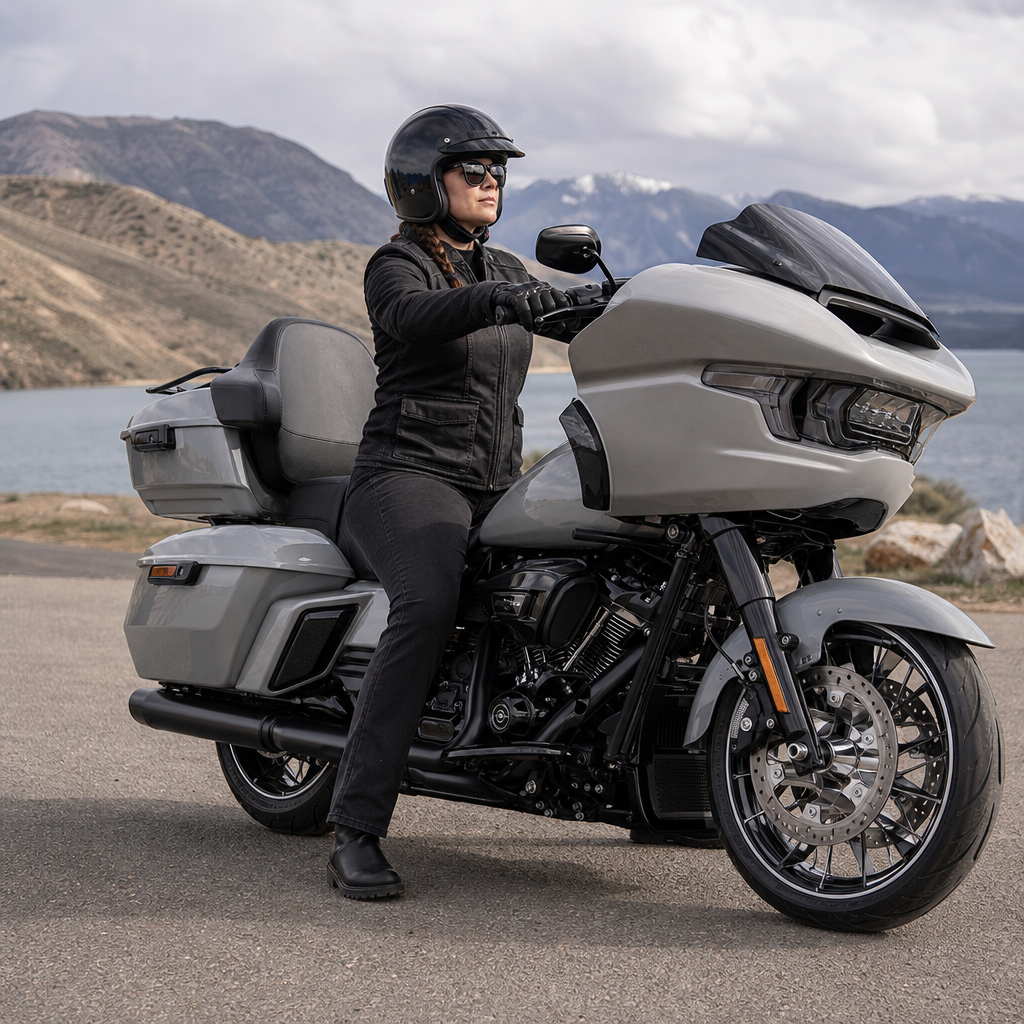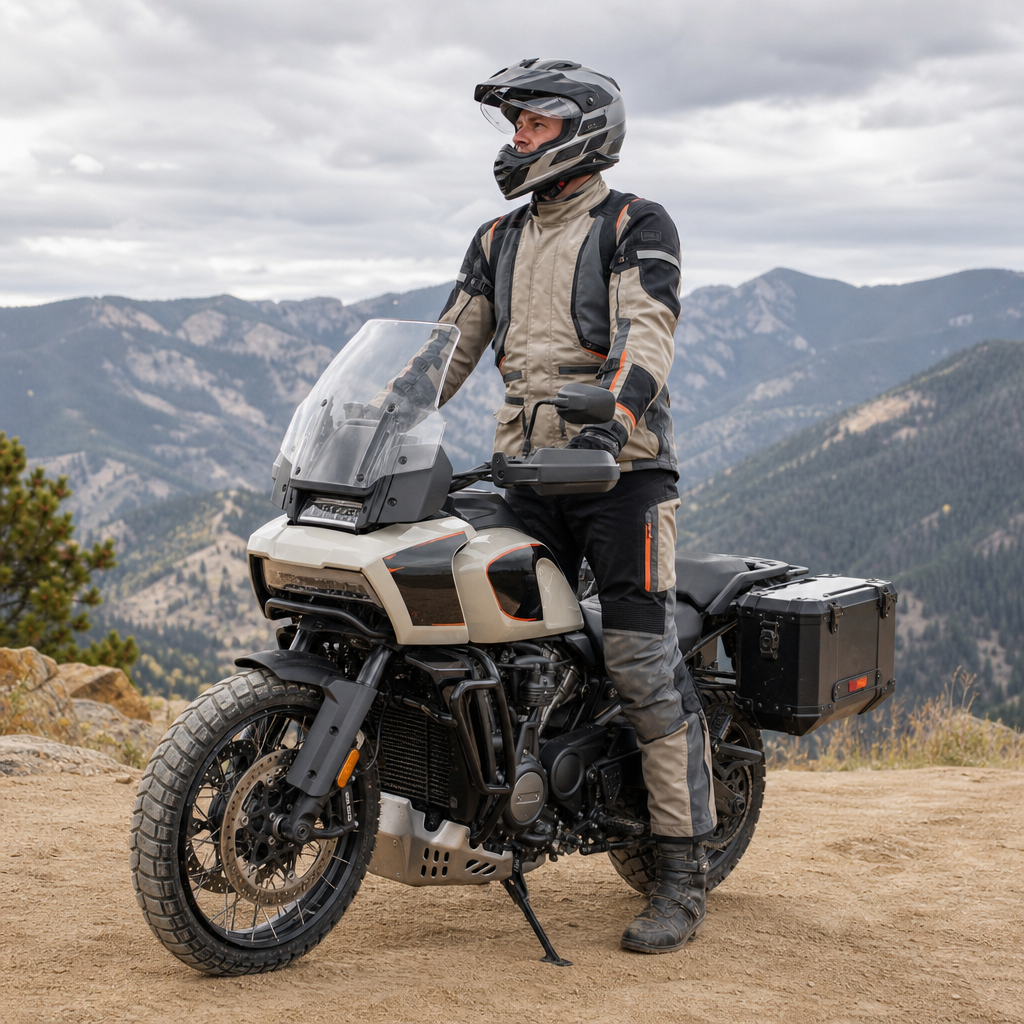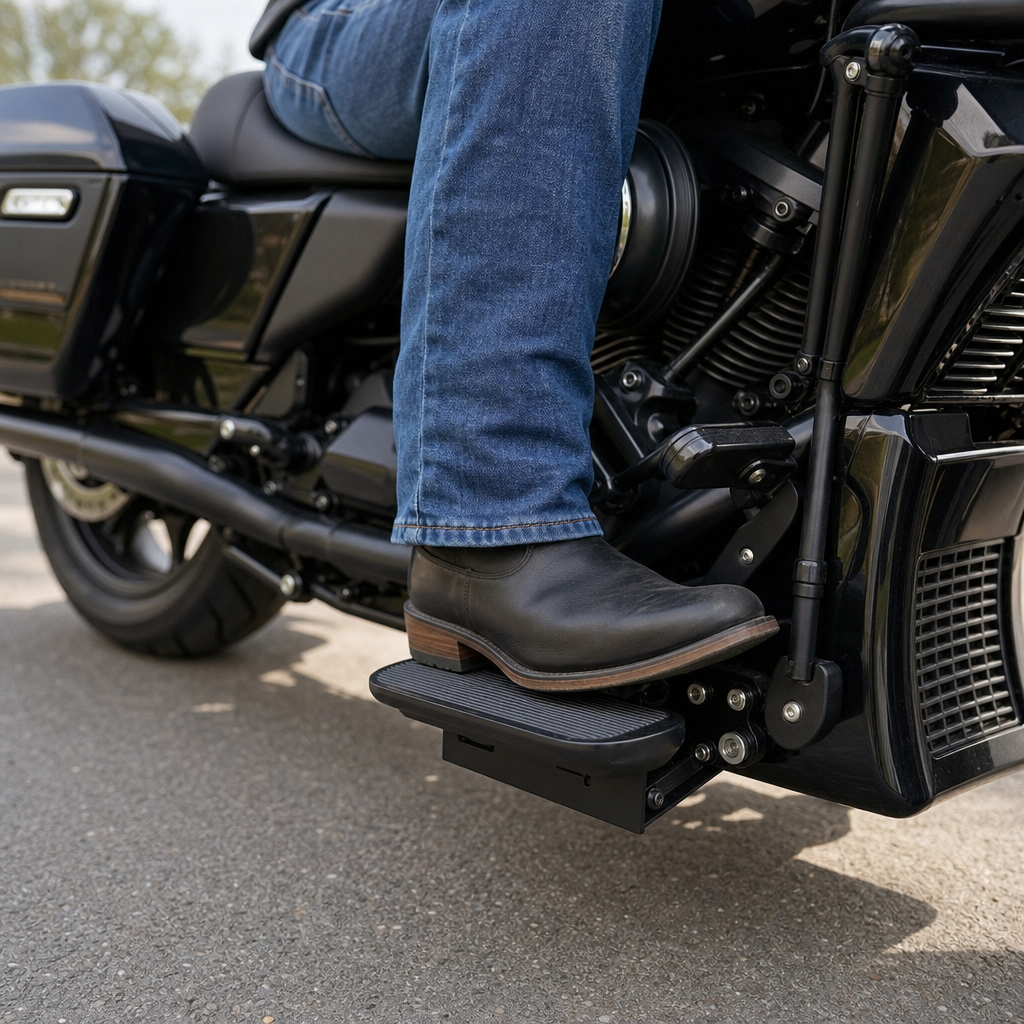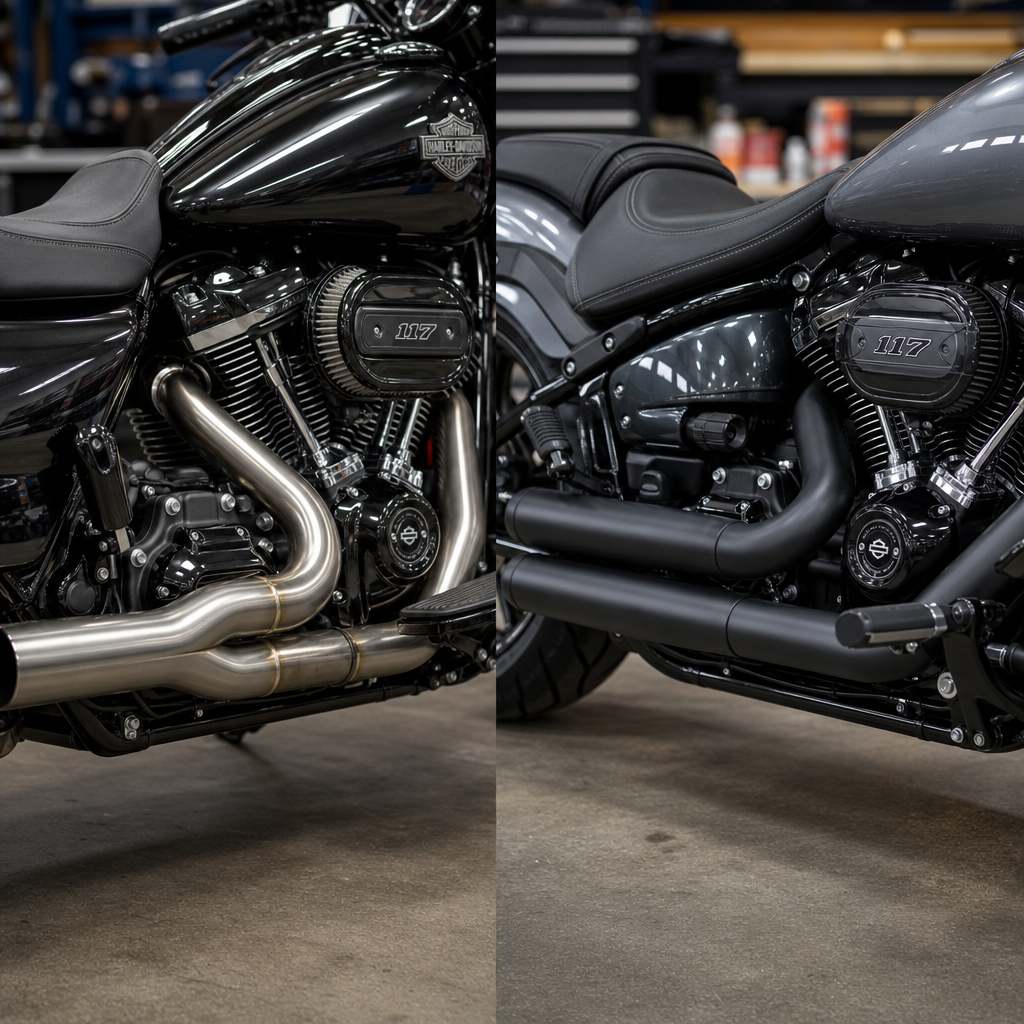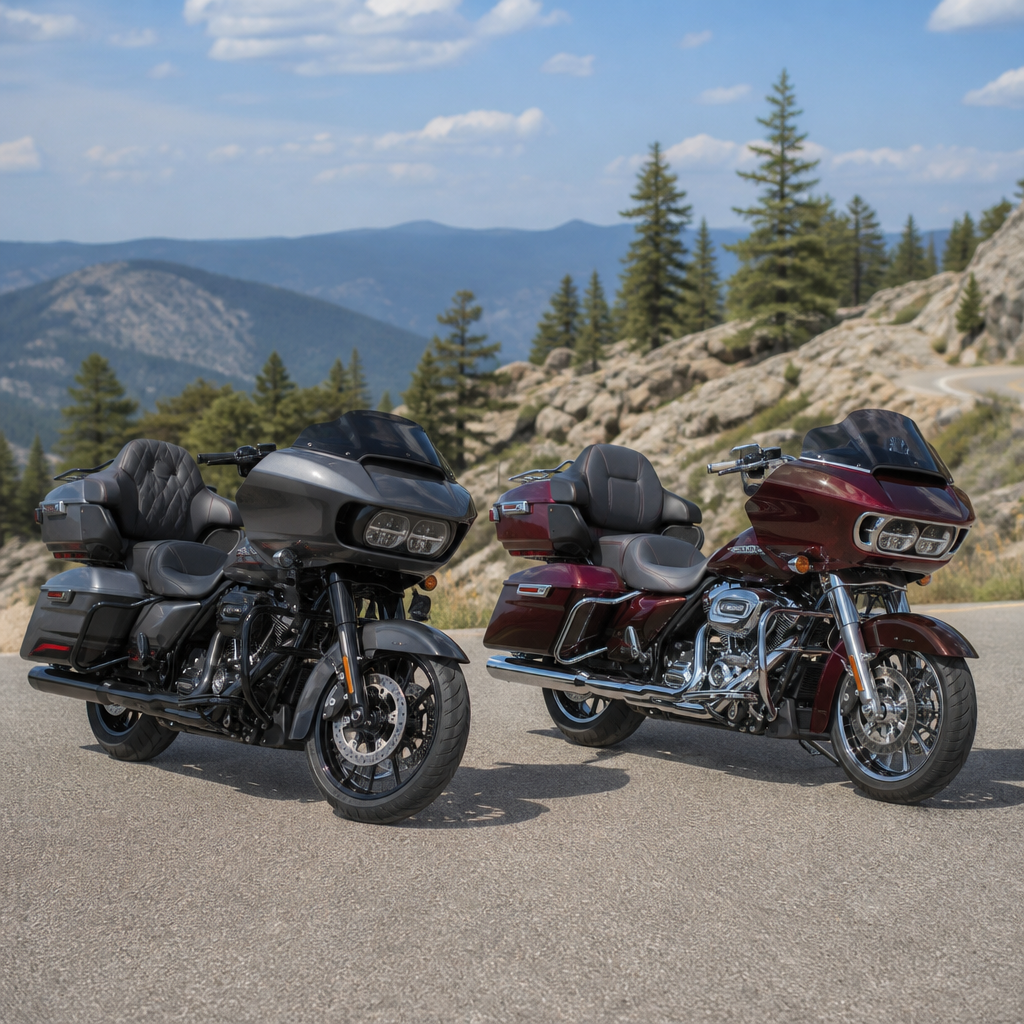
Choosing between the CVO 121 VVT and the 121 HO for two-up touring comes down to how each engine delivers torque, manages heat, supports long-distance comfort, and fits the broader Harley-Davidson technical landscape spanning Milwaukee-Eight, Twin Cam, Evolution, and Revolution Max powertrains. For riders planning serious miles with a passenger, luggage, and highway speeds that vary from urban crawling to mountain passes, the engine is not just a spec sheet item. It shapes vibration, passing confidence, maintenance rhythm, fuel range, and even how relaxed the passenger feels after six hours in the saddle. I have spent enough time around touring Harleys to know that the best motor for solo aggression is not always the best motor for two-up use.
The key terms matter. The CVO 121 VVT is Harley-Davidson’s variable valve timing version of the 121 cubic inch Milwaukee-Eight, engineered to broaden torque delivery and improve efficiency across the rev range. The 121 HO, or High Output version, is tuned for stronger top-end urgency and a more performance-oriented character. Both sit within the Milwaukee-Eight family, which itself evolved from the Twin Cam and later coexists with the liquid-cooled Revolution Max platform used in newer adventure and sport models. A hub article on these engines needs to do more than compare two numbers. It should explain architecture, riding feel, service implications, and why older Evo and Twin Cam lessons still influence buying decisions today.
This matters because two-up touring magnifies every engineering choice. Add a passenger, trunk, side cases, and travel gear, and the bike’s gross vehicle weight rises fast. That extra mass demands accessible torque at real road speeds, smooth throttle transitions in traffic, strong thermal control in summer, and drivability that does not force constant downshifts. Riders searching this topic usually want a direct answer: which engine makes the best touring companion when comfort matters as much as acceleration? They also want context across Harley-Davidson’s technical eras so they can understand where these engines fit and which related models deserve consideration.
How the CVO 121 VVT and 121 HO differ in real touring use
For two-up touring, the CVO 121 VVT is generally the better motor because it produces a wider, more usable spread of torque with smoother response across low, mid, and upper rpm. Variable valve timing changes cam phasing to optimize cylinder filling at different engine speeds. In plain terms, that means the motor feels less peaky and more flexible. When pulling away from a stop with a passenger aboard, rolling on from 55 to 75 mph to pass a truck, or climbing at elevation without hunting for the perfect gear, the VVT setup gives the rider more effortless thrust.
The 121 HO is not a weak choice. It is the better option if a rider prioritizes a sharper, more aggressive feel and enjoys revving the bike harder. On solo rides, that extra edge can be addictive. On a fully loaded touring bike, however, the same high-output tuning can feel slightly less relaxed in the exact scenarios that define long-distance travel. Two-up touring rewards broad torque, predictable heat behavior, and calm throttle pickup more than it rewards a dramatic top-end rush. After a long day, a passenger notices abruptness and heat sooner than they notice a few extra peak horsepower.
In practical terms, the VVT engine better matches the mission of premium touring models. Harley-Davidson did not add variable valve timing as a marketing flourish. It addresses a real challenge faced by large-displacement air-oil-cooled V-twins: balancing low-speed tractability with stronger higher-rpm breathing while keeping emissions and rideability in check. That balancing act is exactly what two-up riders need.
Milwaukee-Eight fundamentals: why this platform changed Harley touring
The Milwaukee-Eight architecture is the technical foundation for both the CVO 121 VVT and 121 HO, and it represented a major improvement over Twin Cam in several areas that touring riders can feel immediately. The engine uses four valves per cylinder, a single camshaft layout, improved combustion efficiency, dual spark plugs, and revised oil and cooling strategies depending on model. Compared with Twin Cam, Milwaukee-Eight engines deliver better breathing, reduced mechanical complexity in some respects, smoother operation, and stronger stock torque. For touring use, the result is easier roll-on acceleration and less rider fatigue.
One of the most important changes was heat management. Earlier large Harley touring bikes, especially in hot traffic, could cook the rider and passenger. Milwaukee-Eight models improved this through better oil circulation, revised head design, and on some bikes mixed cooling strategies around the exhaust valve area. While they still feel like big V-twins and still generate heat, they are notably easier to live with than many older Twin Cam machines in summer conditions. That matters when your passenger is sitting still in stop-and-go traffic with limited airflow.
Another advantage is refinement without losing character. Harley preserved the long-stroke pulse and low-rpm shove that touring customers expect, but the power delivery became cleaner and more responsive. In the workshop and on test rides, this is one of the most noticeable generational jumps in the company’s touring history.
Twin Cam, Evolution, and Revolution Max: where they fit in the deep-dive
Any comprehensive Harley-Davidson technical hub should place Milwaukee-Eight in context. The Evolution, commonly called Evo, earned its reputation for durability and relative simplicity. Introduced in the 1980s, it replaced the Shovelhead and became a cornerstone of Harley’s recovery because it controlled oil leaks better, ran more consistently, and proved robust for everyday riding. Evo remains loved for mechanical honesty, broad parts availability, and straightforward service. For modern two-up touring, though, it lacks the stock displacement, cooling progress, chassis integration, and highway muscle of today’s large touring engines.
Twin Cam followed and powered Harley’s touring line for years. It delivered more displacement and torque than Evo, but it also introduced known concerns depending on year and configuration, especially cam chain tensioner wear on earlier versions. Well-maintained Twin Cam touring bikes can still be excellent long-distance machines, yet they feel older in heat control, vibration isolation, and stock breathing compared with Milwaukee-Eight. Many riders upgrading from Twin Cam immediately notice that a Milwaukee-Eight requires less effort to maintain pace while loaded.
Revolution Max sits apart from all three. It is liquid-cooled, high-revving, structurally integrated into the chassis, and designed around very different goals. Found in models such as the Pan America and Sportster S, RevMax uses modern overhead cam design, variable valve timing on some applications, and a broader performance envelope. It is objectively more advanced in specific output and thermal stability, but it does not replace the role of a big touring Milwaukee-Eight. For two-up touring on a Road Glide or Street Glide platform, the comparison is more educational than directly competitive.
Technical comparison for two-up riders
| Engine | Strength for Two-Up Touring | Potential Drawback | Best Fit |
|---|---|---|---|
| CVO 121 VVT | Broad torque, smoother response, better flexibility across speeds | More system complexity than a conventional cam setup | Riders wanting premium comfort and easy passing power |
| 121 HO | Stronger performance character and sharper high-rpm feel | Less relaxed tuning for loaded touring use | Riders mixing touring with sportier solo riding |
| Milwaukee-Eight 114/117 | Excellent all-around touring balance with broad aftermarket support | Less outright performance than 121 variants | Value-focused long-distance riders |
| Twin Cam 103/110 | Proven touring platform with strong aftermarket and used-bike value | Older heat behavior and known maintenance watch points | Budget buyers comfortable with legacy quirks |
| Evolution | Simple, durable, easy to understand mechanically | Not ideal for modern heavy two-up touring loads | Classic riders prioritizing simplicity over speed |
| Revolution Max | Advanced cooling, high specific output, modern efficiency | Different character and platform mission | Adventure-oriented riders, not classic bagger touring |
Torque curve, gearing, and passenger comfort
The reason the CVO 121 VVT wins this comparison is not just power. It is the shape of the torque curve and how that shape interacts with touring gearing. Two-up riding exposes holes in midrange performance quickly. If an engine makes impressive peak numbers but asks for more revs before it responds strongly, the rider ends up downshifting more often and working the bike harder. That is manageable solo and tiring with a passenger. A flatter torque curve lets the rider leave the bike in a taller gear, maintain smoother chassis behavior, and avoid abrupt fore-aft weight transfer that unsettles the passenger.
Passenger comfort is deeply connected to throttle smoothness. The best touring engines do not surge off closed throttle, do not hesitate during low-speed maneuvers, and do not force dramatic gear changes in sweeping traffic. Harley’s touring chassis can mask a lot, but no suspension setup can fully compensate for a powertrain that feels edgy at parking-lot speed or strained on uphill grades. The VVT motor’s flexibility gives it the advantage here.
Gearing also matters because large touring motorcycles spend much of their life between 2,500 and 4,000 rpm, not at the top of the tachometer. In that band, broad torque matters more than bragging rights. That is why many experienced touring riders choose the engine that feels easiest rather than the one that sounds fastest in a headline.
Heat, reliability, and maintenance considerations
Heat management is crucial for two-up touring, especially in southern states, desert crossings, or urban rally traffic. The Milwaukee-Eight platform already improved this compared with Twin Cam, and the CVO-oriented calibration and hardware packages are built for premium touring expectations. No big-displacement Harley is cool in absolute terms, but there is a meaningful difference between manageable warmth and passenger misery. Riders who tour in hot climates should weigh this heavily.
Reliability is more nuanced. Simpler engines are easier to understand, and Evo still shines there. Twin Cam can be very reliable if known issues are addressed. Milwaukee-Eight engines have matured well, and dealer tooling, scan capabilities, and parts support are strong. The tradeoff is that added systems such as variable valve timing introduce more complexity. Complexity is not automatically fragility, but it can mean diagnosis requires better tools and a more current service environment. For most buyers of a CVO-class touring bike, that is acceptable.
Maintenance planning should include oil service intervals, valve train inspection expectations, software updates, battery health for accessory-heavy touring builds, and tire wear accelerated by passenger and luggage load. The engine choice influences all of that indirectly because stronger low-end torque can reduce drivetrain strain from frequent downshifts, while smoother mapping can reduce clutch abuse in stop-start riding.
How to choose within the Harley-Davidson technical deep-dive hub
If you are building knowledge across M8, Twin Cam, Evo, and RevMax, use this page as the decision point. Start with your riding mission. If your priority is classic simplicity, study Evo. If you are shopping used touring models with strong aftermarket value, dive into Twin Cam, including cam chain tensioner generations, 96 versus 103 versus 110 differences, and touring chassis updates. If you want the current core of Harley bagger performance and comfort, focus on Milwaukee-Eight variants, especially 114, 117, 121 HO, and 121 VVT. If your interests extend to modern liquid-cooled engineering, overhead cams, and adventure touring, continue into RevMax coverage.
For the narrow question in this article, the answer is clear. The CVO 121 VVT is the better motor for two-up touring because it better serves the real demands of loaded travel: broad torque, easier rideability, smoother transitions, and better all-day composure. The 121 HO is an appealing engine for riders who want their touring bike to lean harder toward performance attitude, but it is the second choice when passenger comfort and effortless distance are the main goals.
The larger takeaway is that Harley-Davidson engine families are best understood by use case, not mythology. Evo built trust through durability. Twin Cam expanded torque and touring capability. Milwaukee-Eight refined the big V-twin for modern expectations. Revolution Max pushed the brand into a new engineering space entirely. If you are shopping, testing, or comparing, match the engine to the miles you actually ride. For most serious two-up bagger touring, choose the CVO 121 VVT, then continue through the rest of this technical deep-dive hub to compare platforms, maintenance profiles, and model-specific tradeoffs before you buy.
Frequently Asked Questions
1. Which engine is generally better for two-up touring: the CVO 121 VVT or the 121 HO?
For most riders focused specifically on two-up touring, the CVO 121 VVT usually makes the stronger case because of how it delivers power across a broader range of real-world riding conditions. Two-up travel adds weight from the passenger, luggage, touring accessories, and often a fuller fuel load, so the most useful engine is not always the one that feels the most aggressive in a short solo test ride. What matters more is how calmly and predictably the motor produces torque when pulling away from a stop, rolling through traffic, climbing grades, and passing without drama at highway speeds.
The VVT-equipped 121 tends to feel more flexible because variable valve timing helps the engine stay responsive at lower and midrange rpm while still supporting strong top-end performance. That broader spread of usable power is especially valuable on a touring bike, where smooth roll-on acceleration matters more than a peaky or highly urgent character. With a passenger onboard, abruptness becomes more noticeable, and engines that feel exciting solo can sometimes feel busier or less refined when loaded down. The CVO 121 VVT generally aligns better with the touring mission because it is designed to balance torque, rideability, refinement, and heat management in a premium long-distance package.
That said, the 121 HO can still appeal to riders who prefer a more direct, performance-oriented feel. “HO” typically signals a stronger emphasis on output and immediate response, which some riders enjoy for brisk passing and a more muscular personality. If your touring style includes aggressive throttle use, mountain riding, and a preference for a sportier character over maximum smoothness, the 121 HO may feel more engaging. But if the question is narrowly framed around two-up comfort, consistency, and less fatiguing long-distance behavior, the CVO 121 VVT usually comes out ahead.
2. How does torque delivery affect comfort and control when riding two-up?
Torque delivery is one of the biggest factors in whether a motorcycle feels effortless or tiring with a passenger. On a fully loaded touring bike, smooth low- and midrange torque is what helps the machine move off the line cleanly, maintain speed on inclines, and execute passes without frequent downshifts or abrupt throttle inputs. When an engine has broad, easy-access torque, the rider can be gentler with the controls, and that improves comfort for both people on the bike.
In practical terms, a more touring-friendly torque curve reduces head toss, lurching, and the “on-off” feeling that can make passengers feel less secure. If you have ever ridden with a passenger who bumps helmets with you during throttle transitions, you already know how important smoothness is. A motor that builds power progressively allows cleaner launches from traffic lights, steadier corner exits, and more confidence on uneven roads or in wet conditions. That becomes even more important in urban crawling, construction zones, or slow-speed maneuvers in parking lots, where balance and predictable response matter just as much as outright horsepower.
This is where the CVO 121 VVT often has an advantage for touring use. Variable valve timing can help widen the useful powerband, giving the rider satisfying torque down low without sacrificing strength at speed. The 121 HO may still provide impressive acceleration, but if its character is tuned to feel more urgent or performance-biased, some riders may find it a little less relaxed in stop-and-go or partially loaded throttle situations. For two-up touring, the best engine is the one that feels strongest without feeling busy, and broad torque delivery is the core of that experience.
3. Is heat management a major difference between the CVO 121 VVT and the 121 HO on long trips?
Yes, heat management can be a meaningful difference, especially for riders who spend long hours in the saddle with a passenger. Touring often includes conditions that amplify engine heat: summer travel, low-speed congestion, scenic town traffic, border crossings, fuel stops, and extended idling. Heat is not just a rider comfort issue either. It affects passenger satisfaction, perceived refinement, and how fresh both people feel at the end of a long day.
In general, an engine and platform tuned for premium touring use tends to place greater emphasis on balancing performance with thermal control. The CVO 121 VVT benefits from newer engineering priorities that are intended to improve not only output but also the way the engine behaves under varied loads and rpm ranges. When an engine can make strong power efficiently across more of its operating range, it may feel less strained during real touring conditions. That can translate into a more composed experience when carrying extra weight over long distances.
The 121 HO may still be perfectly capable for travel, but a higher-output or more aggressively tuned motor can sometimes feel hotter or less mellow depending on calibration, airflow, bike setup, and riding conditions. Of course, heat perception also depends on fairing design, rider height, ambient temperature, catalytic converter placement, and whether you are comparing the engines in the same chassis. Harley-Davidson’s broader technical evolution is relevant here as well. Across generations from Evolution to Twin Cam to Milwaukee-Eight, and now in parallel with the liquid-cooled Revolution Max family, the brand has steadily moved toward improving refinement, efficiency, and rider comfort without abandoning traditional V-twin character. For riders prioritizing hot-weather, low-speed, two-up travel, the CVO 121 VVT is often the safer bet for maintaining comfort over a full touring day.
4. How do these engines compare for highway passing, mountain riding, and carrying full touring loads?
Both engines should be strong performers by traditional touring standards, but they may go about the job differently. For highway passing, what matters most is not just peak power, but how quickly and confidently the motorcycle responds from common cruising speeds when fully loaded. A bike carrying two adults, packed luggage, and touring gear needs immediate roll-on strength from the midrange. If the engine has to be worked hard or revved more aggressively to deliver that response, the ride can feel less relaxed.
The CVO 121 VVT tends to suit this environment because it can provide a more adaptable spread of power. That flexibility is useful when the road and load keep changing. One moment you may be cruising on flat interstate pavement, and the next you are climbing into higher elevations, crossing windy open country, or overtaking traffic on a two-lane road. An engine with broad, controlled torque makes those transitions feel easier and less stressful. It also helps the rider hold a smoother line in corners and maintain pace without repeated dramatic throttle corrections, which passengers usually appreciate.
The 121 HO may feel especially appealing to riders who want more punch and immediacy in those same moments. If you enjoy a stronger performance sensation when rolling on the throttle to pass trucks or power out of uphill sweepers, the HO character may stand out. But for repeated long-distance use, especially when terrain and speed vary all day, many touring riders prefer an engine that feels less demanding and more composed. That difference can seem subtle on paper, yet it becomes obvious after several hundred miles with a passenger. The best touring engine is the one that preserves confidence and comfort while still having enough reserve power to make the motorcycle feel unburdened by the load, and in that balance-focused role, the CVO 121 VVT often has the edge.
5. How do the CVO 121 VVT and 121 HO fit into Harley-Davidson’s broader engine evolution, and why does that matter for touring buyers?
Understanding Harley-Davidson’s engine lineage helps explain why this comparison is about more than displacement or marketing labels. Harley’s major modern powertrain families have each reflected a different stage in the company’s priorities. Evolution engines earned a reputation for durability and simplicity. Twin Cam models brought more power and broader touring capability but also had their own distinct feel and mechanical personality. The Milwaukee-Eight generation marked a significant shift toward improved smoothness, stronger torque, better breathing, and more refined touring manners. Meanwhile, the Revolution Max platform introduced a very different, more modern, liquid-cooled performance philosophy aimed at expanding what a Harley powertrain could be.
The CVO 121 VVT and 121 HO sit within this larger story as examples of how Harley continues refining the big V-twin formula for different rider expectations. For touring buyers, that matters because engine choice now says a lot about intended use. Some Harley motors are built to preserve classic character with modernized manners. Others lean harder into output, excitement, and sharper response. Two-up touring puts a spotlight on refinement, usable torque, and reduced fatigue, which is why small differences in tuning philosophy become more important than they might seem during a short dealer demo.
If you are shopping with serious long-distance travel in mind, it helps to think beyond headline power numbers and ask which engine best supports the total touring experience. That includes vibration feel through the bars and floorboards, passenger confidence during throttle transitions, heat at low speeds, reserve power at altitude, and how relaxed the bike feels after six or eight hours on the road. Seen through that lens, the CVO 121 VVT often represents the more evolved touring-focused choice, while the 121 HO may better serve riders who want a bolder, more performance-centered flavor from their Harley. Neither approach is inherently wrong. The better motor is the one whose