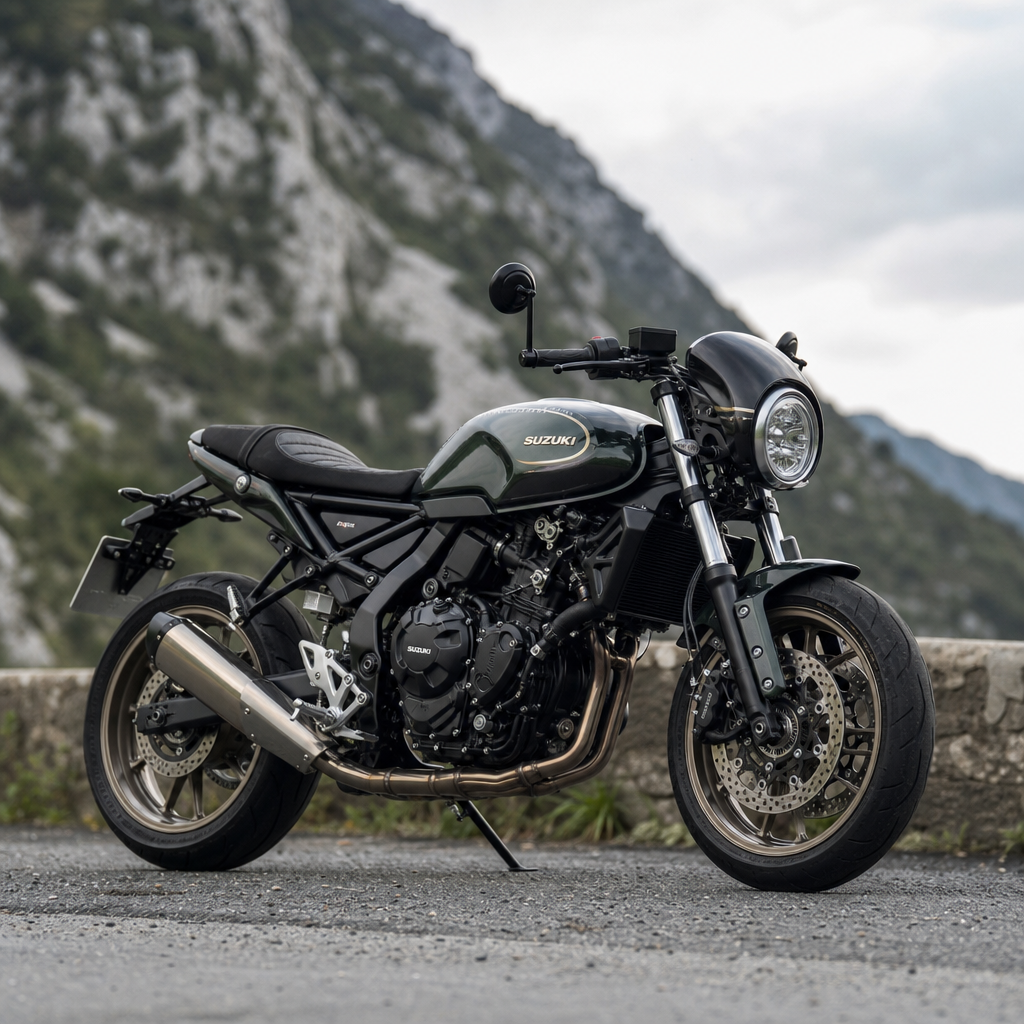
Colorado rewards road travelers with a rare combination of mountain scenery, storied main streets, and motorcycle-friendly stopovers, and nowhere captures that mix better than Hotel Colorado and Doc Holliday’s Saloon in Glenwood Springs. In this guide, Glenwood Springs serves as the anchor for a broader look at state-by-state biker stops: bars, lodging, and landmarks, with Colorado as the model for how riders evaluate a route. A biker stop is more than a pin on a map. It is a place that solves practical needs such as parking, weather cover, food, fuel, and walkable entertainment while also delivering a sense of local history. A sub-pillar hub article must do two jobs at once: answer the immediate question about where to stop in Colorado and create a framework riders can use as they plan similar stops across the United States. That matters because motorcycle travel is less forgiving than car travel. Elevation, afternoon storms, road closures, fatigue, and luggage limits make smart stop selection a safety issue as much as a convenience choice. After years of mapping ride itineraries through the Rockies, I have learned that the best overnight stops share predictable traits: easy access from scenic highways, secure or visible parking, a food-and-drink scene within walking distance, and at least one landmark that gives the day a memorable finish. Glenwood Springs checks every box. Set at the confluence of Interstate 70, Highway 82, and routes feeding the Roaring Fork Valley, it works as a natural break point for riders crossing central Colorado or looping through Aspen, Leadville, Vail, or Grand Junction. Hotel Colorado delivers historic lodging with a grand-railroad-era identity, while Doc Holliday’s Saloon connects the town to one of the West’s most famous gamblers and gunfighters. Together they represent exactly what riders seek: comfort, story, and location.
Why Glenwood Springs Works as a Signature Colorado Biker Stop
Glenwood Springs is one of the most functional motorcycle stop towns in the Mountain West because it combines logistics and leisure in a compact layout. Riders approaching from Denver get a scenic progression through Clear Creek Canyon alternatives, Eisenhower-Johnson Memorial Tunnel, Vail Pass, and Glenwood Canyon before reaching town. Riders coming from Utah or western Colorado arrive through red-rock country and canyon riding that feels dramatically different from the central peaks. That geographic versatility makes Glenwood Springs relevant whether the trip goal is a multistate tour, a weekend mountain loop, or a base camp for day rides.
The town’s elevation, roughly 5,700 feet, is high enough to deliver cooler summer nights yet lower than many mountain passes, which matters for acclimatization and weather. Fuel, chain lube, rain gear, and pharmacy stops are easy to find. Restaurants, saloons, coffee shops, the hot springs area, and the historic core sit close together, reducing the need to remount after check-in. For touring riders on heavy baggers, sport-tourers, ADV bikes, or fully loaded cruisers, that walkability is a real advantage. It lowers the chance of parking hassles and lets a group split up without losing the social center of the trip.
From a route-planning perspective, Glenwood Springs also acts as a hinge point. North and east lie classic mountain corridors; south leads toward Carbondale and Independence Pass when open; west opens into longer desert runs. When I evaluate a town for riders, I ask a practical question: if weather shifts, can you still salvage the day? In Glenwood Springs, the answer is usually yes. Even if hail, wildfire smoke, or construction changes the ride plan, the town itself offers enough food, history, and soaking options to turn a compromised riding day into a worthwhile stop.
Hotel Colorado: Historic Lodging That Still Fits Modern Touring Needs
Hotel Colorado is the kind of property riders remember because it solves both emotional and practical parts of the overnight equation. Opened in 1893 by silver baron Walter Devereux, the hotel was designed as a grand resort in the Richardsonian Romanesque style, with quarry stone architecture, broad public rooms, and a commanding lawn facing the mountains. It has hosted presidents, celebrities, and generations of Western travelers. During World War II, it even served as a naval convalescent hospital, adding another layer to its identity. That history is not decorative trivia; it shapes the experience in a way chain lodging cannot.
For motorcycle travelers, the appeal starts before the room key. The building is easy to spot, central to town, and close to the river and downtown streets. Historic hotels can sometimes frustrate riders with awkward loading zones or distant parking, but Hotel Colorado’s layout is manageable for unpacking and regrouping. Visible bike parking matters more than many non-riders realize. It allows quick luggage transfers, casual bike checks, and a little peace of mind at the end of a long day. Riders also value substantial indoor common areas because mountain weather can turn quickly. A large lobby, lounge, or porch gives the group a place to dry out, review maps, and settle route debates without standing around a gas station awning.
The hotel’s biggest strength is that it turns a stop into an experience, not just a transaction. After hours in the saddle, there is a clear difference between dropping bags in an anonymous roadside room and walking into a landmark with stone walls, old photographs, and a strong sense of place. That shift affects trip memory. Riders often remember three things most vividly: the road, the meal, and the hotel lobby where the day’s stories got retold. Hotel Colorado consistently performs on that third category.
Doc Holliday’s Saloon and the Power of a Named Landmark
Doc Holliday’s Saloon gives Glenwood Springs a narrative hook that many otherwise practical overnight towns lack. John Henry “Doc” Holliday, the dentist-turned-gambler associated with Tombstone and Wyatt Earp, died in Glenwood Springs in 1887 while seeking relief in the area’s mineral waters. His name remains deeply tied to the town, and businesses using that identity tap into a ready-made Western mythology that travelers immediately recognize. For riders, that matters because the best biker stops are not only efficient; they are tellable. People want to say they stayed at a historic hotel and grabbed a drink at a place linked to Doc Holliday.
A good saloon stop for motorcyclists must balance atmosphere with utility. It should be easy to reach on foot from lodging, straightforward for groups, and suitable for both a single drink and a full meal. Named historic bars and saloons also work especially well for multigenerational riding groups because they create common ground. The history buff, the photographer, the casual rider, and the person who simply wants a burger and a beer all get something from the same stop. In destination planning, that broad appeal is valuable.
There is another reason saloons matter in biker itineraries: they mark the transition from motion to rest. A memorable bar or pub is often where a riding day formally ends. That is why state-by-state biker stop planning should always pair lodging with nightlife within walking distance. It is safer, simpler, and more enjoyable than riding again after dark in unfamiliar terrain. In Glenwood Springs, the Hotel Colorado and Doc Holliday connection creates a highly efficient pairing that many motorcycle towns try, but few achieve so neatly.
How to Evaluate Biker Stops State by State
When building a hub for biker stops across the country, use a repeatable screening method. The strongest stops usually score well across the same categories, even if the setting changes from Colorado mountain town to Arizona desert outpost or Tennessee music city.
| Criterion | What Riders Should Look For | Why It Matters |
|---|---|---|
| Lodging | Ground-floor access, visible parking, walkable dining, flexible check-in | Reduces unloading stress and improves security |
| Bar or Saloon | Local identity, reliable food, group seating, walkable from hotel | Creates a safe, social end to the day |
| Landmark | Historic site, scenic overlook, museum, hot springs, or main street district | Adds purpose and memory beyond basic logistics |
| Road Access | Direct connection to scenic byways or major corridors | Lets riders maximize saddle time and adapt routes |
| Support Services | Fuel, tire repair, pharmacy, groceries, weather shelter | Helps recover from minor problems without derailing the trip |
This framework scales well. In South Dakota, for example, a strong biker stop may center on Sturgis-area lodging, a classic roadhouse, and access to Needles Highway. In Texas, the same model might mean secure hotel parking in the Hill Country, a dance hall or icehouse nearby, and a landmark such as the Twisted Sisters route. The details change, but the evaluation system stays stable.
Best Ride Planning Tips for Glenwood Springs and Similar Colorado Hubs
Colorado demands respect from motorcyclists because conditions can change by elevation, canyon, and hour. A morning that starts clear in Glenwood Springs can turn into wind, rain, or lightning by afternoon on a high pass. The Colorado Department of Transportation road reports, National Weather Service forecasts, and wildfire updates should be checked before departure, especially from late spring through early fall. If Independence Pass is part of the plan, confirm seasonal opening dates and width restrictions. Snow can affect mountain travel outside winter, and afternoon thunderstorms are common in summer.
Timing matters. Midweek stays often mean easier parking, lighter restaurant waits, and lower lodging pressure than peak weekends. Riders crossing I-70 should budget extra time for construction, tourist traffic, and photo stops through Glenwood Canyon. Hydration is not optional at altitude. Neither is sunscreen. A rider who feels merely “a little off” at sea level can become noticeably fatigued after a full day in Colorado’s dry air and elevation. I advise riders to shorten the day rather than push for one more pass if concentration starts fading.
Packing strategy should fit the region. Carry a clear visor or glasses option for night arrival, a heated layer or compact thermal liner even in summer, and a plan for rainproofing gloves. In mountain states, cold hands degrade control faster than many riders expect. For those building a larger state-by-state journey, Glenwood Springs is best used as a reset stop: do laundry, recheck chain tension or tire pressures, enjoy a proper meal, and leave early for the next scenic segment with fewer unknowns.
Building a State-by-State Biker Stops Hub From the Colorado Model
Colorado provides an effective template for the broader biker stops hub because it demonstrates how bars, lodging, and landmarks work best as a coordinated trio. Too many travel lists focus only on famous roads, leaving riders to solve the overnight portion on their own. That misses how motorcycle travel actually works. A great road without a smart stop at the end can turn into a tiring, expensive, or even unsafe day. The Colorado model says the opposite: start with a road-worthy town, then confirm the hotel, the evening venue, and the landmark value.
Applied nationally, this means every state entry in the hub should answer the same direct questions. Where should a rider stay? Where should they walk for food or drinks? What should they see before leaving town? What road makes the stop worth building into the route? Once those answers are structured clearly, readers can compare states efficiently and build regional loops. Colorado’s Glenwood Springs stop excels because all four answers are strong and close together.
Internal trip planning also improves when riders think in hubs instead of isolated attractions. For example, a Rocky Mountain loop might connect Glenwood Springs with Buena Vista, Ouray, Durango, and Estes Park, each evaluated by the same lodging-bar-landmark method. A Southwest version might link Colorado with Moab, Santa Fe, and Bisbee. The hub approach saves time, reduces planning fatigue, and produces itineraries that feel coherent rather than random.
Conclusion: Why Hotel Colorado and Doc Holliday’s Saloon Belong on the Map
Hotel Colorado and Doc Holliday’s Saloon in Glenwood Springs deserve their place in any serious discussion of Colorado biker stops because they illustrate what riders actually need from the road: dependable logistics, local history, and an easy transition from miles to memories. Glenwood Springs is not just a convenient overnight on I-70. It is a destination-grade stop with scenic access, walkable rewards, and enough identity to stand out in a state full of dramatic places. That combination makes it an ideal anchor for a state-by-state biker stops hub covering bars, lodging, and landmarks.
The main takeaway is simple. When planning motorcycle travel, do not choose stops by scenery alone. Choose towns where the road in, the place to sleep, the evening venue, and the signature landmark reinforce one another. In Colorado, Glenwood Springs does that exceptionally well. Use this article as your starting point, then map the next state with the same method and build a route that rides better from start to finish.
Frequently Asked Questions
Why is Glenwood Springs such a strong biker stop in Colorado?
Glenwood Springs stands out because it delivers the full package riders look for at the end of a mountain-day run: memorable scenery, easy access from major touring routes, practical overnight options, and a downtown with real character instead of a generic highway strip. Set where mountain travel naturally funnels people through the Roaring Fork and Colorado River valleys, the town works well as both a destination and a strategic pause point. Riders can use it as a base for exploring western Colorado, as an overnight stop while crossing the state, or as a recovery stop after hours of canyon roads and elevation changes.
What makes it especially useful for motorcycle travelers is the balance between experience and function. You have a historic atmosphere, anchored by places like Hotel Colorado and the legacy of Doc Holliday’s Saloon, but you also have the basics that matter after a long ride: food, walkable streets, fuel nearby, lodging choices, and the ability to park the bike and enjoy the town on foot. That matters because a true biker stop is not just scenic; it solves problems. It gives riders a place to rest, reset, eat well, meet other travelers, and reconnect with the reason they chose the road in the first place. Glenwood Springs does that better than many towns its size.
What makes Hotel Colorado important to riders visiting Glenwood Springs?
Hotel Colorado is important because it combines practical value with the kind of history that turns a stop into a story. For many riders, a hotel is not simply a bed for the night. It is part of the route memory. Hotel Colorado carries that weight well. Its historic architecture, long-standing reputation, and prominent place in Glenwood Springs give travelers a sense that they are staying somewhere tied to the larger narrative of Colorado travel. That matters on a motorcycle trip, where the best stops are often the ones that feel rooted in the landscape and era rather than interchangeable with any chain property off any interstate.
From a rider’s perspective, the appeal is also straightforward. After a day of changing weather, mountain miles, and road fatigue, a landmark hotel offers a natural decompression point. You can park, unload, walk into a place with visible character, and feel like you have arrived somewhere worth the effort. It also places you close to the heart of town, which reduces the need to keep riding once you are checked in. That convenience is especially valuable for touring riders who prefer to settle the bike for the evening and enjoy dinner, local attractions, and downtown sights without dealing with additional traffic or searching for another stop. In short, Hotel Colorado is memorable because it serves both the romance of the ride and the practical realities of road travel.
What is the connection between Doc Holliday’s Saloon and Glenwood Springs travel culture?
Doc Holliday’s Saloon adds a layer of Western identity and outlaw-era mythology that fits naturally with the way many travelers experience Colorado. Glenwood Springs is one of those towns where frontier history still feels visible, and Doc Holliday’s name brings immediate recognition. Whether visitors are motivated by Old West lore, roadside Americana, or simply the appeal of a saloon with a story behind it, the connection helps make the stop feel distinct. For riders, that distinctiveness is a major part of what separates a worthwhile destination from just another meal break.
In the broader travel culture of Glenwood Springs, places associated with recognizable figures or legends help create a town atmosphere that rewards slowing down. Riders often spend long hours moving through dramatic landscapes, so when they stop, they want more than convenience; they want context. A saloon tied to a figure like Doc Holliday gives them that. It invites conversation, local storytelling, and the sense that the route has led somewhere with personality. Even for travelers who are less interested in the historical details, the setting contributes to the town’s charm and reinforces why Glenwood Springs remains a standout stop on Colorado motorcycle itineraries.
How should riders evaluate Glenwood Springs as part of a larger Colorado route?
Riders should evaluate Glenwood Springs the same way they should evaluate any serious stop on a multi-day Colorado route: by looking at how well it combines road quality, scenic payoff, services, rest potential, and the character of the stop itself. Colorado riding can be spectacular, but it also demands planning. Weather shifts quickly, elevation affects comfort and performance, and mountain roads require more focus than flatland touring. A stop like Glenwood Springs earns high marks because it fits naturally into that reality. It gives riders a reliable place to pause, regroup, and enjoy the trip without sacrificing the scenic and cultural value that brought them to Colorado in the first place.
On a broader route, Glenwood Springs works well because it can serve different travel styles. Some riders want a one-night anchor with good lodging and a lively downtown. Others want a place to spend additional time while exploring nearby roads and regional attractions. In either case, the town performs well because it is not one-dimensional. It is scenic but not isolated, historic but not inconvenient, and visitor-friendly without losing its identity. That combination makes it a strong model for how riders often judge the best state-by-state biker stops: not by hype alone, but by whether a place genuinely supports the rhythm of the road.
What should travelers expect from a motorcycle-friendly stop like this beyond scenery and history?
Travelers should expect a motorcycle-friendly stop to provide real-world usefulness in addition to a good photo backdrop or a famous name. Scenery and history may attract riders, but comfort, accessibility, and ease of movement are what make them recommend a place afterward. In practical terms, that means nearby services, a clear path from road to lodging, food and drink within easy reach, and a setting where riders can transition smoothly from travel mode to downtime. Glenwood Springs succeeds because it offers that operational convenience while still feeling like a destination.
There is also a social element. Good biker stops tend to create opportunities for conversation, whether with other riders, hotel staff, bartenders, or locals who know the region. That exchange is part of the value. It can lead to route tips, weather advice, road-condition updates, and recommendations for the next leg of the trip. In a place centered around landmarks like Hotel Colorado and the Doc Holliday connection, that social atmosphere is strengthened by the setting itself. The result is a stop that does more than fill a gap between miles. It gives riders a place to recover, recalibrate, and deepen the overall travel experience, which is exactly what the best Colorado biker stops are supposed to do.