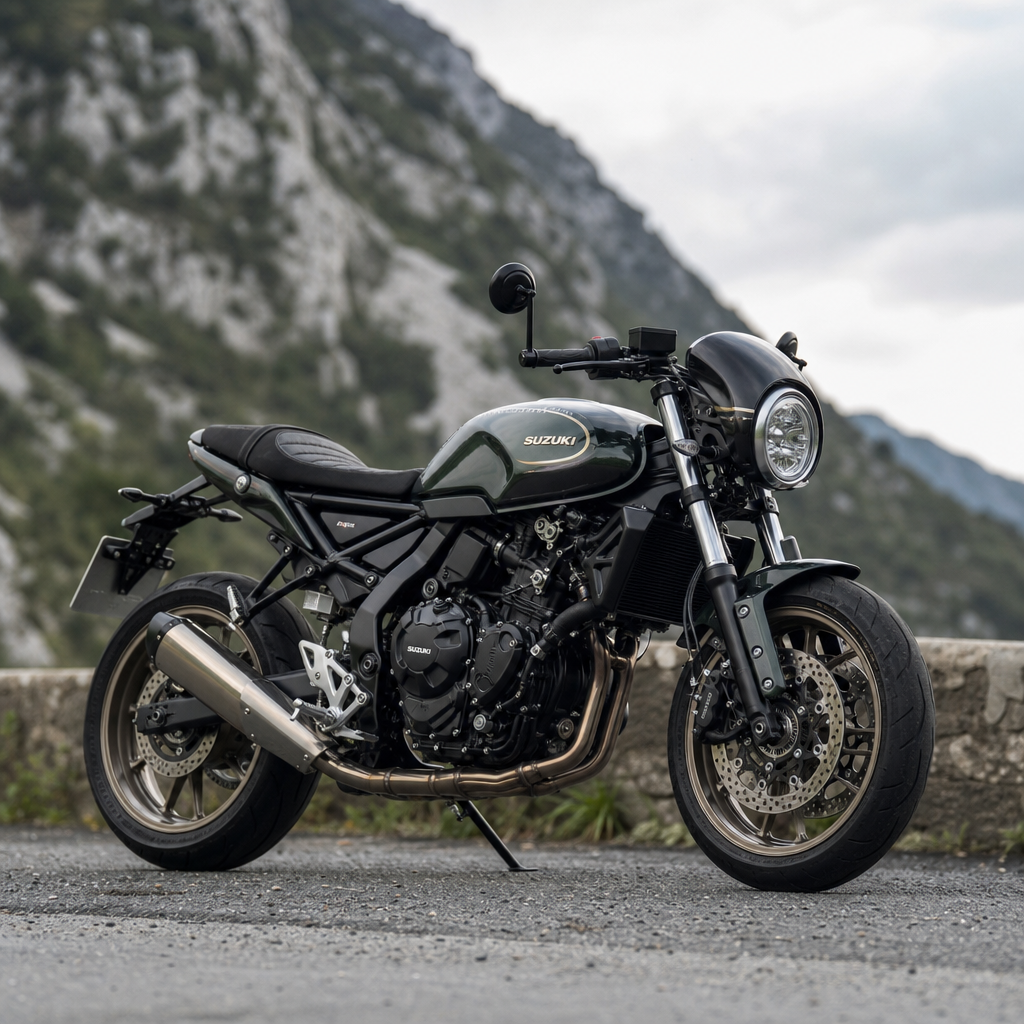
The Black Hills BDR-X is the rare backcountry route that rewards intermediate adventure riders with genuine off-pavement challenge without demanding rally-level speed or expert enduro technique. Designed as a four-day expedition through western South Dakota, it combines forest two-track, graded gravel, embedded rock, occasional mud, short pavement connectors, and enough elevation change to keep line choice honest. In practical terms, “intermediate” means a rider who is comfortable standing on the pegs for long stretches, managing a loaded midsize or large ADV motorcycle on loose surfaces, and recovering from routine traction loss without panic. A BDR-X route is not just a scenic drive on dirt; it is a curated loop built around navigation discipline, fuel planning, bike setup, and risk management.
I have prepped riders for multi-day ADV routes for years, and the Black Hills loop stands out because it exposes every weak point in planning. Tires that feel acceptable at home become vague on marble gravel. Soft luggage mounted carelessly starts shifting on washboard. Suspension that seems fine on day rides reveals harshness after six consecutive hours of rocky forest roads. That is why this hub focuses on ADV and BDR technical prep alongside the latest 2026 and 2027 updates riders should watch. If you are building one page to anchor your Black Hills planning, this is it: route expectations, motorcycle setup, rider gear, navigation workflow, weather and seasonal realities, and the coming changes likely to affect access, documentation, and machine readiness over the next two riding seasons.
The Black Hills matter because they offer a concentrated test of real overland fundamentals in a region with strong tourism infrastructure but very mixed terrain. You can be in pine forest one hour, exposed ridge country the next, and a muddy low section after an afternoon storm before dinner. Unlike purely remote desert routes, the Black Hills let riders stage intelligently from towns such as Spearfish, Custer, Deadwood, or Hill City while still committing to long stretches where self-sufficiency matters. That mix makes the route ideal for an intermediate rider stepping up from day rides to a true four-day expedition. It also makes technical preparation non-negotiable, especially as mapping tools, machine electronics, access policies, and route publication standards continue to evolve into 2026 and 2027.
What the Black Hills BDR-X asks from rider and machine
The route’s difficulty comes less from a single extreme obstacle and more from accumulation. Riders face repeated transitions between gravel county roads, rutted forest tracks, baby-head rock, slick clay after rain, and occasional sandy stretches. On a loaded bike, those transitions punish poor throttle control and late braking. Intermediate riders do best when they treat the route as a systems exercise: body position, momentum, clutch modulation, and vision have to stay consistent all day. A rider who sits too much in rough sections will tire quickly, then make navigation mistakes, then arrive at camp with less margin for weather or mechanical issues.
Motorcycle choice matters, but setup matters more. In my experience, the sweet spot for this route is a well-protected middleweight ADV bike in the 400 to 900cc range, though skilled riders can complete it on both smaller dual sports and larger liter-class machines. What matters is realistic loading, good tires, and suspension adjusted for actual expedition weight. A bike with crash bars, hand guards, a sturdy skid plate, and fresh brake pads is far better prepared than a premium model with worn 80/20 tires and soft preload. For intermediate riders, confidence comes from predictability, and predictability comes from maintenance and setup, not marketing categories.
Fuel range should be treated conservatively. Even in a relatively developed region, route deviations, closures, and exploratory detours can stretch mileage unexpectedly. I recommend planning around a practical safe range of at least 170 miles, with 200 miles providing better flexibility. Water capacity should also exceed what many riders carry on casual day rides. In warm summer conditions, three liters per rider is a floor, not an upper limit, especially if you expect to spend time helping another rider with a repair or extraction.
Technical prep: tires, suspension, protection, and luggage
The single biggest upgrade for Black Hills BDR-X success is the right tire. For intermediate riders on loaded ADV bikes, this route strongly favors aggressive 50/50 or 60/40 rubber over travel-oriented 80/20 patterns. Tires such as the Dunlop Trailmax Raid, Motoz Tractionator Adventure, Mitas E-07+, Continental TKC 80, Michelin Anakee Wild, or Bridgestone AX41 all bring different tradeoffs, but all offer meaningfully better bite on loose climbs and wet surfaces than road-biased alternatives. A long-wearing rear is valuable, yet outright traction is usually the better choice on a four-day trip where one storm can transform hardpack into polished slime.
Suspension setup is the second major divider between a tiring ride and a controlled one. Start by setting sag for the bike fully loaded with luggage, tools, water, and fuel. Many riders increase preload but never address rebound damping, which causes the bike to pack down in repeated washboard or kick on sharp edges. If your machine offers clicker adjustment, record your baseline and test a loaded setting before departure. On non-adjustable or lightly adjustable bikes, reducing luggage weight can accomplish more than chasing aftermarket parts at the last minute. The Black Hills do not require race suspension, but they do punish under-sprung motorcycles carrying expedition loads.
Protection should be practical rather than ornamental. A real skid plate matters because embedded rock and ledges can strike engine cases or exhaust headers. Hand guards protect levers in inevitable tip-overs. Radiator protection is worth considering on vulnerable models. Luggage should stay narrow, stable, and crash-tolerant. Soft systems from Mosko Moto, Giant Loop, Enduristan, Kriega, and Tusk generally perform better than bulky aluminum panniers when riders are still building off-road experience. Hard cases have advantages for commuting and security, but on uneven terrain they add leg injury risk and often encourage overpacking.
| Prep Area | Best Practice for Black Hills BDR-X | Why It Matters |
|---|---|---|
| Tires | Fresh 50/50 or 60/40 tread, heavy-duty tubes or verified tubeless repair kit | Improves traction on loose gravel, mud, and rock |
| Suspension | Set sag with full luggage load and test rebound control | Reduces fatigue and maintains steering accuracy |
| Protection | Skid plate, hand guards, case covers, and radiator guard where needed | Prevents trip-ending damage from impacts or falls |
| Luggage | Compact soft luggage with low, secure mounting | Keeps weight centralized and safer in crashes |
| Fuel and Water | 170 to 200-mile fuel plan and minimum three liters of water | Builds margin for reroutes, delays, and heat |
| Recovery Gear | Compact pump, plugs or tubes, tow strap, and core tools | Solves the most common trail failures quickly |
Navigation, communications, and route management
For a four-day expedition, navigation should never rely on a single device. The current best practice is a primary GPS or rugged phone running offline mapping, plus a secondary phone or GPS with the same tracks exported in advance. Garmin Tread, zumo XT2, Montana series units, and rugged phones using Gaia GPS, onX Offroad, OsmAnd, or REVER are all workable if the rider knows the interface before departure. The route itself is only half the story. You also need fuel waypoints, bailout routes, lodging or camp options, and known paved connectors in case weather or fatigue changes the day’s plan.
Intermediate riders often underestimate the importance of route file hygiene. Before the trip, confirm track colors, segment names, and daily divisions that correspond to realistic mileage. A single undifferentiated file forces too much zooming and too many on-the-fly decisions. I prefer daily tracks labeled by direction and contingency notes stored in the device or printed on waterproof paper. That matters in the Black Hills because the route environment can be deceptively busy: signed roads, tourist traffic near monuments, forest junctions, and seasonal closures create more opportunities to drift off plan than many riders expect.
Communication planning should include at least one satellite messenger per group, such as a Garmin inReach or Zoleo. Cell coverage is inconsistent enough that depending on a standard phone is poor expedition practice. Riders should also agree on spacing, regroup protocols, and decision rules before rolling out. In mixed-skill groups, dust and corners can separate riders quickly. The simple “wait at every turn until you see the next rider” method still prevents many unnecessary searches. If someone crashes or has a mechanical, the group needs a predetermined rule about who stays, who rides for help, and what information gets sent.
Rider fitness, packing discipline, and field repair priorities
The Black Hills route is easier when the rider treats fitness as part of bike prep. You do not need elite conditioning, but leg endurance, core stability, and heat management change how well you ride on day three compared with hour one. Standing repeatedly over broken terrain stresses calves, lower back, forearms, and grip. In the month before departure, simple work such as bodyweight squats, step-ups, planks, farmer carries, and light cardio pays off directly. Better fitness improves decision quality because fatigue is not just physical; it narrows attention and makes riders fixate on obstacles instead of scanning for exits.
Packing discipline matters just as much. Every unnecessary kilogram makes low-speed balance, sand recovery, and hill starts harder. A good expedition loadout prioritizes layers, rain protection, trail food, hydration, first aid, and repair essentials over camp luxuries. If you are using motels, you can travel much lighter than a camping setup and should take advantage of that. If you are camping, audit every item by function. I regularly see riders carry duplicate casual clothing, oversized cooking gear, and tools unrelated to their own motorcycle’s fasteners. A lean kit is safer and faster.
Field repairs on this route usually fall into a familiar list: punctures, bent controls, loose luggage hardware, electrical connection issues, and drop-related damage. Carry what solves those failures first. For tubeless bikes, that means plugs, insertion tools, rubber cement if your system uses it, a quality mini compressor, and valve cores. For tube-type wheels, pack front and rear tubes or know whether one front can serve as an emergency rear on your machine, plus irons and a patch kit. Add fuses, zip ties, safety wire, JB Weld or epoxy putty, spare levers if your model is vulnerable, and the exact sockets or Torx bits your bike actually needs. The right tool roll is model-specific, not generic.
2026 and 2027 updates riders should watch
Looking ahead, the most important Black Hills BDR-X prep trend for 2026 and 2027 is not a single route change but a convergence of updates in mapping, access management, and motorcycle technology. First, expect route files and official documentation to become more granular. Backcountry route publishers increasingly separate primary tracks, expert options, bypasses, and temporary closures rather than pushing a single annual update. Riders should get used to checking official sources close to departure, not assuming last season’s GPX remains current. In forested regions like the Black Hills, storm damage, maintenance work, and fire-related restrictions can alter rideability with little notice.
Second, access policy is becoming more dynamic across public lands nationwide. The Black Hills National Forest already operates within a framework of motorized route designation, seasonal conditions, wildlife considerations, and local maintenance realities. By 2026 and 2027, riders should expect stricter digital clarity around what is open, what is seasonally gated, and what requires rerouting after heavy weather. That is good for responsible travel, but it means unsupported “just follow old tracks” behavior will age poorly. The rider who checks Motor Vehicle Use Maps, local ranger district notices, county road alerts, and current route publisher updates will have a materially better trip.
Third, motorcycle technology is shifting in ways that affect technical prep. More ADV bikes now include IMU-based traction control, switchable ABS modes, tire pressure monitoring, and semi-active suspension. These systems are useful only if riders understand their off-road settings before the expedition. I have seen riders improve immediately just by disabling rear ABS off pavement or reducing intervention on traction control that was cutting power on loose climbs. For 2026 and 2027, expect more bikes to add customizable ride modes and integrated navigation, but do not treat electronics as a substitute for line choice or throttle finesse. They are tools, not skill replacements.
Finally, the gear market is responding to real ADV use with stronger tubeless repair kits, more compact pumps, lighter luggage, and better abrasion-resistant soft panniers. That is good news for intermediate riders because modern equipment reduces penalty for mistakes. Still, no product compensates for poor maintenance. Enter the Black Hills with fresh fluids where required, chain and sprockets within service life, wheel bearings checked, brake pads healthy, spokes inspected, air filter clean, and all known recalls handled before the trip.
Building a four-day plan that actually works
A successful four-day Black Hills BDR-X itinerary balances mileage with sightseeing, weather flexibility, and rider energy. Intermediate groups often overestimate daily pace because they calculate distance using paved-touring averages. Off pavement, especially with stops for photos, gates, navigation, snacks, and mechanical checks, average speed drops quickly. A realistic plan leaves margin. That means setting daily fuel points, choosing one or two non-negotiable highlights, and identifying where you can shorten a day if thunderstorms build or a rider gets behind physically. The strongest expedition plans look conservative on paper and feel enjoyable on the ground.
Use this hub as your planning baseline, then branch into deeper route notes, bike-specific setup guides, packing lists, tire comparisons, and navigation tutorials for your own machine. The main benefit of thorough ADV technical prep is simple: it converts uncertainty into manageable decisions. On the Black Hills BDR-X, that means more time enjoying granite outcrops, pine ridgelines, historic towns, and fast forest connectors, and less time wrestling a poorly prepared bike or guessing at the next fuel stop. Start your prep early, verify current updates before departure, and build your four-day expedition around traction, range, navigation, and recovery. Do that, and this route becomes exactly what it should be: challenging, scenic, and deeply satisfying for an intermediate rider.
Frequently Asked Questions
Is the Black Hills BDR-X really suitable for intermediate adventure riders?
Yes—provided “intermediate” is defined realistically. The Black Hills BDR-X is well suited to riders who are already comfortable with the fundamentals of off-pavement travel: riding while standing for long stretches, managing throttle and clutch smoothly on loose surfaces, picking lines through embedded rock, and staying relaxed when traction changes from hardpack to gravel to mud. What makes this route especially appealing is that it delivers a genuine backcountry experience without requiring race pace, advanced enduro technique, or the kind of high-consequence obstacles that turn a ride into a survival exercise. Riders can expect a mix of forest roads, two-track, rocky sections, rolling elevation changes, and occasional paved connectors, all of which create variety without pushing the route into expert-only territory.
That said, “intermediate” does not mean beginner. If a rider is still learning how to handle a loaded adventure bike on descents, gets uneasy in ruts, or struggles when the surface becomes loose and uneven, this route may feel more demanding than expected. Weather also changes the equation quickly. A section that feels straightforward when dry can become far more technical after rain, especially where mud, slick rock, or washouts enter the picture. For most riders, success on the Black Hills BDR-X comes down to honest self-assessment, conservative pacing, and a willingness to ride within personal limits. In that sense, it is one of the better expedition-style routes for intermediates because it asks for real skill and judgment, not heroics.
What kind of terrain and riding conditions should I expect over the four days?
The route is best understood as a varied adventure ride rather than a single-terrain loop. Over four days, riders can expect graded gravel roads, narrower forest two-track, stretches of embedded rock, patches of mud, and occasional pavement used to connect more interesting off-highway sections. Elevation changes are enough to keep the ride engaging, particularly when climbs and descents combine with loose surfaces and blind corners. This is not a route where you can switch off mentally; even easier sections reward attention to braking, body position, and line choice. The Black Hills landscape creates constant variation, which is part of what makes the ride memorable for intermediate riders looking to build confidence without stepping into extreme technical riding.
Conditions can also change substantially depending on season, recent storms, and traffic. Dry weather tends to make many of the roads fast and manageable, though washboard, dust, and loose marbles on top of hardpack can still demand focus. Wet weather is the bigger variable. Mud can increase fatigue quickly, reduce stopping distance, and make otherwise simple segments feel much more serious on a fully loaded bike. Rocky areas may become slick, and water crossings or runoff can alter the trail surface from one week to the next. Because of that, riders should approach the route expecting a dynamic riding environment and prepare for the possibility that some days will feel significantly harder than others, even if the mileage looks modest on paper.
What bike setup and gear work best for the Black Hills BDR-X?
A reliable midweight or full-size adventure motorcycle can handle the Black Hills BDR-X well, but setup matters. Tires are one of the most important choices. A true 50/50 tire is usually the minimum most riders should consider, and many intermediate riders will benefit from something a bit more dirt-focused if conditions are wet or if they know rock and mud are personal weak points. Suspension should be set for the combined weight of the rider, luggage, and fuel, because a poorly sprung bike becomes much harder to control on rocky or uneven terrain. Luggage should be packed as light and as low as possible, with essentials secured tightly to avoid upsetting the bike in rough sections. Engine guards, handguards, and basic protection are smart additions, not because the route is extreme, but because even a low-speed tip-over in the backcountry can turn inconvenient without them.
Rider gear should match the expedition nature of the route. That means quality off-road-capable boots, body armor or abrasion-resistant riding gear with impact protection, weather layers, hydration, and a toolkit appropriate to the bike. Navigation should not depend on cell service alone; a dedicated GPS unit, offline maps, or a tested route app is the safer approach. It is also wise to carry puncture repair equipment, a pump, spare layers for temperature swings, and enough water and snacks to get through a long delay. The route is more enjoyable when riders are not overloaded, but it is still remote enough in places that self-sufficiency matters. The ideal setup strikes a balance: light enough to stay manageable in technical spots, but complete enough to handle basic mechanical issues, changing weather, and a full day away from services.
How physically demanding is the Black Hills BDR-X, and how should riders prepare?
For an intermediate rider, the route is moderately demanding rather than brutal, but the physical workload adds up over four consecutive days. Long periods standing on the pegs, repeated transitions between seated and standing positions, steering a loaded bike through loose or rocky terrain, and staying mentally switched on all day can be tiring even if no single obstacle seems dramatic. Adventure riding fatigue often appears gradually: line choices get sloppier, braking becomes less precise, and small mistakes start happening late in the day. That is why the Black Hills BDR-X rewards riders who pace themselves well. Riding at 70 to 80 percent of maximum comfort is usually smarter than attacking sections aggressively early and paying for it later.
Preparation should focus on both skill and endurance. Before the trip, it helps to practice low-speed bike control, braking on gravel, hill starts, and riding while standing for sustained periods. Riders do not need athlete-level fitness, but they will benefit from basic leg, core, and cardiovascular conditioning. Mobility matters too, especially for hips, ankles, shoulders, and lower back. On the route itself, hydration and nutrition are not optional details; they directly affect concentration and reaction time. Starting each day early, taking short breaks before exhaustion sets in, and adjusting speed to terrain and weather all make the experience more manageable. In practical terms, the riders who enjoy this route most are usually not the fastest riders—they are the ones who stay smooth, conserve energy, and make calm decisions all day long.
What are the biggest mistakes riders make on the Black Hills BDR-X?
The most common mistake is underestimating how much “intermediate” terrain can change when weather, fatigue, and luggage are involved. Riders often look at the route description, hear that it is accessible to non-experts, and assume it will be easy. In reality, even modest rocky climbs, muddy two-track, or loose descents can become draining on a loaded adventure bike, especially for someone who has mostly ridden day trips or lighter machines. Another frequent error is bringing too much gear. Overpacking raises the center of gravity, makes recovery harder after a stall or tip-over, and turns manageable sections into work. Riders also get into trouble when they chase stronger group members, ride above sight lines, or fail to adjust pace when conditions deteriorate.
Other avoidable problems include poor tire choices, inadequate hydration, weak navigation planning, and not leaving enough daylight margin. A route like this is most enjoyable when approached with discipline: start each day with a realistic plan, monitor fuel and water, keep the bike mechanically sound, and expect the unexpected. Group communication is important as well. Riders should know who is leading, who is sweeping, and how stops will be handled if someone needs a break or has a mechanical issue. Finally, a major mistake is treating every obstacle as something that must be ridden exactly as planned. Smart riders reroute when necessary, walk a section first if visibility is poor, or simply slow down and reset. On the Black Hills BDR-X, good judgment is often more valuable than raw skill, and that is exactly why it works so well as a four-day expedition for intermediate adventure riders.