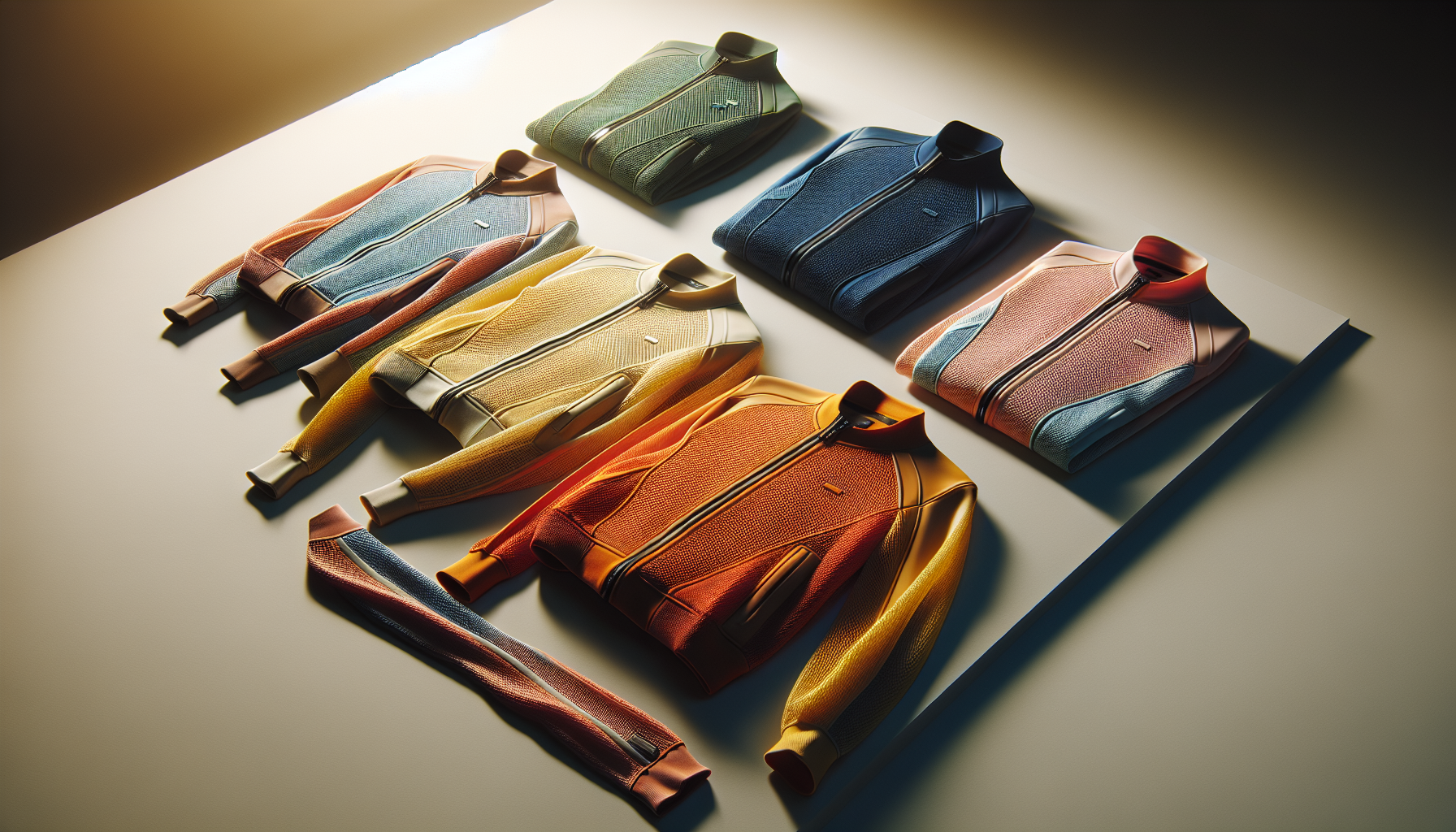
Summer riding puts motorcyclists in a difficult position: the heat demands airflow, but the road still demands real protection. The best summer riding mesh jackets solve that problem by combining abrasion resistance, impact armor, ventilation, and fit systems that work in high temperatures. In practical terms, a mesh motorcycle jacket uses large open-weave panels, usually paired with stronger textile zones at the shoulders, elbows, and back, to move air across the body while maintaining structural integrity in a crash. For riders building out a complete protective gear setup in 2026, this category is the starting point, because the jacket influences comfort, fatigue, layering, and how consistently you wear your gear.
I have fitted, tested, and compared warm-weather jackets across commuting, touring, and weekend canyon riding, and the same pattern shows up every season: riders stop wearing heavy gear when temperatures rise unless the jacket feels purpose-built for summer. That is why this topic matters beyond comfort. Heat stress slows reaction time, increases dehydration, and makes riders more likely to unzip gear, skip armor, or leave the jacket at home altogether. A well-chosen mesh jacket helps maintain both concentration and protection. It also acts as the hub of a broader protective gear system, connecting with gloves, back protectors, armored base layers, riding jeans or pants, boots, hydration packs, and rain layers.
As a hub article under Garage & Gear, this guide covers protective gear comprehensively through the lens of summer mesh jackets. It explains what to look for, how modern safety ratings work, which tradeoffs are real, and how different riding styles change the best choice. If you want a direct answer, the best summer riding mesh jackets in 2026 are the ones that balance certified impact protection, high-airflow chassis design, secure fit adjustment, visible construction quality, and compatibility with the rest of your protective gear. Brand names matter less than those fundamentals, although established makers such as Klim, REV’IT!, Alpinestars, Dainese, Icon, Knox, and RST consistently build around them.
What makes a mesh jacket truly protective
A protective summer motorcycle jacket is not simply any garment with holes in it. The standard to look for first is CE certification under EN 17092, which classifies motorcycle garments by performance level. In broad terms, AAA offers the highest abrasion and seam strength performance, followed by AA, then A for lighter-duty use. Many summer mesh jackets land in A or AA because high airflow usually requires compromise in material density, but an AA-rated jacket with well-placed armor is often the realistic sweet spot for street riding in hot weather. If a product page is vague about certification, that is a warning sign.
Armor matters just as much as the shell. At minimum, a serious mesh jacket should include CE Level 1 or Level 2 protectors at the elbows and shoulders under EN 1621-1. A back protector is even better, but many jackets ship only with a foam pad, so buyers need to budget for an upgrade. For frequent highway use, Level 2 back protection is worth prioritizing because it transmits less force in impact testing. Fit is critical here. Armor only protects the body parts it stays over, so adjustment straps at the biceps, forearms, waist, and cuffs are not cosmetic features; they are safety features.
Material layout separates better jackets from cheap ones. High-quality mesh jackets usually combine polyester or nylon mesh with reinforced textile panels in abrasion zones, sometimes using ripstop, 600D fabric, SuperFabric, Armacor, or leather overlays. Mesh across the chest, inner arms, and back drives airflow, while solid panels anchor armor and improve slide performance. From experience, jackets that feel slightly more substantial in the shoulders and elbows almost always inspire more confidence on longer rides, especially when carrying a loaded backpack or riding above city speeds.
How to choose the best summer riding mesh jacket for your riding style
The best jacket for a city commuter is not always the best one for a touring rider or a weekend sport rider. Urban commuters benefit from shorter jackets with easy entry, lighter weight, and strong airflow at stoplights. Touring riders usually need more pocket space, better cuff closure, stronger waist adjustment, and room for a base layer or waterproof shell. Sport and naked-bike riders often prefer a more pre-curved fit with secure armor placement and less flapping at speed. Adventure riders face another set of needs: broad temperature swings, hydration compatibility, and abrasion panels that handle standing on the pegs or light off-pavement use.
Climate should shape the choice as much as riding style. In dry heat, massive airflow can feel excellent. In humid climates, airflow still helps, but moisture management becomes equally important, so the liner and base layers matter more. In desert conditions, direct hot wind can dehydrate you faster than expected, which is why some experienced riders prefer controlled venting over the most open chassis possible. In coastal regions with cool mornings and hot afternoons, a jacket that layers cleanly over a windproof shell gives more flexibility than a pure single-purpose hot-weather design.
Body type also changes results. Slim riders often struggle with armor floating inside boxy jackets, while broader riders may size up too far and lose elbow protection alignment. Always check the brand’s measurement chart and, if possible, compare chest, sleeve, and waist dimensions instead of relying on generic small-to-XXL assumptions. A jacket that feels slightly snug off the bike often settles correctly in the riding position. A jacket that feels loose in the store usually becomes sloppier in the wind.
| Riding profile | Best jacket traits | Typical tradeoff |
|---|---|---|
| Urban commuting | Light weight, high airflow, quick on-off, reflective details | Less weather versatility |
| Weekend sport riding | Pre-curved fit, secure armor, shorter cut, low flap at speed | Less storage and layering room |
| Touring | AA rating, multiple adjusters, pockets, liner compatibility | Heavier feel in extreme heat |
| Adventure and dual-sport | Wide temperature range, abrasion panels, hydration-friendly fit | Bulkier silhouette |
Key features that separate premium jackets from budget options
Price differences in mesh motorcycle jackets are usually tied to materials, armor quality, patterning, and quality control. Budget jackets can provide useful airflow and basic protection, but premium models typically fit better at the elbows and shoulders, use stronger zippers, and maintain shape after repeated hot-weather use. This matters because summer gear sees more sweat, UV exposure, and washing cycles than cold-weather gear. A jacket that sags or twists after one season will not hold armor in place consistently.
Look closely at the armor package. Better jackets increasingly include flexible viscoelastic armor from lines such as D3O, Seeflex, Nucleon Flex Pro, or SAS-TEC. These protectors contour better than old hard shells and tend to be more comfortable in heat, which improves compliance on longer rides. Ventilation architecture is another premium differentiator. Good jackets do not rely on mesh alone; they use strategic panel sizing, exhaust paths, and collar shaping so air actually passes through the garment instead of ballooning it. If a jacket puffs up at 70 mph, it becomes noisy, fatiguing, and less precise in fit.
Closure systems deserve more attention than they get. YKK zippers, secure snap collars, anti-scratch tank protection, and cuff designs that work with both short and gauntlet gloves all improve daily use. Connection zips for pants are valuable if you ride regularly at highway speeds, because keeping jacket and pants joined reduces the chance of skin exposure in a slide. Reflective material also matters more than many riders admit. Summer riding often means dawn departures, sunset returns, and glare conditions where contrast helps drivers pick you out sooner.
Best mesh jacket categories and notable 2026 picks
Rather than pretending one jacket is best for everyone, it is more useful to think in categories. For premium touring and all-day road use, jackets from Klim and REV’IT! often stand out because they combine substantial chassis construction with excellent adjustment and polished armor integration. Klim’s warm-weather pieces have earned a strong reputation for durability and practical pocket design, while REV’IT! consistently delivers refined fit and clearly documented safety specs. For riders who want aggressive styling and a sport fit, Alpinestars and Dainese remain strong choices, especially when paired with matching gloves and back protectors from the same ecosystem.
Value-focused buyers should look closely at brands such as Icon, Joe Rocket, Cortech, Fly Racing, and RST, depending on regional availability. These brands often offer impressive airflow and acceptable protection at lower price points, though buyers need to check whether the included back insert is protective or just a placeholder. Knox deserves special mention for armored shirts and close-fitting protective layers that can outperform traditional loose jackets for some riders in peak heat, especially when worn under a lightweight overshirt. That approach is not ideal for every highway rider, but it has changed the summer gear conversation.
In 2026, one trend is clear: riders are paying closer attention to certification transparency and armor upgrades instead of buying purely on style. Another is modularity. More jackets are designed to work with removable windproof liners, hydration vests, chest protection, or separate waterproof shells. That modular system is often smarter than buying a so-called four-season jacket and suffering through summer in a compromised shell. If your primary use is hot-weather road riding, a dedicated mesh jacket plus separate rain layer usually performs better.
How mesh jackets fit into a complete protective gear system
A summer jacket is only one part of protective gear, and riders get the best results when the whole system works together. Start with a moisture-wicking base layer. It reduces skin irritation, helps the jacket slide into position correctly, and improves evaporative cooling. Add gloves that overlap the cuff properly, because exposed wrists are common in bad jacket-glove combinations. Pair the jacket with riding pants or jeans that offer comparable protection rather than assuming the upper body alone deserves armor. On hot days, many riders wear a strong jacket with ordinary denim, which creates a major imbalance in crash protection.
Back protection, chest protection, and airbag compatibility are increasingly important. A CE Level 2 back protector is one of the most useful upgrades you can make. Some riders also benefit from chest protectors, particularly on faster roads. Airbag systems from companies such as Helite, Alpinestars, and Dainese have become more mainstream, but compatibility must be checked carefully. A tight mesh jacket may not provide the expansion room required by an airbag vest. If you plan to adopt an airbag system later, choose your jacket with that future setup in mind.
Do not ignore visibility and hydration. High-viz color panels, retroreflective inserts, and a bright helmet can complement the airflow benefits of a summer setup by making you easier to see in heavy traffic. Hydration packs pair especially well with mesh jackets for touring and commuting in sustained heat, but the shoulder straps should not displace armor. I advise riders to test their full gear combination on the bike, not just standing in a mirror, because reach to the bars, neck rotation, and pressure points change immediately once you are seated.
Care, replacement timing, and common buying mistakes
The best summer riding mesh jackets last longer when riders treat them like technical safety equipment instead of ordinary clothing. Sweat salts, sunscreen, dirt, and UV exposure gradually degrade fabrics and liners. Follow the manufacturer’s washing instructions, remove armor before cleaning, and air-dry the jacket away from direct heat. Avoid harsh detergents and never assume a pressure washer or aggressive brushing is harmless. Even if the shell still looks fine, crushed armor, frayed seams, or stretched mesh are reasons to replace components or retire the jacket.
The most common buying mistake is prioritizing maximum airflow over protection and fit. Riders often choose the lightest, loosest jacket in the store, then discover that the armor rotates, the sleeves flap, and the shell feels insecure above urban speeds. Another mistake is buying for one perfect weather day instead of a full season. A jacket that is comfortable only between 90 and 100 degrees may be miserable on cooler mornings or after sunset. The smarter approach is to buy a high-airflow jacket that still works with a windproof or waterproof outer layer.
Finally, do not confuse marketing language with safety data. Words such as race-inspired, reinforced, and protective sound reassuring, but certification labels, armor specifications, seam quality, and fit adjustment tell the real story. If possible, try the jacket in your actual riding posture, with your usual gloves and base layer, and check whether the elbow armor stays centered when you reach forward. The best summer riding mesh jackets earn trust through design details you can verify, not claims you simply hope are true.
The best summer riding mesh jackets in 2026 make it possible to stay cool without giving up the protection that keeps riders safer on real roads. The right jacket combines CE-rated construction, secure armor placement, meaningful abrasion zones, and enough airflow to reduce heat stress and improve comfort. Just as important, it should match your riding style, body shape, climate, and the rest of your protective gear, from gloves and pants to back protection and hydration. That system-wide view is what turns a jacket purchase into a smart gear decision.
If you remember only a few points, make them these: buy certified gear, prioritize fit over hype, upgrade the back protector when needed, and choose modular layering instead of expecting one jacket to do every job. Riders who follow those principles usually wear their gear more often, stay more comfortable in traffic and on longer rides, and avoid the false choice between ventilation and safety. Summer gear should remove excuses, not create new compromises.
Use this hub as your starting point for building a better protective gear setup under Garage & Gear, then compare jackets by certification, armor, fit, and intended use before spending money. When you narrow your shortlist, try each option in a real riding position and evaluate how it works with the rest of your kit. Choose carefully now, and every hot-weather ride in 2026 will be cooler, safer, and easier to enjoy.
Frequently Asked Questions
1. Are mesh motorcycle jackets actually protective enough for summer riding?
Yes—when they are designed correctly, a quality mesh motorcycle jacket can provide meaningful protection while still keeping a rider significantly cooler than a solid textile or leather jacket in hot weather. The key is understanding that “mesh” does not mean the entire jacket is made from loose netting. The best summer riding mesh jackets combine large airflow panels with reinforced impact and abrasion zones in the areas most likely to hit the ground during a crash, such as the shoulders, elbows, forearms, and upper back. Many also include CE-rated armor at the shoulders and elbows, along with a pocket or included insert for a back protector. That combination is what allows a mesh jacket to balance ventilation with real-world safety.
Protection levels vary widely, so riders should look beyond marketing language and focus on construction details. Stronger jackets use abrasion-resistant textiles in key zones, secure stitching, well-positioned armor, and closures that stay in place at speed and during a slide. A cheap mesh jacket may feel airy, but if it lacks quality materials, impact protection, and structural integrity, it will not perform at the same level. In other words, mesh gear is not automatically protective simply because it is sold for motorcycling.
For summer street riding, commuting, and touring in high temperatures, a well-built mesh jacket is often one of the most practical choices available. It may not match the absolute abrasion performance of premium race leather, but it is far superior to riding in a hoodie, denim jacket, or no protective upper-body gear at all. The best option is the one that gives you both credible protection and enough comfort that you will wear it consistently every time you ride.
2. What should I look for when choosing the best summer riding mesh jacket in 2026?
The best place to start is with protection, then move to airflow, comfort, and fit. In 2026, riders should prioritize a jacket with CE-rated shoulder and elbow armor, plus either an included back protector or a dedicated pocket that accepts a quality one. Jackets that clearly list certification standards, armor coverage, and material construction are generally a better bet than products that rely only on vague claims like “durable” or “protective.” Reinforced textile panels in impact zones are especially important because they help offset the lower abrasion resistance of open-weave mesh areas.
Airflow is the next major factor. A good summer mesh jacket should move air at city speeds and become even more effective at highway speed without feeling flimsy. Larger mesh panels across the chest, inner arms, sides, and back tend to create more consistent ventilation. Some jackets also pair mesh with zippered vents and removable liners, which can extend usability into cool mornings or sudden weather changes. If you ride in regions with variable summer conditions, that versatility can make a big difference.
Fit matters more than many riders realize. Armor only works properly when it stays in the correct position, so the jacket should fit close enough to hold the pads at your shoulders and elbows without restricting movement. Waist adjusters, sleeve adjusters, cuff closures, and connection zippers for riding pants all help improve stability and comfort. A jacket that flaps excessively in the wind may be annoying, but more importantly, it can allow the armor to shift away from the areas it is meant to protect.
Finally, consider the details that affect everyday use: reflective elements for visibility, quality zippers, soft collar materials, phone and document pockets, hydration-friendly layouts for touring, and compatibility with separate armor upgrades. The best summer riding mesh jacket is not just the coolest one in terms of airflow—it is the one that delivers a balanced combination of protection, comfort, durability, and practicality for the way you actually ride.
3. How should a mesh jacket fit to stay comfortable and protective in hot weather?
A summer mesh jacket should fit securely, not loosely, even though many riders are tempted to size up for extra airflow. Airflow comes from the mesh construction itself, not from the jacket hanging off the body like casual clothing. If the fit is too baggy, the armor can rotate out of position, the sleeves can move around at speed, and the jacket can become tiring to wear on longer rides. A proper fit should allow full arm movement, comfortable reach to the bars, and easy shoulder mobility without pressure points.
When trying on a mesh jacket, riders should check armor placement first. Shoulder protectors should sit squarely over the shoulder joints, and elbow armor should remain centered when your arms are bent in a riding position. This is critical because jackets often feel different on the bike than they do when standing upright in a store or at home. Pre-curved sleeves, adjustable forearms, waist straps, and cuff tabs all help keep the jacket stable while riding.
Comfort in hot weather also depends on layering and base clothing. A lightweight moisture-wicking shirt under the jacket usually feels better than a cotton T-shirt because it helps sweat evaporate and allows air to move more efficiently over the skin. Riders who wear bulky layers under a mesh jacket in summer often reduce the cooling effect and interfere with the intended fit. The goal is a jacket that feels secure but not restrictive, with enough room for natural movement and any included liner if the design uses one.
If you are between sizes, the right choice usually depends on your body shape, armor layout, and intended use. Sport-focused cuts may run trimmer, while touring cuts may leave more room through the chest and waist. The best fit is one that keeps the protective components exactly where they belong while still being comfortable enough for all-day riding in high temperatures.
4. Are mesh jackets good for highway riding, touring, and extremely hot climates?
Yes, mesh jackets are often an excellent choice for highway riding and summer touring, especially in consistently hot conditions. At speed, the airflow through a well-designed mesh jacket can be dramatically better than with most solid textile gear, which helps reduce heat buildup and rider fatigue. That matters more than many people think, because overheated riders lose concentration, tire more quickly, and can make poorer decisions. In that sense, a breathable jacket contributes not just to comfort but also to overall riding safety.
That said, extreme heat changes the equation slightly. In very dry climates, especially when ambient temperatures are exceptionally high, blasting hot air directly through a jacket can sometimes feel more like a hair dryer than a cooling system. In those situations, riders often do better with a moisture-wicking base layer and strategic hydration, rather than relying on airflow alone. Some touring riders even prefer a jacket with controlled venting instead of maximum open mesh when temperatures become truly extreme, because moderated airflow can be more comfortable than constant direct exposure to superheated air.
For highway use, stability is also important. A good touring-friendly mesh jacket should resist excessive flapping, keep armor in place, and offer enough structure in the chassis to remain comfortable over long distances. Features like better cuff adjustment, a strong main zipper, collar comfort, and connection options for riding pants make a noticeable difference on all-day rides. Storage can matter too, particularly for riders who carry earplugs, documents, gloves, or small electronics.
So yes, mesh jackets work very well for highway riding and summer travel, but the best choice depends on your climate and riding style. In warm and humid regions, maximum airflow is often ideal. In very hot, arid environments, riders may want a jacket that still breathes well but includes enough structure and layering flexibility to manage heat more effectively over long periods.
5. How do I maintain a summer mesh motorcycle jacket so it lasts and keeps performing well?
Regular maintenance is important because mesh jackets collect sweat, dust, road grime, sunscreen residue, and insect debris faster than many riders expect during summer use. Over time, that buildup can affect comfort, odor, and even airflow through the mesh panels. The first step is always to check the manufacturer’s care label, because washing methods vary depending on the fabrics, coatings, armor, and liners used. In most cases, armor should be removed before cleaning, pockets should be emptied and closed, and the jacket should be washed gently rather than aggressively scrubbed.
Hand washing or using a delicate machine cycle with mild detergent is often the safest option, especially for jackets with multiple materials and protective reinforcements. Harsh cleaners, bleach, and high heat can damage textiles, weaken coatings, and shorten the life of the jacket. After washing, air drying is usually best. Direct high heat from dryers or heaters can warp armor, shrink components, or degrade adhesives and trim materials. Once dry, reinstall the armor carefully and make sure everything is seated properly in its correct pocket.
It is also smart to inspect the jacket regularly, especially during heavy summer use. Look for fraying mesh, loose stitching, worn impact zones, broken zippers, weakened hook-and-loop closures, and armor that has shifted, cracked, or compressed. A jacket can still look acceptable from a distance while quietly losing some of the structural features that matter most in a crash. If the jacket has been involved in an accident, it should be evaluated very carefully, and in many cases replaced, even if the damage does not appear severe at first glance.
Good storage helps too. Keep the jacket in a dry, ventilated area out of prolonged direct sunlight when not in use. Long-term UV exposure